


 Walk Colon Street After Dark
Colon Street and the downtown core stay lively into the evening, and the Busay ridge viewpoints, Tops Lookout among them, are open 24 hours.
Cebu nightlife guide
Walk Colon Street After Dark
Colon Street and the downtown core stay lively into the evening, and the Busay ridge viewpoints, Tops Lookout among them, are open 24 hours.
Cebu nightlife guide
Cebu Travel Guide
Spanish-era churches and roast pig in the city, then a whole island beyond it: whale sharks at Oslob, the turquoise pools of Kawasan Falls and boats out of Mactan. Start with one good day, then add the south.
One Day In Cebu City
Heritage downtown in the morning, the Busay highlands in the afternoon and the city lights after dark, with everything a short taxi or ride-hailing hop apart.
1Morning
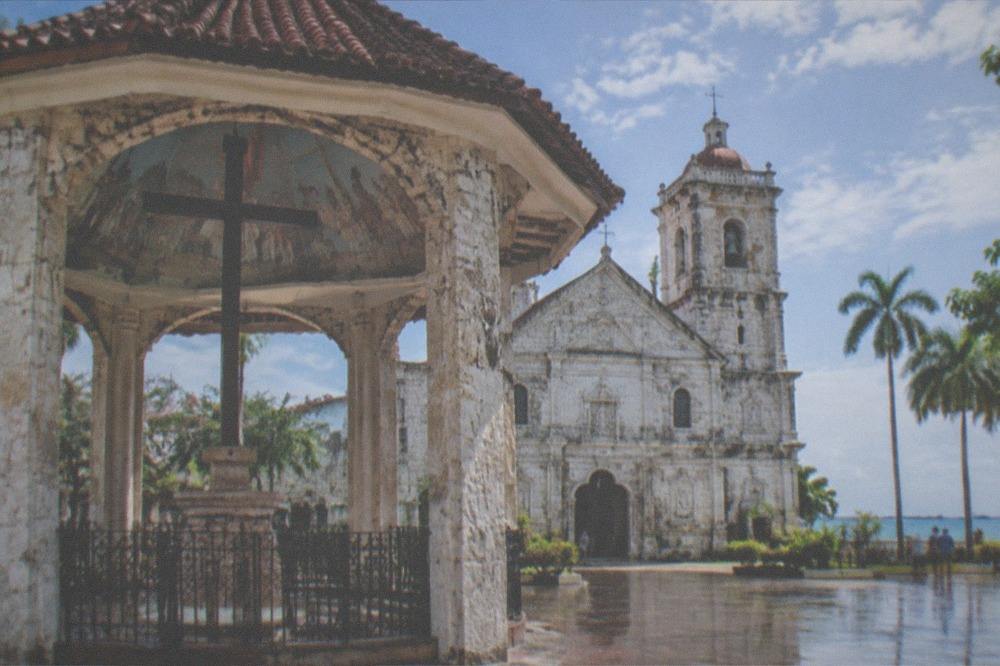
Magellan's Cross And The Basilica
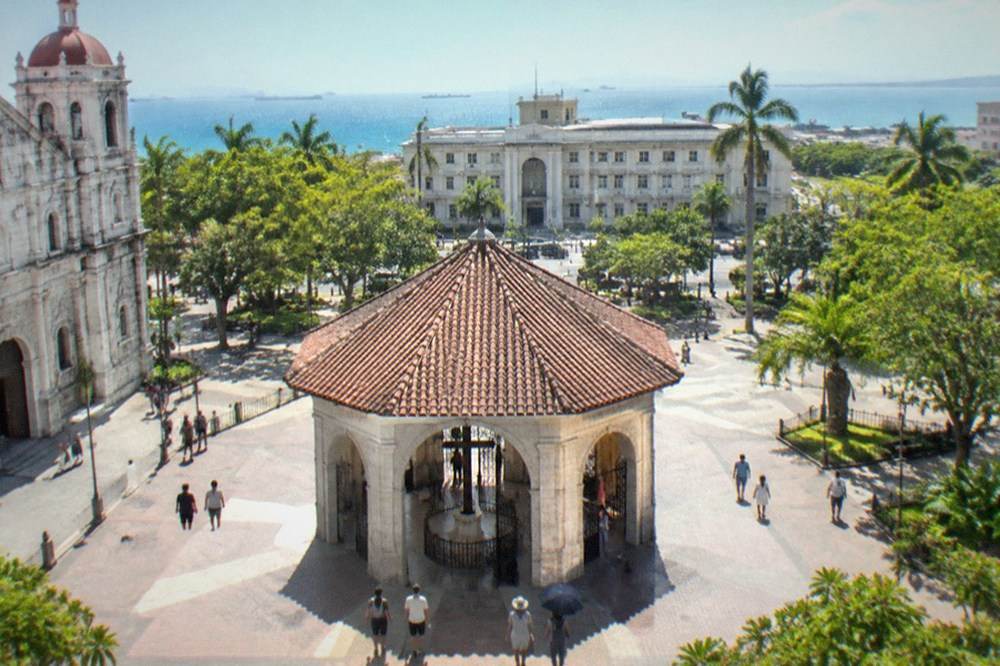
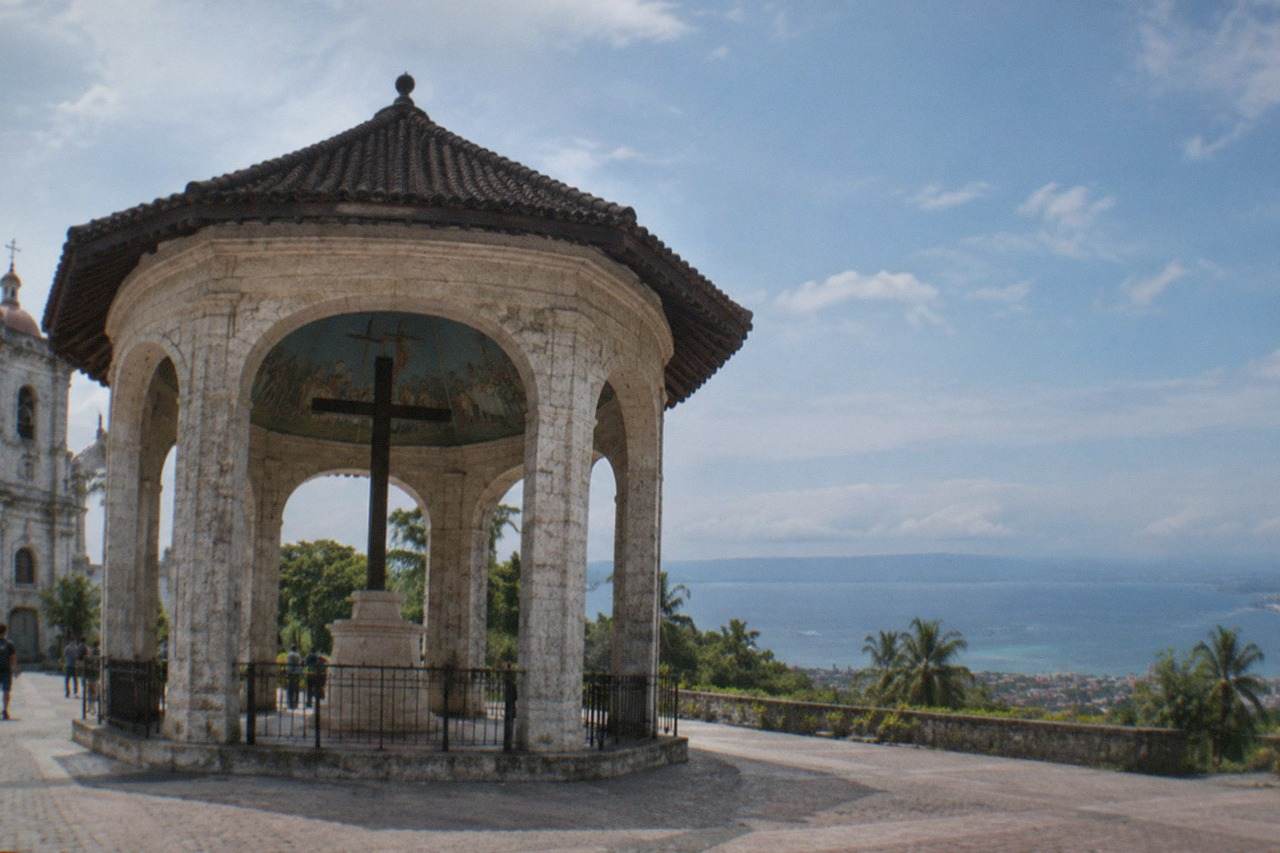
The painted-ceiling pavilion and the Basilica Minore del Santo Niño stand side by side on the same plaza.
Free2Late Morning
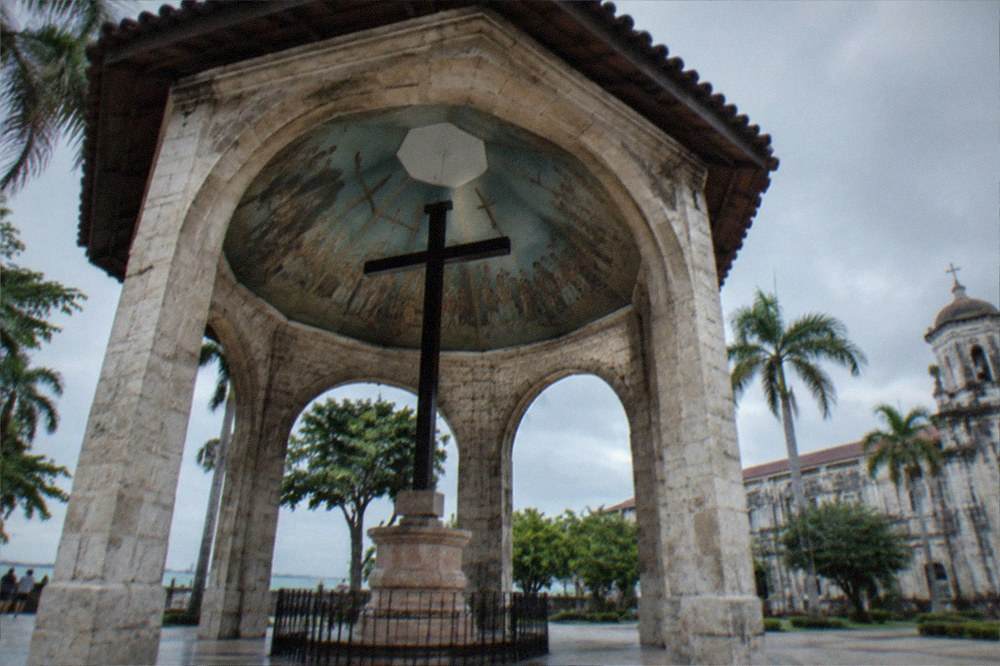
Fort San Pedro
A triangular coral-stone fort with ramparts, a courtyard and a view over the port.
Adult P50 (about US$0.80)3Afternoon
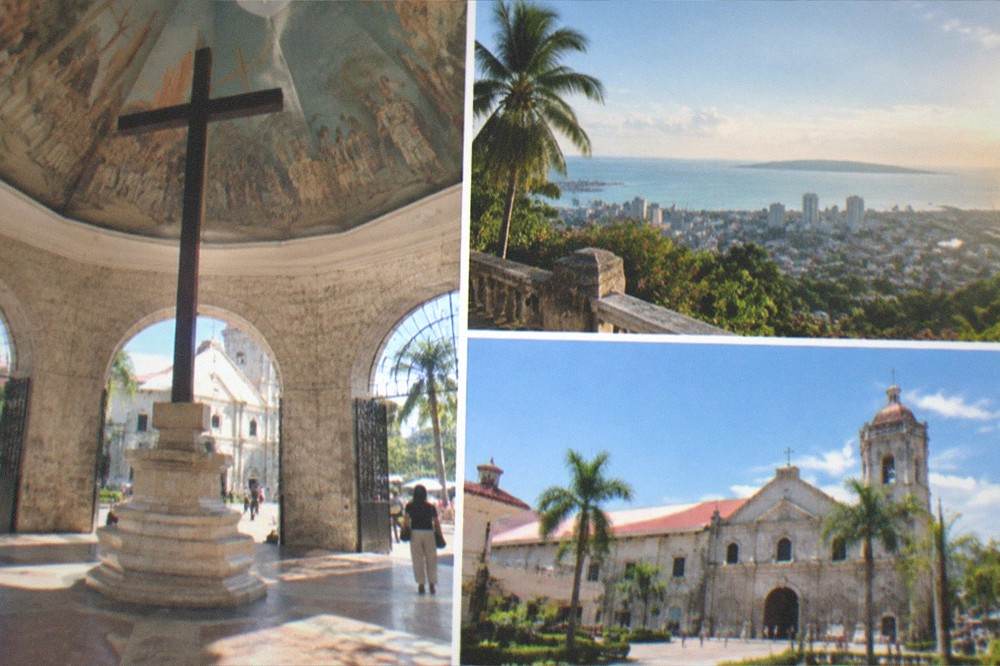
Temple Of Leah
A columned stone temple on the Busay hillside, with the city and the sea below.
4Evening

Tops Lookout
A hilltop viewing deck over the city lights, open 24 hours.
P100 (about US$1.60)The Best Things To See In Cebu City
Eight stops that earn the trip, from the oldest streets in the Philippines to a flower garden in the hills.
 Free
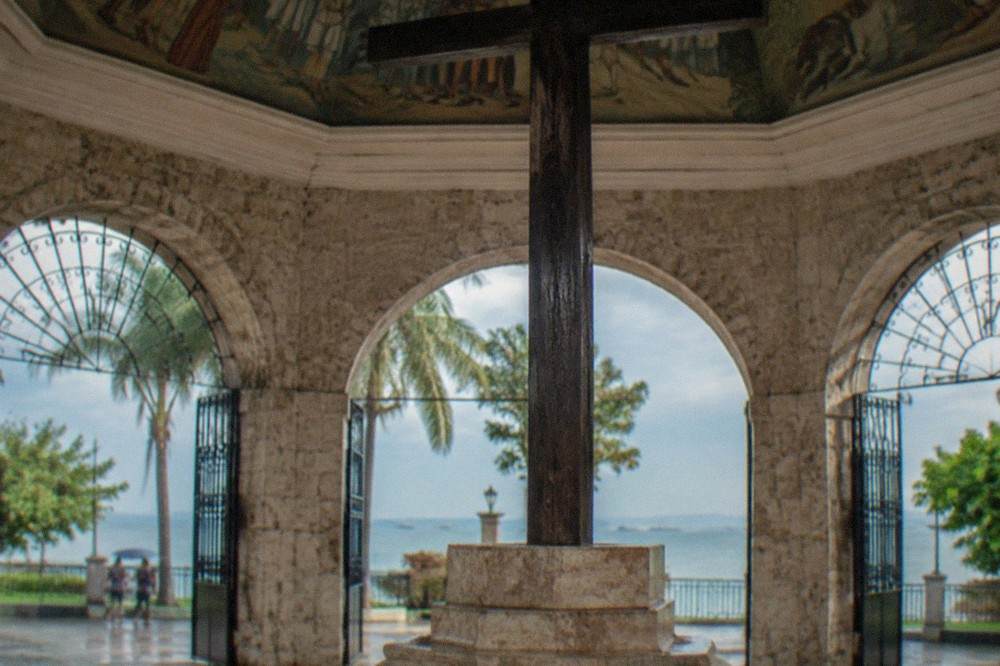
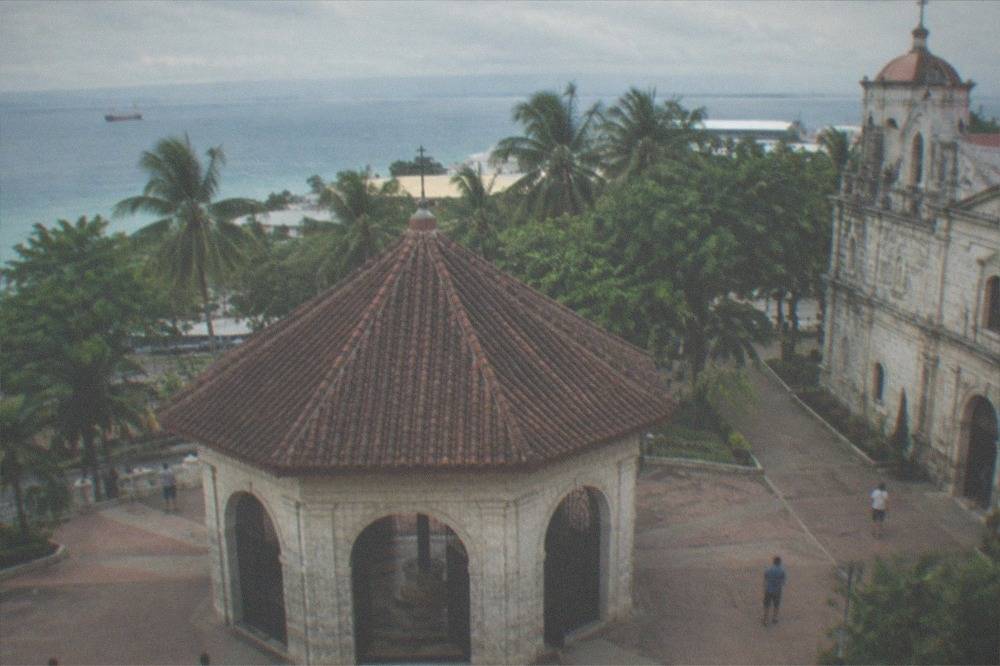
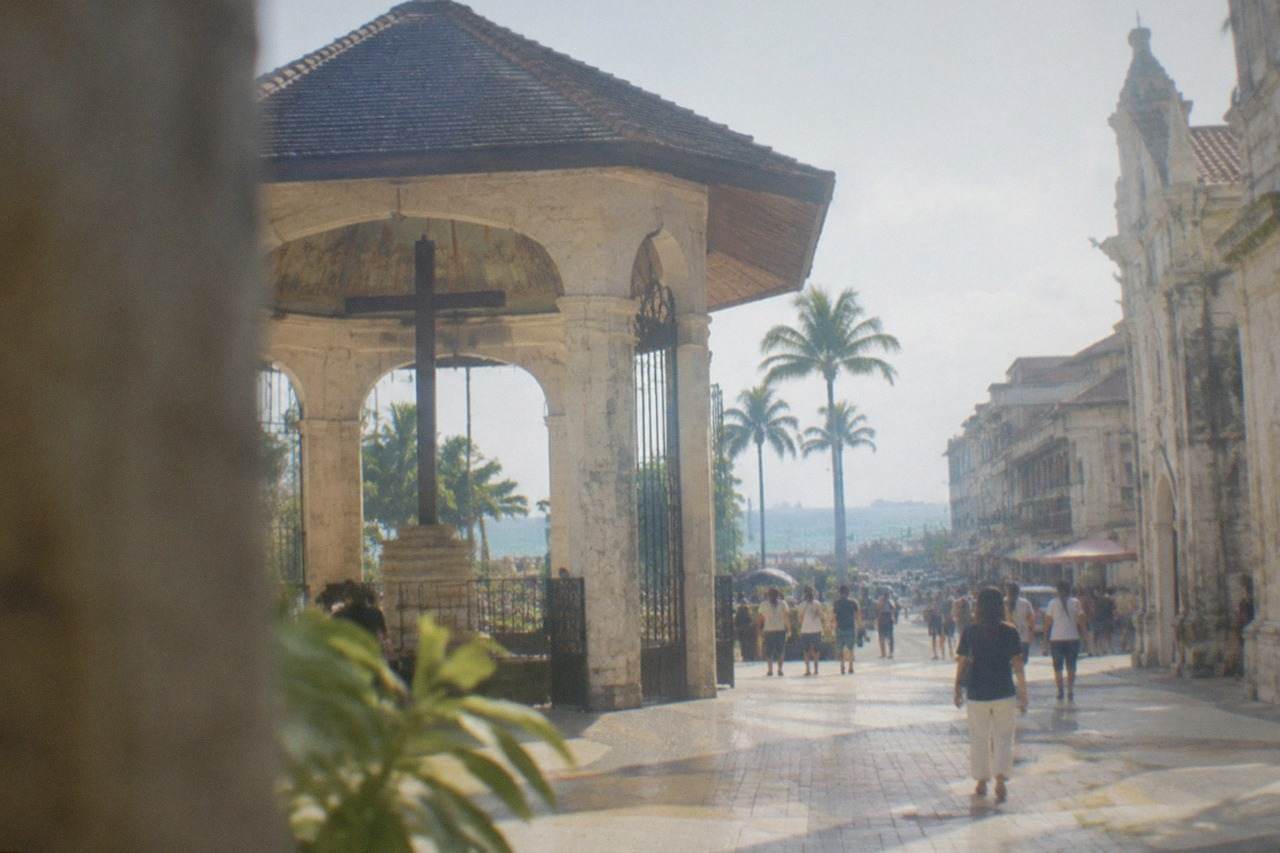
Magellan's CrossA wooden cross inside a stone pavilion on the plaza where Cebu's story begins.
Free
Magellan's CrossA wooden cross inside a stone pavilion on the plaza where Cebu's story begins.
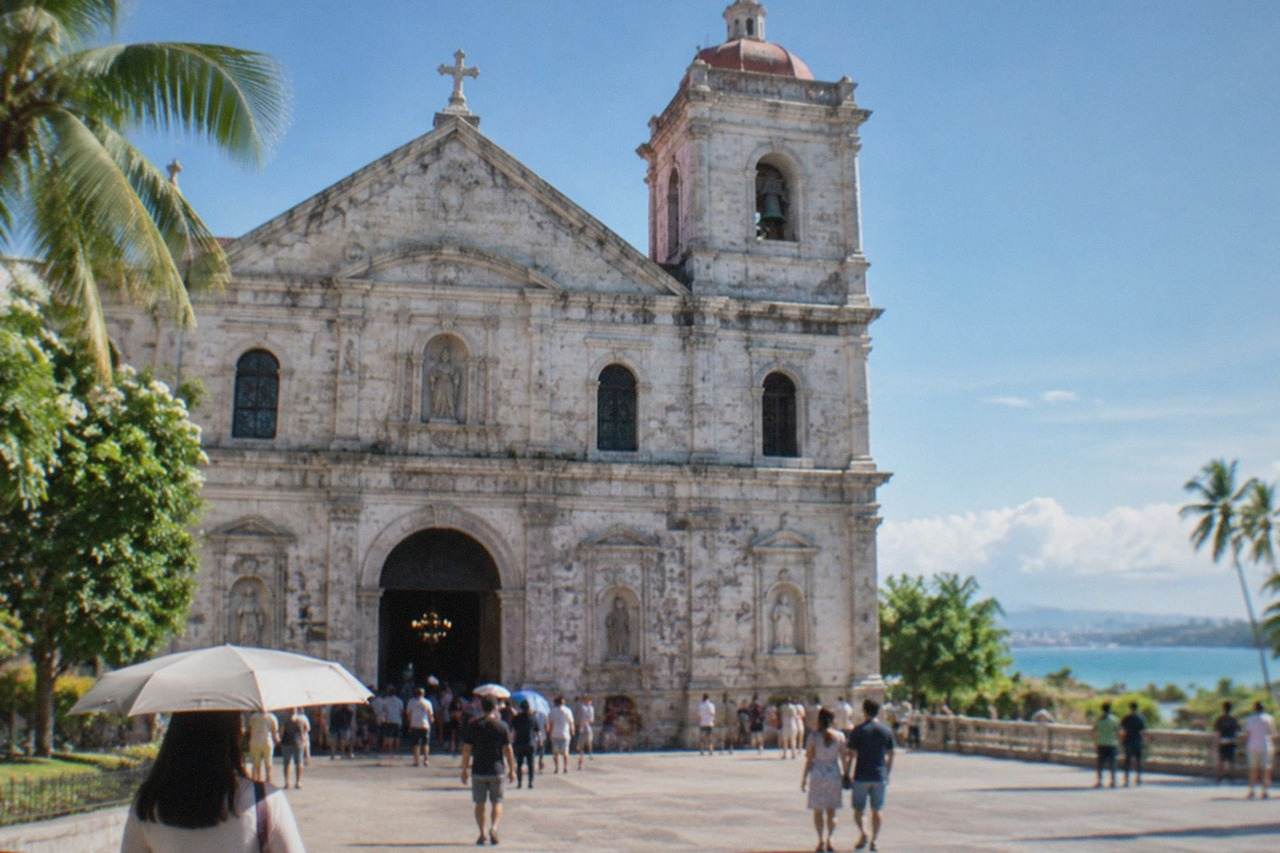 Basilica Del Santo NiñoThe baroque basilica beside the cross, a pilgrimage church.
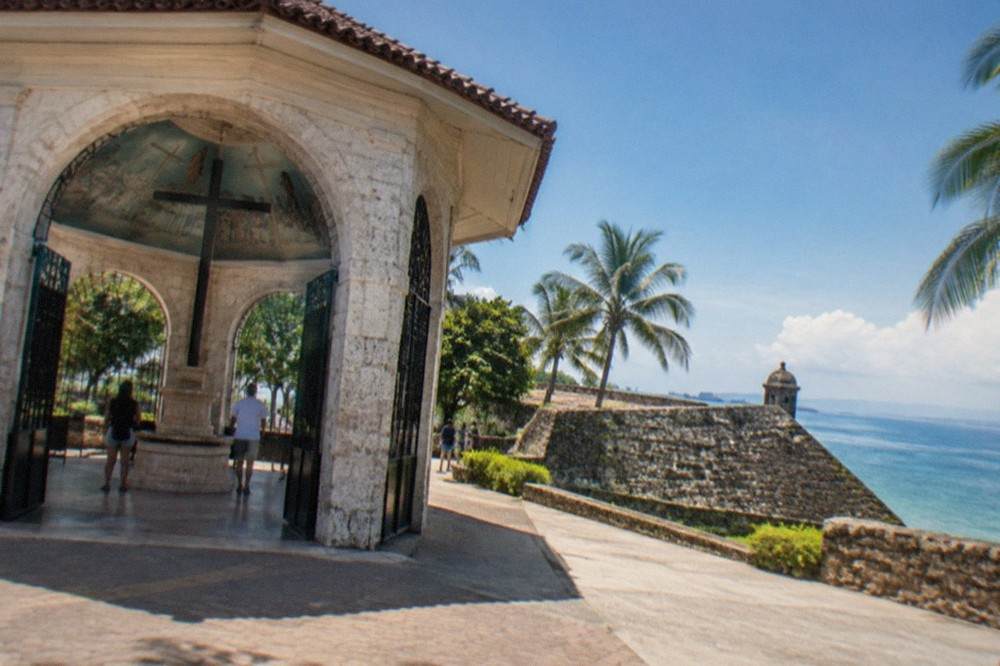 Adult P50 (about US$0.80)
Fort San PedroA triangular Spanish fort of coral stone beside Plaza Independencia.
Adult P50 (about US$0.80)
Fort San PedroA triangular Spanish fort of coral stone beside Plaza Independencia.
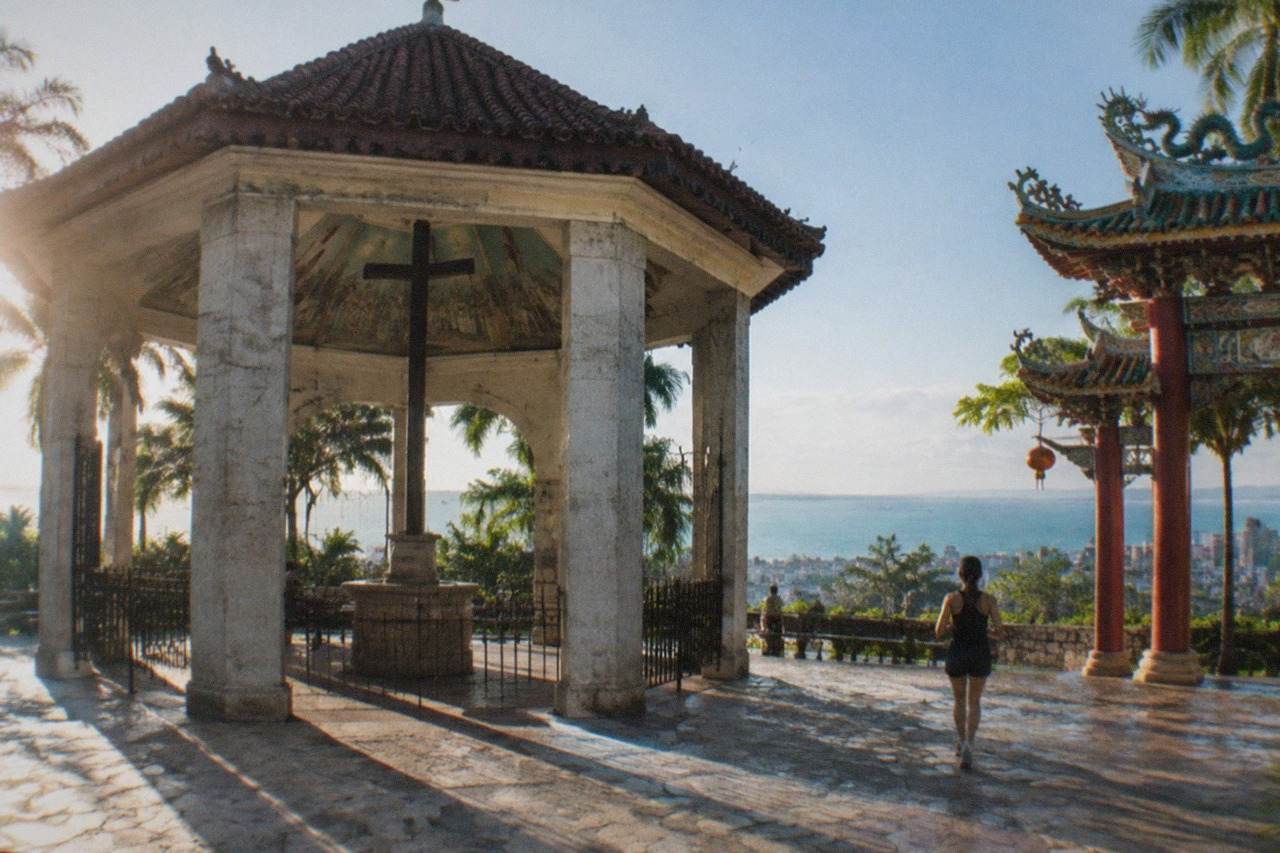 Cebu Taoist TempleRed pagoda roofs and dragon staircases above the city.
 Temple Of LeahA columned hillside temple with a long view over the channel.
 Sirao Flower GardenTerraced celosia beds in the Busay highlands.
 P100 (about US$1.60)
Tops LookoutThe 24-hour ridge deck for sunset and the city lights.
P100 (about US$1.60)
Tops LookoutThe 24-hour ridge deck for sunset and the city lights.
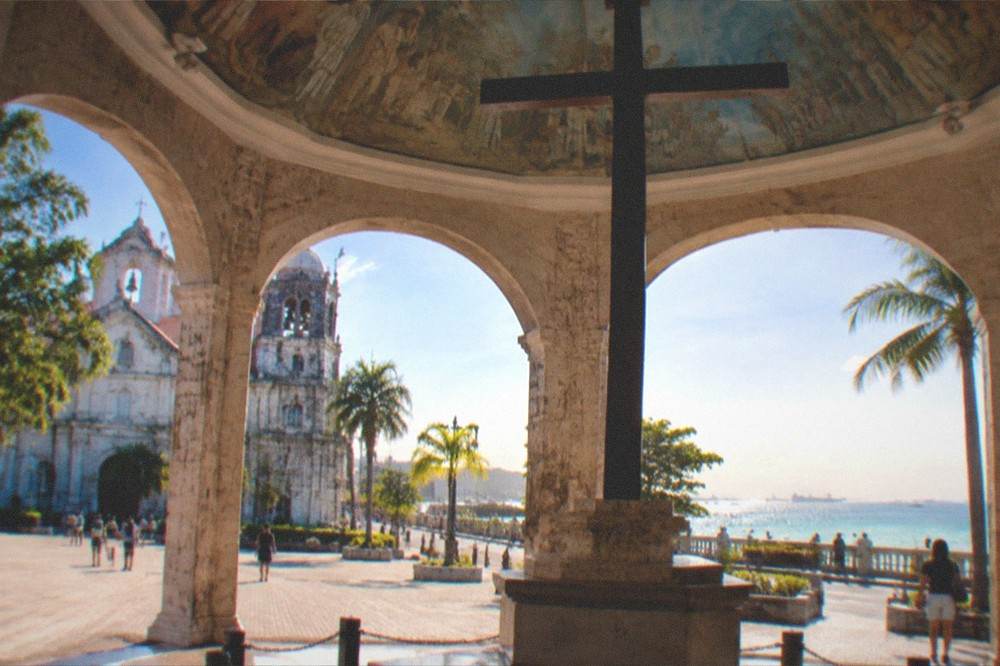 Free
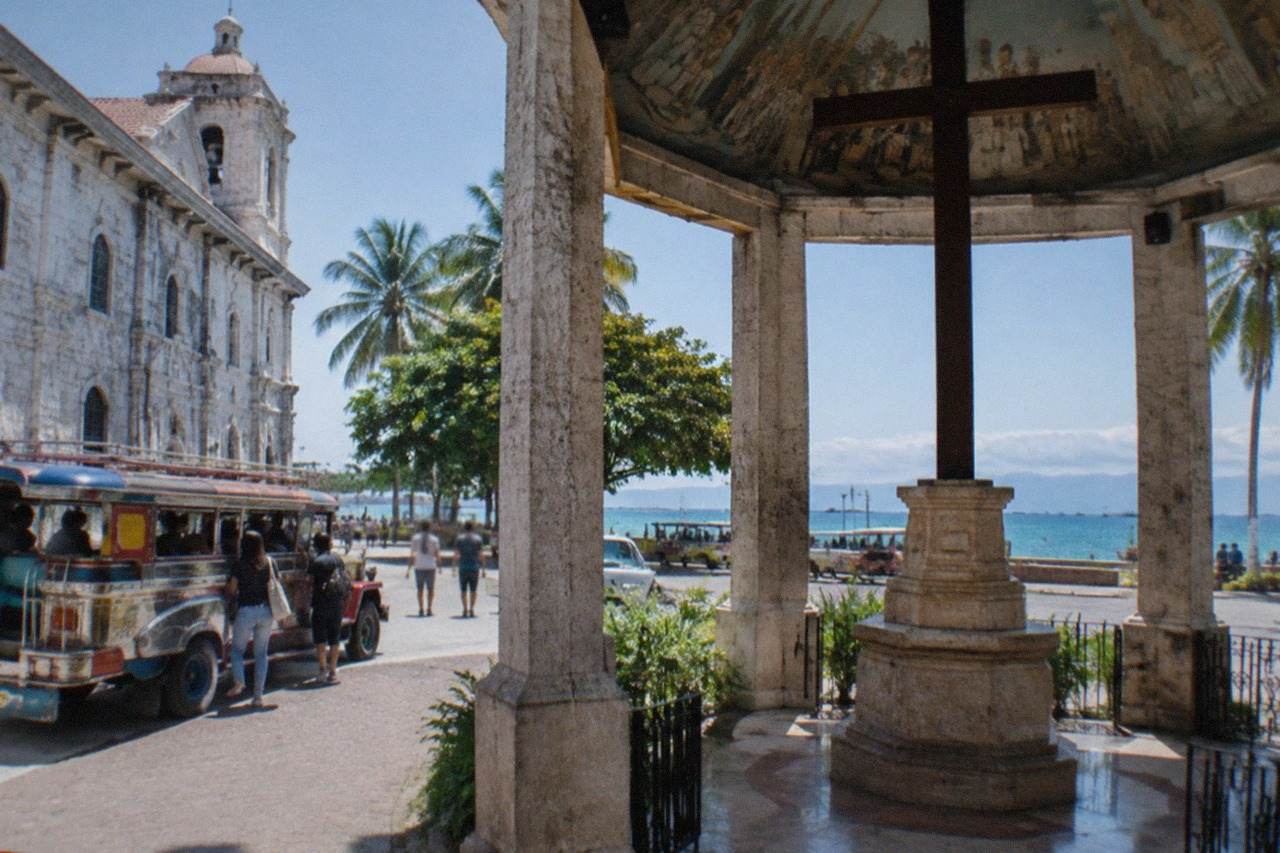
Colon StreetThe old downtown street, lined with heritage buildings and jeepneys.
Free
Colon StreetThe old downtown street, lined with heritage buildings and jeepneys.
3,088 traveller reviewsacross 33 checked tours
From $38cheapest paid tour today
Prices checkedagainst the booking page, refreshed monthly
Cebu Travel Guide Picks: Tours Worth Booking
Thirty-three tours and tickets cover the island, from whale sharks and Kawasan canyoneering to island hopping and Bohol. Three quick questions sort them into a shortlist for your dates.
A starting shortlist of the best-reviewed tours, not the whole roster. Answer any question and it rebuilds around your choices.
- Half-Day Canyoneering, Lunch Included 3 hours (approx.), half-day package from $55 ★ 4.9 458 Check availability
- Zipline Canyoneering, Lunch, Transfers 1 day (about 4 hours each way by car) from $84 ★ 4.8 362 Check availability
- Rakso Smile Hopping Day Trip day trip from $119.39 ★ 4.7 312 Check availability
- Half-Day Highlands Temples and Gardens half day from $45 ★ 4.8 269 Check availability
- Join-In Whale Sharks, Tumalog Stop full day, early morning departure incl. Tumalog Falls Price not published by the operator ★ 4 257 Check availability
- Loboc Cruise Lunch, Same-Day Ferry 14 hours (approx.), same-day return via ferry from $139 ★ 4.5 183 Check availability
- Island Hopping, Lunch Included 6 hours (approx.) from $84.19 ★ 4 166 Check availability
- 10-Hour Whale Shark Day Tour 10 hours (approx.) from $115 ★ 3.9 156 Check availability
- Zipline Canyoneering, 4:30 AM Pickup 4 to 12 hours depending on option from $91 ★ 4.9 125 Check availability
- 8-Hour Uphill Tour, Lunch Included 8 hours from $78 ★ 4.6 98 Check availability
- Falls Plus Osmena Peak Combo 11 hours Price not published by the operator ★ 4.5 85 Check availability
- Danasan Eco Park Day Pass day pass Price not published by the operator ★ 4.4 41 Check availability
- 6-Hour Round-Trip Whale Sharks full day (~6 hours round-trip incl. activities) from $75 ★ 4.4 38 Check availability
- Island Hopping, Lunch, Hotel Pickup 1 day from $115 ★ 4.6 28 Check availability
- Sardine Run, Canyoneering, Lunch 1 day from $137 ★ 4.9 20 Check availability
- Sardines Snorkel Plus Canyoneering full day from $128 ★ 4.2 17 Check availability
- Half-Day Joiner City Tour 3 hours Price not published by the operator ★ 4.4 16 Check availability
- Small-Group Islands Plus Falls Combo 12 hours (approx.) from $187 ★ 4.8 12 Check availability
- 3-Hour Small-Group City Tour 3 hours (approx.) from $38 ★ 3.9 8 Check availability
- Private Bohol Countryside Day Tour full day, early pickup, same-day return from $174 ★ 4.5 7 Check availability
- 3-4 Hour Market Food Walk 3-4 hours Price not published by the operator ★ 5 4 Check availability
- Full-Day Canyoneering, 07:00 Start full day, approx. 07:00-14:00 from $80 ★ 5 3 Check availability
- 17-Hour Trip, Private Transport 17 hours (approx.) from $676.72 ★ 5 2 Check availability
- 10-Hour Kawasan Falls Tour 10 hours (approx.) from $121 ★ 3.5 2 Check availability
- Early-Morning Thresher Shark Dive early morning dive trip Price not published by the operator ★ 2.5 2 Check availability
- Jpark Waterpark Day Pass day access, 9:00-18:00 from $55.81 Check availability
- Tip-Based Walk, 10 Stops 3 hours, 10 stops Free, pay what you want ★ 4.99 265 See this free tour on GuruWalk
- Free Walk With Jeepney Ride Free, pay what you want ★ 4.98 61 See this free tour on GuruWalk
- Free Food Walk, Bib Gourmand Stops Free, pay what you want ★ 4.93 91 See this free tour on GuruWalk
- Evening Amazing Show Ticket evening show Price not published by the operator Check availability
- Theme Park and Ocean Park Combo 8-10 hours Price not published by the operator Check availability
- Camotes Caves, Lake and Beach Day full day from $149 Check availability
- Bird Watching Plus Snorkeling Trip day trip from $230 Check availability
Cebu With Kids
Entry fees are low and the main sights sit close together, from a hilltop viewpoint to a beach resort pool. The dry season, December to May, gives the most reliable beach weather.
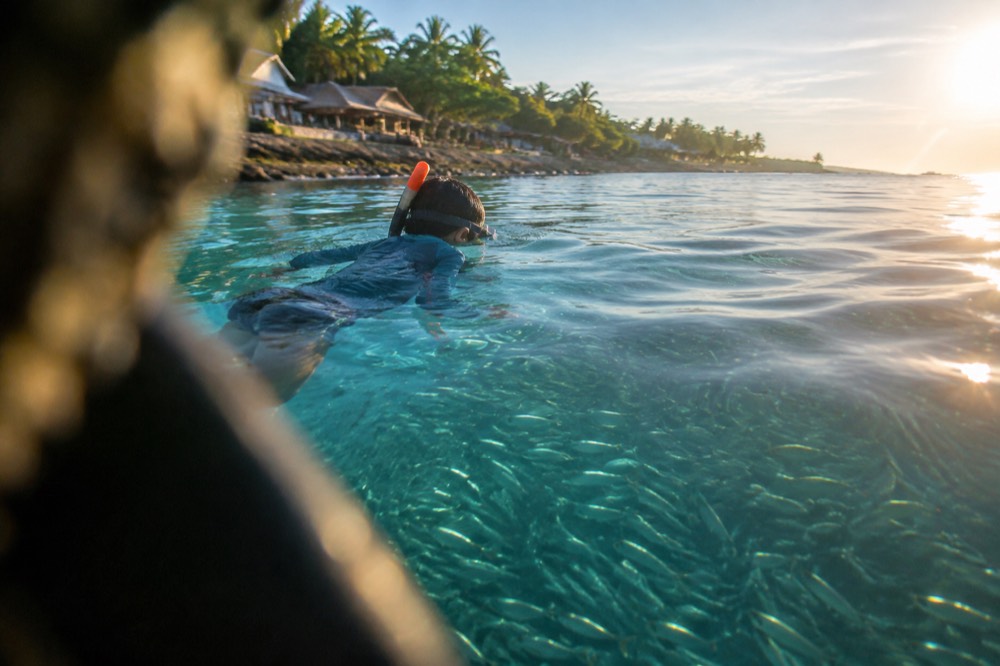 Family ItineraryA child-paced route from the city to the water.
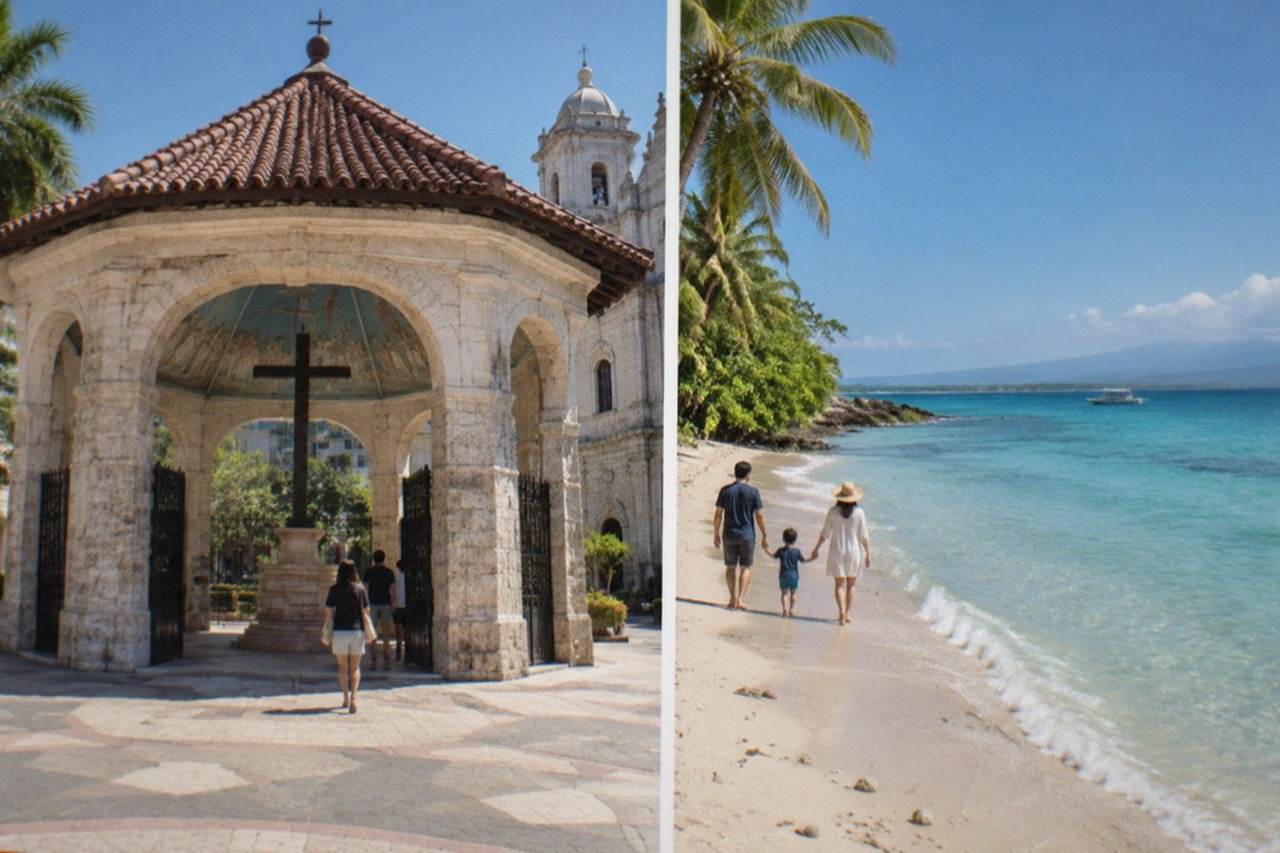 Family Travel GuideVisa, weather and small local fees for families.
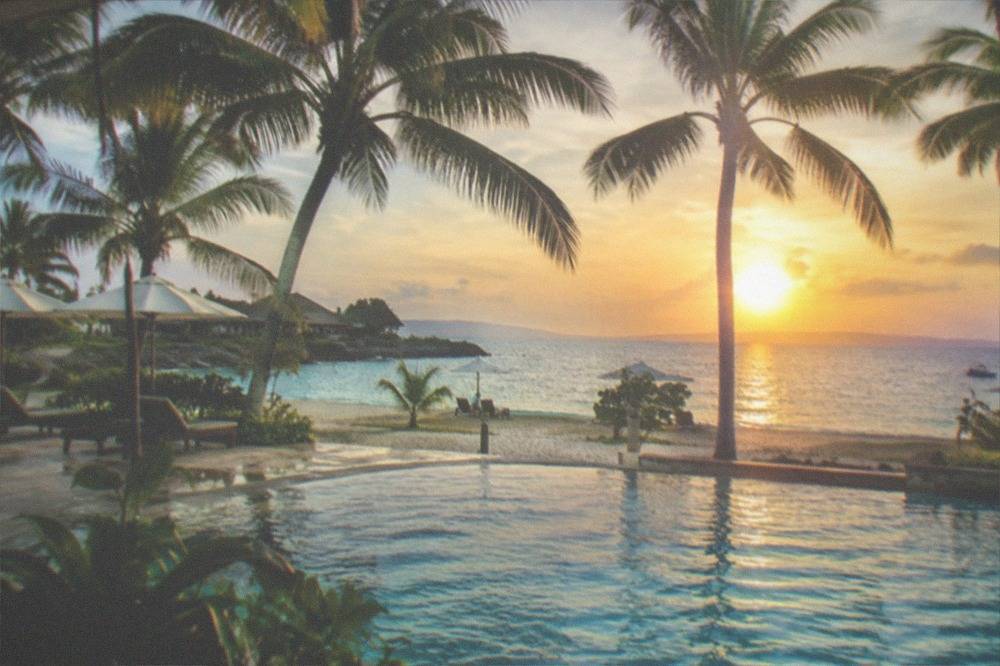 Family ResortsResort pools and calm beaches on Mactan.
Cebu In The Rain
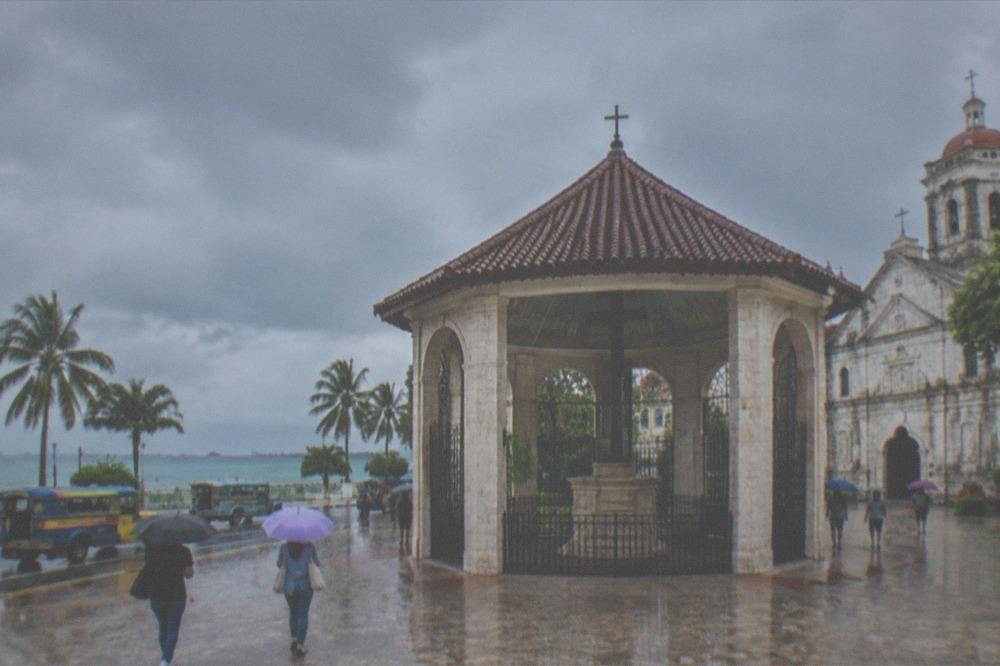
PAGASA classes June to November as the rainy season, with 138 rain days a year recorded at the Mactan station. Museums, old houses and covered markets keep a wet day useful.
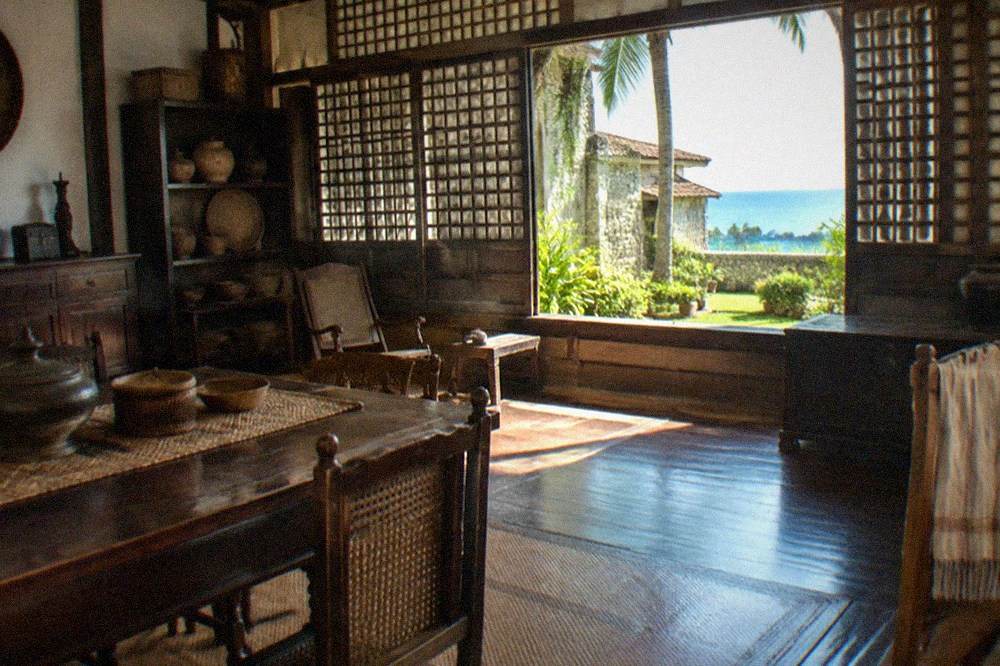 Casa Gorordo MuseumA restored Spanish-era house with period furniture.
 Yap-Sandiego HouseA coral-stone ancestral house museum in the Parian district.
 Weather And Typhoon GuideWhat closes, what stays open and how to read PAGASA.
Cebu At Night
Nightlife clusters around IT Park, Colon Street and the Busay ridge, and the busiest night of the year is the Sinulog Grand Parade weekend in January.
Nightlife GuideThe zones, the viewpoints and the late dining.
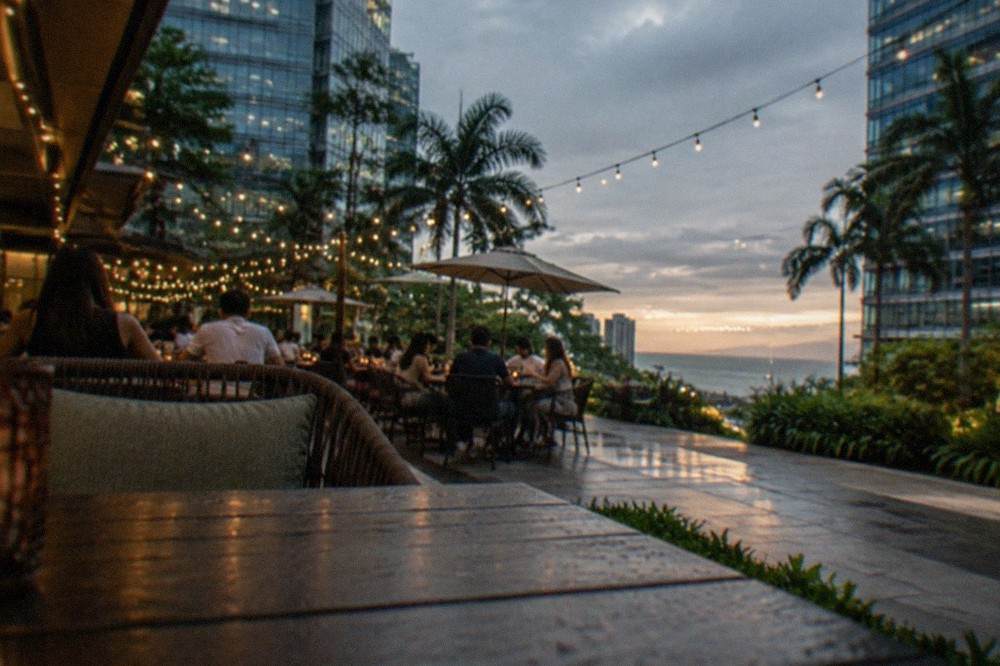 IT ParkCourtyard restaurants under string lights.
Tops LookoutCity lights from a ridge deck open 24 hours.
Colon StreetOld downtown after the shops close.
IT ParkCourtyard restaurants under string lights.
Tops LookoutCity lights from a ridge deck open 24 hours.
Colon StreetOld downtown after the shops close.
A Weekend In Cebu
Two days cover the heritage core, the Busay highlands and one day on the water.
 Weekend ItinerarySaturday in the city and hills, Sunday on the water.
 Three DaysAdd Oslob and Kawasan to the city.
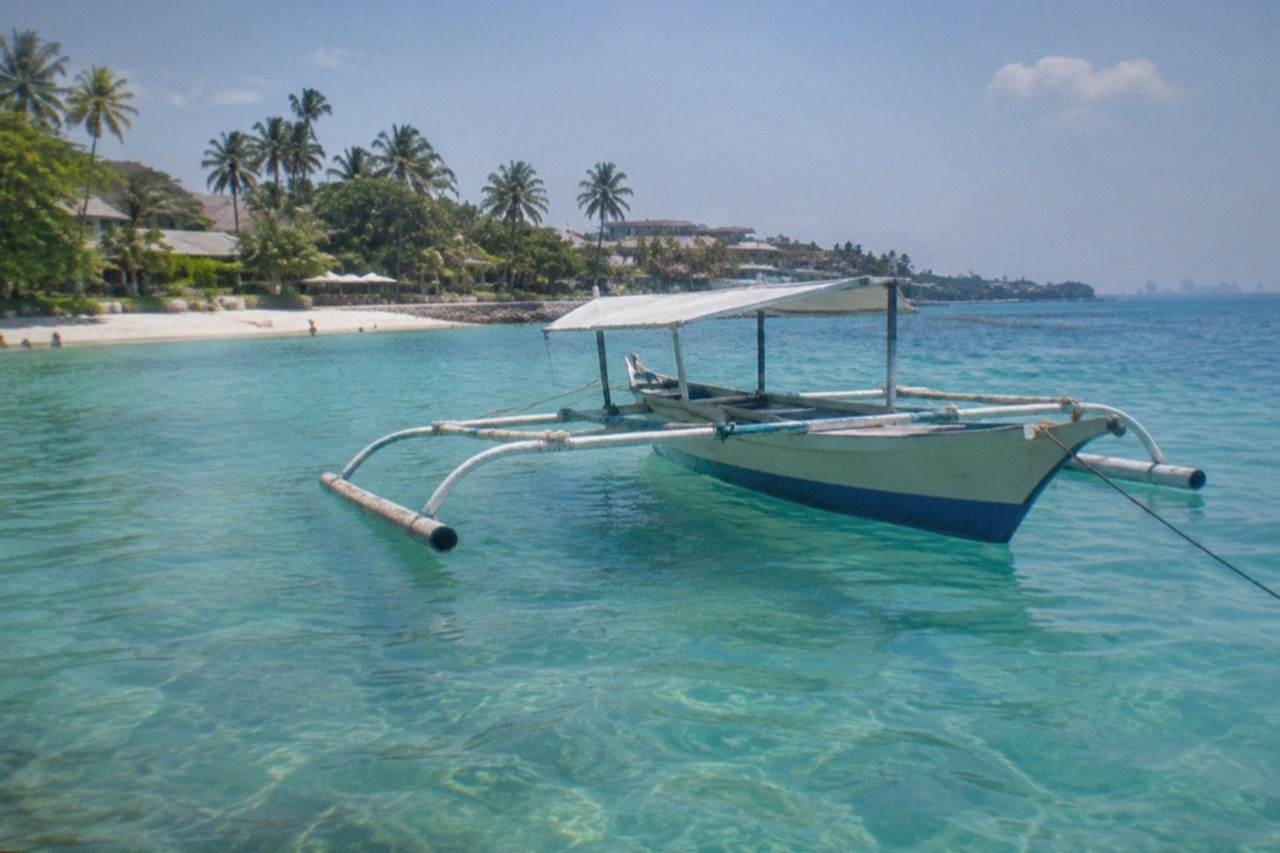 Mactan IslandBoats, beaches and the airport on one island.
 Highlands TourHalf-Day Highlands Temples and Gardens4.8 from 269 reviews · from $45Check availability
Cebu Neighbourhoods And Island Areas
Downtown holds the heritage core, IT Park the late dining, and Mactan the resorts and boats. Moalboal, Oslob and the northern islands sit a few hours out.
- Bantayan IslandFerry-accessed island beaches off Cebu's north coast: how to get there, what it costs, when to go.
- Cebu CityHeritage sites, lechon and jeepneys: the oldest city in the Philippines and the base for every Cebu trip.
- It Park CebuCebu City's modern business district, with easy transport links, dining, and day-trip access across the island of Cebu.
- Mactan IslandBeaches, island hopping and the Battle of Mactan site on Cebu's resort island.
- Cebu Business ParkOffices, malls and green space in northern Cebu City, and the most convenient base for exploring the island.
- Colon Street CebuDowntown Cebu City's historic commercial street, walking distance from Magellan's Cross, the Basilica and Fort San Pedro, with markets and street food on every block.
- Lapu-Lapu CityMactan Island's city: resorts, island hopping, the shrine of the chieftain who defeated Magellan, and Cebu's airport on the doorstep.
Cebu Itineraries
One day covers the heritage core and the highlands. A third day adds Oslob or Kawasan on the south coast.
- 3 Days In Cebu ItineraryA tight three-day plan for Cebu: heritage and lechon in the city, whale sharks and waterfalls in the south, islands off Mactan.
- South Cebu ItineraryThree days across south Cebu: whale sharks in Oslob, sardines in Moalboal, canyoneering at Kawasan Falls.
- How Many Days In Cebu Is Enough?Three, five or seven days in Cebu: what fits, what to cut, and the travel times that decide it.
- 1 Day Cebu City ItinerarySee Cebu City's heritage core, highland viewpoints and waterfront in a single well-paced day.
- 5 Days In Cebu ItineraryA five-day Cebu plan covering the city, Oslob, Moalboal, Kawasan, Bohol and Mactan, with verified fees and travel times.
- 7 Days In Cebu ItineraryA day-by-day seven-day Cebu itinerary: city heritage, highlands, whale sharks, canyoneering, the Moalboal sardine run and a Bohol day trip, with costs and transport.
- Cebu Itinerary With KidsA family-friendly Cebu itinerary: which attractions suit children, what they cost, and how to move between them.
- Cebu Weekend ItineraryA realistic two-day Cebu plan: heritage morning, highlands sunset, island Sunday.
Free Walking Tours In Cebu City
Three pay-what-you-want GuruWalk walks cover the heritage core, with a tip for the guide at the end. Magellan's Cross and Colon Street cost nothing to walk up to.

Tip-Based Walk, 10 Stops
4.99 from 265 reviews · free, pay what you want
See this free tour on GuruWalk
Where To Eat In Cebu
Lechon is the signature dish, puso is the rice that comes with it, and sutukil is how the Mactan shore serves its seafood.
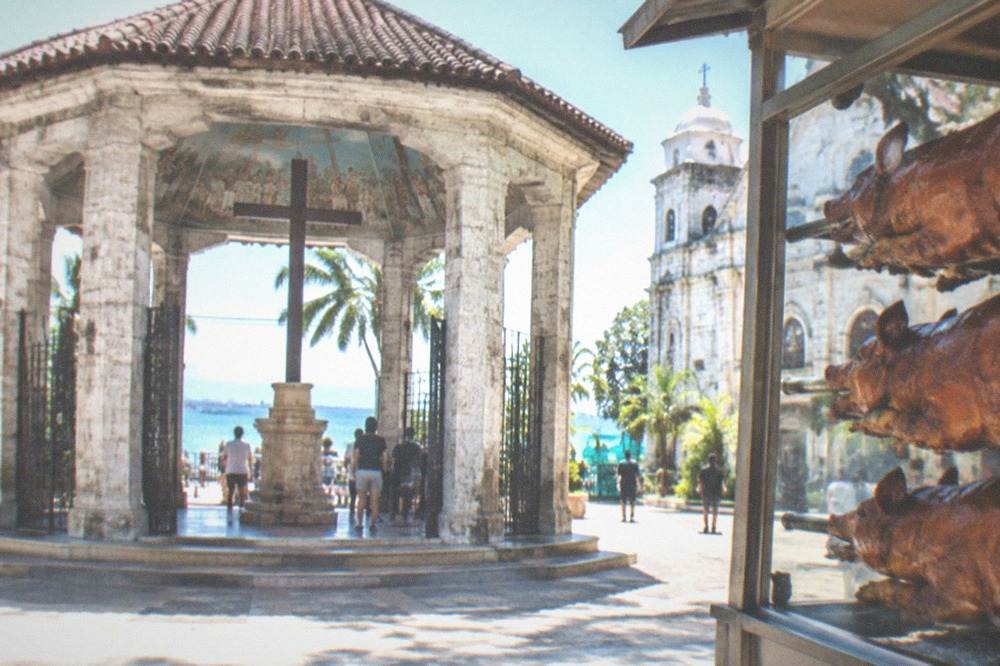 Lechon
A whole pig roasted over charcoal, stuffed with lemongrass and spring onions, eaten skin first.
Lechon
A whole pig roasted over charcoal, stuffed with lemongrass and spring onions, eaten skin first.
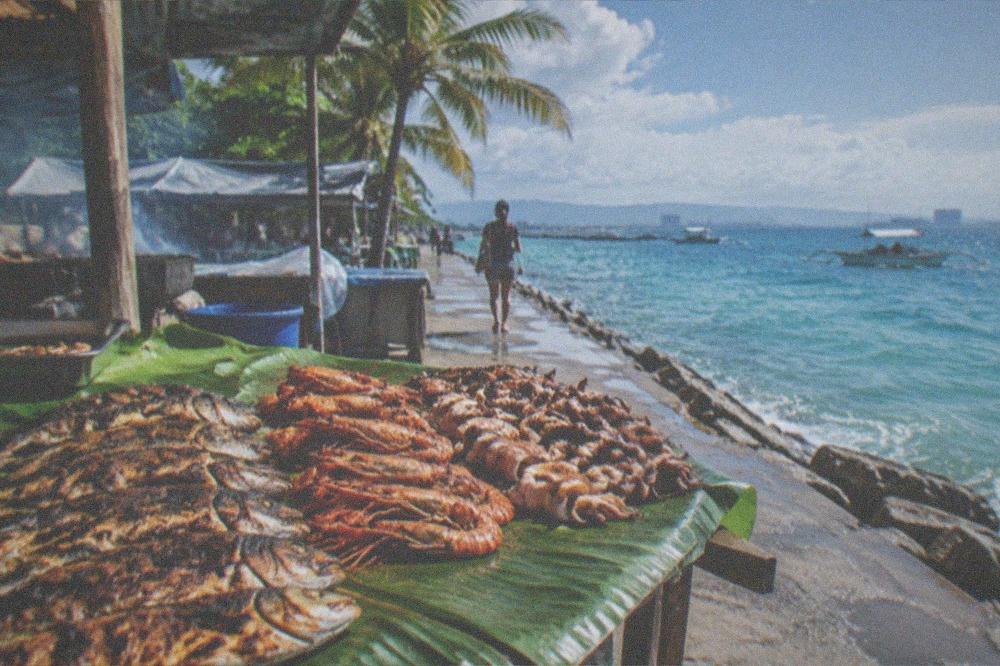 Sutukil
Sugba, tuwa, kilaw: pick the fish, then have it grilled, in soup or served raw, the Mactan shore way.
Sutukil
Sugba, tuwa, kilaw: pick the fish, then have it grilled, in soup or served raw, the Mactan shore way.
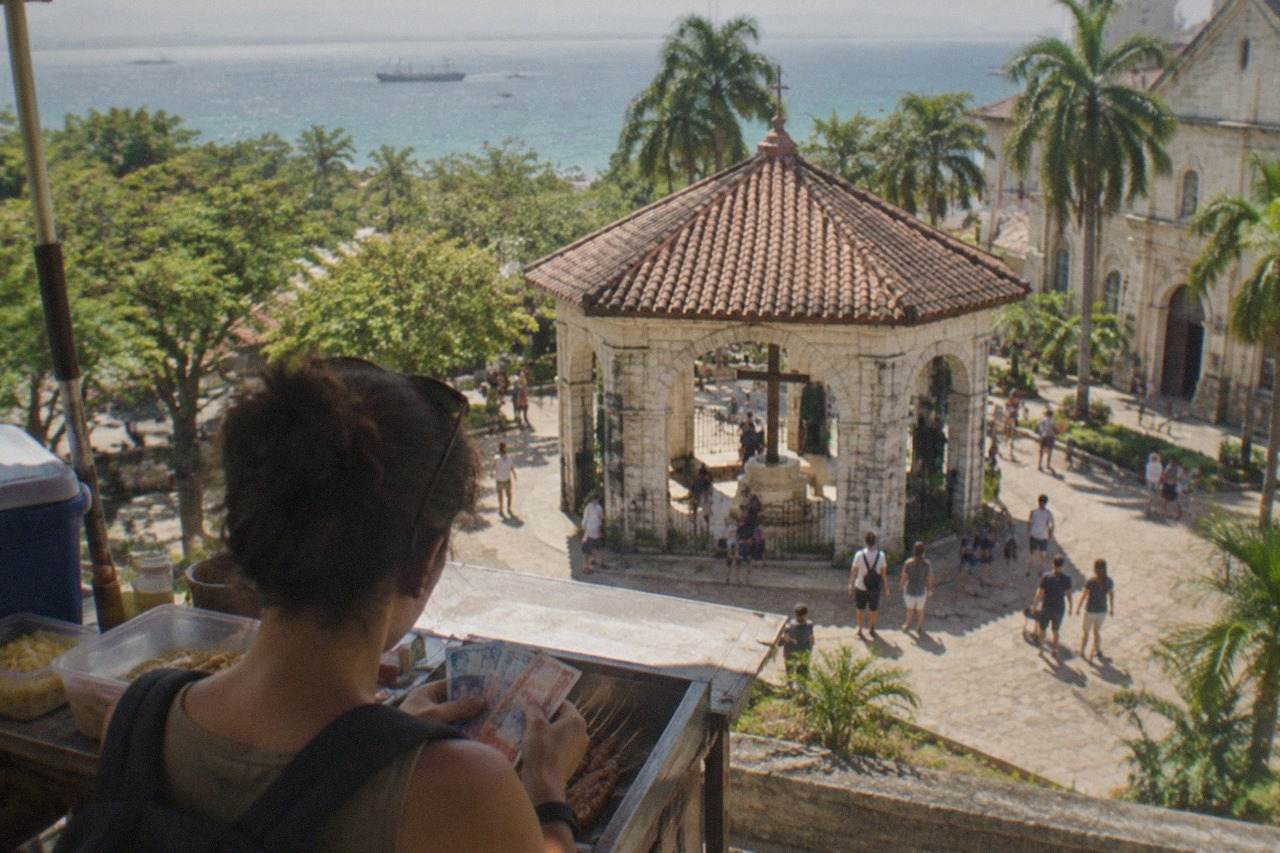
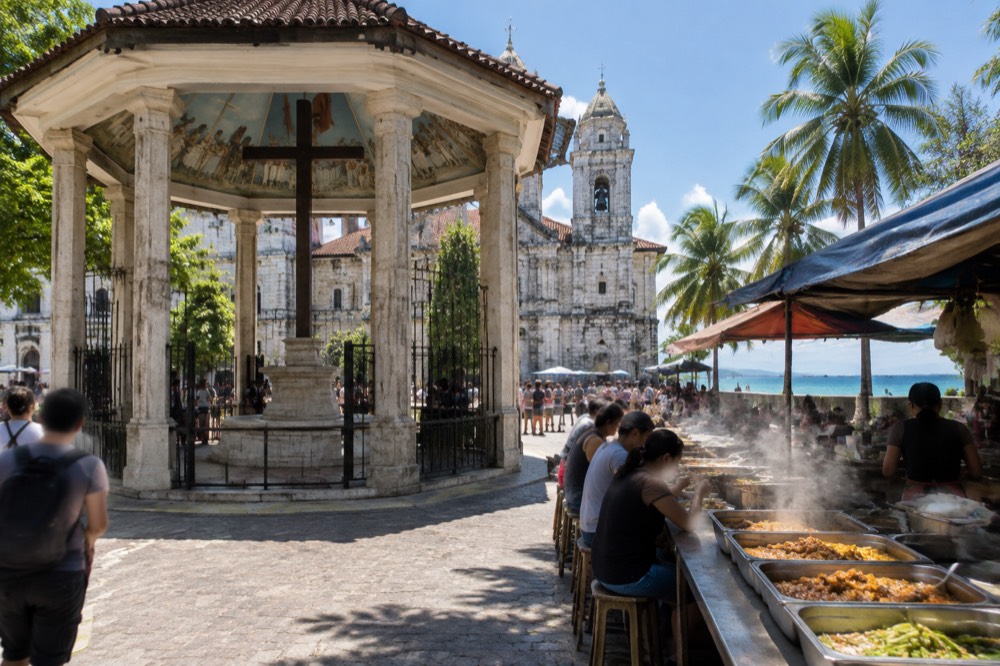 Puso Rice And Dried Mangoes
Puso, the woven rice pouches, comes with grilled meat, and dried mangoes are what travellers carry home.
Walk Colon Street After Dark
Colon Street and the downtown core stay lively into the evening, and the Busay ridge viewpoints, Tops Lookout among them, are open 24 hours.
Cebu nightlife guide
Puso Rice And Dried Mangoes
Puso, the woven rice pouches, comes with grilled meat, and dried mangoes are what travellers carry home.
Walk Colon Street After Dark
Colon Street and the downtown core stay lively into the evening, and the Busay ridge viewpoints, Tops Lookout among them, are open 24 hours.
Cebu nightlife guide
Cebu Travel Guide Map Of The Island's Regions
Loading the map. Every place is also listed below.
Click the map to zoom with the scroll wheel. Numbers match the list.
- Magellan's CrossMagellan's Cross, where most first days start
- Basilica Minore del Santo NiñoLandmark · 90 m from Magellan's Cross
- Fort San PedroLandmark · 440 m from Magellan's Cross
- Metropolitan Cathedral of CebuLandmark · 250 m from Magellan's Cross
- Colon StreetNeighbourhood · 730 m from Magellan's Cross
- Carbon MarketNeighbourhood · 480 m from Magellan's Cross
- Casa Gorordo MuseumMuseum · 770 m from Magellan's Cross
- Yap-Sandiego Ancestral HouseMuseum · 670 m from Magellan's Cross
- Museo SugboMuseum · 1.3 km from Magellan's Cross
- Heritage of Cebu MonumentLandmark · 620 m from Magellan's Cross
- Plaza IndependenciaLandmark · 410 m from Magellan's Cross
- Cebu Taoist TempleLandmark · 4.8 km from Magellan's Cross
- Temple of LeahLandmark · 8.9 km from Magellan's Cross
- Sirao Flower GardenLandmark · 13 km from Magellan's Cross
- Tops LookoutViewpoint · 9.2 km from Magellan's Cross
- Fuente Osmeña CircleLandmark · 2 km from Magellan's Cross
- Cebu IT ParkNeighbourhood · 4.2 km from Magellan's Cross
- Cebu Business Park / Ayala CenterNeighbourhood · 2.8 km from Magellan's Cross
- SM Seaside City CebuNeighbourhood · 2.8 km from Magellan's Cross
- Mactan-Cebu International AirportTransport · 8.7 km from Magellan's Cross
- Cebu City Pier 1Transport · 680 m from Magellan's Cross
- Cebu South Bus TerminalTransport · 1 km from Magellan's Cross
- Cebu North Bus TerminalTransport · 2.8 km from Magellan's Cross
- Mandaue CityNeighbourhood · 5.8 km from Magellan's Cross
- Lapu-Lapu City (Mactan)Neighbourhood · 5.5 km from Magellan's Cross
- CordovaNeighbourhood · 6.9 km from Magellan's Cross
- Liberty Shrine (Lapu-Lapu Monument, Mactan)Landmark · 13 km from Magellan's Cross
Beyond The City: Day Trips Around Cebu
The south coast, the Mactan islands and Bohol all work as day trips, by tour, bus or ferry.
 Whale Sharks
Oslob
Tan-awan swims run from early morning to midday and sightings are not guaranteed. The ethics of the viewing are debated, so read the guide first.
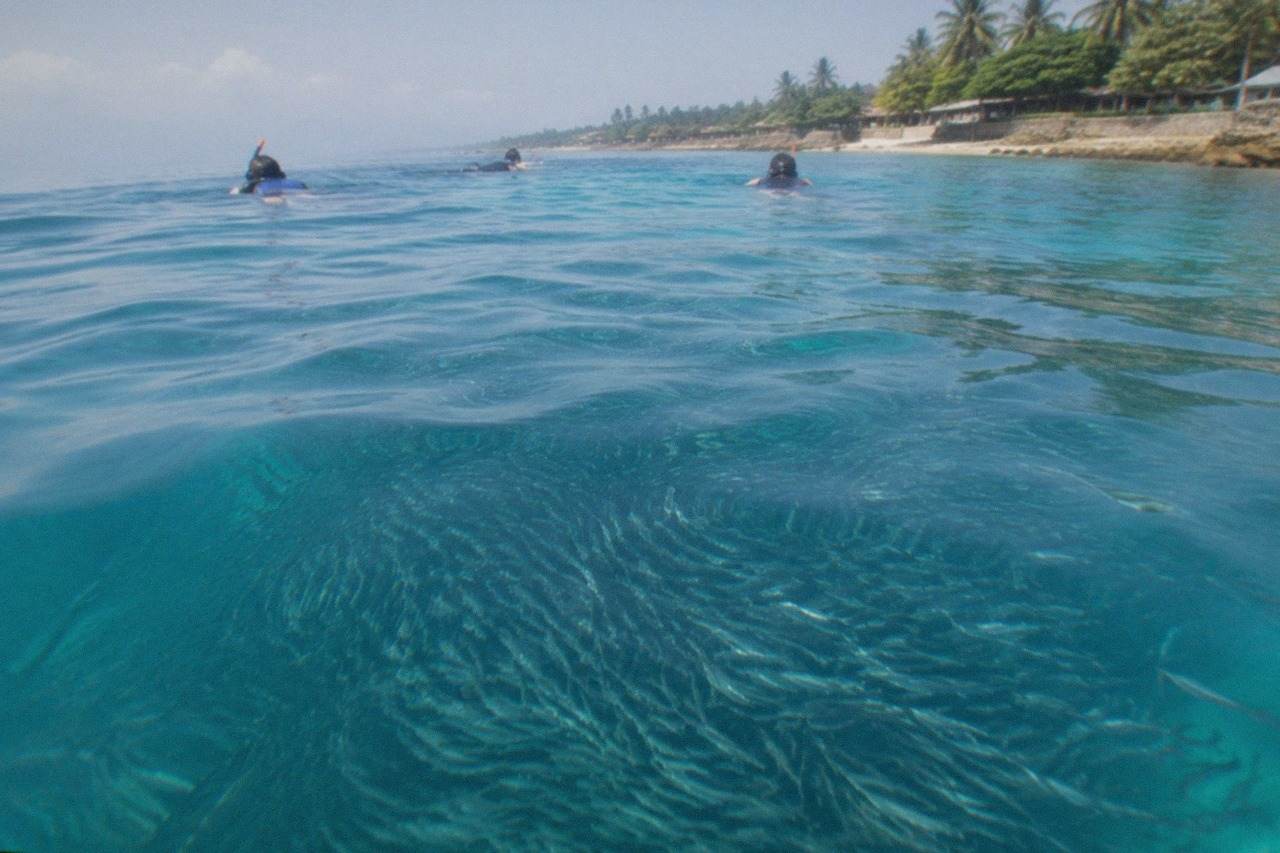 Canyoneering
Moalboal And Kawasan
Sardine-run snorkeling off Panagsama Beach and a canyoneering run in Badian, about three hours on the water.
 Bohol
Bohol
Bohol
A fastcraft ferry to Tagbilaran, a countryside loop and a lunch cruise on the Loboc River.
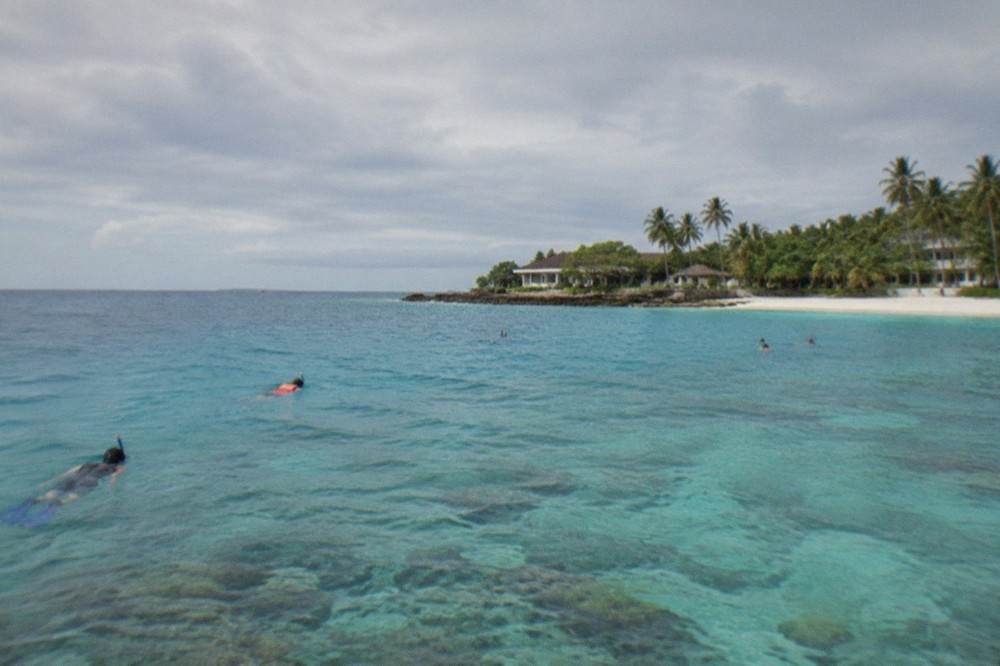 Islands
Mactan Island Hopping
Boats to Caohagan, the Gilutongan marine sanctuary and Nalusuan, with snorkeling and lunch.
When To Go: A Cebu Travel Guide Month By Month
Tap a month. Monthly rainfall is the PAGASA climatological normal for the Mactan station, and the annual rain-day count is the PAGASA 1991 to 2020 normal.
Mactan station's 30-year normal logs rain on 138 days a year, better than one day in three, so even a Cebu trip planned around the December-to-May dry season should expect the odd shower.
- Monthly rainfall normal (mm)
- Rainy/typhoon season
| Month | Rainfall normal |
|---|---|
| January | 105.2 mm |
| February | 69.6 mm |
| March | 58.6 mm |
| April | 48.1 mm |
| May | 95 mm |
| June | 175.6 mm rainy/typhoon |
| July | 192.9 mm rainy/typhoon |
| August | 143.5 mm rainy/typhoon |
| September | 179.6 mm rainy/typhoon |
| October | 194.8 mm rainy/typhoon |
| November | 161.9 mm rainy/typhoon |
| December | 139.7 mm |
Data: PAGASA (Philippine Atmospheric, Geophysical and Astronomical Services Administration), climatological normals, Mactan station, PAGASA, Climate of the Philippines, PAGASA, Climatological Normals (1991-2020), Mactan station.
Cebu Travel Guide Right Now: Sea, Sky And Air
As last measured, the sea in the Mactan Channel is running calm, waves around under 0.1 m, while Cebu City reads 25.5°C with light drizzle and fair air.
- Mactan Channel waves
- under 0.1 m
- observed 2026-10-01 18:15 UTC
- Cebu City temperature
- 25.5°C
- feels like 31.5°C
- Air quality
- 33 (fair)
- European AQI, Open-Meteo/Copernicus CAMS
Data: Open-Meteo (weather and marine) and Copernicus CAMS via Open-Meteo (air quality) and Open-Meteo Marine (wave forecast), Mactan Channel near Cebu City/Mactan, both under CC BY 4.0.
Where To Stay, According To This Cebu Travel Guide
Pick the base by what the days hold. The city suits heritage and food, Mactan suits beach time and boats, and Moalboal puts the sardine run on the doorstep.
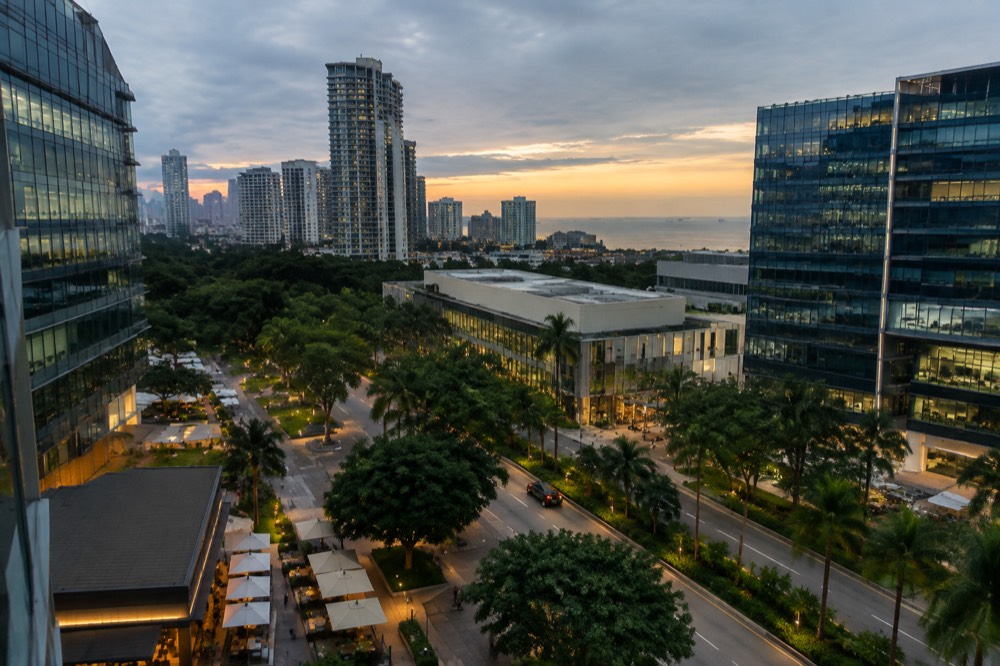
Cebu City And IT Park
Best For First Visits And Nights OutOffices, malls and late dining around IT Park, with the heritage core a taxi or ride-hailing hop away.
- Seda Central BlocHotelCheck rates
- Quest Hotel CebuHotelCheck rates
Mactan Island
Best For Beach Time And BoatsThe beach resorts, the airport and the island-hopping boats all sit on this side of the channel.
- Crimson Resort And Spa MactanResortCheck rates
- EGI Cebu Resort And HotelResortCheck rates
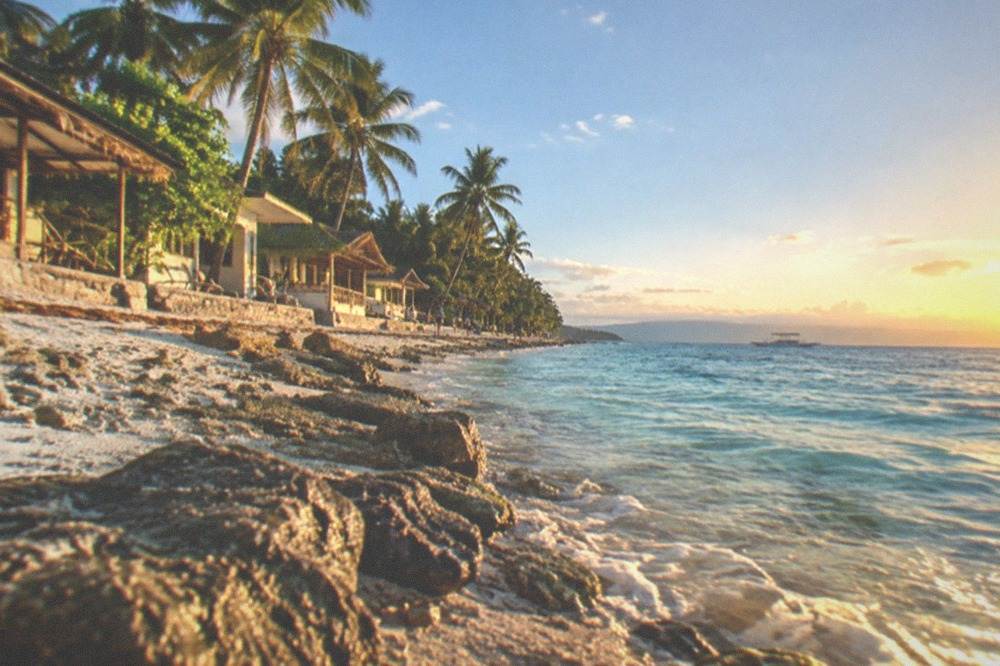
Moalboal
Best For The Sardine RunA dive-town base on Panagsama Beach, with sardine-run snorkeling and the Kawasan canyoneering pickup nearby.
- Cebu Seaview Dive ResortDive ResortCheck rates
- The Shuim Dive ResortDive ResortCheck rates
- Casa De MoalboalHotelCheck rates
Getting Around Cebu
Taxis, ride-hailing and jeepneys cover the city, and most tours collect you from a city or Mactan hotel.
- Transportation In Cebu (Grab, Jeepney, Taxi)Jeepneys, Grab, the new CBRT bus, airport transfers and ferries: what transport in Cebu really costs in 2026.
- Cebu To Bohol Ferry ScheduleOceanJet and Lite Ferries sailing times, current fares and booking advice for the Cebu City to Tagbilaran ferry route.
- Ferries From Cebu To Bohol And Other IslandsCurrent ferry fares, operators, piers and schedules from Cebu to Bohol and the islands beyond, checked against September 2026 sources.
- Using Grab In CebuHow Grab works in Cebu: airport pickups, upfront fares, surge pricing, and the jeepney, bus and tour alternatives worth knowing.
- Is There A Direct Flight From The Us To Cebu?No nonstop from the US mainland, but one-stop routings via Manila and Asian hubs reach Cebu easily. Routing, entry rules and airport transfer explained.
- What Us Cities Fly Direct To Cebu?No mainland US city flies nonstop to Cebu. PAL's Cebu-Guam route is the only US-territory link; here is how the connections work.
What Is Cebu Famous For?
1
Lechon
A whole roast pig, eaten skin first, that Filipinos themselves point to as the country's best.
2
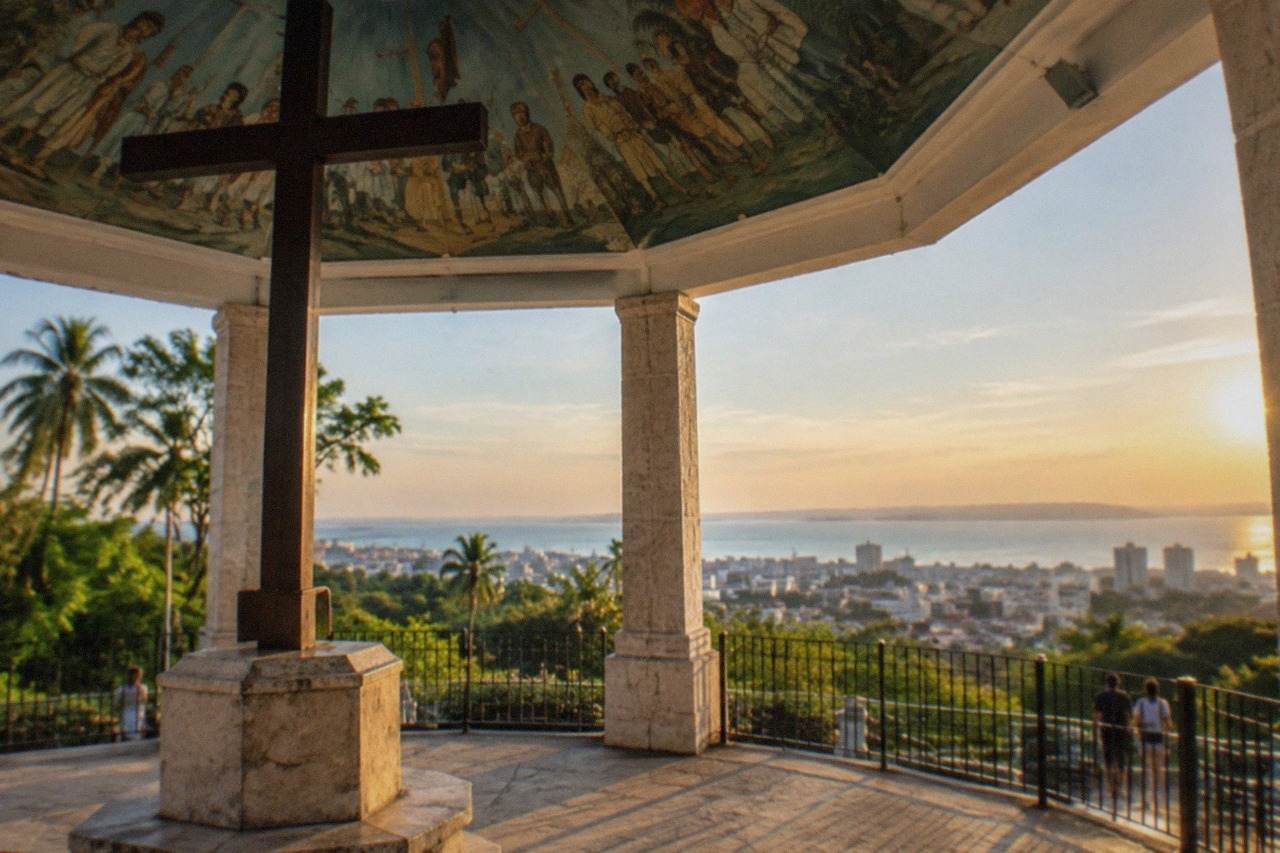
Magellan's Cross
A wooden cross inside a stone pavilion in downtown Cebu City, tied to the arrival of Magellan in 1521.
3
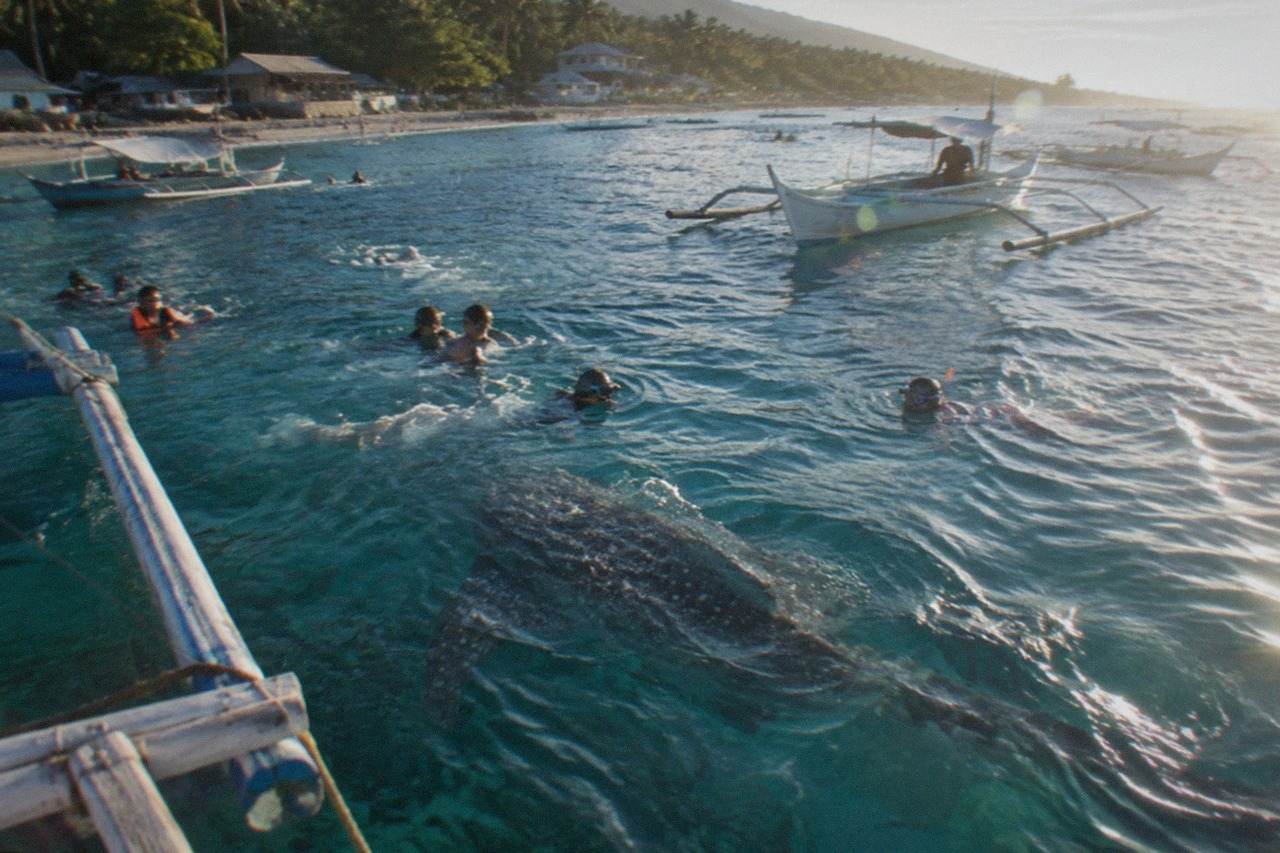
Oslob Whale Sharks
Early-morning swims at Tan-awan, with sightings not guaranteed and the ethics of the viewing debated.
4
Kawasan Falls
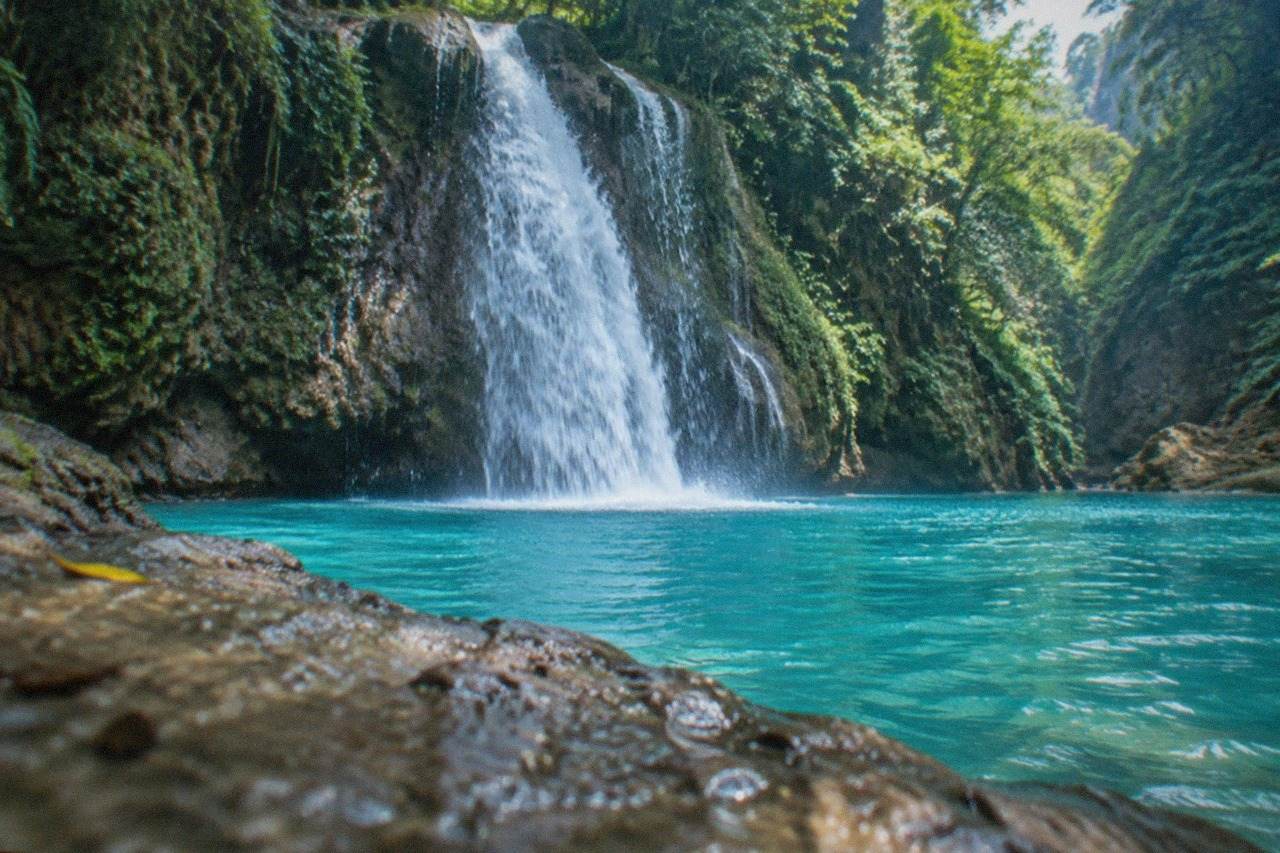
A multi-tier turquoise cascade in Badian, the anchor of most waterfall and canyoneering plans.
5
Sinulog
A January festival whose Grand Parade makes the busiest night of the Cebu year.
6
Island Hopping
Boat days from Mactan to Gilutongan, Caohagan and Nalusuan, with snorkeling at a marine sanctuary.
What Travellers Say About Cebu Tours
“Excellent tour guide! Chrislan is very entertaining and knowledgeable and is flexible to adjust to the needs of the group.”
Narayan, GuruWalk review of Tip-Based Walk, 10 Stops
“Lloyd was amazing. He went above and beyond and gave us so much info about Cebu as well as The Philippines. Riding a jeepney after trying some puto maya at a local market was a perfect way to wrap up the tour. Would def recommend it to someone visiting Cebu for the first time or anyone who wants to get a more in-depth understanding of the city.”
Henry, GuruWalk review of Free Walk With Jeepney Ride
“Fantastic afternoon with Hazel. After meeting we chatted about what we had done prior to coming so there wouldn't be too much overlap. Then she took us walking, through the market showing as all sorts of new foods. We took some electric bikes to another part of town for some more interesting food. Then a jitney ride to our final destination, a place where we had been before but were happy to visit again. All in all a fantastic day which we will remember.”
Verified GuruWalk traveler, GuruWalk review of Free Food Walk, Bib Gourmand Stops
★★★★★
“Very pleasant tour. Both driver and your guide were very friendly and answered any questions that I had. Swimming with the whale sharks was an unforgettable experience.”
Stephen K., operator-listing review of 10-Hour Whale Shark Day Tour
★★★★★
“Having a private driver really helped as the journey from our accommodation was far from the sights, so we could rest on the journey comfortably. Everything was extremely seamless as well.”
Christabelle, operator-listing review of Falls Plus Osmena Peak Combo
★★★★★
“It was a very interesting historical tour. Guide was very supportive and helpful. Worth taking this trip.”
Vinayak, operator-listing review of Half-Day Joiner City Tour
Reviews shown are real, verbatim guest reviews from the operators' own platform listings, reproduced exactly including any reviewer wording.
Cebu Travel Guide Answers To First Questions
What To Do In Cebu For 3 Days?
Three days is enough to cover Cebu's heritage core, one big south-coast day trip and a beach or island day on Mactan, if you plan the geography in the right order.
What Is The Best Beach Resort In Cebu?
There is no single best beach resort in Cebu, because the province's resort areas are so different: Mactan wins on convenience, Bantayan Island wins on sand, and Sumilon Island wins on the castaway feel. This guide explains how to choose, with verified fees and seasonal facts.
What Is The Best Beach In South Cebu?
South Cebu, the stretch of the Philippine island province south of Cebu City, holds the province's best beaches: White Beach at Moalboal, the Sumilon Island sandbar and the Panagsama sardine run.
What Is The Best Month To Go To Cebu?
Cebu, the island province in the Central Visayas region of the Philippines, is at its best between January and May, when the dry season settles in and the seas around Mactan, Oslob and Moalboal turn calm and clear.
Which Part Of Cebu Is Best To Stay?
The best part of Cebu to stay in depends on the trip: Cebu City for heritage and food, Mactan for beaches and airport access, Moalboal for diving and canyoneering, Oslob for whale sharks.
Where Is The Best Place To Stay In Cebu City?
Cebu City is the capital of an island province in the Central Visayas region of the Philippines, and where you sleep inside it changes the whole shape of a trip. Here is how the neighborhoods compare, and when the Mactan side wins instead.
What Is Cebu Best Known For?
Cebu, an island province in the Central Visayas region of the Philippines, is best known for three things: swimming with whale sharks at Oslob, the waterfalls and sardine runs of the south, and a food and festival culture anchored by lechon and the Sinulog Festival each January.
Is It Better To Stay In Cebu City Or Mactan?
Cebu City and Mactan sit facing each other across the Mactan Channel in the Philippines, and most first-time visitors to Cebu choose one or the other as a base. Here is what each side actually offers.