Is It Worth Renting A Car In Cebu?
A practical answer to whether renting a car in Cebu, Philippines is worth it, covering costs, tolls, buses, ferries and the routes where self-driving pays off.
Cebu, an island province in the Central Visayas region of the Philippines, is a long, narrow island with a congested metro at its centre and quiet coastal roads at both ends. That geography is exactly why the rental-car question has no single answer: the same vehicle that crawls in Cebu City traffic becomes genuinely useful on the winding road south to Oslob and Moalboal. This page breaks the decision down by route, by cost and by the alternatives, using current fares, tolls and transport facts rather than guesswork.
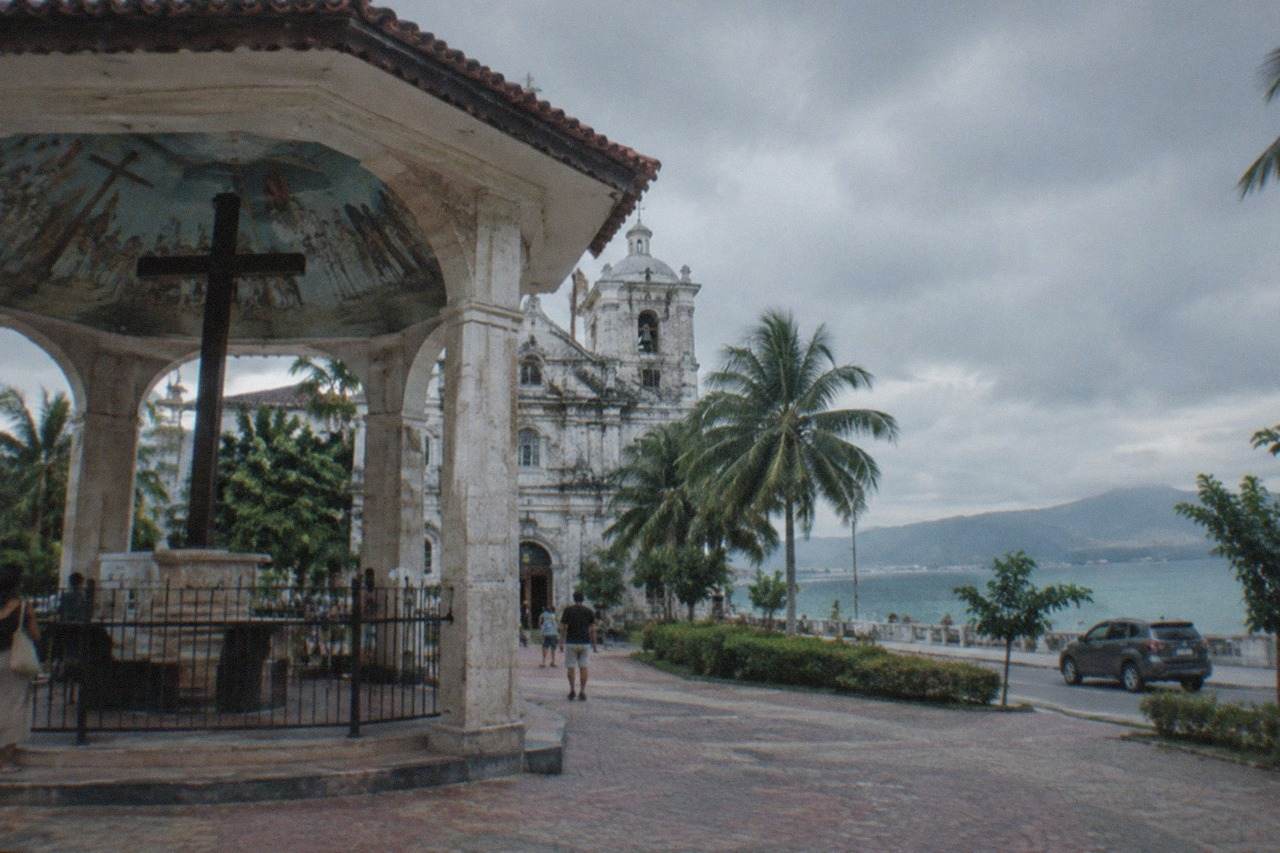
Is It Worth Renting A Car In Cebu?
For most visitors, renting a car in Cebu is worth it only if you are driving a multi-day loop to the south or north coast with three or more people sharing the cost. For staying in Cebu City or Mactan, a car is usually a liability: parking is scarce, traffic is heavy, and jeepneys, buses and ride-hailing cover the same ground for a fraction of the price. Day tours with transport included beat self-driving on the long southern routes.
The honest framing is that Cebu rewards two different travel styles. If your plan is a city base with day trips, you will spend most of your time in the metro, where a car sits parked more than it moves. If your plan is a slow circuit, say Cebu City to Oslob, then across to Moalboal and back, a rental saves you from bus schedules and gives you the freedom to stop at Tumalog Falls or a roadside lechon stall on your own clock.
The third option, and the one many visitors land on, is skipping the car entirely and booking tours that include round-trip transport. That works out cheaper than a rental plus fuel for solo travellers and pairs, and it removes the stress of mountain-road driving. The things to do in Cebu overview shows how many of the headline activities are sold exactly this way.
What Does Driving In Cebu Actually Cost?
A rental in Cebu is a package of four costs, not one: the daily rate, fuel, tolls and parking, and only the tolls are fixed and predictable. The CCLEX bridge between Cebu City and Mactan charges a car toll set by the full LTRC matrix in force since October 2025, with motorcycles paying a lower class rate. Fuel is the second-largest line after the rental itself, and parking in Cebu City is often the real bottleneck rather than the price.
The toll figures come from the approved LTRC matrix that took full effect on 1 October 2025: Class 1 cars pay P107 (about US$1.7) one way on CCLEX, Class 2 vehicles P214 (about US$3.4) and Class 3 P321 (about US$5.1). The bridge is 8.9 kilometres long and opened in April 2022, and it matters to any itinerary that stays on Mactan while touring the mainland.
| Cost item | Figure | Notes |
|---|---|---|
| CCLEX toll, Class 1 car | P107 (about US$1.7) one way | Full LTRC rate since Oct 2025 |
| CCLEX toll, Class 1M motorcycle | P68 (about US$1.1) one way | Small motorcycles, 110-399cc |
| Jeepney first 4 km | P14 (about US$0.2) traditional, P17 (about US$0.3) modern | LTFRB fares from 28 Sept 2026 |
| MyBus, airport to SM City Cebu | P50 (about US$0.8) | Airport's own transport guide |
| Ceres bus to Oslob | P145 (about US$2.3) to P250 (about US$4.0) | Roughly 3.5-4.5 hours from the south terminal |
| Ceres bus to Moalboal | P120 (about US$1.9) to P210 (about US$3.3) | Roughly 2.5-3.5 hours, frequent departures |
Compare that table with a rental's daily rate plus fuel and you can see the arithmetic. Two people taking the bus to Moalboal and back spend less on the whole round trip than one tank of fuel. Four people in one rental car split the same tank four ways, and the sums flip. The wider set of guides lives on Cebu Travel Guide.
Note that the jeepney fares above are the LTFRB's approved national adjustment from 28 September 2026; whether the exact figure has reached Cebu's traditional jeepneys on the same day is worth checking on the ground, as rollout timing varies by region.
Where A Rental Car Pays Off In Cebu
A rental car pays off in Cebu on the south-coast routes beyond the bus corridors: the Oslob, Moalboal and Badian triangle, the highland loop around Busay and Sirao, and any itinerary that strings several stops into one day. With three or four people sharing, the per-person cost of a self-driven south loop usually undercuts booking separate transfers for each leg, and the schedule is entirely yours.
The south is where the island opens up. The road to Oslob passes through Carcar and Dalaguete, and a car lets you stop at the heritage houses and the lechon stalls that a tour bus blows past. From Oslob it is a short hop to Tumalog Falls, where the entrance fee runs about P50 (about US$0.8), and a habal-habal motorbike taxi from Tan-awan costs P50 (about US$0.8) to P100 (about US$1.6) each way, a cost your own car eliminates.
The highlands above Cebu City are the other case. Temple of Leah, Sirao Flower Garden and Tops Lookout sit on the same mountain road above Busay, and public transport up there is thin. Tops Lookout is open 24 hours and charges P100 (about US$1.6) regular entry, per its operator's own site, and a car means you can time the sunset descent instead of negotiating a return tricycle fare in the dark.
For the whale-shark morning in Oslob, though, think twice about driving. The interaction area opens around 6 AM, the road from the city takes roughly four hours, and the LGU fee structure is per person, not per vehicle: P1,000 (about US$15.9) for foreign tourists and P500 (about US$8.0) for Filipinos, boat and guide included. An organised day tour handles the 3 AM departure for you, and the trio below shows what those look like.
Where A Car Is A Liability In Cebu
A car is a liability in Cebu City, in Mandaue and on Mactan, where traffic on the bridges is heavy, parking is limited and the destinations are short hops apart. It is also a liability for anyone unused to defensive driving in Southeast Asia: Cebu's roads mix jeepneys stopping without warning, motorbikes filtering on both sides and mountain routes with steep drops and rain-slicked concrete.
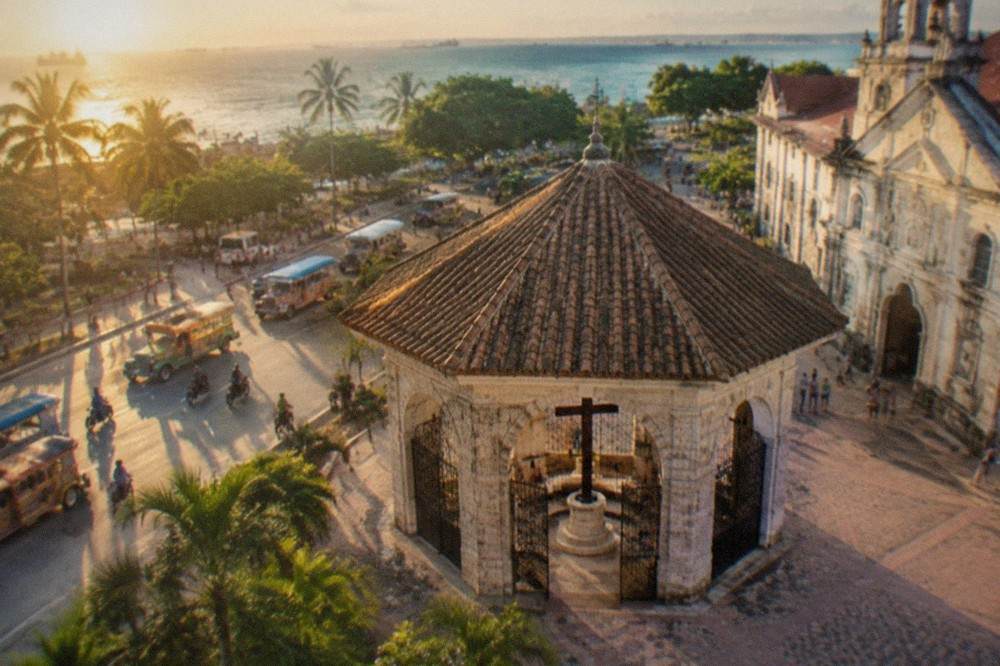
The metro is the part of the island where a rental sits idle. Colon Street, the Basilica, Fort San Pedro and Magellan's Cross are all within a couple of kilometres of each other, and the fastest way between them is often on foot or in a short ride-hail trip. Grab operates across Cebu City, Mandaue and Lapu-Lapu with designated airport pickup zones, and the app shows the fare before you book.
Parking around the Basilica and the Colon area is genuinely difficult, and the heritage core was laid out long before cars existed. The Cebu City guide covers the walkable heritage district in detail, and none of it needs four wheels.
Then there is the driving itself. The route down to Moalboal includes long stretches of two-lane highway shared with trucks, buses and habal-habals, and the last section to Panagsama Beach is unpaved in places. Rain arrives hard and briefly in the wet season, which PAGASA defines as June to November, and a rental agreement's damage excess is the kind of cost that only becomes real after a scraped rim on a mountain road.
For the city days, a guided walk covers more ground than a parked car ever could. The Cebu Market & Food Tour moves through the markets and back streets, and its operator has not published a price, so check the live listing rather than any figure quoted elsewhere.
Alternatives To Renting A Car In Cebu
The realistic alternatives to a rental car in Cebu are the Ceres buses from the South Bus Terminal, ride-hailing with Grab in the metro, the MyBus airport link, and organised day tours that include round-trip transport. Each covers a different slice of the island, and the cheapest strategy for most visitors is to combine them: buses and Grab in the city, a tour for the long south-coach days.
The bus network is the backbone. Ceres Liner runs multiple daily departures from the Cebu South Bus Terminal toward Oslob, roughly 3.5 to 4.5 hours, and toward Moalboal, roughly 2.5 to 3.5 hours with departures every 30 to 45 minutes on the busier stretches. You pay on board or at the terminal, and the air-conditioned coaches cost more than the ordinary ones, which is what the fare range in the table above reflects.
The airport link needs no car at all. MyBus runs between Mactan-Cebu International Airport and SM City Cebu for P50 (about US$0.8), from 7 AM to 10 PM airport-side and 6 AM to 9 PM in reverse, per the airport's own transport guide. From SM it is a short Grab or jeepney hop to most city hotels.
Heading north, the same logic applies. Buses and vans run up the coast toward Bantayan, where the Hagnaya terminal fee is P25 (about US$0.4) and the Santa Fe ecological fee on arrival is P30 (about US$0.5), both small sums that a car does not avoid either, since the island itself is reached by ferry and the vehicle pays its own way on board.
One more alternative deserves a mention: the Cebu Bus Rapid Transit began partial operations on 13 March 2026 on a single Il Corso to IT Park route, mixing a short dedicated corridor with regular traffic. Free rides were offered at launch, and the operator has since discussed distance-based fares, so treat it as a bonus rather than a plan. The full system is not expected before 2027.
Put the pieces together and the pattern is clear. Use the metro's own transport for city days, hand the long southern mornings to a tour operator that includes the drive, and reserve the rental counter for the one week when you genuinely want the island to yourself. The trio below is a fair sample of what the tour-first approach costs and covers.
Common Questions About Renting A Car In Cebu
Is it worth renting a car in Cebu?
Only for multi-day loops along the south or north coast with three or more people sharing the cost. For a city base with day trips, buses, jeepneys, Grab and organised tours are cheaper and less stressful.
Is driving in Cebu difficult?
City driving is slow and dense, and the southern highway mixes trucks, buses and motorbikes with few safe overtaking spots. Visitors used to defensive driving in Southeast Asia manage fine; first-timers usually prefer tours with transport included.
Do I need a car to reach Oslob or Moalboal from Cebu City?
No. Ceres buses run multiple daily departures to both, roughly 3.5 to 4.5 hours to Oslob and 2.5 to 3.5 hours to Moalboal from the South Bus Terminal, and many operators sell day tours that include round-trip transport.
How much is the CCLEX toll?
The full LTRC matrix charges P107 (about US$1.7) one way for a Class 1 car, P68 (about US$1.1) for a Class 1M motorcycle, P214 (about US$3.4) for Class 2 and P321 (about US$5.1) for Class 3.
Is Grab available in Cebu?
Yes. Grab operates across Cebu City, Mandaue and Lapu-Lapu, including designated pickup zones at Mactan-Cebu International Airport, with fares shown in the app before booking.
Can I visit Cebu's attractions without a car?
Yes. The heritage sites in Cebu City are walkable, the highlands and south coast are served by tours and buses, and the best time to visit Cebu matters more to your plans than your mode of transport.
The short version: rent a car in Cebu for a shared, multi-day coastal loop, and leave it alone everywhere else.