Is Bohol In The Philippines Expensive?
Is Bohol in the Philippines expensive? A cost breakdown of the Bohol trip from Cebu: ferry fares, fees, what foreign tourists are exempt from, and how to keep the day cheap.
Bohol sits directly across from Cebu, an island province in the Central Visayas region of the Philippines, and the standard way to reach it is the fastcraft from Cebu City's Pier 1 to Tagbilaran. That crossing, roughly two hours each way, is the single largest fixed cost of the trip, and everything after it, the countryside drives, the river cruise, the lunch stops, is priced in Philippine pesos at levels closer to Cebu's than to any high-cost destination. The short answer to the money question is no, with a few numbers worth knowing before you book, and this page breaks down each of them in detail.
What Does The Ferry From Cebu To Bohol Cost?
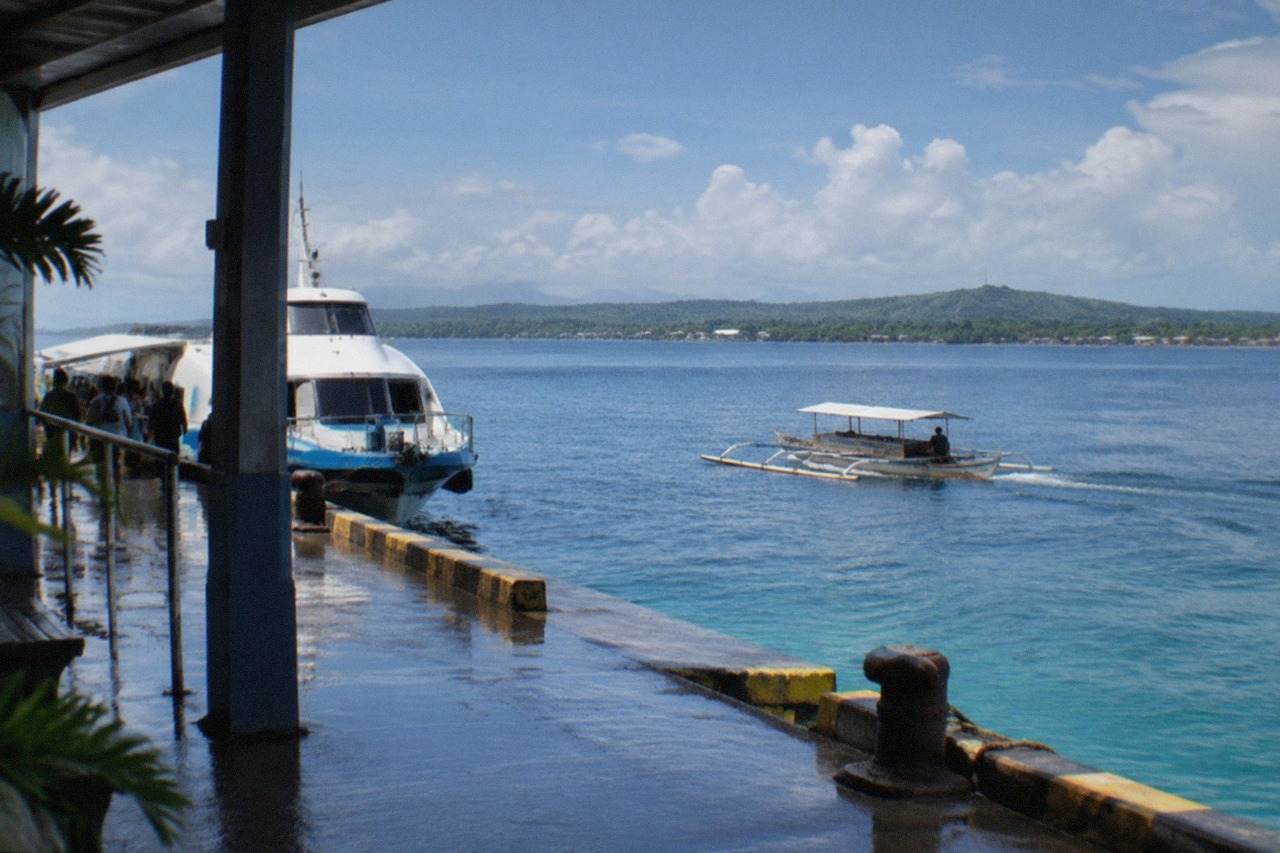
The fastcraft from Cebu City's Pier 1 to Tagbilaran is the route's main cost, with OceanJet running roughly thirteen sailings a day on a crossing of about two hours. The current tourist and business class fares, in force since 21 September 2026, already include a ten percent fuel surcharge. A slower RORO ferry is cheaper still, but takes about four hours and departs only twice a day, which matters on a day trip.
The tourist and open-air fare is P960 (about US$15.3) one way, and business class is P1,440 (about US$23), on OceanJet, the operator running the fastcraft on this route. The surcharge matters because older guides still quote an "about P800 (about US$12.7)" tourist fare that no longer exists. A fuel-driven increase published in the Manila Times lifted OceanJet's fares to the current figures, and several evening sailings were cut in the same month to manage fuel costs, so the timetable you see in an older blog may not match what runs today. SuperCat appears in some schedules and search results, but it is not operating the Cebu-Tagbilaran route; OceanJet is the fastcraft, and Lite Ferries and 2GO/Trans-Asia run the slower boats.
The fastcraft terminal fee at Pier 1 is about P25 (about US$0.4), paid separately from the ticket. Check-in for a fastcraft sailing is 45 minutes or more before departure, which matters when you are planning a same-day return: the last sailings back from Tagbilaran leave in the early evening, and a full Bohol day means catching a morning boat. The RORO alternative runs about P400 (about US$6.4) to P520 (about US$8.3) one way, departing at 13:00 and 22:00.
| Option | Route | One-way fare | Journey time | Notes |
|---|---|---|---|---|
| OceanJet fastcraft, tourist/open-air | Cebu City Pier 1 to Tagbilaran | P960 (about US$15.3) | about 2 hours | fare from 21 Sept 2026, includes 10% fuel surcharge |
| OceanJet fastcraft, business class | Cebu City Pier 1 to Tagbilaran | P1,440 (about US$23) | about 2 hours | same sailings, reserved seating |
| Lite Ferries RORO | Cebu to Tagbilaran | about P400 (about US$6.4) to P520 (about US$8.3) | about 4 hours | departs 13:00 and 22:00 |
| Pier 1 terminal fee | per passenger | about P25 (about US$0.4) | n/a | paid at the terminal |
For the full crossing picture, the Cebu to Bohol ferry guide carries the details, and the Bohol day trip itinerary on this site shows how the sailing times shape the day.
Is Bohol In The Philippines Expensive?
No. Bohol is a mid-priced, largely rural province where the two-hour ferry from Cebu is the biggest single cost, and on-island spending runs at small-town Visayas prices rather than resort-destination prices. A foreign tourist's fixed costs are the ferry both ways, a small terminal fee, and modest local entrance fees. The Philippine travel tax, the charge that surprises many visitors, does not apply to foreign tourists staying under one year at all.
That travel tax point is worth spelling out, because it is the most common wrong answer on this question. The tax, P1,620 (about US$26) economy and P2,700 (about US$43) first class, falls on Filipinos and Philippine residents when they fly out of the country. TIEZA, the tourism authority that collects it, exempts non-immigrant foreigners whose stay is less than one year. A visitor from the United States, the United Kingdom, Australia or the EU doing a Cebu-Bohol loop does not pay it, full stop. A House bill to abolish the tax outright passed in March 2026 but had not cleared the Senate, so the exemption, not abolition, is what protects you today.
The terminal fee at Pier 1 is about P25 (about US$0.4), and what you do pay on Bohol itself are local entrance fees and activity fees at the countryside stops. These are set by the municipalities, not by hotels or tour companies, and they are the same order of magnitude as Cebu's verified heritage fees, Fort San Pedro at P50 (about US$0.8) regular and P40 (about US$0.6) for students and seniors, which gives you a fair mental benchmark for a Spanish-era fort or a museum anywhere in the Visayas. Bohol's Chocolate Hills viewing deck, the Loboc river cruise and the tarsier sanctuary each carry their own small municipal fee, and none of them approaches the ferry fare.
If you would rather not assemble the day yourself, a guided Bohol countryside day tour from Cebu, with the Loboc river cruise and lunch included and a same-day return by ferry, exists on this site's roster; the operator's live listing carries the current price and departure details, and the Bohol day trip page lays out what the day covers.
How Does Bohol Compare With Staying On Cebu?
Bohol is not more expensive than Cebu; it is the same cost structure with a ferry fare attached. Both provinces price food, transport and municipal entrance fees at comparable Visayas levels, and Bohol's headline activities, a river cruise with lunch, a hill-deck viewpoint, a tarsier sanctuary, sit in the same modest band as Cebu's whale shark fee or its lookout entry. The difference is almost entirely the crossing.
For the numbers behind that comparison, Cebu's Oslob whale shark viewing fee is P1,000 (about US$15.9) for foreign visitors with boat and guide included, and Tops Lookout charges P100 (about US$1.6) for adults, so the benchmark band on the Cebu side is already low. That framing helps you decide whether Bohol deserves a day of your Cebu trip at all. The Cebu versus Bohol comparison works through the two islands side by side, and the is Cebu expensive question covers the Cebu side of the budget in detail. The pattern that emerges is that both islands are cheap by the standards of almost any Western destination, and that the practical question is not cost but time: a Bohol day trip from Cebu runs about fourteen hours door to door, and that is before any delay at the pier.
The one genuinely Bohol-specific cost is the boat, and the choice within it is simple. Tourist class on OceanJet is open-air and perfectly comfortable for a two-hour crossing in tropical weather; business class buys you air-conditioning and a reserved seat for a little more than half again the fare. The RORO saves you the price of a decent lunch but doubles the sailing time in each direction, which on a day trip means losing two hours on Bohol itself to save roughly P500 (about US$8.0). For most visitors the fastcraft is the better arithmetic.
Where Does The Money Go On A Bohol Day Trip?
The ferry is roughly half of a budget day trip's total cost, lunch and local entrance fees take most of the rest, and there is no expensive surprise fee waiting on Bohol for a foreign visitor. The fixed, verified costs are the two ferry legs, the terminal charges, and small municipal fees at each stop. Everything else, the hired transport, the lunch, the guide, is menu-based or negotiable at rural Visayas rates rather than fixed.
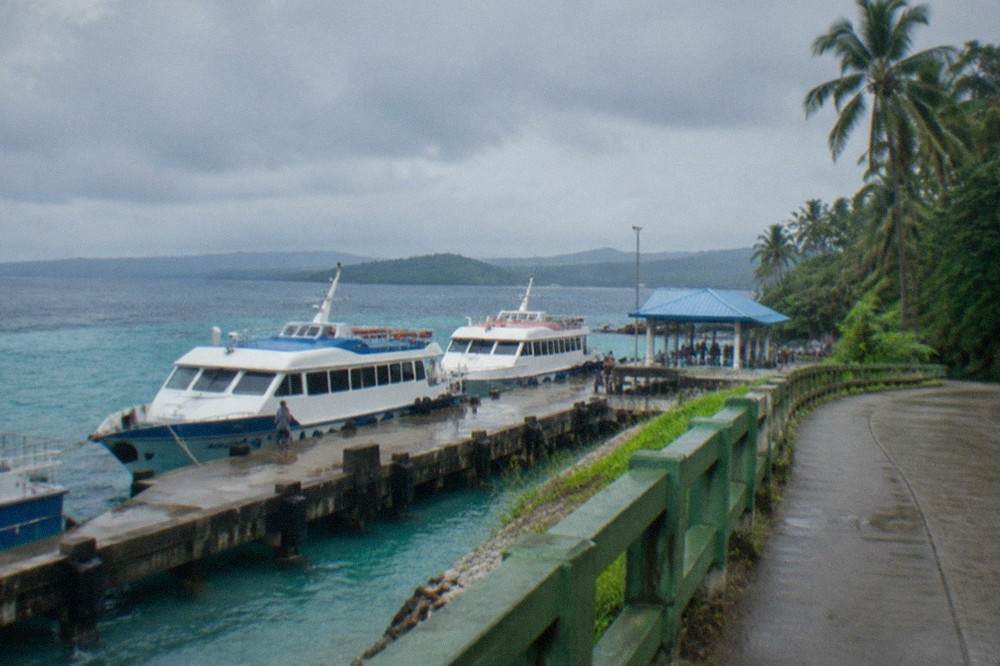
Concretely, the two fastcraft legs are P960 (about US$15.3) each way in tourist class, the terminal fee about P25 (about US$0.4) per passenger, and the on-island fees cluster in the same modest band as Cebu's verified sights, Fort San Pedro at P50 (about US$0.8) regular and Tops Lookout at P100 (about US$1.6) adult. Guided day tours absorb most of that planning into one price: the countryside circuit from Cebu, including the ferry both ways, the Loboc river cruise with lunch and the main viewpoints, is sold as a single product whose price is listed on the operator's live listing rather than printed here. Independent travellers pay the same components separately, and the split is roughly: ferry both ways, terminal fees, a hired car or habal-habal for the countryside loop, lunch, and the entrance fees at the Chocolate Hills deck, the tarsier sanctuary and the cruise jetty. None of those individual pieces is expensive; the total simply adds up, which is why the guided version, with everything bundled and a driver who knows the ferry timings, is what most first-time visitors choose.
Food on Bohol deserves a special mention, because it is where the island is at its cheapest. The Loboc river cruise serves a buffet lunch as part of the ticket, and the towns around Tagbilaran and Loboc run ordinary carinderias, the Philippine version of a homestyle lunch counter, where a full meal costs a fraction of what a hotel restaurant would charge. If you want to calibrate your food budget before you cross, the pages on what Cebu is known for and the most famous food in Cebu cover the lechon-and-soup culture that Bohol shares, and the market food tour below shows those prices at street level.
Is Bohol Worth The Money Compared With Cebu's Own Day Trips?
Yes, if the Chocolate Hills, the tarsiers and the river cruise are on your list, because Bohol offers a landscape Cebu cannot match at a total cost not far above a Cebu-side day trip. Cebu's own headline day trips, the Oslob whale sharks or Kawasan Falls with its canyoneering fee, cost comparable amounts once the travel from Cebu City is added. Bohol's advantage is variety in one day; its cost is one ferry fare and an early start.
The Oslob whale shark fee alone is P1,000 (about US$15.9) for foreign visitors, before the transport south from Cebu City, so a Bohol day and a whale shark day sit in the same spending band. The honest comparison is not "Bohol versus nothing" but "Bohol versus a second day in south Cebu", and the is Bohol worth visiting question takes that judgement call head on. Money rarely decides it. A day in Moalboal, with the sardine run at Panagsama Beach and its P100 (about US$1.6) environmental user fee, or a canyoneering day at Kawasan Falls, spends about the same as a Bohol day once you total the bus fares and the activity fees, and the ferry at least delivers you somewhere with a different history and landscape entirely.
For travellers who want both islands in one trip, the standard pattern is two or three nights on Cebu, using it as the hub, with Bohol as a full day out or an overnight. That is the structure the regional day trip pages on this site are built around, and it keeps the total cost of the Visayas leg low: you pay for one base, and every side trip, Bohol included, is a priced, bounded add-on rather than an open-ended second holiday.
If your budget allows one splurge in the region, the private Pescador Island hopping day tour from Moalboal, in the picks above, is the one that most changes the character of the trip, while the Kawasan canyoneering option covers Cebu's adventure day at its most complete. For the rest, Cebu Travel Guide keeps every verified fee and fare on the islands in one place, updated as fuel adjustments work through the ferry schedules.
Common Questions About Bohol Trip Costs
Is Bohol in the Philippines expensive?
No. The two-hour ferry from Cebu, at P960 (about US$15.3) one way in tourist class, is the biggest fixed cost, and everything on Bohol itself, entrance fees, meals and local transport, runs at rural Visayas prices. Foreign tourists staying under a year are also exempt from the Philippine travel tax.
What is the cheapest way to get from Cebu to Bohol?
The Lite Ferries RORO, at about P400 (about US$6.4) to P520 (about US$8.3) one way with departures at 13:00 and 22:00, is the cheapest crossing, but it takes about four hours against the fastcraft's two. OceanJet's tourist class at P960 (about US$15.3) is the best value for a day trip.
Do foreign tourists pay the Philippine travel tax when leaving?
No. TIEZA exempts non-immigrant foreigners whose stay is less than one year. The tax, P1,620 (about US$26) economy and P2,700 (about US$43) first class, applies to Filipinos and residents. A bill to abolish it passed the Philippine House in March 2026 but had not become law.
Is a Bohol day trip from Cebu cheaper than staying overnight?
A same-day return saves a hotel night, which is the largest single saving available on any Bohol trip, but it commits you to the fastcraft timetable both ways. An overnight lets you take the cheaper RORO and see the Chocolate Hills at sunrise, at the cost of accommodation.
Are Bohol's entrance fees expensive for foreigners?
No. Bohol's municipal entrance fees, at the Chocolate Hills viewpoint, the tarsier sanctuary and the Loboc cruise, sit in the same modest band as Cebu's verified fees, such as Fort San Pedro at P50 (about US$0.8) or Tops Lookout at P100 (about US$1.6). None approaches the ferry fare.
Does SuperCat still run between Cebu and Bohol?
Not as of September 2026. SuperCat appears in outdated schedule listings, but OceanJet operates the fastcraft on the Cebu-Tagbilaran route, with Lite Ferries and 2GO/Trans-Asia running slower RORO crossings.