Cebu Vs Bohol
Cebu vs Bohol is the classic Central Visayas dilemma: one is a city-and-province combo with whale sharks, waterfalls and direct international flights, the other a compact rural island of hills and slow rivers. Here is how the two actually compare, using verified Cebu figures.
Short answer
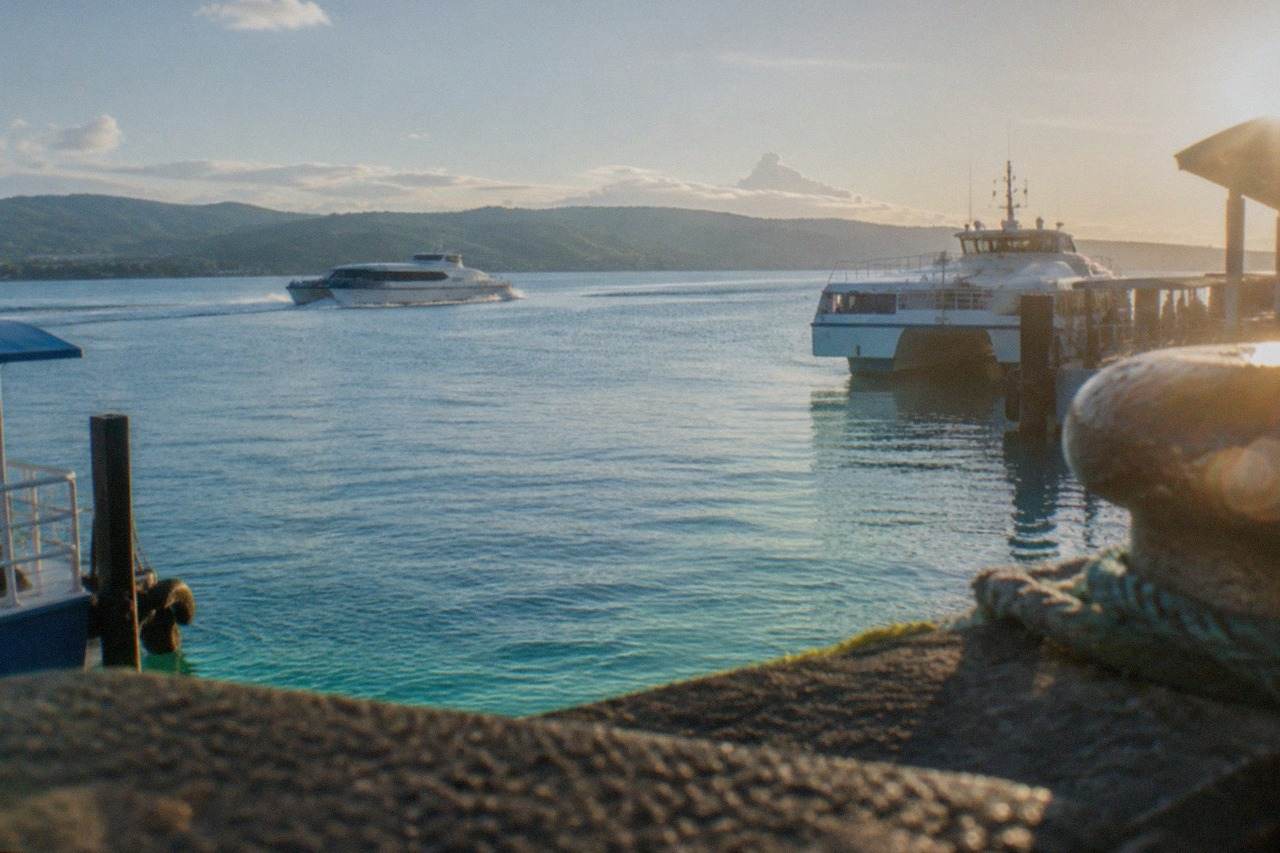
Most travellers should fly into Cebu and give it the larger share of a trip, then cross to Bohol by fastcraft for two or three days. Cebu holds the airport, the whale sharks, the canyoneering and the nightlife; Bohol is quieter, greener and easier to cover in a short stay.
Cebu, an island province in the Central Visayas region of the Philippines, sits about two hours by fastcraft from Bohol, and almost every traveller planning a Visayas trip ends up asking which one deserves the bigger slice of the itinerary. The honest answer is that the question is slightly lopsided: Cebu is a highly urbanized metro area, Cebu City alone counted 964,169 residents at the 2020 census, plus a long island of whale sharks, waterfalls and dive towns, while Bohol is a quieter, more rural island best known for its hills, tarsiers and river cruises. This comparison leans on verified Cebu figures, because those are the numbers this desk has checked, and treats Bohol qualitatively, the way any visitor can verify for themselves on arrival. The Cebu Travel Guide hub exists to answer exactly this kind of either-or question with checked numbers rather than folklore.
Which Is Better For A First Trip, Cebu Or Bohol?
For a first trip to the Central Visayas, Cebu is the better base because it owns the region's main international airport, the widest range of day trips and the transport hub that Bohol itself depends on: most Bohol visitors arrive through Cebu anyway, either by ferry from Cebu City or on a same-day tour. Bohol rewards travellers who already have their sea legs, while Cebu handles arrival logistics, money changing, connectivity and onward planning in one place.
The practical case for Cebu-first is structural. Mactan-Cebu International Airport is the region's second-busiest gateway, with Terminal 1 handling domestic flights and Terminal 2, opened in 2018, handling international ones, and the airport's own transport guide lists MyBus connections into the city from early morning to late evening. Bohol has its own airport, but far fewer international routes reach it directly, so the odds are high that your journey runs through Cebu regardless of your intentions.
Bohol's case is different and real. It is smaller, greener and slower, with a countryside of hills, rivers and forest reserves that feels nothing like Cebu City's traffic. If your trip is short and your goal is quiet landscape rather than activity variety, Bohol delivers that with less moving around. The trade-off is that Bohol's headline sights are concentrated in one inland circuit, so two or three days genuinely covers the classic route, while Cebu's spread of attractions, from Oslob in the south to Malapascua in the north, can absorb a week without repetition.
The compromise many travellers land on, and the one this desk would endorse, is Cebu as the base with a Bohol excursion bolted on. The Bohol day trip from Cebu is a well-trodden format, and the main Cebu guide covers the full spread of what the island itself offers.
How Do You Get From Cebu To Bohol?
The standard crossing is the OceanJet fastcraft from Pier 1 in Cebu City to Tagbilaran in Bohol, a journey of about two hours with around thirteen sailings a day; fares rose in late September 2026 when a 10% fuel surcharge was applied. SuperCat is not operating this route as of September 2026, despite older schedules still listing it. Slower RORO ferries run too, at roughly a quarter of the fastcraft price but double the time.
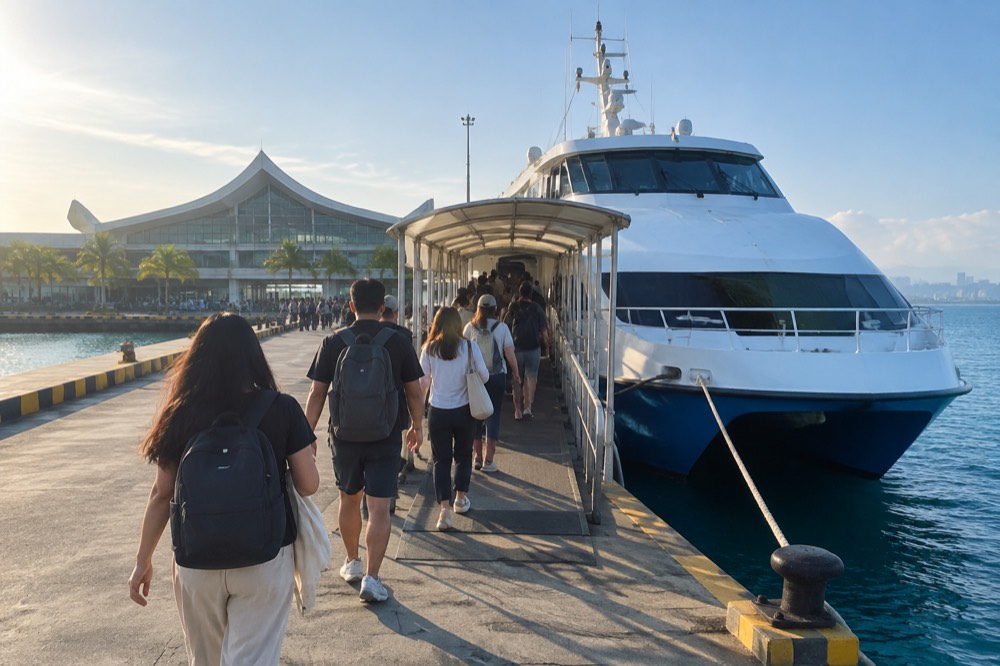
The ferry is the hinge of any Cebu-and-Bohol plan, and the details matter because the market shifted in 2026. OceanJet, the operator actually running the fastcraft service, raised fares on 21 September 2026 to cover fuel costs, and a handful of mid-September sailings were cancelled for the same reason, so it pays to check the live schedule rather than trusting a cached one. Lite Ferries runs a slower RORO alternative departing around 13:00 and 22:00, taking about four hours. The fastcraft terminal fee is about P25 (about US$0.4).
| Crossing | Operator | Type | Journey | Fare (late 2026) |
|---|---|---|---|---|
| Cebu City to Tagbilaran | OceanJet | Fastcraft | About 2 hours | P960 (about US$15.3) tourist, P1,440 (about US$23) business |
| Cebu City to Tagbilaran | Lite Ferries | RORO | About 4 hours | P400 (about US$6.4) to P520 (about US$8.3) |
| Cebu City to Tagbilaran | 2GO / Trans-Asia | RORO | Limited weekly sailings | Varies by sailing |
The full route breakdown, including where to buy tickets and how early to check in, lives in the Cebu to Bohol ferry guide, and the wider web of destinations reachable by sea is in ferries from Cebu. If you would rather not manage the crossing yourself, a same-day Bohol tour from Cebu bundles the ferry with the countryside circuit.
If your Cebu days need filling before or after the crossing, these are the kinds of bookable days that sit well alongside a Bohol excursion:
What Does A Day On Each Island Actually Look Like?
A day in Cebu is almost always a corridor day: you pick a direction, south to Oslob for the whale sharks or southwest to Moalboal for the sardine run, and you commit to the drive. A day in Bohol is a loop day: the countryside circuit of hills, viewpoints and a river lunch cruise packs into one compact drive, with far less time in transit between stops. Cebu trades convenience for range, Bohol trades range for ease.
The Cebu version of a big day is the south: an early start, the whale shark interaction in Oslob, Tumalog Falls, and the return leg, which tour operators run as a long single day. The whale shark fee structure is set by the Oslob municipal government, P1,000 (about US$15.9) per foreign visitor and P500 (about US$8.0) per Filipino, boat and guide included, with a mandatory briefing, a minimum distance of about four metres, no sunscreen and no touching. Sightings are sightings, not guarantees: in late May 2026 the sharks were absent from the Tan-awan interaction area for about four days when the plankton moved, and the local tourism office said operations would resume with them.
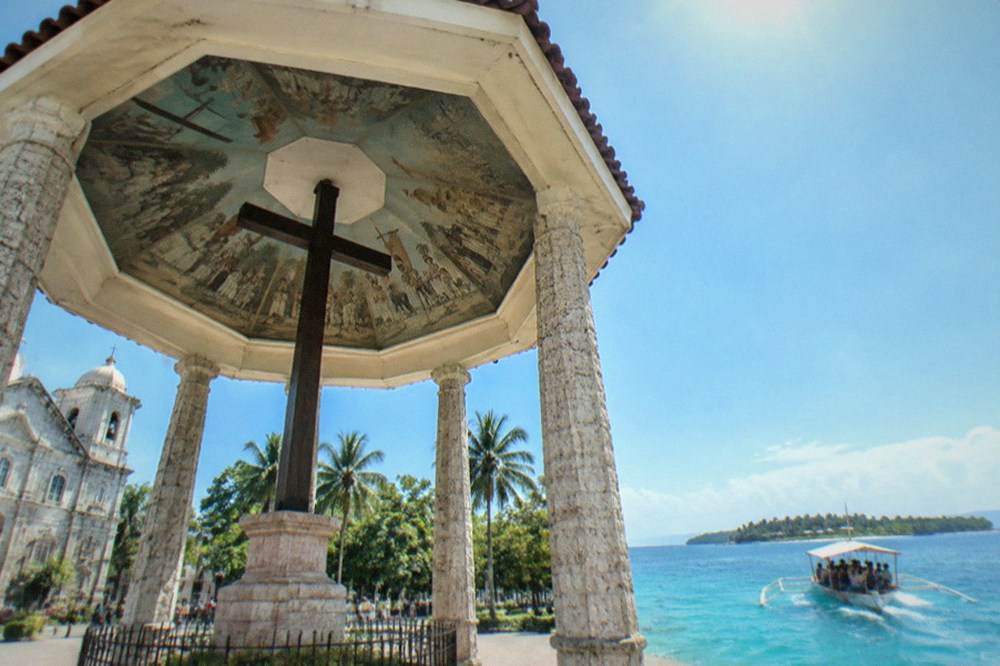
The Bohol version is gentler. The classic circuit is an inland loop that a single-day tour covers comfortably, which is exactly why the same-day Bohol tour from Cebu works at all: you can ferry over in the morning, do the loop with a river lunch, and ferry back in the evening. Nothing on Cebu compresses that neatly, because Cebu's headline sights are hours apart in opposite directions.
| Cebu day-trip corridor | Headline activity | Verified Cebu fee | Travel character |
|---|---|---|---|
| South: Oslob | Whale shark watching, Tumalog Falls | P1,000 (about US$15.9) foreign / P500 (about US$8.0) local, Tumalog about P50 (about US$0.8) | Long drive, early start, about 3.5-4.5 hours by bus |
| Southwest: Moalboal | Sardine run, Pescador Island | P100 (about US$1.6) environmental user fee | About 2.5-3.5 hours from the city |
| Southwest: Badian | Kawasan Falls, canyoneering | Level 1 entrance about P200 (about US$3.2) | Full day, guided activity |
| Mactan: island hopping | Gilutungan, Nalusuan, Caohagan | Environmental fee P100 (about US$1.6) for foreign tourists | Half day, closest to the city |
For the Mactan side of the ledger, a dedicated boat day is the easiest add-on to a city stay, and it pairs naturally with the Bohol question since both are sea days:
A boat day also gives you a fallback if the ferry schedule shifts under you, because the Mactan islands sit minutes from the city rather than hours. That flexibility is worth having when a typhoon-season week can rearrange the best-laid plans.
How Do The Beaches And Diving Compare?
Cebu wins on range: its beaches and dive sites ring the whole island, from beginner snorkelling off Mactan to thresher shark dives at Malapascua and the year-round sardine run at Moalboal, reachable from shore for a modest environmental user fee. Bohol's beach scene is anchored by one compact strip on Panglao, a single walkable concentration of dive shops and nightlife. Cebu spreads you out, Bohol concentrates you.

The sardine run is the single most distinctive underwater experience on Cebu, and it is unusual in that it needs no boat: the municipal tourism site places the resident school just off Panagsama Beach, a permanent population rather than a seasonal migration. Pescador Island, the nearby marine sanctuary, adds reef diving at about P100 (about US$1.6) per dive in sanctuary fees. The Moalboal sardine run guide covers the practicalities, and the rest of the island's sites, including the Malapascua thresher shark dives, which now happen mostly at Kimud Shoal, spread across several dive towns.
Bohol's underwater offering, by contrast, is genuinely strong but geographically concentrated around Panglao, and this desk has verified no Bohol figures, so no numbers are printed for that side. What can be said honestly is structural: Panglao's dive infrastructure is compact and walkable, which suits newer divers, while Cebu's spread suits divers willing to move base two or three times in a week.
Beach-wise, Cebu's best sand sits on Mactan and the offshore islands for convenience, and on Bantayan and Camotes for the quieter stuff. Bohol's beach reputation rests on one famous strip; if your trip is beach-first and you want everything within a short walk, that concentration is a feature, not a flaw.
| Sea activity | Cebu location | Verified fee or fact | Bohol equivalent |
|---|---|---|---|
| Sardine run snorkelling | Panagsama Beach, Moalboal | P100 (about US$1.6) environmental user fee, shore access | Concentrated dive scene on Panglao, no verified figures |
| Whale shark watching | Oslob | P1,000 (about US$15.9) foreign / P500 (about US$8.0) local, about 6 AM to 12 PM | Not offered |
| Canyoneering and waterfalls | Badian (Kawasan) | Level 1 entrance about P200 (about US$3.2) | Waterfall visits exist inland, gentler in character |
| Thresher shark diving | Malapascua (Kimud Shoal) | Dives about P1,800 (about US$29) to P2,000 (about US$32) | Not offered |
| Island hopping with lunch | Mactan (Gilutungan, Nalusuan, Caohagan) | Environmental fee P100 (about US$1.6) foreign tourists | Island hopping from Panglao beaches, unverified pricing |
Cebu Or Bohol For Food And Nightlife?
Cebu wins the food-and-nightlife comparison outright, and it is not close: Cebu City is a metro of nearly a million people with a lechon tradition of national fame, a full spectrum of restaurants and a nightlife scene that runs late, while Bohol's dining is largely beach-strip and resort-based. Cebu's lechon is the island's signature dish, and the city's restaurant range spans street food to hotel dining. Bohol feeds you well but quietly.
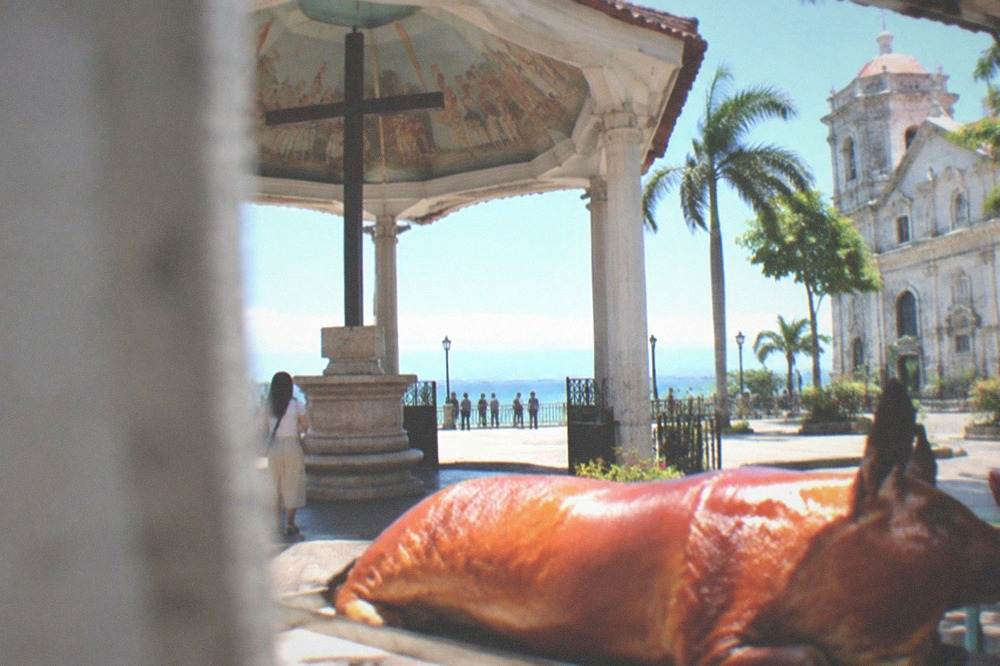
Cebu's food identity is real and specific: lechon, slow-roasted pig, is the dish the island is known for across the Philippines, and the Cebu lechon guide explains where the good versions are and what to order. Beyond that, the city supports night markets, a street-food scene around Carbon and Colon, and a bar spread that runs from IT Park to beach clubs on Mactan. A free, tip-based walking tour is also a low-cost way to eat your way into the city's backstreets, and the roster's food walks run three to four hours.
Bohol's food scene is honest but thin by comparison, mostly anchored on the beach strip and the river cruise lunch that forms part of the standard countryside tour. That cruise lunch is pleasant, but it is a tour product, not a dining scene. If eating well is a primary trip goal rather than a side effect, Cebu is the correct answer, and the gap is wide enough that it should genuinely shape your split of nights between the two.
Which Is Cheaper, Cebu Or Bohol?
Cebu's costs are verifiable and Bohol's are not, so the honest comparison runs on Cebu's numbers alone: whale shark watching is the priciest line on most itineraries, Kawasan's Level 1 entrance and the Moalboal environmental fee are modest, jeepney minimum fares cover the first four kilometres cheaply, and the Bohol ferry adds a round-trip line to any budget. Both islands are inexpensive by Western standards, but budget with Cebu's published figures and leave margin on the Bohol side.
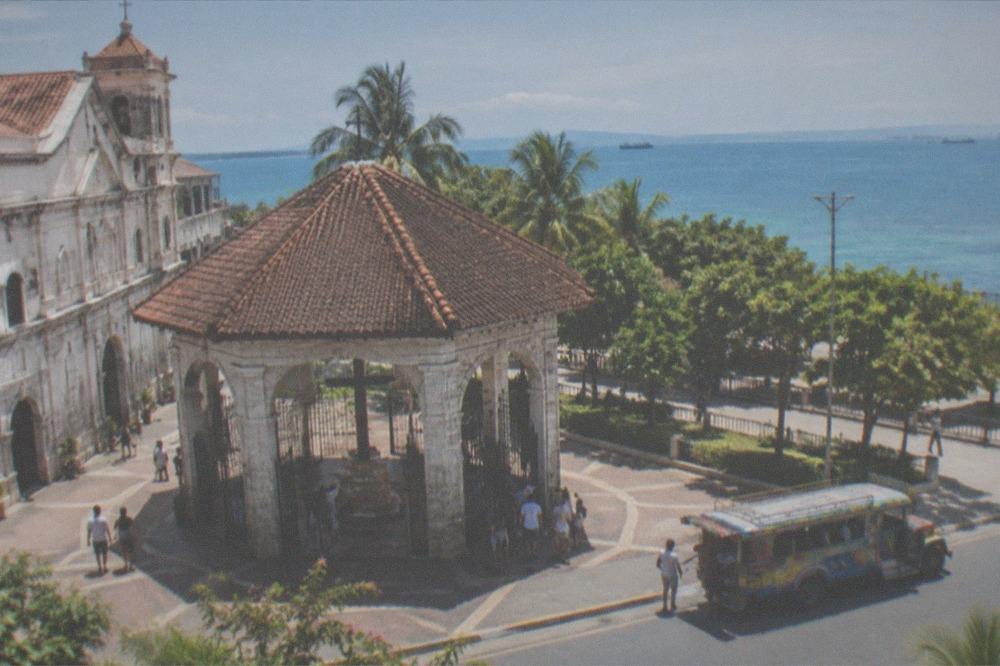
The Cebu budget and costs guide carries the full breakdown, but the shape of it is simple: transport within Cebu is very cheap, with traditional jeepney minimum fares around P14 (about US$0.2) for the first four kilometres, and the big-ticket items are the activity fees, which are set by municipal governments and published. Entrance to Fort San Pedro is P50 (about US$0.8), Tops Lookout is P100 (about US$1.6), and the whale shark interaction is the single most expensive line on most itineraries.
On the Bohol side, the is Bohol expensive question gets its own treatment elsewhere on this site. What can be said is structural: Bohol's costs skew toward tour packages and beach-strip pricing, while Cebu gives you both a budget floor, jeepneys, street food, free sights like Magellan's Cross, and a high ceiling, resort days and diving, so the budget you set matters more than the island you pick.
| Budget line (Cebu, verified) | Figure |
|---|---|
| Jeepney minimum fare, traditional | About P14 (about US$0.2) first 4 km |
| OceanJet ferry to Bohol, tourist class | P960 (about US$15.3) each way |
| Oslob whale shark watching, foreign visitor | P1,000 (about US$15.9) |
| Kawasan Falls Level 1 entrance | About P200 (about US$3.2) |
| Moalboal environmental user fee | P100 (about US$1.6) |
| Fort San Pedro entrance | P50 (about US$0.8) |
| Tops Lookout entry | P100 (about US$1.6) |
Cebu Or Bohol For Families And Honeymoons?
Cebu suits families who want variety and structure: theme park and aquarium combos, a waterpark day pass, easy island hopping from Mactan and a free heritage walk in the city give children a different activity every day. Bohol suits families who want one calm base and short drives, and honeymooners who prefer quiet hills and river scenery over nightlife. Cebu is the flexible choice, Bohol the restful one, and a split of both is the common honeymoon pattern.
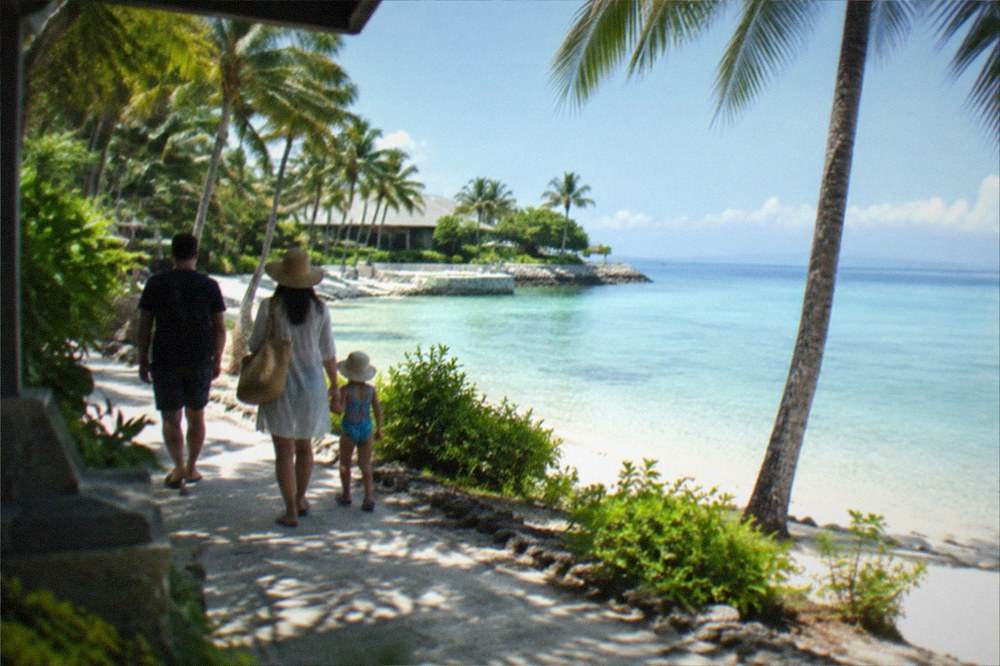
The family case for Cebu is mostly about optionality. The Cebu family travel guide lays out the kid-friendly core, and the bookable side is real: theme park and ocean park combos, resort waterpark passes and structured boat trips mean rainy days and tired afternoons both have answers. Bohol's family offering, the tarsier visits and the river cruise, is gentler and famously popular with children, but it is a thinner bench once the circuit is done.
For honeymoons the calculus flips slightly. Cebu can be as romantic or as active as you make it, with resort options from Mactan beachfront to quiet southern retreats, but it is a working city around the edges. Bohol's countryside reads as more secluded without effort, and many couples do exactly that: city and activity days in Cebu, then two or three slow days in Bohol to end the trip. The ferry makes the combination painless.
How Many Days Do You Need For Cebu Vs Bohol?
A balanced first trip is seven to ten days, with five to six on Cebu and two to three on Bohol: Cebu needs the larger share because its attractions sit hours apart in different directions, while Bohol's classic circuit compresses into two days comfortably. A strict minimum is four days, three on Cebu covering one corridor plus the city, and one on Bohol as a day trip. Anything shorter and you are choosing one island, not comparing them.
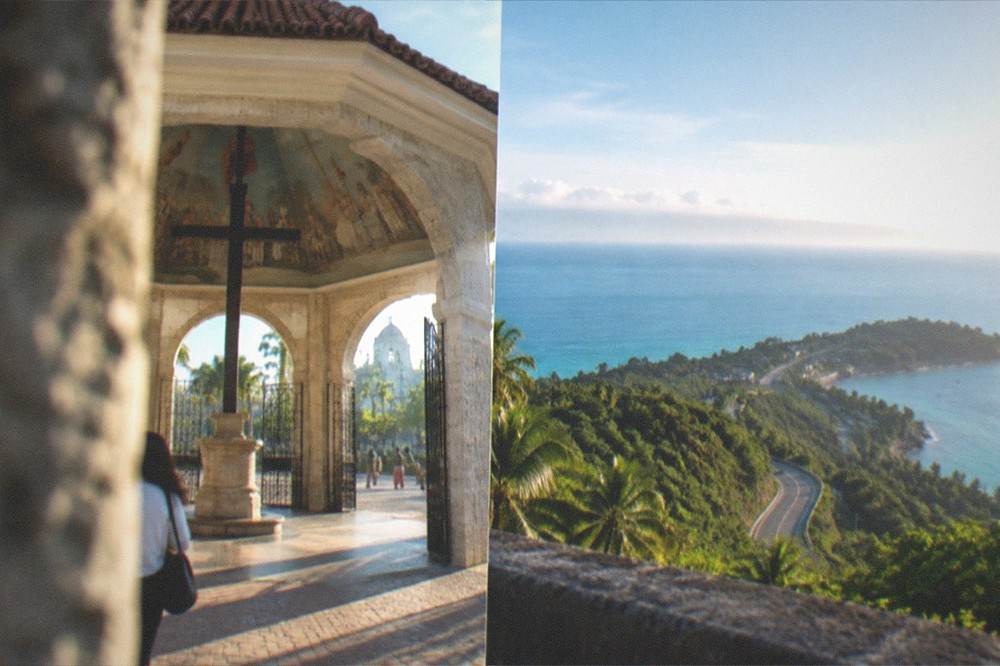
The published itineraries for three, five and seven days on this site show how Cebu scales, and the pattern is consistent: each extra day buys you one more corridor, south to Oslob, southwest to Moalboal and Kawasan, north to Malapascua or Bantayan, or a Mactan sea day. Bohol does not scale the same way; it saturates fast, and its most common formats are the two-night stay or the day trip.
Timing matters as much as duration. The best time to visit Cebu follows PAGASA's national rule, rainy season June to November and dry season December to May, with the Mactan station's 1991-2020 normals showing about 1,685 mm of rain across 138 rain days a year, and the wettest months falling inside the typhoon season window. The same climate governs both islands, so there is no seasonal argument between them, only a scheduling one.
| Trip length | Recommended split | What you realistically see |
|---|---|---|
| 4 days | 3 Cebu, 1 Bohol day trip | Cebu City heritage, one south corridor, Bohol countryside circuit |
| 7 days | 5 Cebu, 2 Bohol | Two Cebu corridors, Mactan sea day, Bohol loop with an overnight |
| 10 days | 6-7 Cebu, 3 Bohol | North and south Cebu, Malapascua or Bantayan, relaxed Bohol stay |
Before you lock the plan, these bookable Cebu days slot neatly around a Bohol crossing:
For the evenings you spend on the Cebu side rather than in transit, a show ticket fills the gap between dinner and bed without another long drive:
And for families splitting their days between the two islands, the theme park and aquarium pairing is the one Cebu day that children reliably rank above the ferry:
Common Questions About Cebu Vs Bohol
Is Bohol worth visiting from Cebu?
Yes, for most travellers. The fastcraft crossing takes about two hours, and the question of whether Bohol is worth visiting comes down to pace: if you want quiet hills, river scenery and a compact circuit after Cebu's activity-heavy corridors, it earns its two or three days. This desk has verified Cebu's figures but none for Bohol, so weigh the character, not invented numbers.
Can you do Bohol as a day trip from Cebu?
Yes. Same-day tours bundle the ferry, the countryside circuit and a river lunch cruise into one bookable day, roughly 14 hours door to door. It is a long day, and it trades depth for convenience, but it is the cleanest way to answer the Cebu vs Bohol question without moving hotels.
Which island is cheaper, Cebu or Bohol?
Both are inexpensive by Western standards, but only Cebu's fee schedule is verified here: whale sharks at P1,000 (about US$15.9) for foreign visitors, Kawasan entrance about P200 (about US$3.2), jeepney minimums about P14 (about US$0.2) and the ferry at P960 (about US$15.3) each way. Budget from those figures and leave margin for Bohol, whose pricing this desk has not verified.
Do I need to choose, or can I visit both?
You rarely need to choose, because most Bohol trips already pass through Cebu. Give Cebu the larger share of nights, cross by fastcraft for two or three Bohol days, and return the same way. The Cebu itinerary hub shows how the split works at different trip lengths.
Which has better beaches, Cebu or Bohol?
Cebu's beach range is wider and verified here: Mactan and its offshore islands for convenience, Bantayan and Camotes for quiet sand, and Moalboal for the underwater draw. Bohol's beach reputation rests on one famous strip on Panglao, which suits travellers who want everything walkable. Spread versus concentration is the real choice.
Is the Cebu to Bohol ferry rough?
The crossing is about two hours on the fastcraft and conditions vary with weather, especially in the June to November rainy season when Coast Guard suspensions are possible. Sailings were also cut for fuel costs in September 2026, so check the live schedule before you commit to a tight connection.
The short version of the whole comparison: Cebu is the working hub with the verified fee schedule, the activity range and the airport, Bohol is the quiet counterweight that rewards a short stay, and the fastcraft between them turns the dilemma into an itinerary.