Is Cebu, Philippines Expensive?
A plain-language cost breakdown for Cebu in the Philippines: entrance fees, transport fares, tours and where the money goes, with peso prices and dollar equivalents.
Cebu, the island province in the Central Visayas region of the Philippines, costs far less to visit than almost any Western destination, and less than most of its neighbours' resort strips too. A jeepney ride across Cebu City costs less than a coffee back home, heritage sites charge a few dollars at the gate, and the peso goes a long way at a roadside eatery. The catch is that the island's signature experiences, whale sharks, canyoneering and private boats, carry real price tags, and a resort stay on Mactan can erase a backpacker budget in a single night. Whether Cebu feels expensive depends almost entirely on which version of the island a visitor books.
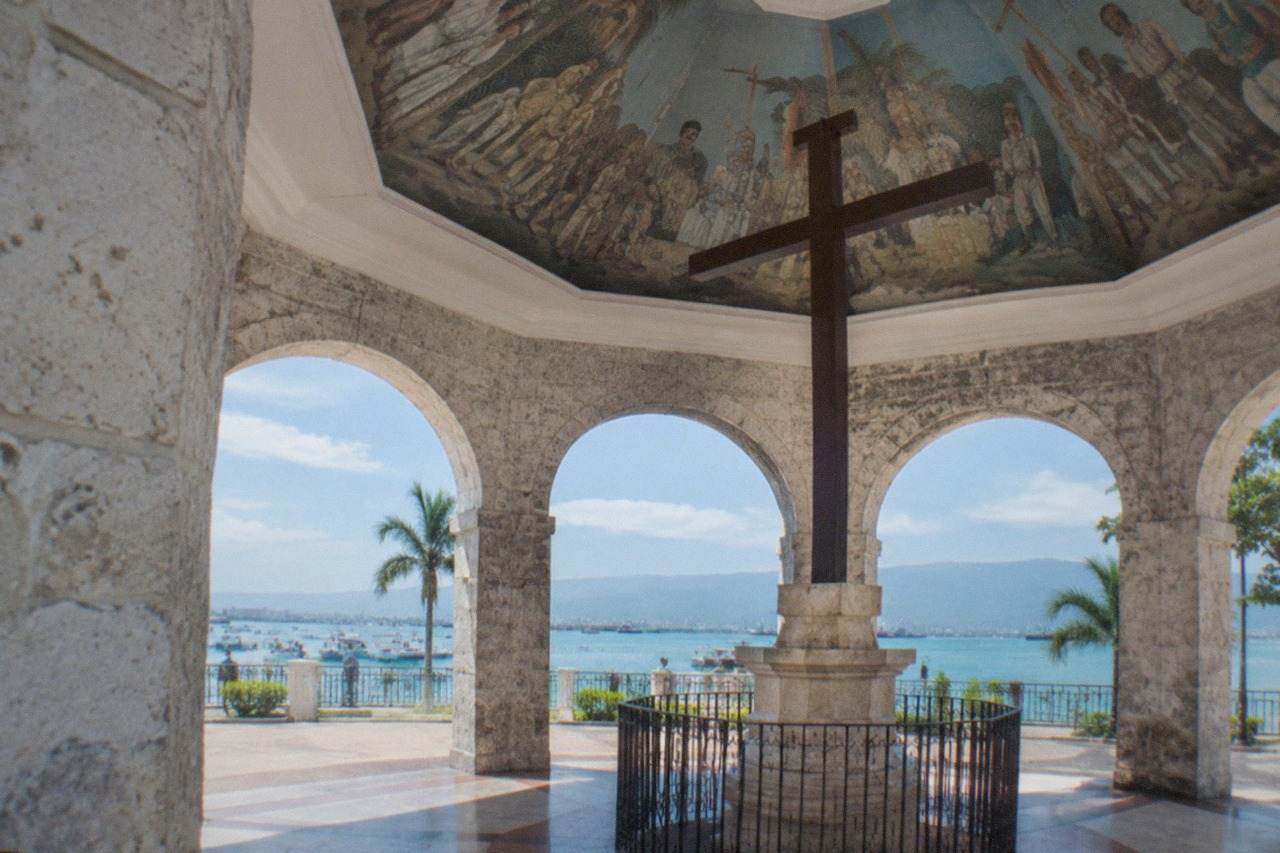
Is Cebu, Philippines Expensive?
No, Cebu is not expensive by the standards visitors arrive with. Entrance fees at heritage sites run from free to roughly a couple of dollars, city transport costs pocket change, and eating local food is cheap by any Western measure. The island does get expensive in specific places: private boat charters, dive trips and Mactan resorts can cost as much as a comparable day in a developed country, so the total spend depends on the mix of activities chosen.
The honest framing is that Cebu is a cheap base with optional expensive add-ons. A traveller who sleeps in a city guesthouse, eats at carinderias and takes public buses can keep daily costs very low. A traveller who books whale sharks, canyoneering and island-hopping in one week will spend several times more, not because Cebu overcharges, but because those activities involve boats, guides, gear and entrance systems that all cost money to run.
The Cebu Travel Guide cost pages break this down area by area. For the short version: the city is cheap, the south is cheap to reach and moderate to play in, and the resorts of Mactan are priced for people who stopped checking. Visitors curious about what the island is actually known for can start with what Cebu is famous for before deciding where their money should go.
What Do Everyday Costs Look Like In Cebu?
Everyday costs in Cebu are low. A jeepney ride in the city starts at around fourteen pesos for the first four kilometres on traditional units, the airport bus to SM City Cebu costs fifty pesos, and a bowl of local food at a market stall costs a fraction of a restaurant meal. Verified entrance fees range from free at Magellan's Cross and the Taoist Temple to one hundred pesos at Tops Lookout, so a full sightseeing day can cost less than a single museum ticket in Europe.
The table below collects the entrance fees that are actually verified for 2025-2026, with the peso price and its dollar equivalent. Fees at some private gardens and temples shift without much notice, so treat anything beyond these as "check at the gate" rather than a promise.
| Attraction | Regular fee | Discount fee | Notes |
|---|---|---|---|
| Fort San Pedro, Cebu City | P50 (about US$0.8) | P40 (about US$0.6) students and seniors | Oldest triangular bastion fort in the country |
| Tops Lookout, Busay | P100 (about US$1.6) | P70 (about US$1.1) senior/PWD, under 2 free | Open 24 hours |
| Magellan's Cross | Free | Free | Pavilion on Magallanes Street |
| Taoist Temple, Beverly Hills | Free | Free | Donations appreciated |
| Museo Sugbo | P50 (about US$0.8) | P25 (about US$0.4) students | Reopened August 2025, weekdays only |
| Oslob whale sharks | P1,000 (about US$15.9) foreign | P500 (about US$8.0) Filipino | Boat and guide included |
Two of those numbers deserve a flag. The Oslob whale shark fee is the single biggest entrance charge on the island, and it is per person, per session, on top of whatever a tour operator charges for transport from Cebu City, which is a three-to-four-hour drive each way. And the Fort San Pedro figure matters because older blogs still quote P30 (about US$0.5) and P20 (about US$0.3) rates that a 2026 fee review left behind.
Local transport keeps the daily burn rate down. Jeepneys remain the workhorse of Cebu City, and the fast ferry to Bohol, useful for anyone pairing the two islands, costs P960 (about US$15.3) tourist class one way on OceanJet after the September 2026 fuel surcharge, with business class at P1,440 (about US$23). Driving yourself across the CCLEX bridge to Mactan costs P107 (about US$1.7) one way in a car, which is worth knowing before committing to a Mactan resort stay.
How Much Do Cebu Tours And Activities Cost?
Tour prices in Cebu span a wide range, from free tip-based walking tours to private boat charters costing hundreds of dollars, so the honest answer is that there is no single "tour price" for the island. A market food walk, a highlands half-day and a group island-hopping trip sit at the affordable end. Private canyoneering, private island hopping and multi-activity combos sit at the top, and the spread between the cheapest and priciest options is larger than in most Southeast Asian destinations.
The reason for the spread is structural. A walking tour needs one guide and a street. A canyoneering day needs a registered guide, gear, an environmental fee, a motorbike transfer and lunch, and the Badian municipal government regulates all of it. A private island-hopping charter needs a boat, a crew, fuel and sanctuary fees for every passenger. Every layer adds cost, and unlike some destinations, Cebu's activity fees are locally regulated rather than negotiable at the dock.
For food specifically, the Cebu Market & Food Tour is the natural starting point: the operator has not published a price on the live listing, so the live listing is the place to check. It pairs well with reading up on the most famous food in Cebu, since lechon and street snacks taste better with context.
That food walk is the model for cheap, structured sightseeing in the city, but the island's bigger activities follow a different logic, and the next block shows what the premium end looks like.
The whale shark question deserves its own arithmetic, because it is the island's most famous expense. The municipal fee is P1,000 (about US$15.9) per foreign visitor, boat and guide included, and sightings are not guaranteed: in late May 2026 the sharks were absent from the Tan-awan interaction area for about four days when plankton moved to a neighbouring barangay. Anyone weighing that cost against the experience can read whether swimming with whale sharks in Oslob is worth it and what a whale shark swim costs before committing.
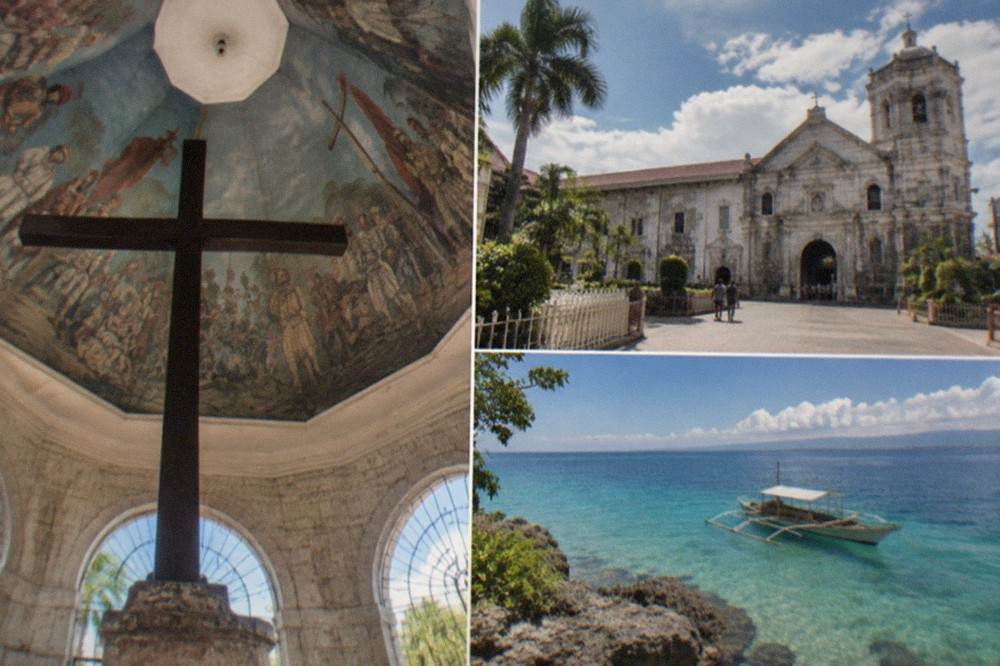
Where Does The Money Go In Cebu: Saving And Splurging?
The money in a Cebu trip goes to three things above all else: accommodation, activities and the private transport that connects them. Food and city sightseeing are almost negligible line items, and public buses keep the south of the island reachable on a tight budget. A visitor who splurges on one big activity and economises on the rest gets the best value from the island, because the cheap parts of Cebu are genuinely cheap and the expensive parts are genuinely optional.
Saving in Cebu is straightforward. The Ceres buses from the South Bus Terminal reach Moalboal for roughly P120 (about US$1.9) to P210 (about US$3.3) and Oslob for P145 (about US$2.3) to P250 (about US$4.0), which undercuts any tour transfer. The Moalboal sardine run is one of the island's best sights and it starts from the shore: the environmental user fee to swim or snorkel at Panagsama is P100 (about US$1.6), and the sardine school sits a few metres from the beach, permanent and year-round. Free walking tours of Cebu City run on a tip basis and cover the heritage core, Magellan's Cross, the Basilica, Colon Street, in about three hours.
Splurging is equally easy to identify. The Bluewater Sumilon day pass on Sumilon Island runs about P1,600 (about US$25) to P2,000 (about US$32) net per person depending on the day, with transfers and sanctuary access included. Private island-hopping charters around Mactan or Pescador cost real money because the whole boat is yours. Diving with thresher sharks at Malapascua means an early-morning trip to Kimud Shoal with dive fees in the P1,800 (about US$29) to P2,000 (about US$32) range per dive plus marine park fees. None of these are traps; they are priced like premium experiences anywhere, and the choice is simply whether the day justifies it.
The one place visitors routinely overspend is combining too much in too little time. Oslob, Moalboal and Kawasan sit along the same southern coastline, but rushing all three from a Cebu City base means paying for long private transfers three times. Basing in Moalboal for two nights and doing day trips from there, a question covered in where to stay in Cebu, cuts transport costs dramatically and turns the expensive south into a series of short hops.
Is Cebu Expensive Compared To Other Philippine Islands?
Cebu sits in the middle of the Philippine price range: cheaper than Boracay's beachfront and El Nido's island-hopping economy, broadly similar to Bohol, and cheaper than Manila for the quality of food and transport on offer. Within Cebu itself, Cebu City and Moalboal are the budget-friendly ends, while Mactan's resort strip is the most expensive place to sleep on the island. The island's fees are set locally, so they do not spike the way single-resort islands can.
The comparison with Bohol is the one many visitors actually face, since the two islands are two hours apart by fast ferry and often share an itinerary. The ferry itself, P960 (about US$15.3) one way in tourist class, is a real cost to factor in, and the question of whether Bohol is expensive has its own answer page. On the ground, the two islands price similarly: modest entrance fees, cheap local food, and activity costs driven by boats and guides rather than by gate prices.
Where Cebu does feel expensive is against its own past and against rural Philippines. The peso figures above are current, and several of them rose recently: the OceanJet fare absorbed a 10 percent fuel surcharge in September 2026, and jeepney fares were adjusted nationally in late September 2026. Prices move with fuel, and fuel moves often. That is the pattern to expect, not a one-off.
Common Questions About Cebu Travel Costs
Is Cebu, Philippines expensive?
No. Cebu is affordable for most visitors: city transport costs pocket change, verified entrance fees run from free to about P1,000 (about US$15.9) for the whale sharks, and local food is cheap. The expensive parts are private boats, dive trips and Mactan resorts, all of which are optional.
How much does it cost to enter Fort San Pedro?
Fort San Pedro charges P50 (about US$0.8) regular admission and P40 (about US$0.6) for students and seniors, per a 2026 fee review. Older blogs quoting P30 (about US$0.5) and P20 (about US$0.3) are out of date.
What is the biggest single cost in Cebu?
For most visitors it is the Oslob whale shark experience: P1,000 (about US$15.9) per foreign visitor for the municipal fee alone, before transport from Cebu City, which is a three-to-four-hour drive each way.
Is food expensive in Cebu?
Local food is not. Market meals and street food cost very little in peso terms, and a guided market food walk is one of the cheapest structured experiences on the island. Resort and hotel dining costs what resort dining costs anywhere.
Do foreign tourists pay the Philippine travel tax when leaving Cebu?
No. Non-immigrant foreigners staying less than one year are exempt from the Philippine travel tax. It falls on Filipino citizens and residents, so it does not belong in a tourist's Cebu budget at all.
Is Cebu cheaper than Boracay or El Nido?
Generally yes, especially for accommodation and getting around, because Cebu has a working public transport network and a big city's supply of cheap food. Boracay's beachfront and El Nido's island-hopping economy price higher for equivalent experiences.
The bottom line: budget for the activities, not the island. Cebu's floor is as low as anywhere in the Philippines, and its ceiling only rises as far as the boats a visitor chooses to book.