What's The Best Restaurant In Cebu?
There is no single best restaurant in Cebu, but the island's food scene has a clear anchor: lechon, the roast pig the province is famous for across the Philippines. Here is how to think about eating well in Cebu.
Ask ten people for the best restaurant in Cebu and you will get ten different answers, but nearly all of them circle back to the same dish. Lechon, the whole spit-roasted pig with crackling skin that this island province in the Central Visayas region of the Philippines is famous for, is the yardstick against which every serious table here is measured. The honest answer to the question is that no single venue holds the crown, and that chasing the island's signature dish through markets, carinderias and dedicated lechon counters will teach you more about Cebu than any one dining room can.
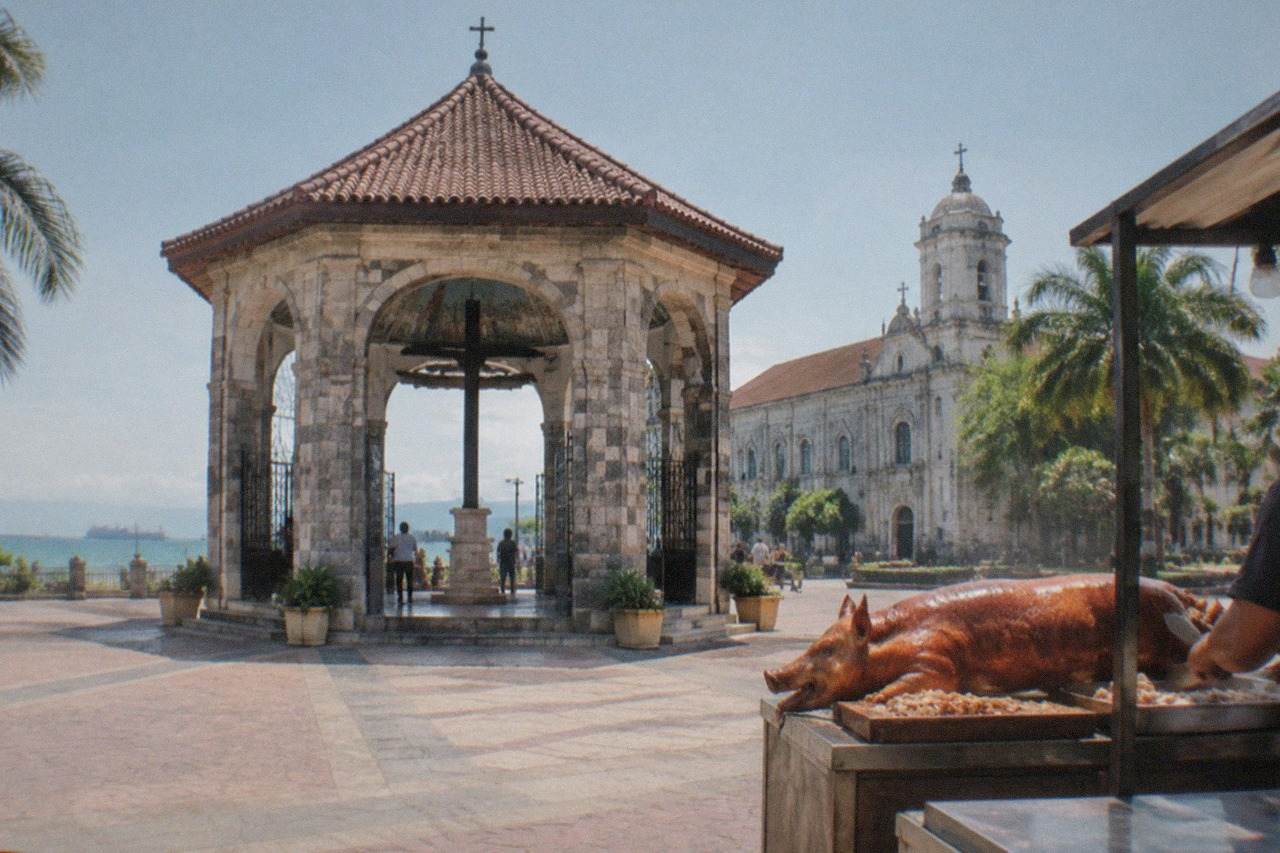
What's The Best Restaurant In Cebu?
There is no single best restaurant in Cebu, and any guide claiming otherwise is guessing. What the island does have is a signature dish, lechon, the whole roast pig stuffed with lemongrass, salt and spices and turned over charcoal until the skin shatters, and the places that cook it well define the local food scene. Locals argue about which lechon counter is best the way other cities argue about pizza, and the argument itself is the point: eating here means tasting several and picking your own winner.
That argument has a reason behind it. Cebu's lechon is seasoned through the body cavity rather than basted in a sweet sauce, which is why it is eaten plain, without the gravy or liver sauce that accompanies lechon elsewhere in the country. The skin is the prize, and the meat underneath carries the lemongrass and pepper from the stuffing. The dish is safe to describe precisely because it is a preparation, not a secret: pig, charcoal, salt, aromatics and time.
The practical takeaway for a visitor is simple. Do not anchor the whole trip to one booked table. Build the eating around the island's food identity instead, which means lechon for a main meal, a morning in the public markets, and a guided food walk if you want the backstreet stalls decoded for you. The most famous food in Cebu is a starting point, not a single destination.
Why Lechon Sets The Standard For Cebu Dining
Lechon is the dish Cebu is known for across the Philippines, and it is the one meal every visitor should plan around. It is a whole pig roasted over charcoal, stuffed with lemongrass and spices, served with the skin on and eaten without sauce. National attention and international food media have repeatedly pointed at Cebu as the place to eat it, so the island's best eating is organized around this dish rather than around one celebrated chef or dining room.
The island's reputation rests on the preparation itself. Because the seasoning goes inside the pig, a good lechon needs nothing on the plate: no sauce, no dip, just the crackling and the meat. Vendors sell it by weight, carved to order at counters that often sell out by early afternoon, which is the single most useful planning fact about eating lechon in Cebu. Go at lunch, not dinner.
Where you eat it shapes the experience more than which exact counter you choose. Cebu City has the concentrated choice, from dedicated lechon restaurants to market stalls; the towns south of the city have their own local versions with fierce followings. Some visitors plan a whole day around the food, pairing a lechon lunch with the number one tourist spot in Cebu in the same itinerary. Others let a guide do the legwork.
A guided walk is the efficient way in. The Cebu Market & Food Tour moves through the markets and backstreet stalls, and the operator keeps its price on the live listing rather than publishing it up front. Check availability if you would rather have a local decode the stalls than navigate them cold.
How To Structure Your Eating Days In Cebu
Plan around three anchors: lechon at lunch, a market morning, and one guided food experience if your time is short. Lechon counters are a daytime affair and often sold out by mid-afternoon, so the midday meal is the one to schedule. Markets are at their best early, and a food tour compresses days of trial and error into a single walk. This structure works whether you are staying in Cebu City or out on Mactan.
The rhythm of the island rewards early risers. Public markets hum in the morning, and that is when the fresh produce, dried fish and native sweets are at their most complete. By afternoon many hot-food stalls have wound down, and the lechon counters that were carving at noon are down to scraps. Dinner in Cebu is real, but the island's food identity peaks between dawn and two in the afternoon. The wider set of guides lives on Cebu Travel Guide.
Where you base yourself changes the logistics more than the food. Staying in Cebu City puts the markets, the heritage district and the lechon counters within a short ride of each other; staying on Mactan puts you nearer the resorts and the airport but adds a bridge crossing to the city's eating grounds. The Cebu City or Mactan stay question is worth settling before you plan the food days, and the best part of Cebu to stay in depends heavily on whether eating your way through the city is a priority.
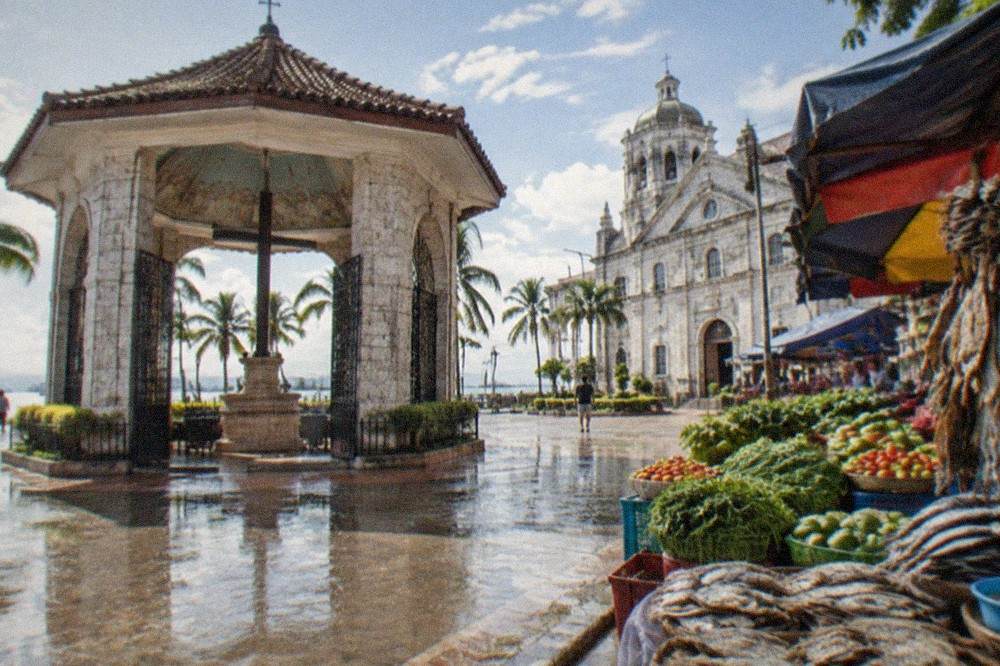
What To Eat In Cebu Beyond Lechon
Beyond lechon, the dishes worth building meals around are pusô, the rice cooked in woven coconut-leaf pouches; ngohiong, the deep-fried pork-and-vegetable rolls eaten as street food; dried fish such as danggit, which is a breakfast staple; and sutukil, the trio of grilled, stewed and raw seafood preparations served near the coast. Each is a market and street food first, a restaurant dish second, which is why the markets matter as much as any dining room.
Pusô is the most useful thing to know about. The rice is packed into hand-woven coconut leaves and boiled, coming out as a compact triangle you carry by its own handle. It is the standard accompaniment to lechon and grilled fish, sold hanging in bundles at stalls across the city, and it replaces cutlery and plates in the most casual settings.
Ngohiong is the Cebuano answer to the spring roll, a pork and ubod filling rolled in a crêpe-like wrapper, deep fried and dipped in a chili-vinegar sauce. It is canteen and street-corner food, cheap by nature, and the kind of thing a guide points out that visitors would walk past. Dried fish, especially danggit, is the island's breakfast identity, eaten with garlic rice and vinegar, and it is the food that travelers take home in vacuum packs from the markets.
| Dish | What it is | Where you typically find it |
|---|---|---|
| Lechon | Whole pig stuffed with lemongrass and spices, charcoal-roasted, eaten skin-on without sauce | Dedicated lechon counters and markets, carved to order at lunch |
| Pusô | Rice boiled in woven coconut-leaf pouches, carried by its own handle | Hanging in bundles at stalls and barbecue stands |
| Ngohiong | Deep-fried pork and vegetable rolls with a chili-vinegar dip | Street corners and canteens |
| Danggit | Salted, dried rabbitfish, fried crisp for breakfast | Public markets and breakfast tables |
| Sutukil | Grilled, stewed and raw seafood served together | Coastal seafood markets, especially near Mactan |
The seafood deserves its own sentence. Cebu sits between the Camotes Sea and the Tanon Strait, and the coastal markets sell the catch grilled in front of you, stewed in sour broth, or served raw kinilaw-style in coconut vinegar. Sutukil, the portmanteau of sugba, tuwa and kilaw, is the format, and choosing your fish from the ice is half the experience.
Is A Food Tour In Cebu Worth Booking?
Yes, for most visitors a food tour is worth booking, because Cebu's best eating is distributed across markets, backstreet stalls and counters that are hard to find and harder to read without local knowledge. A guided walk compresses several days of trial and error into a few hours, and the operators running them handle the ordering, the translation and the navigation. It is the one food expense on the island that reliably pays for itself in mistakes not made.
The market-first format is the one to look for. The Cebu Market & Food Tour is the island's dedicated market walk, and its rating and price live on the operator's listing rather than in a published figure here. There are also free, tip-based walking tours on the island, including one that pairs backstreet food stops with a jeepney ride and stops recognized in international food guides, which cost nothing up front and are tipped at the end.
If your trip is longer, the food tour works best on day one, because it doubles as an orientation to the city. You learn which market is which, what pusô costs roughly, and which streets to come back to. From there, the day trips fan out: the south for whale sharks and waterfalls, the north for beaches, each with its own food stops along the way. The best month to visit Cebu matters less for eating than for those coastal day trips, since the markets run year-round.
Common Questions About Eating In Cebu
What's the best restaurant in Cebu?
There is no single best restaurant in Cebu. The island's food identity is built around lechon, the charcoal-roasted pig eaten without sauce, and the strongest eating experiences come from visiting several lechon counters plus the public markets rather than one booked table.
What food is Cebu most famous for?
Lechon, the whole roast pig stuffed with lemongrass and spices. It is eaten skin-on, without gravy or sauce, and it is the dish the island is known for across the Philippines. Pusô, rice cooked in woven coconut leaves, is the traditional accompaniment.
When should I eat lechon in Cebu?
At lunch. Lechon is roasted in the morning and carved to order through midday, and popular counters often sell out by early afternoon. Dinner is the wrong meal for it.
Is food in Cebu expensive?
Market and street food in Cebu is generally inexpensive by international standards, and casual local eating is one of the cheaper parts of a trip here. The overall cost question for Cebu depends far more on hotels and day tours than on food.
Can I explore Cebu's food scene without a tour?
Yes. The markets and lechon counters are public and walkable, and pointing at what you want is a working strategy. A tour simply removes the guesswork, and the free, tip-based walks on the island make that help accessible at no fixed price.
What should I bring home from Cebu's markets?
Dried fish such as danggit, sold vacuum-packed at the public markets, plus local sweets and dried mangoes. These travel well and are the island's standard food souvenirs.
Eating well in Cebu is less a question of finding one perfect restaurant and more a matter of showing up at the right counters at the right hours, and the island makes that easy for anyone willing to eat lunch early.