Which Part Of Cebu Is Best To Stay?
Where to base yourself in Cebu, Philippines: Cebu City, Mactan, Moalboal or Oslob, compared by trip type, transport and what each area is actually good for.
Cebu, the island province in the Central Visayas region of the Philippines, is not one destination but several stacked along a single long island, and the part you sleep in shapes almost everything else about the trip. Cebu City, Lapu-Lapu and Mandaue are highly urbanized cities, independent of the province administratively but grouped together as Metro Cebu along the Mactan Channel. South of them the island stretches roughly 200 km down to Oslob and Badian, with Moalboal reachable from the Cebu South Bus Terminal by Ceres bus. Choosing a base is the single biggest planning decision, and this page compares the realistic options by trip type.
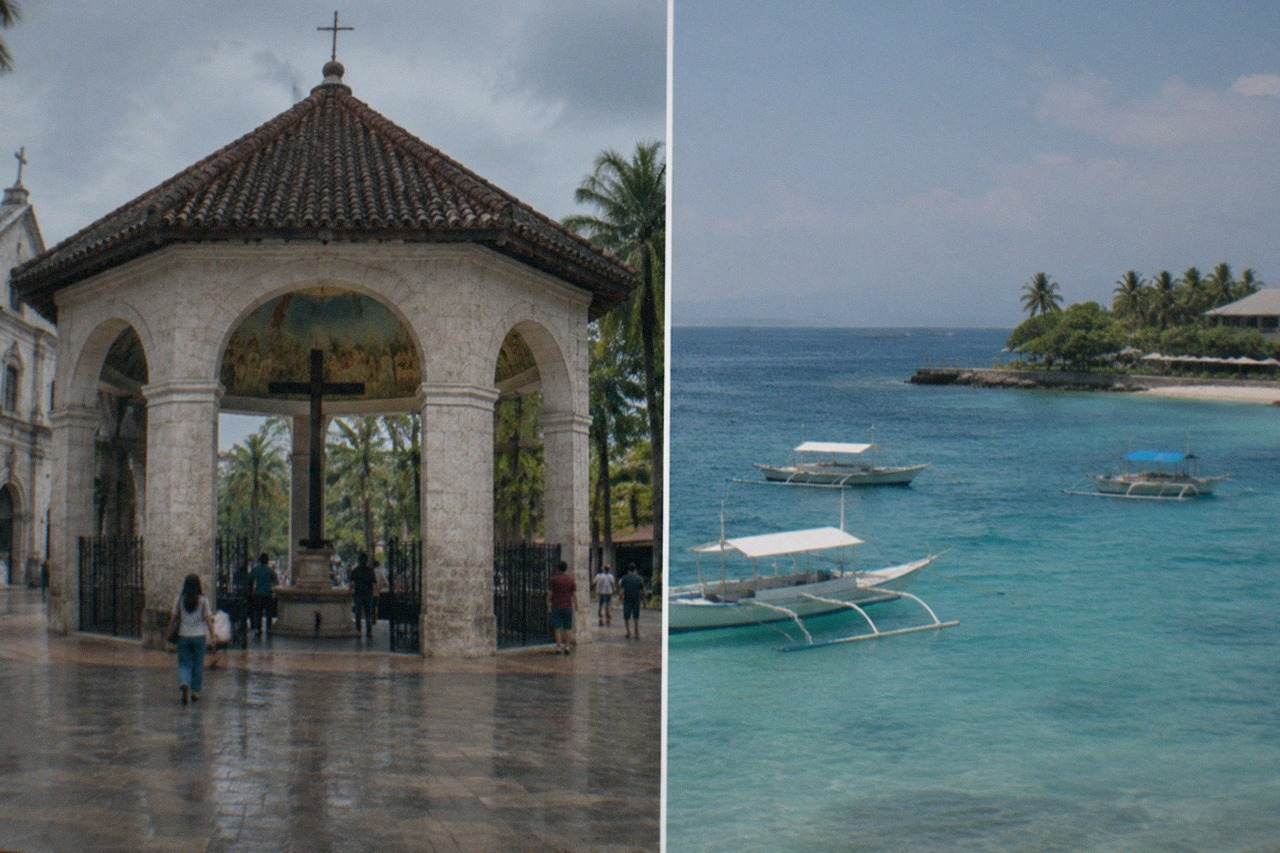
Which Part Of Cebu Is Best To Stay?
For most first-time visitors the best part of Cebu to stay in is Cebu City itself, split between the downtown heritage district and the newer IT Park area, because it puts Magellan's Cross, the Basilica, Colon Street and the south-bound buses all within one base. Travelers who want a beach outside the door should stay on Mactan Island in Lapu-Lapu City instead, about 13 to 15 km from the airport. Divers are better served in Moalboal, whale shark watchers in Oslob.
The honest answer is that there is no single best part, only a best fit. Cebu City wins on heritage, food and transport connections: the Ceres buses to Oslob and Moalboal leave from the Cebu South Bus Terminal downtown, the fastcraft ferries to Bohol leave from Pier 1, and the Cebu Travel Guide hub covers each of these in detail. Mactan wins on convenience and beaches, since the airport sits on the island and the resort strip lines the east coast. The south wins on the activities people actually fly in for: whale sharks in Oslob, the sardine run and Pescador Island in Moalboal, and canyoneering at Kawasan Falls in Badian.
A useful framing: pick your base by what you want to do at sunrise, not by what looks best in photos. Whale shark watching in Oslob runs roughly 6 AM to 12 PM, so staying near the water in Oslob the night before beats a 3 AM departure from the city. The sardine run at Panagsama Beach in Moalboal sits a few metres from shore and is best early in the morning, which is the same argument for Moalboal.
Where Should First-Time Visitors Stay In Cebu?
First-time visitors should stay in Cebu City, either downtown near the heritage sites or in the IT Park and business park area, for three to four nights, then move to Mactan or the south for the beach and activity portion of the trip. The city is where the island's history is concentrated: Magellan's Cross, the Basilica Minore del Santo Niño and Fort San Pedro sit within a few minutes of one another. Splitting the trip costs little and saves hours of driving.
The downtown cluster is the densest sightseeing zone on the island. Fort San Pedro charges P50 (about US$0.8) regular entry and P40 (about US$0.6) for students and seniors, Magellan's Cross is free, and the Basilica's pre-pandemic mass schedule was restored in late 2024, so the pilgrimage rhythm of the district is fully back. If the question you are really asking is whether the city beats the beach, the dedicated comparison at Mactan or Cebu City works through the trade-off in detail.
For a shorter take, the answer page on where to stay in Cebu breaks the island into neighborhoods, and if you want a quick verdict on the two main candidates the question Cebu City or Mactan? is answered directly elsewhere on this site. The short version: culture and logistics favor the city, sand and swim-up convenience favor Mactan.
A city base also makes the food scene walkable. Cebu's lechon reputation is a city-wide fact, and the Carbon market area is where much of the island's produce and street food actually moves. A guided market walk is the most efficient first-day activity in the city, and the operator's live listing carries the current price and schedule.
Is Mactan The Best Place To Stay For A Beach Holiday?
Mactan Island, in Lapu-Lapu City, is the best part of Cebu for a pure beach holiday, because the resort strip sits on the east coast facing the Camotes Sea, the airport is on the island itself, and island hopping to Hilutungan, Nalusuan, Caohagan and Gilutungan leaves directly from the local piers. The trade-off is that Mactan is not where Cebu's heritage, mountains or waterfalls are. Day trips to the south involve crossing back into the city first.
Mactan's advantage is logistics. Mactan-Cebu International Airport sits on the island, Terminal 1 handling domestic flights and Terminal 2 international ones, with the two connected by a walkway. The MyBus airport service runs between the airport and SM City Cebu for P30 (about US$0.5) to P50 (about US$0.8) depending on destination, and Grab lists Cebu among its Philippine coverage cities, so transfers are straightforward at any hour.
The environmental fee for island hopping from Lapu-Lapu is P100 (about US$1.6) for foreign tourists, while local tourists pay P20 (about US$0.3) following a July 2025 amendment. Sanctuary entrance fees at Hilutungan and Nalusuan run roughly P150 (about US$2.4) to P300 (about US$4.8) per person, paid separately at each island. None of that changes the basic arithmetic: if your trip is swimming, snorkeling and a resort pool, Mactan answers the question of where foreigners stay in Cebu, a topic covered in full at where do foreigners stay in Cebu.
Should You Stay In Moalboal Or Oslob?
Moalboal is the better overnight base in southern Cebu for most visitors, because the sardine run at Panagsama Beach sits a few metres from shore year-round, Pescador Island diving sits offshore, and Kawasan Falls canyoneering in Badian is reachable within the same day. Oslob is better treated as a one-night stop before the whale sharks, since the interaction window runs roughly 6 AM to 12 PM and the whale sharks are not guaranteed, they were absent from Tan-awan for about four days in late May 2026.
The two towns answer different needs, and the site compares them head to head at Moalboal or Oslob. The fee structure matters too. Oslob's whale shark watching costs P1,000 (about US$15.9) for foreign tourists and P500 (about US$8.0) for locals, boat and guide included, under rates the municipal government restored in March 2025. Moalboal charges a P100 (about US$1.6) environmental user fee to swim or snorkel at Panagsama under a 2021 ordinance, with Pescador Island at roughly P100 (about US$1.6) per dive.
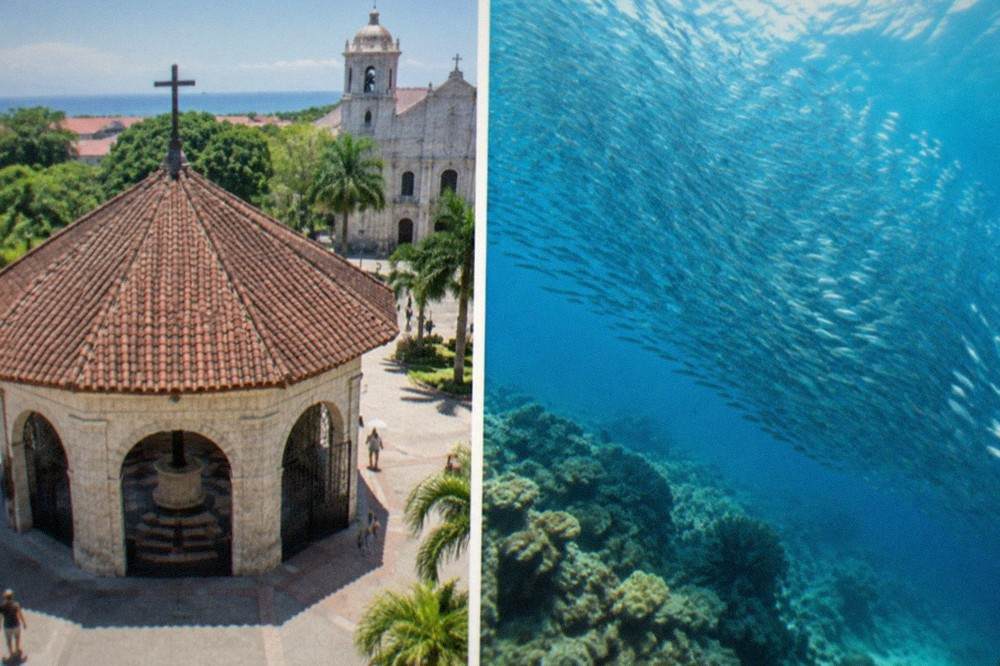
Canyoneering at Kawasan Falls is the other reason people sleep in the south. The Badian route is the only one running, the Alegria route has been suspended, and guiding is regulated by the local ordinance, with tourists typically paying roughly P1,500 (about US$24) to P2,000 (about US$32) with an accredited guide. A Level 1 entrance for swimming only costs about P200 (about US$3.2). A phased rehabilitation project began at the site in June 2026 and it stayed open throughout.
What Does Each Part Of Cebu Actually Cost Per Day?
No part of Cebu is expensive by regional standards, but the cost profile differs by area: Cebu City and Mactan carry the widest range because resort pricing on Mactan sits above city hotels, while Moalboal and Oslob run cheaper on rooms but add activity fees, the whale shark fee, the Moalboal environmental fee and the canyoneering guide rate. Accommodation rates are not published here, so treat lodging as the variable you check directly.
The table below shows the verified activity and entrance fees that attach to each base. Every figure is what a visitor actually pays on site, not a package promise.
| Base area | Signature activity | Verified fee |
|---|---|---|
| Cebu City | Fort San Pedro entry | P50 (about US$0.8) regular, P40 (about US$0.6) students and seniors |
| Cebu City | Magellan's Cross | Free |
| Mactan | Island hopping environmental fee | P100 (about US$1.6) foreign, P20 (about US$0.3) local |
| Mactan | Hilutungan or Nalusuan sanctuary entry | About P150 (about US$2.4) to P300 (about US$4.8) |
| Oslob | Whale shark watching | P1,000 (about US$15.9) foreign, P500 (about US$8.0) local |
| Moalboal | Panagsama sardine run environmental fee | P100 (about US$1.6) |
| Badian | Kawasan canyoneering with guide | Roughly P1,500 (about US$24) to P2,000 (about US$32) |
Transport between the bases is cheap. Ceres buses from the Cebu South Bus Terminal reach Moalboal in about 2.5 to 3.5 hours and Oslob in about 3.5 to 4.5 hours, with fares roughly P120 (about US$1.9) to P250 (about US$4.0) depending on the service. Jeepney minimum fares sit in the low tens of pesos; the exact current figure after the September 2026 national fare adjustment is not confirmed for Cebu, so check locally.
Which Part Of Cebu Is Best For Your Specific Trip?
Families and beach-first travelers should stay on Mactan. Heritage, food and festival visitors should stay in Cebu City, ideally over the third Sunday of January when Sinulog fills the city with its grand parade. Divers, snorkelers and canyoneering visitors should base in Moalboal with an Oslob overnight if whale sharks are the priority. Long-stay visitors should plan two bases maximum, one city and one coastal, because crossing the island daily is the mistake that ruins most Cebu itineraries.
Timing matters as much as geography. PAGASA's national rule puts the rainy season from June to November and the dry season from December to May, with the Mactan station recording 1,685.0 mm of rain annually across 138 rain days in the 1991-2020 normals. The wettest month in the monthly series is October at 194.8 mm and the driest is April at 48.1 mm, so the December-to-May window rewards a beach base on Mactan or in the south.
For readers planning a longer route, the 3 days in Cebu and 7 days in Cebu itineraries on this site sequence the bases day by day. If your decision has narrowed to a specific neighborhood, the neighborhood breakdown in the where-to-stay guide linked above is the next stop.
Common Questions About Where To Stay In Cebu
Which part of Cebu is best to stay?
For most travelers, Cebu City for sightseeing and transport, Mactan for beaches and airport convenience, Moalboal for diving and canyoneering, and Oslob for the whale sharks. Splitting a trip between a city base and a coastal base is the pattern that works best.
Is it better to stay in Cebu City or Mactan?
Cebu City is better for heritage, food markets and onward connections to the south and Bohol. Mactan is better if a beach and a resort pool are the point of the trip. The airport is on Mactan, so very short stays favor Mactan too.
Where do most foreigners stay in Cebu?
Most foreign visitors concentrate in the Mactan resort strip and in the Cebu City hotel zones around IT Park and the downtown heritage district, with divers and activity travelers moving down to Moalboal and Oslob.
Can you stay near the whale sharks in Oslob?
Yes, and it is the sensible choice. The interaction window runs roughly 6 AM to 12 PM, so an overnight stay in Oslob avoids a pre-dawn drive from the city. Sightings are not guaranteed, and the whale sharks were absent from the interaction area for about four days in late May 2026.
How far is Moalboal from Cebu City?
About 2.5 to 3.5 hours by Ceres bus from the Cebu South Bus Terminal, with fares roughly P120 (about US$1.9) to P210 (about US$3.3) depending on the service.
Which part of Cebu is cheapest to stay in?
The southern towns of Moalboal and Oslob generally run cheaper on rooms than the Mactan resort strip, though activity fees there are higher. Cebu City has the widest spread of prices, from budget guesthouses to business hotels.
Whichever part you choose, book the activity-heavy days before you book the room: the whale shark window, the ferry schedules and the canyoneering operators all run on fixed times, and the base should follow the plan, not the other way around.