What Is The Most Famous Food In Cebu?
Cebu lechon, the island's wood-fired roast pig, is the most famous food in Cebu, Philippines. Here is why it beats every other dish, what else to eat, and how to taste it like a local.
Ask anyone in the Philippines what the most famous food in Cebu is and you will get the same answer every single time: lechon. Cebu, an island province in the Central Visayas region of the Philippines, has spent generations perfecting wood-fired roast pig, and the rest of the country now treats the island's name and the dish as near synonyms. But Cebu's food story does not stop at lechon. The island's markets, carenderias and street corners hold a whole roster of dishes worth crossing the sea for, and this page walks through the famous one first, then everything you should eat around it.
What Is The Most Famous Food In Cebu?
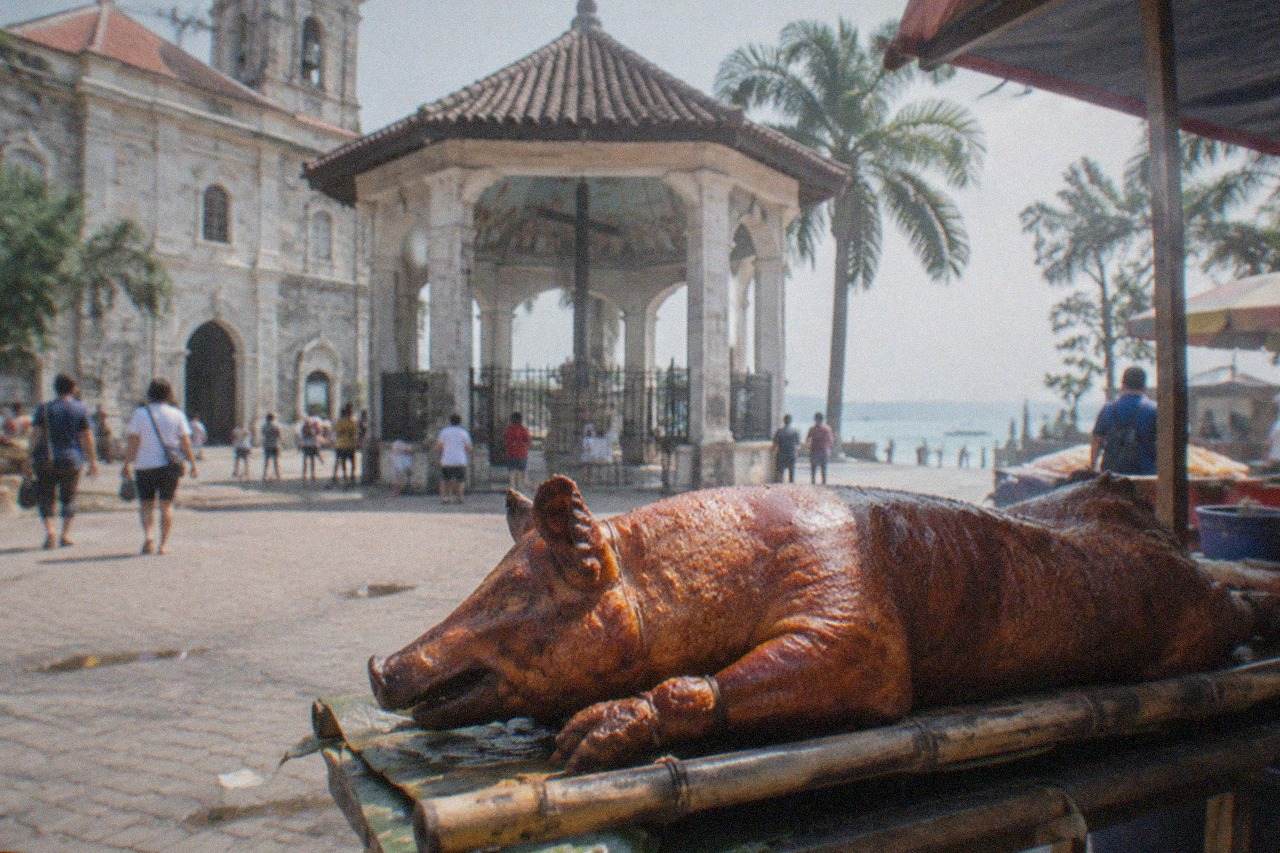
The most famous food in Cebu is lechon, a whole pig roasted over charcoal until the skin shatters like glass and the meat stays juicy, stuffed with lemongrass, salt, pepper and local aromatics rather than sauce. Cebu lechon is served unadorned, with no gravy and no dipping sauce, because the seasoning goes inside the pig before roasting. Filipinos nationwide treat Cebu as the dish's home ground, and the island's roast pig is the benchmark every other lechon is measured against.
That last point is not marketing talk. The phrase "Cebu lechon" works as a quality label across the Philippines the way Champagne does for sparkling wine: vendors in Manila advertise their pig as "Cebu-style" precisely because the island's version carries the reputation. The difference lies in method. Cebu lechon is seasoned from the inside, the cavity packed with lemongrass, spring onions, garlic, salt and black pepper, then the whole animal turns slowly over live charcoal for hours while the skin is brushed and pricked to blister evenly.
The result is the texture contrast the dish is famous for: paper-thin, deep golden crackling over rendered, aromatic pork. No sauce is served with it in Cebu, which surprises first-time visitors. Dipping the meat in sauce is widely seen locally as an admission that the pig was not seasoned well enough, and the island's best roasters consider their lechon complete as carved.
If you want the full background on the dish, its preparation and where the reputation came from, the dedicated Cebu lechon food guide goes deeper than this page can.
Why Is Cebu Lechon Considered The Best In The Philippines?
Cebu lechon is considered the best in the Philippines because of inside-the-pig seasoning, slow charcoal roasting and a local roasting culture that treats the dish as a craft rather than party catering. The island's roasters pack the cavity with lemongrass and aromatics so the flavour comes from the meat itself, and the skin is managed by hand for hours to produce even, glassy crackling. Reputation compounds: the island's pigs set the national standard, and buyers pay a premium for the name.
Every region of the Philippines roasts pig, so the question is fair: why does Cebu win the argument? Part of the answer is technique, and part is density of expertise. In Cebu the dish is an everyday food, not only a fiesta centrepiece. Whole roasted pigs appear at market stalls and roadside stands on ordinary Tuesdays, which means roasters get far more practice than places where lechon appears a few times a year at celebrations.
The seasoning approach matters most. In many parts of the country lechon is roasted plain and rescued afterwards with a sweet liver sauce. Cebu's method front-loads the flavour, and the lemongrass in particular perfumes the meat with a citrus note that sauce-based versions never carry. Lemongrass grows abundantly on the island, so the signature ingredient is also the local one.
The dish also anchors Cebu's identity in a way few foods anchor anywhere. It is the dish locals order for returning relatives, the one balikbayans cram into boxes as hand luggage, and the first thing many visitors ask about after landing at Mactan-Cebu International Airport. It sits alongside the island's heritage sites and beaches as a reason people travel here, a point covered in more detail in what Cebu is known for.
What Other Dishes Is Cebu Known For?
Beyond lechon, Cebu is known for dried fish products like danggit and tuslob-buwa, a bubbling pork-brain dip eaten with hanging rice; for sutukil cooking (grilled, stewed or raw seafood); for baked goods including otap and dried mango-based sweets; and for puso, rice boiled in woven coconut-leaf pouches that serve as the island's portable staple. Together these dishes form a distinct Cebuano food culture that separates the island from Manila's kitchen.
The supporting cast deserves its own attention. Danggit, salted and dried rabbitfish, is the island's breakfast icon: fried crisp and eaten with garlic rice, eggs and vinegar, it is also the single most common pasalubong, the homecoming gift returning travellers carry. Tuslob-buwa is the opposite end of the scale, a working-class Cebu City dish where a bubbling mix of pork brain, liver and soy sauce is shared pot-luck style, with diners dipping their puso into the same pan.
Puso itself is pure Cebuano engineering. Rice is sealed inside woven coconut leaves and boiled, coming out as compact leaf-wrapped pouches you tear open by hand. Street grill stalls hang bunches of them from hooks, which is why they are called hanging rice, and they pair with everything from grilled fish to, inevitably, lechon.
Sutukil is the island's seafood shorthand, a contraction of sugba (grilled), tuwa (stewed in clear broth) and kilaw (cured in vinegar, raw). Around Mactan's waterfront restaurants you pick live seafood from a display and choose which of the three treatments it gets. For a sense of how these dishes rank for visitors against the island's restaurants generally, the best restaurant in Cebu question covers where the food scene stands.
| Dish | What it is | How it is typically eaten |
|---|---|---|
| Lechon | Whole pig roasted over charcoal, stuffed with lemongrass and aromatics | Carved and served plain, no sauce |
| Puso | Rice boiled inside woven coconut-leaf pouches | Torn open by hand as an accompaniment to grilled food |
| Danggit | Salted, sun-dried rabbitfish | Fried crisp for breakfast with rice and vinegar |
| Tuslob-buwa | Pork brain and liver simmered with soy and aromatics | Shared pot with puso dipped into it |
| Otap | Flaky, sugar-dusted oval biscuit | Eaten as a snack or pasalubong |
| Kilawin | Raw fish or seafood cured in vinegar and citrus | Served as a starter, kinilaw style |
A guided walk through Cebu City's markets is the most efficient way to sample several of these in one morning, with a local explaining what each stall is selling. The Cebu Market & Food Tour moves through the market streets; the operator's price is not published, so check the live listing. Check availability
One practical note before you commit a morning to it: market walks in Cebu start early, often before the heat builds, and the stalls themselves close down when the day's batches sell out. A booked tour slot removes the guesswork about timing and which stalls are worth stopping at, which matters more than you would expect in a market where everything looks equally tempting to a first-time visitor. If you would rather explore on your own, the same stalls are there, but you will be working through them by pointing and smiling.
Where Can You Eat Like A Local In Cebu?
The places to eat like a local in Cebu are the public markets, the carenderias (small pay-per-dish eateries) around them, and the roadside lechon stalls that sell by weight, where puso hangs from hooks and the day's dishes sit in steel pans. Colon Street's side streets, Carbon Market's surrounds and the satellite towns' market squares are the classic settings. Order by pointing, eat with a spoon, and expect no menu, no air conditioning and no English translation.
The rhythm of a Cebuano market food day starts early. By mid-morning the lechon stalls have their first pigs out of the coals, and the best cuts go fast, so locals who want skin that still crackles loudly buy before noon. Carenderias lay out a row of ulam dishes, stews and grilled items, and you pay per item scooped onto your rice. Nothing about this requires experience: point at two dishes, take a puso or a mound of rice, and sit down wherever there is space. The full index of guides sits on Cebu Travel Guide.
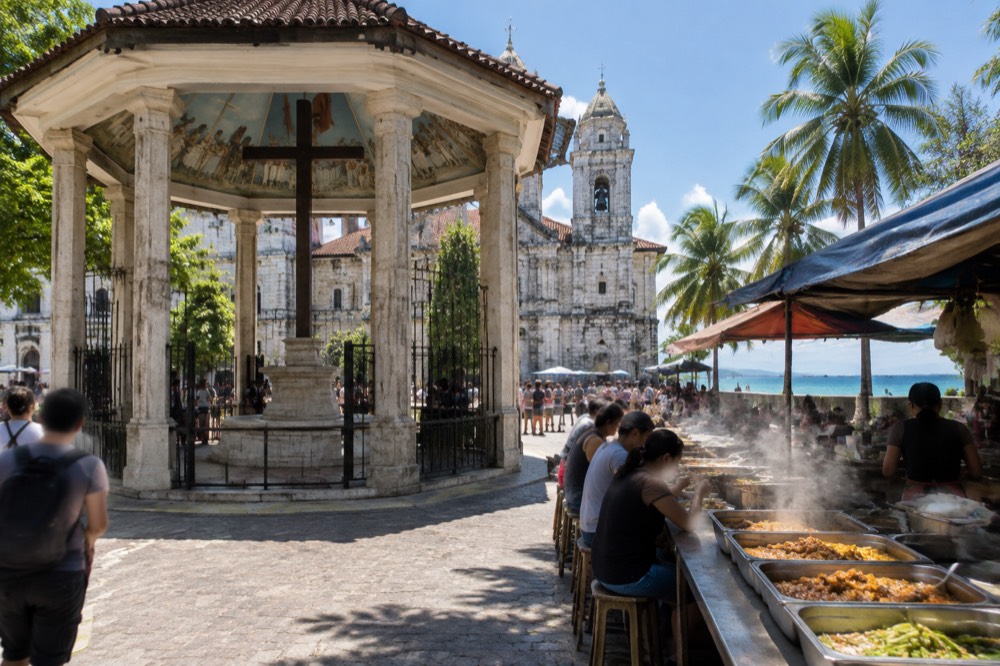
A few habits help. Vinegar with chili and soy sauce is the default condiment trio; ask for it and you will fit in immediately. Portions are small and cheap by design, so ordering several dishes across a morning is normal, not excessive. And the phrase "tag-a-asukal" style sweetness you may know from Manila does not travel here: Cebuano cooking leans savoury, salty and sour, which is one reason the island's food identity feels so distinct from the capital's.
For travellers who prefer structure over improvisation, a food tour solves the language and pointing problem entirely. The tip-based free walking tours in the city also pass through food streets, and one of them, run through GuruWalk, includes a jeepney ride alongside its food stops.
Is Cebu Food Different From Manila Food?
Yes, Cebu food is different from Manila food in seasoning, staples and attitude. Cebuano cooking is savoury and sour rather than sweet, uses puso instead of plain rice at street stalls, roasts pig without sauce instead of with liver gravy, and dries its fish for breakfast rather than serving it fresh. Manila's cuisine draws from a wider mix of influences and trends sweeter, while Cebu's stays closer to Visayan market traditions that have barely changed in decades.
The clearest single contrast is the lechon sauce question. In Manila, lechon arrives with a sweet, thick liver sauce on the side; in Cebu, asking for sauce can earn you a look. The island's confidence that the pig needs nothing is the whole point, and it is the fastest way to understand the difference in food philosophy between the two cities.
The sour note is the second tell. Cebuano kitchens reach for vinegar, calamansi and sour broths the way northern kitchens reach for sugar. Kinilaw, the vinegar-cured raw seafood dish, is treated as everyday food here rather than a restaurant special. Dried fish, meanwhile, is not a poor relation but a breakfast staple and a point of regional pride, with the island's danggit sold in vacuum packs at the airport by travellers heading home.
Dessert splits the two cities too. Cebu's sweets lean dry and portable: otap biscuits, toasted coconut treats and the province's famous dried mangoes, which are the one Cebu food product with genuine international shelf presence. Manila's dessert culture is heavier, richer and more layered. None of this makes one city better than the other, but it does mean a visitor who eats only in hotel restaurants will miss the entire argument.
How Do You Bring Cebu Lechon Home?
Travellers bring Cebu lechon home by buying a whole or half pig from a roaster that packs it for travel, boxed in either hand-carry luggage or checked baggage for domestic flights, ideally the same day it is carved. Vacuum-packed lechon and frozen danggit are the standard alternatives that survive longer journeys. Domestic passengers should remember the Philippine travel tax does not apply to foreign tourists staying under a year, and lechon itself travels as ordinary food, not a restricted item.
This is a real ritual, not a fringe one. Returning Filipinos routinely fly out of Mactan-Cebu International Airport with boxed lechon as hand luggage, and roasters around the city are set up for it, with sturdy cardboard boxes sized for the overhead bin. The skin softens in transit, so the honest advice is that carried lechon is a souvenir of flavour rather than texture; most recipients do not care.
For longer trips, vacuum-sealed packs keep better, and dried fish and otap keep best of all, which is why the airport's shops do a steady trade in exactly those items. If the food is the reason you are planning the trip at all, the timing matters less than you might think: lechon is roasted year-round, rain or shine, and Cebu's dry season from December to May simply makes the market mornings more comfortable.
Common Questions About Cebu Food
What Is The Most Famous Food In Cebu?
Lechon, the island's charcoal-roasted whole pig seasoned inside the cavity with lemongrass, salt and pepper and served without sauce. It is the dish Cebu is nationally famous for and the one many people come specifically to eat.
Why is Cebu lechon served without sauce?
Because the seasoning is packed inside the pig before roasting, the meat and skin carry their own flavour. Locals treat sauce as unnecessary for well-roasted pig, and the best Cebu lechon is eaten completely plain.
What is puso and why is it everywhere in Cebu?
Puso is rice boiled inside a woven coconut-leaf pouch. It is portable, eaten by hand and hung in bunches at grill stalls, which is why it is called hanging rice. It is the standard accompaniment to grilled food and lechon across the island.
Can you buy Cebu lechon at the airport?
Vacuum-packed lechon, dried fish and otap are all sold at Mactan-Cebu International Airport, and travellers routinely hand-carry boxed lechon from city roasters on domestic flights. The skin softens in transit, so eat fresh lechon in Cebu and carry the packed version home.
Is Cebu food spicy?
Not by default. Cebuano cooking leans savoury, salty and sour rather than hot, and chili usually arrives as a side condiment in vinegar or soy sauce that you add yourself. Diners who want heat can always find it, but the dishes themselves are mild.
What food souvenir is Cebu best known for?
Dried mangoes are the island's most exported food product, followed by danggit dried fish and otap biscuits. All three travel well, unlike fresh lechon, and airport shops stock all of them for departing travellers.
One last practical note: the dishes described here need no reservation, no itinerary slot and no guide, only a market street and an appetite. Start with lechon eaten the Cebuano way, plain and freshly carved, and let the rest of the island's food follow from there.