Is It Better To Stay In Cebu City Or Mactan?
Cebu City or Mactan for your stay in Cebu, Philippines: what each side does best, the bridges and fares between them, and which suits first-time visitors.
Cebu, an island province in the Central Visayas region of the Philippines, splits its tourism between two facing shores: Cebu City on the main island and Mactan, the island just across the channel where the airport sits. Lapu-Lapu City covers most of Mactan and, like Cebu City, it is a highly urbanized city administratively independent of the province. Choosing between them is the first real planning decision for most trips, and the honest answer depends on what you came for: heritage and street food, or beaches and resort downtime.
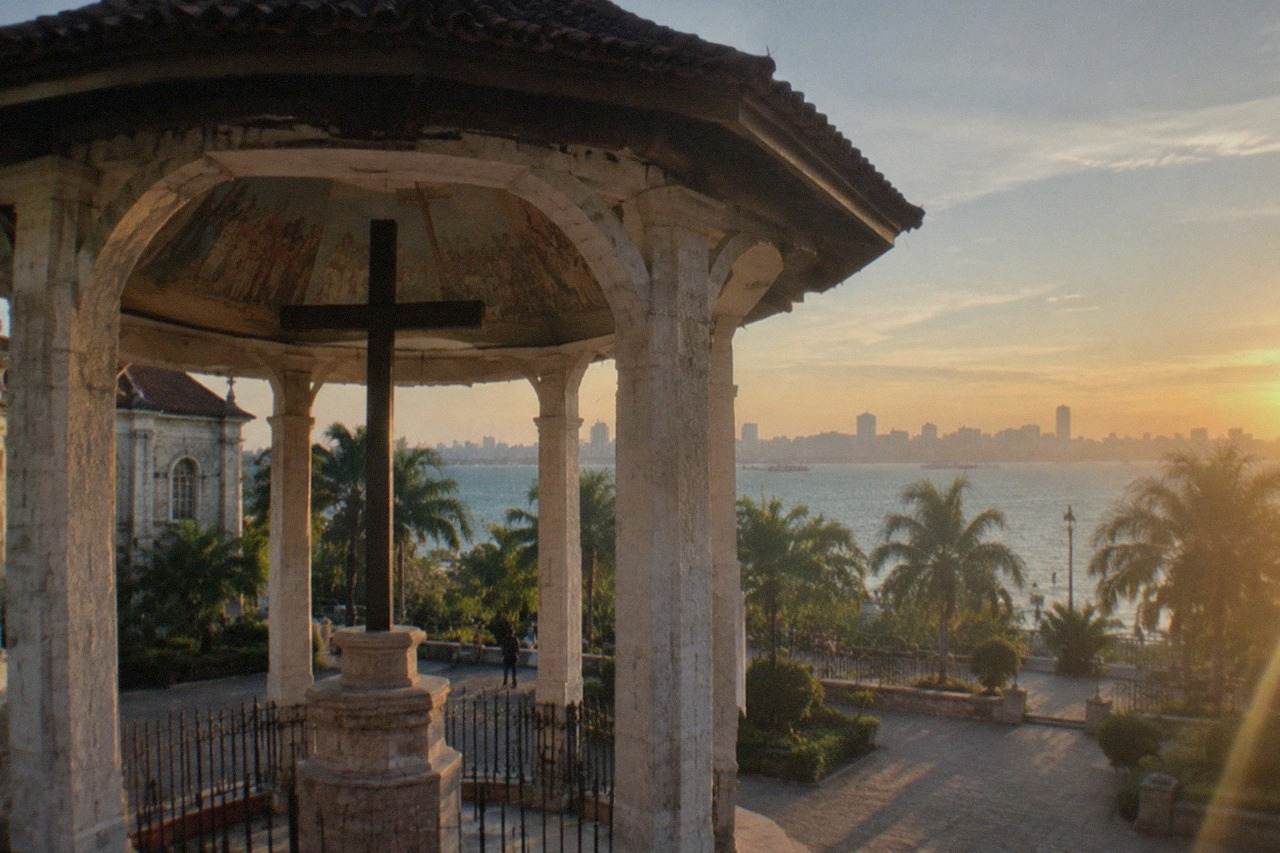
Is It Better To Stay In Cebu City Or Mactan?
Stay in Cebu City if your days revolve around heritage sites, street food, nightlife and overland day trips south to Oslob or Moalboal; stay on Mactan if you want beach resorts, snorkeling and island hopping within minutes of your hotel and the shortest possible airport transfer. The two are roughly 13 to 15 km apart by road, 25 to 60 minutes depending on traffic, so neither choice locks you out of the other side. Many visitors split a week between both.
The channel between them is the real dividing line. Cebu City is the provincial capital and the oldest city in the country, chartered on 24 February 1937, and its attractions, the Basilica Minore del Santo Niño, Magellan's Cross, Fort San Pedro, Colon Street, cluster within a compact downtown you can walk. Mactan is where Magellan lost the Battle of Mactan on 27 April 1521, and today it holds the airport, the dive shops and most of the big beachfront resorts. Neither is "the real Cebu" and the other a fake; they simply do different jobs.
The comparison below is the short version, and the rest of this page expands on each row.
| Factor | Cebu City | Mactan (Lapu-Lapu City) |
|---|---|---|
| Best for | Heritage, food, nightlife, day trips south | Beach resorts, snorkeling, island hopping |
| Airport transfer | About 13-15 km, 25-60 min by road | Adjacent to the airport |
| Signature sights | Basilica, Magellan's Cross, Fort San Pedro | Beaches, marine sanctuaries, Lapu-Lapu Shrine |
| Day-trip access | Direct buses south from Cebu South Bus Terminal | Boat-based trips to Hilutungan, Nalusuan, Olango |
| Atmosphere | Dense, urban, walkable downtown | Resort strips and coastal barangays |
What Does Cebu City Do Better Than Mactan?
Cebu City wins on heritage, food and overland logistics. The Basilica Minore del Santo Niño, Magellan's Cross, Fort San Pedro and the Yap-Sandiego ancestral house all sit within a few blocks of each other downtown, the lechon and street-food scene is the province's best, and the Cebu South Bus Terminal puts Oslob and Moalboal buses a short ride from most hotels. If your trip is about seeing things rather than lying on sand, the city is the base.
The heritage core is genuinely walkable. Fort San Pedro, the country's oldest triangular bastion fort with a stone structure dating to 1738, charges P50 (about US$0.8) regular entry and P40 (about US$0.64) for students and seniors. Magellan's Cross, planted in 1521, is free. The Basilica, founded 28 April 1565 on the day the Legazpi expedition landed, anchors the whole district, and its pre-pandemic mass schedule was restored in late 2024. You can cover all of it in one long morning, then spend the afternoon somewhere cooler like the Casa Gorordo Museum, which reopened after the September 2025 earthquake inspections that temporarily closed several downtown museums.
Food is the city's second argument. Colon Street, often called the oldest street in the Philippines, and the carbon markets around it carry the lechon reputation Cebu is known for, and a guided walk is the efficient way in. The operator of the Cebu Market & Food Tour has not published a price, so check the live listing rather than any figure quoted elsewhere. Check availability
The third argument is transport. Buses bound for Oslob and Moalboal leave from the Cebu South Bus Terminal on the Staying on Mactan means crossing a bridge before every southern day trip. For a deeper comparison of the two sides as bases, see the Mactan versus Cebu City stay guide, and for where the money actually goes, the Cebu budget and costs guide.
What Does Mactan Do Better Than Cebu City?
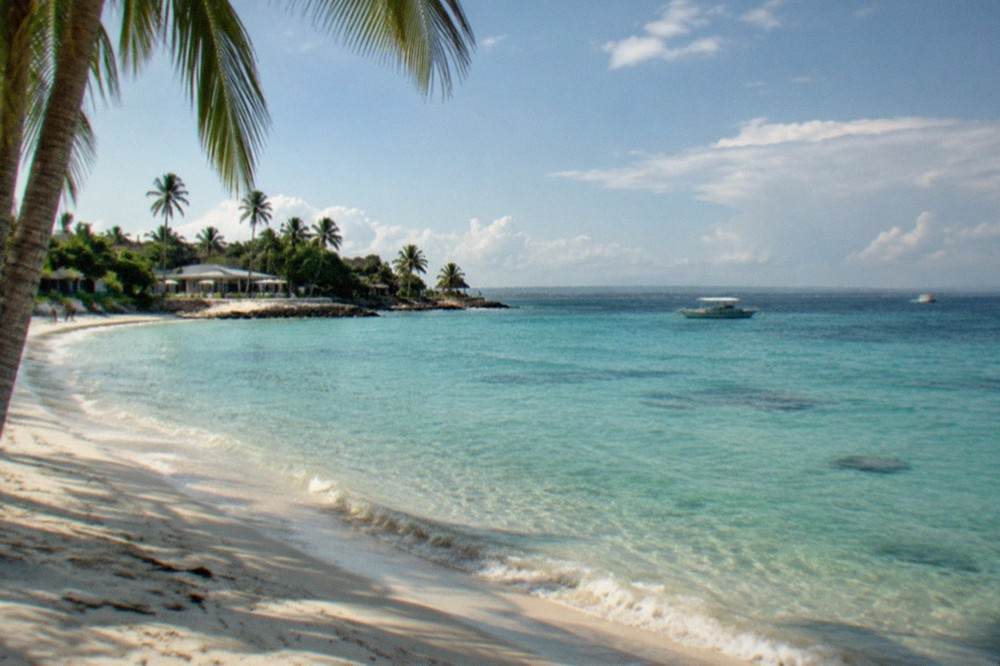
Mactan wins on beaches, water and airport proximity. The island's resort strips front directly onto snorkeling water, the marine sanctuaries at Hilutungan and Nalusuan sit a short boat ride offshore, and Mactan-Cebu International Airport is on the island itself, so your transfer can be minutes instead of an hour in traffic. If your trip is a resort-and-snorkel holiday with a city day thrown in, Mactan is the base.
The airport point matters more than it sounds. Mactan-Cebu International Airport, Terminal 1 domestic and Terminal 2 international, has been operated since 16 January 2025 by Aboitiz InfraCapital Cebu Airport Corporation under a PPP with MCIAA, and a second runway opened on 30 January 2025. From the airport to a Mactan resort you may never cross a bridge at all. Heading into Cebu City instead means about 13 to 15 km by road, typically 25 to 60 minutes. The MyBus airport service runs between SM City Cebu and the airport for P30 (about US$0.5) to P50 (about US$0.8) depending on distance, roughly 6:00 AM to 9:00 PM city-to-airport and 7:00 AM to 10:00 PM back, plus a separate 24/7 Lapu-Lapu Public Market route.
The water is the other half. Island-hopping trips to Gilutungan, Caohagan and Nalusuan leave from Mactan shores, with sanctuary fees of roughly P150 (about US$2.4) to P300 (about US$4.8) per island and a Lapu-Lapu environmental fee of P100 (about US$1.6) for foreign tourists, cut to P20 (about US$0.3) for locals in a July 2025 amendment. Olango Island, a Ramsar wetland since 1 July 1994 and the first in the Philippines, is a short bangka away, with entrance around P100 (about US$1.6) for foreigners, and its migratory shorebirds rest and feed there from September to March. If that is your itinerary, read where to stay in Lapu-Lapu and whether Mactan has nice beaches.
How Do You Get Between Cebu City And Mactan?
Three road crossings link the two: the Osmeña (Mactan-Mandaue) Bridge, the Marcelo Fernan Bridge and the CCLEX toll expressway, an 8.9 km crossing opened on 30 April 2022 with a Class 1 car toll of P107 (about US$1.7) one way. In normal traffic the trip takes 25 to 40 minutes; at peak bridge hours it can stretch toward an hour. Grab works across both cities, and taxis run about P40 (about US$0.64) flag-down on the meter.
CCLEX tolls, at the full rates effective 1 October 2025, are P68 (about US$1.1) for smaller motorcycles, P107 (about US$1.7) for cars, P214 (about US$3.4) for Class 2 and P321 (about US$5.1) for Class 3, VAT included. The two free bridges carry most local traffic, which is why they jam at rush hour. A fourth bridge between Paknaan in Mandaue and Ibo in Lapu-Lapu is planned but remains pre-construction, with the relocation of roughly 205 Paknaan families still pending as of 2026 reporting.
| Crossing | Opened | Cost | Notes |
|---|---|---|---|
| Osmeña (Mactan-Mandaue) Bridge | Older crossing | Free | Heaviest traffic |
| Marcelo Fernan Bridge | Older crossing | Free | Parallel alternative |
| CCLEX | 30 April 2022 | P107 (about US$1.7) car, one way | 8.9 km, fastest at peak |
The practical takeaway: the crossing is cheap and short enough that "which side should I sleep on" is really a question about where your days start, not a hard geographic split. If you are still weighing the airport logistics, the Cebu airport guide covers every transfer option in detail.
Which Side Suits A First-Time Visitor To Cebu?
First-timers whose priority is the classic checklist, whale sharks, canyoneering, the heritage downtown, should stay in Cebu City for at least part of the trip, because every major overland day trip starts there and the downtown sights are on the doorstep. First-timers who want a straightforward beach holiday, or who have a short layover-style visit, will find Mactan simpler: one transfer, one resort, boats from the shore. A split stay, city first then Mactan, is the common compromise.
Splitting the stay also softens the typhoon-season question. PAGASA's national rule puts the rainy season from June to November and the dry season December to May, with Mactan station recording 1,685.0 mm of rain across 138 rain days in its 1991-2020 normals. A resort day lost to rain hurts more than a city museum day, which argues for the city in the wet months and either side from December to May. The best time to visit Cebu expands on this, including how the November 2025 Typhoon Tino flooding hit the province while the DOT confirmed the core city and Mactan zones stayed open to visitors.
For readers deciding between more than two bases, the same logic applies to the south coast: staying a night in Oslob or Moalboal can beat returning to the city each evening, especially before an early whale-shark slot.
Common Questions About Staying In Cebu City Or Mactan
Is It Better To Stay In Cebu City Or Mactan?
It depends on the trip. Cebu City suits heritage, food and overland day trips; Mactan suits beach resorts, snorkeling and short airport transfers. The two are about 13 to 15 km apart, 25 to 60 minutes by road, so many visitors split a week between both.
Is Mactan worth visiting if I stay in Cebu City?
Yes. Mactan holds the Lapu-Lapu Shrine, beach resorts with house-reef snorkeling and the departure points for island-hopping trips to Hilutungan, Nalusuan and Olango. It is an easy half-day or full-day trip across the bridge.
Which side is closer to the airport?
Mactan. Mactan-Cebu International Airport is on the island itself, while Cebu City is about 13 to 15 km away by road, typically 25 to 60 minutes depending on bridge traffic.
Where do most foreigners stay in Cebu?
Beach-oriented visitors concentrate in Mactan's resort strips, while long-stay and city-oriented visitors spread across Cebu City neighborhoods such as the IT Park area and the downtown districts. See where foreigners stay in Cebu for a fuller breakdown.
Can I visit the whale sharks from either side?
Yes, but it is easier from Cebu City. Buses to Oslob leave the Cebu South Bus Terminal on the city side, and the interaction runs roughly 6 AM to 12 PM, so early starts matter.
Whatever you pick, book the stay that matches your first full day, not your arrival night, and let the bridges take care of the rest. More area-by-area detail lives in the where to stay in Cebu guide here on Cebu Travel Guide.