Where Is The Nicest Beach In Cebu?
Where is the nicest beach in Cebu? A plain answer for Cebu Province in the Philippines, from Sumilon's sandbar to Mactan's resort beaches and Bantayan's white shores.
Cebu, an island province in the Central Visayas region of the Philippines, is ringed by beaches rather than defined by a single one, and the honest answer depends on what "nicest" means to the reader. The strongest all-round candidate is Sumilon Island, a small island off Oslob in the south whose Bluewater resort day pass covers a shifting white sandbar, a marine sanctuary and a lagoon. Bantayan Island's Santa Fe coastline is the classic white-sand answer, and Mactan's resort beaches are the most reachable. This page lays out the verified fees and access facts for each, so the choice can be made on evidence rather than on a listicle's enthusiasm.
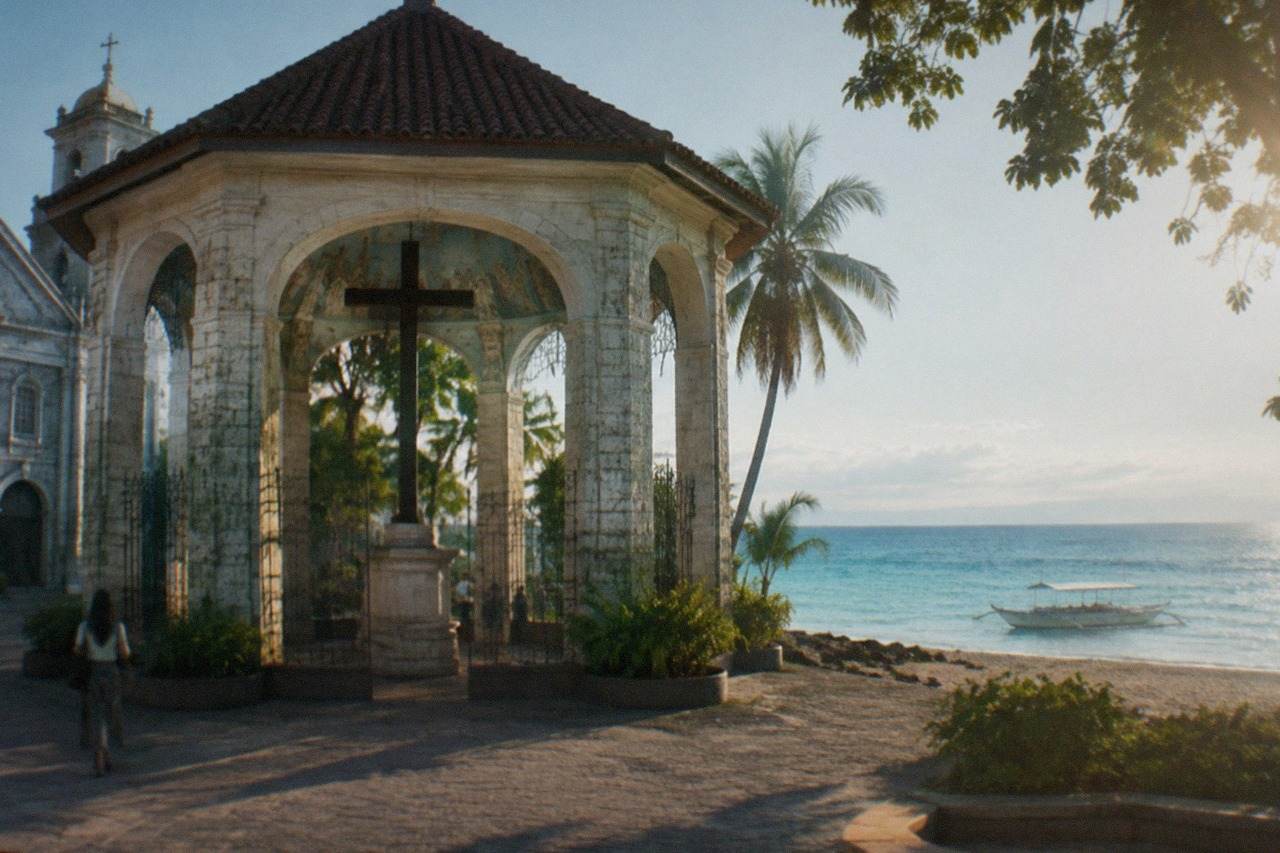
Where Is The Nicest Beach In Cebu?
The nicest beach in Cebu for most visitors is the shifting white sandbar of Sumilon Island, off Oslob in the island's south, reachable on a day pass from the Bluewater resort that includes boat transfers, gear and sanctuary access. If pure white sand matters more than anything else, Santa Fe on Bantayan Island in the north is the runner-up, while the resort beaches of Mactan, minutes from the airport, are the most convenient option of the three.
The Sumilon case rests on specifics, not adjectives. The Bluewater Sumilon resort's own offers page lists day use from 8:00 AM to 3:00 PM with boat transfers included, and a 5+1 group offer at a net per guest rate from Monday to Thursday, valid to 15 October 2026. The island sits in the Tanon Strait, a protected marine area, and the day pass covers the sandbar, a lagoon and snorkelling in the sanctuary. It is the only candidate on this list where the sand itself is the headline: the sandbar moves with the season, so the beach you stand on is genuinely different in June and in January.
Bantayan is the qualitative answer. Santa Fe's shoreline is long, broad and blindingly pale, and the island's entry costs are small: a Hagnaya terminal fee of P25 (about US$0.4) per person and a Santa Fe ecological fee of P30 (about US$0.5) per person on arrival. The trade-off is distance, a long bus ride north from Cebu City to Hagnaya port followed by a ferry crossing, which makes Bantayan a stay-overnight beach rather than a day trip. What you get in exchange is a shoreline that behaves like a postcard: shallow, calm water, a flat sandy shelf that extends far out at low tide, and a small-town pace that the resort strips of Mactan cannot imitate.
Mactan is the pragmatic answer. The island holds the airport, the resort strip and the clearest water closest to the city, and its island-hopping routes reach Hilutungan and Nalusuan, whose marine sanctuary fees run roughly P150 (about US$2.4) to P300 (about US$4.8) per person each, with a Lapu-Lapu environmental fee of P100 (about US$1.6) for foreign tourists on island-hopping boats. For a reader with one free afternoon, Mactan wins by default. It is also the only candidate where swimming does not require a plan: walk out of a beachfront hotel and the water is already there.
What Does Each Cebu Beach Actually Cost To Visit?
A Sumilon day pass runs roughly P1,600 (about US$25) to P2,000 (about US$32) net per person (about US$25 to US$32) depending on the day and package, Bantayan's fees total about P55 per person (about US$0.9) in terminal and ecological charges once you are on the ferry, and Mactan's costs are dominated by the P100 (about US$1.6) foreigner environmental fee for island hopping plus sanctuary charges of roughly P150 to P300 (about US$2.40 to US$4.80) per island.
None of these figures include transport to the jump-off point, which is the real cost driver in every case.
The asymmetry matters. Sumilon is expensive at the gate and cheap to reach if you are already in Oslob for the whale sharks, since the island sits just off the Tan-awan coast. Bantayan is nearly free at the gate but costs half a day of travel each way. Mactan is cheap everywhere but delivers resort-adjacent water rather than a castaway shoreline.
| Beach | Entry and local fees | What the fee covers | Best suited to |
|---|---|---|---|
| Sumilon Island (Oslob) | Day pass roughly P1,600 (about US$25) to P2,000 (about US$32) net per person | Boat transfers, gear, sandbar, lagoon, marine sanctuary, day use 8:00 AM to 3:00 PM | Day trippers already in south Cebu |
| Santa Fe, Bantayan | P25 (about US$0.4) Hagnaya terminal plus P30 (about US$0.5) ecological fee | Ferry terminal use and island upkeep; the beach itself is public | Travellers staying one or two nights |
| Mactan resort beaches and hopping | P100 (about US$1.6) environmental fee for foreign tourists, sanctuaries roughly P150 (about US$2.4) to P300 (about US$4.8) each | Sanctuary snorkelling at Hilutungan, Nalusuan and neighbouring sites | Short-on-time visitors near the airport |
One caveat on the fee column: the Lapu-Lapu environmental fee was cut to P20 (about US$0.3) for local tourists by a July 2025 amendment, while the P100 (about US$1.6) foreigner rate stands. Collection practices vary between operators, so carrying small peso notes solves most surprises. A second caveat concerns timing: the Sumilon group offer quoted above is a weekday rate with a stated validity window, and weekend day-use terms differ, with buffet and drinks arrangements replacing the consumable weekday format, so the resort's own offers page is the place to confirm the day you have in mind.
Since every good beach day in Cebu ends with food rather than starts with it, the city's market walk is worth booking for the evening before or after. The Cebu Market & Food Tour carries a rating of 5 on the operator's live listing, though the price is not published by the operator. Check availability
Which Cebu Beach Is Nicest If You Only Have One Day?
For a single day from Cebu City, the Mactan island-hopping routes are the practical nicest beach answer, roughly six hours on the water with lunch, visiting Gilutungan, Caohagan and Nalusuan with sanctuary snorkelling at each stop. If the day can start before dawn and stretch to ten hours, the Oslob coast pairs the whale-shark interaction with Sumilon and Tumalog Falls, which is the more memorable but more tiring choice.
The one-day decision is really a geography decision. Mactan's boats leave from ramps minutes from the airport hotels, and the marine sanctuaries at Gilutungan and Nalusuan hold enough coral and small fish to justify the masks. The Oslob route is a different animal: buses from the Cebu South Bus Terminal reach Oslob in roughly three and a half to four and a half hours, so a day trip means a very early start, but it stacks three experiences, whale sharks, a waterfall and the Sumilon sandbar, into one stretch of coast.
Tumalog Falls charges about P50 (about US$0.8) entrance, and the whale-shark interaction itself runs P1,000 (about US$15.9) per foreign visitor or P500 (about US$8.0) per Filipino, boat and guide included, per the Oslob municipal rates in effect since 21 March 2025. Sightings are not guaranteed: in late May 2026 the whale sharks were absent from the Tan-awan interaction area for about four days when the plankton moved, so the Sumilon sandbar is the reliable half of that itinerary.
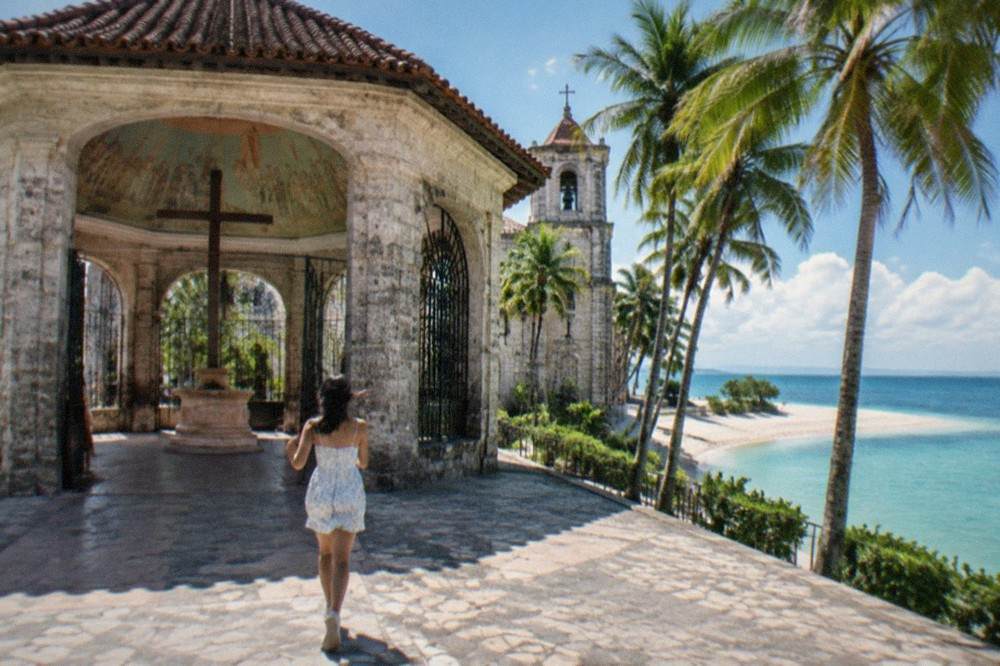
A one-day Mactan itinerary also has the gentlest failure mode. If the weather turns, the boats run short hops between sheltered sanctuaries rather than open crossings, and the ride back to a city hotel is measured in minutes rather than hours. The Oslob day, by contrast, commits you to the road: once the bus has left the terminal at dawn there is no graceful way to shorten the day, so check the forecast the night before and be honest about how much of it you want.
When Is The Water Best At Cebu's Beaches?
The water at Cebu's beaches is at its clearest and calmest in the dry season, December to May, which PAGASA defines nationally as the dry half of the year, with April the driest month at the Mactan station at 48.1 mm of rain and October the wettest at 194.8 mm. The typhoon window runs June to November with a peak roughly July to October, and that is when sandbar shapes, ferry reliability and visibility all degrade.
The Mactan station's 1991-2020 normals give the province 1,685.0 mm of rain across 138 rain days annually, which is why Cebu reads as "always beach weather" in averages but not in any given week. The practical reading of the monthly table: January through May is the safe booking window for Sumilon's sandbar photography and Bantayan's ferry crossings, while a September or October trip should build in a weather buffer. Even within the dry season there are gradations: February and March sit at 69.6 mm and 58.6 mm respectively, marginally wetter than April, but all three are reliably swimmable months by any local standard.
The sardine run at Moalboal, often folded into south-coast beach itineraries, is a year-round resident school rather than a migration, so it does not change the seasonal arithmetic, though visibility is best in the November-to-May window. The Moalboal environmental user fee for swimming or snorkelling is P100 (about US$1.6) per person under the local ordinance, with Pescador Island dives charged about P100 (about US$1.6) each on top.
Common Questions About The Nicest Beach In Cebu
Where is the nicest beach in Cebu?
The shifting white sandbar of Sumilon Island off Oslob, reachable on a day pass with transfers and sanctuary access included, is a top pick. For pure white sand, Santa Fe on Bantayan Island is the classic answer, and Mactan's resort beaches are the most convenient to the airport.
Is Bantayan Island worth the long trip from Cebu City?
For beach purists, yes: Santa Fe's shoreline is the whitest in the province and the entry fees are minimal, a P25 (about US$0.4) terminal fee at Hagnaya and a P30 (about US$0.5) ecological fee at Santa Fe. The catch is travel time, which makes it an overnight destination rather than a day trip.
Can you swim at Sumilon Island without staying at the resort?
Yes, through the Bluewater day pass, which the resort's offers page lists for day use from 8:00 AM to 3:00 PM with boat transfers, gear and sanctuary access included. The 5+1 group offer runs net per guest Monday to Thursday, valid to 15 October 2026.
Which Cebu beach is closest to the airport?
The Mactan resort beaches. Mactan-Cebu International Airport sits on the island itself, so the nearest swimming beaches are minutes away by road, and the island-hopping boats to Hilutungan, Caohagan and Nalusuan leave from nearby ramps.
Do foreign tourists pay more at Cebu's beaches?
Sometimes, yes. The Oslob whale-shark fee is P1,000 (about US$15.9) for foreign visitors against P500 (about US$8.0) for Filipinos, and the Lapu-Lapu island-hopping environmental fee is P100 (about US$1.6) for foreign tourists against P20 (about US$0.3) for locals. Bantayan's and Sumilon's listed fees are the same for everyone.
For a fuller rundown of the island's coastal options, the best beach resort in Cebu and underrated beach in Cebu pages cover where to sleep on the sand and which shores the crowds skip, and Cebu Travel Guide pulls the whole province together. Whatever the final pick, book the boat or the day pass before the dry-season crowds do, because Sumilon's pass in particular is capacity-limited by the resort's own transfer schedule.