Bantayan Island
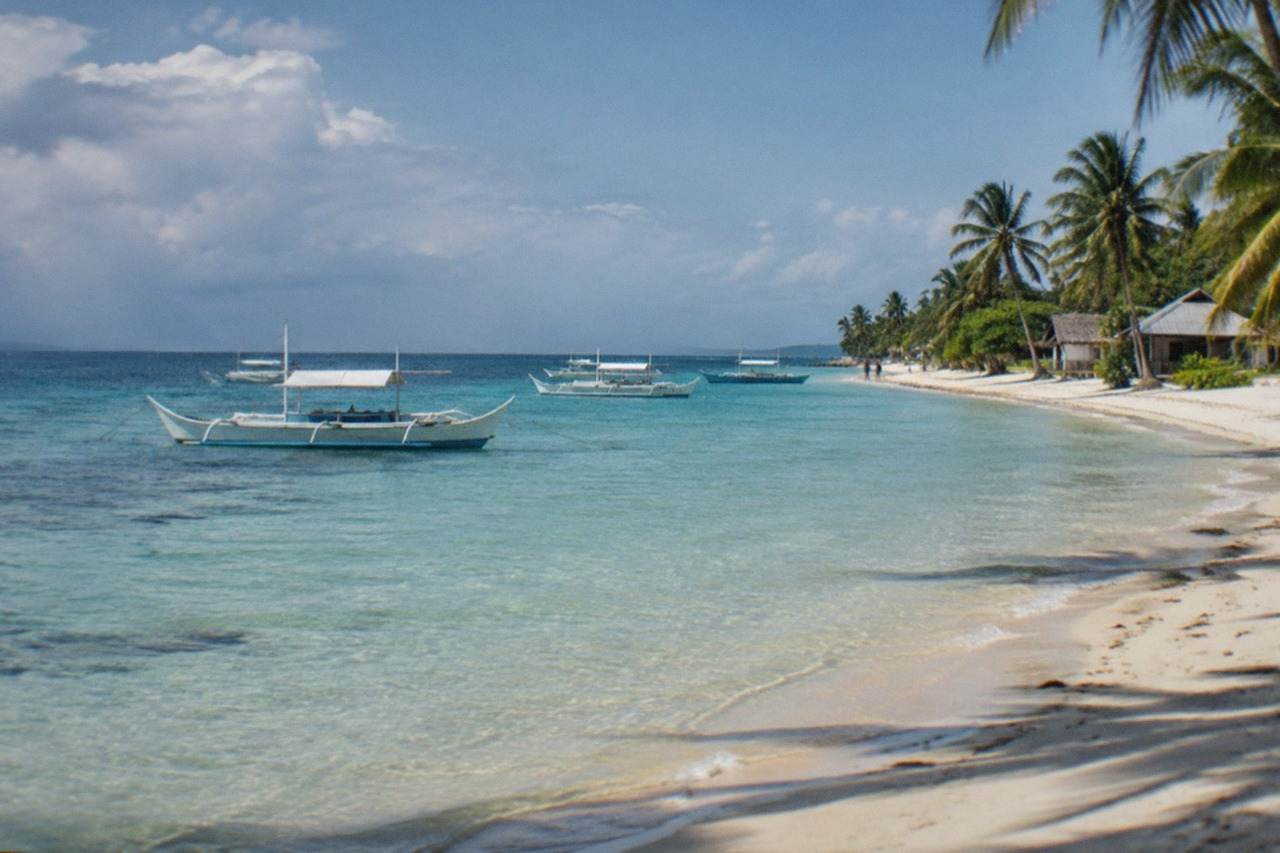
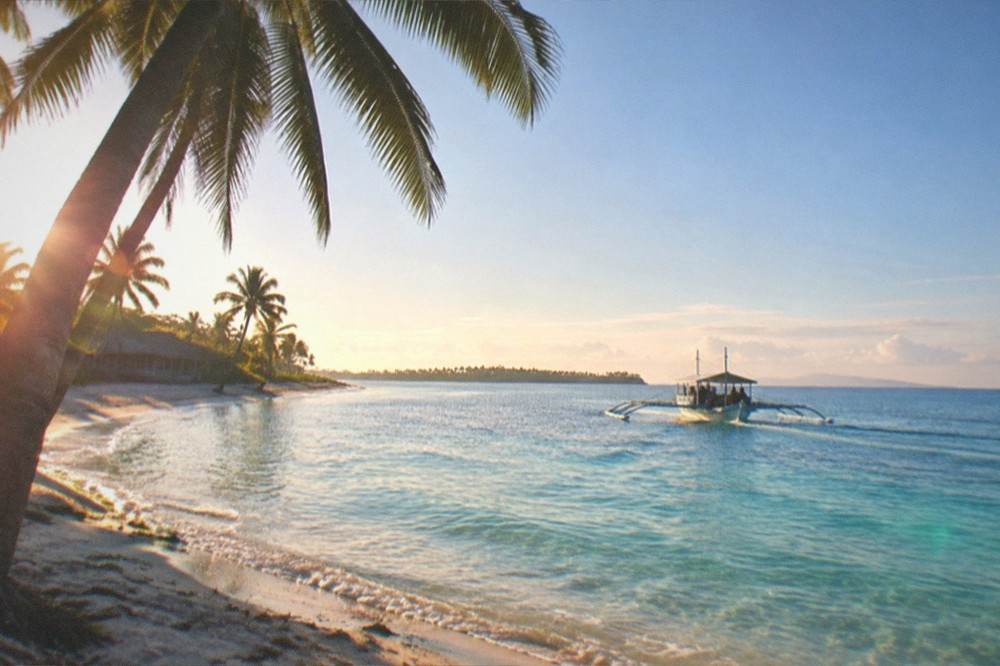
Bantayan Island sits off the north coast of Cebu province in the Philippines, a low island of white sand beaches, fishing villages and shallow turquoise water, reached by ferry from the port of Hagnaya.
Short answer
Bantayan Island is a beach destination off Cebu's north coast in the Philippines. You reach it by bus or van to Hagnaya port, then a ferry to Santa Fe. Expect white sand beaches, small fees at the port and on arrival, and a slower pace than Cebu City.
Bantayan Island lies off the north coast of Cebu, an island province in the Central Visayas region of the Philippines, and it answers the question visitors eventually ask after a few days of Cebu City traffic: where is the quiet water. The island is flat, small and organised around three towns, with Santa Fe holding the beaches that appear on postcards. It is not a fast trip, the journey involves a road leg of several hours from Cebu City followed by a ferry crossing, and that distance is exactly why the island keeps a slower rhythm than the resorts of Mactan. The Department of Tourism confirmed in late October 2025 that Bantayan was open and receiving visitors after the magnitude 6.9 earthquake that struck offshore of northern Cebu on 30 September 2025, with the Santa Fe port fully operational, so the island remains a live option for a trip in 2026.
Where Is Bantayan Island And Why Do Visitors Go?
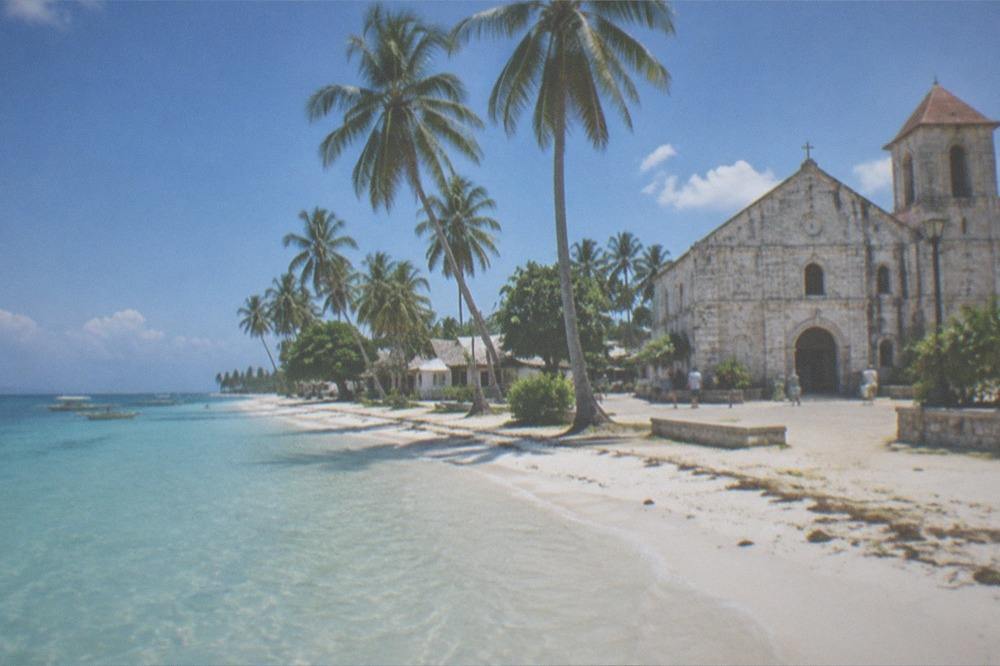
Bantayan Island sits at the northern end of Cebu province in the Philippines, across the Tañon Strait from Negros and roughly a half-day journey from Cebu City by road and ferry. Visitors go for the white sand beaches around Santa Fe, the shallow calm water, the fishing island atmosphere and prices that feel noticeably lighter than the resort strips of Mactan. The island also holds one of the oldest parish churches in the Visayas, Sts. Peter and Paul in Bantayan town, completed in 1863.
The island is administratively part of Cebu province, one of three municipalities: Bantayan town on the central east side, Madridejos at the northern tip and Santa Fe in the south, where the ferry port and most beach accommodation sit. Geographically it faces the Visayan Sea to the north and the Tañon Strait to the west. The strait carries that name with its diacritic, Tañon, and it is the same protected body of water that separates Cebu from Negros.
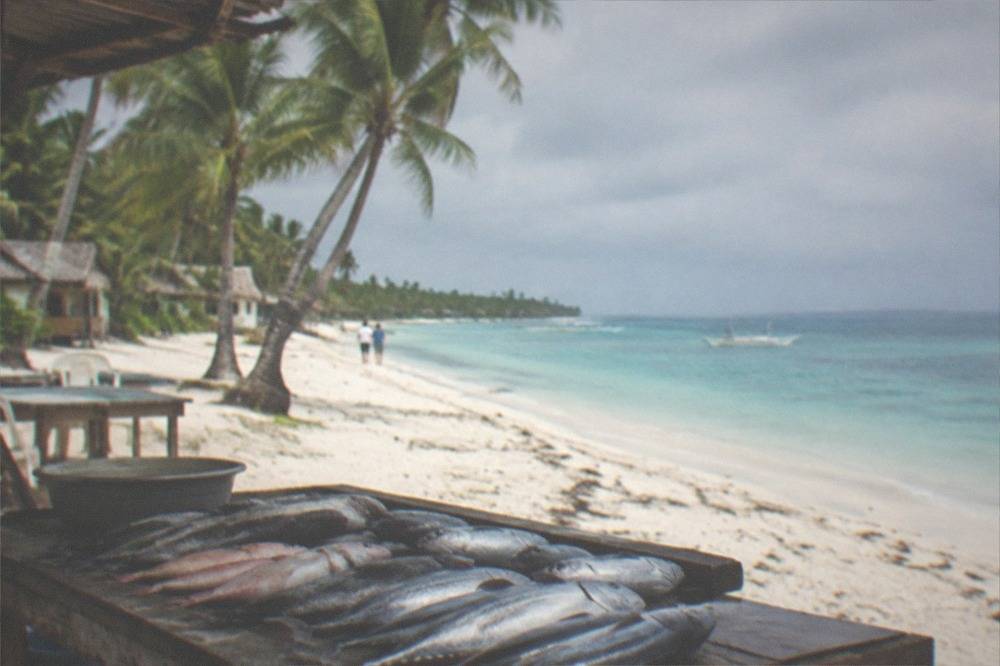
Why visitors go is simple enough. The beaches around Santa Fe are wide, white and shelving, the water stays shallow a long way out, and the island has never developed the high-rise resort scene of Mactan. The pace is the product. Fishing remains the real economy, tourism the second one, and the island empties of day-trippers by late afternoon once the last ferries leave.
The 2025 earthquake matters for one specific sight. Sts. Peter and Paul Parish, the coral-stone church in Bantayan town dating from 1863, suffered facade damage in the 30 September 2025 quake and was listed among the five heritage churches damaged in northern Cebu. The Department of Tourism's late-October 2025 statement confirmed the island itself open, but the church's condition is a separate question, and anyone visiting for heritage reasons should check locally before travelling.
How Do You Get To Bantayan Island From Cebu City?
You get to Bantayan Island by road to Hagnaya port in the municipality of San Remigio, then a ferry across to Santa Fe, the island's main port town. The road leg runs from Cebu City's north bus terminal and takes most of a morning, and the ferry crossing completes the journey. Two small fees apply on the way: P25 (about US$0.40) per person as the Hagnaya terminal fee and P30 (about US$0.48) per person as the Santa Fe ecological fee on arrival.
The route is the single most important planning fact for this island. There is no airport on Bantayan and no bridge, so every visitor funnels through Hagnaya, a small port on Cebu's north coast in San Remigio municipality. Buses and vans run north from Cebu City through towns like Danao and on to Hagnaya; the pack gives no exact journey time for this specific road leg, so treat any figure you see online with caution and let the operator's own schedule carry it.
The ferry is a short open-water crossing to Santa Fe. Schedules tighten in rough weather, and the crossing can be suspended outright during typhoon passages, a point covered in the weather section below. In normal conditions the boats run frequently enough through daylight hours that arriving at Hagnaya without a fixed onward ticket is workable, though weekends and Philippine holidays fill them.
Two fees are confirmed in the site's research. The Hagnaya terminal fee is P25 (about US$0.4) per person, and Santa Fe charges an ecological fee of P30 (about US$0.5) per person on arrival. Both are small, both are usually cash, and neither is included in a bus or ferry ticket bought in Cebu City. Carry pesos in small notes for exactly this kind of collection point.
If the ferry-and-bus day sounds like too much logistics, an organised day trip exists that handles the whole loop, and it pairs naturally with a food walk in the city either the evening before departure or the evening of return. The trio below covers both.
A practical note on sequencing: the market walk in Cebu City is a half-day activity, and the Bantayan journey wants an early start, so doing the food walk on arrival day in Cebu and heading north the following morning is the pattern that works. The Bantayan day trip page breaks the full itinerary down hour by hour for anyone deciding between a day run and an overnight stay.
What Are The Best Beaches On Bantayan Island?
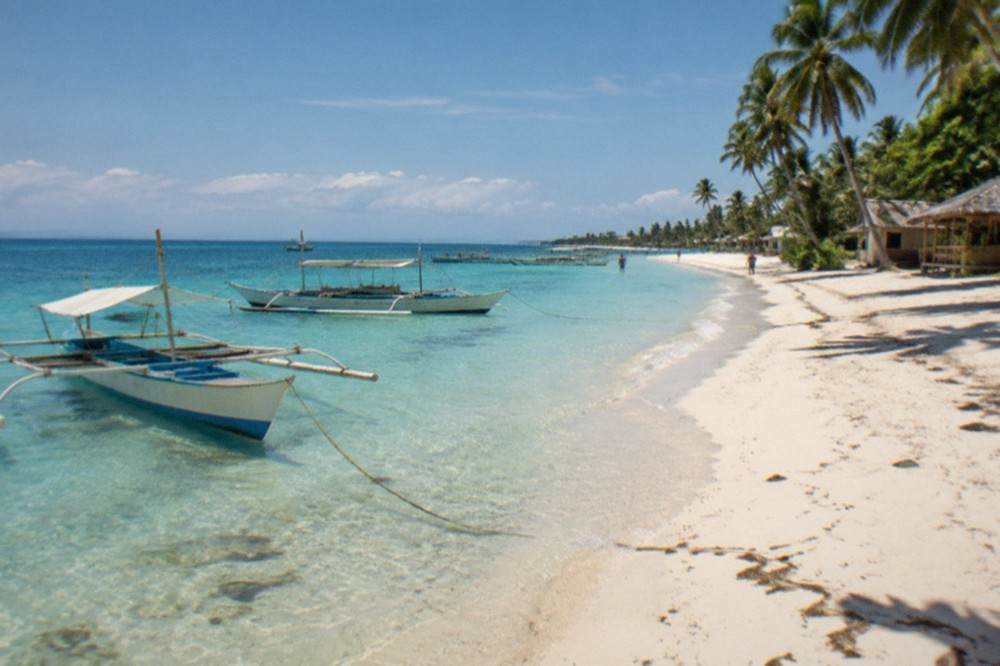
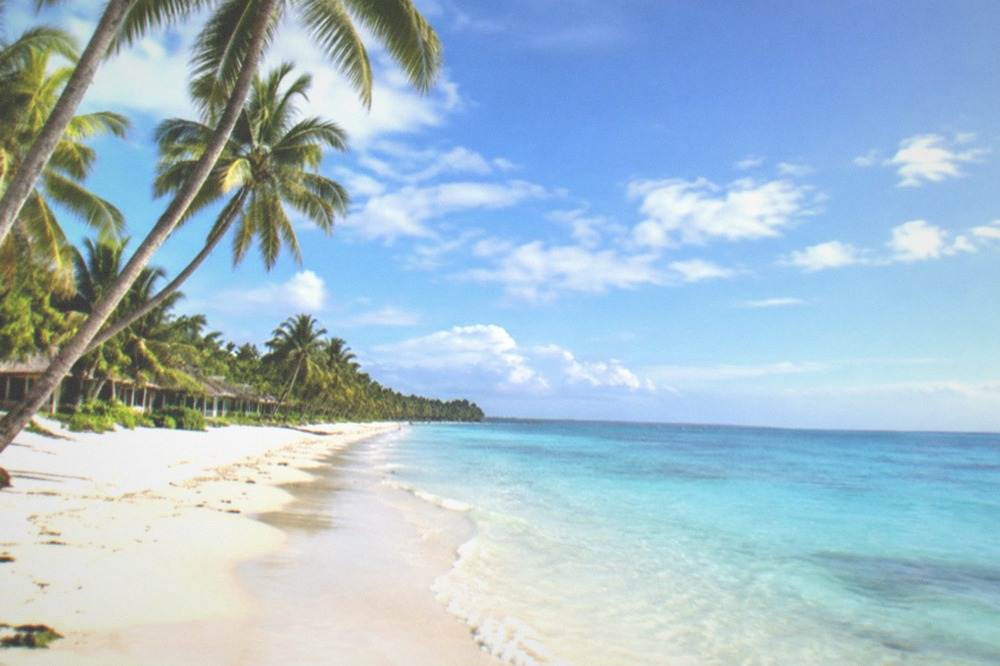
The best beaches on Bantayan Island are concentrated around Santa Fe on the south coast, where the widest white sand stretch fronts the resorts and the water stays shallow and calm for a long walk out. Kota Beach on the east side of Santa Fe, with its sandbar-like spit, and the quieter stretches west of the port are the two named spots to seek out. All of them are free to walk; access is what you pay for, not the sand.
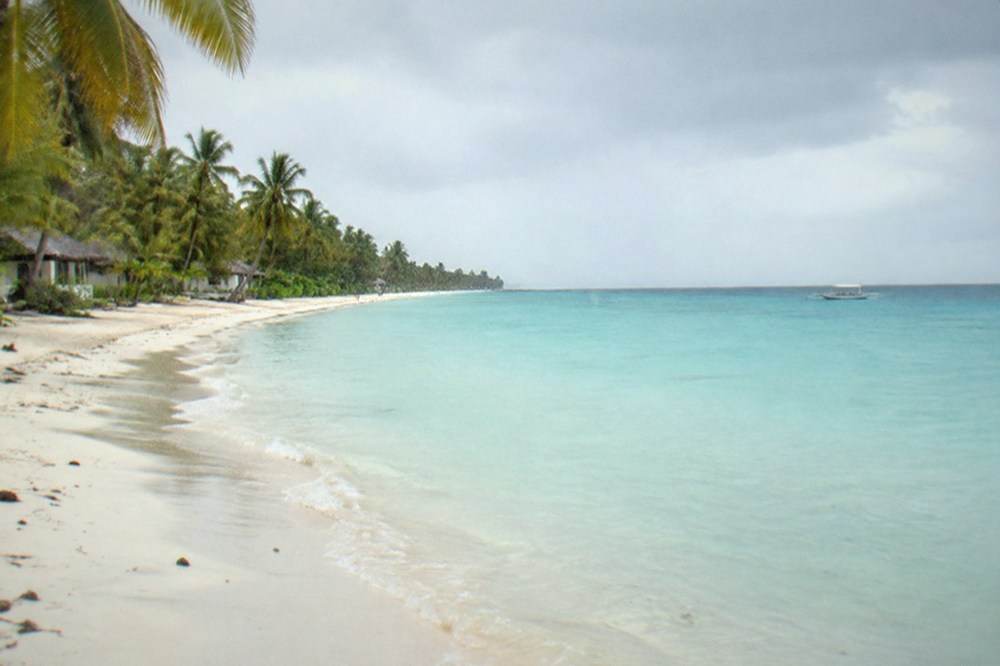
Santa Fe's main beach is the island's postcard: white sand, coconut palms, water that barely reaches your waist thirty metres out. Because the island sits in relatively sheltered water rather than facing the open Pacific, the swimming is gentle, which is why families rate it, a point developed on the site's family travel pages.
Kota Beach sits a short tricycle ride east of the port area and is known for the sandbar effect at its tip, where the spit of sand juts into clear shallow water. It is the most photographed single spot on the island. West of the port the beaches get quieter and less developed, with long empty stretches in front of small resorts and homestays.
One honest caveat belongs here. Bantayan's beaches are beautiful but they are not a diving destination in the way Malapascua Island further north is, and they are not a cliff-and-waterfall landscape like south Cebu. The island's product is flat calm beach time. Visitors who want underwater action usually add a Moalboal sardine-run day to the same trip, and the combined south-and-north Cebu itinerary is a common two-week pattern.
Planning a multi-day Cebu trip around Bantayan works best when the island leg is the slow middle of the itinerary, with the action days at either end. This food walk is a strong first-evening activity in the city before the long ride north.
The operator has not published a price for this walk, so the live listing carries the current figure and the free-cancellation terms.
What Does A Trip To Bantayan Island Cost?
A trip to Bantayan Island costs very little at the island end: the two fixed fees are P25 (about US$0.40) for the Hagnaya terminal and P30 (about US$0.48) for the Santa Fe ecological fee, both per person, and beyond that the island's own attractions are mostly free beaches. The real budget lines are the bus or van fare to Hagnaya, the ferry ticket, and accommodation in Santa Fe, so check current rates at booking time.
The confirmed figures are small and worth stating precisely because everything around them is variable. The terminal fee at Hagnaya is P25 (about US$0.4) per person; the ecological fee collected on arrival at Santa Fe is P30 (about US$0.5) per person. Both are per person, both cash, both paid at counters rather than online.
| Cost item | Confirmed figure | Where it is paid |
|---|---|---|
| Hagnaya terminal fee | P25 (about US$0.4) per person | Hagnaya port, before boarding |
| Santa Fe ecological fee | P30 (about US$0.5) per person | Santa Fe, on arrival |
| Santa Fe main beach | Free | Santa Fe |
| Kota Beach | Free | East Santa Fe |
| Sts. Peter and Paul church (exterior) | Free | Bantayan town |
For context, other Cebu day-trip fees show how modest Bantayan's charges are. Oslob's whale shark interaction runs P1,000 (about US$15.9) for foreign tourists and P500 (about US$8.0) for Filipinos, boat and guide included; Kawasan Falls charges about P200 (about US$3.2) for Level 1 entrance; Tumalog Falls is about P50 (about US$0.8). Bantayan's two fees together cost less than any single one of those.
Accommodation is the line the research pack does not price, and the honesty rule cuts both ways: no nightly rate appears on this page because none is verified. Santa Fe runs the full range from basic fan rooms to mid-range beach resorts, and rates swing hard between weekdays, Philippine holidays and Holy Week, when the island fills with Filipino families.
Food on the island is cheap by city standards and centred on what the fishing economy lands daily. Anyone who wants the guided version of Cebu's food culture should do it in Cebu City, where the market walks run; the island's own eating is informal, beachfront and unguided.
When Is The Best Time To Visit Bantayan Island?
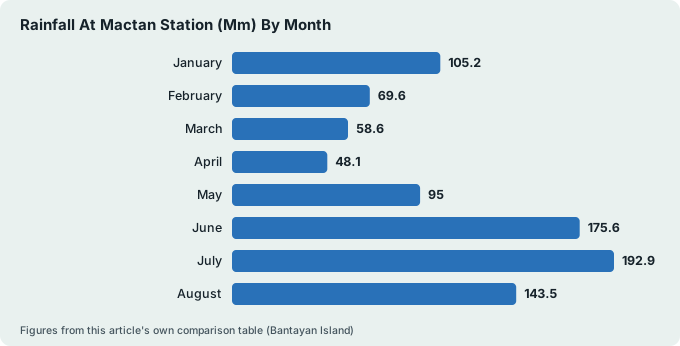
The best time to visit Bantayan Island is the dry season from December to May, when PAGASA's national rule puts Cebu outside the June-to-November rainy season and the typhoon risk drops. March and April combine the lowest monthly rainfall on the Mactan station normals, 58.6 mm and 48.1 mm respectively, with the hottest stretch of the year. Avoid the peak typhoon months of July to October if ferry reliability matters to your plans.
The climate here is tropical, not temperate, and the planning question is rain and storms rather than temperature. PAGASA, the national weather service, classifies the Philippines into a rainy season from June to November and a dry season from December to May. The Mactan station's 1991-2020 normals give Cebu 1,685.0 mm of rain across 138 rain days a year, with a mean temperature of 28.1 C, warm year-round. The rest of the planning pages sit on Cebu Travel Guide.
| Month | Rainfall at Mactan station (mm) |
|---|---|
| January | 105.2 |
| February | 69.6 |
| March | 58.6 |
| April | 48.1 |
| May | 95.0 |
| June | 175.6 |
| July | 192.9 |
| August | 143.5 |
| September | 179.6 |
| October | 194.8 |
| November | 161.9 |
| December | 139.7 |
The table is the whole argument. April is the driest month on the series at 48.1 mm and October the wettest at 194.8 mm, and the jump between the two halves of the year is abrupt rather than gradual.
Two recent events sharpen the point. Typhoon Tino, internationally named Kalmaegi, crossed the Visayas in early November 2025 and caused severe flooding across Cebu, with a state of calamity declared in the province; the Department of Tourism nonetheless reported that the core tourism zones of Cebu City and Mactan were largely unaffected and open. And the 30 September 2025 magnitude 6.9 earthquake off northern Cebu damaged infrastructure in the north, the area Bantayan belongs to, though the DOT confirmed by 28 October 2025 that Bantayan's ports were operational and the island open. The lesson for a Bantayan trip is weather-awareness in the last four months of the year, not avoidance: ferries to the island suspend in rough crossings, so keep schedule flexibility.
Holy Week deserves a special mention even though it falls in the dry season. Bantayan is famous across the Philippines for its Holy Week traditions, and the island fills to capacity with domestic visitors. Prices rise and rooms sell out far ahead; travellers who want quiet should treat that week the way they would treat Sinulog week in Cebu City, which the festival calendar pages cover in detail.
What Can You Do On Bantayan Island Besides The Beach?
Beyond the beach, Bantayan Island offers the coral-stone Sts. Peter and Paul church in Bantayan town, the fishing port and watchtower heritage of Madridejos at the northern tip, island-hopping by hired banca to small nearby islets, and cycling the flat roads between the three towns. The church, completed in 1863, is the island's one genuine landmark, though its facade was damaged in the September 2025 earthquake and its current interior status should be checked locally.
The church is the cultural anchor. Sts. Peter and Paul Parish in Bantayan town is one of the oldest churches in the Visayas, built of coral stone in the Spanish era, and it anchors the island's Holy Week observances. The 30 September 2025 earthquake damaged its facade, and it was among the five northern Cebu heritage churches listed as damaged by the Department of Tourism. Debris clearance was reported at other sites by early 2026; no reopening date for interior visits is confirmed, so treat the exterior as the reliable sight.
Madridejos, the northernmost town, was historically the "lighthouse town" and its old watchtower and fishing port give the island its working, non-resort face. The town sits at the point where the Visayan Sea opens up, and the fish landing there supplies much of the island's eating.
Island-hopping from Santa Fe by hired outrigger boat reaches small islets and sandbars offshore, arranged informally through resorts and boatmen. The site's research carries no verified per-boat rate for Bantayan, so no figure appears here; agree the price and the route before boarding, and expect it to be a private charter rather than a scheduled service.
Cycling works unusually well here because the island is flat and compact. The roads between Santa Fe, Bantayan town and Madridejos pass rice fields, salt flats and fishing villages, and the whole loop is a relaxed day by bike or tricycle tour. It is the same low-key sightseeing logic that makes the highlands tours above Cebu City popular, minus the climbing.
How Does Bantayan Island Compare With Cebu's Other Island Getaways?
Bantayan Island compares with Cebu's other island escapes as the calm, family-friendly, easily-ferry-accessed option: shallower and calmer than Malapascua, cheaper at the gate than Sumilon, and less of a diving destination than either. Malapascua, reached via Maya port further north, is the dive island built around thresher sharks at Kimud Shoal; Bantayan is the beach island built around sand and still water. Choose Bantayan for rest, Malapascua for diving, Moalboal for the sardine run.
The comparison is worth making precisely because north Cebu holds two islands and most itineraries have room for one. Malapascua's product is underwater: thresher sharks, now seen mostly at Kimud Shoal, with dive fees in the P1,800 (about US$29) to P2,000 (about US$32) range per dive plus marine park fees, and an environmental or terminal fee at Maya port of roughly P95 (about US$1.5) to P140 (about US$2.2). Bantayan's product is the surface: sand, shallow water, and a town you can walk around.
| Island | Main draw | Access from Cebu | Confirmed fees in the pack |
|---|---|---|---|
| Bantayan | White sand beaches, calm water | Road to Hagnaya, ferry to Santa Fe | P25 (about US$0.4) terminal, P30 (about US$0.5) eco fee |
| Malapascua | Thresher shark diving at Kimud Shoal | Road to Maya, short boat | P95 (about US$1.5)-P140 (about US$2.2) port fees, dives P1,800 (about US$29)-P2,000 (about US$32) |
| Sumilon | Resort day pass, marine sanctuary | Via Oslob, south Cebu | Day pass P1,600 (about US$25)-P2,000 (about US$32) net |
| Camotes | Caves, lake, beach | Ferry from Cebu City | Full-day tour from $149 per person |
The pattern across the table is clear: Bantayan is the cheapest island to set foot on, and the one whose appeal costs nothing once you arrive. Sumilon's Bluewater day pass, verified at P1,600 (about US$25) to P2,000 (about US$32) net per person depending on weekday or weekend, is a resort product; Bantayan is a public-beach product.
For travellers combining north and south, the standard big-trip shape is two or three nights on Bantayan, then a south Cebu leg for the sardine run at Moalboal and the whale sharks at Oslob. The south leg deserves its own guided day, and this is the strongest underwater combination the province offers.
Where Should You Stay On Bantayan Island?
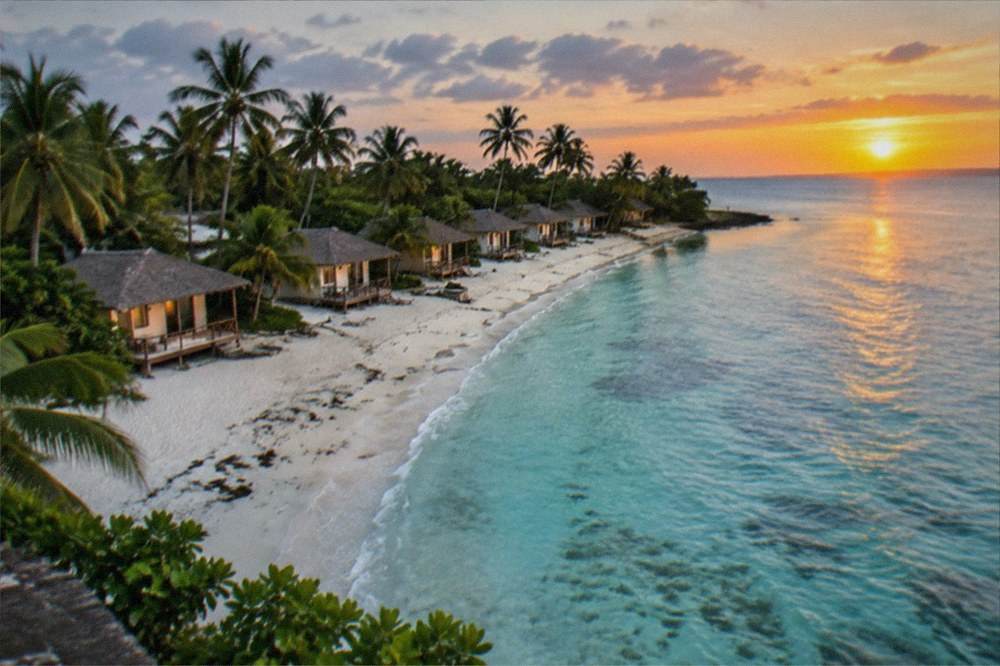
Visitors should stay in Santa Fe, the port town on Bantayan's south coast, because it holds the island's main beach strip and every practical service: tricycles, eateries, banks of small resorts and the ferry terminal. Bantayan town suits travellers who want the church, the market and local life over beachfront, while Madridejos at the northern tip suits fishers, kite surfers and anyone who wants the quietest corner. Splitting a stay between Santa Fe and one other town is a workable five-day pattern.
Santa Fe is the default for good reason. The ferry lands there, the best sand fronts it, and the tricycle ride from pier to beach accommodation takes minutes. The strip runs from the port area east toward Kota Beach, with the densest cluster of resorts in between.
Bantayan town, the island's capital, is a short tricycle ride inland and north. It is the real town: the church, the public market, the schools, the hardware stores. Staying there trades beachfront for atmosphere and lower rates, and the evening paseo around the plaza is genuinely local.
Madridejos is the specialist choice. It faces the open Visayan Sea, which means wind, and wind plus shallow water has made its coast a kite-surfing spot. It is also the fishing capital, so the food is good and the pace is unhurried.
The site carries no verified nightly rates for any of the three, so none appear here. The honest planning advice is the structural one: Bantayan's accommodation market is small enough that Philippine holiday weekends, especially Holy Week, can fill every room on the island, and booking ahead matters more there than anywhere else in the province.
Is Bantayan Island Worth The Trip From Cebu City?
Bantayan Island is worth the trip from Cebu City for travellers with at least two nights to give it, because the journey costs most of a day each way and the island's reward is a slower, cheaper, calmer beach experience than anything reachable in a shorter hop from the city. It is not worth it as a rushed day trip for most people; the day-trip version exists and works, but the overnight version is the one that matches the island's pace.
The honest trade is time against character. A day trip to Bantayan spends many hours on a bus and a ferry for a few hours of beach; the dedicated day-trip page lays out that itinerary for readers who want it anyway, and for cruise passengers or short-stay visitors it can be the right call. But the island's actual product, long empty beach walks, slow seafood lunches and evenings with no agenda, only starts paying back after the day-trippers leave on the last ferry.
For a first Cebu trip of five to seven days, the standard advice on this site is to pair the city, the south and one island. If the island is Bantayan, the trip shape is: city days with a food walk and heritage sites like Magellan's Cross and the Basilica, then the long ride north, two or three nights on the sand, and back. If diving matters more than beach calm, swap Bantayan for Malapascua and keep everything else.
The whale shark and sardine-run days in the south are the two signature water experiences in the province, and both are guided products worth booking ahead. The Oslob run in particular has a hard morning window, roughly 6 AM to 12 PM, and the P1,000 (about US$15.9) foreign fee with boat and guide included, so it anchors the south leg of any combined itinerary.
Common Questions About Bantayan Island
How do I get to Bantayan Island from Cebu City?
Take a bus or van north from Cebu City to Hagnaya port in San Remigio, then the ferry across to Santa Fe on Bantayan. Pay the P25 (about US$0.4) Hagnaya terminal fee and the P30 (about US$0.5) Santa Fe ecological fee on the way through.
Is Bantayan Island open after the September 2025 earthquake?
Yes. The Department of Tourism confirmed on 28 October 2025 that Bantayan Island was open to tourists, with the Santa Fe port fully operational. The coral-stone Sts. Peter and Paul church in Bantayan town suffered facade damage in the quake, so check its current status locally before visiting for heritage reasons.
What are the fees for visiting Bantayan Island?
The two confirmed fees are the Hagnaya terminal fee of P25 (about US$0.4) per person and the Santa Fe ecological fee of P30 (about US$0.5) per person. The beaches themselves are free.
When is the best time to visit Bantayan Island?
The dry season, December to May, with March and April the driest months on the Mactan rainfall normals. Avoid the July-to-October typhoon peak if you need ferry reliability, and expect Holy Week crowds and high occupancy if you travel then.
Bantayan or Malapascua: which is better?
Bantayan for calm beaches, families and a slow pace; Malapascua for thresher shark diving. Bantayan's gate fees are far lower, while Malapascua's diving costs more, with dives around P1,800 (about US$29) to P2,000 (about US$32) plus port and marine fees.
Can you do Bantayan Island as a day trip from Cebu City?
Yes, though it is a long day with several hours of road and ferry each way. The overnight version suits the island better, but the day-trip itinerary works for cruise passengers and short-stay visitors.
Bantayan Island rewards the traveller who gives it time: two small fees, free sand, and the slowest days in the province, all one ferry ride off the north coast of Cebu.