What Is The Best Beach Resort In Cebu?
What is the best beach resort in Cebu? An honest answer for Cebu, Philippines: no single resort wins, and the right pick depends on sand quality, access and season. Verified fees and planning facts inside.
Cebu, an island province in the Central Visayas region of the Philippines, does not have one best beach resort, and any guide that crowns a single winner is guessing. The province's coastline splits into very different experiences: the Mactan strip of large resort hotels minutes from the international airport, the long white-sand beaches of Bantayan Island in the north, the dive-resort towns of Malapascua and Moalboal, and small island escapes like Sumilon. The right answer depends on what a trip actually needs, which is what this page works through, using only fees and figures that are verified or clearly flagged as reported.
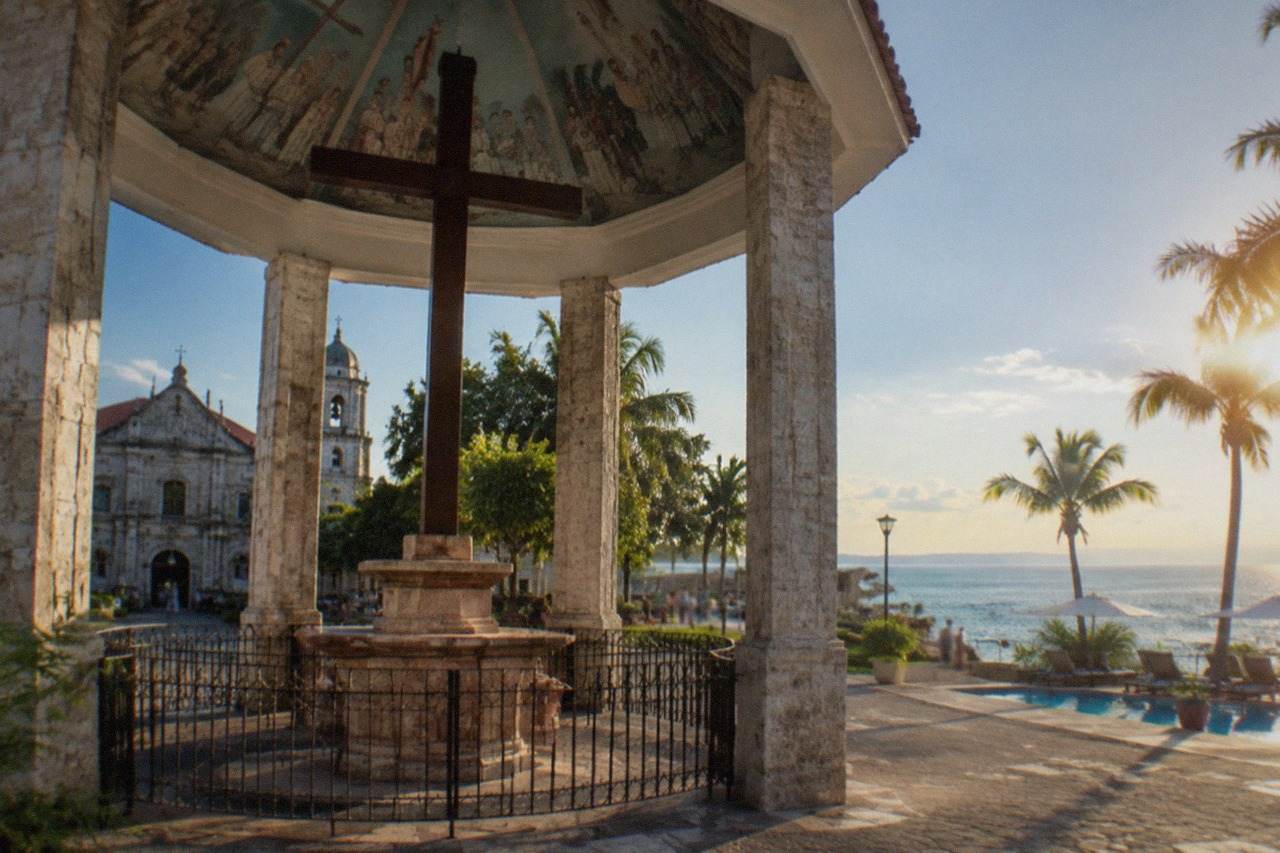
What Is The Best Beach Resort In Cebu?
There is no single best beach resort in Cebu, because the province offers three genuinely different resort experiences: Mactan, minutes from the airport, is the pick for convenience and family facilities; Bantayan Island, roughly a half-day journey north, has the finest natural white sand; and Sumilon Island, off Oslob in the south, is the choice for a small, sanctuary-fringed island stay. Naming one winner hides the trade-off every traveller actually makes between access, sand quality and price.
That trade-off is the whole decision. A family landing at Mactan-Cebu International Airport with two tired children does not want a four-hour bus ride to Hagnaya port followed by a ferry. A couple on a two-week slow trip may find Mactan's resort strip, for all its facilities, the least "Cebu" part of Cebu. Neither preference is wrong; they just point at different coastlines.
It also matters that Cebu's resort geography is administrative as much as physical. Lapu-Lapu City, where most of the big Mactan resorts sit, is a highly urbanized city independent of Cebu Province, grouped with it geographically but governed separately. The beaches of Bantayan, Moalboal and Oslob, by contrast, are provincial towns with their own local fee schedules. That is why the costs below vary so much from one area to the next.
For a deeper comparison of the beaches themselves rather than the resorts on them, see Cebu's nicest beach, honestly ranked and the quieter picks in underrated beaches in Cebu.
Which Cebu Resort Area Suits Your Trip?
Choose a Mactan resort if flight convenience, pools and kids' facilities matter most, since the island sits directly beside Mactan-Cebu International Airport; choose Bantayan Island if natural white sand is the priority and a half-day transfer is acceptable; choose Moalboal or Malapascua for diving and snorkelling; and choose Sumilon Island for a small-island stay inside a marine sanctuary. Each area carries different verified local fees, listed below.
The Mactan strip is where most first-time visitors land, sometimes literally. The resorts here are large, resort-fee-heavy and built around pools as much as the sea, because the shoreline itself is a working channel. What the area sells is frictionlessness: the airport's own transport guide lists the MyBus connection between the terminals and SM City Cebu at P50 (about US$0.8) on the main route, and Grab lists Cebu among its Philippine service cities, so transfers are simple.
Bantayan is the opposite bet. Getting there means a Ceres bus or private van to Hagnaya port, then a ferry, with a Hagnaya terminal fee of P25 (about US$0.4) per person and a Santa Fe ecological fee of P30 (about US$0.5) on arrival. The reward is Santa Fe's long, soft white beach, widely regarded as the best natural sand in the province. The trade is time: this is a trip for itineraries of four days or more, not a one-night stopover.
Moalboal and Malapascua are dive towns first and beach resorts second. Moalboal's famous sardine run sits a few metres off Panagsama Beach, reachable from shore, with a municipal environmental user fee of P100 (about US$1.6) to swim or snorkel. Malapascua is the base for early-morning thresher shark dives. Neither is the pick for a pure lie-on-the-sand holiday, and both are covered properly in the site's Moalboal day trip guide and the Malapascua island guide.
| Resort area | Best for | Sand and sea | Getting there | Verified local fee |
|---|---|---|---|---|
| Mactan (Lapu-Lapu City) | Convenience, families, short stays | Pool-led resorts on a busy channel | Beside the airport; bus, Grab or taxi | Island-hopping environmental fee P100 (about US$1.6) for foreign tourists |
| Bantayan Island (Santa Fe) | Natural white sand, slow trips | Long, soft white beach | Bus or van to Hagnaya, then ferry | Terminal P25 (about US$0.4), Santa Fe eco fee P30 (about US$0.5) |
| Moalboal (Panagsama) | Snorkelling, sardine run, budget stays | Rocky shore, world-class snorkelling | Bus from Cebu South Bus Terminal | Environmental user fee P100 (about US$1.6) |
| Sumilon Island (Oslob) | Small-island escape, marine sanctuary | Sanctuary beach and lagoon | Via Oslob, then boat | Bluewater day offer P2,000 (about US$32) net per guest, Mon-Thu, valid to 15 Oct 2026 |
Sumilon deserves its own word. The island's only resort, Bluewater Sumilon, publishes day-use from 8:00 AM to 3:00 PM with boat transfers, and its own offers page lists a 5+1 group offer at P2,000 (about US$32) net per guest Monday to Thursday, valid to 15 October 2026, which includes food and drink credit on weekdays. That makes Sumilon one of the few Cebu resort experiences whose price is published by the operator itself rather than estimated by a blog.
What Does A Beach Resort Day In Cebu Actually Cost?
Beyond the room rate, the extra costs around Cebu's resort areas are modest but real, and they are set by local governments rather than the hotels: whale shark watching in Oslob, boat and guide included, is the single biggest at P1,000 (about US$15.9) per foreign visitor, Kawasan Falls Level 1 entry is about P200 (about US$3.2), and the Lapu-Lapu island-hopping environmental fee is P100 (about US$1.6) for foreign tourists, cut to P20 (about US$0.3) for locals by a July 2025 amendment.
Room rates themselves vary by season and are best checked directly, since no verified nightly figure applies across the province.
Converted to dollars at the pinned rate, those fees are roughly US$16 for the Oslob interaction, about US$3 for Kawasan's entrance, and about US$1.60 for the Mactan island-hopping fee, small numbers that add up only when a whole family books several activities. The pattern across Cebu is that the resort sets the headline price, but the local government sets the fees, and the fees are what a planner can actually pin down in advance. Oslob's whale shark fee, set under Municipal Ordinance No. 010, reverted in March 2025 to P1,000 (about US$15.9) for foreign tourists and P500 (about US$8.0) for Filipinos, boat and guide included. Sightings are not guaranteed: in late May 2026 the whale sharks were absent from the Tan-awan interaction area for about four days when plankton moved to a neighbouring barangay, and the town's tourism office confirmed operations would resume with the sharks.
On Mactan, the island-hopping fee change matters to resort guests booking boat trips to Hilutungan, Nalusuan or Pandanon. The SunStar reported the Lapu-Lapu City Council approved cutting the environmental fee for local tourists from P100 (about US$1.6) to P20 (about US$0.3) in July 2025, while the foreign rate stayed at P100 (about US$1.6). Sanctuary entrance fees at the islands themselves run roughly P150 (about US$2.4) to P300 (about US$4.8) per person depending on the site, paid separately from the boat.
| Activity near a Cebu resort area | Verified or reported fee | Notes |
|---|---|---|
| Oslob whale shark watching | P1,000 (about US$15.9) foreign, P500 (about US$8.0) local | Boat and guide included; sightings not guaranteed |
| Kawasan Falls Level 1 entry | About P200 (about US$3.2) | Swimming only; canyoneering is a separate, guided activity |
| Moalboal sardine run snorkelling | P100 (about US$1.6) environmental user fee | Shore access at Panagsama Beach |
| Mactan island hopping | P100 (about US$1.6) foreign, P20 (about US$0.3) local | City environmental fee; sanctuary fees separate |
| Sumilon Island day offer | P2,000 (about US$32) net per guest | Mon-Thu group offer, valid to 15 Oct 2026 |
One honest caveat: none of these figures includes a resort's nightly rate, and this page will not invent one. Nightly prices move with season, room type and demand, and a number typed here would be fiction by the time it was read. Check the room rate with the property or booking channel directly, and treat the fees above as the stable, published part of the budget.
A beach resort trip in Cebu rarely means staying inside the resort walls for a whole week, and the most common add-on is a guided day out. The Oslob whale shark experience is the signature one, and the Oslob day trip guide covers the early-morning logistics, the rules, no sunscreen, minimum distance, life jackets, and the ethics debate the site treats in full elsewhere.
When Is The Best Time To Book A Cebu Beach Resort?
The best months for a Cebu beach resort stay are December to May, PAGASA's dry season, with April the driest month at 48.1 mm of rain on the Mactan station's 1991-2020 normals; June to November is the rainy season, with October the wettest at 194.8 mm, and typhoon risk peaks roughly July to October. For the best weather-to-crowd balance, late November into early December sits at the start of the dry season but before the January Sinulog surge.
The climate facts here are unusually clean because PAGASA publishes station-level normals for Mactan. Annual rainfall at the station is 1,685.0 mm across 138 rain days, with a mean temperature of 28.1 C. That is a genuinely tropical profile: hot, humid, and shaped by two seasons rather than four. The wettest stretch is not one month but a long shoulder, with July at 192.9 mm, September at 179.6 mm and October at 194.8 mm all in the same band.
Typhoon timing matters more than rainfall totals. The 2025 season delivered two hard reminders: the M6.9 earthquake off northern Cebu on 30 September 2025, and Typhoon Tino in early November 2025, which brought severe flooding to Cebu. The Department of Tourism's position afterwards was that core tourism zones including Cebu City and Mactan were largely unaffected and open, and that Bantayan and Malapascua were receiving visitors again with ports operational, but a November trip carries real weather risk that a March trip does not.
Sinulog, held on the third Sunday of January, cuts both ways for resort stays. The 2027 Grand Parade is set for 17 January at the Cebu City Sports Center, with the opening salvo on 7 January. Mactan resort rates and availability tighten around that weekend even though the parade itself is in the city. Anyone whose priority is the beach rather than the festival should book either side of that window, or accept the premium and treat the parade as a bonus day out.
Common Questions About Cebu Beach Resorts
What is the best beach resort in Cebu?
There is no single winner. Mactan's resort strip is the best pick for convenience and facilities, Bantayan Island has the best natural white sand, and Sumilon Island offers the most complete small-island escape. Choose by trip length and transfer tolerance rather than by a ranking.
Is Mactan or Cebu City better for a resort stay?
Mactan. The beaches and the large resort hotels are all on Mactan in Lapu-Lapu City, minutes from the airport, while Cebu City itself is a business and heritage destination on a working channel rather than a swimming coast. The site's full comparison is at Cebu City or Mactan for your stay.
Which part of Cebu has the nicest beach?
Bantayan Island's Santa Fe beach is widely considered the finest natural white sand in the province, with Moalboal offering the best in-water experience for snorkellers and Sumilon the most exclusive feel. The trade for Bantayan is the transfer: a bus or van to Hagnaya, then a ferry.
Are Cebu's resort areas safe after the 2025 earthquake and typhoon?
Yes, in the areas resorts actually occupy. The 30 September 2025 M6.9 earthquake struck hardest in northern Cebu, damaging heritage churches well away from the main resort zones, and Typhoon Tino's November 2025 flooding hit the city more than the beaches. The Department of Tourism confirmed Cebu open to tourists, with Bantayan and Malapascua ports operational.
What extra fees does a Cebu beach resort trip involve?
Local government fees, not resort charges, are the main extras: P100 (about US$1.6) for foreign tourists on Mactan island-hopping, P1,000 (about US$15.9) for foreign visitors at the Oslob whale shark interaction, P100 (about US$1.6) to snorkel the Moalboal sardine run, and P30 (about US$0.5) on arrival at Bantayan's Santa Fe. All are per person and paid on site.
When is the cheapest time to book a Cebu beach resort?
Outside the December-to-May dry season, meaning June to November, with the caveat that this is also typhoon season and October is the wettest month on the Mactan normals at 194.8 mm. Late November into early December often offers dry-season weather before peak rates arrive with Sinulog in January.
The honest final word: the best beach resort in Cebu is the one whose trade-offs match the trip. A two-night stopover belongs on Mactan, a slow week belongs on Bantayan, a diving holiday belongs in Moalboal or Malapascua, and a splurge day belongs on Sumilon. For more help choosing a base, read where to stay in Cebu for beaches and the broader best area to stay in Cebu, or start from the site's main Cebu Travel Guide hub and work outward from there.