Is Snorkeling With Whale Sharks Worth It?
Is snorkeling with whale sharks worth it? An honest look at Oslob in Cebu, Philippines: costs, rules, ethics, timing and alternatives.
Cebu, an island province in the Central Visayas region of the Philippines, is where travelers take their shot at swimming alongside the world's largest fish. The town of Oslob, on the island's southern coast, has run a regulated whale shark interaction program for over a decade, and it draws hundreds of visitors a day. The question is not whether the experience exists or whether it is easy to book. The question is whether it deserves your money, your early alarm and your conscience. This page weighs the cost, the rules, the timing and the ethical debate, using the Oslob municipal government's own published figures rather than anyone's souvenir story.
Is Snorkeling With Whale Sharks Worth It?
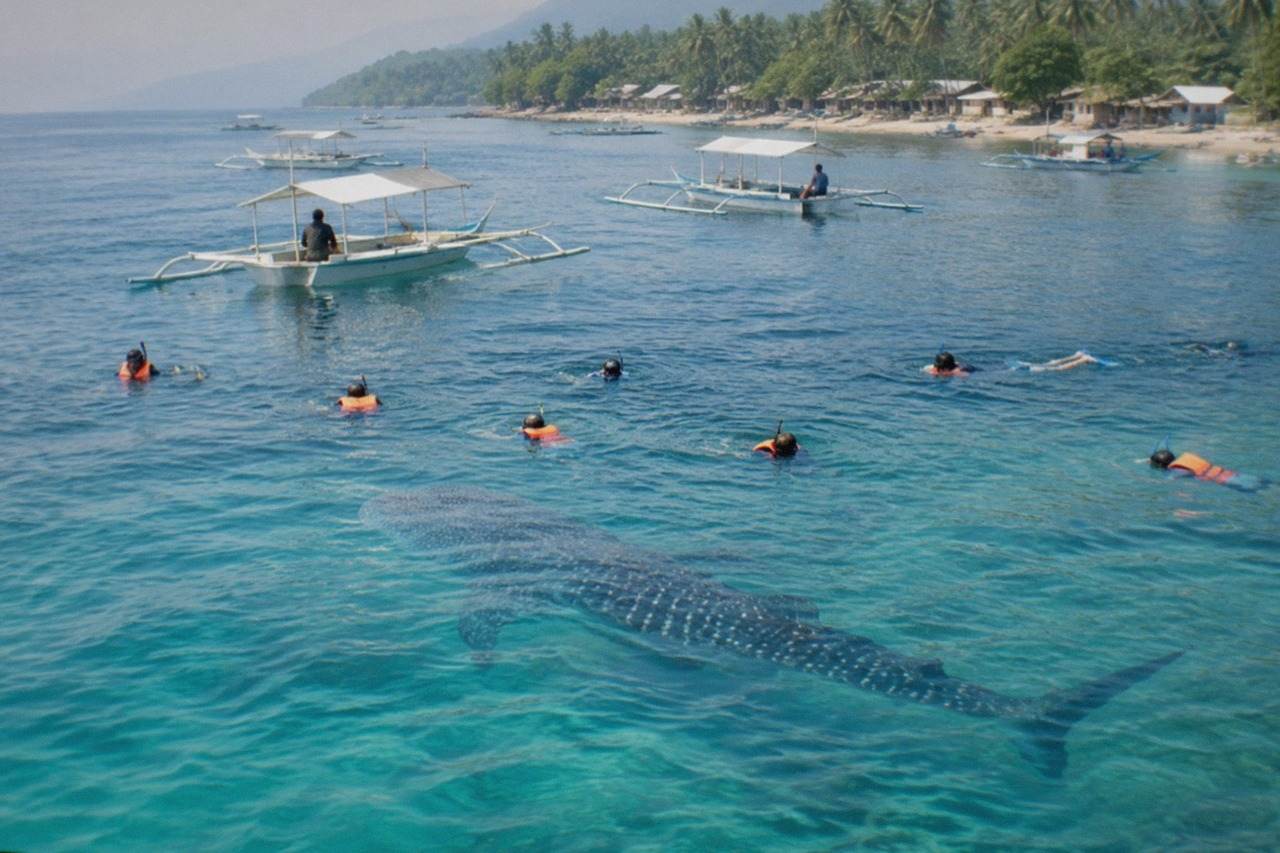
For most visitors to Cebu, yes, snorkeling with whale sharks at Oslob is worth it, with two honest caveats. The encounter is close, reliable and tightly regulated, and nothing else on the island puts a ten-metre fish a few metres from your mask with such consistency. The caveats: sightings are never guaranteed, the sharks were absent from Tan-awan for roughly four days in late May 2026, and the regulated feeding program that makes the encounter predictable is exactly what splits opinion among divers and conservationists.
Whale sharks are filter feeders, harmless to people, and Oslob's resident group stays in the Tan-awan interaction area because licensed spotters hand-feed them small amounts of shrimp, a practice the municipal government regulates and publicly defends. That feeding is what turns a lottery elsewhere in the world into a near-certainty here. It is also what some marine biologists criticize, and the whale shark ethics question at Oslob deserves its own reading before you decide.
The practical verdict: if you are already in Cebu and can stomach a pre-dawn departure, the trip delivers something genuinely rare. If you would need to fly in specially, or if a baited feeding program sits badly with you, Cebu has alternatives covered at the bottom of this page.
What Snorkeling With Whale Sharks In Oslob Actually Costs
The Oslob whale shark interaction fee is P1,000 (about US$16) per foreign tourist and P500 (about US$8) per Filipino, set by the Oslob municipal government under Municipal Ordinance No. 010, and it reverted to those rates on 21 March 2025. The fee covers the boat, a mandatory briefing and a guide, and the standard session in the water runs about thirty minutes. Watching from the boat costs the same published rates, so there is no cheaper viewing-only tier for foreigners.
The fees are local-government rates, not operator prices, and they are paid at the Tan-awan registration area before you board. A second session in the water carries an additional fee; the amount is set locally, so confirm it at registration rather than trusting a blog figure. The table below pulls together the on-the-ground costs the Oslob Tourism Office and recent local reporting actually state.
| Item | Fee | Notes |
|---|---|---|
| Whale shark interaction, foreign tourist | P1,000 (about US$15.9) | Boat, guide and briefing included |
| Whale shark interaction, Filipino | P500 (about US$8.0) | Filipino passport required |
| Tumalog Falls entrance | P50 (about US$0.8) | Common same-day stop near Tan-awan |
| Habal-habal motorbike to Tumalog | P50 (about US$0.8) to P100 (about US$1.6) | Each way, per person |
Visitors reach Oslob on a booked day tour from Cebu City, roughly three and a half to four and a half hours south by road, or independently on a Ceres bus from the Cebu South Bus Terminal. The tours bundle the early start, the municipal fees and usually a Tumalog Falls or Sumilon Island stop, which is why their headline price sits well above the bare municipal fee. For a fuller cost breakdown, see what it costs to swim with whale sharks in Oslob.
One cost note that surprises people: the interaction window is short. Roughly thirty minutes in the water is the standard session, and it goes quickly when a whale shark the length of a bus is gliding past your fins.
What The Oslob Whale Shark Experience Is Really Like
Expect a well-drilled, early-morning operation rather than a wild, open-ocean swim. Registration and briefings start around 6:00 AM, the interaction area runs to about 12:00 PM, and the rules are enforced: stay about four metres from the shark's body and five metres from its tail, no touching, no sunscreen, no flash photography, and life jackets are mandatory for snorkelers. Only licensed spotters feed the animals; tourists who try get pulled from the water.
The morning has a rhythm. You register, sit through a briefing in which the distance and no-touch rules are read out, then board a small outrigger boat that puts you a few strokes from the sharks. When a whale shark surfaces beside you, mouth open and filtering, the four-metre rule feels simultaneously generous and impossibly close. Most people describe the thirty minutes as the fastest of their trip.
The rules are not decoration. Sunscreen is banned because the sharks filter enormous volumes of water through their gills. Touching is banned because it can damage their protective mucus layer and alter their behavior. The municipal government, not the tour operators, sets and polices all of this, which is why Oslob runs the way it does even on days when eight hundred to nine hundred visitors pass through, a figure SunStar reported from the local tourism office.
Is a half-hour of this worth the money and the 3:00 AM alarm? For the overwhelming majority of visitors, the answer recorded in review counts and repeat bookings is yes. If you want the longest possible water time or a guarantee, neither is on the menu: sightings at Oslob are not guaranteed, and the session length is fixed.
When To Snorkel With Whale Sharks In Cebu
The whale sharks at Oslob are present year-round, and the interaction area operates daily from about 6:00 AM to 12:00 PM, so there is no closed season. The best months are the dry season, December to May, when calm water and better visibility make the swim more rewarding, and the best hour is always the earliest one: seas are flattest and crowds thinnest right at the 6:00 AM opening. Go before mid-morning or expect to share the water.
Cebu's climate is tropical, not temperate. PAGASA, the national weather service, classifies the rainy season as June to November and the dry season as December to May, and its Mactan station normals put annual rainfall at 1,685.0 mm. Rain does not stop the Oslob boats, but rough seas and murkier water do change the quality of the session, and typhoons, whose peak season roughly spans July to October, can suspend operations outright. The full index of guides sits on Cebu Travel Guide.
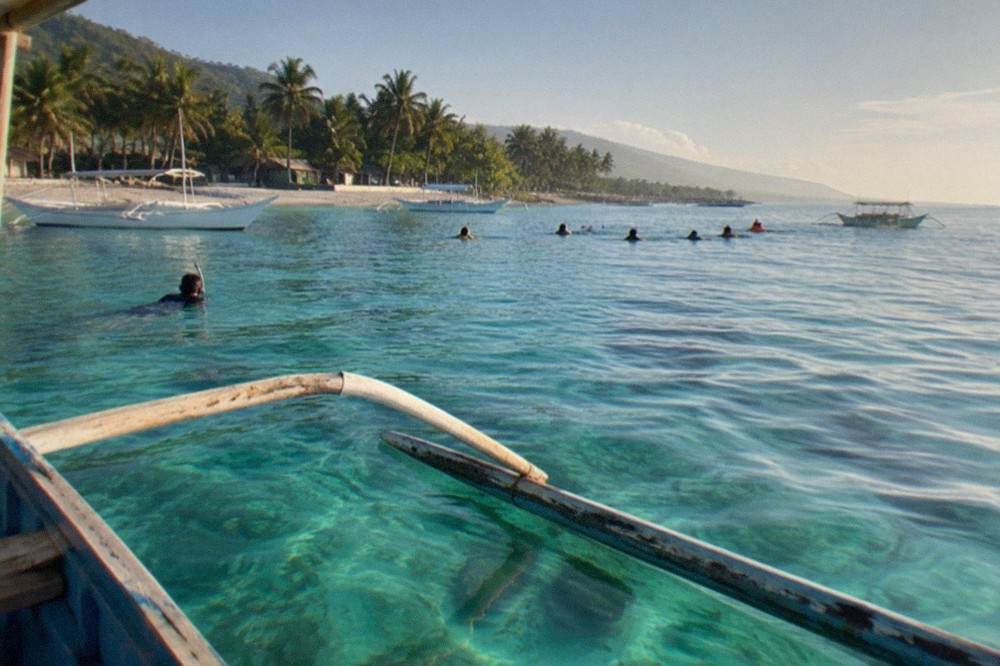
Even in the dry season, the sharks answer to plankton, not to schedules. In late May 2026 the whale sharks were absent from the Tan-awan interaction area for about four days because the plankton they follow moved toward a neighboring barangay, and local officials confirmed the pause was seasonal, not a shutdown. The lesson for planning: book your Oslob day with a flexible backup, and if the sharks are off feeding elsewhere, the falls and the beaches of south Cebu fill the day respectably.
The Ethical Question Worth Weighing Before You Book
The honest position is that Oslob's program is regulated but baited, and reasonable people land on both sides. Licensed spotters feed the sharks small amounts of shrimp to keep them in the interaction area, which the Oslob mayor publicly defended in May 2026 as a minor lure rather than a food dependency. Critics argue conditioned feeding changes natural behavior; supporters point to the mandatory distances, the sunscreen and touch bans, and the municipal enforcement that most unregulated whale shark sites lack.
What is verifiable: the rules exist, they are local law rather than operator marketing, and guides have been suspended for breaking them, including one canyoneering-adjacent conduct case elsewhere in the province reported in September 2026. What is also verifiable: the feeding is the mechanism behind Oslob's reliability, and no amount of briefing changes that. If your line is "no baited wildlife encounters, ever," Oslob will not clear it, and the whale shark ethics debate at Oslob is worth reading in full before you pay.
If your line is more pragmatic, the questions to ask are whether your chosen operator is LGU-accredited, whether your money stays in the municipal system that enforces the rules, and whether you will follow the four-metre rule when a shark swims straight at you. The program's defenders note that tourism revenue funds the very enforcement that keeps the sharks from being handled like pets; its critics note that the revenue also creates the incentive to keep feeding them. Both things are true at once.
Alternatives To Whale Sharks In Cebu If You Skip Oslob
Cebu has two other headline marine encounters that cost less and carry no feeding controversy: the Moalboal sardine run, a resident school of sardines visible from Panagsama Beach a few metres from shore, and Malapascua's thresher sharks, seen on early-morning dives at Kimud Shoal. The sardine run needs only a P100 (about US$1.6) environmental user fee and a mask; the thresher sharks demand a dive certification, an overnight stay and a dawn boat.
The sardine run is the closest thing Cebu has to a no-catch marine spectacle. The municipal tourism office states the school is permanent, present daily a few metres from shore, and best between 7 and 9 AM. The P100 (about US$1.6) environmental user fee under Moalboal's 2021 ordinance covers swimming and snorkeling, and no one lures the sardines anywhere. The trade-off: sardines are not whale sharks, and the wow is a shimmering wall of small fish rather than a single giant.
| Encounter | Location In Cebu | Key Fee | Style |
|---|---|---|---|
| Whale sharks | Oslob, Tan-awan | P1,000 (about US$15.9) foreign / P500 (about US$8.0) local | Snorkel, fed program, 30 minutes |
| Sardine run | Moalboal, Panagsama Beach | P100 (about US$1.6) environmental user fee | Shore snorkel, unfed, year-round |
| Thresher sharks | Malapascua, Kimud Shoal | Roughly P1,800 (about US$29) to P2,000 (about US$32) per dive | Scuba only, dawn dive |
Thresher sharks are the purist's choice: wild, unfed and famously shy, seen mostly at Kimud Shoal on dives that start before sunrise. The cost and effort are several times Oslob's, and sightings, while common, are never promised. Between the two, travelers pick based on whether they dive. All figures in the table are Cebu's own verified local fees and reported dive rates; no comparable numbers for other destinations are implied.
Common Questions About Snorkeling With Whale Sharks In Cebu
Is snorkeling with whale sharks worth it?
For most visitors, yes. Oslob offers a close, regulated, near-reliable encounter with the world's largest fish for a P1,000 (about US$16) municipal fee, and nothing else in Cebu matches it. It is worth it if you accept a baited feeding program, a roughly thirty-minute session and no sighting guarantee; it is not worth it if any of those three is a dealbreaker.
How much does it cost to swim with whale sharks in Oslob?
The municipal interaction fee is P1,000 (about US$16) for foreign tourists and P500 (about US$8) for Filipinos, boat, guide and briefing included, effective 21 March 2025. Day tours from Cebu City cost more because they add transport, an early pickup and usually a Tumalog Falls or Sumilon Island stop.
Are whale shark sightings at Oslob guaranteed?
No. Sightings are highly reliable but not guaranteed. In late May 2026 the sharks were absent from the Tan-awan area for about four days because their plankton food moved to a neighboring barangay, and local officials confirmed the pause was seasonal and operations resumed.
What are the rules for swimming with whale sharks in Oslob?
Stay about four metres from the shark's body and five metres from its tail, never touch the animals, wear the mandatory life jacket, skip sunscreen entirely, and leave flash photography behind. Only licensed spotters may feed the sharks, and the session in the water runs about thirty minutes.
When is the best time to see whale sharks in Cebu?
The sharks are present year-round and the interaction area runs daily from about 6:00 AM to 12:00 PM. The dry season, December to May, brings calmer, clearer water, and the earliest slots just after 6:00 AM have the flattest seas and the fewest crowds. The rainy season, June to November, still works but carries a typhoon risk that peaks roughly July to October.
What if I decide against the whale shark tour?
Moalboal's sardine run is the strongest substitute: a permanent, unfed school of sardines a few metres off Panagsama Beach, best 7 to 9 AM, covered by a P100 (about US$1.6) environmental user fee. Divers can instead chase Malapascua's thresher sharks at Kimud Shoal on dawn dives. Both are covered in more detail in Cebu Travel Guide's pages on what Cebu is known for.
The bottom line: snorkeling with whale sharks in Cebu is worth it for the great majority of visitors who make the trip, and the reasons are concrete, a regulated municipal program, a fixed and published fee, a genuinely enormous animal a few metres away, and an early start that most crowds never attempt. Go early, follow the four-metre rule, read the ethics debate first, and keep a south Cebu backup plan in your pocket for the rare morning the sharks are elsewhere.