How Much Does It Cost To Swim With Whale Sharks In Oslob?
The verified cost to swim with whale sharks in Oslob, Cebu, plus what the fee includes, the LGU rules, and how to budget for a day in south Cebu.
The official cost to swim with whale sharks in Oslob, a coastal town in the south of Cebu Province in the Philippines, is set by the municipal government, not by private operators. The current tariff, reverted to Municipal Ordinance No. 010 rates with effect from 21 March 2025, charges foreign visitors P1,000 (about US$15.9) per person and Filipino citizens P500 (about US$8.0) per person, with the boat and a licensed guide included in that figure. That single line item is the anchor of almost every south Cebu day trip budget, and everything else around it, from Tumalog Falls entrance to habal-habal rides, is priced separately by the barangays and resorts along the coast.
How Much Does It Cost To Swim With Whale Sharks In Oslob?
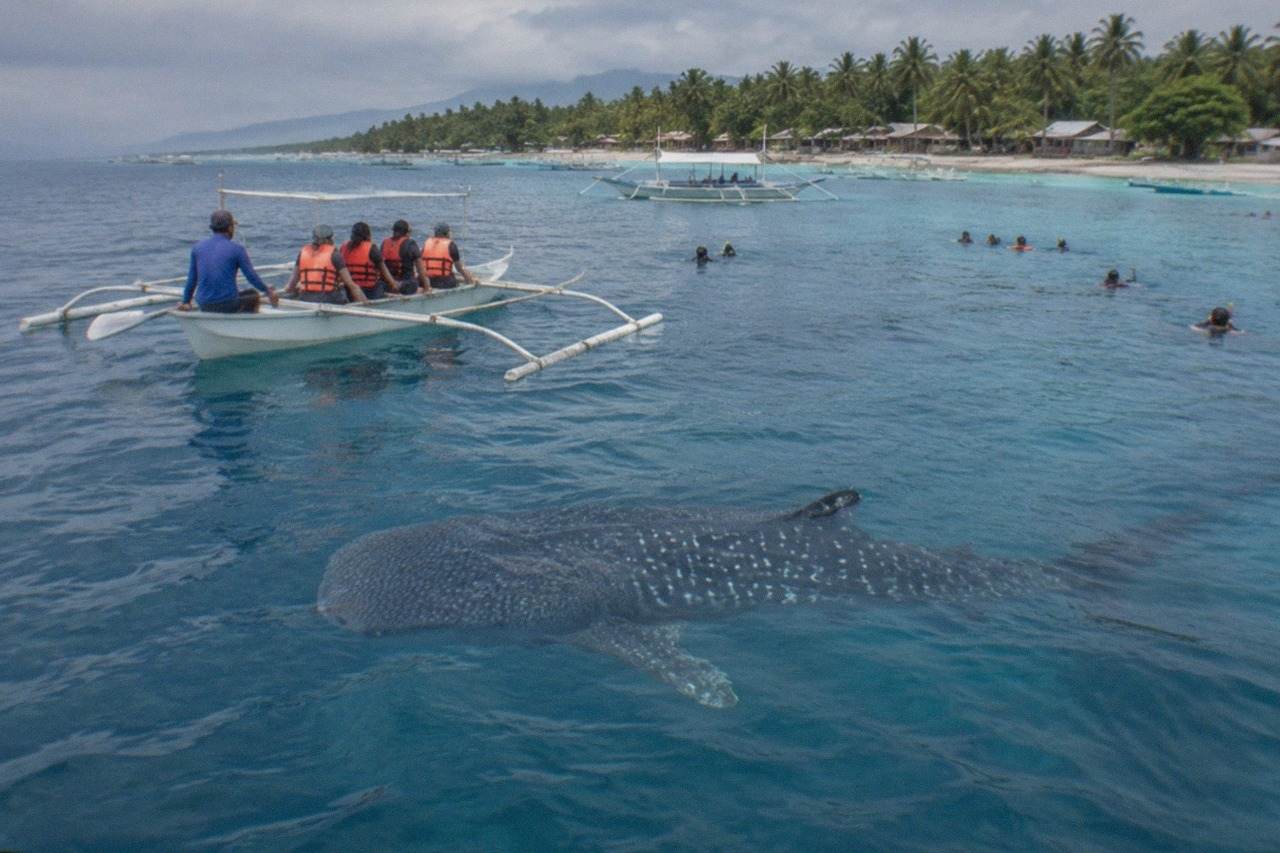
Swimming with the whale sharks in Oslob costs P1,000 (about US$15.9) per foreign visitor and P500 (about US$8.0) per Filipino, with the boat, the briefing and a licensed guide included. The fee is a municipal environmental charge set by the Oslob local government under Municipal Ordinance No. 010, and it reverted to those rates on 21 March 2025. Interactions run from roughly 6 AM to 12 PM daily, and each session lasts about 30 minutes.
The fee structure matters more than most first-time visitors expect. Because the charge is an environmental fee levied by the municipality, it is the same whether you arrive with a private driver, a join-in van tour or on your own bus ticket from Cebu City. Operators can charge for transport, lunch and guiding around the interaction, but the whale shark fee itself is fixed. The municipality's tourism office publishes the rates, and the 2025 revert ended a period in which different figures circulated across booking sites and blogs.
What the fee buys is a regulated interaction, not a free-for-all swim. The rules are posted and enforced: stay about four metres from the body and five from the tail, no touching, no sunscreen in the water, no flash photography, life jackets mandatory, and feeding is done only by licensed spotters employed by the program. A second 30-minute session costs extra, and snorkelling or scuba upgrades can add P200 (about US$3.2) to P500 (about US$8.0) on top of the base fee.
Here is how the core charges stack up:
| Item | Foreign visitor | Filipino citizen | Notes |
|---|---|---|---|
| Whale shark interaction fee | P1,000 (about US$15.9) | P500 (about US$8.0) | Boat, briefing and guide included; ~30 min session |
| Tumalog Falls entrance | P50 (about US$0.8) | P50 (about US$0.8) | Separate barangay charge, varies locally |
| Habal-habal to Tumalog (each way) | P50 (about US$0.8) to P100 (about US$1.6) | P50 (about US$0.8) to P100 (about US$1.6) | Motorcycle taxi from Tan-awan |
| Second session / snorkel upgrade | P200 (about US$3.2) to P500 (about US$8.0) | P200 (about US$3.2) to P500 (about US$8.0) | Optional, on site |
One practical note on paying: bring cash. The registration area in Tan-awan operates on peso payments, and while some tour packages prepay the fee on your behalf, independent travellers should not count on card facilities at the site. Small denominations also help for the habal-habal drivers and the falls entrance, neither of which issues receipts in any reliable quantity.
What Does The Oslob Fee Actually Include?
The P1,000 (about US$15.9) foreign fee covers the boat ride out from Tan-awan, the mandatory safety briefing, a licensed guide in the water with you, and one session of roughly 30 minutes with the whale sharks. It does not cover transport from Cebu City, food, the Tumalog Falls entrance, or any second session. The fee is paid at the municipal registration area, and the interaction window closes around midday.
The distinction between the municipal fee and the tour price is where budgets get muddled. A join-in day tour from Cebu City bundles an early-morning hotel pickup, the drive south, the interaction, often a Tumalog Falls stop and lunch, and the drive back. The whale shark fee inside that package is the same municipal charge everyone pays; what the operator prices is the logistics around it. One of the most-booked options on this route is the join-in day tour, which carries a Tumalog Falls stop in its itinerary.
For readers planning the wider south Cebu circuit, the Oslob whale sharks guide on this site breaks down the full interaction rules, and the three days in Cebu itinerary shows how the town fits into a longer route with Moalboal and Kawasan.
It is worth being clear about what the fee does not buy, because the gaps catch people out. Towels, dry bags and underwater cameras are not part of the municipal charge; rental stalls near the registration area sell or rent those separately, and prices are set stall by stall rather than by any published tariff. Lunch is likewise your own affair unless a tour package includes it, and the small carinderias along the highway in Tan-awan price a basic meal at street level rather than resort level. None of this is expensive by international standards, but on a tight day budget it adds up faster than the headline fee suggests.
Are Whale Shark Sightings In Oslob Guaranteed?
No. Sightings in Oslob are sightings-dependent, not guaranteed, and the municipality says so. In late May 2026 the whale sharks were absent from the Tan-awan interaction area for about four days when seasonal plankton moved to a neighbouring barangay, and operations paused until they returned. The mayor's office and the tourism officer both confirmed the sharks had not left Oslob for good, and the activity resumed.
That four-day gap is the single most useful fact for anyone weighing the cost. The fee is charged for the regulated interaction program, and when the sharks briefly move off, the LGU manages the pause rather than issuing refunds on the spot. Booking a tour with a live cancellation policy is therefore the more flexible route for a fixed-date trip, since a package can be rescheduled in ways an on-the-day payment cannot. The wider set of guides lives on Cebu Travel Guide.
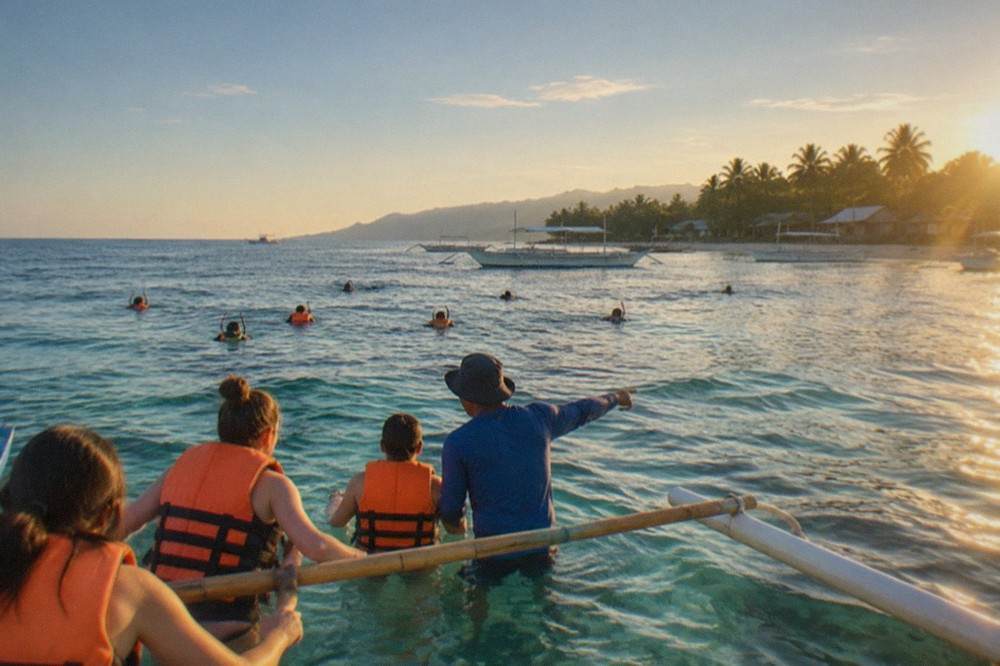
The ethics question sits alongside the money question here. Feeding by licensed spotters is part of how the program keeps the sharks near Tan-awan, and the practice is regulated rather than banned; the whale shark ethics guide covers what that means in practice and what the alternatives look like.
The morning cutoff is the other operational detail that shapes the spend. Because the interaction window closes at about noon and the drive from Cebu City takes three to four hours, every workable plan involves a pre-dawn start. That is the real argument for the join-in model: the operator absorbs the 3 AM wake-up, the van coordination and the queue timing, and the traveller pays for the certainty of being in the water during the best hours rather than arriving to a closed counter.
When Is The Best Time To Pay For The Oslob Interaction?
The interaction runs year-round from about 6 AM to 12 PM, but the dry season months of December to May bring calmer seas and better visibility, which is when most operators report their strongest bookings. The rainy season from June to November can bring rougher water and occasional Coast Guard suspensions. The third Sunday of January, Sinulog week, fills Cebu City and pushes demand south in the days around it.
Timing changes the cost in one specific way: high-season packages around December to February and the Sinulog period carry the same municipal fee but stiffer competition for the better-reviewed operators. The best time to visit Cebu guide and the Cebu weather and typhoon season guide lay out the trade-offs month by month.
How Much Does A Full Oslob Day Cost From Cebu City?
A self-arranged day adds up to roughly P145 to P250 (about US$2.3 to US$4.0) each way on a Ceres bus, three and a half to four and a half hours each way, plus the P1,000 (about US$15.9) interaction fee, P50 (about US$0.8) at Tumalog Falls and P50 to P100 (about US$0.8 to US$1.6) each way on a habal-habal. A join-in tour trades that for one package price and an early pickup.
The bus option is the budget route but it costs a full day. Ceres Liner runs multiple daily departures toward Bato via Oslob from the Cebu South Bus Terminal, and the getting around Cebu guide covers the terminal and the routes in detail. The trade is simple: the bus is cheaper and slower, the tour is dearer and door-to-door, and both pay exactly the same municipal fee at the water's edge.
For context on the wider budget, the Cebu budget and costs guide prices a full trip across the island, and the south Cebu itinerary shows how Oslob combines with Moalboal in one loop.
Two hidden costs deserve a line of their own. The first is time-of-day risk on the return: buses back north thin out in the late afternoon, and a traveller who lingers at Tumalog past mid-afternoon can face a long wait or a pricier habal-habal-and-van combination back to the city. The second is the group-size premium on private arrangements; a solo traveller on a chartered car bears the whole vehicle cost, while a join-in van spreads it across a dozen seats, which is why the join-in model dominates this route for people travelling alone or in pairs.
What Else Should You Budget For Around Oslob?
Tumalog Falls entrance runs about P50 (about US$0.8), the habal-habal ride from Tan-awan costs P50 to P100 (about US$0.8 to US$1.6) each way, and a Sumilon Island day pass through the Bluewater resort lists P1,600 to P2,000 (about US$25 to US$32) net per person with transfers and sanctuary access included.
Moalboal's sardine run carries a separate P100 (about US$1.6) (about US$1.6) environmental user fee, and Kawasan Falls charges about P200 (about US$3.2) at Level 1, with canyoneering at roughly P1,500 to P2,000 (about US$24 to US$32) through a Badian-accredited guide.
These are the add-ons that turn a single swim into a two-day south Cebu loop, and each carries its own local fee structure. The Sumilon day pass is the largest single add-on and it is a resort product, not an LGU charge, so its terms, weekday consumables versus weekend buffet, differ from the municipal tariff. The Moalboal sardine run guide and the Kawasan Falls guide price those legs separately.
A note on the canyoneering figure: only the Badian route is running, the Alegria route has been suspended through 2025 and 2026, and cliff jumping is banned at the Kawasan Level 1 basin. Anyone budgeting for canyoneering should price it with a Badian-accredited guide specifically, since the published range reflects that regulated route and what it includes, guide, gear, fees and lunch.
Common Questions About Swimming With Whale Sharks In Oslob
Cost to swim with whale sharks in Oslob?
The municipal fee is P1,000 (about US$15.9) (about US$17) for foreign visitors and P500 (about US$8.0) (about US$8) for Filipinos, boat and guide included, effective from 21 March 2025 under Municipal Ordinance No. 010.
Is the Oslob whale shark fee the same for everyone?
No. The foreign and local rates differ, and children, second sessions and snorkel or scuba upgrades are charged separately on site, typically P200 (about US$3.2) to P500 (about US$8.0) extra.
Can you get to Oslob without a tour?
Yes. Ceres buses run from the Cebu South Bus Terminal toward Bato via Oslob several times daily, taking about three and a half to four and a half hours, with fares around P145 (about US$2.3) to P250 (about US$4.0) each way.
What time does the Oslob interaction close?
Operations run from about 6 AM to 12 PM daily, with each session lasting around 30 minutes, and the municipality pauses activity when sightings drop.
Is swimming with the whale sharks in Oslob ethical?
The program is LGU-regulated: feeding is done only by licensed spotters, minimum distances are enforced, and sunscreen and flash are banned in the water. The whale shark ethics guide on this site examines the debate in full.
For a fixed-date trip, the join-in day tour remains the most flexible way to pay for the experience, since the package can move with the sharks.
The municipal fee is the one number in south Cebu that never moves; everything around it, from the bus fare to the falls entrance, is where a day's budget actually takes shape.