Are You Guaranteed To See Whale Sharks In Oslob?
No, whale shark sightings in Oslob, Cebu are not guaranteed. Here is what drives the sharks' presence, what the fee covers, and how to plan around the risk.
Whale shark watching in Oslob, a coastal town on the island of Cebu in the Central Visayas region of the Philippines, is one of the most dependable wildlife encounters in Southeast Asia, but it is not a contract. The sharks are wild, free to come and go, and their presence depends on plankton and weather rather than on any operator's schedule. The question matters because visitors commit a full day and a pre-dawn departure to the trip, so the difference between "almost always" and "always" is worth understanding before you book. A missed sighting is rare, but it is a real outcome with real consequences for a tightly planned holiday, and there are concrete ways to shrink the risk.
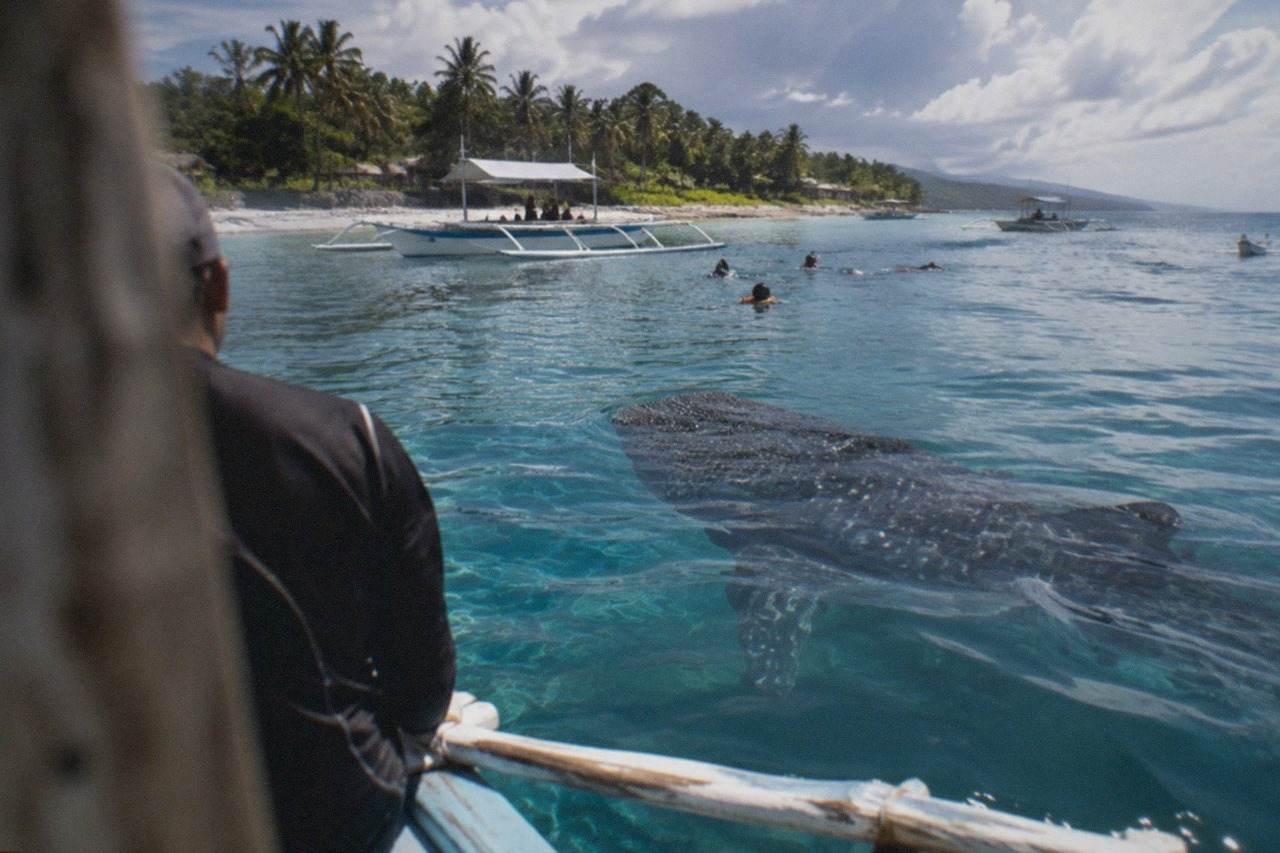
Are You Guaranteed To See Whale Sharks In Oslob?
No, you are not guaranteed to see whale sharks in Oslob. Sightings are near-daily because licensed spotters lure the sharks with small amounts of food, but the animals are wild and their attendance depends on plankton movements and sea conditions. In late May 2026 the sharks were absent from the Tan-awan interaction area for about four days, and operations paused until they returned. Operators therefore promise an encounter, never a sighting.
That four-day gap in May 2026 is the clearest recent proof. Local news reported that the sharks followed seasonal plankton into a neighbouring barangay, and the Oslob municipal tourism office confirmed that operations had not been suspended by any ban, only by the sharks' own movements. The mayor publicly described the absence as seasonal, and interaction resumed once the animals drifted back. The lesson is simple: the sharks overwhelmingly show up, but nobody can promise today's visit.
It also matters what "seeing" means. The interaction happens in shallow water close to shore at Tan-awan, with a briefing, a boat ride of a few minutes, and roughly thirty minutes in the water per session. You are watching, and if you pay for the snorkelling upgrade, swimming at a regulated distance. The experience is tightly choreographed precisely because the sharks are wild and protected.
If you are weighing the risk against the cost, the fee structure is set by the Oslob municipal government: P1,000 (about US$15.9) per foreign visitor and P500 (about US$8.0) per Filipino, boat and guide included. That fee is paid whether or not a shark appears on the day, which is why the ethics question deserves a separate look, covered in this guide to whale shark ethics in Oslob.
Why The Sharks Sometimes Disappear From Tan-Awan
The sharks follow food, not schedules. Oslob's whale sharks are lured to the interaction area by licensed spotters who feed them small quantities of krill, but the animals continue to feed naturally offshore, and when plankton blooms shift to deeper or neighbouring waters, individual sharks simply stop attending. Rain, rough seas and seasonal plankton movement in late May to June are the main causes of short gaps in sightings.
The May 2026 absence illustrates the pattern rather than an exception to it. SunStar reported that whale shark sightings dictated tourism operations in Oslob, with the municipal tourism officer confirming that the animals had not left the area entirely, only the interaction zone. Within about four days they were back. Similar short gaps have appeared in other years around the same shoulder of the dry-to-wet transition, when nutrient run-off changes where the plankton sits.
There is a second, quieter risk: weather. PAGASA's rule for the Philippines is a rainy season from June to November, and Cebu's Mactan station records its wettest months in that window, with October the wettest of the monthly series at 194.8 mm. Heavy rain can muddy the shallows and make the interaction unpleasant or briefly paused even when sharks are present. The sharks do not disappear because of rain, but the experience can suffer.
| Factor | Effect on sightings | Typical duration |
|---|---|---|
| Plankton shifting to a neighbouring barangay | Sharks stop attending the feeding zone | Days, as in late May 2026 |
| Rough seas or heavy rain | Sessions may be shortened or paused | Hours to a day |
| Typhoon-season swell (June to November) | Boat trips occasionally suspended | Days, storm-dependent |
| Time of day | Interactions run about 6 AM to 12 PM only | Fixed daily window |
None of these risks is a reason to skip Oslob. They are a reason to build slack into your itinerary, which is exactly what a join-in day tour does by pairing the whale shark stop with Tumalog Falls, so the day still delivers if the water is murky. The join-in whale shark day tour from Cebu question is covered elsewhere, but the short version is that a combined day hedges the single-activity risk.
What The Oslob Fee Covers And The Rules On The Water
The municipal fee of P1,000 (about US$16) for foreign visitors and P500 (about US$8) for locals covers the boat, the guide and the briefing, and buys about thirty minutes in the interaction zone. Rules set by the Oslob local government apply on every trip: keep about four metres from the shark, no touching, no sunscreen, no flash photography, life jackets mandatory, and only licensed spotters may feed the animals.
The rules are not decoration. The four-metre distance exists because whale sharks are docile but massive, and a tail sweep can injure a swimmer who crowds the animal. The sunscreen ban exists because sunscreen film on the water harms the plankton the sharks eat. The feeding restriction exists because unregulated feeding is what turned Oslob into a global controversy in the first place, and the municipal ordinance framework is the response: a fixed interaction window from about 6 AM to 12 PM, a mandatory briefing before boarding, and licensed spotters rather than tourists controlling the food. More of these guides are collected on Cebu Travel Guide.
The fee itself is charged by the local government, not by the boat crew, and it is payable whether or not the sharks appear. That is the honest trade at the heart of the experience: you are paying for a highly regulated opportunity, not a guaranteed animal. If you want the full cost picture including transport from Cebu City and the snorkelling upgrade, the Oslob swim cost question breaks it down line by line.
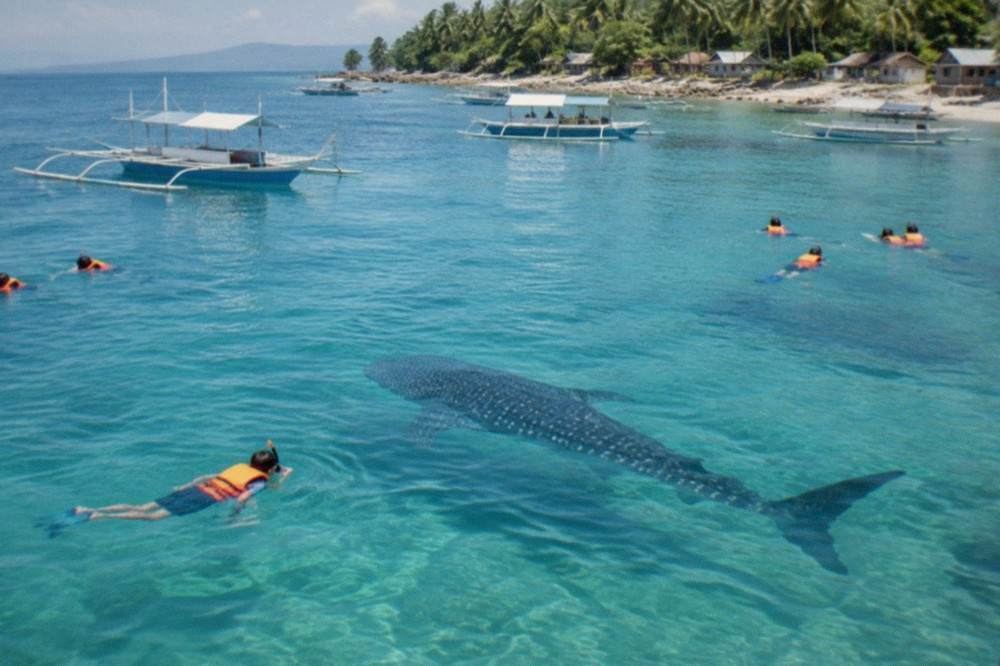
One practical note: the interaction window closes around midday, and the sharks feed most predictably in the morning. Every serious tour from Cebu City leaves between 3 and 5 AM for exactly this reason. The drive down the island's east coast is the price of the good window.
How To Maximise Your Chances Of A Sighting In Oslob
Book the earliest possible session, travel in the December-to-May dry season when seas are calmest, and give yourself a spare morning in the area if the trip is the centrepiece of your holiday. Morning sessions see the most consistent attendance, the interaction zone closes around noon, and a one-night stay in Oslob or nearby Moalboal means a missed sighting on day one does not end the story.
The season point deserves nuance. The sharks are resident year-round, which is why Oslob works in every month, and the best month for whale sharks is less about the animals and more about sea state and rain. PAGASA's dry season, December to May, gives you the calmest water and the lowest chance of a weather suspension. The wettest months, July through October, still produce sightings, but rough seas occasionally pause boat trips.
The spare-morning strategy is the strongest hedge. If you sleep in Oslob itself, a bad first morning costs you one early alarm rather than a whole day trip. The trade-offs between basing in Oslob and basing in Moalboal, which has its own sardine run and turtle snorkelling, are laid out in the Oslob or Moalboal question, and the answer usually favours Moalboal for the stay with an early transfer to Oslob.
It is also worth remembering what else the day can hold. Tumalog Falls, a short habal-habal ride from the interaction area, charges about P50 (about US$0.8) to enter and is a genuine destination in its own right, and Sumilon Island sits just offshore. A day built around the whale sharks does not collapse if the sharks take a morning off.
If the sharks are your single reason for visiting the Philippines, the honest comparison is with other sites: Donsol and other locations offer wild, un-fed encounters with far lower sighting odds, and the best place in the world to see whale sharks debate usually comes down to guaranteed-adjacent Oslob versus wilder alternatives. Cebu Travel Guide covers both sides of that argument.
Common Questions About Whale Shark Sightings In Oslob
Are you guaranteed to see whale sharks in Oslob?
No. Sightings are near-daily thanks to regulated feeding by licensed spotters, but the sharks are wild animals. In late May 2026 they were absent from the Tan-awan interaction area for about four days before returning.
What happens if no whale sharks appear on the day?
The municipal fee is paid for the regulated interaction opportunity, not for a confirmed sighting, so it is generally not refunded if the sharks do not attend. This is why a spare morning in the area is the best hedge.
What time of day is best for whale sharks in Oslob?
The earliest session, close to the 6 AM opening. The interaction window runs from about 6 AM to 12 PM, and morning attendance by the sharks is the most consistent.
Can you swim with the whale sharks or only watch from the boat?
The base fee covers watching from the boat; snorkelling with the sharks is a paid upgrade, subject to the same rules: about four metres of distance, no touching, no sunscreen, no flash, life jacket worn.
Is Oslob ethical if the sharks are fed?
Feeding by licensed spotters is regulated under municipal ordinance, and the mayor publicly defended it in May 2026 as a minor lure rather than the sharks' primary nutrition. The arguments on both sides are examined in the whale shark ethics guide on this site.
When did the whale sharks last disappear from Oslob?
In late May 2026, for roughly four days, when seasonal plankton movement drew the sharks to a neighbouring barangay. The local government confirmed operations were paused by sightings, not by any ban, and resumed when the sharks returned.
The honest summary: Oslob is as close to a sure thing as wild-animal tourism gets, and the small, documented gaps in sightings are a feature of the sharks being genuinely free, which is also the best argument for keeping them that way.