Malapascua Island
Malapascua Island, off the northern tip of Cebu Province in the Philippines, is the one place in the country where divers reliably meet thresher sharks, and this guide covers how to get there, what the dives cost, and what to do on the island itself.
Short answer
Malapascua is a small island off northern Cebu reached by boat from Maya port. It is famous for thresher shark dives at Kimud Shoal, dive fees of roughly P1,800 (about US$29) to P2,000 (about US$32), and quiet beaches.
Malapascua Island sits off the northern tip of Cebu, an island province in the Central Visayas region of the Philippines, and it holds one distinction no other Philippine dive destination can claim: it is the only place where pelagic thresher sharks are seen so regularly that dive shops schedule dedicated trips for them. The sharks rise onto a submerged shoal at dawn, and the island's whole tourism economy is built around that daily ritual. This guide from Cebu Travel Guide covers the boat access from Maya port, the dive costs, the fees you pay on arrival, and what the island offers on the days you are not underwater.
Where Is Malapascua Island And How Do You Get There From Cebu?
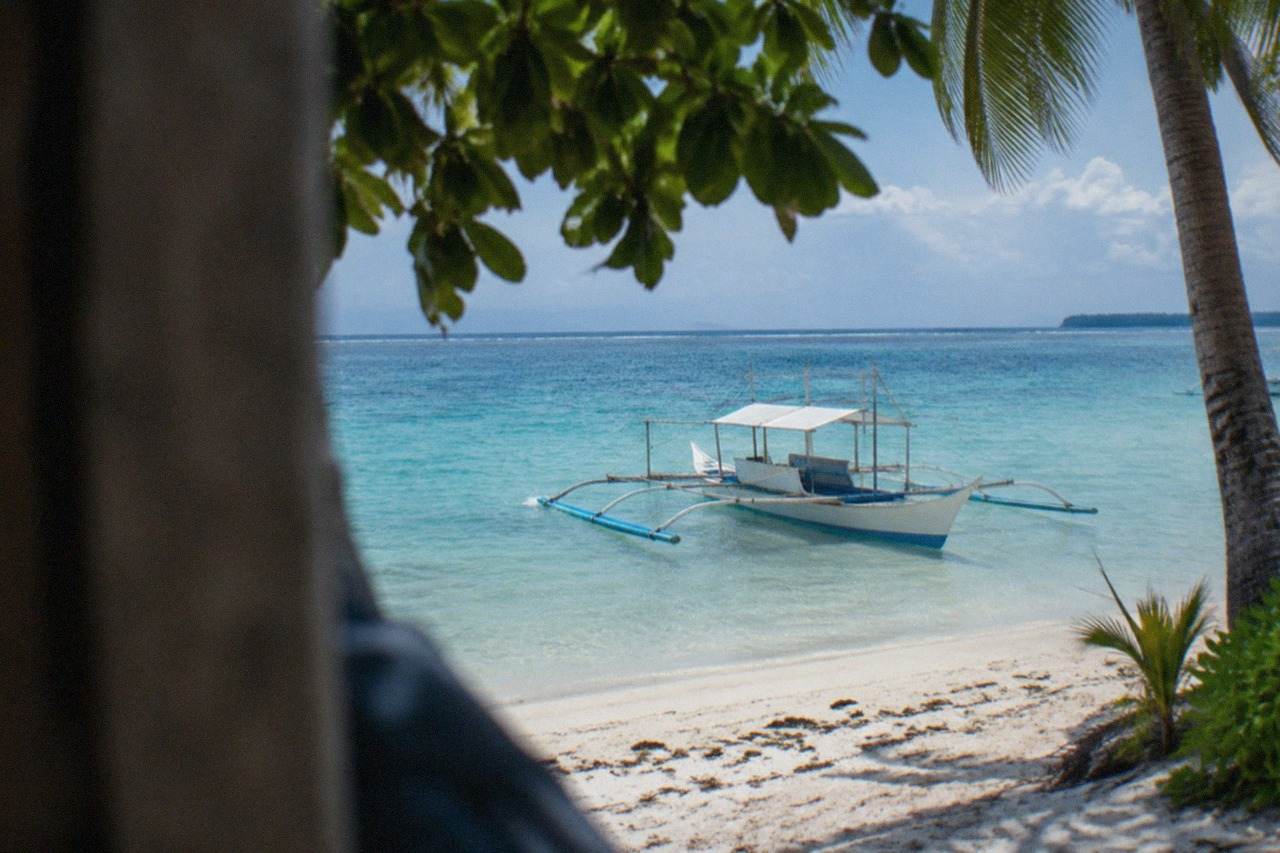
Malapascua Island lies off the northernmost tip of Cebu Island, in the Visayan Sea north of Cebu City, and the only access is by a short outrigger boat ride from Maya port on the Daanbantayan coast. There is no airport and no car ferry on the island itself, so every visitor arrives by banca boat from Maya. Travelers coming from Cebu City make a long overland journey north through towns such as Bogo before reaching the port, which is why most people treat it as an overnight destination.
The geography matters for planning. Malapascua is genuinely remote by Cebu standards: the island sits across a narrow channel from Daanbantayan municipality, and the road journey from Cebu City to Maya is one of the longest drives in the province. The island itself is small enough to walk around, with a village core near the main beach and dive resorts strung along the shoreline. There are no cars to speak of, and everything moves on foot or by boat.
The port situation has one recent wrinkle worth knowing. On 30 September 2025 a magnitude 6.9 earthquake struck offshore northern Cebu, with the epicentre about 19 kilometres from Bogo City, and the north of the province absorbed damage to coral-stone heritage churches and some infrastructure. The Department of Tourism confirmed in late October 2025 that Malapascua remained open to tourists and that the Maya and Kawit ports were fully operational, while some establishments in San Remigio were still awaiting clearance at that time. If your itinerary includes northern Cebu beyond the island, check current conditions for the mainland towns.
At Maya port, arriving visitors pay an environmental and terminal fee in the range of P95 (about US$1.5) to P140 (about US$2.2), with the higher end applying to foreign visitors. Carry cash in small notes: the fee booths and the boat operators do not take cards, and the nearest reliable ATM is back on the mainland.
What Is Malapascua Island Known For?
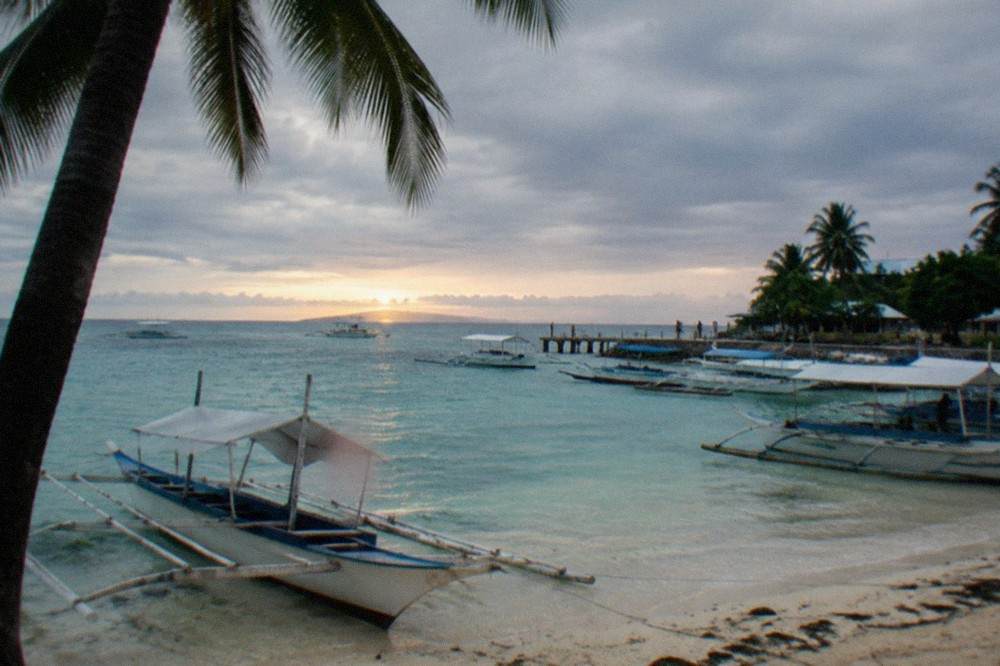
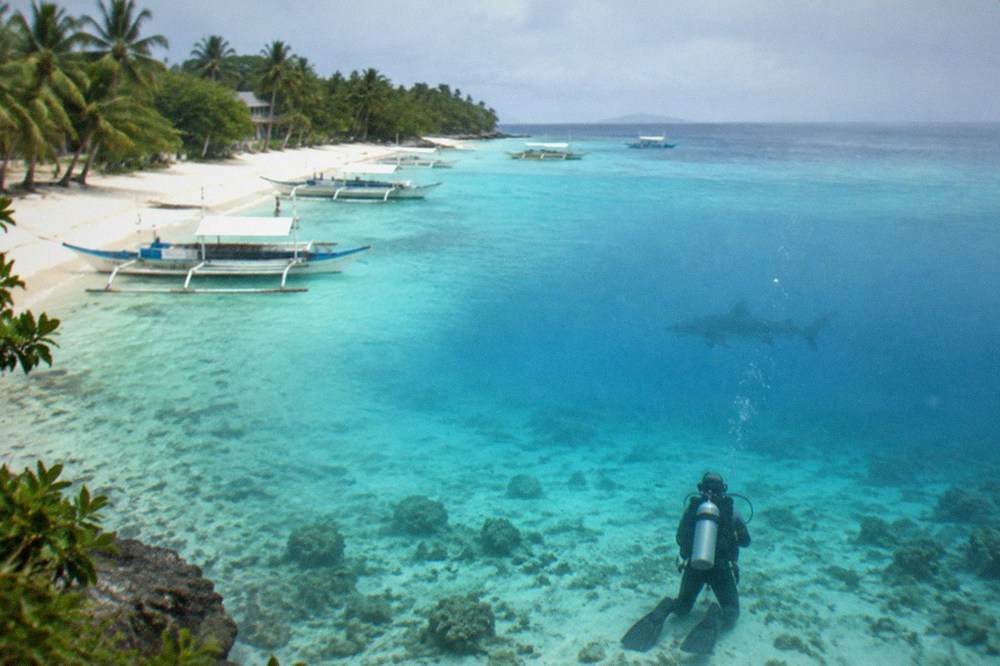
Malapascua Island is known for one thing above all: it is the premier place in the Philippines, and one of the few in the world, to see pelagic thresher sharks on a regular basis. The sharks visit the shoals off the island to be cleaned by smaller fish, most reliably in the early morning, and dive shops run dedicated dawn trips to encounter them. The main site for these encounters has shifted in recent years from Monad Shoal to Kimud Shoal, which is where most thresher sightings now happen.
The shift to Kimud Shoal is the detail most general guides miss. Older articles still describe Monad Shoal as the thresher site, but current reporting from the dive community places most thresher activity at Kimud, with Monad now secondary and better known for tiger shark sightings. When you book, ask the shop which shoal their early-morning trip targets, because the answer tells you how up to date their briefing is. The sharks are wild animals and sightings are never guaranteed, but the dawn timing exists because that is when cleaning behaviour peaks.
The sharks themselves are remarkable animals. Pelagic threshers grow to several metres in length, counting the long tail fin that gives the species its name, and they are shy, open-water hunters that rarely approach divers closely. The encounter is a respectful one at distance: you kneel on or near the seabed at cleaning-station depth while the sharks circle in the blue. Photography is possible but the low dawn light and the animals' wariness make it a challenge.
Beyond the sharks, Malapascua has built a genuine dive-town culture, closer in feel to a small Indonesian or Thai dive island than to resort-driven Mactan. The village has a walkable core of dive shops, simple eateries and guesthouses, and the pace is slow. For the wider picture of diving across the province, see the Cebu diving guide, and for the sharks themselves in detail, the Malapascua thresher sharks attraction page.
Can You See Thresher Sharks On A Malapascua Day Trip?
A day trip from Cebu City to Malapascua is possible but punishing, because the overland drive to Maya port and the boat crossing eat most of the day, and the thresher dives happen at dawn, which requires being on the island the night before. Most divers who actually want to see the sharks stay at least one night on Malapascua and take the early-morning dive from a local shop. A structured day tour makes sense for travellers who want the island and its neighbours without organising boats themselves.
That is the honest arithmetic of the destination. The dawn window for the sharks is roughly the same hour you would still be driving north if you left Cebu City in the morning. An overnight stay flips the problem: you sleep on the island, wake before sunrise, dive, and then have the whole day for beaches, a second dive, or a trip to nearby Kalanggaman Island, the sandbar island that has become a favourite add-on from Malapascua.
For travellers who want the logistics handled end to end, there are bookable options that cover the long transfer and the boats. The Kalanggaman and Malapascua day tour with private transportation pairs the two islands in a single, very long day, with the operator's live listing carrying the current price and availability.
If your priority is the sharks rather than the sandbar, plan the overnight version instead: the Malapascua day trip guide covers the single-day plan for travellers who cannot stretch to a night, but the dive shops themselves will tell you the dawn trips belong to those sleeping on the island.
What Does Diving On Malapascua Cost?
Diving on Malapascua is priced per dive with local shops, and every diver also pays marine park and environmental fees on top of the dive fee itself, charged per day or per dive depending on the site. There is no single official tariff for the island, so the figures below are planning ranges drawn from current reporting on the island's dive scene rather than a published price list. Confirm the exact split with your shop when you book.
In numbers, a single dive typically runs P1,800 (about US$29) to P2,000 (about US$32), and the marine park and environmental fees come to roughly P100 (about US$1.6) to P300 (about US$4.8) per day or per dive. The dawn thresher trip is usually priced as a standard dive plus any early-morning surcharge the shop applies.
The fee structure is worth understanding before you budget. The dive fee itself covers the boat, guide, tank and weights. The marine park and environmental fees are separate, collected for the sanctuaries and shoals around the island, and they can be levied per day or per dive depending on the site and the shop's arrangement. Kit rental, if you are not travelling with your own gear, adds more, and nitrox where available adds again.
| Cost item | Typical range | Notes |
|---|---|---|
| Single dive with a local shop | P1,800 (about US$29) to P2,000 (about US$32) | Boat, guide, tank and weights usually included |
| Marine park / environmental fee | P100 (about US$1.6) to P300 (about US$4.8) | Charged per day or per dive depending on site |
| Maya port environmental / terminal fee | P95 (about US$1.5) to P140 (about US$2.2) | Higher end applies to foreign visitors |
| Kit rental | Set by each shop | Confirm at booking; not covered by the dive fee |
Two practical notes on money. First, everything on Malapascua runs on cash, and the island's ATM situation is unreliable enough that divers are routinely advised to bring pesos from the mainland. Second, if you are combining Malapascua with diving elsewhere in the province, the fee logic differs by destination: at Moalboal a P100 (about US$1.6) environmental user fee covers swimming and snorkelling at Panagsama, and Pescador Island dives carry their own fee, as detailed on the Pescador Island page.
Certification matters here more than at many Philippine sites. The thresher dives are deep, in open water, at dawn, and shops will check cards and logbooks. If you are newly certified, the island's shallower reef sites are the better first day, with the shoals saved for when you have the depth rating and the comfort.
What Else Is There To Do On Malapascua Island Besides Diving?
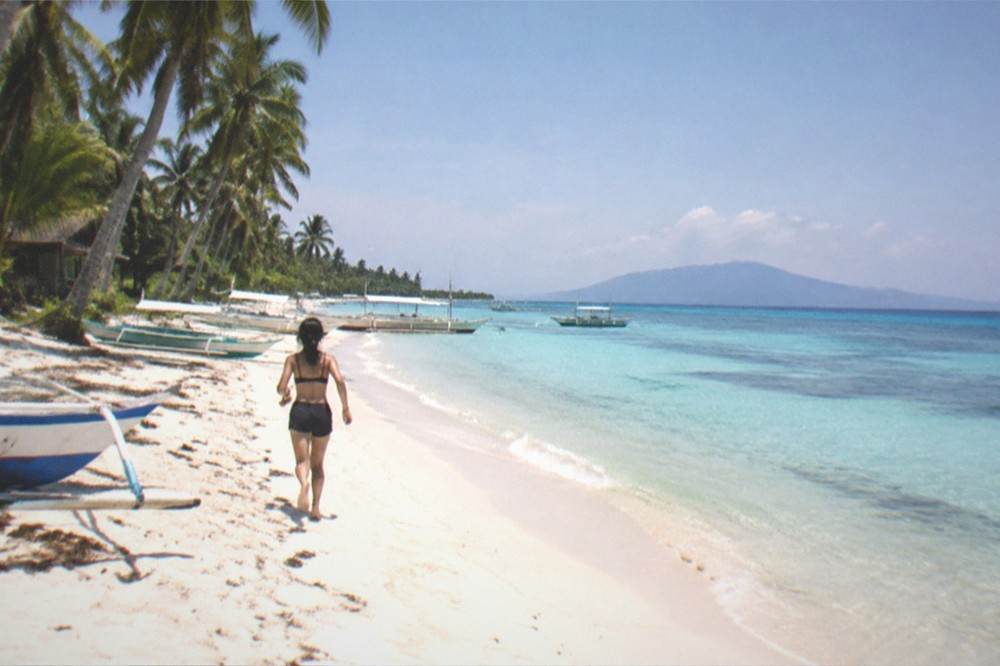
Malapascua Island offers white-sand beaches, snorkelling over shallow reefs, island-hopping trips to nearby Kalanggaman and its famous sandbar, sunset walks along the west coast, and a slow village life that rewards travellers who stay a second day. The island is small enough that none of this requires transport beyond your own feet or a hired banca, and the beaches are the main draw for non-divers. Bounty Beach is the main swimming stretch near the resorts, and the island's west side faces open water with the better sunsets.
For a tiny island, the day-trip menu is surprisingly full. Kalanggaman Island, with its long sandbar spilling into clear water, is the headline excursion, reached by boat from Malapascua and usually done as a half or full day. Closer to home, snorkelling over the house reefs costs a fraction of a dive and works for mixed groups where only some people dive. On land, there is a small lighthouse at the island's north end and a network of sandy paths through the village that make an easy walking circuit.
Non-diving companions are well catered for, which is not true of every dive destination. A group can split for the morning: divers on the dawn boat, everyone else on the beach, then reunite for a shared afternoon trip. Families with children should note that the boat rides to Kalanggaman cross open water and can be bumpy in the wrong season, so check conditions on the day.
If you are building a wider Cebu trip around the island, the north pairs naturally with Bantayan Island, the larger, beach-focused island further west, covered in the Bantayan Island area guide and the Bantayan day trip plan. Travellers mixing the north with adventure sports further south sometimes add the Danasan eco park day pass, which the listing prices on its own page.
Where To Stay On Malapascua Island?
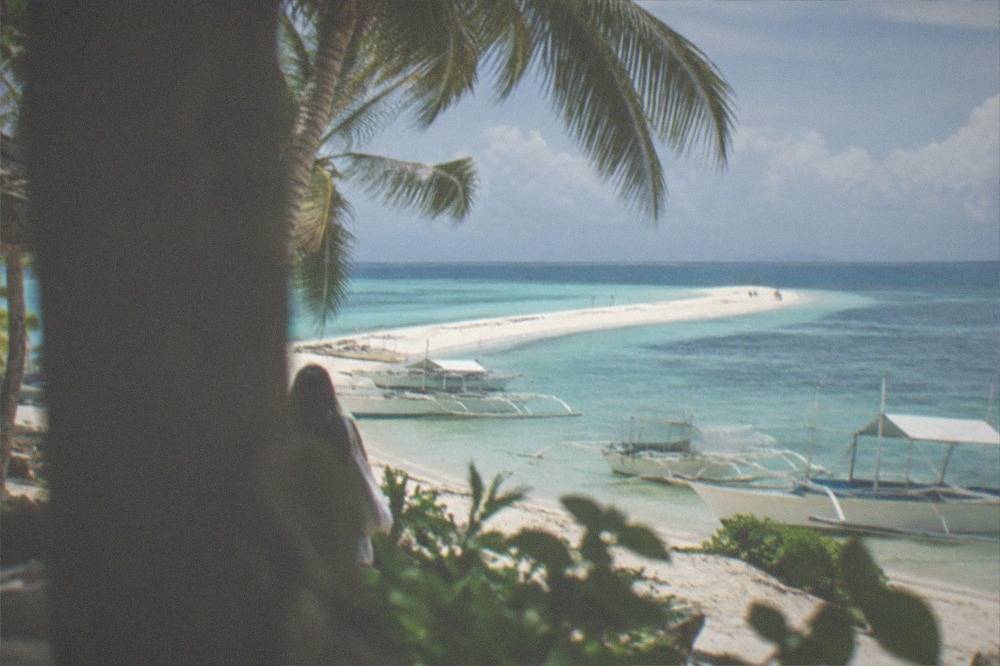
Malapascua's accommodation runs from budget fan rooms in the village to dive-focused resorts along Bounty Beach, with most properties small, independent and built around the dive shops they either own or partner with. The island has no large international resorts, and the choice is less about star ratings than about location: staying near the main beach puts you minutes from the dive boats, while the quieter stretches east and north trade convenience for calm. Book ahead for the dry-season months, because the island's room stock is small.
The dive-resort model dominates for good reason. A resort that bundles accommodation, diving and transfers solves the island's coordination problems in one transaction, and the shop will manage your dawn departure times. Independent guesthouses in the village cost less and suit travellers who book dives separately or skip them entirely. Whatever you choose, confirm whether the quoted rate includes the boat crossing from Maya and the port fees, because policies differ.
| Stay type | Best for | Trade-offs |
|---|---|---|
| Dive resort on the main beach | Divers on a thresher mission | Higher rates; books out early in dry season |
| Village guesthouse | Budget and longer stays | Fan rooms common; a short walk to the boats |
| Quieter north or east stretch | Couples and rest-seekers | Fewer eateries nearby; boat pickups less frequent |
| Mainland Daanbantayan base | One-night stopovers only | You lose the dawn dive window on the island |
One caution belongs here. The September 2025 earthquake hit northern Cebu infrastructure, and while Malapascua was confirmed open with Maya port operational, a handful of mainland establishments were still awaiting clearance weeks later. It costs nothing to message your chosen property directly before travelling and confirm current operations, and it protects the dawn-dive plan from a mainland surprise.
When Is The Best Time To Visit Malapascua Island?
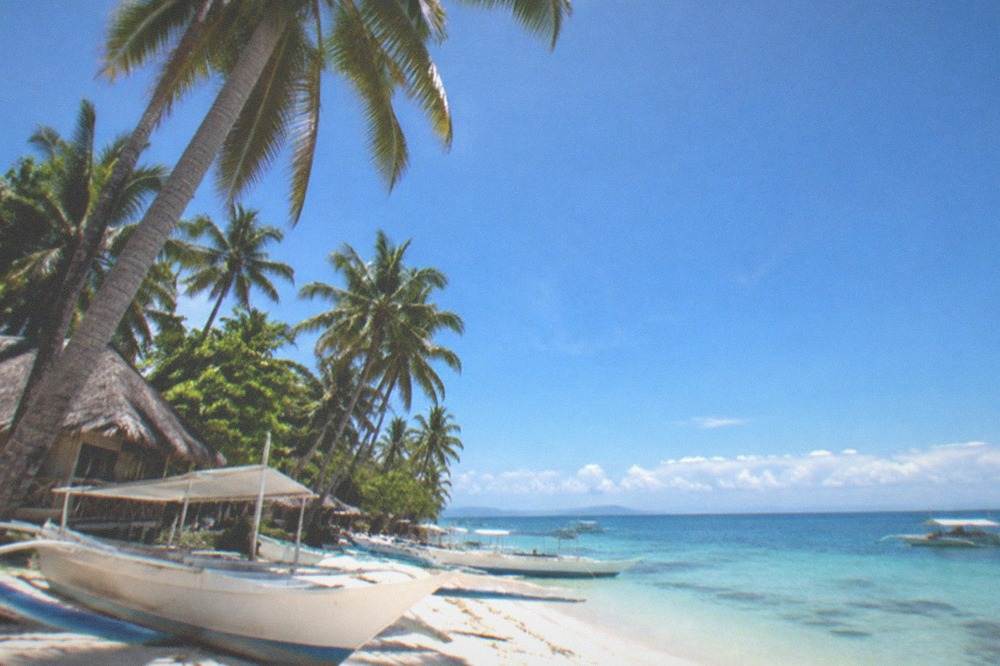
The best time to visit Malapascua Island is the dry season from December to May, when Cebu's weather is settled, seas are calmer for the Maya crossing and the Kalanggaman boats, and visibility for diving is at its best. The rainy season from June to November brings the typhoon-risk months, with peak cyclone activity roughly July to October, and boat crossings can be suspended when the Philippine Coast Guard raises warnings. Thresher sharks are resident year-round, so the sharks do not dictate the season, the weather does.
PAGASA's national rule for the Philippines puts the rainy season from June to November and the dry season from December to May, and northern Cebu sits squarely inside that pattern. The Mactan station's 1991-2020 normals, the closest long-term record for the province, show the driest months in late winter and spring and the wettest clustered from June through October. For an island reached by small boat, sea state matters as much as rainfall: a crossing that is trivial in March can be cancelled outright in a September squall.
| Period | Conditions on Malapascua | Planning note |
|---|---|---|
| December to February | Cool dry season, calm seas | Peak season; book rooms and dives early |
| March to May | Hot dry season, best visibility | Strong sun; the driest months of the year |
| June to August | Rainy season begins, typhoon risk builds | Cheaper, quieter; crossings weather-dependent |
| September to November | Peak typhoon months in the Visayas | Highest chance of suspended boat trips |
The year-round shark claim deserves one honest footnote. Sightings depend on the sharks, and while threshers are seen in every month, no operator can guarantee an encounter on any given morning. What the season controls is whether the boat sails at all, not whether the shark appears.
Malapascua Or Bantayan: Which Northern Cebu Island Suits You?
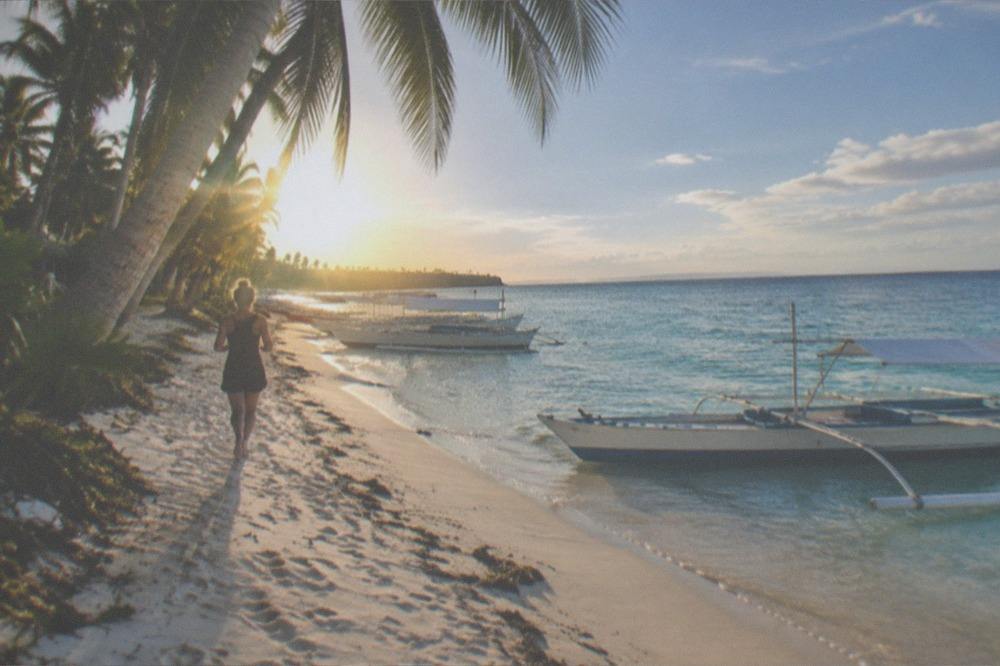
Malapascua suits divers and travellers chasing one specific underwater encounter, while Bantayan Island, further west off the same northern Cebu coast, suits beach-focused visitors who want wide sand, easy cycling and a slower, cheaper island without dive logistics. The two islands are close enough to combine in one northern trip, and many travellers split a week between them, taking the sharks first and the beaches after. If you do not dive at all, Bantayan is the better fit.
The choice is really about what the north of Cebu is for. Malapascua's beaches are pleasant but secondary; the island's identity is the dawn boat and the shoals offshore. Bantayan is the inverse: its beaches are the headline, the interior is flat and cyclable, and the Santa Fe strip has the fuller range of stays and eateries. Both share the same access logic, a long drive north from Cebu City and a short boat, so the travel effort is roughly equal.
| Factor | Malapascua Island | Bantayan Island |
|---|---|---|
| Main draw | Thresher shark dives at Kimud Shoal | Broad white-sand beaches around Santa Fe |
| Best for | Divers and underwater photographers | Families, beach days, budget stays |
| Atmosphere | Compact dive village | Larger island, more spread out |
| Access boat | From Maya port, Daanbantayan | From Hagnaya port, San Remigio |
| On-arrival fees | Maya environmental / terminal fee | Hagnaya terminal fee plus Santa Fe eco fee |
There is also a middle path. Some travellers base in Bantayan and day-trip toward the Malapascua side, or the reverse, though the ports are on different mainland coasts and the connecting road takes time. The simplest plan remains an overnight on Malapascua for the sharks, a ferry-and-road transfer to Bantayan for the beaches, and the drive back to Cebu City at the end. For contrast with the province's urban side, the Mactan area guide covers the resort coast near the airport.
Travellers who want the north paired with a very different kind of day out sometimes add a south-Cebu adventure before or after, and the Kawasan Falls and Osmeña Peak combination tour is the classic pairing, with its price shown on the operator's listing.
How Many Days Do You Need For Malapascua Island?
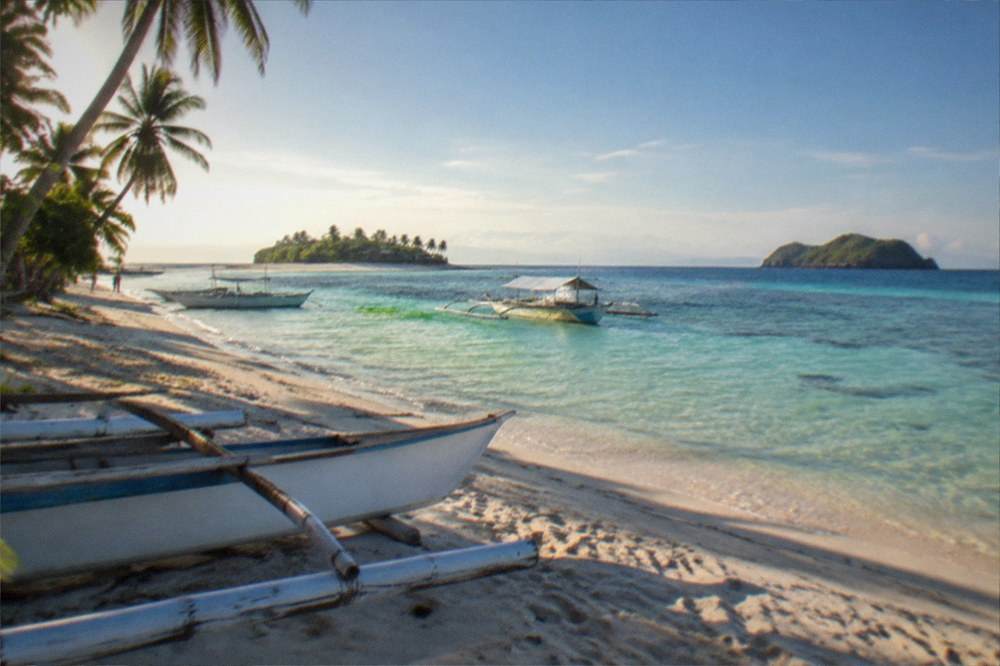
Two nights is the practical minimum for a Malapascua trip built around the thresher sharks: one night to be on the island before the dawn dive, and a second to absorb the cost of the long transfer with a beach day, a Kalanggaman trip or more diving. One night works only for divers comfortable with a very compressed schedule, and a day trip from Cebu City works for the beaches and the boat ride but not for the sharks, which demand a dawn start from the island itself.
The arithmetic is unforgiving in both directions. The drive north and the crossings consume the better part of a day, so a one-night trip gives you one dawn dive and little else. Two nights give you two dawns, which doubles your shark chances and leaves room for a Kalanggaman excursion or a lazy afternoon. Three nights is the sweet spot for dive-focused visitors who want multiple shoal dives plus the reefs.
For the wider question of fitting the north into a Cebu itinerary, the things to do in Cebu overview places Malapascua in context with the south-Cebu highlights, and the Camiguin from Cebu plan covers the onward island options for travellers continuing north.
Common Questions About Malapascua Island
Where is Malapascua Island?
Malapascua Island lies off the northernmost tip of Cebu Island in the Philippines, across a narrow channel from Daanbantayan municipality on the mainland. It is reached by outrigger boat from Maya port, and there is no airport or car ferry on the island.
What is Malapascua Island famous for?
Malapascua is famous as the Philippines' premier thresher shark diving destination. Pelagic thresher sharks visit the shoals offshore, most reliably at dawn, and the main sightings now happen at Kimud Shoal rather than the historically cited Monad Shoal.
How do you get from Cebu City to Malapascua Island?
You travel overland from Cebu City north through towns such as Bogo to Maya port on the Daanbantayan coast, then take a short outrigger boat crossing to the island. The drive is one of the longest in the province, which is why travelers often choose to stay at least one night.
How much does it cost to dive with thresher sharks on Malapascua?
A single dive with a local shop runs about P1,800 (about US$29) to P2,000 (about US$32), with marine park and environmental fees of roughly P100 (about US$1.6) to P300 (about US$4.8) per day or per dive on top. Kit rental and any early-morning surcharge are extra, and there is no official master tariff, so confirm the exact split with your shop.
Can you see thresher sharks on a day trip to Malapascua?
Not realistically. The thresher dives happen at dawn, which requires sleeping on the island the night before. A day trip from Cebu City works for the beaches and a Kalanggaman excursion, but the shark dives belong to overnight visitors.
When is the best time to visit Malapascua Island?
The dry season from December to May, when seas are calm for the crossings and diving visibility is best. The rainy season from June to November carries typhoon risk with peak activity roughly July to October, and boat trips can be suspended when coast guard warnings are raised. The sharks are resident year-round.