Mactan Island
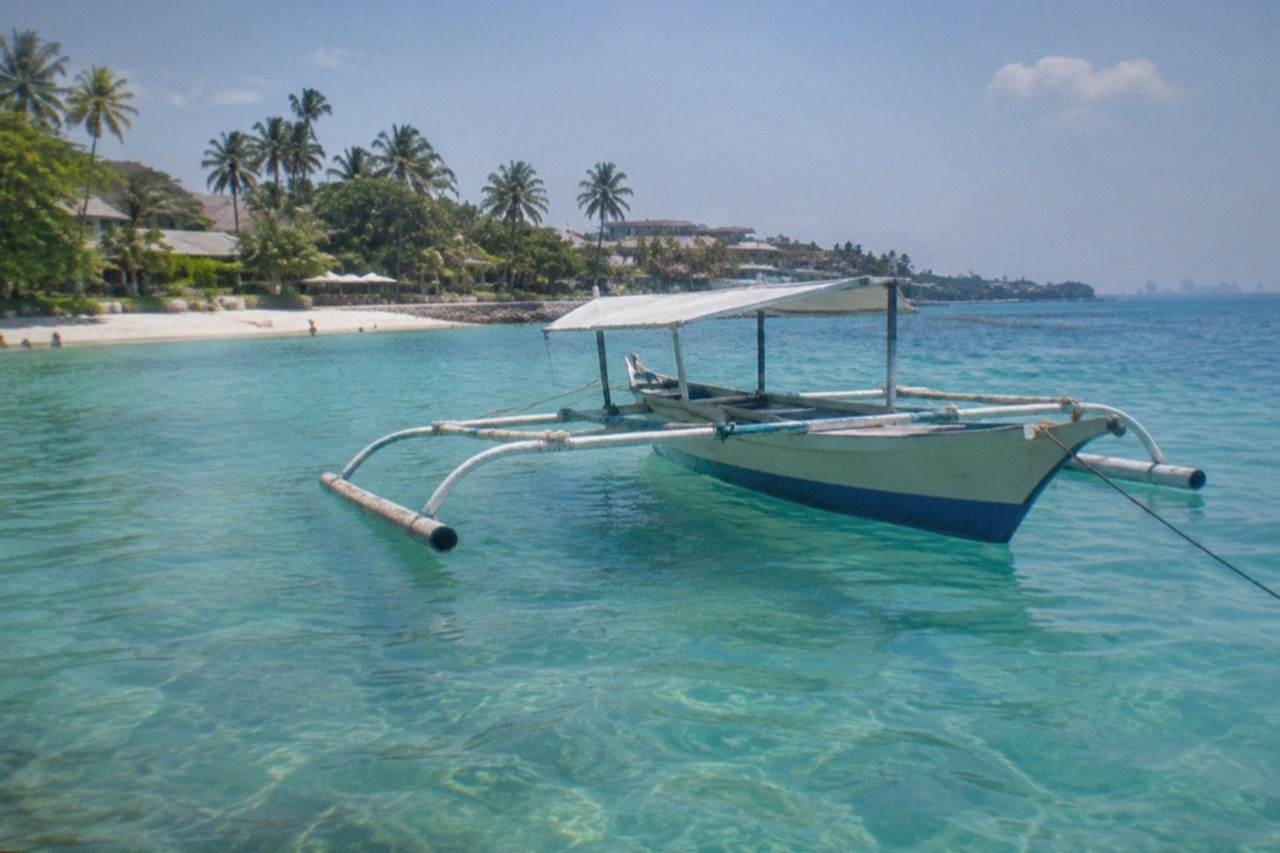
Mactan Island sits just east of Cebu City in the Central Visayas region of the Philippines, home to the international airport, dive sites, beach resorts and the site of the Battle of Mactan.
Short answer
Mactan Island is the resort and airport island of Cebu, Philippines, connected to Cebu City by three bridges, with beach clubs, marine sanctuaries and the Lapu-Lapu Shrine.
Mactan Island, in Cebu Province in the Central Visayas region of the Philippines, is the island many travellers touch first whether they realise it or not: Mactan-Cebu International Airport sits on its northern shore. The island belongs administratively to Lapu-Lapu City, one of the three highly urbanized cities of metro Cebu, and it is joined to the mainland by three road bridges across the Mactan Channel. It is at once the practical gateway to Cebu and a destination in its own right, with beach resorts, marine sanctuaries, watersports and the monument to Lapu-Lapu, the chieftain whose forces defeated Ferdinand Magellan here on 27 April 1521.
Where Is Mactan Island And What Is It Known For?
Mactan Island lies in the Mactan Channel immediately east of Cebu City, within Lapu-Lapu City in the Central Visayas region of the Philippines, and it is known for three things above all: Mactan-Cebu International Airport, the beach resorts and dive spots along its coasts, and the Lapu-Lapu Shrine marking the 1521 Battle of Mactan. The island is roughly flat and compact, so a resort on one shore and a heritage site on the other are rarely more than half an hour apart by road.
Lapu-Lapu City counted 497,604 residents at the 2020 census, and the 2024 census put the figure at 497,813, so the city has essentially stopped growing in raw population even as tourism infrastructure keeps expanding. That is worth knowing when you picture the island: this is a dense, working city with an airport, an export processing zone and fishing communities, not a bare sandbar with resorts on it. The beaches are concentrated in strips along the east coast at Maribago, Tambuli and the Hilutungan side, where resort beach clubs front the calm water toward Olango and the smaller islands.
The historical weight of the place is real. When Magellan's fleet arrived in Cebu in April 1521, the local ruler Rajah Humabon accepted baptism, but Lapu-Lapu, the chief of Mactan, refused Spanish overlordship. On 27 April 1521 Magellan led a small force ashore at Mactan and was defeated and killed. The Lapu-Lapu Shrine at Punta Engaño commemorates the battle, and the chieftain's name now sits on the city, on the airport's home island and on fish markets across the country. The city that grew here is covered in its own area page on this site, and for what the whole province is famous for, the Cebu Travel Guide hub pulls it together.
For planning purposes, three facts about Mactan matter more than any others, and the table below gathers them.
| Mactan Island fact | Detail |
|---|---|
| Administrative home | Lapu-Lapu City, an independent highly urbanized city, not under Cebu Province |
| Population | 497,604 (2020 census); 497,813 (2024 census) |
| Airport | Mactan-Cebu International (IATA CEB), Terminal 1 domestic, Terminal 2 international |
| Road links to Cebu City | Mactan-Mandaue (Osmeña) Bridge, Marcelo Fernan Bridge, CCLEX |
| Signature historical site | Lapu-Lapu Shrine, site of the Battle of Mactan, 27 April 1521 |
| Coastal character | Resort strips and marine sanctuaries facing Olango Island and the Camotes Sea |
What Are The Best Things To Do On Mactan Island?
The best things to do on Mactan Island are island hopping to the marine sanctuaries of Hilutungan, Caohagan and Nalusuan, snorkelling and diving off the east-coast resorts, visiting the Lapu-Lapu Shrine and the Mactan shrine area at Punta Engaño, and spending a waterpark or beach-club day at one of the large resort properties along Mactan's coast. The island's compact size means a morning on the water and an afternoon of history fit comfortably into one day.
Island hopping is the single most booked activity based here, and it is easy to see why: a cluster of small islands and protected marine sanctuaries sits directly offshore, close enough that a half-day boat loop covers three of them. The Mactan Cebu Island Hopping with Lunch tour covers Gilutungan, Caohagan and Nalusuan with lunch included, and it is the tour this page recommends most often for first-time visitors. The sanctuaries charge their own entrance fees on top of any boat arrangement: Hilutungan runs about P150 (about US$2.4) to P200 (about US$3.2) per person and Nalusuan about P100 (about US$1.6) to P300 (about US$4.8) depending on the activity, figures that shift with local management, so confirm on the day. Lapu-Lapu City also levies an environmental fee for island hopping, P100 (about US$1.6) for foreign tourists and, since a July 2025 amendment, P20 (about US$0.3) for local tourists.
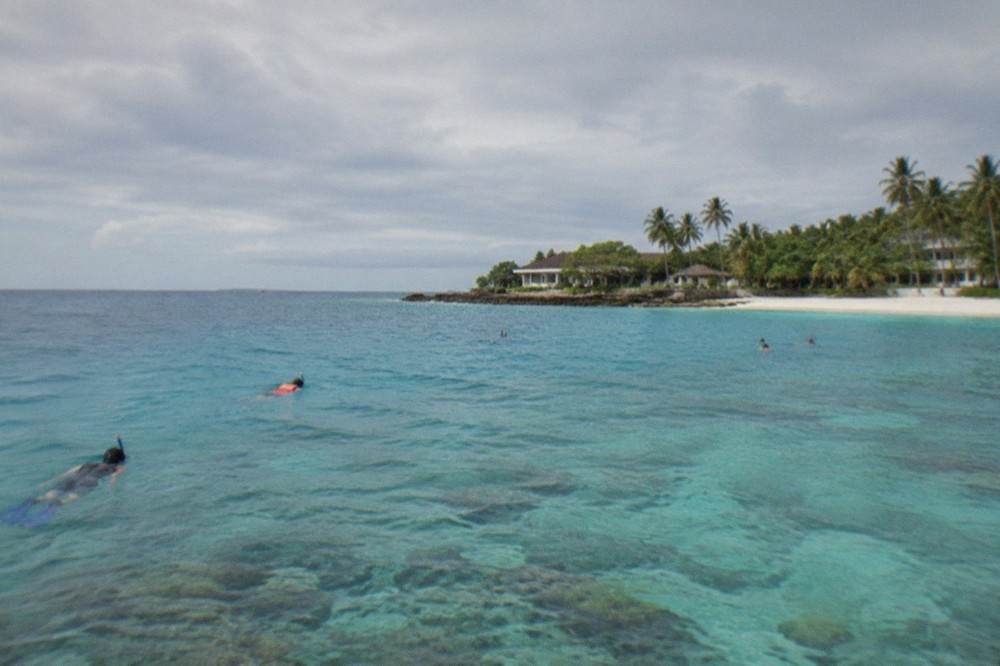
Below the surface, Mactan is one of the easier places in the Philippines to dive. The sanctuaries around the island hold healthy coral and predictable fish life, and the calm, sheltered water makes it a common place for open-water training dives. For the wider dive picture across the province, including the sardine run at Moalboal and thresher sharks at Malapascua, the site's dive pages cover each site in detail.
On land, the heritage cluster at Punta Engaño, the souvenir markets of the Mactan shrine area and the furniture workshops the island is known for locally fill a half day easily. Mactan has long been associated with guitar-making, and workshops along the main road sell handmade instruments to visitors. For a full rundown of options beyond this island, see the site's root things to do in Cebu page.
The table below sets out the main activity types on the island with the fee figures that are verified for each.
| Activity on Mactan Island | What it involves | Verified fee figures |
|---|---|---|
| Island hopping (Hilutungan, Caohagan, Nalusuan) | Boat loop with snorkelling stops at marine sanctuaries | Lapu-Lapu environmental fee P100 (about US$1.6) foreign / P20 (about US$0.3) local; Hilutungan sanctuary about P150 (about US$2.4)-P200 (about US$3.2); Nalusuan about P100 (about US$1.6)-P300 (about US$4.8) |
| Snorkelling and diving | Reef sites inside the sanctuaries off the east coast | Sanctuary fees as above; dive packages priced per operator |
| Lapu-Lapu Shrine visit | Monument and Battle of Mactan site at Punta Engaño | Heritage site; no verified entrance fee |
| Olango Island bird watching | Boat trip to the Ramsar-listed wildlife sanctuary next door | Entrance P100 (about US$1.6) foreigner, P30 (about US$0.5) Filipino adult |
| Waterpark day | Resort waterpark day access on the east coast | Product price on the operator's live listing |
How Do You Get To And Around Mactan Island?
Almost every visitor arrives through Mactan-Cebu International Airport, which sits on the island itself: Terminal 1 handles domestic flights and Terminal 2, opened 1 July 2018, handles international flights, and the whole airport has been operated since 16 January 2025 by Aboitiz InfraCapital Cebu Airport Corporation under a public-private partnership. From the airport, Cebu City is about 13 to 15 km away by road, typically 25 to 60 minutes depending on bridge traffic. A second runway opened on 30 January 2025.
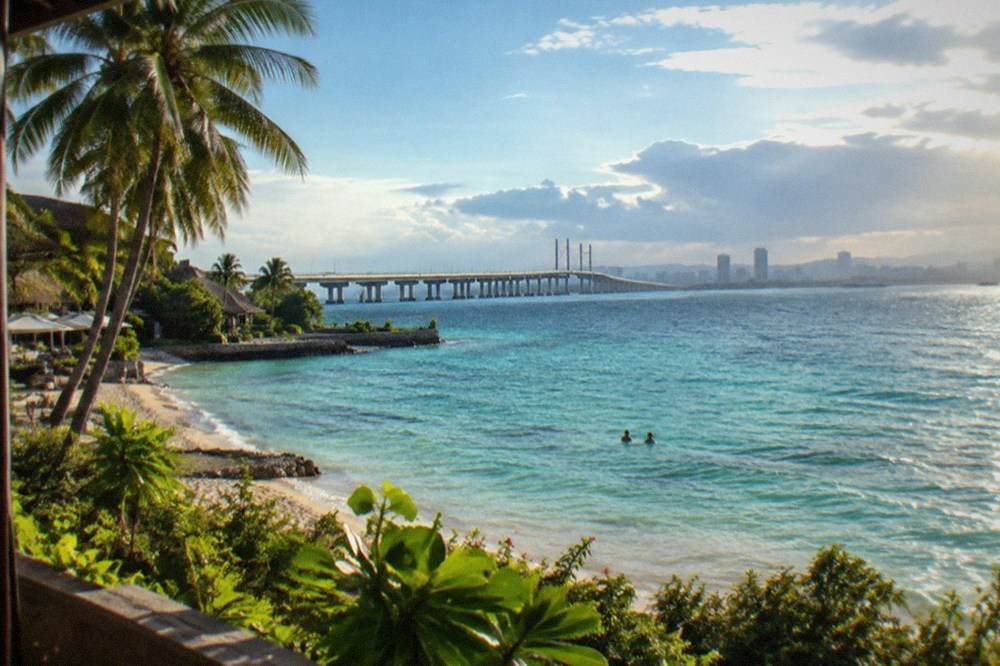
Because the airport is already on Mactan, the usual question runs the other way: how to get from the island into Cebu City, or from the city out to the resorts. Three road crossings connect them. The Mactan-Mandaue (Osmeña) Bridge and the Marcelo Fernan Bridge are the older pair, and the Cebu-Cordova Link Expressway (CCLEX), opened 30 April 2022, is the third at 8.9 km, the longest bridge in the country. CCLEX tolls for a Class 1 car are P107 (about US$1.7) one way, with P68 (about US$1.1) for smaller motorcycles, P214 (about US$3.4) for Class 2 and P321 (about US$5.1) for Class 3. A fourth bridge between Paknaan in Mandaue and Ibo in Lapu-Lapu remains at the pre-construction stage, with relocation of about 205 families in Paknaan still unresolved.
From the airport itself, the verified ground options are straightforward. MyBus runs the SM City Cebu to Parkmall to MCIA route for P30 (about US$0.5) to P50 (about US$0.8) depending on distance, roughly 6:00 AM to 9:00 PM from the SM side and 7:00 AM to 10:00 PM from the airport, plus a separate 24/7 Lapu-Lapu Public Market route. Yellow airport taxis flag down at about P70 (about US$1.1), and white metered city taxis at about P40 (about US$0.6) plus around P14 (about US$0.2) per kilometre. Grab lists Cebu among its Philippine service cities and operates across the island. The full arrival walkthrough, including terminal layout and transfer timing, lives in the Cebu airport guide.
| Getting around | Route or detail | Verified figure |
|---|---|---|
| MyBus | SM City Cebu - Parkmall - MCIA, both directions daily | P30 (about US$0.5) to P50 (about US$0.8) depending on distance |
| Yellow airport taxi | Flag-down at MCIA arrivals | About P70 (about US$1.1) |
| White metered taxi | Flag-down, then per kilometre | About P40 (about US$0.6) plus about P14 (about US$0.2) per km |
| CCLEX toll, Class 1 car | Cebu City to Cordova, one way | P107 (about US$1.7) |
| CCLEX toll, Class 1M motorcycle | Small motorcycles, one way | P68 (about US$1.1) |
| CCLEX toll, Class 2 / Class 3 | Vans and trucks, one way | P214 (about US$3.4) / P321 (about US$5.1) |
If your time on Mactan is short and you want both the water and the history in one organised day, the island-hopping product below is the one that fits the island's geography best.
It bundles the boat, the lunch and the sanctuary logistics into a single booking, which removes the cash juggling described further down this page.
Where Should You Stay On Mactan Island?
The best place to stay on Mactan Island is along the east-coast resort strips at Maribago and Tambuli if you want beach clubs, snorkelling and boat trips at your door, or near the airport and the bridge approaches if your priority is a fast transfer or early ferry departure. Staying on Mactan rather than in Cebu City trades nightlife and heritage walkability for calm water and resort facilities, and the two are only a bridge apart.
This trade-off is the single most common decision visitors make, and it deserves a clear-eyed summary. Cebu City holds the heritage sites, the shopping, the restaurants and the nightlife; Mactan holds the beaches within metro Cebu, the dive shops and the airport. The site's dedicated comparison, Mactan vs Cebu City stay, works through it in detail. The short version: families, divers and short-layover travellers default to Mactan; culture and food travellers default to the city.
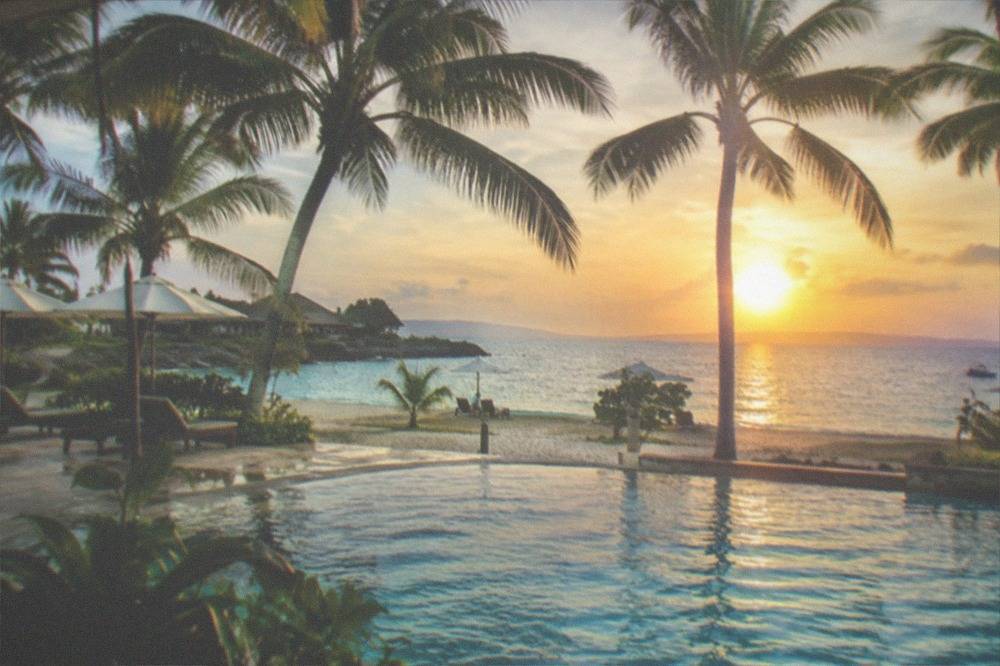
Within the island, the practical geography splits into three zones. The northeast around the airport is functional: hotels aimed at transit passengers, with the bridges and the terminals minutes away. The east coast from Maribago southward is the resort belt, where most of the large properties, beach clubs and waterparks sit, and where island-hopping boats depart each morning. The south around Cordova, at the CCLEX landfall, is quieter and more residential, useful if you want a villa or a rental rather than a resort. For the beach question specifically, the Mactan Cebu beaches guide ranks the swimming options along the coast.
What Does A Day On Mactan Island Cost?
A day on Mactan Island costs very little at the fee level, because the fixed charges are small, city-regulated ones: a Lapu-Lapu environmental fee for island hopping, a sanctuary entrance collected at each snorkel stop, and inexpensive bus fares across the bridge. Together those fixed items come to well under the price of a single tour ticket in many destinations. The variable costs are the boat, the guide and any resort day pass, and those are where the budget actually flexes.
The peso figures behind that summary are small but numerous, and they stack in cash. An island-hopping day for a foreign visitor typically means the city environmental fee of P100 (about US$1.6) plus a sanctuary entrance at each stop, Hilutungan about P150 (about US$2.4) to P200 (about US$3.2) and Nalusuan about P100 (about US$1.6) to P300 (about US$4.8), while local tourists pay a reduced environmental fee of P20 (about US$0.3) following the July 2025 amendment. Cross the bridge on MyBus and the fare runs P30 (about US$0.5) to P50 (about US$0.8). A resort beach-club or waterpark day pass replaces the boat entirely and prices at whatever the operator's live listing says. Tour products that bundle boat, lunch and fees remove the cash juggling, which is part of what you are paying for.
| Cost item on Mactan | Who charges it | Verified figure |
|---|---|---|
| Island-hopping environmental fee (foreign tourist) | Lapu-Lapu City | P100 (about US$1.6) |
| Island-hopping environmental fee (local tourist) | Lapu-Lapu City, cut in July 2025 | P20 (about US$0.3) |
| Hilutungan sanctuary entrance | Sanctuary management | About P150 (about US$2.4) to P200 (about US$3.2) |
| Nalusuan sanctuary entrance | Sanctuary management | About P100 (about US$1.6) to P300 (about US$4.8) |
| Olango Wildlife Sanctuary (foreigner / Filipino adult) | Sanctuary | P100 (about US$1.6) / P30 (about US$0.5) |
| MyBus airport transfer | MyBus | P30 (about US$0.5) to P50 (about US$0.8) |
What Is The Weather Like On Mactan Island?
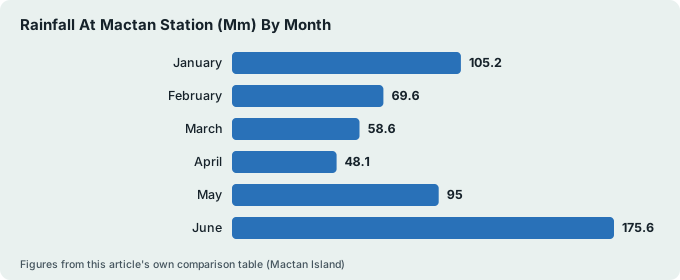
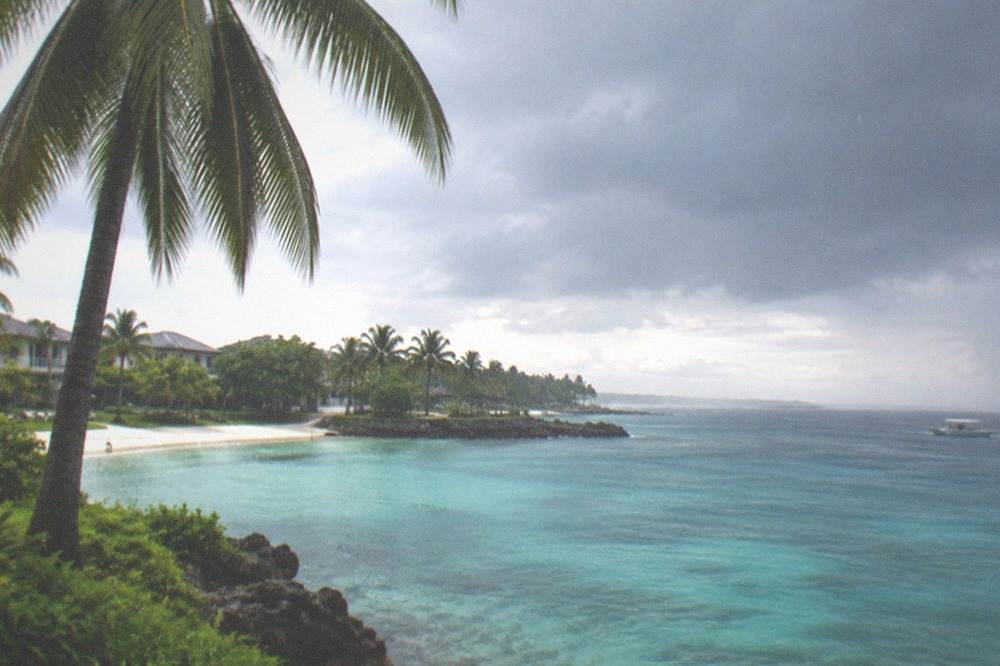
Mactan Island has a tropical climate with a dry season from December to May and a rainy season from June to November, per PAGASA's national classification, and the Mactan station's 1991-2020 normals show 1,685.0 mm of rain across 138 rain days a year with a mean temperature of 28.1 C. April is the driest month at 48.1 mm and October the wettest at 194.8 mm, so the shoulder months give the best balance of sun and thin crowds.
The island sits on the sheltered channel side of Cebu, which softens the practical effect of the wet season: rain often arrives as intense afternoon or overnight spells rather than all-day gloom, and boat operations to the sanctuaries run year-round when the coast guard has not raised a suspension. The real weather risk in the region is typhoon season, June to November, with peak activity roughly July to October; Typhoon Tino (international name Kalmaegi) in early November 2025 brought severe flooding to Cebu, a reminder that the "ber" months carry real landfall risk in the Visayas. The site's seasonal pages work through the timing question in full.
| Month | Rainfall at Mactan station (mm) | Month | Rainfall at Mactan station (mm) |
|---|---|---|---|
| January | 105.2 | July | 192.9 |
| February | 69.6 | August | 143.5 |
| March | 58.6 | September | 179.6 |
| April | 48.1 | October | 194.8 |
| May | 95.0 | November | 161.9 |
| June | 175.6 | December | 139.7 |
What Can You Visit Beyond Mactan Island?
The best places to visit beyond Mactan Island are Olango Island and its Ramsar-listed wildlife sanctuary immediately to the east, the diving and beach destinations of the wider province reached by road or ferry, and Bohol across the Bohol Strait, reachable by fastcraft from Cebu in about two hours. Mactan works well as a base for all of them because the airport, the bridges and the boat docks are all within a few kilometres of each other.
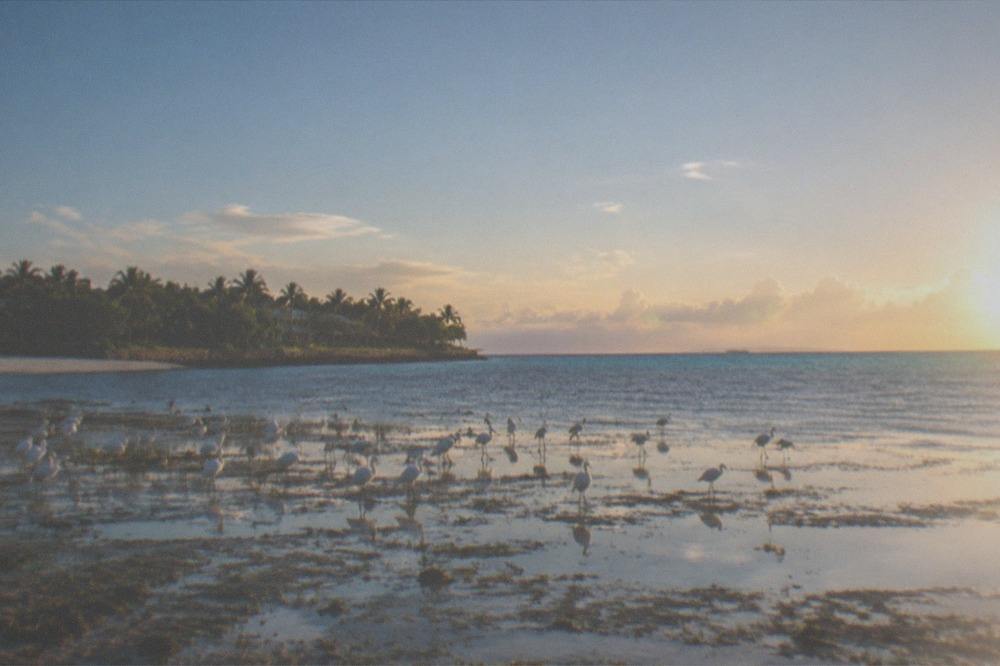
Olango is the obvious first step. The island group next door holds the Olango Island Wildlife Sanctuary, a 5,800-hectare Ramsar site designated on 1 July 1994, the first in the Philippines, where more than 60 migratory shorebird species rest and feed between September and March. A dedicated Olango Island bird watching page covers the sanctuary, and an organised bird-watching and snorkelling day trip runs from Cebu. Further out, the province's headline destinations, from Malapascua Island to Bantayan Island and the marine sanctuary at Sumilon, all start with a road transfer from the Mactan side of the metro.
For a second full-day option that stays on the water, the smile-hopping day trip below runs a longer island loop with a strong review record.
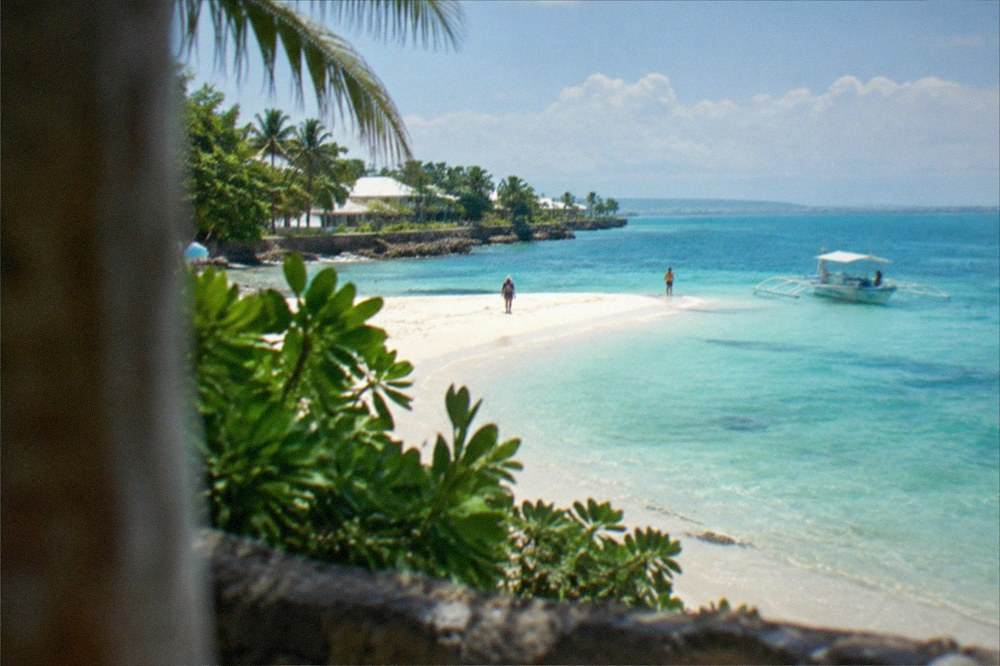
If you would rather use Mactan as a springboard for an overnight elsewhere, the Bantayan day trip and the Camiguin from Cebu pages lay out the transport chains, and the Moalboal town area guide covers the southwest coast base for the sardine run and Kawasan canyoneering. The most common framing of whether the island merits a stop in its own right is answered in the site's reader-question pages on Mactan's reputation and its worth as a standalone visit.
Common Questions About Mactan Island
These are the questions readers ask most often about Mactan Island in Cebu, Philippines, answered with the same details used throughout this guide: how the island relates to Cebu City, what it costs to get on the water, which side to stay on, and how the weather shapes a visit. Each answer below is short and standalone, so you can jump straight to the one you need.
Is Mactan Island part of Cebu City?
No. Mactan Island falls under Lapu-Lapu City, a highly urbanized city that is administratively independent of both Cebu City and Cebu Province, though the three metro cities are grouped together geographically. Cebu City sits across the Mactan Channel on the main island of Cebu, connected by three bridges.
How do you get from Mactan Island to Cebu City?
Three road crossings link the island to the mainland: the Mactan-Mandaue (Osmeña) Bridge, the Marcelo Fernan Bridge and the CCLEX bridge, opened 30 April 2022, which charges P107 (about US$1.7) one way for a Class 1 car. From the airport, MyBus runs to SM City Cebu for P30 (about US$0.5) to P50 (about US$0.8), and taxis flag down at about P70 (about US$1.1) for the yellow airport taxis and about P40 (about US$0.6) for white metered ones.
What is Mactan Island famous for?
Mactan is famous for Mactan-Cebu International Airport, its beach resorts and marine sanctuaries, and the Battle of Mactan, fought on 27 April 1521, when Lapu-Lapu's forces defeated and killed Ferdinand Magellan. The Lapu-Lapu Shrine at Punta Engaño marks the battle site.
Can you swim on Mactan Island?
Yes, mainly at the resort beach clubs along the east coast and on island-hopping trips to the nearby marine sanctuaries at Hilutungan, Caohagan and Nalusuan. Sanctuary entrances run about P100 (about US$1.6) to P300 (about US$4.8) per island on top of the Lapu-Lapu environmental fee of P100 (about US$1.6) for foreign tourists.
When is the best time to visit Mactan Island?
The dry season runs December to May, with April the driest month at 48.1 mm of rain at the Mactan station and October the wettest at 194.8 mm. Typhoon season falls June to November with peak activity roughly July to October, so the January-to-May window is the safest bet for boat trips.
Should you stay on Mactan Island or in Cebu City?
Stay on Mactan for beaches, diving and airport convenience; stay in Cebu City for heritage sites, restaurants and nightlife. The two are a bridge apart, so the choice is about which daily rhythm you prefer, and this site's dedicated Mactan versus Cebu City guide compares them in full.
Mactan Island rewards a day or two of its own before or after the rest of Cebu: the sanctuaries off its coast are the closest snorkelling to the airport in the country, the battle site gives the province's story a physical anchor, and every road south, north or across the strait starts from a bridge a few minutes from your resort gate.