What Is The Best Month To Swim With Whale Sharks?
The best months to swim with whale sharks in Oslob, Cebu are December to May, the dry season, when seas are calm and visibility is best. Here is the month-by-month breakdown.
Oslob, on the southern coast of Cebu island in the Central Visayas region of the Philippines, is one of the few places on earth where whale shark encounters run as a scheduled morning activity rather than a lucky sighting. The Tan-awan interaction area operates daily from about 6 AM to 12 PM, and the sharks are fed by licensed spotters to keep them near the viewing zone. That means the question of timing is less about whether sharks will be there and more about sea conditions, crowds and weather, and in Cebu those follow a two-season tropical calendar: dry from December to May, rainy from June to November.
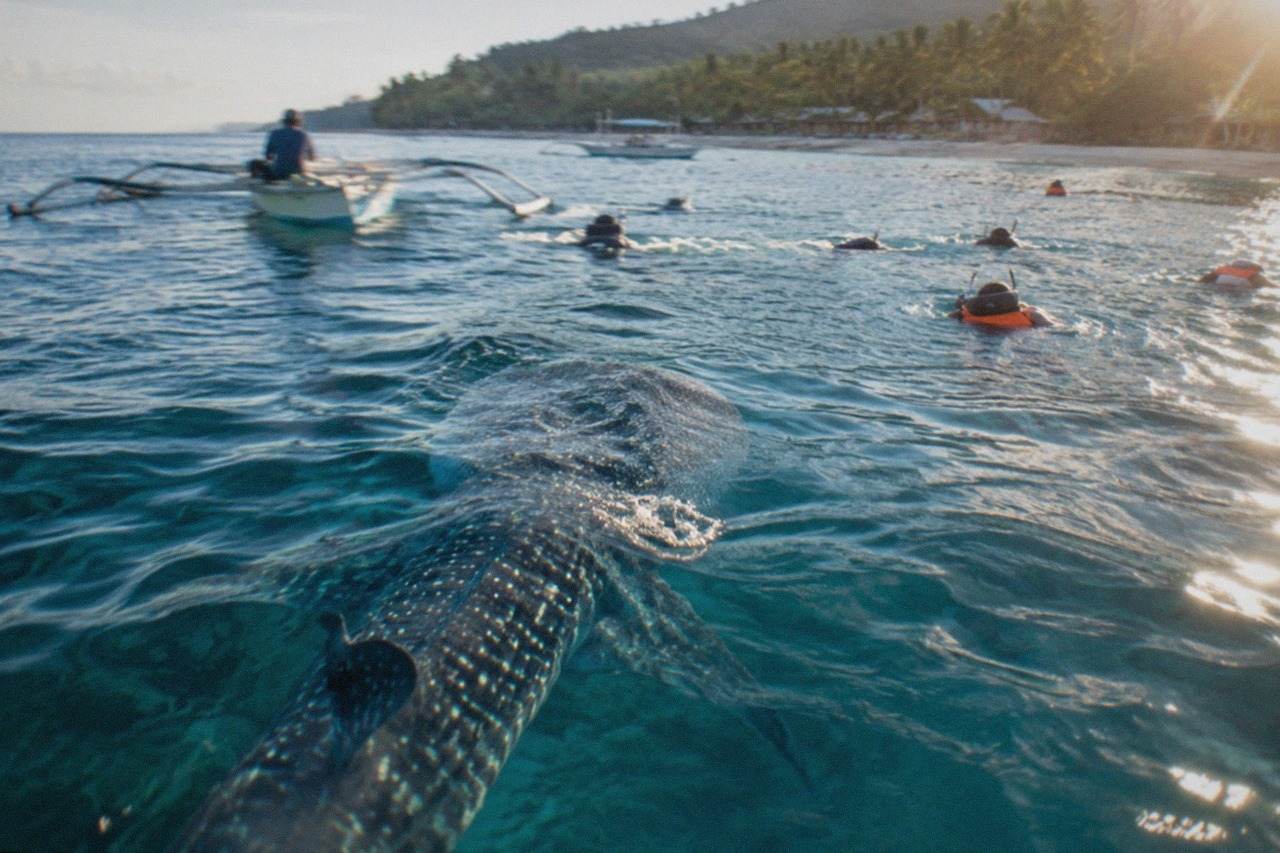
What Is The Best Month To Swim With Whale Sharks?
The best months to swim with whale sharks in Oslob, Cebu are December through May, the Philippine dry season, with March to May offering the calmest, clearest seas of all. Whale sharks are present year-round in Tan-awan because the feeding program runs daily, so any month can work, but June to November brings rain, rougher water and a typhoon risk that can suspend boat trips on short notice.
The key distinction is between shark availability and trip quality. The sharks themselves do not migrate away from Oslob on a seasonal schedule the way they do in Donsol or other feeding-free sites. What changes through the year is the sea state on the Tan-awan coast, the visibility underwater, and the chance that a storm system closes operations for a day or two. SunStar reported in May 2026 that sightings dictate operations in Oslob, and in late May 2026 the sharks moved away from the interaction area for roughly four days following seasonal plankton shifts before returning. So no month carries a guarantee, a point covered in detail in are whale sharks guaranteed at Oslob?.
For most travellers the practical answer is simple: if your trip to Cebu falls between December and May, book the whale shark morning without hesitation. If it falls between June to November, still book, but keep a flexible day in reserve in case of a weather suspension.
Why The Dry Season Months Of December To May Work Best For Cebu Whale Sharks
December to May is PAGASA's official dry season for the Philippines, and at the Mactan climate station the driest months of the year are March at 48.1 mm of rain and April at 48.1 mm's neighbour February at 69.6 mm, against October's 194.8 mm peak. Calm, rain-free mornings mean glassy water at Tan-awan, better visibility for photos, and a far lower chance the boats stay ashore.
The numbers behind the season come from PAGASA's 1991-2020 climatological normals for its Mactan station, the reference point for Cebu. Annual rainfall there totals 1,685.0 mm spread over 138 rain days, with a mean temperature of 28.1 C. The distribution is what matters for a swimmer: rainfall climbs steeply from June onward, peaking in October at 194.8 mm, then falls away through the northern-hemisphere winter into a March and April trough.
| Month | Rainfall at Mactan station (mm) | What it means for whale shark swimming |
|---|---|---|
| January | 105.2 | Dry season, calm mornings, busy with Sinulog-period tourists mid-month |
| February | 69.6 | Excellent sea conditions, thinner crowds after Sinulog |
| March | 58.6 | Among the driest months, very clear water |
| April | 48.1 | The driest month of the year, peak visibility |
| May | 95.0 | Still dry-season, hot, occasional afternoon build-up |
| June | 175.6 | Rainy season begins, sea state less predictable |
| July | 192.9 | Peak typhoon-season months begin, trip suspensions possible |
| August | 143.5 | Mixed conditions, some fine mornings |
| September | 179.6 | Rain and storm risk, check forecasts closely |
| October | 194.8 | Wettest month, highest chance of disruption |
| November | 161.9 | Late typhoon risk, Visayas landfall odds still high |
| December | 139.7 | Transition month, conditions improve markedly |
Two caveats keep this honest. First, the whale shark interaction itself is a morning activity, and even in the rainy season many mornings start fine before afternoon rain arrives, so a June or September swim is far from hopeless. Second, crowds follow the tourist calendar more than the weather calendar: the weeks around Sinulog in mid-January and the March to May Philippine summer holidays bring the longest queues at registration, whatever the sea is doing. The interaction fee is P1,000 (about US$15.9) for foreign visitors and P500 (about US$8.0) for Filipinos, boat and guide included, and those figures do not change by season.
What Whale Shark Sightings Are Like Month By Month In Oslob
Whale sharks appear at Tan-awan in every month of the year because Oslob's licensed spotters feed them each morning, with operations running daily from about 6 AM to noon and registration cutting off around 11 AM. The variation between months is in water clarity and weather, not shark presence, though plankton movements can occasionally pull the sharks elsewhere for a few days, as happened in late May 2026.
Spring, meaning March to May, is the sweet spot. The sea off Tan-awan is at its calmest and clearest, the sky is reliably bright for underwater photography, and the water is warm. The trade-off is that everyone else has the same idea: this is Philippine school-holiday season, and the 800 to 900 daily visitors SunStar reported in a May peak-period story give a sense of the throughput. Arriving for the first briefing slot of the day, close to 6 AM, is the standard advice for beating both heat and queues. The full index of guides sits on Cebu Travel Guide.
December through February shares the calm-sea profile with slightly cooler mornings and one big scheduling wrinkle: Sinulog. The festival's grand parade falls on the third Sunday of January at the Cebu City Sports Center, and the days around it fill Cebu City hotels fast, which raises prices and complicates the very early southbound drive to Oslob. If your January trip is festival-focused, either book the whale shark day before the parade weekend or accept a very long day combining both. The wider timing question is covered in the best month to visit Cebu.
June to November is the honest off-season. The sharks are still fed each morning, still come, and the interaction still runs, but the rainy season brings two real risks: rough water that makes the swim less pleasant, and typhoon-basin activity that can cancel boat operations with little notice. Typhoon season runs June to November with a peak around July to October, and Typhoon Tino in November 2025 brought severe flooding to Cebu. The Department of Tourism was quick to say the province stayed open, but a storm week is a storm week.
Does The Rainy Season Ruin Whale Shark Swimming In Cebu?
No, the rainy season does not stop Oslob's whale shark swimming, but it degrades it: from June to November the sea is choppier, visibility drops after rain, and typhoon systems can suspend trips for days at a time. The interaction area itself stays open through most of the season, and many rainy-season mornings are swimmable before the afternoon rain arrives.
If your travel dates are locked to a rainy-season month, the play is flexibility. Watch the PAGASA forecast for the days before your planned swim, keep an alternative date open, and prefer a join-in tour with a late cancellation window over a rigid private arrangement. Operators watch the weather closely because the coastguard suspensions that follow storm signals apply to them too.
There is one compensating upside to the off-season: crowds thin out. The queues that stretch long at 8 AM in April are shorter in September, and the towns along the south coast, from Oslob itself to Moalboal further west, are quieter. The ethical debate around the feeding program is laid out in the whale shark ethics guide and in is Oslob's whale shark watching ethical.
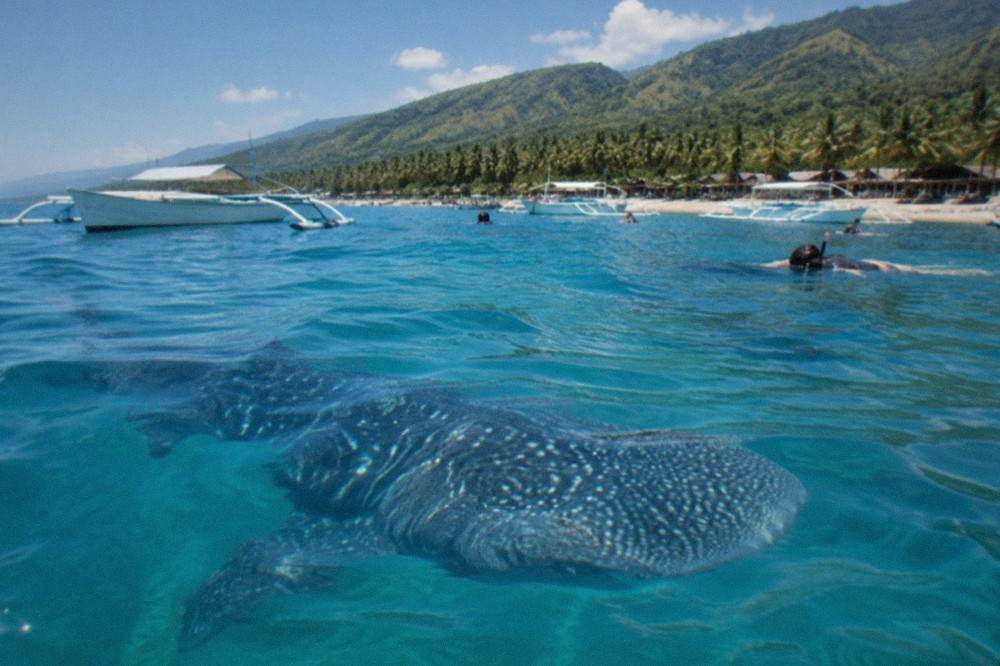
How To Plan Your Oslob Whale Shark Day From Cebu
Book a tour with an early morning departure from Cebu City, aim to be at Tan-awan close to the 6 AM opening, and go between December and May if you have any choice in the matter. The standard join-in day tour from Cebu City pairs the whale shark interaction with a Tumalog Falls stop and returns by late afternoon, and the falls entrance runs about fifty pesos per person on top of the Oslob fee.
The mechanics matter as much as the month. Oslob is roughly three and a half to four and a half hours south of Cebu City by road, which is why every serious tour leaves before dawn. The Oslob municipal rules are fixed year-round regardless of when you visit: a mandatory briefing, a minimum distance of about four metres from the sharks, no touching, no sunscreen in the water, no flash photography, life jackets required for snorkelers, and feeding performed only by licensed spotters. Sessions run about 30 minutes in the water. The Tumalog Falls entrance is P50 (about US$0.8) per person, and a habal-habal motorbike ride from Tan-awan costs roughly P50 (about US$0.8) to P100 (about US$1.6) each way.
The tour below is the join-in day tour from Cebu City that pairs the whale shark morning with Tumalog Falls; the operator has not published a price on its live listing, so check availability for the current rate and departure details.
A full planning pass on fees, including what the P1,000 (about US$15.9) foreign fee covers and what extras such as underwater camera rental cost, sits in what does it cost to swim with whale sharks, and the full attraction background is in the Oslob whale sharks guide. For the wider question of where else in the world you can do this, see the best place in the world to see whale sharks.
Common Questions About Swimming With Whale Sharks In Cebu
What is the best month to swim with whale sharks?
For Oslob in Cebu, December to May, the dry season, with March to May typically giving the calmest and clearest water. Whale sharks are present all year because the feeding program runs daily, so any month can work if the weather cooperates.
Are whale sharks in Oslob all year round?
Yes, in practice. The Tan-awan interaction area operates daily from about 6 AM to 12 PM, and licensed spotters feed the sharks each morning to keep them near the zone. Short absences of a few days can happen when plankton shifts, as in late May 2026, but there is no closed season.
Is there a typhoon season that affects whale shark tours in Cebu?
Yes. The Philippine typhoon season runs June to November, peaking roughly July to October, and storm systems can suspend boat operations at Oslob on short notice. December to May sits outside the main risk window.
What time of day is best for the whale shark interaction?
The earliest slot possible, close to the 6 AM opening. Seas are calmest, the light is good for photos, queues are shortest, and registration cuts off around 11 AM before the area closes at noon.
Does the whale shark fee change by month?
No. The Oslob environmental fee is fixed at P1,000 (about US$16) for foreign visitors and P500 (about US$8) for Filipinos, boat and guide included, in every season. Tour prices from Cebu City vary by operator, not by month.
Is January a good month, with Sinulog on?
January is dry and calm, so conditions are good, but the Sinulog grand parade on the third Sunday fills Cebu City hotels and roads. Book the whale shark day before the parade weekend, or expect a very long day combining both.
The short version: pick a dry-season month if your calendar allows, take the earliest slot of the day, and keep one spare morning in reserve if you are travelling between June and November. The sharks of Tan-awan will almost certainly be there, whatever the month on your ticket.