What Is The Best Place In The World To See Whale Sharks?
Oslob in Cebu, Philippines is one of the world's most reliable places to swim with whale sharks. This guide covers fees, timing, rules and how it compares as a destination.
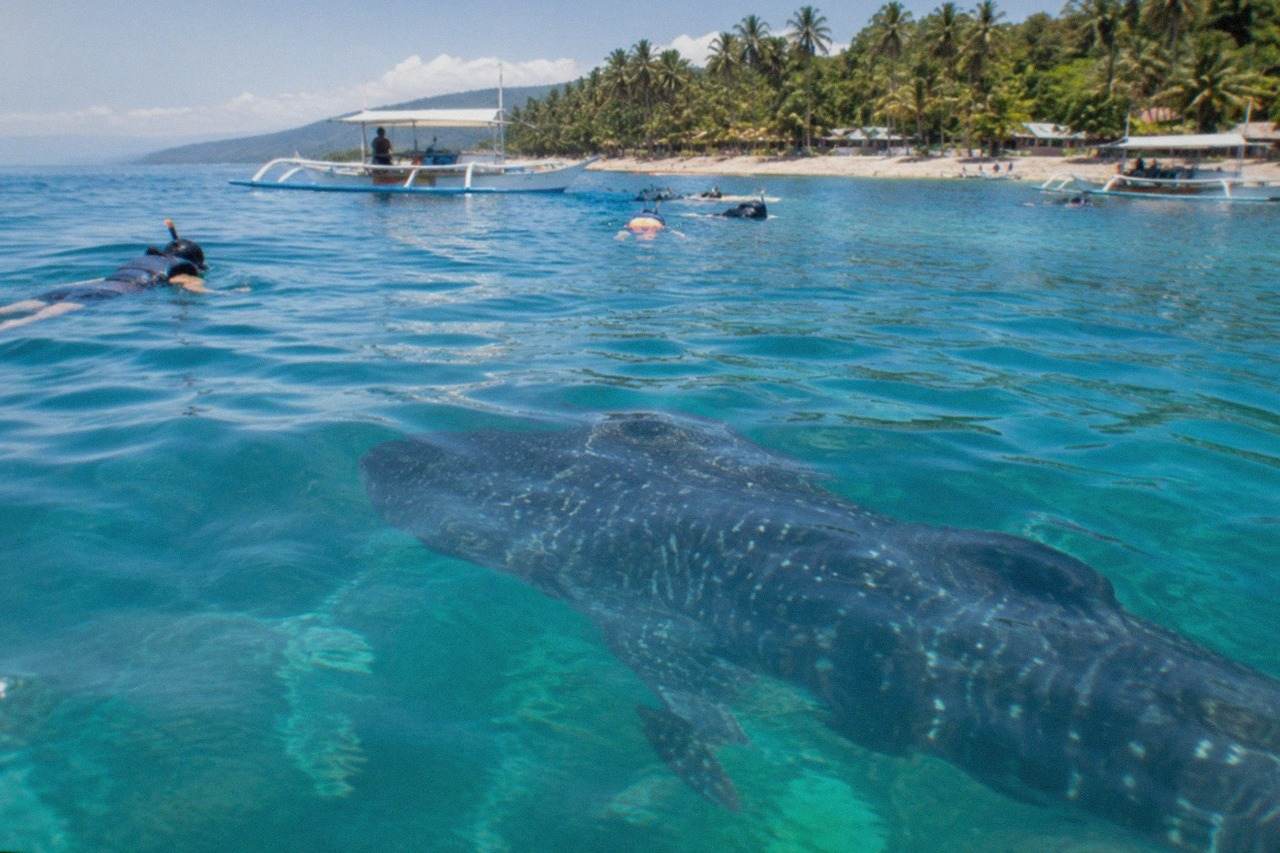
Oslob, on the southern coast of Cebu island province in the Central Visayas region of the Philippines, is one of the few places on the planet where whale sharks appear in the same small bay almost every single morning. The whale shark is the largest fish in the sea, and in most of the world's aggregation sites, from Mexico's Yucatan to Australia's Ningaloo Reef, sightings depend on plankton blooms, seasonal migrations and a fair amount of luck. At Tan-awan in Oslob, the sharks are present year round, close to shore, in shallow water, and within a thirty minute session window that the local government regulates. That reliability is exactly why this quiet fishing barangay has become one of the most discussed whale shark destinations anywhere, and why it belongs in any honest answer to the question of where in the world you should go to see them.
What Is The Best Place In The World To See Whale Sharks?
There is no single official best, but Oslob in Cebu, Philippines is the world's most reliable place to see whale sharks, because the sharks appear in Tan-awan bay almost daily, year round, in shallow water reached straight from the beach. Most other famous sites, including Ningaloo Reef in Australia and Isla Mujeres in Mexico, are seasonal and sightings depend on plankton blooms. In Oslob the sighting rate is so consistent that the local tourism office reported 800 to 900 visitors a day in May.
Reliability is the metric that matters most for a traveller with one free day in an itinerary. A site with spectacular but seasonal sightings can leave you with nothing if you arrive in the wrong month. Oslob inverts that risk: the sharks are fed small amounts of shrimp by licensed spotters each morning, which keeps a resident group of sharks near the interaction area. That practice is controversial, and this page covers the ethics honestly further down, but its practical effect is undeniable. When the sharks briefly moved away from Tan-awan for about four days in late May 2026 because seasonal plankton shifted to a neighbouring barangay, it made provincial news precisely because their presence is normally taken for granted. Operations resumed once the sharks returned.
The interaction itself is tightly structured. Watching happens from a boat; snorkelling with the sharks is the standard upgrade. Sessions run roughly thirty minutes, boats go out from about 6 AM to around noon, and a mandatory briefing covers the rules before anyone touches water. The full picture of the destination, including how to get there from Cebu City, is on the Oslob whale sharks attraction page.
Why Oslob In Cebu Ranks Among The World's Most Reliable Whale Shark Sites
Oslob's advantage over every other whale shark destination is predictability: the sharks feed in the same bay daily, in water shallow enough for confident swimmers, reachable on a day trip from Cebu City. The trade-off is that the experience is regulated and time-limited, about thirty minutes in the water, with a four metre minimum distance from each shark and no touching, no sunscreen and no flash photography. It is a managed encounter, not a wild open-ocean dive.
Three things make Oslob work as a destination. First, geography: Tan-awan bay is on the south coast of Cebu, roughly three and a half to four and a half hours by bus from Cebu City, which means a day trip is practical if you leave early enough. Second, regulation: the municipality runs the operation under a local ordinance, with licensed boats, mandatory briefings and fixed fees, so the experience is standardised rather than left to individual operators. Third, the sharks themselves: the resident group stays near the surface feeding, so even weak swimmers in life jackets, which are mandatory, can see them clearly.
The rules are enforced by the local government, not by tour companies. Swimmers must stay about four metres from the shark's body and five metres from its tail. Only licensed spotters may feed the animals. Sunscreen is banned outright because it damages the sharks' skin and the coral. These constraints are described in more detail, with the arguments on both sides, on the Oslob whale shark ethics guide.
For most visitors the practical question is not whether to go but how. A join-in day tour from Cebu City handles the 3 AM style wake-up, the transport, the briefing and the boat in one package, and pairs the sharks with a stop at Tumalog Falls on the way back. The related tour below is exactly that format.
What The Oslob Whale Shark Experience Costs
The municipal environmental fee is set by the Oslob local government under Municipal Ordinance No. 010, with the boat and guide included in the charge, and the standard interaction window running about thirty minutes. Foreign tourists and Filipinos pay different rates, and hours run roughly 6 AM to 12 PM daily, with sightings, not the clock, ultimately deciding whether boats go out.
The fee structure is published by the municipality, not by tour operators, which is worth knowing because it means the money is a local government charge rather than a markup. Foreign visitors pay P1,000 (about US$15.9); locals with a Filipino passport pay P500 (about US$8.0). The fee covers the boat, the guide and the interaction session. If you want a second session in the water, that costs extra, and snorkelling or scuba upgrades beyond the standard experience can add from P200 (about US$3.2) to P500 (about US$8.0) depending on what you book.
Around the main attraction, the other costs stack up modestly. Tumalog Falls, the near-universal second stop on any Oslob day, charges about P50 (about US$0.8) entrance, and a habal-habal motorbike ride from Tan-awan to the falls runs P50 (about US$0.8) to P100 (about US$1.6) each way. A fuller cost breakdown, including what a day trip adds up to end to end, is in what it costs to swim with whale sharks in Oslob.
| Item | Fee | Notes |
|---|---|---|
| Whale shark interaction, foreign tourist | P1,000 (about US$15.9) | Boat and guide included, about 30 minutes |
| Whale shark interaction, Filipino | P500 (about US$8.0) | Same session, local rate |
| Snorkel or scuba upgrade | P200 (about US$3.2) to P500 (about US$8.0) | On top of the base fee |
| Tumalog Falls entrance | P50 (about US$0.8) | Common second stop |
| Habal-habal to Tumalog | P50 (about US$0.8) to P100 (about US$1.6) | Each way |
When To Go Whale Shark Watching In Cebu
The sharks are present in Oslob year round, so unlike seasonal aggregation sites there is no single best month for sightings; the practical timing variables are weather and sea state, which follow Cebu's tropical seasons, dry from December to May and rainy from June to November. Mornings are the operating window everywhere in Oslob, roughly 6 AM to noon, so the day starts early no matter which month you choose.
Because the sharks are resident rather than migratory, the seasonal question for Oslob is really a weather question. PAGASA, the Philippine weather service, classifies the national climate as dry season December to May and rainy season June to November, with the Mactan station's 1991-2020 normals showing annual rainfall of 1,685.0 mm spread over 138 rain days. The wettest months in the monthly series are October at 194.8 mm and July at 192.9 mm; the driest is April at 48.1 mm. Rain does not stop the sharks, but rough sea conditions can suspend boat operations, and typhoon season runs June to November with peak activity roughly July to October. The wider set of guides lives on Cebu Travel Guide.
The month-by-month picture, including what water conditions and crowds to expect through the year, is covered in the best time to see whale sharks in the Philippines, and the sighting question, including what happens in the rare days the sharks wander off, in whether Oslob whale sharks are guaranteed.
Is Swimming With The Whale Sharks In Oslob Ethical?
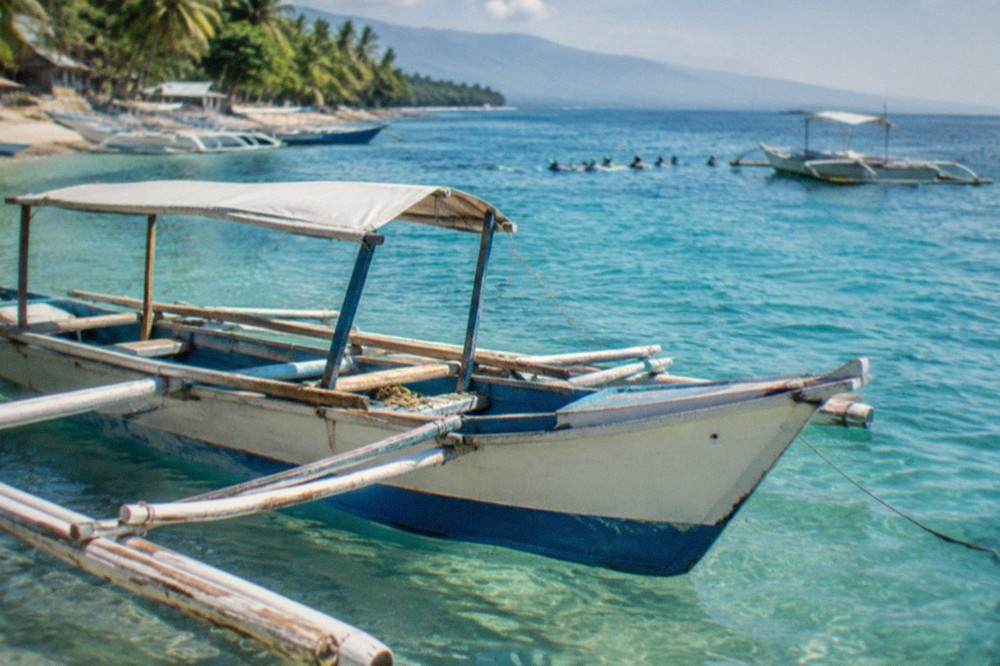
Honest answer: it is a genuinely contested practice, and your answer depends on how you weigh reliability against wildness. The feeding that keeps the sharks in Tan-awan is regulated by the Oslob municipality, restricted to licensed spotters, and defended locally as a minor lure rather than the sharks' main nutrition, but marine biologists raise concerns about habituation, boat contact and diet. Cebu's own ethics guide lays out both sides without pretending there is a consensus.
The case for Oslob is economic and regulatory. The operation replaced destructive fishing with tourism income, it is run under municipal ordinance rather than by freelance operators, and the rules, four metre distances, mandatory briefings, no sunscreen, licensed feeding only, are enforced on every visitor. In May 2026 the town's mayor publicly defended the feeding as a minor lure, and no DENR order, ban or formal proposal to end it existed as of late 2026.
The case against is ecological. Whale sharks in Oslob do not behave like wild whale sharks; they stay in a small bay, they associate boats with food, and their movement patterns differ from untouched populations. If seeing an animal behaving entirely on its own terms matters more to you than certainty of seeing it at all, a seasonal wild aggregation site is the better fit, accepting that you may see nothing. If a managed, regulated, near-certain encounter within a day trip of a major airport is the priority, Oslob is the strongest option in the world.
How To Book A Whale Shark Day Trip From Cebu
A join-in day tour from Cebu City bundles the 3 AM style departure, transport south, the municipal briefing and boat fee logistics, and a Tumalog Falls stop, returning by early afternoon. Independent travel is possible via Ceres bus from the Cebu South Bus Terminal, roughly three and a half to four and a half hours, but the tour route removes the risk of arriving after the morning window closes.
The tour format exists because of the clock. Boat operations run roughly 6 AM to noon, and the sharks are most active early, so a tour that leaves Cebu City in the small hours is not padding, it is the only way to be in the water during the best window from three-plus hours away. The join-in tour listed below is the one this site carries: an early morning departure, the whale shark interaction, and a Tumalog Falls stop on the return leg. The operator has not published a price, so check the live listing rather than any figure quoted elsewhere.
If you would rather build the day yourself, the attraction's own page covers the bus routes, the registration process and what to bring. And if you are still deciding whether the experience justifies the early start and the cost, whether snorkeling with whale sharks is worth it works through that question directly.
Common Questions About Whale Sharks In Cebu
What is the best place in the world to see whale sharks?
Oslob in Cebu, Philippines is the most reliable place on earth to see whale sharks, because a resident group appears in Tan-awan bay almost every morning of the year. Seasonal sites like Ningaloo Reef in Australia and Isla Mujeres in Mexico offer wild encounters but only during their aggregation months, and sightings there are never assured.
Are the whale sharks in Oslob guaranteed?
Nearly, but not absolutely. The sharks are resident and appear almost daily, but in late May 2026 they were absent from the Tan-awan interaction area for about four days when seasonal plankton moved to a neighbouring barangay. Operations paused and then resumed; the local government clarified the sharks had not left the area.
How much does it cost to swim with whale sharks in Oslob?
The municipal fee is P1,000 (about US$15.9) for foreign tourists and P500 (about US$8.0) for Filipinos, boat and guide included, for an interaction of about thirty minutes. Snorkelling and scuba upgrades can add from P200 (about US$3.2) to P500 (about US$8.0).
What are the rules for swimming with whale sharks in Oslob?
Stay about four metres from the shark's body and five metres from its tail, never touch the animals, wear a life jacket, and use no sunscreen and no flash photography. Only licensed spotters may feed the sharks. A mandatory briefing covers all of this before you board.
What time of day do whale shark tours run in Oslob?
Operations run from roughly 6 AM to 12 PM daily, with registration cutting off around late morning. The sharks are most active early, which is why day tours from Cebu City leave in the small hours to arrive for the first boats.
Is it ethical to visit the whale sharks in Oslob?
It is contested. The operation is municipally regulated and has replaced destructive fishing with tourism income, but the feeding that keeps the sharks resident raises habituation concerns among marine biologists. Read the ethics arguments before deciding, and if a wild, unmanaged encounter matters more to you than certainty, choose a seasonal aggregation site instead.
Whether Oslob tops your personal ranking depends on what you want from the encounter: wildness or certainty. For certainty, within a day trip of an international airport, in water shallow enough for any confident swimmer, no other site on earth competes with this small bay on Cebu's south coast.