Oslob Whale Sharks
Oslob, on the southern coast of Cebu Island in the Philippines, is the country's best-known place to swim beside whale sharks. This guide covers the 2026 fees, the interaction rules, what time sessions run, and how to get there from Cebu City.
Short answer
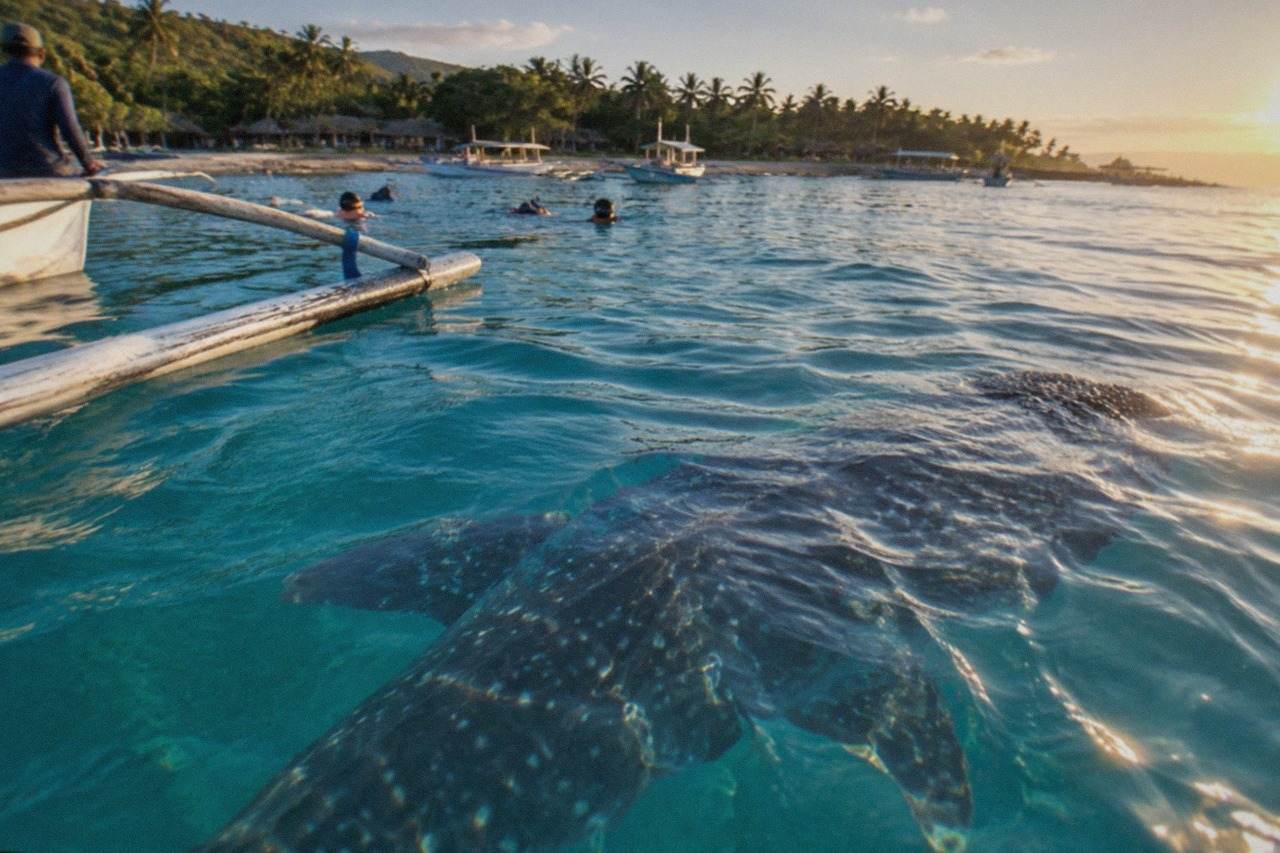
Oslob whale shark watching in Tan-awan costs P1,000 (about US$16) for foreign visitors and P500 (about US$8) for Filipinos, boat and guide included. Sessions run roughly 6 AM to 12 PM daily, and sightings are likely but not guaranteed.
Oslob is a small coastal town at the southern end of Cebu, the island province in the Central Visayas region of the Philippines, and its barangay of Tan-awan has become one of the most famous wildlife encounters in Southeast Asia: whale sharks, the largest fish in the sea, gathering a few metres from shore while visitors watch from boats or snorkel beside them. The activity is run under a municipal ordinance, with fixed fees, mandatory briefings and a set of rules that have tightened over the years. This page from Cebu Travel Guide lays out what the encounter actually costs in 2026, what the rules allow and forbid, when sessions run, and how the logistics work whether you go independently or on a tour.
What Are The Oslob Whale Sharks And Where Is Tan-Awan?
The Oslob whale sharks are resident whale sharks (Rhincodon typus) that gather off Tan-awan, a coastal barangay in the municipality of Oslob on Cebu's southeast coast, roughly three and a half to four and a half hours by road from Cebu City. Licensed municipal spotters attract them with small amounts of shrimp, which keeps the animals close to the interaction area, and the municipality regulates every aspect of the encounter, from fees to boat assignments to the conduct rules enforced in the water.
Whale sharks are filter feeders that can grow well past ten metres, though the ones at Tan-awan are typically smaller juveniles. What makes Oslob unusual is not the species, whale sharks appear across the Philippines, but the reliability: because the sharks are drawn to the feeding area each morning, the encounter happens on a schedule rather than on luck. That reliability is exactly what has made the site controversial, and it is worth reading the ethics section below before deciding how you feel about it.
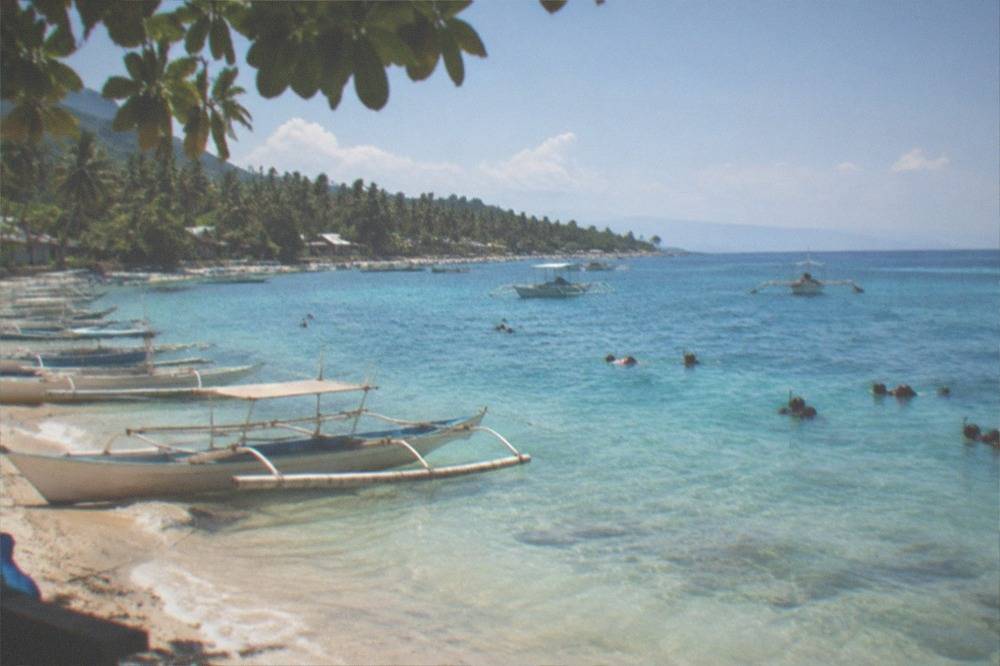
The activity is concentrated into a single morning window. Boats go out in rotation from the beach at Tan-awan, each carrying a handful of visitors and a boatman, and the whole thing is over by midday. The town around it has grown into a strip of restaurants, gear rental stalls and guesthouses that exists almost entirely for the whale shark trade; the Oslob area guide covers where to eat and stay if you want to linger rather than day-trip.
How Much Does Oslob Whale Shark Watching Cost In 2026?
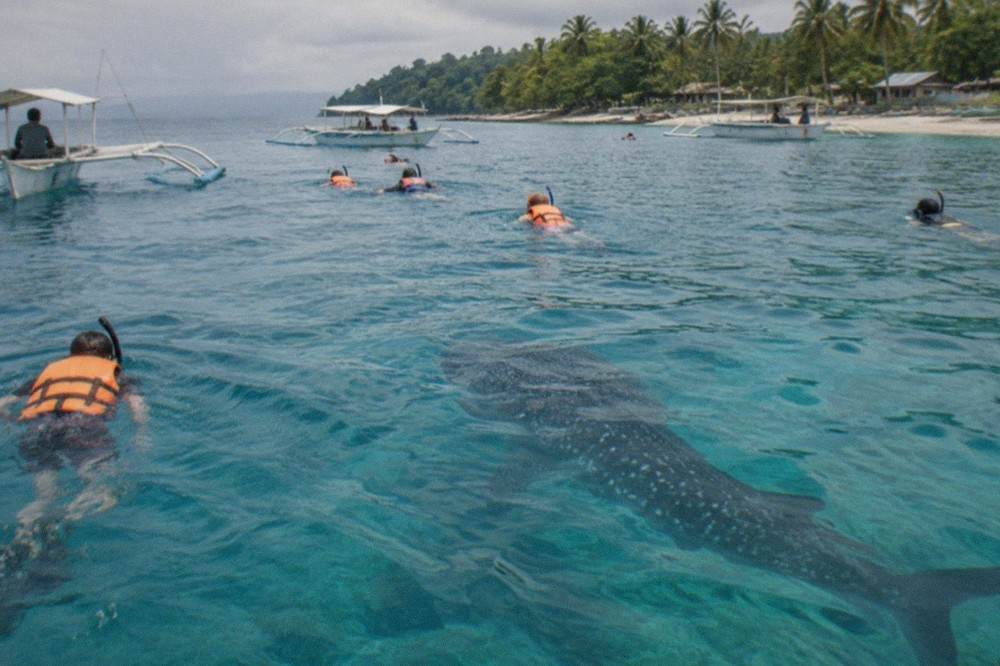
The municipal environmental fee is P1,000 (about US$16) per foreign visitor and P500 (about US$8) per Filipino, boat and guide included, under Municipal Ordinance No. 010, s. 2020, which the Oslob LGU reverted to effective 21 March 2025. The standard ticket covers watching and snorkelling from the boat; upgrades such as additional snorkelling time or scuba can add roughly P200 to P500 (about US$3 to US$8) on top, and a second session carries an extra fee.
The fee reversion in March 2025 matters because older blog posts still quote different numbers. The Oslob Tourism Office announced the return to the 2020 ordinance rates in an official notice, and 2026 sources consistently confirm those figures are current. Payment is made at the registration area in Tan-awan before the briefing.
Here is what the money looks like across the pieces of a Tan-awan visit:
| Item | Fee | Notes |
|---|---|---|
| Whale shark watching, foreign visitor | P1,000 (about US$15.9) | Boat, guide and briefing included |
| Whale shark watching, Filipino | P500 (about US$8.0) | Same inclusions |
| Snorkel or scuba upgrade | P200 (about US$3.2) to P500 (about US$8.0) | Added to the standard ticket |
| Tumalog Falls entrance | P50 (about US$0.8) | Separate site, short habal-habal ride away |
| Habal-habal to Tumalog Falls | P50 (about US$0.8) to P100 (about US$1.6) each way | Local motorcycle taxi |
Gear rental is handled separately at the beach stalls, and towels, dry bags and waterproof camera cases are all sold or rented along the strip. If you want a fuller cost breakdown including tours and meals, the Oslob swim cost question goes deeper.
The most popular way to do the trip is a join-in day tour from Cebu City, which bundles the very early pickup, the fees and usually a Tumalog Falls stop into one price:
What Rules Apply When Swimming With The Whale Sharks?
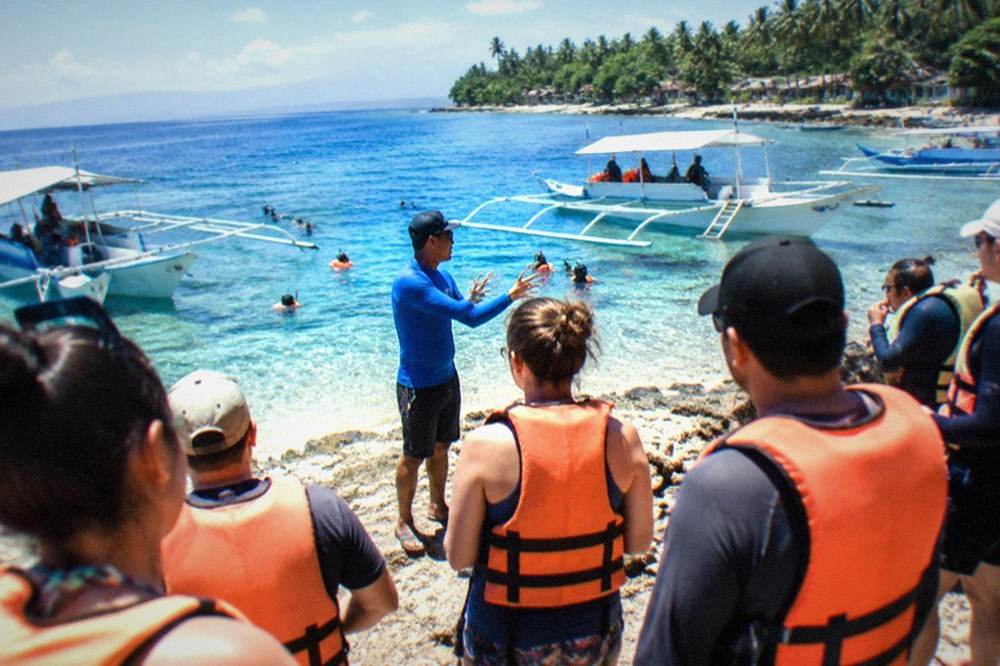
The core rules are a minimum distance of about four metres from the body (about five from the tail), no touching the sharks, no sunscreen or sunblock in the water, no flash photography, no chasing, and life jackets mandatory for swimmers, with a mandatory briefing before you board and only licensed spotters allowed to feed the animals. Sessions are capped at roughly 30 minutes, and a second session requires another fee.
The rules are enforced by municipal staff on the boats and at the briefing area, and they exist because the encounter's feeding model keeps the sharks in close proximity to people. The four-metre rule is the one visitors break without noticing: a whale shark turning toward you can close the distance in seconds, and the correct response is to move away, not to hold position for the photo.
Sunscreen deserves special mention. Chemical sunscreens are banned in the water because the sharks filter enormous volumes of it, so cover up with a rash guard instead and apply reef-safe sunscreen only after you exit. Flash photography is banned outright; natural light is more than enough in the shallow, clear water.
| Rule | Detail | Why it exists |
|---|---|---|
| Minimum distance | About 4 m from body, 5 m from tail | Prevents contact injuries to skin and fins |
| No touching | Applies at all times, even if a shark approaches | Touching can alter behaviour and transmit irritants |
| No sunscreen | Nothing on the skin in the water | Filter-feeding ingests whatever is in the water column |
| No flash | Natural light only | Flash startles the animals |
| Life jackets | Mandatory for swimmers | Buoyancy keeps you at the surface, above the sharks |
| Feeding | Licensed spotters only | Regulated feeding is the whole controversy, see below |
| Session length | About 30 minutes | Caps disturbance per group |
A good tour briefs you on all of this before you even leave Cebu City, and the best-run ones repeat the rules on the beach. If you are weighing whether the encounter is worth doing at all given the feeding model, the whale shark ethics guide examines both sides in detail, and the is it worth snorkelling question collects the practical arguments.
What Time Do Oslob Whale Shark Sessions Run, And When Is Best?
Sessions run daily from roughly 6 AM to about 12 PM, with registration typically cutting off around 11 AM, and the practical sweet spot is the first hour or two after opening, both because the water is calmest and because the site receives on the order of 800 to 900 visitors a day at peak, so boats queue as the morning wears on. The sharks feed in the morning; by early afternoon the interaction area is closed.
That daily visitor count, reported by SunStar in May 2026, is the single best argument for the absurdly early start. Tour buses from Cebu City leave in the small hours precisely so their passengers are in the water close to 6 AM. Independent travellers who arrive at 9 AM or 10 AM often wait through several boat rotations.
Season matters less than you might expect. The sharks are drawn to the feeding area year-round, which is why Oslob sells itself on reliability, but sea conditions follow Cebu's tropical calendar: PAGASA's national rule puts the rainy season from June to November and the dry season from December to May, and rougher seas in the wet months can shorten or chop sessions even when the sharks are present. The best month for whale sharks answer breaks down the trade-offs month by month.
| Time | Conditions | Crowd level |
|---|---|---|
| 6:00-7:00 AM | Calmest water, best light | Lowest, tour groups from Cebu City |
| 7:00-9:00 AM | Still good, sharks actively feeding | Building |
| 9:00-11:00 AM | Warmest, more boat traffic | Peak queues |
| 11:00 AM-12:00 PM | Registration cutoff, last sessions | Thinning |
Are Whale Shark Sightings Guaranteed At Oslob?
No, sightings are not guaranteed, and the clearest recent proof came in late May 2026, when the whale sharks were absent from the Tan-awan interaction area for about four days because seasonal plankton movement drew them toward a neighbouring barangay; operations were disrupted but not suspended, and the LGU publicly clarified that the sharks had not left Oslob and that activity resumed once sightings returned.
That episode is worth internalising because almost every other whale shark destination in the world is far less reliable than Oslob, and visitors sometimes book with an expectation of certainty the site cannot honestly offer. The mayor and the municipal tourism officer both addressed the May 2026 absence directly, framing it as seasonal and temporary, which is exactly how it played out.
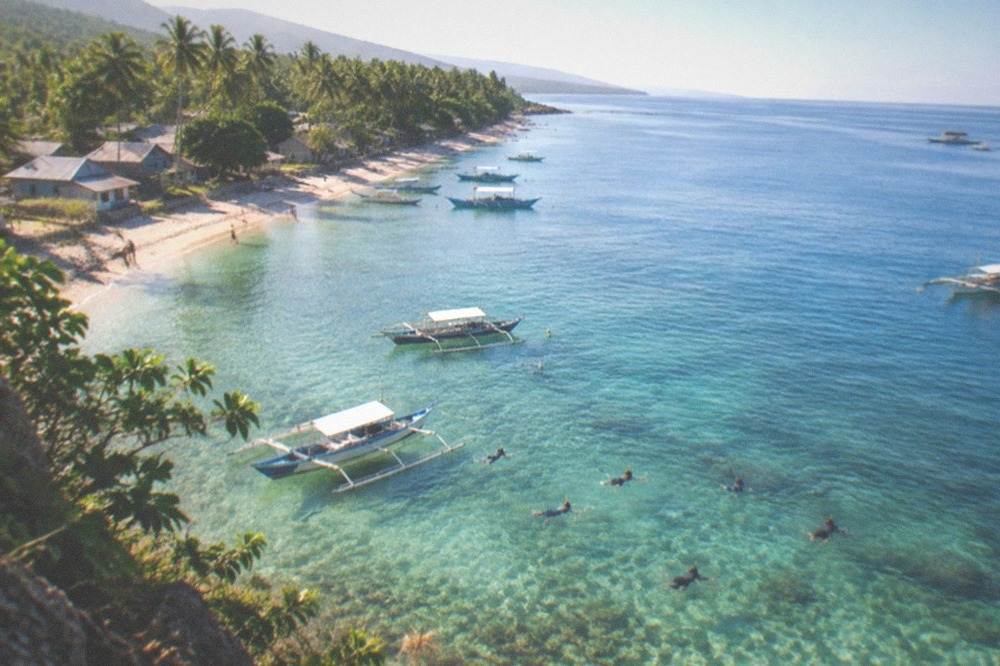
The practical takeaway is simple: build a day that survives a no-show. Tumalog Falls is ten minutes away by habal-habal, Sumilon Island sits just offshore, and the Oslob day trip itinerary shows how to stack the morning so a plankton shift does not ruin it. If the guarantee question is the one deciding your booking, the are sightings guaranteed answer addresses it head-on, and the is Oslob worth going question weighs the odds against the early start.
How Do You Get From Cebu City To Oslob?
The standard independent route is a Ceres Liner bus from the Cebu South Bus Terminal toward Bato via Oslob, a journey of roughly three and a half to four and a half hours with multiple departures daily from early morning, and you tell the conductor you are getting off at Tan-awan; the alternative is a booked day tour with hotel pickup, or a private car or van hire for the long run down the island's east coast.
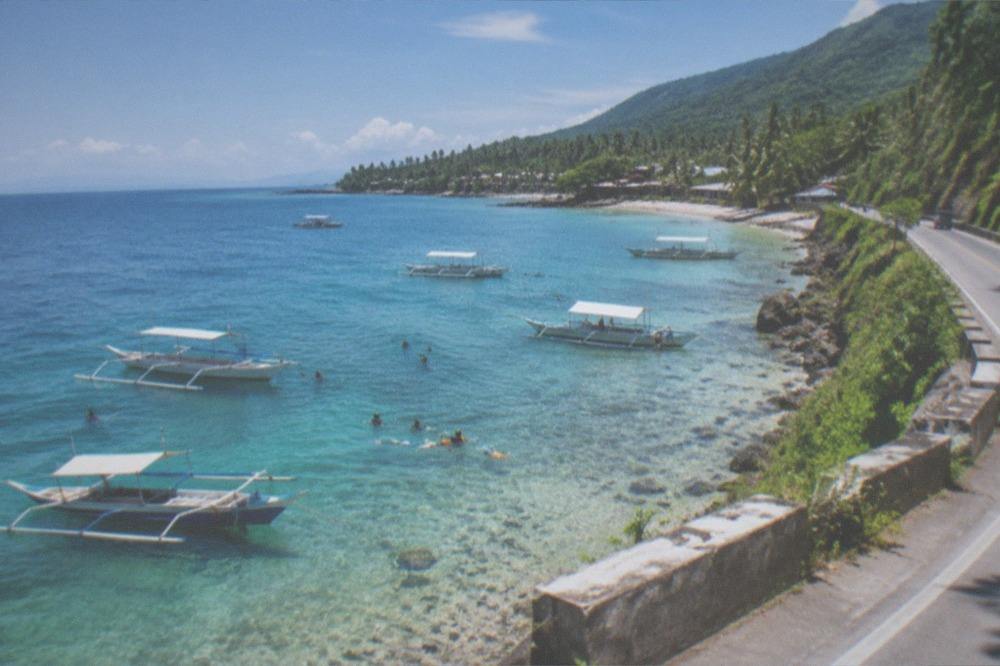
The bus is the budget answer and it runs frequently, but the timing is the catch: to be in the water at 6 AM you need to be on a bus in the middle of the night, which is why many travelers end up on a tour. Tours also absorb the fees, the briefing queue and the Tumalog Falls transfer, which is a real convenience when the whole operation is over by noon.
| Option | Typical journey | Best for |
|---|---|---|
| Ceres bus from South Bus Terminal | About 3.5-4.5 hours | Budget travellers, overnight-stay visitors |
| Join-in day tour from Cebu City | Full day with early pickup | First-timers, anyone staying in the city |
| Private car or van | Similar road time, door to door | Families, groups, flexible timing |
| Stay overnight in Oslob | Short morning hop to Tan-awan | Photographers, repeat sessions |
Staying the night in Oslob itself is the underrated option: you wake up five minutes from the briefing area and get the first boats almost to yourself. The Oslob versus Moalboal guide compares that plan against basing yourself in Moalboal and driving down at dawn.
Is Swimming With The Oslob Whale Sharks Ethical?
The honest answer is that it is contested: the encounter depends on regulated feeding by licensed spotters, which keeps the sharks returning and habituates them to boats. The municipality has tightened rules over the years, including distance minimums, the 30-minute cap and the feeding restriction to licensed personnel only, and in May 2026 the mayor publicly defended the practice as a minor lure rather than a primary food source.
Visitors who want the full picture should read the dedicated ethics discussion. The short version of both sides: critics point to altered natural behaviour and the sheer volume of daily visitors; defenders point out that the regulated alternative replaced unregulated chaos, that the fees fund municipal conservation and livelihoods, and that the alternative for many travellers is no whale shark encounter at all, or a worse-run one elsewhere.
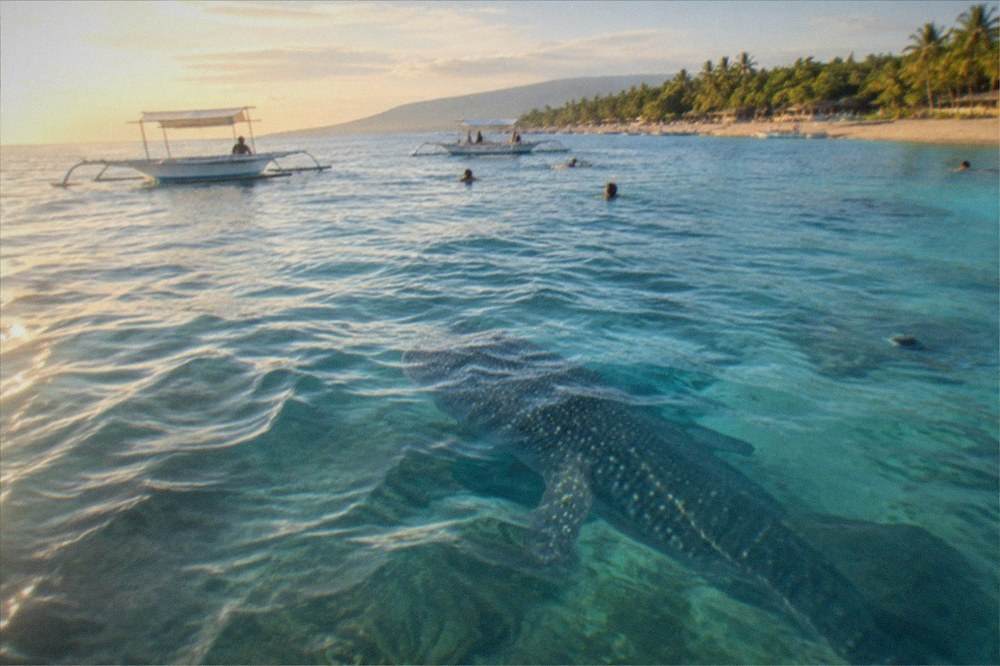
What you control is your own conduct. Follow every rule in the table above, keep your distance even when a shark closes it, refuse any operator who offers to break the rules for a better photo, and if the feeding model bothers you, consider the sardine run at Moalboal or the thresher shark dives at Malapascua, which are encounter models that do not rely on feeding, though they rely far more on luck. The where to see whale sharks in the Philippines answer compares all the options.
What Else Can You Combine With Whale Sharks In South Cebu?
The classic combination is whale sharks at dawn, Tumalog Falls mid-morning and Sumilon Island for the rest of the day, all within a few kilometres of Tan-awan: Tumalog's entrance is about P50 (about US$0.8) with a habal-habal ride of P50 to P100 (about US$1 to US$2) each way, and Sumilon's Bluewater day pass runs roughly P1,600 to P2,000 (about US$25 to US$32) net per person including transfers, gear and sanctuary access.
Tumalog Falls is the easiest add-on: a cold, blue-green cascade a short ride up the coast, and most tours bundle it precisely because the timing works. Sumilon takes longer, a boat crossing to a small island with a sandbar, a lagoon and a marine sanctuary, so it suits travellers who started at 6 AM and want the afternoon on a beach rather than in a bus.
| Stop | Entrance / fee | Time needed |
|---|---|---|
| Whale sharks, Tan-awan | P1,000 (about US$15.9) foreign / P500 (about US$8.0) local | About 30 minutes in the water |
| Tumalog Falls | P50 (about US$0.8) | About 1 hour plus the ride |
| Sumilon Island day pass | P1,600 (about US$25) to P2,000 (about US$32) net | Half a day |
| Osmeña Peak (further afield) | P50 (about US$0.8) to P100 (about US$1.6) registration | Half a day with transport |
Further south, Osmeña Peak in Dalaguete is the highest point on Cebu Island and pairs with Oslob into a two-day south Cebu loop rather than a single day. The Tumalog Falls guide covers that stop in detail, and the route-planning pages on this site cover the rest of the loop.
Should You Book A Tour Or Go To Oslob Independently?
Go independently if you are staying overnight in Oslob or Moalboal, are comfortable with night buses or a private car, and want to control your own timing; book a tour if you are based in Cebu City or Mactan, because the 6 AM start demands a pickup in the small hours of the morning, and a tour absorbs the fees, the briefing queue and the return drive while you sleep. Most first-time visitors to Cebu book the tour, and most repeat visitors go independent.
The tour decision is really a logistics decision. The fees are identical either way, the rules are identical, and the sharks do not care who booked your seat. What differs is who handles the pre-dawn drive down the coast and what happens after the swim: tours typically continue to Tumalog Falls and lunch before the long ride back, while independent travellers can linger, repeat the session or push on to Sumilon.
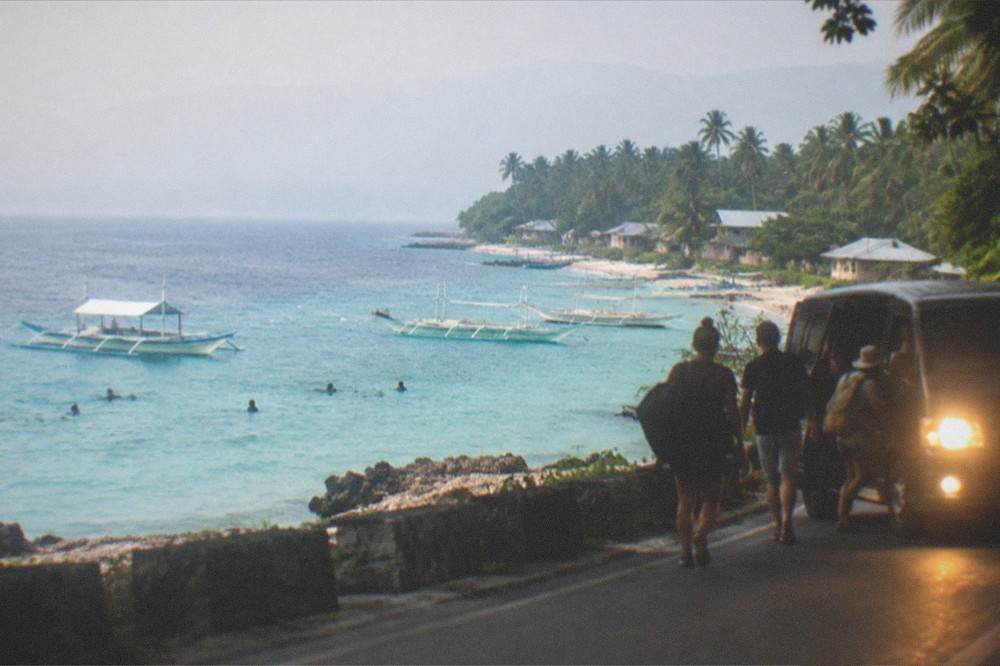
These are the three most-booked options for the trip, covering the join-in whale shark day, a full historical city-and-Mactan alternative for a different kind of day, and a family-friendly waterpark pass:
If you would rather compare the whale shark products against each other first, the round-trip experience below is the most direct alternative, a compact version of the same encounter with a shorter day:
For travellers who prefer the longest-established product on the roster, the original day tour is the one most repeat visitors book:
And if your heart is not set on whale sharks, the canyoneering trip at Kawasan Falls is the other headline adventure of south Cebu, with a Badian-accredited guide and lunch included:
Whatever you choose, book the earliest slot available, check the weather before committing to a pre-dawn pickup in typhoon season, and keep your plans loose enough to survive a plankton shift. The best place in the world for whale sharks question finishes the comparison if you are still deciding.
Common Questions About Oslob Whale Sharks
How much does it cost to swim with the whale sharks in Oslob?
The municipal fee is P1,000 (about US$15.9) per foreign visitor and P500 (about US$8.0) per Filipino, boat and guide included, with snorkel or scuba upgrades adding roughly P200 (about US$3.2) to P500 (about US$8.0). Tumalog Falls adds P50 (about US$0.8) if you combine the two.
Are Oslob whale shark sightings guaranteed?
No. In late May 2026 the sharks were absent from Tan-awan for about four days due to seasonal plankton movement, and the LGU clarified operations were paused, not closed. Sightings are highly likely but never certain.
What time do the Oslob whale shark sessions start?
Sessions run daily from roughly 6 AM to about 12 PM, with registration cutting off around 11 AM. The first two hours have the calmest water and the shortest queues.
Can I touch the whale sharks or wear sunscreen?
No to both. The rules require about four metres of distance, no touching, no sunscreen in the water, no flash photography and life jackets for swimmers, with only licensed spotters allowed to feed the animals.
Is swimming with the Oslob whale sharks ethical?
It is contested because the encounter relies on regulated feeding by licensed spotters. Rules have tightened over the years, but critics point to habituation. Following every rule and choosing an accredited operator is the responsible middle path.
How do I get from Cebu City to Oslob?
Take a Ceres bus from the Cebu South Bus Terminal toward Bato via Oslob, roughly 3.5 to 4.5 hours, and get off at Tan-awan; or book a join-in day tour with an early-morning hotel pickup, which is what most city-based visitors do.