What Is The Best Time To See Whale Sharks In The Philippines?
Whale sharks swim off Oslob, Cebu all year. This guide covers the best months, the best hours of the day, the fees and the sighting realities for whale shark watching in the Philippines.
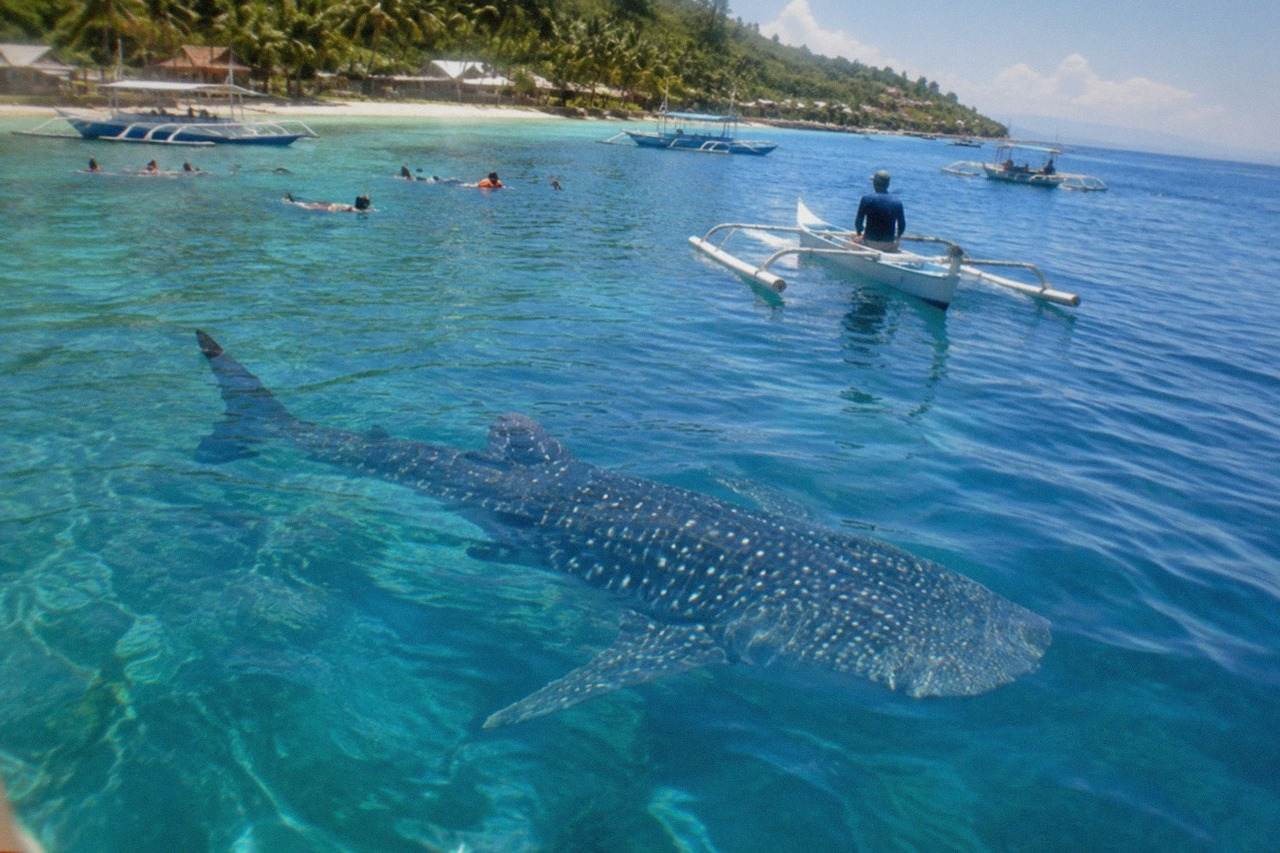
The whale sharks of Oslob, on the island province of Cebu in the Central Visayas region of the Philippines, are the most dependable whale shark encounter in the country. The Tan-awan interaction area south of Cebu City runs daily, and the animals are present in almost every month of the year, which is exactly why so many guides treat Oslob as the default answer to this question. Timing still matters, though. It decides whether the water is glassy or choppy, whether you share the area with twenty other swimmers or two hundred, and whether your trip collides with a typhoon.
What Is The Best Time To See Whale Sharks In The Philippines?
The best time to see whale sharks in the Philippines is the dry season, December to May, with the peak combination of calm seas and good visibility falling roughly March to May. The Oslob interaction area in Cebu operates year-round, roughly 6 AM to 12 PM daily, so sightings are possible in any month, but the dry months give the calmest water, the best underwater visibility and the lowest typhoon risk for the sea crossing and boat ride involved.
PAGASA's national rule splits the Philippine year into a rainy season from June to November and a dry season from December to May. Cebu sits in a climate zone where rainfall is spread more evenly than in the north of the country, but the seasonal pattern still holds, and the Mactan station's 1991-2020 normals record 1,685.0 mm of rain and 138 rain days across a typical year.
The monthly rainfall figures for the Mactan station show the shape of the year clearly. April is the driest month at 48.1 mm, October the wettest at 194.8 mm. That difference matters underwater: heavy rain clouds the shallow coastal water off Tan-awan and makes the encounter less rewarding even when the whale sharks show up on schedule.
| Month | Rainfall at Mactan station (mm) | What it means for whale shark watching |
|---|---|---|
| January | 105.2 | Dry season, calm mornings, busy with Sinulog-period travellers mid-month |
| March | 58.6 | Excellent visibility, hot dry season underway |
| April | 48.1 | Driest month of the year, best underwater clarity |
| June | 175.6 | Rainy season begins, typhoon season opens |
| October | 194.8 | Wettest month, choppy seas possible, sightings still run |
| December | 139.7 | Shoulder of the dry season, whale shark trips very popular |
What Time Of Day Do Whale Shark Encounters Happen In Oslob, Cebu?
Whale shark encounters in Oslob happen in the morning only, with operations running roughly 6 AM to 12 PM and a registration cutoff around 11 AM. The first two hours after opening are the best: the sea is calmest before the wind picks up, the light is gentler for photography, and the crowds that arrive with the mid-morning tour buses from Cebu City have not yet landed. Arriving early is the single biggest quality upgrade available.
The morning-only window is not a suggestion, it is how the operation is structured. The spotters who attract the whale sharks to the interaction area work the early hours, and by early afternoon the boats are back on the beach. A day tour from Cebu City that departs before dawn reaches Tan-awan in time for the calmest part of the day, which is why the join-in tours all leave so early. The Cebu Travel Guide itinerary pages build around this window for good reason.
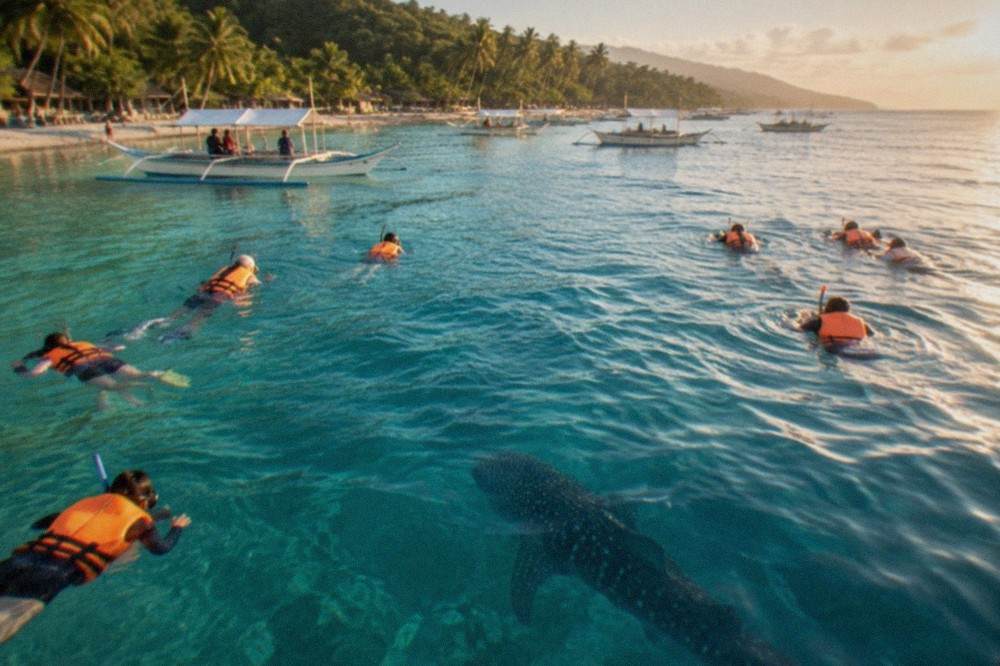
The session itself is short. Swimmers get roughly thirty minutes in the water with the animals, under rules set by the Oslob municipal government: a minimum distance of about four metres from the body, no touching, no sunscreen, no flash photography, and life jackets for swimmers. A second session costs extra. The rules are enforced by guides in the water, and the mandatory briefing before you board covers all of them.
How Much Does Whale Shark Watching In Oslob Cost?
Whale shark watching in Oslob costs a fixed local government fee, not a market price: the municipal rate is charged per person with boat and guide included, at a higher figure for foreign tourists and a lower one for Filipino visitors, under Municipal Ordinance No. 010 rates that took effect again on 21 March 2025. Snorkelling upgrades or scuba options add more. These are Oslob fees, not tour operator prices, and they apply regardless of how you book.
In numbers, the fee runs P1,000 (about US$15.9) per foreign tourist and P500 (about US$8.0) per Filipino visitor, with snorkelling or scuba upgrades adding roughly P200 (about US$3.2) to P500 (about US$8.0). The fee structure is one part of the picture. A join-in day tour from Cebu City bundles the long transfer, the interaction fee handling and usually a stop at Tumalog Falls, whose own entrance runs about P50 (about US$0.8) per person. Doing the trip independently is possible, with Ceres buses from the Cebu South Bus Terminal taking roughly three and a half to four and a half hours each way, but the early morning window makes the transport logistics genuinely difficult without a tour.
| Cost item | Figure | Notes |
|---|---|---|
| Oslob interaction fee, foreign tourist | P1,000 (about US$15.9) | Set by the Oslob LGU, boat and guide included |
| Oslob interaction fee, Filipino visitor | P500 (about US$8.0) | Same inclusions, local rate |
| Tumalog Falls entrance | P50 (about US$0.8) | Common add-on stop on the same day |
| Ceres bus, Cebu City to Oslob | P145 (about US$2.3) to P250 (about US$4.0) | Ordinary or air-conditioned, roughly 3.5 to 4.5 hours |
Bookable tours carry their own published prices on their live listings, and those figures change with inclusions and season, so this page does not print them. What the local fees above give you is the fixed floor: the part of the cost that goes to the municipality and never moves with demand.
Are Whale Shark Sightings In The Philippines Guaranteed?
Whale shark sightings in Oslob are close to guaranteed but not literally guaranteed. In late May 2026 the whale sharks were absent from the Tan-awan interaction area for roughly four days when seasonal plankton moved toward a neighbouring barangay, and the local tourism office confirmed operations paused and resumed with the sightings. The animals are lured by regulated feeding, which is why the encounter is so dependable, but they are still wild animals following food.
That May 2026 absence is worth knowing because it shapes expectations honestly. The Oslob mayor and the municipal tourism officer publicly explained the gap as seasonal plankton movement, not a collapse of the program, and the interaction resumed once the sharks returned. It also explains why no serious operator promises a sighting in writing, and why the question of whether whale sharks are guaranteed comes up so often. The honest framing is that Oslob is the most reliable whale shark site in the Philippines precisely because of the feeding program, and the ethics of that program are a separate, legitimate question covered in the whale shark ethics discussion.
The feeding is done only by licensed spotters, not by tourists, and the municipality defends it as a minor lure rather than the animals' primary nutrition. For travellers weighing whether the experience suits them, the sightings and guarantees question goes deeper into how the operation actually works.
Which Months Should You Avoid For Whale Sharks In Cebu?
The months to approach with caution for whale shark watching in Cebu are roughly June to November, the rainy and typhoon season, with peak cyclone activity around July to October and elevated landfall risk for the Visayas in November and December. Whale shark operations in Oslob continue through these months, but rough seas can suspend boat trips, heavy rain can cut visibility, and typhoon disruptions elsewhere in the Philippines can affect flights into Cebu.
The November 2025 typhoon season showed what the risk looks like in practice. Typhoon Tino, internationally named Kalmaegi, brought severe flooding to Cebu in early November 2025 and 253 deaths across the Philippines. Yet the Department of Tourism stated within days that the core tourism zones of Cebu City and Mactan were largely unaffected and open, and the whale shark program resumed once seas calmed. The pattern for a typhoon-month trip is disruption measured in days, not a closed season.
Within the rainy season, early mornings remain the most workable window, and many travellers combine an Oslob morning with a moody waterfall afternoon, when rain matters less. The general best time to visit Cebu guide covers the trade-offs across the whole island, including the Sinulog period in January when the province fills with festival visitors and whale shark tours book out early.
Where Else In The Philippines Can You See Whale Sharks?
The other major whale shark interaction sites in the Philippines are Donsol in Sorsogon, which runs a seasonal, no-feeding encounter roughly November to June with a peak around February to April, and Lila and other feeding-based sites in Bohol. Cebu's Oslob remains the most reliable year-round option because its animals are drawn by regulated feeding, while Donsol offers a wilder encounter with genuinely unpredictable sightings.
The distinction matters for anyone planning a Philippines-wide trip. Donsol's season is the mirror of the calendar logic above: its plankton blooms peak in the dry months, and the experience there is searching for animals rather than joining them at a fixed point. In Cebu itself, the whale shark is not the only big animal on the calendar. Malapascua Island, at the northern end of the province, is the world's known regular site for thresher sharks, seen on early morning dives at Monad and Kimud Shoal, a completely different rhythm: pre-dawn departures rather than mid-morning swims.
For travellers deciding between the two Cebu marine highlights, the Malapascua thresher shark guide covers the dive logistics, and the comparison of where to see whale sharks in the Philippines puts Oslob and Donsol side by side.
Common Questions About Whale Sharks In The Philippines
What is the best time to see whale sharks in the Philippines?
The best time is the dry season, December to May, with March to May combining the calmest seas and the best visibility. The Oslob interaction area in Cebu operates all year, roughly 6 AM to 12 PM, so whale sharks can be seen in any month, but the dry months carry the lowest typhoon risk and the clearest water.
What is the best month for whale sharks in Oslob?
April is the strongest single month: it is the driest month at the Mactan climate station, at 48.1 mm of rain, and it falls inside the hot dry season when seas off southern Cebu are at their calmest. March and May are close behind. The detailed month-by-month breakdown is in the best month for whale sharks answer.
Are whale sharks guaranteed in Oslob?
Almost, but not literally. In late May 2026 the sharks were absent from Tan-awan for roughly four days when plankton moved to a neighbouring barangay, and operations paused and resumed with the sightings. The regulated feeding by licensed spotters makes Oslob the most dependable site in the country, but the animals are wild.
What time do whale shark sessions start in Oslob?
Operations run from roughly 6 AM to 12 PM, with registration closing around 11 AM. The first two hours are the best: calmest water, softest light and the smallest crowds before the mid-morning tour groups arrive from Cebu City.
Is snorkeling with whale sharks in Oslob worth it?
For most visitors yes, because the encounter is close to reliable and the thirty-minute in-water session puts you a few metres from the largest fish in the sea. The honest weighing of cost, crowds and the ethics of the feeding program is laid out in the is snorkeling with whale sharks worth it answer.
Can you swim with whale sharks in the Philippines all year?
In Oslob, yes, the interaction area operates daily year-round subject to sea conditions. In Donsol, no, the wild encounter there is seasonal, running roughly November to June with a peak around February to April.
The join-in day tour above is the format most first-time visitors choose, because it solves the pre-dawn transfer from Cebu City and adds the Tumalog Falls stop without any independent logistics. For travellers with more days on the island, the same south-coast corridor pairs naturally with the canyoneering options below.
The short version: pick a morning between December and May, be in the water before 8 AM if the schedule allows it, and treat the sighting as near-certain rather than promised. The whale sharks of Oslob have made Cebu the one place in the Philippines where the question is not whether you will see one, but how good the water will be on the day you do.