Is It Safe To Go To Cebu Now?
Is it safe to go to Cebu now? A current, source-checked answer covering official travel advisories, the 2025 earthquake and Typhoon Tino, typhoon season timing, and practical safety advice for the Philippines' oldest city.
Cebu, the island province in the Central Visayas region of the Philippines, is open to tourists, and no Western government advisory currently names it as an area of elevated risk. That is the short version. The longer version involves a magnitude 6.9 earthquake off northern Cebu in September 2025, a record-breaking typhoon in November of the same year, and a set of official advisories that treat the Philippines as a whole rather than singling out its second-busiest tourist destination. This page puts all of that in one place, using only what official bodies and verified news reporting have actually said.
Is It Safe To Go To Cebu Now?
Yes. As of late 2026, Cebu is open and considered safe for tourists, and no major government advisory names Cebu specifically. The US State Department rates the Philippines Level 2 country-wide, the UK and Australia advise caution only for parts of Mindanao and the Sulu Archipelago, and the Department of Tourism declared Cebu open to visitors in October 2025 after the year's earthquake and typhoon. Normal city caution applies, but nothing currently singles Cebu out.
That is a deliberately boring answer, and boring is what you want from a safety question. The three governments whose advisories travelers commonly check, the United States, the United Kingdom and Australia, all publish country-wide ratings for the Philippines that carry the same structure: exercise increased caution overall, with strict do-not-travel or avoid zones confined to the Sulu Archipelago and parts of Mindanao, hundreds of kilometres from Cebu. None of the three names Cebu, Cebu City, Mactan or any Visayan tourist area in its current guidance.
The events of late 2025 tested that. A magnitude 6.9 earthquake struck offshore of northern Cebu on 30 September 2025, with the epicentre about 19 kilometres from Bogo City, and Typhoon Tino brought severe flooding in early November. Both hit the north of the province hardest. The Department of Tourism's position, stated on 28 October 2025, was that Cebu remained safe and open for tourists, with Bantayan Island and Malapascua ports fully operational. Recovery in the far north, particularly around Bogo, has been slower, and that is worth knowing if your plans focus on that corner of the island.
For a broader look at the practical side of staying safe, Cebu safety basics covers day-to-day precautions, and our what Cebu is known for page explains why the province draws visitors in the first place. If you are weighing where in the metro area to base yourself, the Cebu City or Mactan comparison is the usual starting point.
What Do Official Travel Advisories Say About Cebu?
The US State Department rates the Philippines Level 2, Exercise Increased Caution, reissued 8 May 2025, with Level 4 do-not-travel zones limited to the Sulu Archipelago and Marawi. The UK FCDO advises against travel only to western and central Mindanao and the Sulu Archipelago, and Australia's Smartraveller says exercise a high degree of caution country-wide. None of the three carries any Cebu-specific restriction, and none names a Visayan tourist destination.
Level 2 is the same rating the United States assigns to a large share of popular tourist countries, and it is not a warning to stay away. It means be aware of your surroundings, guard your belongings, and avoid situations that look wrong, which is the same advice that applies in most large Southeast Asian cities. The higher-severity zones in every advisory are geographically distant: the Sulu Archipelago and the Mindanao regions flagged by all three governments lie far south of the Visayas, across sea crossings that no Cebu itinerary involves.
| Advisory body | Overall rating for the Philippines | Areas flagged as high risk | Cebu-specific note |
|---|---|---|---|
| US State Department (reissued 8 May 2025) | Level 2, Exercise Increased Caution | Sulu Archipelago, southern Sulu Sea, Marawi (Level 4) | None |
| UK FCDO (updated July 2026) | Country-wide guidance | Western and central Mindanao, Sulu Archipelago | None |
| Australia Smartraveller (updated 24 Sept 2026) | Exercise a high degree of caution | Central and western Mindanao, Sulu Archipelago, southern Sulu Sea | None |
Two practical points follow from this. First, the advisories are country-level documents, so a Level 2 or caution rating should not be read as a statement about Cebu itself. Second, all three governments add a standing typhoon-season note for the Philippines, which matters more for Cebu travel planning than any crime or security language does. The seasonal risk is covered further down this page.
Meanwhile, day-to-day tourism in Cebu continues at full scale. Guided walks, market visits and island trips run daily, and joining one is a reasonable way for a first-time visitor to get oriented quickly.
How Did The 2025 Earthquake And Typhoon Tino Affect Cebu Travel?
The 30 September 2025 magnitude 6.9 earthquake, centred offshore near Bogo City, damaged heritage churches in northern Cebu and killed about 80 people, while Typhoon Tino in early November 2025 brought record flooding. The Department of Tourism confirmed on 28 October 2025 that Cebu was open, that Bantayan and Malapascua were accessible, and that core tourist zones in Cebu City and Mactan were largely unaffected.
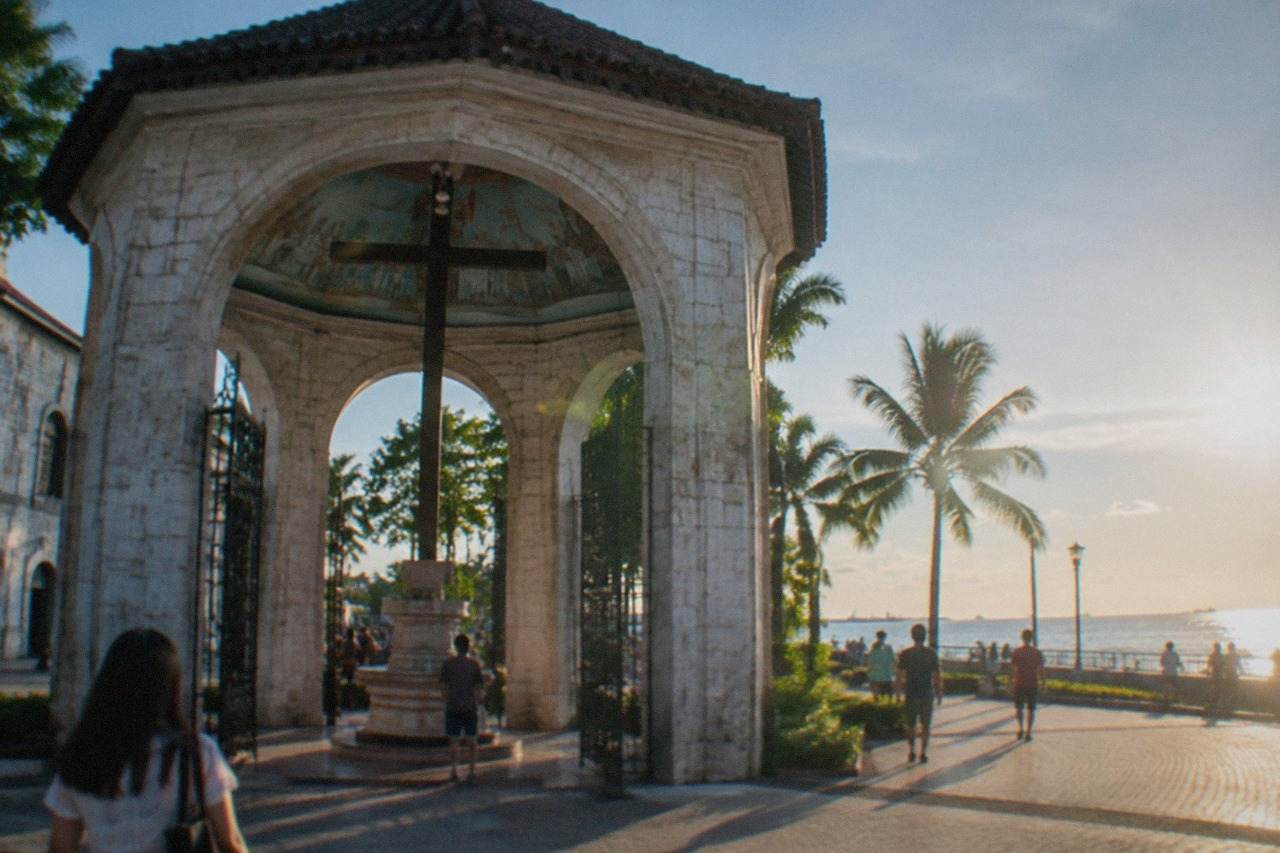
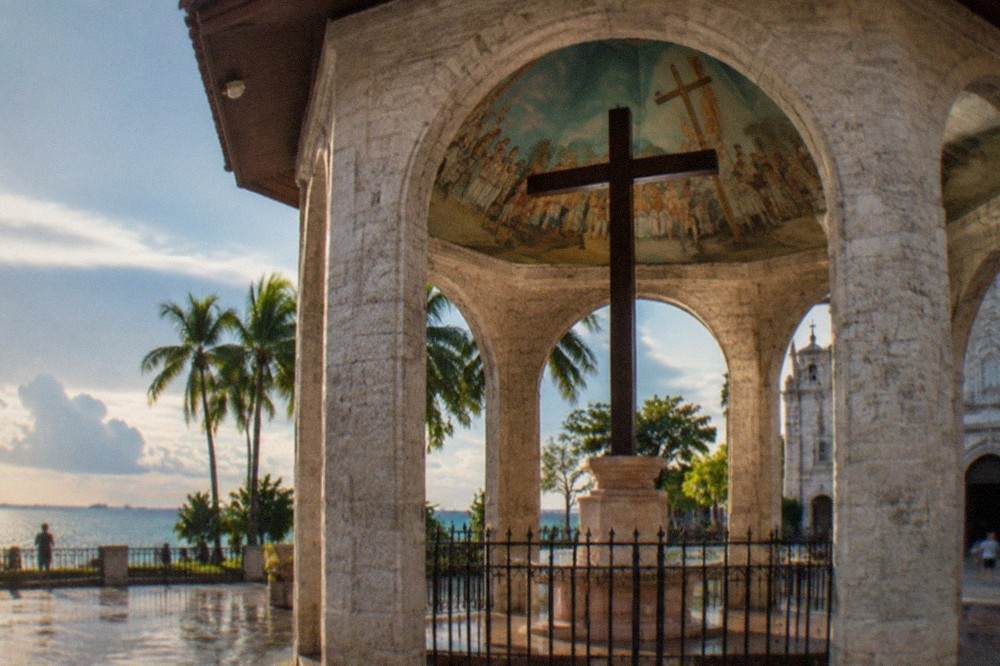
The earthquake's damage was concentrated in the north. Five coral-stone heritage churches, in Daanbantayan, Bantayan, Tabogon, San Remigio and Bogo, suffered structural damage, and Bogo's shrine was told to hold no indoor masses for six months to a year. Several Cebu City museums, including Museo Sugbo and Casa Gorordo, closed briefly for structural inspection in early October 2025. The headline sites, Magellan's Cross, the Basilica, Fort San Pedro, the Mactan resorts, the southern waterfalls and Oslob, were not the story. The full index of guides sits on Cebu Travel Guide.
Typhoon Tino, international name Kalmaegi, was a different kind of event: a rain event rather than a wind event, with flooding described by officials as the worst flash flooding in memory in parts of the province. The Department of Tourism again stated within days that core zones were safe and open and appealed against blanket flight cancellations. By March 2026, tourism in Daanbantayan and Malapascua was recovering with steady bookings, and the DOT's position had not changed.
What this means for a visitor now is simple: the places on a standard Cebu itinerary are operating. If your plans include the far northern churches, check their current status before travelling, because rehabilitation there is ongoing. Everyone else can plan normally.
Is Cebu Safe For Solo Travellers And Families?
Yes, with the ordinary precautions of any large Asian city. Cebu City is a metro of nearly a million people with a heavy tourist presence, and the safety failures visitors most often report are opportunistic: phone snatching, bag slashing in crowds, taxi overcharging. Ride-hailing apps, hotel-arranged transport and guided tours remove most of those scenarios, and no advisory body treats Cebu differently from any other major Philippine city.
The practical advice is unglamorous. Use Grab, which operates across Cebu City, Mandaue and Lapu-Lapu, rather than hailing unmarked vehicles. Keep phones off table edges at outdoor cafes. In Colon Street and other crowded market areas, carry bags in front and keep valuables to a minimum; the Colon Street area guide covers what to expect there. At night, stay on lit, trafficked streets, which in practice means the IT Park, Ayala, Bonifacio District and the waterfront strips rather than empty side streets.
Families have an easier calculation. The resort zones of Mactan are gated, low-friction and built around exactly this market, and the family travel guide covers the infrastructure from stroller-friendly attractions to kid-oriented resorts. Solo travellers blend into a city that already hosts large numbers of foreign residents and long-stay visitors, and a guided introduction on the first day helps with the small stuff, which jeepney to take, which areas to avoid after dark, what a fair fare looks like.
A market walk with a local guide is also, quietly, a safety measure. You learn the layout of the old city, you see which streets are busy at which hours, and you have someone to ask the questions you would otherwise type into a phone standing on a corner.
When Is The Riskiest Time Of Year To Visit Cebu?
The typhoon and rainy season runs June to November, with peak cyclone activity roughly July to October, and PAGASA's own normals show the wettest months at the Mactan station are October at 194.8 mm and July at 192.9 mm of rain. The dry season, December to May, is the lower-risk window. None of this makes Cebu unsafe in the wet months, but it is when flight cancellations and ferry suspensions become a real planning factor.
Typhoon Tino in November 2025 was a demonstration of what the season can do, and it was followed within weeks by Coast Guard ferry suspensions elsewhere in the Visayas during subsequent storm passages. The pattern repeats every year in some form: storms form, sea crossings pause for a day or two, and everything resumes. If you travel between June and November, build a buffer day around any inter-island ferry and accept that a Kawasan or Oslob trip may be rescheduled for weather.
| Period | Season (PAGASA rule) | What it means for safety planning |
|---|---|---|
| December to February | Cool dry season | Lowest rain, calmest seas, busiest around Sinulog in January |
| March to May | Hot dry season | Driest months, April averages 48.1 mm of rain at Mactan |
| June to August | Rainy season begins | Cyclone risk rises, afternoon storms common |
| September to November | Rainy season peak | Highest cyclone and flooding risk, October averages 194.8 mm of rain |
For timing a whole trip, the best month to visit Cebu breakdown goes deeper, and if whale sharks are the goal the best month for whale sharks page covers the Oslob season separately. Note that the whale-shark interaction itself is not weather-dependent in the way diving is: it runs from boats close to shore, and in late May 2026 the animals were simply absent from the feeding area for about four days, a reminder that wildlife sightings are never guaranteed even in perfect weather.
Common Questions About Cebu Safety
Is it safe to go to cebu now?
Yes. Cebu is open to tourists, the Department of Tourism confirmed the province safe and open in October 2025, and no US, UK or Australian advisory names Cebu as a risk area. Normal big-city precautions apply.
Is Cebu affected by the Mindanao travel warnings?
No. The do-not-travel and avoid zones in Western advisories cover the Sulu Archipelago and parts of Mindanao, which are far south of the Visayas and involve no Cebu itinerary.
Did the 2025 earthquake close any Cebu tourist spots?
Some Cebu City museums closed briefly for inspection in October 2025, and heritage churches in northern Cebu, around Bogo, Daanbantayan and Bantayan, suffered lasting damage. The main city and Mactan attractions were unaffected.
Is Cebu safe during typhoon season?
Generally yes, but June to November brings cyclone risk with a peak around July to October. Ferries and island tours can be suspended for a day or two during storm passages, so keep buffer days in your plans.
Is Cebu safe for solo female travellers?
Thousands travel solo in Cebu each year without incident. The standard advice applies: use ride-hailing apps rather than unmarked taxis, avoid empty streets at night, and dress with the tropical climate and local norms in mind.
Do I need any special entry documents for safety reasons?
No, but you do need an eTravel registration, free, filed within 72 hours before arrival, and a passport valid at least six months. Use only the official site, as the Bureau of Immigration has warned about fake registration pages charging fees.
The honest summary is that Cebu in late 2026 is a normal, functioning, heavily visited destination whose only unusual recent history is natural, not man-made, and whose recovery from the 2025 quake and typhoon is largely complete outside the far north. Plan around the season, keep your wits about you in crowds, and the rest of the safety picture takes care of itself.