Colon Street Cebu
Colon Street in Cebu City, Philippines, is the commercial spine of the old downtown, hemmed in by heritage sites, markets and some of the busiest food blocks on the island. This guide covers what to see within walking distance, where to eat, how to arrive from the airport, and which day trips start nearby.
Short answer
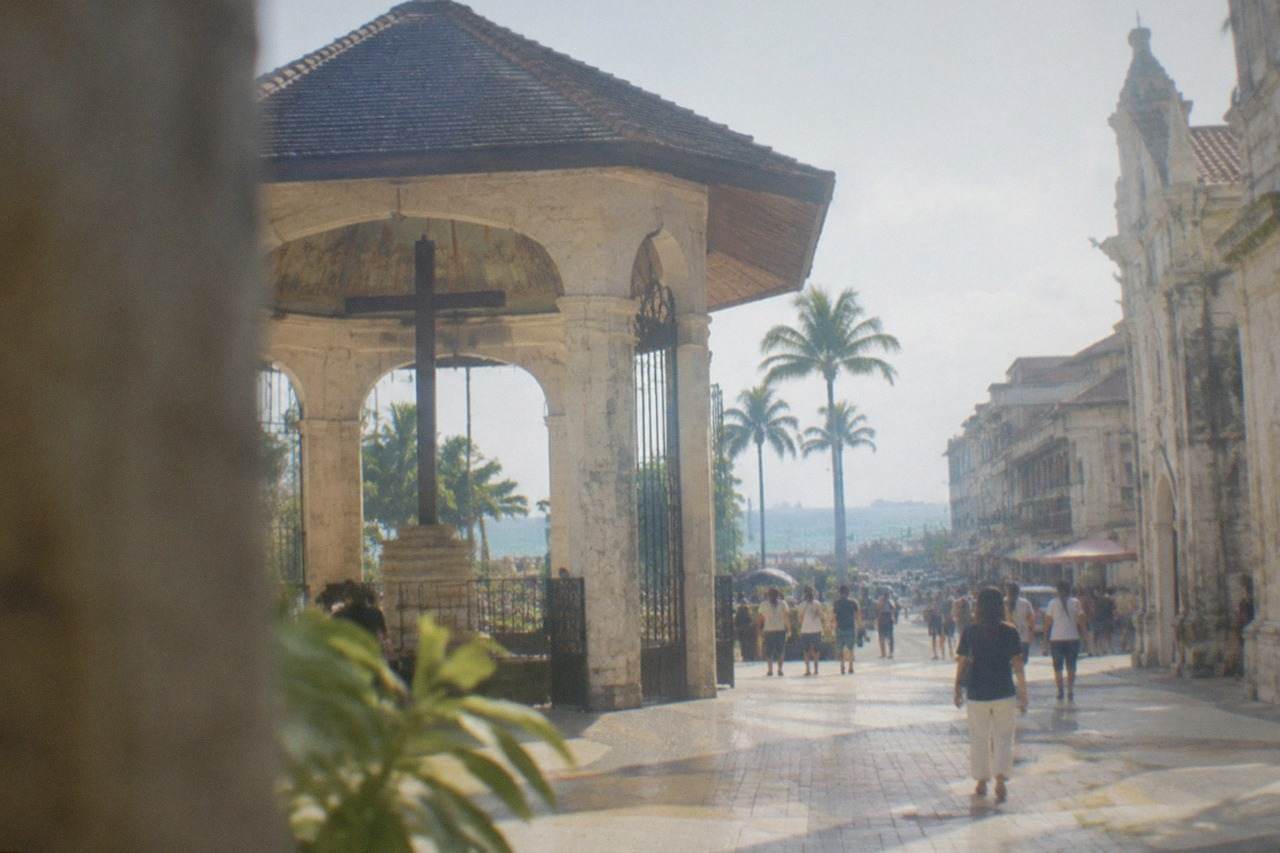
Colon Street is the historic commercial heart of downtown Cebu City in the Philippines, sitting inside the area first settled by the Spanish in 1565. Magellan's Cross, the Basilica Minore del Santo Nino, Fort San Pedro and several museums are all within a short walk, and the street itself is lined with shops, markets and street food.
Colon Street in Cebu City, an island province in the Central Visayas region of the Philippines, runs through the oldest continuously settled part of the country's oldest chartered city. The Spanish town founded here in 1565, the Villa del Santisimo Nombre de Jesus, grew around the port and the plazas, and the grid of streets that includes Colon still carries the commerce that followed. Today the street is a dense strip of shops, hardware stores, bakeries, ukay-ukay clothing stalls and street food, framed by heritage landmarks that predate the buildings around them. It is not a polished boulevard. It is the working downtown of a city of 964,169 people at the 2020 census, and that is exactly why it rewards a visit.
What Is Colon Street Cebu And Why Does It Matter?
Colon Street is the main commercial artery of downtown Cebu City in the Philippines, laid out in the heart of the settlement the Spanish established in 1565, and it remains the busiest shopping and street-food strip in the old town. Almost every major heritage site in Cebu City sits within a short walk of it, which makes it the natural base for a first day in the city. Its blocks mix colonial-era landmarks with modern department stores.
Cebu became a chartered city on 24 February 1937, and the local government describes it as the first and oldest city in the country, antedating Manila by seven years. The settlement itself goes back further: the Legazpi-Urdaneta expedition landed on 28 April 1565, and the Church of the Santo Nino was founded the same day. That church, now the Basilica Minore del Santo Nino, stands a short walk from the Colon grid, and the whole heritage core grew outward from it.
What surprises many first-time visitors is how little separation there is between eras here. A coral-stone fort from 1738, a basilica rebuilt between roughly 1735 and 1740, a 1990s shopping mall and a street vendor grilling chicken intestines can occupy the same block. The street does not curate itself for tourists, and planning a visit around that fact, rather than around a sanitized version of it, is the difference between a frustrating hour and a good half day.
For orientation, the wider downtown is covered in the Cebu City area guide, and the full island-wide shortlist lives on the things to do in Cebu hub page.
What Can You See Within Walking Distance Of Colon Street Cebu?
The core heritage cluster around Colon Street in Cebu City includes Magellan's Cross, the Basilica Minore del Santo Nino, Fort San Pedro, Casa Gorordo Museum and Museo Sugbo, all reachable on foot within an hour combined. Magellan's Cross is free to visit, and the other sites charge modest peso fees in the P25 (about US$0.4) to P100 (about US$1.6) range, with discounts for students and seniors. The Yap-Sandiego Ancestral House and the Heritage of Cebu Monument round out the set.
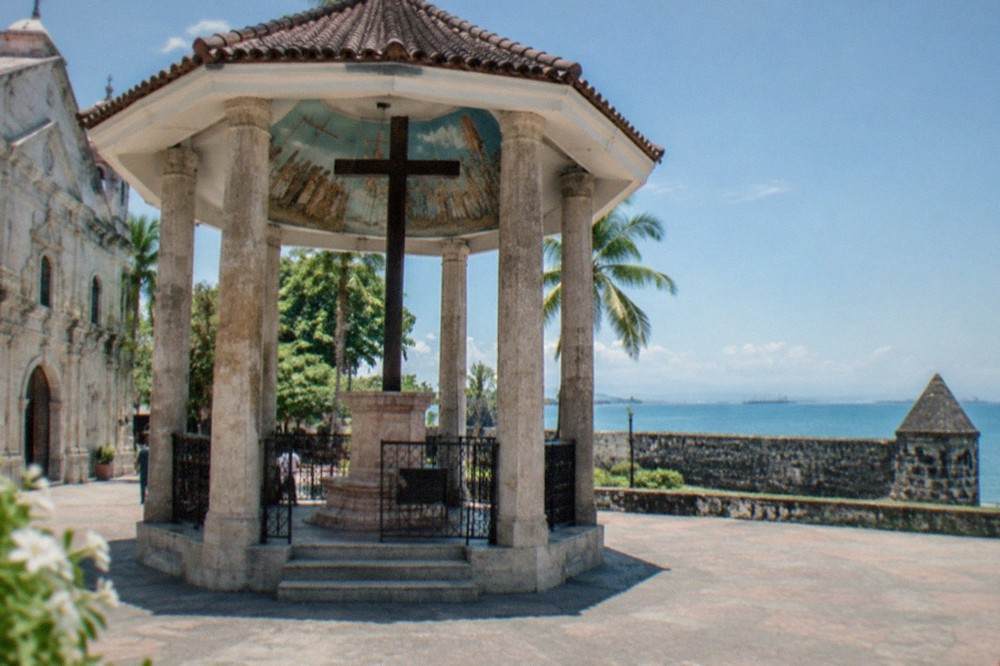
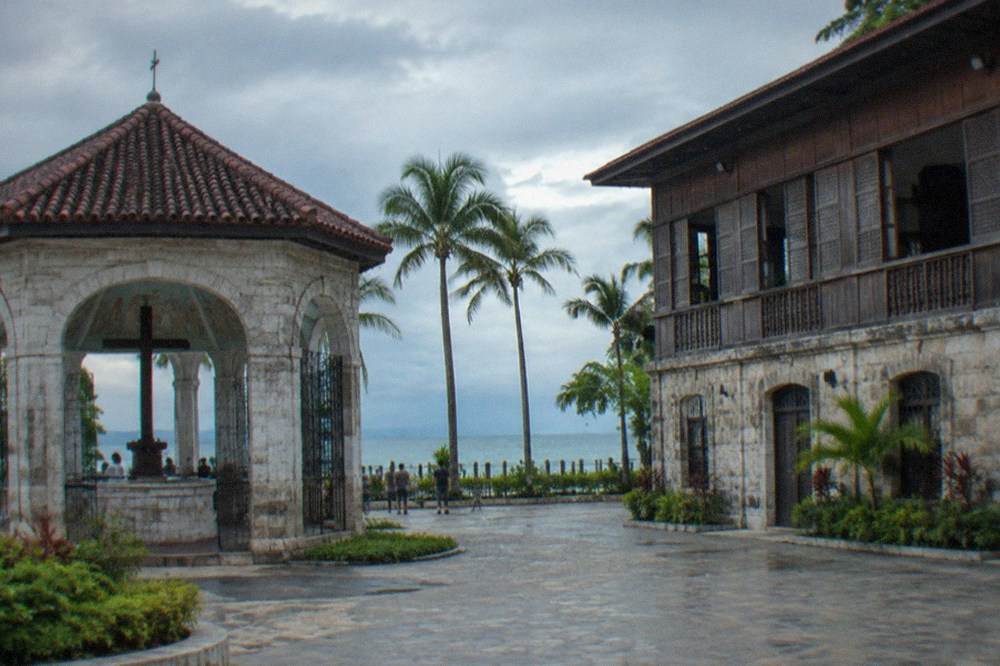
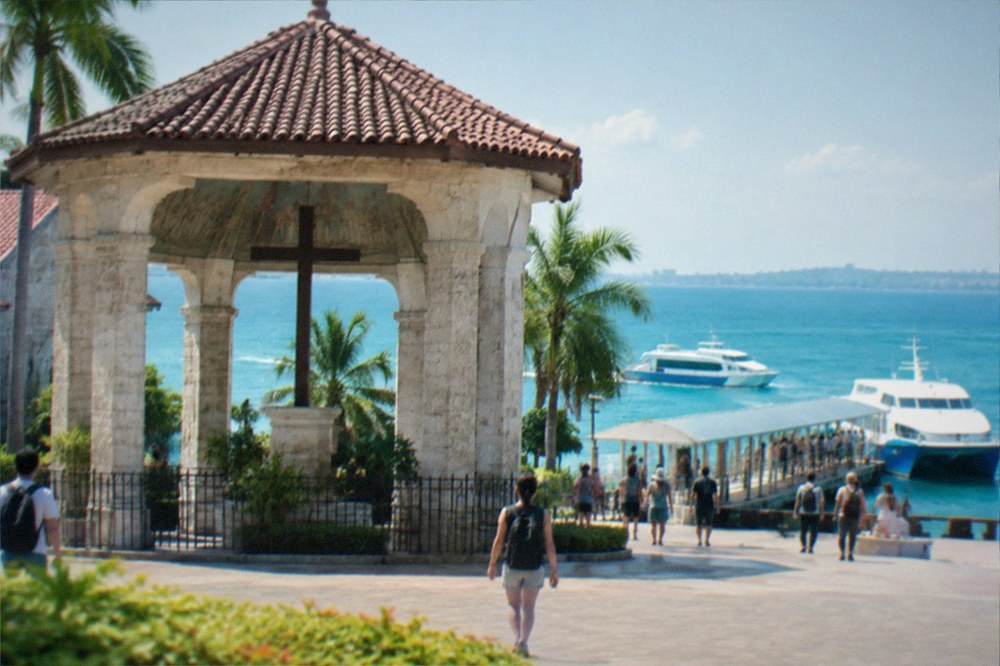
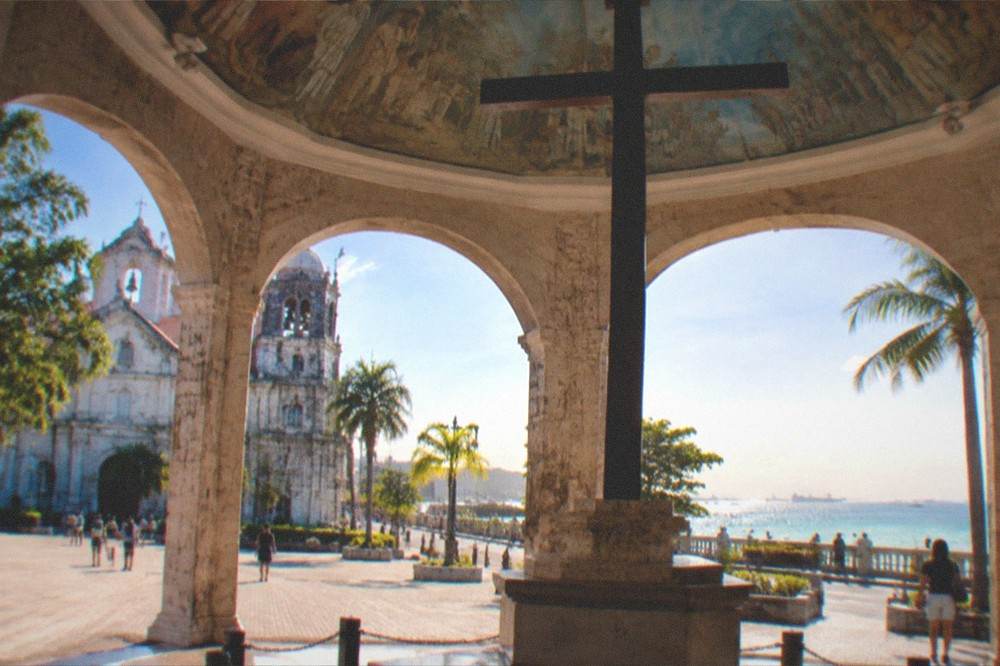
Start at Magellan's Cross, the pavilion housing the cross the Magellan expedition erected in 1521, presented to Queen Juana at her baptism. The Basilica's own chronicles say the current pavilion structure dates from 1834. Entry is free. A few minutes away stands the Basilica itself, founded on 28 April 1565 by Fr. Andres de Urdaneta on the spot where the Santo Nino image was found, with the present structure built between roughly 1735 and 1740. Its belfry collapsed in the 15 October 2013 Bohol earthquake and has since been restored.
Fort San Pedro, the oldest triangular bastion fort in the country, began as a wooden structure under Legazpi in 1565, with the present stone form dating from 1738. It is open to visitors, and a SunStar report on the city's 2026 fee update confirmed entrance stayed at P50 (about US$0.8) regular and P40 (about US$0.6) for students and seniors, with only event rental rates revised. The 30 September 2025 magnitude 6.9 earthquake off northern Cebu listed the fort among damaged city buildings, so it is worth confirming it is open on the day.
The museum layer sits just inland. Casa Gorordo Museum charges about P100 (about US$1.6) regular with a discounted student and senior rate, and operates Monday to Saturday. Museo Sugbo, the provincial museum, reopened on 29 August 2025 after nearly two years closed, with a P50 (about US$0.8) general ticket and P25 (about US$0.4) for students and seniors, open Monday to Friday. Both were temporarily closed for structural inspection after the September 2025 earthquake; their reopenings since confirm they are back, but hours shift, so check before going.
| Site | Entry fee | Notes |
|---|---|---|
| Magellan's Cross | Free | Pavilion dates from 1834; free entry confirmed across sources |
| Basilica Minore del Santo Nino | Free | Founded 28 April 1565; current structure 1735-1740 |
| Fort San Pedro | P50 (about US$0.8) regular, P40 (about US$0.6) student/senior | Oldest triangular bastion fort; stone form from 1738 |
| Casa Gorordo Museum | About P100 (about US$1.6) regular | Monday to Saturday; student and senior rates lower |
| Museo Sugbo | P50 (about US$0.8) general, P25 (about US$0.4) student/senior | Reopened 29 August 2025; Monday to Friday |
| Cebu Taoist Temple | Free, donations welcome | In the Beverly Hills hills, a short drive from downtown |
For deeper pages on the individual landmarks, see the Magellan's Cross guide, the Basilica del Santo Nino guide and the Fort San Pedro guide.
Where Should You Eat On And Around Colon Street Cebu?
The blocks around Colon Street in Cebu City are one of the densest street-food and market zones in the Philippines, with grilled skewers, batchoy, puso rice parcels, fresh lumpia and lechon all sold within walking distance of the heritage plazas. Cebu's most famous dish, lechon, is sold by weight from downtown rotisseries and market stalls, and a guided market walk is the most efficient way to eat the area safely. A guided walk covers it.
Cebu's food reputation rests heavily on lechon, and the downtown markets carry it daily. The practical challenge for a visitor is not finding food but choosing: the stalls rotate, the best vendors do not always have signage in English, and hygiene standards vary from stall to stall. A market-focused walking tour solves that by putting a local guide between you and the raw decisions.
The Cebu Market & Food Tour is this page's featured pick: a market food walk through the downtown eating blocks. Its price is not published by the operator, so check the live listing rather than any figure quoted elsewhere. It rates highly from a small number of reviews, and the format, eating your way through a market with someone who knows the vendors, fits the Colon area better than any bus tour could.
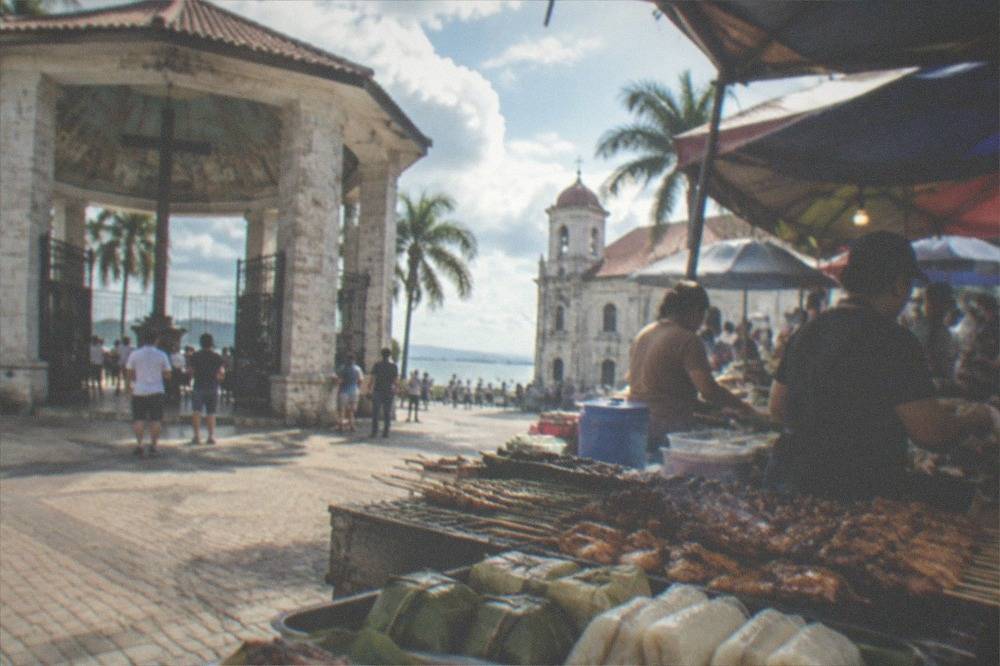
If you would rather eat independently, keep three rules in mind. First, favor stalls with a fast turnover and food cooked in front of you. Second, carry small peso notes, because most vendors do not take cards and few take large bills graciously. Third, pace yourself: the blocks around the plazas produce more food per square metre than anywhere else in the city, and the point is to try many things rather than commit to one sit-down meal.
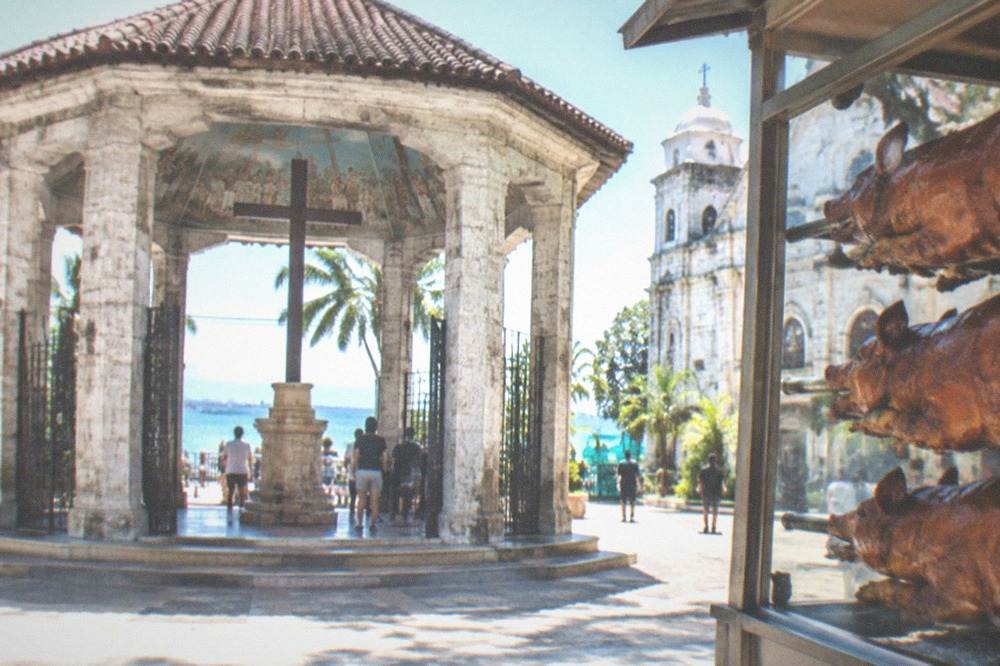
For the fuller picture on the island's signature dish, read the dedicated Cebu food and lechon guide.
How Do You Get To Colon Street Cebu From The Airport?
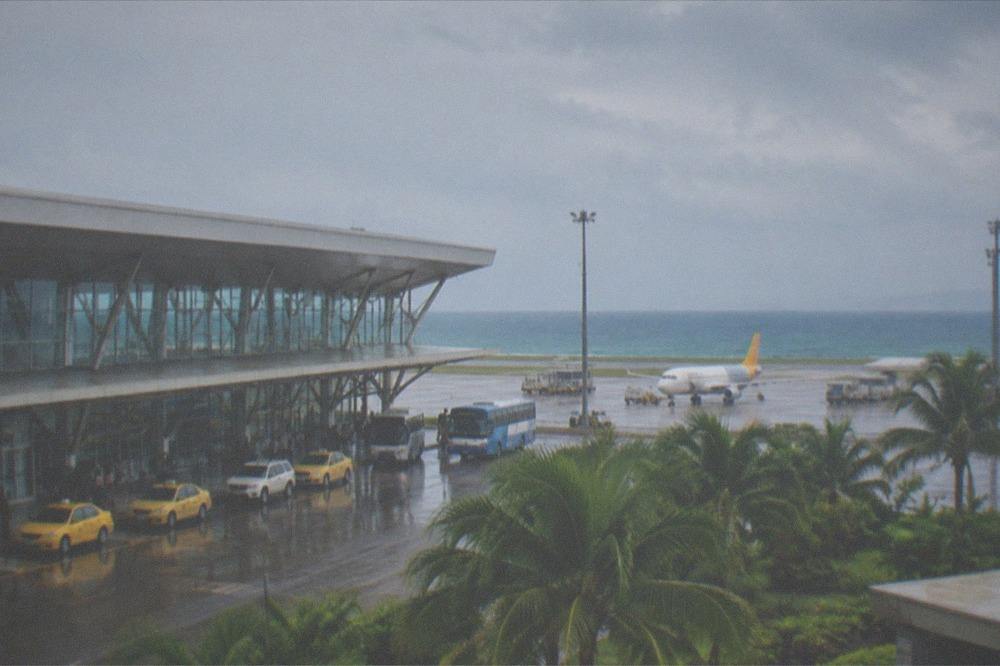
Mactan-Cebu International Airport sits about 13 to 15 km from downtown Cebu City, a drive of roughly 25 to 60 minutes depending on bridge traffic, and the cheapest public connection is the MyBus service to SM City Cebu, which charges a modest flat fare and runs from about 7 AM to 10 PM airport-side. Grab ride-hailing operates throughout Metro Cebu with designated pickup zones at both terminals, and metered taxis queue outside arrivals. From SM City Cebu, Colon is a short hop.
The airport's own transport guide confirms the MyBus route and fare band, with the SM City Cebu connection running 6 AM to 9 PM inbound and 7 AM to 10 PM outbound, at P50 (about US$0.8) on the airport route. The airport has two terminals, Terminal 1 for domestic flights and Terminal 2, opened in 2018, for international flights, and they are connected by a walkway. Since 16 January 2025 the terminals have been operated by Aboitiz InfraCapital Cebu Airport Corporation under a public-private partnership with the MCIAA.
Grab lists Cebu among its Philippine service cities, and the app shows an upfront price before you book, which removes meter anxiety entirely. Fares vary with demand, so the app's quote at the moment you book is the only reliable number. White metered city taxis queue at arrivals as well; the airport-accredited yellow taxis charge a higher flag-down than city cabs. More of these guides are collected on Cebu Travel Guide.
| Option From MCIA | Fare | Schedule Or Note |
|---|---|---|
| MyBus to SM City Cebu | P50 (about US$0.8) on the airport route | Airport to SM about 7 AM-10 PM; SM to airport 6 AM-9 PM |
| Grab | App-quoted, demand-based | Designated pickup zones at both terminals |
| Yellow airport taxi | Higher flag-down than city cabs | Accredited queue outside arrivals |
| White metered taxi | Metered | Standard city fleet |
From SM City Cebu, the downtown heritage core is close enough that a short ride completes the journey. For the full airport breakdown, see the Cebu airport guide and the wider getting around Cebu page.
Is Colon Street Cebu Safe For Visitors?
Colon Street and downtown Cebu City are considered safe for normal daytime sightseeing, with no Cebu-specific travel advisory in force from the US, UK or Australian governments, though the Philippines overall carries a Level 2 "exercise increased caution" rating from the US State Department. Practical risks downtown are petty: pickpocketing in crowds and phone snatching. Standard city precautions, keeping valuables out of sight and avoiding deserted blocks late at night, cover almost everything.
The UK Foreign Office advises against travel only to parts of Mindanao and the Sulu archipelago, and names no part of Cebu. Australia's Smartraveller rates the Philippines overall at "exercise a high degree of caution" with the same regional exceptions. None of the three governments flags Cebu specifically. Locally, reported index and non-index crime in Cebu City fell roughly 24 percent in the first nine months of 2025, according to regional reporting.
The 30 September 2025 earthquake off northern Cebu is the other safety question visitors ask about. Its epicentre was near Bogo, at the northern end of the island, roughly the far side of the province from downtown. Cebu City sites were inspected, a few museums closed briefly for assessment, and the Department of Tourism declared the province open and safe for tourists on 28 October 2025. The downtown heritage sites have since reopened.
The honest caveat for Colon specifically: it is a dense commercial street, and its side blocks empty out after the shops close. Visit in daylight, keep the street-food and market exploration for daytime too, and use a ride-hailing app rather than walking back to a distant hotel after dark. The full risk picture, including typhoon season, is in the Cebu safety guide.
When Is The Best Time To Visit Colon Street Cebu?
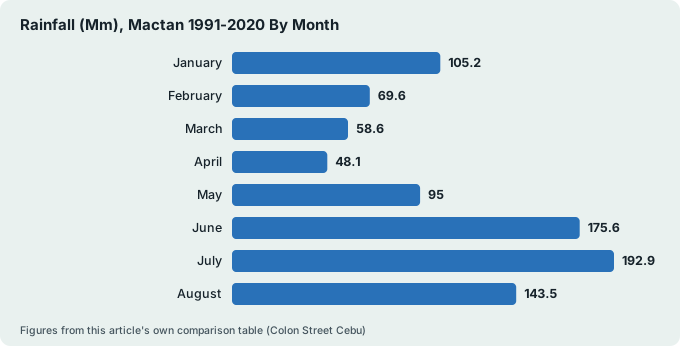
The best time to walk Colon Street in Cebu City is the dry season, December to May, when PAGASA's classification puts Cebu outside the rainy months and the Mactan station's normals show monthly rainfall dropping to as low as 48.1 mm in April. The wettest month in the 1991-2020 series is October at 194.8 mm. For sightseeing comfort, the early morning hours before about 10 AM combine cooler air with softer light on the heritage facades.
Cebu's climate is tropical, not temperate: PAGASA's national rule puts the rainy season from June to November and the dry season from December to May, and the Mactan station's 1991-2020 normals record 1,685.0 mm of annual rain across 138 rain days, with a mean temperature of 28.1 C. The monthly rainfall figures swing hard between the two seasons, which matters for a street that is walked rather than driven.
| Month | Rainfall (mm), Mactan 1991-2020 |
|---|---|
| January | 105.2 |
| February | 69.6 |
| March | 58.6 |
| April | 48.1 |
| May | 95.0 |
| June | 175.6 |
| July | 192.9 |
| August | 143.5 |
| September | 179.6 |
| October | 194.8 |
| November | 161.9 |
| December | 139.7 |
One calendar event reshapes the whole downtown: Sinulog, held on the third Sunday of January, with the 2027 Grand Parade set for 17 January 2027 at the Cebu City Sports Center, which remains the main venue after the South Road Properties experiment ended. The festival fills the downtown streets around Colon with crowds, processions and street parties. It is the worst week of the year for a quiet heritage walk and the best week of the year for spectacle. The details are in the Sinulog festival guide and the month-by-month breakdown on the best time to visit Cebu.
What Day Trips Start Near Colon Street Cebu?
Colon Street's downtown position makes it the natural departure point for Cebu's biggest day trips: Oslob's whale sharks about 3.5 to 4.5 hours south by bus, Moalboal's sardine run about 2.5 to 3.5 hours south, Bohol across a two-hour fastcraft ferry from Pier 1, and island-hopping trips out of Mactan. Buses to the south leave from the Cebu South Bus Terminal, and the fastcraft terminal for Bohol sits at Pier 1, both a short ride from the Colon grid.
The southern bus routes are frequent. Ceres buses run the Bato via Oslob route roughly nine times a day from early morning, and the Moalboal routes run every 30 to 45 minutes, so independent travel is realistic if you start early. The whale shark interaction in Oslob runs from about 6 AM to 12 PM, with a registration cutoff around 11 AM, and the LGU fee is P1,000 (about US$15.9) for foreign tourists and P500 (about US$8.0) for Filipinos, boat and guide included. Sightings are not guaranteed: in late May 2026 the whale sharks were absent from the Tan-awan interaction area for about four days when the plankton moved.
For Bohol, OceanJet runs about thirteen fastcraft sailings a day from Pier 1 to Tagbilaran, roughly two hours each way, with tourist-class fares at P960 (about US$15.3) since a 10 percent fuel surcharge took effect on 21 September 2026. The same-day Bohol countryside tours sold from Cebu build the ferry, lunch and the Loboc River cruise into one package.
| Day Trip From Downtown Cebu City | Travel Time | Key Local Fee |
|---|---|---|
| Oslob whale sharks | About 3.5-4.5 h by bus south | P1,000 (about US$15.9) foreign, P500 (about US$8.0) local |
| Moalboal sardine run | About 2.5-3.5 h by bus south | P100 (about US$1.6) environmental user fee to swim or snorkel |
| Bohol countryside | About 2 h by fastcraft from Pier 1 | P960 (about US$15.3) tourist class each way |
| Kawasan Falls, Badian | South-route bus, then local transfer | About P200 (about US$3.2) Level 1 entrance |
| Mactan island hopping | Short ride over the bridge | P100 (about US$1.6) environmental fee for foreign tourists |
Guided versions of these trips remove the early-morning bus logistics entirely, which matters when the interaction window in Oslob closes at noon. The three below are the strongest fits for a downtown base.
For the deep dives on each destination, see the Oslob whale sharks guide, the Moalboal sardine run guide and the Kawasan Falls guide. The overnight question, whether to sleep downtown or at the beach, is settled in where to stay in Cebu.
Common Questions About Colon Street Cebu
What is Colon Street Cebu known for?
Colon Street is known as the historic commercial spine of downtown Cebu City, packed with shops, markets and street food, and sitting within walking distance of the city's core Spanish-era heritage sites, including Magellan's Cross, the Basilica Minore del Santo Nino and Fort San Pedro.
How far is Colon Street from the airport?
Mactan-Cebu International Airport is about 13 to 15 km from the downtown area, typically a 25 to 60 minute drive depending on bridge traffic. The MyBus service to SM City Cebu charges P50 (about US$0.8) on the airport route, and Grab operates with designated pickup zones at both terminals.
Is Colon Street safe for tourists?
Yes, for normal daytime sightseeing. No Cebu-specific travel advisory is in force from the US, UK or Australian governments, though the Philippines overall carries a Level 2 exercise-increased-caution rating from the US State Department. Petty theft in crowds is the main practical risk, so keep valuables out of sight and use a ride-hailing app after dark.
What heritage sites are within walking distance of Colon Street?
Magellan's Cross (free), the Basilica Minore del Santo Nino (free), Fort San Pedro (P50 (about US$0.8) regular, P40 (about US$0.6) student and senior), Casa Gorordo Museum (about P100 (about US$1.6)) and Museo Sugbo (P50 (about US$0.8) general, P25 (about US$0.4) student and senior) are all in or near the downtown heritage core.
When is the best time of day to visit Colon Street?
Daylight hours, ideally before about 10 AM, when the air is cooler, the shops are opening and the street-food stalls are setting up. Avoid the densest mid-afternoon crush if you are walking with camera gear, and note that side blocks empty out after the shops close.
Can you take a food tour around Colon Street?
Yes. A market and food walk covers the downtown eating blocks with a local guide; its price is not published by the operator, so check the live listing. A half-day joiner city tour is an alternative that pairs the heritage sites with the food stops in one morning.
Colon Street rewards exactly what it looks like it would reward: an unhurried walk, small bills in your pocket, and a willingness to eat something you cannot yet name. Pair a morning of heritage sites with an afternoon of market grazing, and downtown Cebu City delivers a fuller first day in the Philippines than almost any other street on the island.