Is Cebu Safe
Cebu, the island province in the Central Visayas region of the Philippines, carries no destination-specific travel warning from the US, UK or Australian governments. This guide covers what the advisories actually say, how typhoon season and the 2025 earthquake changed the picture, and the everyday precautions that matter in Cebu City and on the water.
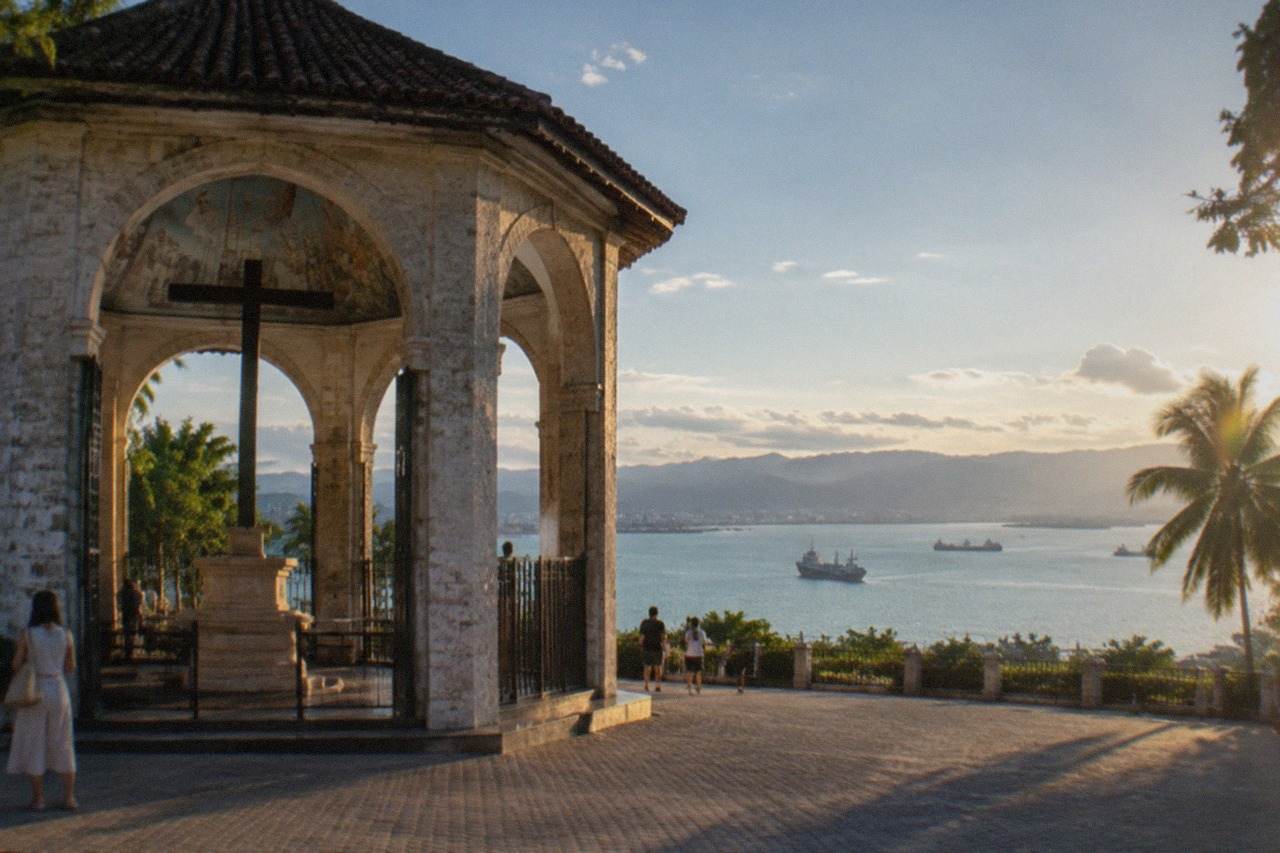
Short answer
Yes. No major government issues any Cebu-specific travel warning; the US, UK and Australia all rate the Philippines with country-wide caution levels that name only Mindanao and the Sulu Archipelago as higher-risk areas. The main risks in Cebu are weather (typhoons June to November) and ordinary city crime, both manageable with standard precautions.
Cebu, the island province in the Central Visayas region of the Philippines, is one of the country's most-visited destinations, and the honest answer to "is Cebu safe" is yes, with two caveats worth understanding before you book. The first is weather: PAGASA, the Philippine weather service, classifies June through November as the rainy season, and typhoons have hit the island hard, most recently in November 2025. The second is ordinary urban caution, because Cebu City is a metro area of nearly a million people and it behaves like one. No Western government singles Cebu out for any specific warning.
Is Cebu Safe For Tourists Right Now?
Yes, Cebu is considered safe for tourists as of late 2026. The US State Department holds the Philippines at Level 2, Exercise Increased Caution, country-wide, with its strictest warnings reserved for the Sulu Archipelago and Marawi, none of which is in the Visayas. The UK FCDO and Australia's Smartraveller likewise advise caution only for parts of Mindanao and name no Cebu-specific risk. The Department of Tourism declared Cebu open and safe for visitors in October 2025 after that year's earthquake.
That last point matters, because Cebu had an unusually rough twelve months. On 30 September 2025 a magnitude 6.9 earthquake struck offshore of Bogo City in the island's north, damaging several coral-stone heritage churches there, and in early November 2025 Typhoon Tino (international name Kalmaegi) brought severe flooding to Cebu and a provincial state of calamity. Both events were real and serious for residents.
What the tourism record shows, though, is fast recovery. The Department of Tourism stated in October 2025 that Bantayan Island and Malapascua remained open, that the ports at Santa Fe, Maya and Kawit were fully operational, and that only some establishments in San Remigio were still awaiting clearance. Cebu City and Mactan, where many visitors stay, were largely unaffected by the earthquake. The practical takeaway: the island absorbs severe weather and reopens, but you should build flexibility into any trip booked between June and November.
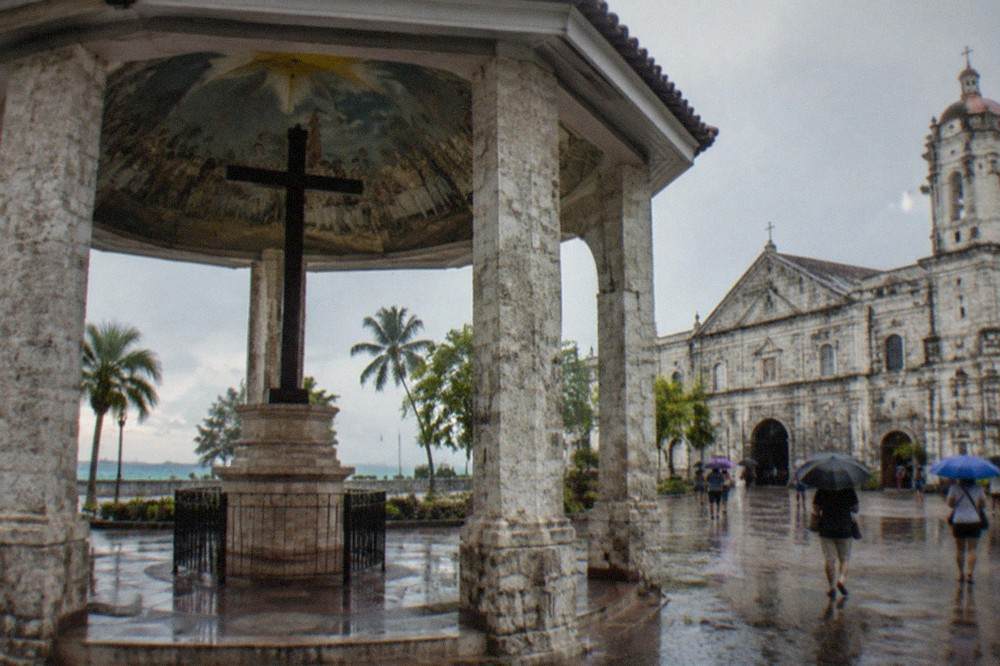
What Do The Official Travel Advisories Say About Cebu?
None of the three major English-language advisory systems issues any warning specific to Cebu. The US State Department rates the Philippines Level 2, Exercise Increased Caution, reissued 8 May 2025, with Level 4 Do Not Travel zones limited to the Sulu Archipelago and southern Sulu Sea and Marawi City. The UK FCDO advises against travel only to western and central Mindanao and the Sulu archipelago. Australia's Smartraveller says exercise a high degree of caution country-wide. Cebu appears in none of them.
It helps to read the advisories the way their authors intend. A country-wide Level 2 does not mean every province is equally risky; it means the State Department applies one rating to a country unless a region needs its own. The regions that drive the Philippines' rating, Mindanao and the Sulu chain, are hundreds of kilometres from Cebu and require a deliberate journey to reach. There is no land route from Cebu to any of them.
| Advisory body | Philippines rating | Highest-risk areas named | Cebu-specific advice |
|---|---|---|---|
| US State Department | Level 2: Exercise Increased Caution (reissued 8 May 2025) | Sulu Archipelago, southern Sulu Sea, Marawi City | None issued |
| UK FCDO | Regional advisories for Mindanao and Sulu | Western/central Mindanao, Sulu archipelago | Not named; typhoon-season note only |
| Australia Smartraveller | Exercise a high degree of caution | Central/western Mindanao, Sulu, southern Sulu Sea | Not named; extreme weather note |
The UK FCDO's Philippines page carries a standing typhoon-season note, updated in July 2026, which is the only part of any advisory that touches the Visayas at all. It is general monitoring advice, not a warning. For what that season actually looks like on the ground, see the Cebu weather and typhoon season guide, and for timing a trip around it, the best time to visit Cebu.
For a quick sense of how a visit actually feels day to day, the answers page on whether Cebu is safe now covers the same question in short form.
What Are The Everyday Risks In Cebu City?
The everyday risks in Cebu City are the same ones in any large Asian city: pickpocketing in crowded areas, phone and bag snatching, taxi overcharging and scams aimed at visitors. Cebu City had roughly 964,169 residents at the 2020 census, and its index and non-index crime counts fell about 24 percent from January to September 2025. No credible source publishes a Cebu-specific pickpocket statistic, so treat any number you see online with suspicion.
The precautions that work here are unglamorous. Carry only what you need for the day and leave the passport in the hotel safe, using a photocopy or photo for ID. Keep phones off café tables and away from the edge of jeepney seats, since snatch-and-run theft from open vehicle windows is the most common tourist loss in Metro Cebu. Use ride-hailing apps rather than hailing unmarked vehicles at night; Grab operates across Cebu City, Mandaue and Lapu-Lapu with upfront pricing shown in the app, which removes the negotiation that meter-less drivers sometimes exploit.
A few specific habits for Cebu:
- Colon Street, the country's oldest commercial street, is busy and worth seeing by day; keep valuables minimal there, as in any crowded market district.
- ATMs inside bank lobbies or malls are safer than street-facing machines, especially after dark.
- Jeepneys are safe and very cheap, but they are open-sided: hold bags in front of you, not on the outer bench edge.
- Late at night, a booked ride beats walking between districts; the nightlife areas in IT Park and the Asiatown strip are well-policed but the walk home may not be.
The one scam pattern worth naming: unofficial "tour guides" or drivers offering to take you to a closed attraction and then a "better" shop or gem store. This exists across the Philippines, not just Cebu. Politely decline and continue on the plan you booked.
Evening plans are where a little structure pays off. An organised show ticket, for example, gives you a fixed venue and a known return route rather than an unplanned night walk.
For travellers who prefer to settle the evening in advance, the show ticket below covers one of Cebu City's established productions, with hotel pickup arranged rather than negotiated on the street.
Is Cebu Safe For Solo Travellers And Women?
Yes, solo travel in Cebu is common and generally safe, and the island sees enough independent visitors that solo travellers attract no particular attention. The standard advice applies with local colour: dress modestly at churches, avoid deserted beaches after dark, share your itinerary with someone back home, and be wary of overly friendly strangers who steer conversations quickly toward money, romance or investment. Filipino hospitality is genuine; the exceptions are the ones who move fast.
Women travelling alone report that Cebu is one of the easier destinations in Southeast Asia, largely because English is widely spoken and help is easy to ask for. The Basilica Minore del Santo Niño and other religious sites ask for covered shoulders and knees, which doubles as practical crowd-safety advice during Sinulog, when the city's population swells and pickpocketing opportunities multiply with the crowds.
Two structural points help solo travellers here. First, the tip-based free walking tours are a low-commitment way to spend a first day oriented and in company; the Essential Cebu free tour on GuruWalk covers ten stops over about three hours and is rated 4.99 from 265 reviews, and a second GuruWalk walk adds a jeepney ride. Second, the Cebu itinerary guide makes it easy to plan days that end near your accommodation rather than across the city.
Is It Safe To Swim, Snorkel And Dive Around Cebu?
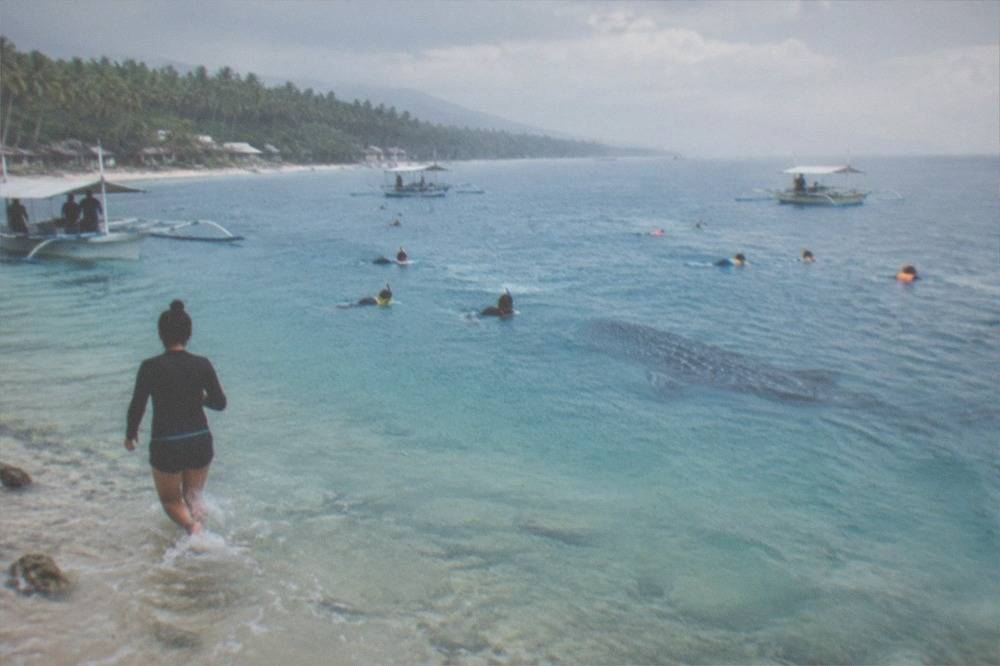
Yes, swimming, snorkelling and diving around Cebu are safe under regulated conditions, and the island's flagship marine activities are all government-supervised. Oslob's whale shark interaction is run under municipal rules, Kawasan canyoneering under a Badian ordinance, and Moalboal's sardine run sits inside a municipal environmental fee system. The genuine risks are open water and weather, not wildlife: jellyfish blooms appear seasonally, currents run strong off Pescador Island, and operators pause activities when conditions are bad.
The rules at each site exist because of past incidents, and following them is the whole game. At Oslob, the municipal rules require a briefing, keep swimmers about four metres from the whale sharks, ban sunscreen in the water, and limit interaction sessions to roughly thirty minutes; feeding is done only by licensed spotters. The fee is P1,000 (about US$15.9) for foreign visitors and P500 (about US$8.0) for Filipinos, boat and guide included. Sightings are close to reliable but not guaranteed: in late May 2026 the sharks were absent from the Tan-awan interaction area for about four days when plankton moved, and operations simply paused.
At Kawasan Falls, the safety framework tightened recently. The Alegria canyoneering route has been suspended through 2025 and 2026, leaving only the Badian route, and cliff jumping is now banned at the main Level 1 basin. A rockfall on 23 October 2025 suspended the activity for two days before an inspection cleared it. Guides are mandatory, and the going rate is roughly P1,500 (about US$24) to P2,000 (about US$32) with a Badian-accredited operator including gear, fees and lunch.
| Marine activity | Regulator | Key safety rule | Typical fee |
|---|---|---|---|
| Oslob whale shark watching | Municipality of Oslob | 4 m distance, no sunscreen, briefing required, ~30 min session | P1,000 (about US$15.9) foreign / P500 (about US$8.0) local |
| Kawasan canyoneering (Badian route) | Badian municipal ordinance 18-2026 | Accredited guide mandatory; cliff jumping banned at Level 1 | P1,500 (about US$24) to P2,000 (about US$32) |
| Moalboal sardine run | Moalboal EUF ordinance 165-2021 | Environmental user fee to enter the water | P100 (about US$1.6) |
| Malapascua thresher shark dives | Dive operators at Kimud Shoal | Early-morning dives, deep site, guide required | P1,800 (about US$29) to P2,000 (about US$32) per dive |
For the ethics question specifically, the whale shark ethics page covers the feeding debate honestly, and the Cebu diving guide goes deeper on certification and site conditions.
Are Cebu's Ferries, Buses And Roads Safe?
Cebu's ferries and buses are safe in the ordinary sense: licensed operators, life jackets aboard, and coast guard suspensions when weather turns. The fast craft to Bohol takes about two hours on OceanJet, the dominant operator, with around thirteen sailings a day. The real safety variable is weather, because the Philippine Coast Guard suspends sailings during typhoon passage and rough seas, and it does so without much notice. Road safety is the weaker link: motorbike and habal-habal rides carry more risk than any ferry.
On the water, the record is reassuring. Ferries between Cebu and Bohol run daily on set schedules from Pier 1, with fares of P960 (about US$15.3) tourist class and P1,440 (about US$23) business class on OceanJet since the September 2026 fuel surcharge. Terminal procedures are standard: arrive 45 minutes or more before a fast craft sailing, and expect a P25 (about US$0.4) terminal fee. The Cebu to Bohol ferry guide has the full schedule picture, and ferries from Cebu covers the other islands.
On the road, the hierarchy of risk runs roughly: private car or booked transfer, then bus, then jeepney, then habal-habal (the motorbike taxis used for short hops to waterfalls and viewpoints). Habal-habal rides are uninsured in the way a bus is, helmets are not always provided, and mountain roads to places like Tumalog Falls are steep and wet. If a motorbike is your only option for the last stretch, pick a driver with a spare helmet and go slow.
| Transport mode | Safety profile | Practical tip |
|---|---|---|
| OceanJet / Lite Ferries | Licensed, coast-guard monitored, weather suspensions | Book morning sailings in wet season; check suspensions after storms |
| Ceres buses (south to Oslob / Moalboal) | Long-haul, air-con options, fixed terminals | Sit away from the door; keep bags on your lap |
| Jeepneys | Safe, open-sided, very low fares | Hold bags in front; watch the window side |
| Grab / metered taxis | App-tracked or metered | Confirm the meter starts; Grab shows fare upfront |
| Habal-habal motorbike taxis | Unregulated insurance, variable helmets | Use for short hops only; agree the price first |
The getting around Cebu guide details each mode, and the Cebu airport guide covers the arrival-side choices from Mactan-Cebu International.
Is Cebu Safe During Typhoon Season?
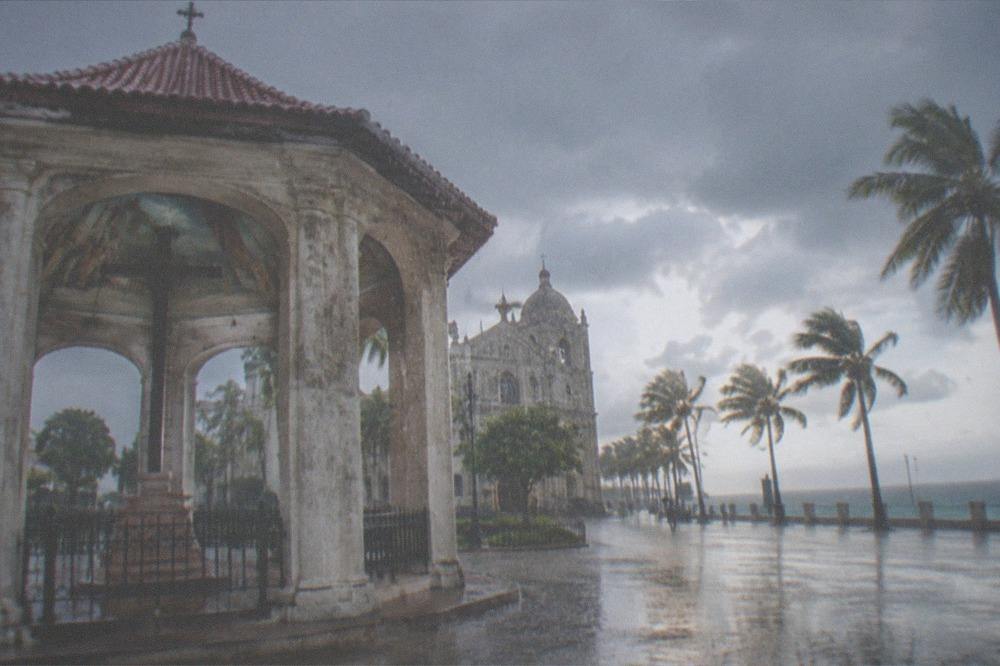
Cebu is safe during typhoon season in the sense that the island's infrastructure and warning systems work, but travel plans genuinely can be disrupted between June and November. PAGASA's national rule puts the rainy season in those months, with peak cyclone activity from July to October and high Visayas landfall risk in November and December. Typhoon Tino in November 2025 caused severe flooding and a state of calamity, yet Cebu City and Mactan's tourism zones stayed open.
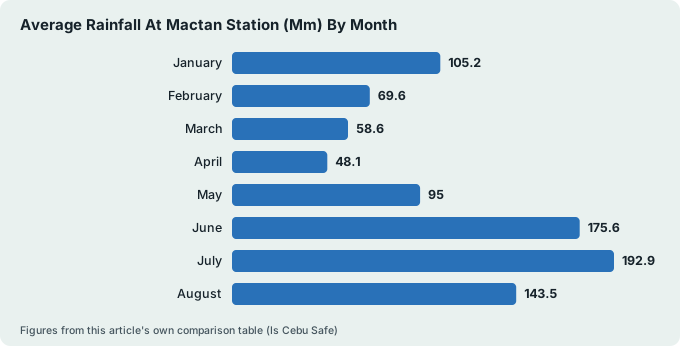
The climate data explains the pattern. PAGASA's Mactan station normals for 1991 to 2020 show 1,685.0 mm of rain annually across 138 rain days, with the wettest months concentrated late in the year: October averages 194.8 mm and July 192.9 mm, against April's 48.1 mm. The mean temperature sits at 28.1 C year-round, so the seasons differ by rain, not heat.
| Month | Average rainfall at Mactan station (mm) | Season |
|---|---|---|
| January | 105.2 | Dry |
| February | 69.6 | Dry |
| March | 58.6 | Dry |
| April | 48.1 | Dry |
| May | 95.0 | Dry |
| June | 175.6 | Rainy begins |
| July | 192.9 | Rainy |
| August | 143.5 | Rainy |
| September | 179.6 | Rainy |
| October | 194.8 | Rainy (wettest) |
| November | 161.9 | Rainy, typhoon peak |
| December | 139.7 | Rainy tapering |
If you travel in those months, three habits keep a typhoon from ruining a trip. Watch PAGASA advisories rather than foreign weather apps, because PAGASA issues the official Philippine warnings. Keep one buffer day before any fixed ferry or flight. And accept that a storm day in a hotel is a normal Philippine travel experience, not a safety crisis; the danger in Cebu is flash flooding in low-lying areas, which residents know to avoid.
What About Earthquakes In Cebu?
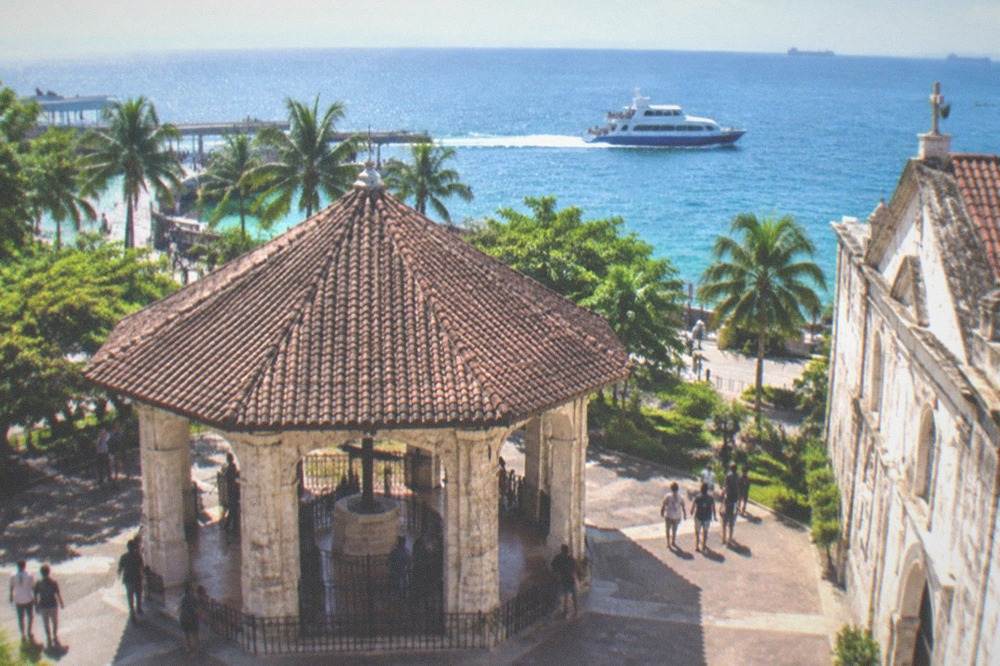
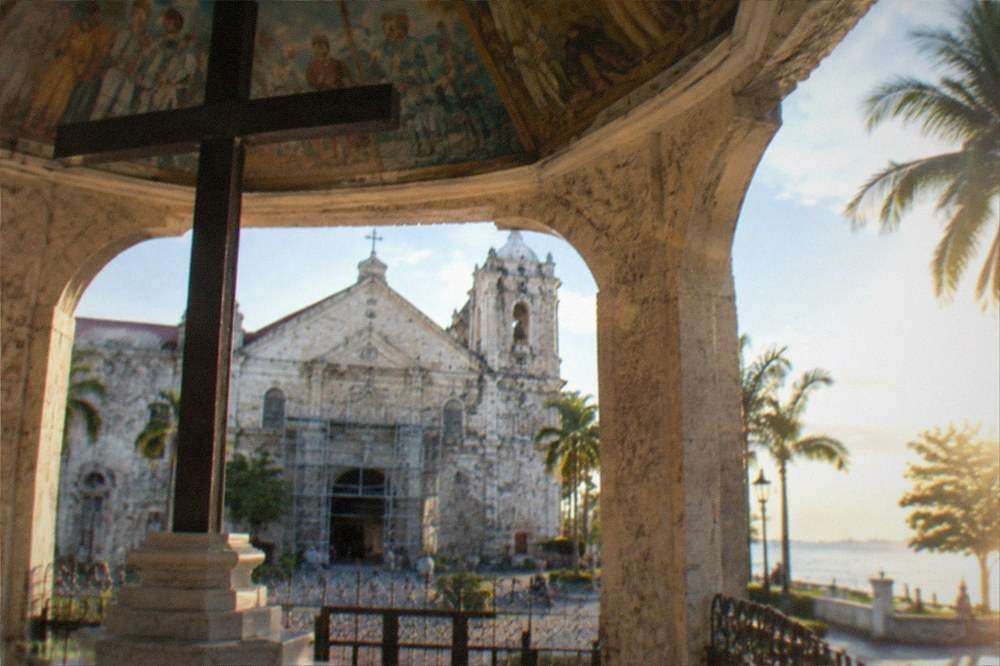
Cebu does experience earthquakes, and the 30 September 2025 magnitude 6.9 quake off Bogo City was a serious event that damaged northern heritage churches and displaced tourism workers, but it did not close Cebu's main tourism corridor. The quake killed about 80 people in total, with the worst damage concentrated in northern municipalities like Bogo, Daanbantayan and San Remigio. Cebu City, Mactan and the southern attractions were largely unaffected.
Two details from that event are useful for visitors. First, the quake came from a newly identified fault, the Bogo Bay Fault, which is why it surprised seismologists; the Philippines sits on active ground and always has. Second, the recovery pattern is documented: by March 2026, Daanbantayan and Malapascua tourism was recovering with steady bookings, while Bogo's rebuilding remained slow eight months on.
For a visitor, earthquake preparedness in Cebu is the same as anywhere in the Philippines. Know where the exits are in your hotel. In a quake, drop, cover and hold on rather than running outside, and expect aftershocks. If you are travelling to northern Cebu specifically to see the heritage churches in Bogo, Daanbantayan or Bantayan, check locally before you go, because several remain under assessment or closed, and the Bantayan church had no reported reopening as of September 2026. The Bantayan Island guide has the island's current picture.
Which Parts Of Cebu Are Safest For Visitors?
The safest and best-prepared parts of Cebu for visitors are Mactan Island's resort corridor, Cebu City's business districts of IT Park and Cebu Business Park, and the established tourist towns of Moalboal and Oslob, all of which have a visible tourism economy, hotel security and reliable transport. No part of Cebu carries an official warning, so the choice is about convenience and comfort rather than danger. Northern towns recovering from the 2025 earthquake are the only places where a specific check ahead is warranted.
Mactan, home to the airport and most of the big resorts, is the lowest-effort option: gated properties, hotel-organised island hopping and short transfers. Cebu City's hotel districts around IT Park and the Business Park are well-lit, policed and walkable at night in a way that older downtown districts are not. For beach-town stays, Moalboal's Panagsama strip and Oslob's Tan-awan are small, tourist-facing communities where the Cebu resorts and hotels guide and the where-to-stay comparisons will point you to the right base.
| Area | Character | Safety notes |
|---|---|---|
| Mactan (Lapu-Lapu City) | Resorts, airport, island hopping | Gated resorts, short transfers, best for first-timers |
| Cebu City: IT Park / Business Park | Hotels, dining, nightlife | Well-lit, walkable at night, app rides easy to book |
| Cebu City: downtown / Colon | Heritage sites, markets | Fine by day; keep valuables minimal in crowds |
| Moalboal | Diving town, sardine run | Small tourist strip, established dive operators |
| Oslob | Whale sharks, Tumalog Falls | Regulated interaction site, early-morning visits |
| Northern Cebu (Bogo, Daanbantayan, Bantayan) | Beaches, heritage churches | Check quake-related closures before travelling |
Family travellers will find the Cebu family travel guides tailored to the same question with children in mind, covering both the practical side of moving around the island with kids and which resort corridors make it easiest.
What Health And Entry Rules Affect Safety In Cebu?
Entry to the Philippines is straightforward for most visitors: nationals of the US, UK, Australia and every EU state get a 30-day visa-free tourist stay, extendable through the Bureau of Immigration, and the only mandatory step is a free eTravel registration within 72 hours before arrival. Foreign tourists staying under a year are exempt from the Philippine travel tax. No vaccination is required for entry, and the health rules that matter in practice are the ordinary tropical ones.
The travel tax detail is worth spelling out because it confuses people. The tax exists, and it is paid by Filipinos and resident foreigners at P1,620 (about US$26) economy or P2,700 (about US$43) first class, but a foreign tourist staying under a year does not pay it at all; it is collected at the airport only from those who owe it.
The eTravel step is where visitors actually get caught out, not because the rule is hard but because scam sites charge for it. Registration at the official government site is free, and the Bureau of Immigration has repeatedly warned about fake lookalike pages, most recently around Holy Week 2026. Complete it within three days of arrival, keep the QR code on your phone, and never pay a site for it.
Health preparation for Cebu is standard tropical travel. Drink bottled or filtered water, use mosquito repellent because dengue exists in the Philippines, and bring reef-safe sunscreen, which Oslob's rules effectively require anyway since sunscreen is banned in the whale shark area. Pharmacies are plentiful in the cities and hospital care in Cebu City is among the best in the Visayas. Travel insurance that covers typhoon-related disruption is worth having between June and November.
For a full rundown of the visa process and the eTravel system, see the Philippines visa and eTravel guide, and for what a trip actually costs once you are there, the Cebu budget and costs guide.
For families and couples weighing a longer stay, booked activities remove most of the small daily decisions that safety comes down to, and the trio below covers an evening show, a theme-park day and a full Camotes Islands excursion.
The theme-park and ocean-park combination keeps the day inside two managed venues with fixed entry, a sensible shape for anyone travelling with children.
And the Camotes Islands day tour is a boat-and-beach day run with a fixed operator and itinerary, which handles the two logistics that DIY island trips make hardest: the crossing and the return.
Common Questions About Safety In Cebu
Is Cebu safe for tourists?
Yes. No major government advisory names Cebu as a risk area; the US, UK and Australian warnings for the Philippines target Mindanao and the Sulu Archipelago, hundreds of kilometres away. The practical risks are weather and ordinary city crime, both manageable with standard precautions.
Is Cebu safe right now, after the 2025 earthquake and typhoon?
Yes. The Department of Tourism declared Cebu open and safe in October 2025, with Bantayan and Malapascua operational and Cebu City and Mactan largely unaffected. Some northern heritage churches remain damaged or closed, so check locally before visiting Bogo, Daanbantayan or Bantayan specifically for the churches.
Is Cebu safe at night?
In the main tourist and business districts, yes. IT Park, the Cebu Business Park and Mactan's resort areas are well-lit and busy late. Use a ride-hailing app rather than walking between districts after dark, and keep phones off tables in bars.
Is Cebu safe for solo female travellers?
Generally yes; Cebu is regarded as one of the easier solo destinations in Southeast Asia, with widespread English and approachable locals. Dress modestly at religious sites, avoid deserted beaches after dark, and be sceptical of strangers who quickly steer conversations toward money or romance.
Is it safe to swim with the whale sharks at Oslob?
Yes, under the municipal rules: a mandatory briefing, about four metres' distance, no sunscreen, no touching, and licensed spotters doing any feeding. The interaction is supervised and time-limited to roughly thirty minutes. Sightings are near-daily but not guaranteed; the sharks were absent for about four days in May 2026.
When is typhoon season in Cebu?
PAGASA's rainy season runs June to November, with peak cyclone activity from July to October and high Visayas landfall risk into November and December. The dry season, December to May, is the lower-risk window for travel; see the Cebu weather and typhoon season guide for details.
The short version of all of this: Cebu is a safe destination by any honest regional standard, its real hazards are weather and water rather than crime or conflict, and the island's systems, from PAGASA warnings to municipal marine rules, are built to keep visitors out of trouble. Plan around the season, book the boat days in advance, keep your street wits in the city, and the rest of the Cebu Travel Guide will take care of the fun parts.