How Much Is It To Swim With Whale Sharks In Oslob?
The full cost of swimming with whale sharks in Oslob, Cebu: municipal fees for foreign and Filipino visitors, tour prices from Cebu City, and the add-ons to budget for.
Oslob, a coastal town at the southern end of Cebu Island in the Central Visayas region of the Philippines, is the country's most famous place to swim beside whale sharks, and almost every visitor asks the same question before booking: what does it actually cost? The answer has two layers. There is the municipal fee charged by the town itself at the Tan-awan registration area, and there is everything stacked on top of it, usually transport from Cebu City, sometimes a packaged day tour, and a handful of small add-ons such as the Tumalog Falls entrance. This page on Cebu Travel Guide breaks both layers down with the current figures.
How Much Is It To Swim With Whale Sharks In Oslob?
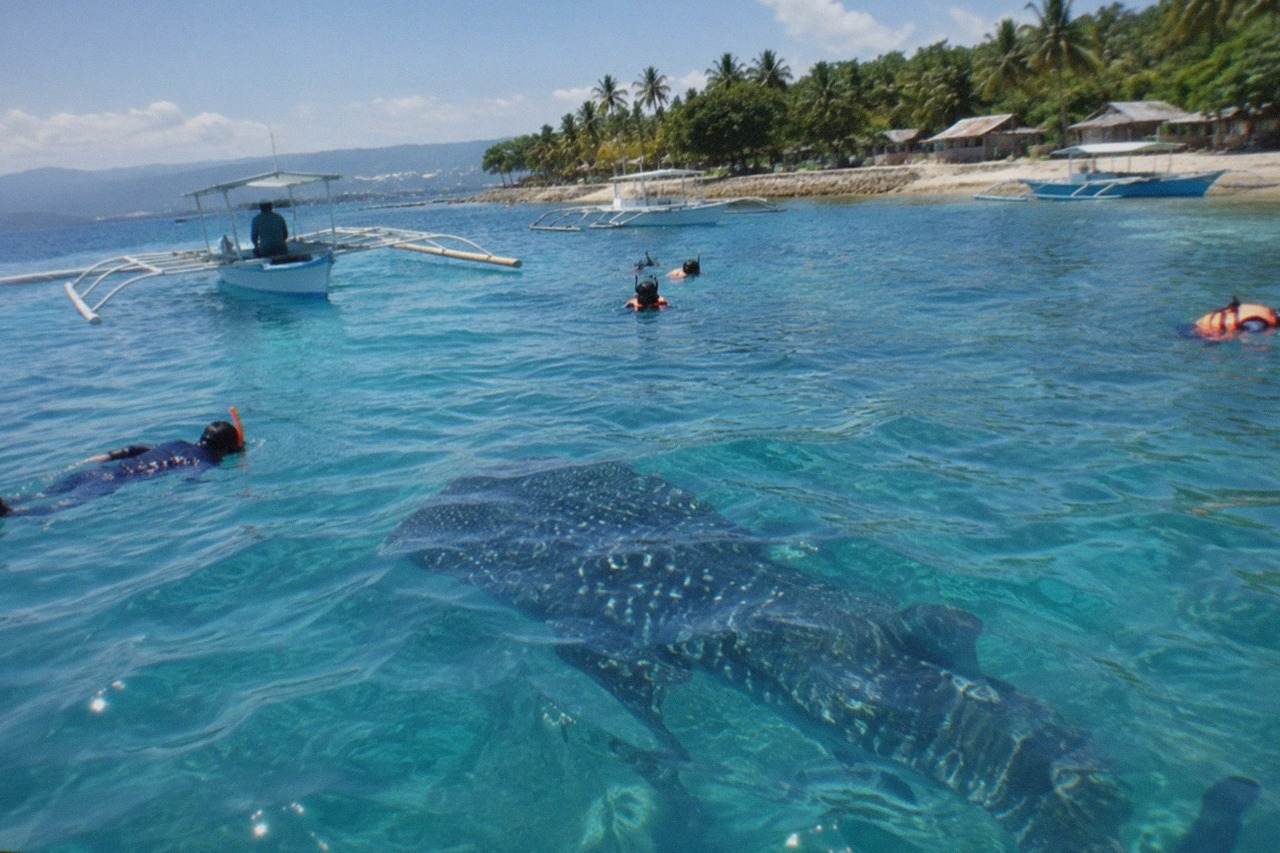
The municipal fee to watch or swim with the whale sharks in Oslob is P1,000 (about US$15.9) per foreign visitor and exactly half that amount for Filipino passport holders, boat and guide included, set by the Oslob local government under Municipal Ordinance No. 010. The interaction window runs roughly 6 AM to 12 PM, the in-water session lasts about 30 minutes, and the fee is paid at the Tan-awan registration area on arrival, not in advance.
Those rates reverted to the 2020 ordinance levels effective 21 March 2025, when the Oslob Tourism Office published the updated schedule, and 2026 sources confirm they are still current. Foreign visitors pay P1,000 (about US$15.9) per person and Filipino passport holders pay P500 (about US$8.0), and in both cases the paddle boat and the licensed guide are already inside that fee, so there is no separate boat charge at the beach. Snorkeling upgrades or scuba options can add roughly P200 (about US$3.2) to P500 (about US$8.0) on top, depending on the activity, and a second 30-minute session costs extra.
| Who | Fee | What it covers |
|---|---|---|
| Foreign visitor | P1,000 (about US$15.9) per person | Boat, guide, briefing, roughly 30-minute session |
| Filipino visitor | P500 (about US$8.0) per person | Same inclusions as the foreign rate |
| Snorkeling or scuba upgrade | P200 (about US$3.2) to P500 (about US$8.0) extra | Added in-water activity beyond standard watching from the boat |
The fee is not a tour price. It buys the interaction itself under the town's rules: a mandatory briefing, a minimum distance of about four metres from the animals, no touching, no sunscreen in the water, no flash photography, and life jackets worn in the boat. Feeding is done only by the licensed spotters, never by visitors. The rules and the ethics behind them are covered in more depth on the whale shark ethics page.
What Does The Oslob Fee Actually Include, And What Does It Not?
The municipal fee includes the boat ride out, the licensed guide in the water, the pre-swim briefing and about 30 minutes with the animals, and nothing else. It does not include transport to Oslob, food, the Tumalog Falls entrance, or any activity beyond the whale shark session itself, which is why the real cost of the day is almost always higher than the headline fee.
That distinction matters because Oslob sits roughly three and a half to four and a half hours by road from Cebu City, so almost nobody arrives without paying for transport of some kind. A Ceres Liner bus from the Cebu South Bus Terminal toward Bato via Oslob costs in the region of P145 (about US$2.3) to P250 (about US$4.0) depending on the class of bus, and it is the cheapest route. A private car or van transfer costs more, and a packaged day tour folds the transport, the early start and often a Tumalog Falls stop into a single price.
The tour option is where the money question changes shape. The join-in day tour from Cebu City is the most popular way to do the trip because the whale shark session opens early, the road is long, and the tour operator handles the municipal registration for you. Its price is not published by the operator, so check the live listing rather than any figure quoted in a blog.
Comparing the two approaches is straightforward. Independent travel means the municipal fee plus the bus fare plus whatever you spend on food and side trips, paid in cash at each point. A day tour means one price to one operator, with the early-morning pickup from your hotel in Cebu City, the fees and the itinerary already arranged. For most first-time visitors the tour premium buys the pre-dawn start and the paperwork, and that is what they are paying for.
How Much Do Oslob Whale Shark Day Tours From Cebu City Cost?
Day tours from Cebu City to the Oslob whale sharks are priced per person by the operator, typically as a join-in shared group or a private version, and the published prices sit on each operator's live listing rather than in any fixed official tariff. The tour price covers hotel pickup in Cebu City, the road transfer to Oslob, the municipal whale shark fee and usually a Tumalog Falls stop, while lunch and optional extras vary by package.
The most-booked option is the join-in tour, which runs as a shared group with an early morning departure from Cebu City and a Tumalog Falls stop built into the day. Its price is not published by the operator, so the honest answer for that specific product is: check the operator's live listing. Other whale shark products on the roster do publish their prices, and the compiler blocks below show the current figures for three of them.
One point worth pausing on before you book anything: the join-in product's rating and review count render in the card above straight from the operator's listing, and the same is true of every price on this page. Nothing here is typed by hand, because tour pricing in Oslob has moved several times in the last two years and stale blog figures are the single most common complaint in traveller forums. If the card and a blog disagree, trust the card.
When you weigh a tour against the DIY route, the comparison is not just money. The bus from Cebu City takes roughly three and a half to four and a half hours, and the whale shark session effectively ends around midday, so an independent trip means an overnight in Oslob or a very early start of your own arranging. The tour absorbs that logistics burden. Whether the premium is worth it depends on your budget and your appetite for pre-dawn bus terminals, and the is Oslob worth going question works through that trade-off in detail.
What Extra Costs Should You Budget For In Oslob?
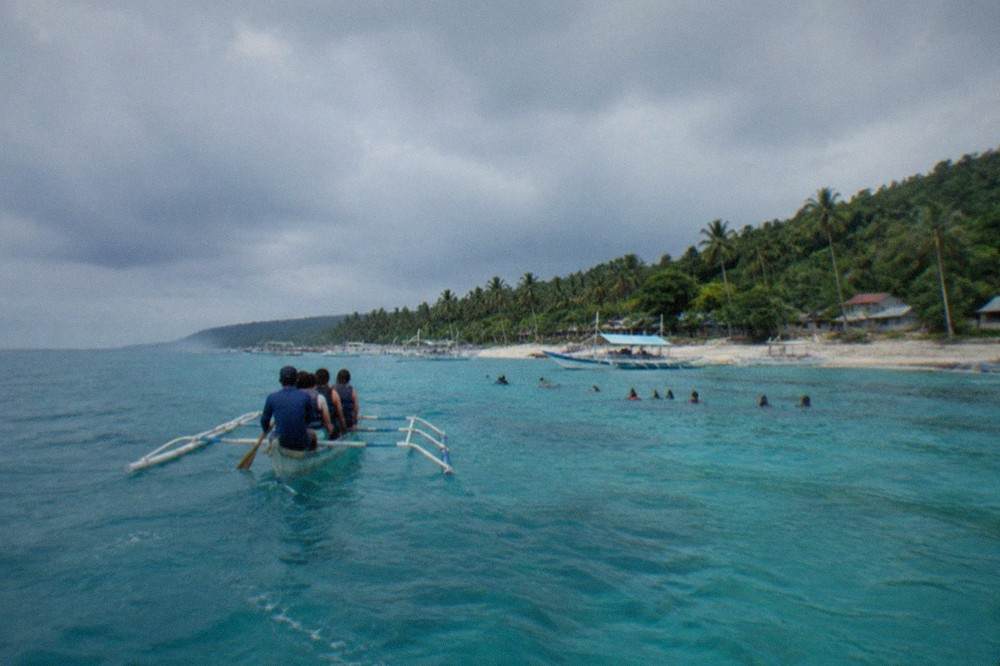
Beyond the municipal fee, the realistic add-ons are the Tumalog Falls entrance, the habal-habal motorbike ride between Tan-awan and the falls, meals, and optionally a Sumilon Island day pass, so a comfortable day in Oslob typically costs two to three times the bare whale shark fee once these are counted. None of these extras is bundled into the municipal rate, and several are cash-only at the point of sale.
Tumalog Falls is the standard second stop, and it is close enough to Tan-awan that the motorbike ride is the usual way across. The falls entrance is about P50 (about US$0.8) per person, with the habal-habal fare running P50 (about US$0.8) to P100 (about US$1.6) each way depending on the driver and the day. Sumilon Island, the small resort island just offshore, sells day access through the Bluewater resort, with weekday passes in the region of P1,600 (about US$25) to P2,000 (about US$32) net per guest including transfers and use of the beach and sanctuary, and guided snorkeling there billed by the hour on top.
| Add-on | Typical cost | Notes |
|---|---|---|
| Tumalog Falls entrance | P50 (about US$0.8) per person | Standard second stop after the whale sharks |
| Habal-habal to Tumalog | P50 (about US$0.8) to P100 (about US$1.6) each way | Motorbike transfer from Tan-awan |
| Sumilon Island day pass | P1,600 (about US$25) to P2,000 (about US$32) per guest | Weekday consumable rates, transfers included |
| Snorkel gear rental elsewhere in town | Varies by operator | Usually arranged with your tour or at the beach |
Food in Tan-awan is cheap and informal, with small carinderias serving grilled fish and rice near the registration area, though no verified price figures for specific meals appear in the site's fact pack, so no numbers are printed here. If you are stringing the whole south coast into one trip, the Oslob cost question covers a fuller daily budget for the town.
Is The Whale Shark Fee Worth Paying, And Are Sightings Guaranteed?
The fee buys a well-regulated 30-minute interaction with a resident whale shark population, but sightings are not guaranteed: in late May 2026 the sharks were absent from the Tan-awan interaction area for about four days when the plankton they feed on moved to a neighbouring barangay, and the local government confirmed operations simply pause and resume with the animals. The fee itself is not refunded on a no-show day, which is the single biggest caveat on the price.
That May 2026 episode is worth knowing before you pay anything, because it is the honest counterweight to every glossy video. The sharks are wild animals and the town's own tourism office says sightings dictate operations. The timing question, which months give the calmest water and the best odds, is answered month by month on the best month for whale sharks page, and the guarantee question in full on are the whale sharks guaranteed in Oslob.
There is also the ethics dimension, since the fee funds a program built around regulated feeding by licensed spotters, and opinions differ on it. The town defends the practice as a minor lure rather than primary nutrition, and the rules in place, the four-metre distance, the ban on touching and on visitor feeding, are among the stricter ones in Southeast Asia. The is snorkeling with the whale sharks worth it question is a good companion read.
If you have already decided to go, the practical move is to book the day tour that bundles the early transfer and the fees, and to keep some cash for Tumalog Falls. The three options below are the ones this site tracks for the Oslob trip and the two easiest add-ons.
Common Questions About Swimming With Whale Sharks In Oslob
How much is it to swim with whale sharks in Oslob?
The municipal fee is P1,000 (about US$15.9) for foreign visitors and P500 (about US$8.0) for Filipinos, boat and guide included, paid at the Tan-awan registration area. Day tours from Cebu City add transport and handling on top, with prices on each operator's live listing.
Does the Oslob fee include the boat and the guide?
Yes. The municipal fee covers the paddle boat, the licensed guide, the mandatory briefing and roughly 30 minutes in the water. Snorkeling or scuba upgrades cost extra, roughly P200 (about US$3.2) to P500 (about US$8.0).
How much does the Tumalog Falls stop cost?
The entrance is about P50 (about US$0.8) per person, plus a habal-habal motorbike ride of P50 (about US$0.8) to P100 (about US$1.6) each way from Tan-awan.
Is the fee refunded if there are no whale sharks?
No. Sightings are not guaranteed, and in late May 2026 the sharks were absent from Tan-awan for about four days while the plankton moved. Operations pause and resume with the animals, so an early start improves your odds.
What time does the whale shark session run?
Roughly 6 AM to 12 PM daily, with registration cutting off around late morning. The session itself lasts about 30 minutes under the town's rules.
Is it cheaper to go to Oslob independently?
It can be. The Ceres bus from the Cebu South Bus Terminal costs roughly P145 (about US$2.3) to P250 (about US$4.0) each way, but the journey takes three and a half to four and a half hours and the session ends by midday, so independent travel usually means an overnight in Oslob. The Oslob or Moalboal stay question covers where to sleep.