Is It Better To Stay In Oslob Or Moalboal?
A practical comparison of staying overnight in Oslob or Moalboal in Cebu, Philippines: whale shark timing, sardine run access, transport times and which base suits your trip.
Oslob and Moalboal sit on opposite ends of south Cebu, an island province in the Central Visayas region of the Philippines, and they suit two different kinds of traveller. Oslob is a small fishing town built around a single famous morning activity, whale shark watching in Tan-awan, while Moalboal is a longer-stay beach base with a year-round sardine run, dive shops and canyoneering access to Kawasan Falls. This comparison lays out what each base does well, what each one lacks, and which one fits a first trip, based on what the local government and tour operators publish rather than guesswork.
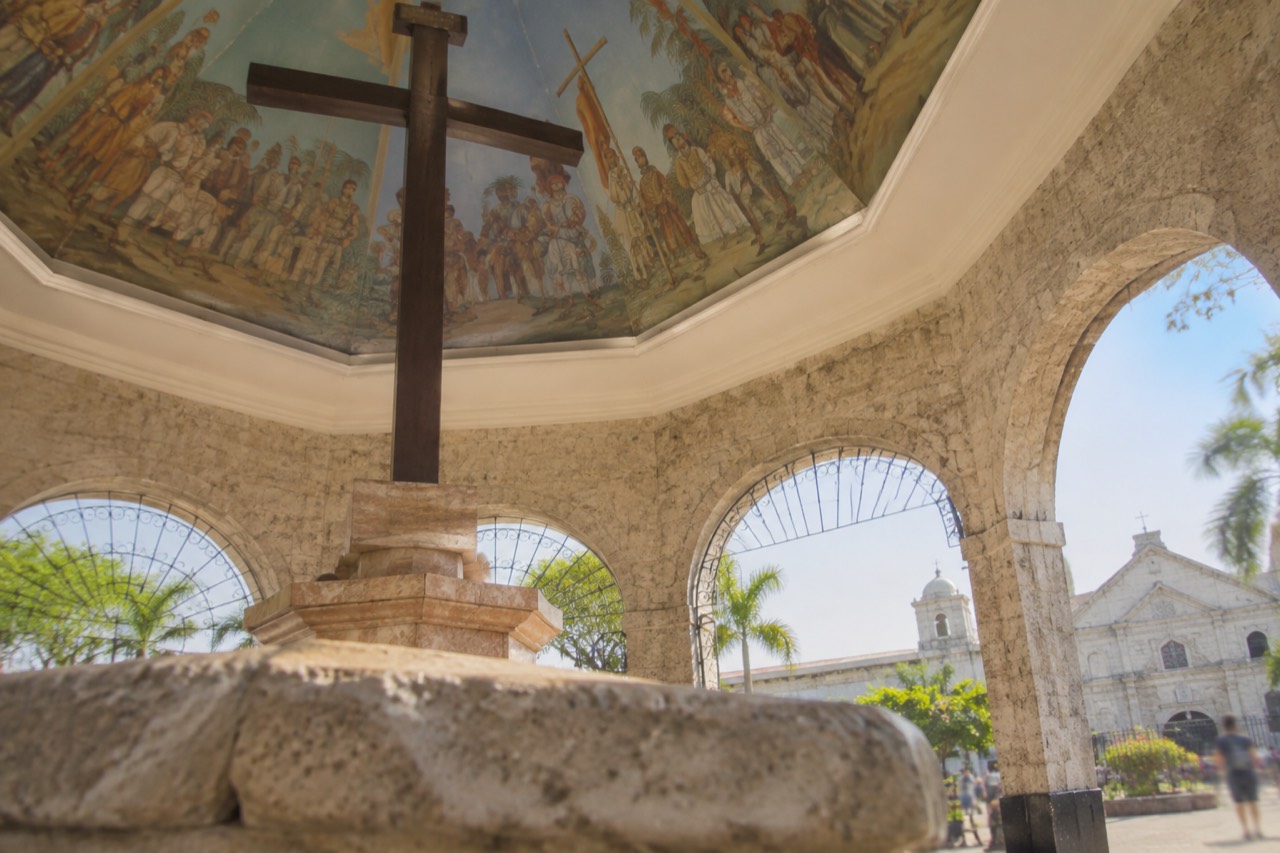
Is It Better To Stay In Oslob Or Moalboal?
Stay in Oslob if whale sharks are your priority and you want to be on the water by 6 AM without a pre-dawn drive; stay in Moalboal if you want more than one activity, since the sardine run sits metres from shore at Panagsama Beach, Pescador Island dives leave from the same strip, and Kawasan Falls canyoneering starts nearby. Moalboal rewards two or three nights; Oslob rewards one. Neither town is a destination for city comforts, and both are reached by road from Cebu City, roughly three to four hours south depending on the town.
That is the short version. The longer version depends on what kind of trip you are building, because the two towns answer different questions.
Oslob's entire visitor economy runs on a narrow morning window. The whale shark interaction area in barangay Tan-awan operates roughly 6 AM to 12 PM, and the municipal tourism office reports 800 to 900 visitors a day at peak. The Oslob Tourism Office's own notice, effective 21 March 2025, sets the whale shark fee at P1,000 (about US$15.9) per foreign tourist and P500 (about US$8.0) per Filipino, boat and guide included, with the rules the LGU enforces: a minimum of about four metres from the animals, no touching, no sunscreen, no flash photography, life jackets mandatory, and about 30 minutes in the water. Staying overnight in Oslob puts you at the front of that queue instead of arriving off a bus from the city at 9 AM behind three hundred other people.
Moalboal works differently. The municipal government's own tourism page states the sardine run at Panagsama Beach sits a few metres from shore, best between 7 and 9 AM, and it is a permanent resident school rather than a seasonal migration. A P100 (about US$1.6) environmental user fee covers swimming and snorkelling under Moalboal's Ordinance 165-2021, and Pescador Island marine sanctuary dives run about P100 (about US$1.6) per dive on top of operator rates. You can swim with the sardines, dive, then drive to Kawasan Falls, all from one base.
If your trip allows only one overnight in the south, the honest answer is that Moalboal tends to be the more enjoyable stay, because it has evening life, dive shops and beachfront accommodation along Panagsama, while Oslob empties out after noon. But if the whale sharks are the reason you flew to Cebu, one night in Oslob before the crowds arrive is the single most efficient way to do it. For a deeper side-by-side, the guide to Oslob versus Moalboal breaks down the activities, and the answer on whether Oslob is worth visiting covers the ethics question honestly.
What Does One Night In Oslob Actually Buy You In Cebu?
One night in Oslob buys you a 6 AM slot at the whale shark interaction area, before the tour buses from Cebu City arrive, plus a quiet afternoon at Tumalog Falls and, if time allows, a day pass on Sumilon Island, whose Bluewater resort lists day use from 8 AM to 3 PM with boat transfers included. The whale shark session runs about 30 minutes with a guide and a mandatory briefing.
The fee schedule is published by the town itself: the Oslob Tourism Office notice effective 21 March 2025 sets the interaction at P1,000 (about US$15.9) for foreign visitors and P500 (about US$8.0) for Filipinos, boat and guide included.
The timing is the whole argument. The interaction area opens around 6 AM and the municipal fee schedule prices the same activity identically all day, but the crowd does not stay identical. By mid-morning, hundreds of visitors are cycling through briefing queues, and the town's small beach strip fills up. Sleeping in Oslob the night before turns a 3 AM alarm into a 7 AM breakfast.
Tumalog Falls, a few minutes inland from Tan-awan, charges about P50 (about US$0.8) entrance and is at its photographic best in the morning light, when most day-trippers are still on a bus. Sumilon Island, a short boat ride offshore, is the afternoon filler: Bluewater Sumilon's official offers page lists day use with transfers, gear and sanctuary access, with weekday rates consumable for food and drinks.
What Oslob does not have is much of an evening. The town is small, restaurants close early, and the accommodation stock is guesthouses and small resorts rather than a beach scene. That is fine for one night. It gets thin at three.
| Item | Figure | Notes |
|---|---|---|
| Whale shark fee, foreign tourist | P1,000 (about US$15.9) | Boat and guide included, LGU notice effective 21 March 2025 |
| Whale shark fee, Filipino | P500 (about US$8.0) | Same inclusions |
| Interaction window | About 6 AM to 12 PM | Sightings not guaranteed; sharks were absent from Tan-awan for about four days in late May 2026 |
| Tumalog Falls entrance | About P50 (about US$0.8) | Short habal-habal or tricycle ride from Tan-awan |
| Sumilon day use | 8 AM to 3 PM | Boat transfers included per the resort's offers page |
One caveat the local news makes clear: sightings are never guaranteed. In late May 2026 the whale sharks were absent from Tan-awan for roughly four days when seasonal plankton moved to a neighbouring barangay, and SunStar reported that operations paused and resumed with the sightings. An overnight stay gives you the best shot at the water, not a promise of sharks. The answer on whether Oslob's whale sharks are guaranteed covers this in detail.
What Does Staying In Moalboal Give You Beyond The Sardine Run?
Staying in Moalboal gives you the sardine run at Panagsama Beach metres from shore, best 7 to 9 AM per the municipal tourism page, plus Pescador Island dives, White Beach, and canyoneering at Kawasan Falls roughly an hour up the coast, where only the Badian route operates under a municipal ordinance revised in 2026. It is a base you can use for two or three full days without repeating yourself.
The sardine run is the anchor, and unlike Oslob's whale sharks it is a permanent resident school: the municipality's own what-to-do page places it a few metres off Panagsama, visible from the surface with a mask. The P100 (about US$1.6) environmental user fee under Ordinance 165-2021 covers swimming and snorkelling, collected at the beach.
Around it sits a real dive town. Pescador Island trips run from the same beach strip, with the marine sanctuary fee at about P100 (about US$1.6) per dive, and the reef wall that holds the sardines also holds turtles. Canyoneering at Kawasan Falls, the other headline activity of south Cebu, starts from Badian to Moalboal's north: the Level 1 entrance fee is about P200 (about US$3.2), and accredited-guide packages run roughly P1,500 (about US$24) to P2,000 (about US$32) including gear, guide and lunch. Note the current rules: the Alegria route is suspended through 2025-2026, only the Badian route operates, and cliff jumping is banned at the main Level 1 basin. A phased rehabilitation of the site has been under way since June 2026 and the falls have stayed open during the works.
| Item | Figure | Notes |
|---|---|---|
| Sardine run environmental user fee | P100 (about US$1.6) | Ordinance 165-2021, swim and snorkel |
| Best sardine hours | 7 to 9 AM | Per the Moalboal municipal tourism page |
| Pescador Island sanctuary fee | About P100 (about US$1.6) per dive | Collected through dive operators |
| Kawasan Falls Level 1 entrance | About P200 (about US$3.2) | Swimming only |
| Canyoneering with accredited guide | Roughly P1,500 (about US$24) to P2,000 (about US$32) | Badian route only; Alegria suspended |
Moalboal also has the thing Oslob lacks: an evening. Panagsama's beachfront strip has bars and restaurants that stay open past dark, and the accommodation range runs from budget hostels to dive resorts. If you are deciding between the two as a place to actually spend time rather than sleep, Moalboal wins on liveliness and Oslob wins on quiet. The answer on staying in Cebu City or Moalboal adds the third option into the comparison.
Before or after the south, a food walk is a good way to anchor the city end of the trip.
Which Town Is Easier To Reach From Cebu City?
Moalboal is closer: Ceres buses from the Cebu South Bus Terminal take roughly 2.5 to 3.5 hours and run every 30 to 45 minutes, while the Bato via Oslob services take roughly 3.5 to 4.5 hours with around nine departures a day starting from about 3 AM. Both are road journeys on the same south coastal highway, with Oslob simply the farther stop.
That frequency gap matters for planning. If you miss a Moalboal bus, the next one is under an hour away. If you miss an Oslob bus, you may wait a while, which is one more reason an overnight stay in Oslob beats a same-day dash. The very early first departures exist precisely for whale shark day-trippers, and they make for a tiring schedule.
The return direction is the same arithmetic in reverse. A Moalboal base lets you come back to Cebu City at a civilised hour, while leaving Oslob in the afternoon puts you into the city at evening rush hour. Travellers combining both towns usually do it in one loop: Cebu City to Oslob, overnight, whale sharks at 6 AM, then the coastal road west to Moalboal for the sardine run the next morning, and back to the city from there. That loop is exactly what the south Cebu itinerary covers day by day.
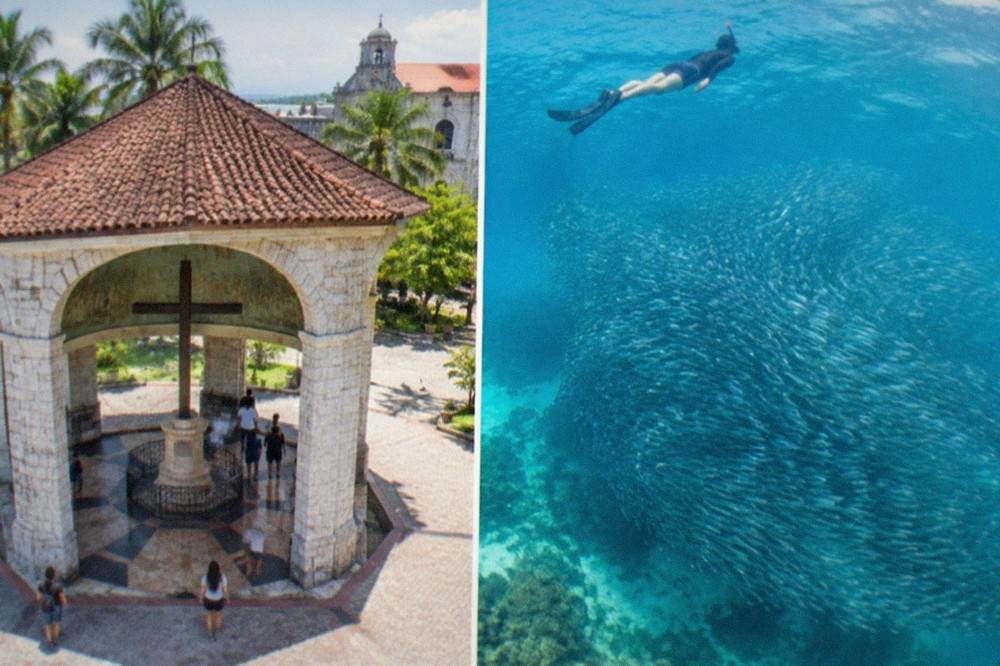
For anyone weighing these two against staying in the city itself, the answers on Cebu City or Mactan and the best part of Cebu to stay in cover the north end of the island, where the airport and the ferry terminals sit. This site's Cebu Travel Guide hub collects the full picture.
If you want the whale sharks without the 3 AM alarm, the guided options below handle the early departure for you; the related walk through Cebu's markets is a good city pairing for the day before you head south.
Common Questions About Staying In Oslob Or Moalboal
Is it better to stay in Oslob or Moalboal?
Stay in Oslob for one night if whale sharks are the priority and you want the earliest slots at Tan-awan; stay in Moalboal for two or three nights if you want the sardine run, diving and canyoneering from one base. Moalboal is the more enjoyable place to spend time; Oslob is the more efficient base for a single morning activity.
How much does the whale shark interaction in Oslob cost?
The Oslob municipal fee is P1,000 (about US$15.9) for foreign tourists and P500 (about US$8.0) for Filipinos, boat and guide included, per the LGU notice effective 21 March 2025. The session runs about 30 minutes with a mandatory briefing, and sightings are not guaranteed.
Can you see the sardine run from the shore in Moalboal?
Yes. The Moalboal municipal tourism page places the sardine school a few metres off Panagsama Beach, visible to snorkellers, with the best hours 7 to 9 AM. A P100 (about US$1.6) environmental user fee applies to swim or snorkel.
How far apart are Oslob and Moalboal?
They sit at opposite ends of south Cebu on the same coastal road, linked through the interior via the Badian to Alegria stretch. A same-day loop from Cebu City covering both is possible but rushed, which is why most itineraries overnight in one of them.
Is one night in Oslob enough?
For almost every visitor, yes. The whale shark window runs about 6 AM to 12 PM, Tumalog Falls is a short ride away, and the town quiets down after lunch. One night gives you the early slot and a relaxed morning; two or more nights mostly adds waiting time.
Which town has better accommodation and food?
Moalboal. Panagsama Beach has a continuous strip of hostels, dive resorts and restaurants that stay open in the evening, while Oslob's stock is smaller guesthouses and resorts that largely serve the morning activity. Neither town compares with Cebu City or Mactan for range.