Where Do Foreigners Stay In Cebu?
Where foreign visitors actually base themselves in Cebu, Philippines: Cebu City neighbourhoods, Mactan resort strips, and the south coast towns of Moalboal and Oslob, with verified fees and climate facts.
Cebu, an island province in the Central Visayas region of the Philippines, receives foreign visitors at Mactan-Cebu International Airport and then faces a choice that shapes the whole trip: sleep in the city, sleep on the beach, or sleep down south near the whale sharks and waterfalls. There is no single answer, because the island is long and the attractions are spread out, but the pattern is remarkably consistent. Short-stay tourists and business travellers cluster in a handful of well-defined areas, and long-stay foreigners, the ones who rent for months at a time, concentrate in an even smaller set of neighbourhoods. This page on Cebu Travel Guide lays out where each group actually books, why, and how the choice interacts with ferry schedules, festival dates and the monsoon.
Where Do Foreigners Stay In Cebu?
Most foreign visitors stay in one of four places: the downtown heritage core and the IT Park area of Cebu City, the resort strip along Mactan Island in Lapu-Lapu City, the dive town of Moalboal on the southwest coast, and the whale shark base of Oslob in the southeast. City hotels suit first-timers and short trips, Mactan suits beach-focused resort stays, and the southern towns suit divers and travellers following the whale shark and canyoneering circuit.
The split is driven by geography more than taste. Cebu City is the provincial capital and the transport hub, with the ferry piers, the south bus terminal and the bulk of the hotel stock, but it sits on a separate stretch of coast from the beaches. The beaches that are easy to reach from a city hotel are on Mactan Island, across the bridge in Lapu-Lapu City, which is administratively independent of the province and holds most of the large resort inventory. The famous underwater attractions, the Moalboal sardine run and the Oslob whale sharks, are three to four hours south by road, which is why many visitors split their trip rather than commit to one base.
That split-stay pattern is the single most useful thing to understand. A traveller who sleeps only in Cebu City spends a lot of each southern day in a van, while a traveller who sleeps only in Moalboal misses the heritage sites and the food scene of the capital. The itineraries that work best alternate: two or three nights downtown, then two or three nights on Mactan or down south. For a fuller treatment of the trade-offs, read where to stay in Cebu.
Which Areas Of Cebu City Do Foreign Visitors Choose?
Within Cebu City, foreign visitors concentrate in three areas: the downtown heritage belt around Colon Street and the Basilica, the business district around Ayala and Cebu Business Park, and the IT Park on the reclaimed land west of the centre. Downtown suits budget travellers and heritage fans, the Ayala area suits mid-range and business stays, and IT Park suits digital nomads who want cafes, apartments and late dinners within walking distance.
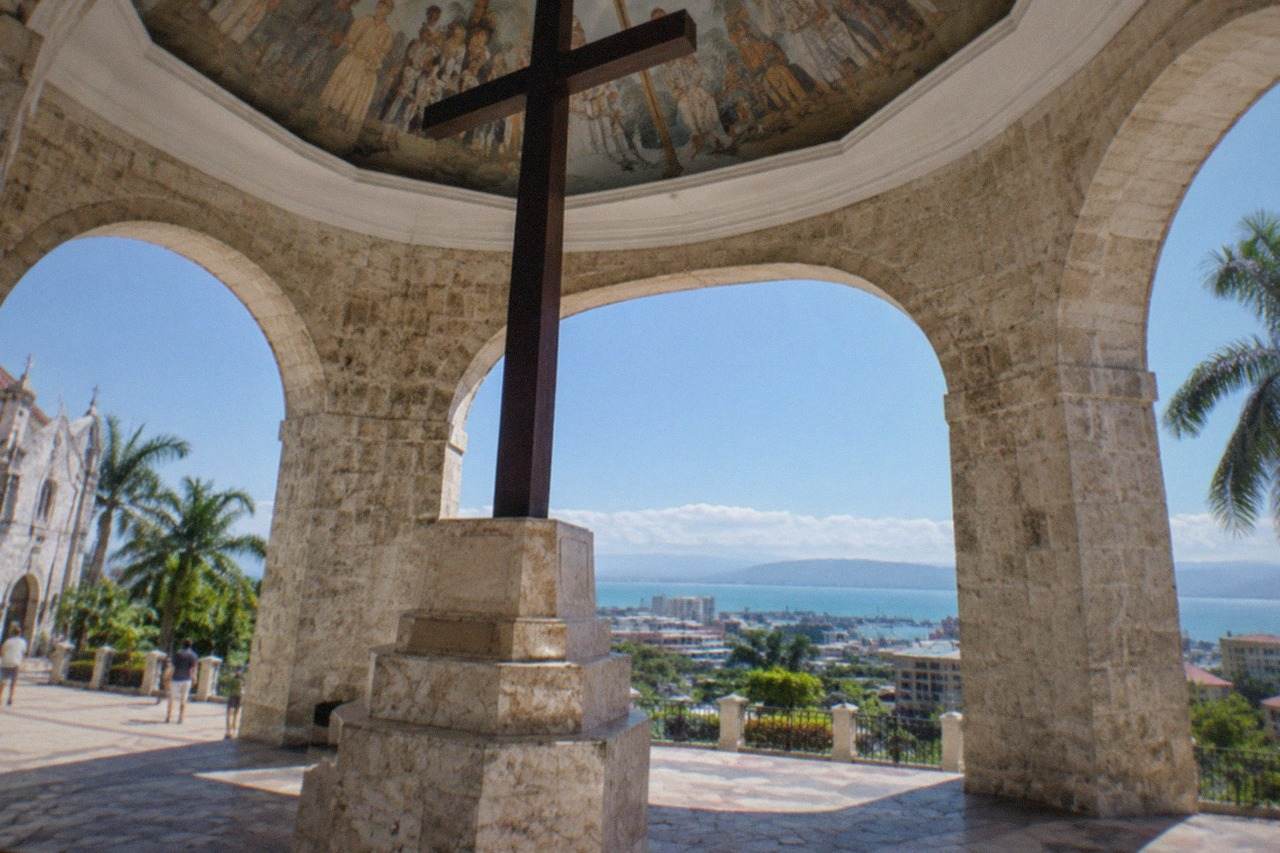
Downtown is where the oldest sights are. The Basilica Minore del Santo Niño, Magellan's Cross and Fort San Pedro all sit within a few minutes of each other, and the Carbon market area feeds the whole city. Fort San Pedro's entrance is P50 (about US$0.8) regular and P40 (about US$0.6) for students and seniors, figures confirmed when the city revised the fort's fee schedule in 2026. Stays here are the cheapest in the city and put a visitor inside walking distance of the Sinulog festival's main venue, the Cebu City Sports Center, where the Grand Parade has been held since the event returned from the South Road Properties. The trade-off is noise, traffic and the reality that the beaches are a bridge away.
IT Park is the other pole. It is a planned office district with residential towers, international food outlets and the terminal of the interim bus line that runs toward the South Road Properties, so it pulls the work-and-stay crowd. Foreigners who stay for weeks rather than days overwhelmingly rent here or in the adjacent business park, a pattern covered in more detail in where most foreigners live in Cebu. For a first-time visitor weighing the two, the honest summary is that downtown wins on sightseeing and price while IT Park wins on comfort and evening life.
A food walk is the fastest way to understand the downtown area, and the market tour below is the one that covers it:
The tour's price is not published by the operator, so the listing is the place to check it. Between the heritage belt and the apartment towers, the areas genuinely differ in character, and the table below summarises what each one offers a foreign visitor choosing a hotel.
| Area | Character | Best for | Main draw within walking distance |
|---|---|---|---|
| Downtown heritage belt (Colon, Basilica area) | Oldest part of the city, dense, lively | Budget stays, sightseeing, Sinulog visitors | Basilica Minore del Santo Niño, Magellan's Cross, Fort San Pedro |
| Cebu Business Park / Ayala area | Corporate district, malls, mid-range hotels | Business and family stays | Ayala Center Cebu, restaurants, offices |
| IT Park | Modern towers, cafes, co-working | Digital nomads, long-stay renters | The Circle at Tops shuttle departure point, evening dining |
| Mactan resort strip (Lapu-Lapu City) | Beachfront resorts along the island's east coast | Beach holidays, diving day trips, airport proximity | Resort beaches, island hopping departure points |
Is Mactan Island The Better Base For Foreign Tourists?
Mactan Island, in Lapu-Lapu City, is the better base for foreign tourists whose priority is beach time, diving or a short stay, because it holds most of the large resorts, sits beside the airport, and launches the island hopping trips to Hilutungan, Nalusuan and Pandanon. It is a weaker base for heritage sightseeing, since the downtown sites sit across the bridge in Cebu City and traffic on the crossings can be heavy.
The airport itself is on Mactan, which is why many visitors spend their first and last nights here even when the rest of the trip is elsewhere. The island's environmental fee for island hopping is P100 (about US$1.6) for foreign tourists, a rate that stayed unchanged when the local council cut the fee to P20 (about US$0.3) for local tourists in July 2025. The marine sanctuaries on the hopping route charge their own entrance fees on top, typically in the range of P150 (about US$2.4) to P300 (about US$4.8) per island depending on the site.
The bridge question matters more than the map suggests. Three crossings link Mactan to the mainland, the Osmeña Bridge, the Marcelo Fernan Bridge and the CCLEX toll expressway, and a resort guest heading downtown in the morning peak should budget generously for the crossing. Travellers who plan to sightsee in the city usually sleep in the city, while travellers who plan to dive, snorkel or lie on resort sand sleep on Mactan. The comparison is argued out in full in Cebu City or Mactan stay.
For a stay that mixes the two, a city tour that covers the heritage core in half a day is the practical compromise:
Do Foreigners Stay Outside The City In Moalboal And Oslob?
Yes, a large share of foreign visitors now stay outside the city in Moalboal and Oslob, the two south coast towns that anchor the whale shark, sardine run and canyoneering circuit. Moalboal draws the longer stays because its sardine run is a permanent, year-round school reachable from the shore, while Oslob is mostly an early-morning destination where visitors watch whale sharks before noon and either move on or overnight quietly.
The south coast is a bus ride away from the Cebu South Bus Terminal, with Ceres buses running the route through the day. That distance is exactly why the towns have grown hotel stock of their own: the whale shark interaction in Oslob runs from about 6 AM to noon, and the sardine run at Panagsama in Moalboal is best in the early morning, so sleeping nearby converts two punishing dawn road trips into short walks. The Moalboal environmental user fee to swim or snorkel is P100 (about US$1.6) per person, and the Oslob whale shark fee is P1,000 (about US$15.9) for foreign tourists with boat and guide included, a rate the municipal government confirmed in 2025.
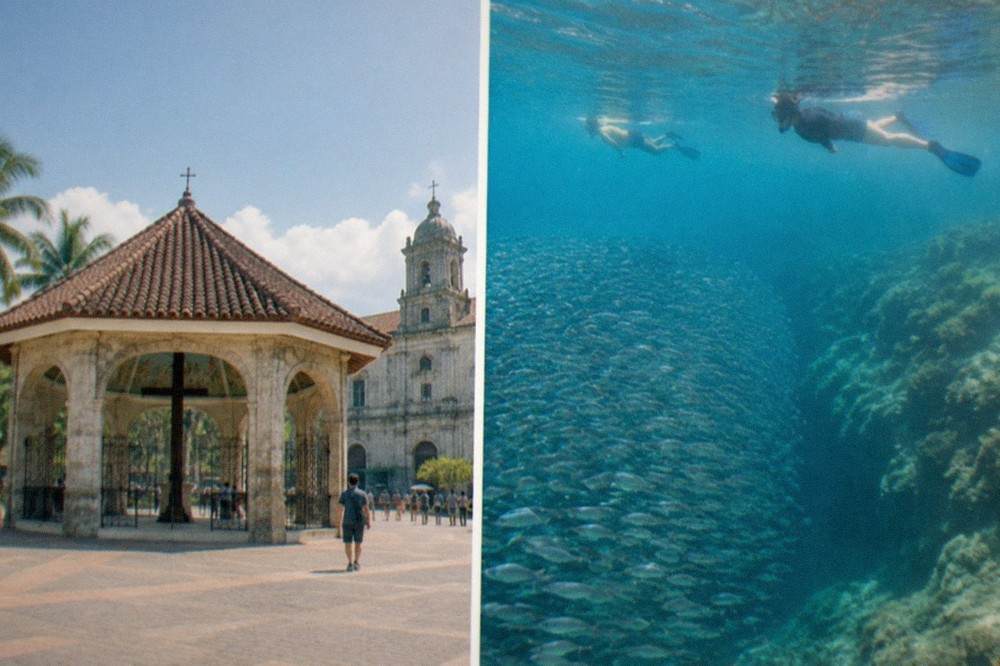
Divers stay the longest. Moalboal's Pescador Island and the sardine run support a full dive industry, and Oslob's whale sharks feed a snorkel economy that the municipal tourism office regulates directly, with mandatory briefings, minimum distances and a ban on sunscreen in the water. Sightings are not guaranteed: in late May 2026 the whale sharks were absent from the Tan-awan interaction area for about four days when the plankton moved, a reminder that the town's whole offering is seasonal in ways no booking can fix. The choice between the two towns as a base is covered in Moalboal or Oslob stay.
When Is The Best Time To Book A Cebu Stay?
The best time to book a Cebu stay is inside the dry season, December to May, when PAGASA's classification puts the island outside the rainy months of June to November; the Mactan station's 1991-2020 normals show 1,685.0 mm of annual rain spread over 138 rain days at a mean of 28.1 C, with the wettest months clustered from June to October. Travellers chasing Sinulog should book far ahead for the third Sunday of January, when the Grand Parade fills the city.
The festival changes the accommodation picture more than any weather statistic. Sinulog's Grand Parade returned to the Cebu City Sports Center as its main venue and stays there for 2027, with the parade set for 17 January 2027 and the opening salvo on 7 January. Hotels downtown and anywhere near the parade route fill weeks in advance, and rates climb accordingly, so a January visitor who is not coming for the festival itself may prefer Mactan or the south coast that weekend.
The typhoon season deserves respect but not fear. Typhoon Tino in early November 2025 brought severe flooding to Cebu and a provincial state of calamity, yet the tourism department confirmed within days that the core zones of Cebu City and Mactan were largely unaffected and open. The practical reading for a foreign visitor choosing where to stay: the south coast towns are more exposed to road and ferry disruption during the June-to-November season, while the city and Mactan recover fastest. The month-by-month detail lives in our coverage of the best month to visit Cebu.
Whatever the season, the three practical bases can be combined into one trip, and the small-group option below does exactly that for the southern half:
Still deciding between the city and the south coast for your own nights? The market food walk is the one bookable experience that doubles as a base test: it spends its whole route in the downtown streets where most foreign visitors sleep, and its price is not published by the operator, so the live listing is the only place to check it.
Common Questions About Where Foreigners Stay In Cebu
Where do foreigners stay in cebu?
Foreign visitors stay mainly in downtown Cebu City near the heritage sites, in the IT Park and business park districts, on the Mactan Island resort strip in Lapu-Lapu City, and in the south coast towns of Moalboal and Oslob. Short trips favour the city or Mactan, while divers and whale shark watchers overnight in the south.
Do foreigners stay in Cebu City or on Mactan Island?
Both, for different reasons. Cebu City suits heritage sightseeing, food and business, while Mactan Island suits beach and diving holidays and sits beside the airport. Many visitors split a trip between the two, since the crossing between them can be slow at peak times.
Where do long-stay foreigners and digital nomads live in Cebu?
Long-stay foreigners concentrate in IT Park and the Cebu Business Park area of Cebu City, where apartment towers, co-working spaces and international dining cluster together, with a second community around the Moalboal dive scene for those who work and dive.
Is it better to stay in Moalboal or Oslob?
Moalboal suits longer stays and divers, because the sardine run is a year-round resident school reachable from the shore and the town has the deeper hotel stock. Oslob is mostly an early-morning whale shark destination that runs from about 6 AM to noon, so many visitors come at dawn and sleep elsewhere.
Does Sinulog change where you should stay in Cebu?
Yes. For the Grand Parade on the third Sunday of January, with the main venue at the Cebu City Sports Center, downtown hotels near the route fill far in advance. Visitors not attending the festival often base on Mactan or the south coast that weekend to avoid the crowds.
Do foreign tourists pay the Philippine travel tax when leaving Cebu?
No. The travel tax falls on Filipinos and residents; non-immigrant foreign visitors staying less than one year are exempt. Foreign visitors do need to complete the free eTravel registration within 72 hours before arrival.
The short version: most foreigners sleep in Cebu City for the sights, on Mactan for the beaches, and down in Moalboal or Oslob for the water, and the best trips use two of the three rather than one.