Where To Stay In Cebu
Cebu, an island province in the Central Visayas region of the Philippines, splits its accommodation into a few distinct bases: the heritage core of Cebu City, the resort coastline of Mactan, and the adventure towns of the south. Choosing the right one depends on what the trip is for.
Short answer
Most first-time visitors should stay in Cebu City for heritage and food, or on Mactan Island for beaches and airport convenience; Moalboal and Oslob suit travellers focused on the sardine run and whale sharks.
Cebu, an island province in the Central Visayas region of the Philippines, is really several destinations stitched together by one long coastal road. Cebu City holds the heritage sites, the markets and the biggest choice of hotels; Mactan Island, home to the airport, holds the dive resorts and beach clubs; and the southern towns of Moalboal and Oslob hold the sardine run, the whale sharks and Kawasan Falls. The single biggest planning decision is not which hotel, it is which of these bases to sleep in, because a wrong base can add hours of daily driving to a short trip. This guide from Cebu Travel Guide breaks the choice down by travel style, with verified fees and journey times so the decision rests on numbers rather than guesswork.
Where To Stay In Cebu For First-Time Visitors?
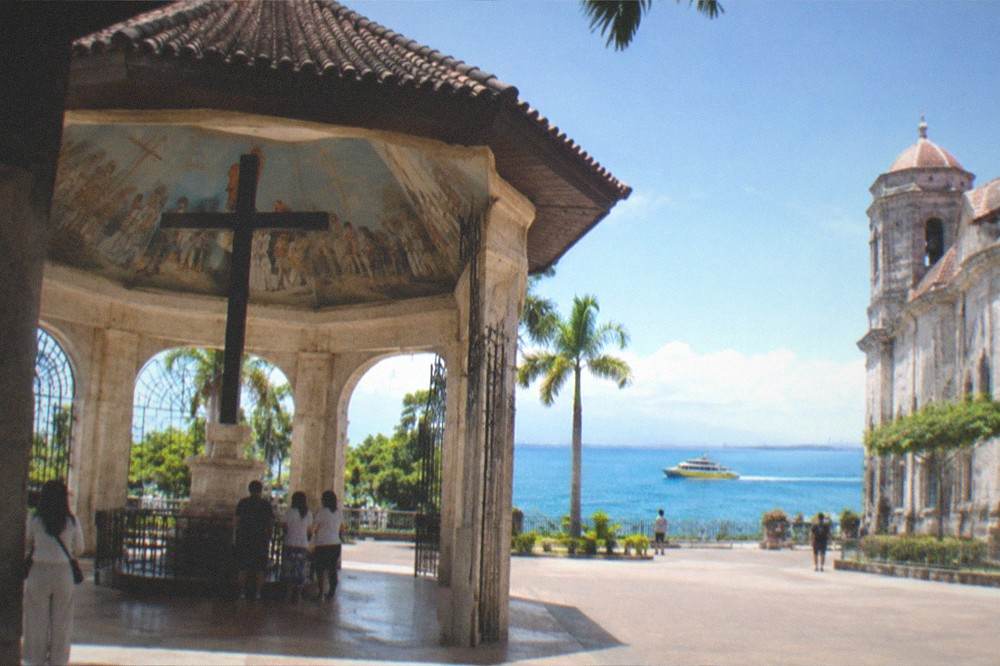
For a first visit, Cebu City is the strongest base for three to four nights, with a final night on Mactan near the airport if the flight out is early. The city puts Magellan's Cross, the Basilica Minore del Santo Niño, Fort San Pedro and the Carbon market area within a compact radius, and the fastcraft piers for Bohol plus the south bus terminal are all in the city, so every major day trip starts from where you are already sleeping.
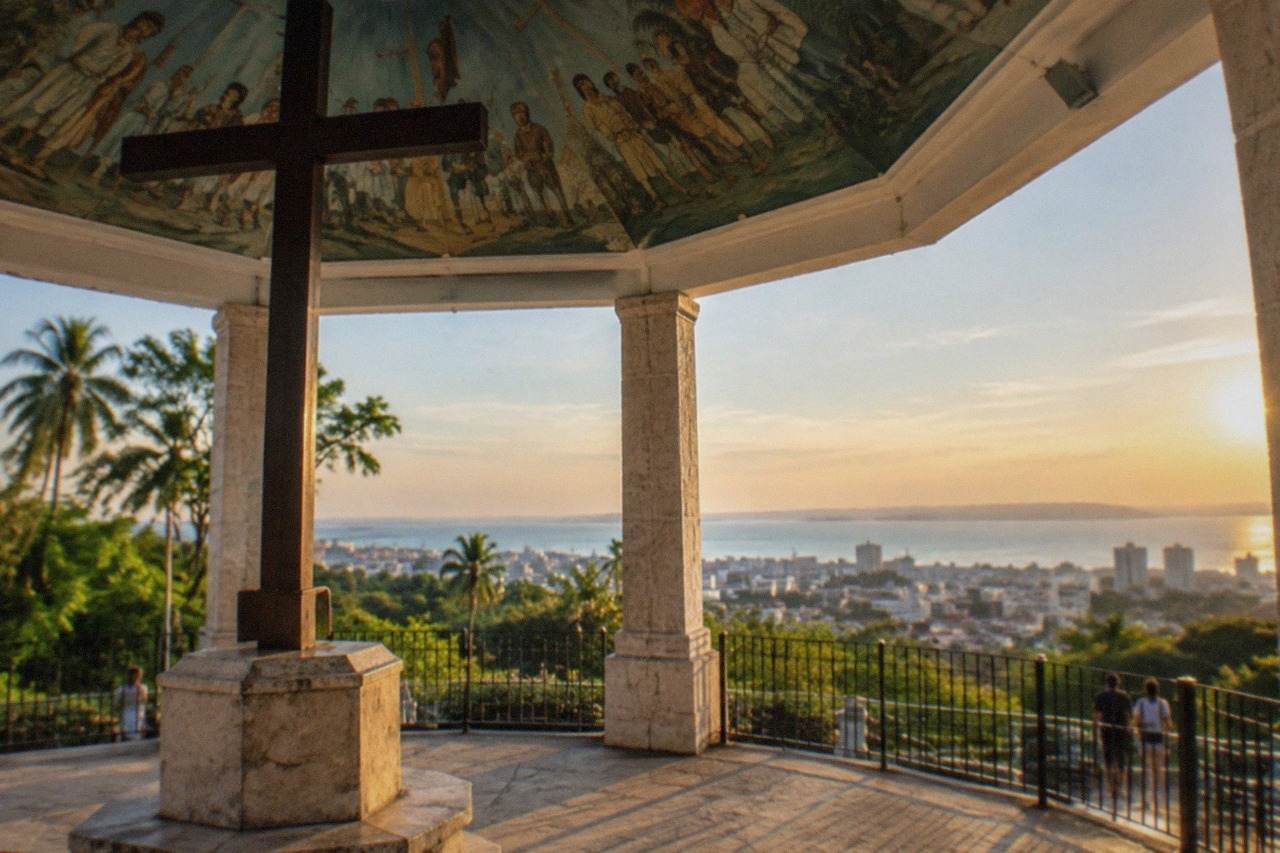
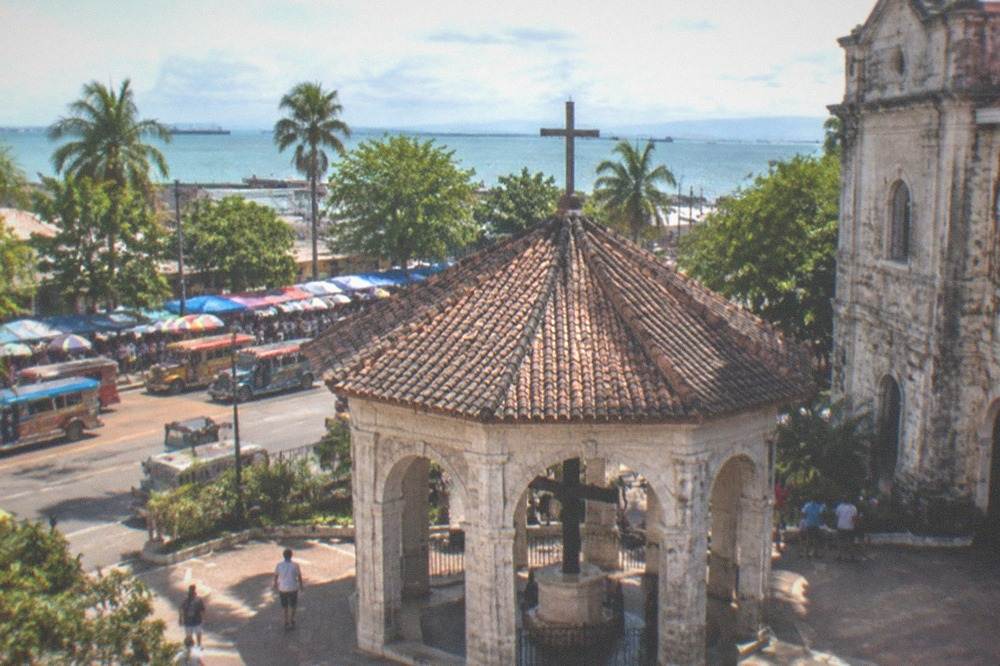
First-timers consistently underestimate how much of Cebu's sightseeing is walkable downtown. Magellan's Cross is free to visit, Fort San Pedro charges P50 (about US$0.8) regular and P40 (about US$0.6) for students and seniors, and the Basilica, which the official basilica chronicles date to 28 April 1565, stands a few minutes' walk from both. The Cebu City guide covers that heritage core in detail.
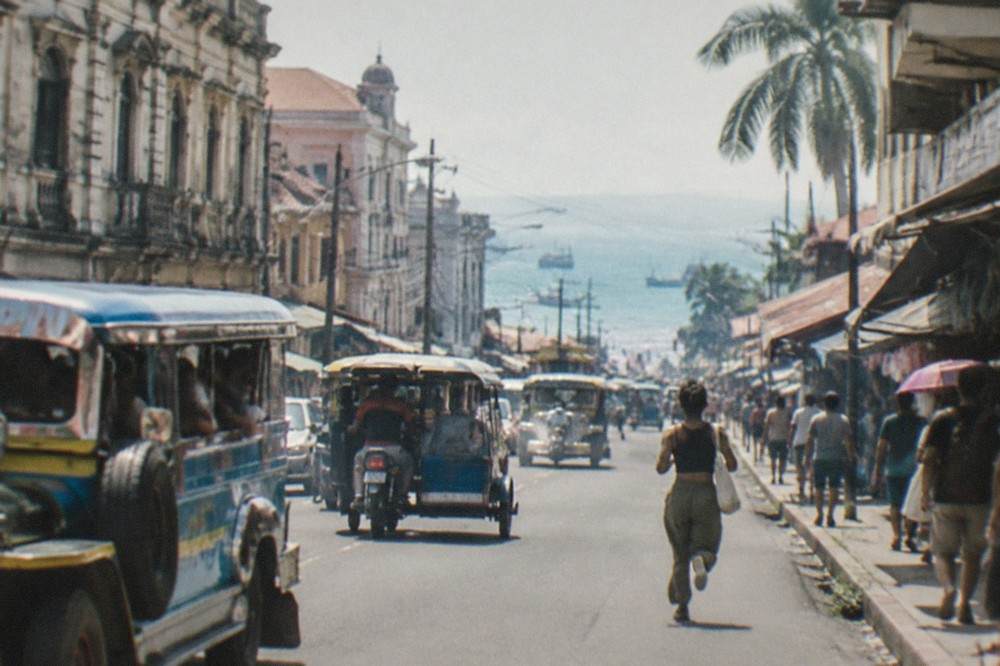
The practical case for the city is transport. The Cebu South Bus Terminal sends Ceres buses to Oslob in roughly 3.5 to 4.5 hours and to Moalboal in roughly 2.5 to 3.5 hours, and the fastcraft terminal at Pier 1 runs OceanJet boats to Tagbilaran in Bohol in about two hours. Staying in the city means every one of those departures is a short taxi ride away rather than a cross-island commute.
For travellers who want the beach to be the point of the trip rather than a day trip, the answer flips: sleep on Mactan and commute into the city for heritage, which is the argument laid out in Mactan vs Cebu City: where should you stay. The two answers also have a short version in our Cebu itinerary guide, which sequences the bases day by day.
| Base | Best for | Trade-off |
|---|---|---|
| Cebu City (downtown) | Heritage, food, day-trip departures | No beach on the doorstep |
| Cebu City (IT Park / Business Park) | Modern hotels, nightlife, remote work | 20-40 minutes from heritage sites |
| Mactan (Lapu-Lapu) | Beaches, diving, airport access | Heavier traffic into the city |
| Moalboal | Sardine run, canyoneering | 2.5-3.5 hours from the airport by road |
| Oslob | Whale sharks, Tumalog Falls | Small-town lodging, early starts required |
Cebu City Or Mactan: Which Side Of The Bridge Should You Book?
Book Cebu City if heritage, food and day trips dominate the plan; book Mactan if diving, beach time and flight timing dominate it. The two are linked by three bridges, and the drive from Mactan-Cebu International Airport to the city runs about 13 to 15 km, typically 25 to 60 minutes depending on bridge traffic, so the airport itself is actually closer to Mactan lodging than to most of the city.
The bridge question is the one Cebu asks most often, and it has spawned three separate answer pages on this site: Cebu City or Mactan, Mactan or Cebu City and the best part of Cebu to stay in. The reason the question repeats is that both answers are correct for different trips.
Mactan's case is concrete. The island's east coast faces the Hilutungan and Nalusuan marine sanctuaries, whose entrance fees run roughly P150 (about US$2.4) to P300 (about US$4.8) per person per site, and Lapu-Lapu City cut its island-hopping environmental fee to P20 (about US$0.3) for local tourists in July 2025 while keeping it at P100 (about US$1.6) for foreign tourists. The Mactan guide and the Lapu-Lapu City guide cover the resort strips and the shrine.
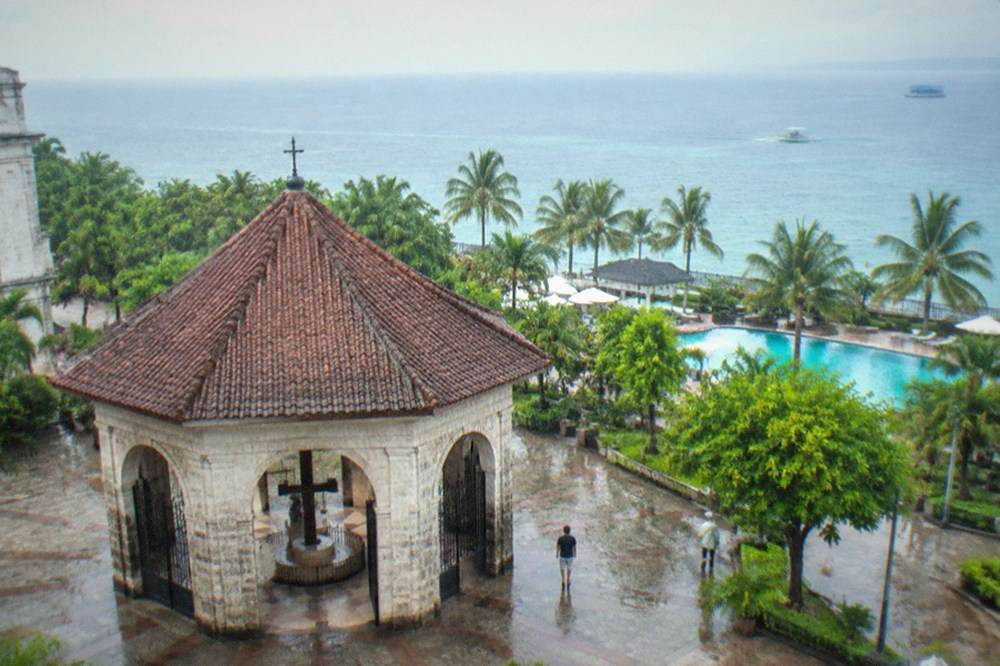
The city's case is equally concrete. The Basilica's mass schedule, restored to its pre-pandemic timetable in November 2024, the Santo Niño image given to Hara Amihan at her baptism in 1521, and the 1738 stone Fort San Pedro all sit downtown. A Mactan base means crossing a bridge to see any of them, and bridge traffic is the one variable that can turn a 25-minute transfer into an hour.
One way to use both bases without moving hotels twice is to sleep in the city and end the trip with a single Mactan night, which the Cebu airport guide makes easy: the airport's own transport page lists the MyBus service to SM City Cebu at P50 (about US$0.8) or less, running from the terminal roughly 7 AM to 10 PM toward the city.
Where To Stay In Cebu For Beaches And Island Hopping?
Stay on Mactan Island for the most beach options with the least travel, specifically the resort coast of Lapu-Lapu City; the island-hopping boats to Hilutungan, Nalusuan, Caohagan and Pandanon leave from piers on Mactan itself, so staying there puts you minutes from the dock instead of a bridge crossing away. For quieter sand, Bantayan Island and the Camotes Islands are the province's genuine beach destinations, reached by ferry from Hagnaya and Cebu City respectively.
Mactan is not the province's most beautiful sand, but it is the only beach zone that does not require a ferry or a long drive. The sanctuary fees at Hilutungan run about P150 (about US$2.4) to P200 (about US$3.2) and at Nalusuan about P100 (about US$1.6) to P300 (about US$4.8) per person, and the boats leave from Angasil and other Mactan piers. The trade-offs and the full beach list are in the Mactan beaches guide and in where to stay in Cebu for a beach trip.
Bantayan is the stronger beach call for a slower trip. The Hagnaya terminal fee is P25 (about US$0.4) per person and the Santa Fe ecological fee on arrival is P30 (about US$0.5), figures the Bantayan Island guide puts in context with the ferry schedules. The Camotes Islands, covered in the Camotes guide, mix caves, a lake and beaches into a full-day or overnight loop.
| Beach base | Getting there | Entry / local fees |
|---|---|---|
| Mactan resort coast | Airport side, 25-60 min drive | Island-hopping env. fee P100 (about US$1.6) foreign / P20 (about US$0.3) local |
| Hilutungan sanctuary | Boat from Mactan piers | About P150 (about US$2.4)-P200 (about US$3.2) |
| Nalusuan sanctuary | Boat from Mactan piers | About P100 (about US$1.6)-P300 (about US$4.8) |
| Bantayan Island | Bus to Hagnaya, then ferry | Terminal P25 (about US$0.4), Santa Fe eco fee P30 (about US$0.5) |
| Camotes Islands | Ferry from Cebu City | Day tours from the city |
Where Should Families Stay In Cebu?
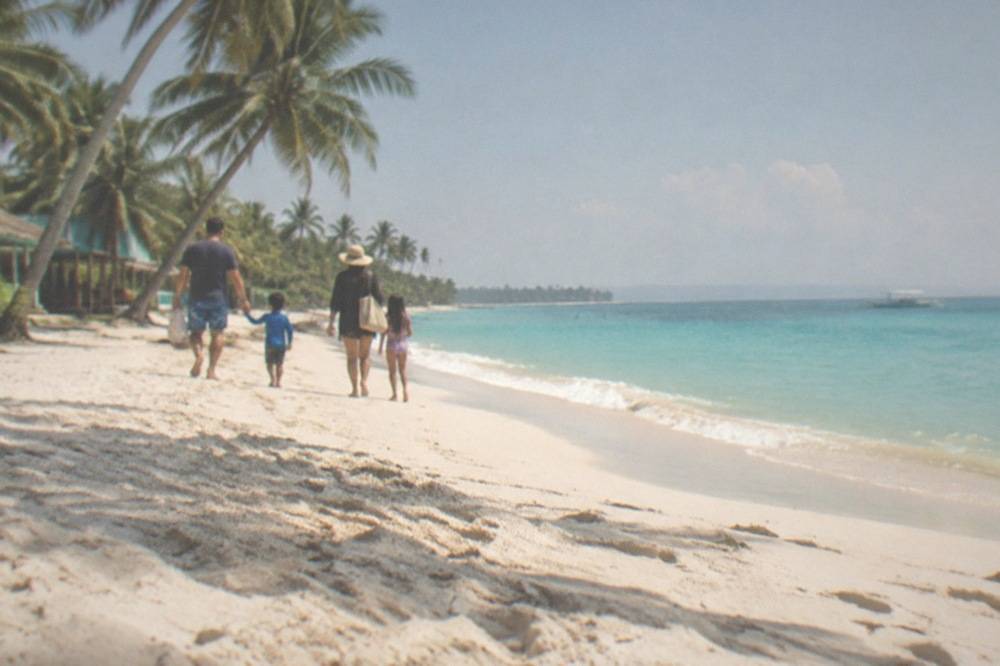
Families with young children should stay on Mactan, where the beach resorts, shallow swimming and the airport are all on one island and no day involves a bridge queue; families with school-age children who want the whale sharks and waterfalls often do better in Cebu City for two nights and Moalboal for two, because the city's heritage stops are short-visit sites and Moalboal's sardine run is a shore swim rather than a boat expedition.
The family case is argued at length in the Cebu family travel guide, but the geography is worth restating here because it drives the lodging choice. Mactan keeps everything within a 30-minute radius: resort pools, the Lapu-Lapu Shrine, and the marine sanctuaries. The city's sites, by contrast, are urban heritage stops, each worth 30 to 60 minutes, strung along a walkable downtown that suits older children better than toddlers.
Moalboal deserves its place in the family mix because of how the sardine run works. The municipal tourism page places the school at Panagsama Beach a few metres from shore, best between 7 and 9 AM, and the environmental user fee to swim or snorkel is P100 (about US$1.6) under a 2021 ordinance. That is a wade-in experience, not a small-craft outing, which changes the arithmetic for parents.
Where To Stay In Cebu On A Budget?
Budget travellers get the most from Cebu City, where the hostels and guesthouses cluster downtown near the heritage sites and the bus terminals, and where the biggest costs of a Cebu trip, the south-coach fares and the attraction fees, are already at their lowest: the headline downtown sites are free or cost only a few dollars, and the Ceres buses that reach the entire south coast leave from a terminal inside the city itself.
The cost structure of a Cebu trip rewards a city base, because the expensive line items are the activities, not the beds. The verified fee picture is compact: Fort San Pedro at P50 (about US$0.8) regular and P40 (about US$0.6) discounted, Tops Lookout at P100 (about US$1.6) adult with P70 (about US$1.1) senior and PWD rates, the Taoist Temple free with donations appreciated, and the Oslob whale-shark interaction at P1,000 (about US$15.9) for foreign tourists and P500 (about US$8.0) for locals, boat and guide included. The Cebu budget guide assembles the full daily-cost picture.
Two budget notes that are easy to get wrong. First, foreign tourists staying under a year are exempt from the Philippine travel tax, the P2,700 (about US$43) first-class and P1,620 (about US$26) economy charge that falls on Filipinos and residents, so it should not appear in a foreign visitor's budget at all. Second, the airport's MyBus to SM City Cebu costs P50 (about US$0.8) or less, which makes the transfer from a downtown hostel genuinely cheap. The getting around guide covers the jeepney and bus fare structure.
| Item | Verified fee |
|---|---|
| Fort San Pedro entry | P50 (about US$0.8) regular, P40 (about US$0.6) students/seniors |
| Magellan's Cross | Free |
| Taoist Temple | Free, donations appreciated |
| Tops Lookout | P100 (about US$1.6) adult, P70 (about US$1.1) senior/PWD |
| Oslob whale sharks | P1,000 (about US$15.9) foreign, P500 (about US$8.0) local |
| Moalboal sardine run swim | P100 (about US$1.6) environmental user fee |
| Ceres bus to Moalboal | About P120 (about US$1.9)-P210 (about US$3.3) |
Where Do Most Foreigners Stay In Cebu?
Most foreign visitors stay in three zones: the downtown and IT Park belt of Cebu City for short city breaks, the resort coast of Lapu-Lapu on Mactan for beach and dive trips, and the Panagsama strip in Moalboal for the dive and canyoneering crowd, with Oslob drawing a shorter-stay whale-shark audience that mostly arrives on day tours from the city rather than sleeping there.
The question of where foreigners actually base themselves has its own answer pages, where do most foreigners stay in Cebu and where do foreigners live in Cebu, and the pattern they describe is stable. Long-stay visitors and remote workers gravitate to IT Park, covered in the IT Park guide, where the café and coworking infrastructure is. Divers split between Mactan, for the sanctuaries, and Malapascua, for the thresher sharks at Kimud Shoal, which the Malapascua guide covers along with the Maya port fees.
A food walk is the most efficient first evening in any of these bases, because the markets that feed the city are the same markets the neighbourhoods grew around, and a guided walk through them doubles as a tour of the districts worth booking a bed in.
Should You Stay In Moalboal Or Oslob?
Stay in Moalboal rather than Oslob if you have to pick one southern base: Moalboal has the year-round shore-access sardine run, the Pescador Island dive sites and the canyoneering departure point for Kawasan Falls, while Oslob's whale-shark interaction runs only from about 6 AM to 12 PM, so an Oslob night exists mainly to serve a very early morning that a day tour from the city can cover anyway.
The comparison has two dedicated answer pages, Moalboal or Oslob and Oslob or Moalboal, plus a broader stay in Cebu City or Moalboal, and the mechanics behind them are worth spelling out. The whale sharks are the reason Oslob exists on the tourist map, and the Oslob municipal rates, P1,000 (about US$15.9) for foreign tourists and P500 (about US$8.0) for locals with boat and guide included, apply to a session of roughly 30 minutes with a mandatory briefing, a minimum four-metre distance and no sunscreen. Sightings are not guaranteed: in late May 2026 the sharks were absent from the Tan-awan interaction area for about four days when the plankton moved, and the town's tourism office confirmed operations pause and resume with sightings.
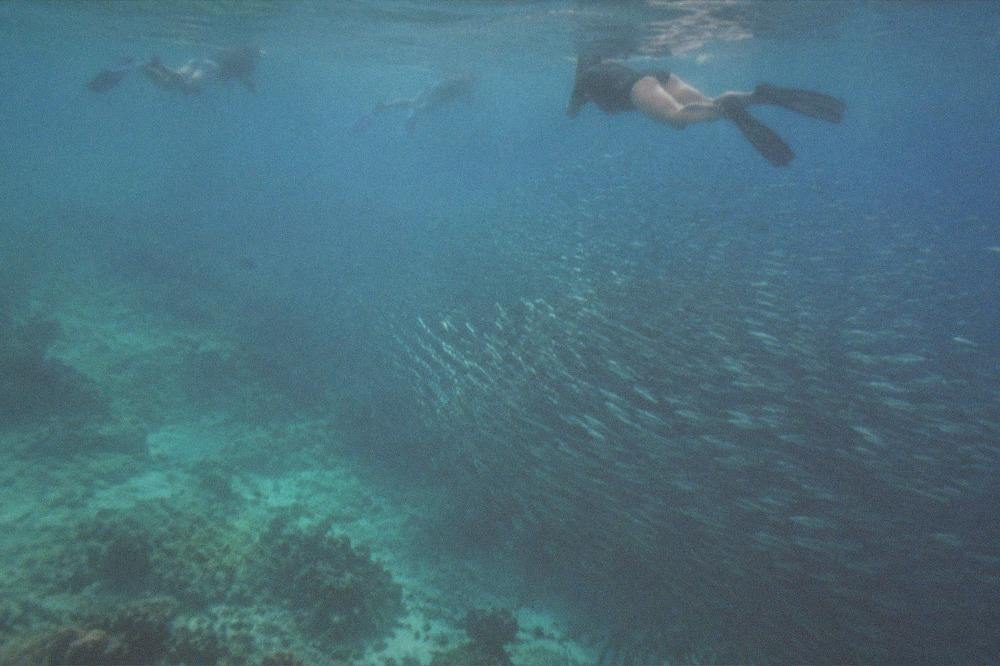
Moalboal's sardine run, by contrast, is a permanent resident school that the municipal site describes as present daily, weather permitting, a few metres off Panagsama Beach. The Moalboal town guide covers the lodging strips, and the early-morning logistics for those who keep a city base are straightforward: the Ceres coaches south run from before dawn.
| Southern base | Signature activity | Activity window | Verified fee |
|---|---|---|---|
| Oslob (Tan-awan) | Whale shark watching | About 6 AM-12 PM daily | P1,000 (about US$15.9) foreign / P500 (about US$8.0) local |
| Oslob (Tumalog) | Tumalog Falls visit | Daytime | About P50 (about US$0.8) entrance |
| Moalboal (Panagsama) | Sardine run snorkel | Daily, best 7-9 AM | P100 (about US$1.6) environmental user fee |
| Moalboal (Pescador) | Island dive trip | Day trips | About P100 (about US$1.6) per dive |
| Badian (Kawasan) | Canyoneering, falls swim | Day trips | Roughly P1,500 (about US$24)-P2,000 (about US$32) with a Badian-accredited guide |
How Does The Season Change Where You Should Stay?
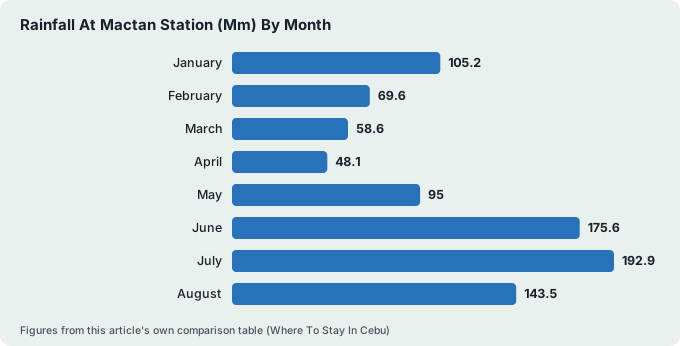
The season changes the base less than it changes the plan: PAGASA's rule puts the rainy season from June to November and the dry season from December to May, with the Mactan station's 1991-2020 normals showing 1,685.0 mm of annual rain over 138 rain days, so a December-to-May trip can safely book Moalboal or Malapascua for several nights, while a June-to-November trip should keep a city or Mactan base and treat the south as flexible day trips.
The monthly rainfall figures make the pattern plain. The driest month in the Mactan series is April at 48.1 mm and the wettest is October at 194.8 mm, and every rainy-season month is far wetter than anything in the December-to-May stretch. Typhoon season runs June to November with peak activity roughly July to October, and Typhoon Tino in early November 2025 brought severe flooding to Cebu, though the tourism department confirmed the core zones of Cebu City and Mactan were largely unaffected and open. The full picture, including the 30 September 2025 magnitude-6.9 earthquake's effect on northern Cebu, is in the best time to visit guide and the typhoon season guide.
| Month | Rainfall at Mactan station (mm) | Season |
|---|---|---|
| January | 105.2 | Dry |
| February | 69.6 | Dry |
| March | 58.6 | Dry |
| April | 48.1 | Dry |
| May | 95.0 | Dry |
| June | 175.6 | Rainy |
| July | 192.9 | Rainy |
| August | 143.5 | Rainy |
| September | 179.6 | Rainy |
| October | 194.8 | Rainy |
| November | 161.9 | Rainy |
| December | 139.7 | Dry |
Two seasonal notes attach to specific bases. Sinulog, held on the third Sunday of January with the 2027 Grand Parade set for 17 January at the Cebu City Sports Center, fills city hotels weeks ahead, so a January city stay needs early booking. And northern bases like Bantayan and Malapascua, which the tourism department confirmed open after the 2025 earthquake, are best visited in the dry months when the ferry crossings are calmer.
Which Base Matches Which Itinerary?
Match the base to the itinerary length: one to two nights belongs in Cebu City or Mactan, three to four nights splits between the city and one southern base, and five or more nights can add Bantayan, the Camotes or a Bohol crossing, because every one of those extensions departs from a ferry terminal or bus terminal that is itself in the city.
The 3 days in Cebu, 5 days in Cebu and 7 days in Cebu guides sequence this in full, but the lodging logic is simple: the city is the hub, and the islands are spokes. The Bohol day trip, covered in the Bohol day trip guide and the Cebu to Bohol ferry guide, runs on the OceanJet fastcraft from Pier 1, about two hours each way, with tourist-class fares at P960 (about US$15.3) since the 21 September 2026 fuel surcharge. That is a long day from a Mactan base and a reasonable one from downtown.
| Trip length | Recommended base split | Key departures used |
|---|---|---|
| 1-2 nights | Cebu City or Mactan only | Downtown heritage walk |
| 3-4 nights | 2 city + 1-2 Moalboal | Ceres bus south, sardine run |
| 5 nights | 2 city + 2 Moalboal + 1 Mactan | Kawasan canyoneering, airport |
| 6-7 nights | Add Bantayan or Camotes | Hagnaya ferry, Camotes ferry |
| 7+ nights | Add Bohol crossing | OceanJet from Pier 1 |
Safety, for the record, is not a reason to avoid any of these bases: the UK foreign office names no Cebu-specific restrictions, and the US advisory for the Philippines is a country-wide Level 2 with nothing elevated for Cebu, a picture the Cebu safety guide examines in detail. The visa side is equally simple for most visitors: 30 days visa-free for US, UK, EU and Australian nationals, with eTravel registration within 72 hours before arrival.
Common Questions About Where To Stay In Cebu
Where to stay in Cebu for the first time?
Cebu City downtown for the heritage sites and day-trip terminals, with an optional final night on Mactan near the airport if the departure flight is early.
Is it better to stay in Cebu City or Mactan?
Cebu City suits heritage, food and day trips; Mactan suits beaches, diving and flight timing. The airport sits on the Mactan side, about 13 to 15 km and 25 to 60 minutes from the city.
Where to stay in Cebu for beaches?
Mactan for convenience, Bantayan Island for the province's best sand, reached via the Hagnaya ferry with a P25 (about US$0.4) terminal fee and a P30 (about US$0.5) Santa Fe ecological fee.
Where to stay in Cebu on a budget?
Downtown Cebu City, where hostels cluster near the free and low-cost heritage sites and the Ceres bus terminals for the south coast.
Should you stay overnight in Oslob?
An overnight stay is not necessary for most people: the whale-shark interaction runs about 6 AM to 12 PM, and day tours from Cebu City, about 3.5 to 4.5 hours by bus, cover it comfortably.
Is Moalboal a good place to stay?
Yes, for a trip focused on the sardine run, Pescador Island diving and Kawasan canyoneering; the sardine school swims a few metres from Panagsama Beach year-round.