Using Grab In Cebu
Grab works in Cebu, and for most visitors it is the easiest way to move between Cebu City, Mandaue, Lapu-Lapu and the Mactan-Cebu airport. This guide covers how the app behaves on the island, what rides cost, and when a jeepney, bus or booked tour is the smarter choice.
Short answer
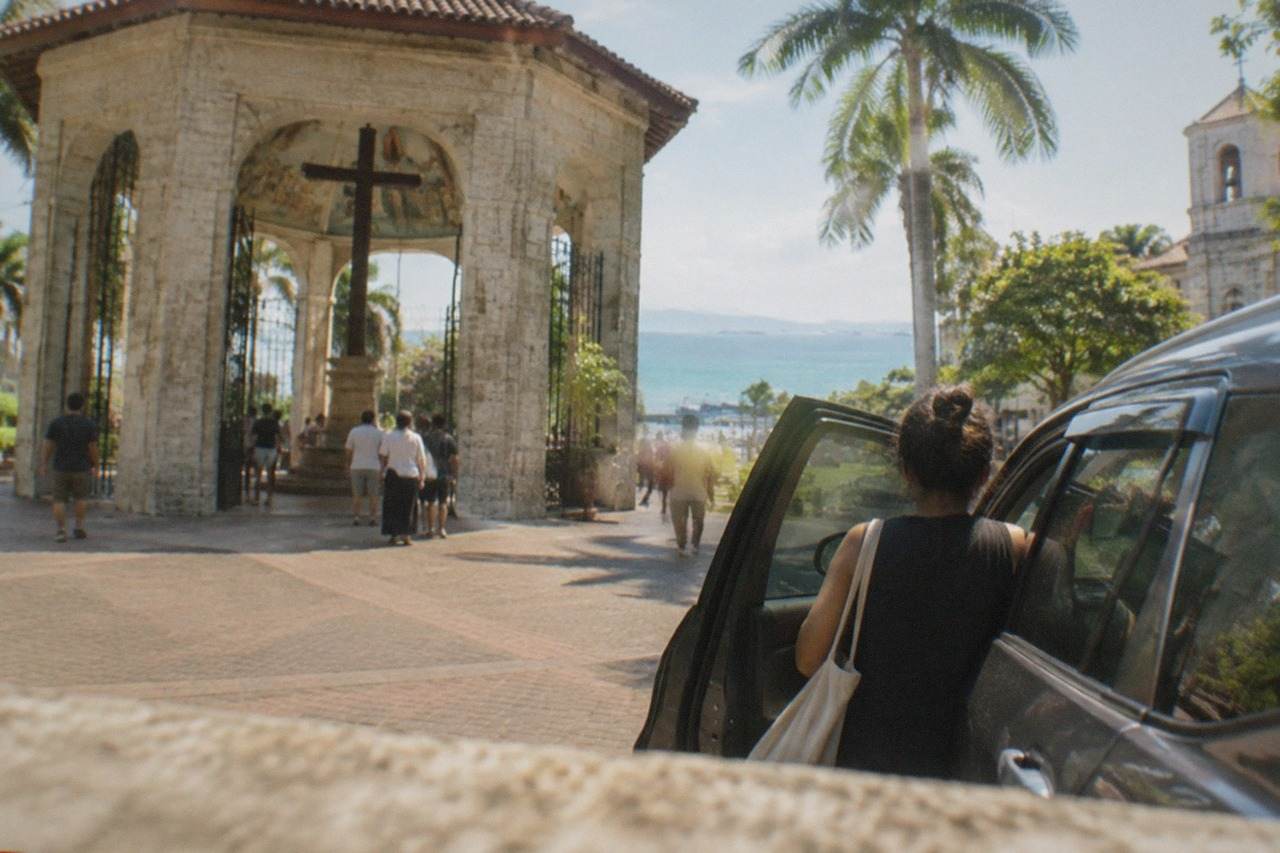
Yes, Grab operates in Cebu. The app lists Cebu among its Philippine service areas, with ride-hailing available across Cebu City, Mandaue and Lapu-Lapu on Mactan, and designated pickup zones at Mactan-Cebu International Airport. Fares are shown upfront in the app before you book.
Cebu, the island province in the Central Visayas region of the Philippines, is the one corner of the country where a ride-hailing app genuinely changes how a trip feels. The distances here are real: the airport sits on Mactan, the heritage sites sit in Cebu City, and the famous waterfalls and whale sharks sit three to four hours south by road. Grab works across all of it, and it is the app almost every local and visitor uses, because there is no Uber in the Philippines and Grab has no serious competitor in Metro Cebu.
This guide from the Cebu Travel Guide editorial desk covers what the app does well in Cebu, where it struggles, and how it fits against jeepneys, taxis, the new bus corridor and the long-distance day tours that solve a different problem entirely. For the wider transport picture, read our guide to getting around Cebu.
Does Grab Work In Cebu?
Yes, Grab operates in Cebu, and it is the dominant ride-hailing service on the island. Grab's own locations page lists Cebu among its Philippine service areas, covering Cebu City, Mandaue and Lapu-Lapu on Mactan, including Mactan-Cebu International Airport, where designated pickup zones sit outside the arrivals areas of both terminals. There is no Uber in the Philippines, so Grab is effectively the only app of its kind in Metro Cebu.
The coverage question matters more than it does in Manila, because Metro Cebu is a string of separate cities rather than one contiguous sprawl. A single Grab ride can take you from a Colon Street hotel in Cebu City, over one of the bridges across the Mactan Channel, and to a resort in Lapu-Lapu, all inside one booking. The app handles the bridge routing automatically, and drivers know the difference between the two older bridges and the newer CCLEX crossing, which matters at rush hour.
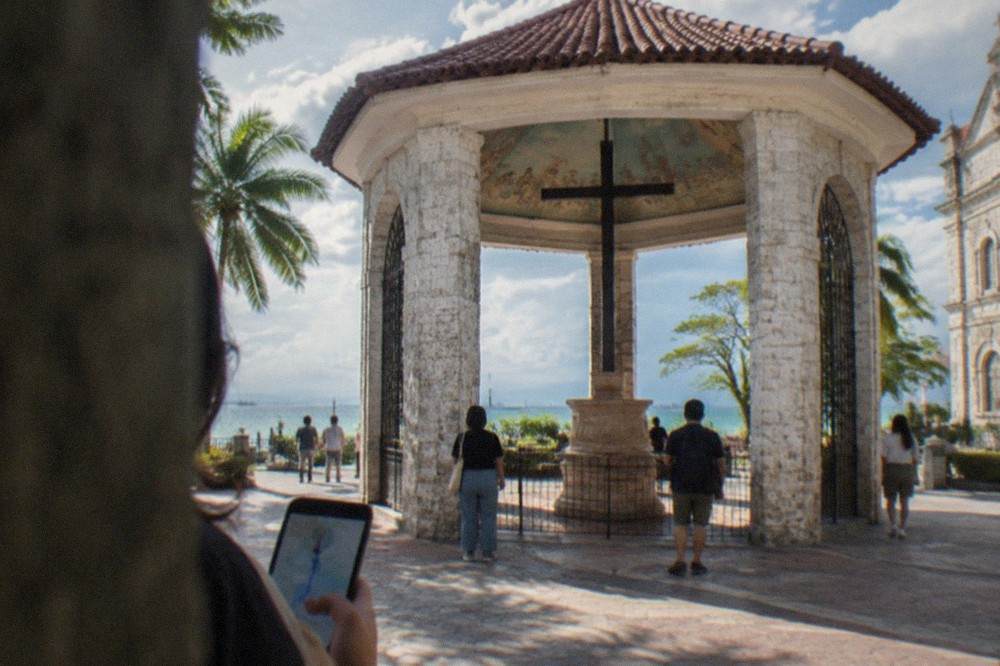
Outside Metro Cebu the picture changes. You can book a Grab to towns as far south as Carcar or north toward Liloan in practice, but driver availability thins out fast once you leave the urban core, and in places like Moalboal or Oslob the app is not a reliable way to get home. Plan on Grab for the city and its immediate surroundings, and on buses, booked transfers or tours for the south and north of the island.
A few practical notes from how the service behaves in Cebu:
| Situation | What to expect in the Cebu area |
|---|---|
| Cebu City, Mandaue, Lapu-Lapu | Widest driver availability, short wait times most of the day |
| Mactan-Cebu International Airport | Designated Grab pickup zones outside arrivals at both terminals |
| Southern towns like Oslob, Moalboal | Very limited or no driver availability for pickups |
| Peak hours on the Mactan bridges | Longer waits and surge pricing in the app |
| Sinulog festival week in January | Severe congestion, road closures around the parade route |
How Much Does A Grab Ride In Cebu Cost?
Grab in Cebu uses upfront pricing, which means the app shows you the full fare before you confirm the booking, and that figure is what you pay unless you change the trip. The price adjusts with demand, so the same ride can cost more during rush hour, in rain, or on a festival weekend, and the app flags this as higher demand rather than hiding it. There is no meter and no haggling, which is the main reason visitors prefer it over street taxis.
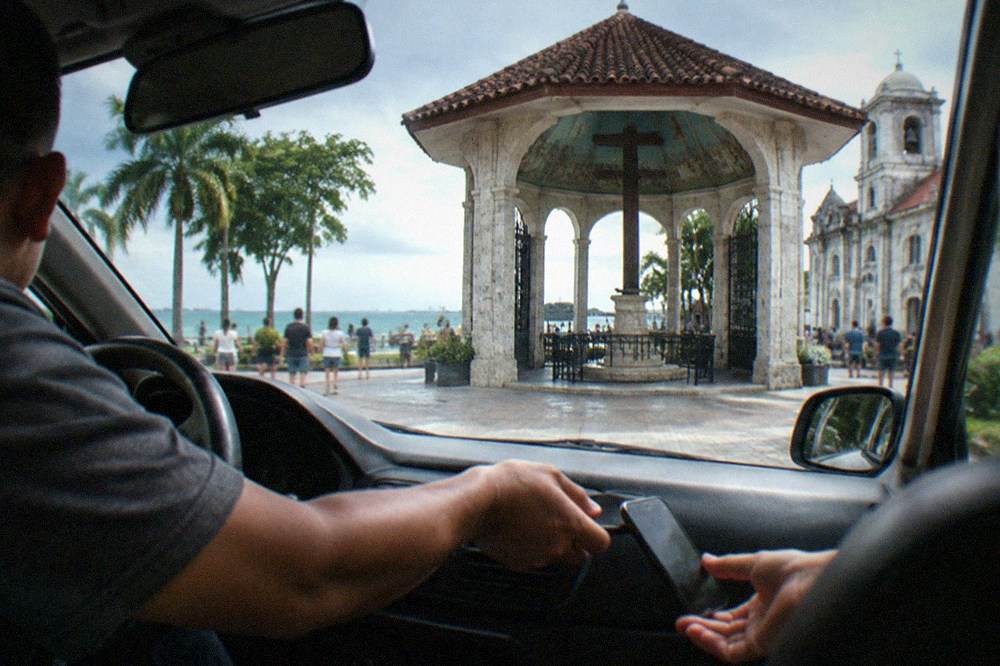
Because fares are dynamic, no honest guide can print a fixed Cebu City Grab price list, and this one will not invent one. What the app does give you is certainty at the moment of booking: the quoted fare covers the whole trip, including bridge crossings, and you can compare two pickup points a few hundred metres apart to see which prices better. Cash is accepted, and card payment works in-app.
For context, here is what the fixed, government-set alternatives cost, all figures from official or news sources:
| Transport | Fixed fare | Source tier |
|---|---|---|
| MyBus, airport to SM City Cebu | P50 (about US$0.8) regular | Operator site |
| Yellow airport taxi flag-down | P70 (about US$1.1) plus P4 (about US$0.1) per 300 m | Airport guides |
| White metered city taxi flag-down | P40 (about US$0.6) plus about P14 (about US$0.2) per km | Airport guides |
| Traditional jeepney, first 4 km | P14 (about US$0.2) plus P2 (about US$0.0) per km after | DOTr-approved, Sept 2026 |
| Modern jeepney, first 4 km | P17 (about US$0.3) plus P2 (about US$0.0) per km after | DOTr-approved, Sept 2026 |
One caution on that jeepney row: the September 2026 fare adjustment was approved nationally, and the reporting does not confirm whether Region 7, which includes Cebu, has implemented it yet. Treat those figures as the ceiling and check what the driver's tariff card says. We stay silent on a single Cebu City taxi flag-down rate because no current regional memo has been published.
How Do You Get From Mactan-Cebu Airport Using Grab?
Grab is available at Mactan-Cebu International Airport with designated pickup zones outside the arrivals areas of both terminals, and the app shows your fare to the city before you confirm, which removes the main airport worry, overcharging. The airport sits on Mactan island about 13 to 15 km from central Cebu City, and the drive typically runs 25 to 60 minutes depending on bridge traffic. Terminal 1 handles domestic flights and Terminal 2 international ones, and both have Grab zones.
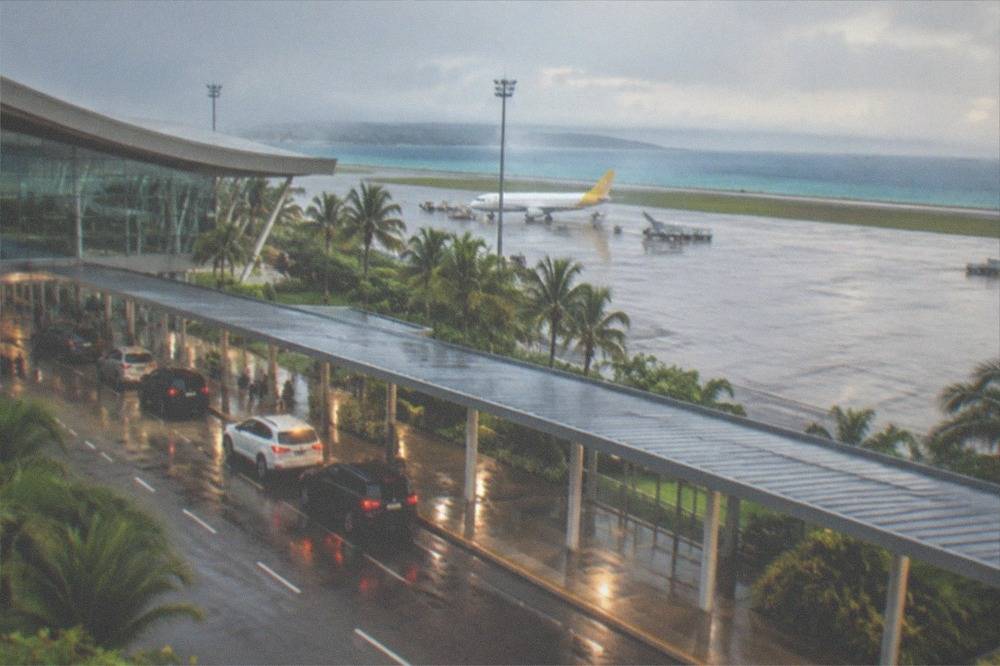
The practical drill is simple. When you land, open the app inside the terminal on the free wifi, set your destination, and the app will direct you to the correct zone for your terminal. The fare appears upfront, so you know the cost before you walk out. During peak arrival waves, waits can stretch, and this is when the alternatives earn their keep:
| Airport option | Fare basis | Best for |
|---|---|---|
| Grab | Upfront price in the app, demand-based | Certainty, card payment, no haggling |
| Yellow airport taxi | P70 (about US$1.1) flag-down plus P4 (about US$0.1) per 300 m | Immediate availability at the rank |
| White metered taxi | P40 (about US$0.6) flag-down plus distance | Lower base fare, insist on the meter |
| MyBus to SM City Cebu | P50 (about US$0.8) regular, roughly every 20 minutes | Budget travellers, city centre destinations |
Our full Cebu airport guide covers the terminals, the MyBus routes and the timing in more depth.
One thing Grab cannot solve at the airport is the onward journey to the far south or north of the island. A driver will usually accept a long ride to Moalboal or Oslob, but the upfront price for a two-to-four-hour run is substantial, and you then face the same problem in reverse with no return driver. That is the gap the bus terminal and the day tour market fill, which we come to below.
Grab Versus Jeepneys, Taxis And The CBRT In Cebu?
For short hops inside Cebu City, jeepneys are the cheapest option, with a fixed minimum fare covering the first four kilometres, while Grab wins on comfort, certainty and air conditioning, and the new CBRT bus line, running partial operations since 13 March 2026 on a single Il Corso to IT Park route, adds a third choice along its corridor. Taxis sit in between: usually cheaper than Grab at the flag-down, but only if the driver uses the meter, which is exactly the dispute Grab eliminates.
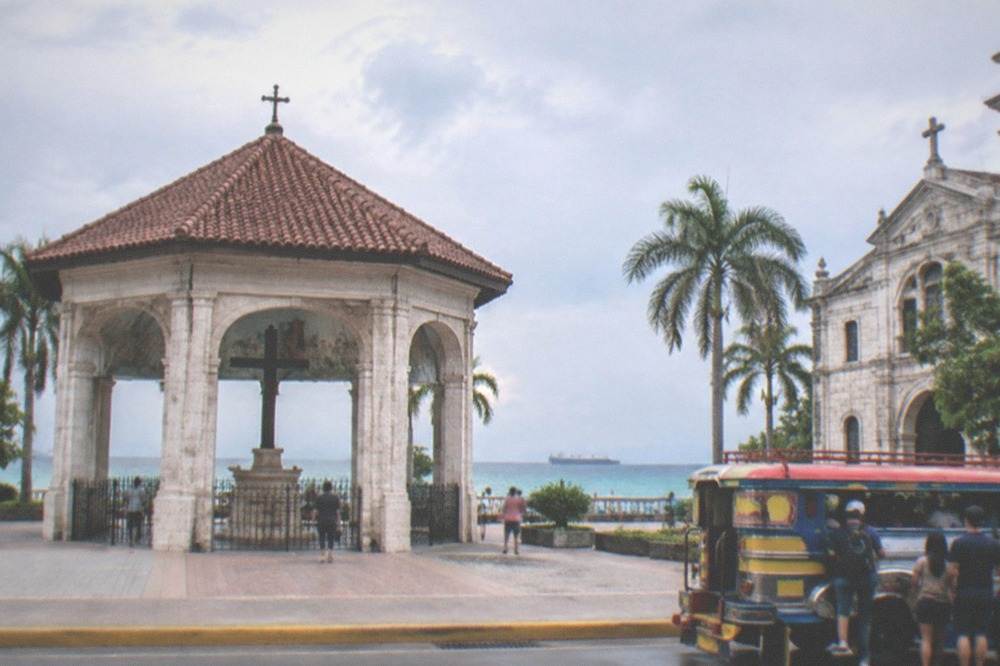
The fixed jeepney figures come from the nationally approved September 2026 tariff: traditional jeepneys charge P14 (about US$0.2) for the first four kilometres plus P2 (about US$0.0) per kilometre after, and modern ones P17 (about US$0.3) plus P2 (about US$0.0) per kilometre, though the reporting does not confirm implementation in Region 7. Check the tariff card posted in the jeepney before relying on either number.
The honest division of labour looks like this. Use jeepneys for the flat, short, well-trafficked runs: Colon to Fuente Osmeña, the downtown heritage loop, any corridor where a jeepney passes every minute or two. Use Grab for cross-town trips, anything at night, anything with luggage, and anything where arriving on time matters. Use the CBRT where its single route happens to match yours, remembering that free rides were offered at launch and the current fare should be checked rather than assumed.
| Journey type in Metro Cebu | Best option | Why |
|---|---|---|
| Short downtown hop | Jeepney | Fixed low fare, constant availability |
| Airport transfer with luggage | Grab or airport taxi | Upfront price, zone pickup, no meter dispute |
| Night travel | Grab | Availability and safety after dark |
| Along the CBRT corridor | CBRT bus | Free or low fare on the new route, check current pricing |
| Cross-bridge trip to Mactan | Grab | Bridge routing and predictable cost |
| Heavy rain or typhoon aftermath | Grab, booked in advance | Surge pricing applies but availability holds |
The CBRT deserves one honest caveat. This is not yet a full bus rapid transit network: one route runs, part of it in mixed traffic, and the World Bank funding behind the wider build was restructured in 2026 with the full system not expected before 2027. Treat it as a useful single line, not a metro. The detail is covered in our getting around Cebu guide.
Where Can Grab Take You Around Cebu Island?
Within Metro Cebu, Grab can take you essentially anywhere: the heritage sites of old Cebu City, the highlands of Busay with Temple of Leah, Sirao Flower Garden and Tops Lookout, the malls and IT Park business district, and every resort corner of Mactan via the three bridge crossings. Beyond the metro, availability collapses, and for destinations like Oslob, Moalboal, Bantayan or Malapascua you should plan on buses, ferries or booked tours rather than the app.
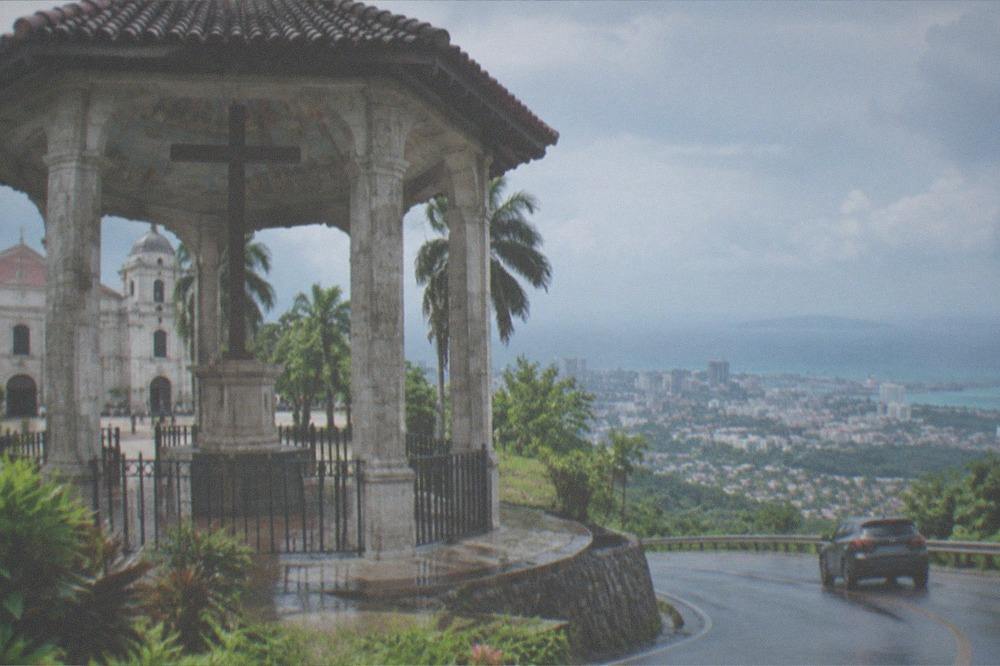
The highlands runs are the best-value use of Grab in the city. Busay sits above Cebu City, and a single booking can cover Temple of Leah, Sirao and Tops Lookout in a loop, with the driver waiting or you rebooking at each stop. Note that Tops Lookout is open 24 hours with entry at P100 (about US$1.6), so an evening Grab run up for the city lights is entirely practical, and the operator's own site confirms both the hours and the fee.
Crossing to Mactan, the toll decision matters if you ride in a private car, less so on Grab where the app prices the whole trip. For reference, the CCLEX toll matrix in full effect since 1 October 2025 charges P107 (about US$1.7) for Class 1 cars one way, with P68 (about US$1.1) for smaller motorcycles, and the bridge runs 8.9 km from Cebu City to Cordova.
| Cebu destination | Grab viability | Better alternative |
|---|---|---|
| Cebu City heritage district | Excellent | Walk between close sites |
| Busay highlands, Tops, Sirao | Excellent, book per leg | Habal-habal motorbike for the brave |
| Mactan resorts and beaches | Excellent | Resort shuttles where offered |
| Moalboal, about 2.5 to 3.5 hours south | Poor for return trips | Ceres bus from the south terminal |
| Oslob, about 3.5 to 4.5 hours south | Poor for return trips | Day tour with hotel pickup |
| Bantayan or Malapascua | Not practical | Bus plus ferry, see the ferries guide |
For the south and north, the Cebu itinerary guide explains how to chain the bus terminals, ferries and tours into a workable week.
What Grab Problems Do People Hit In Cebu?
The three recurring Grab problems in Cebu are surge pricing during peak hours and rain, thin driver availability outside Metro Cebu, and pickup-point confusion in the congested downtown grid around Colon and the port area. All three are manageable: book twenty minutes early at peak times, treat the app as a city tool only, and walk to a landmark pickup point rather than expecting the driver to find a narrow side street.
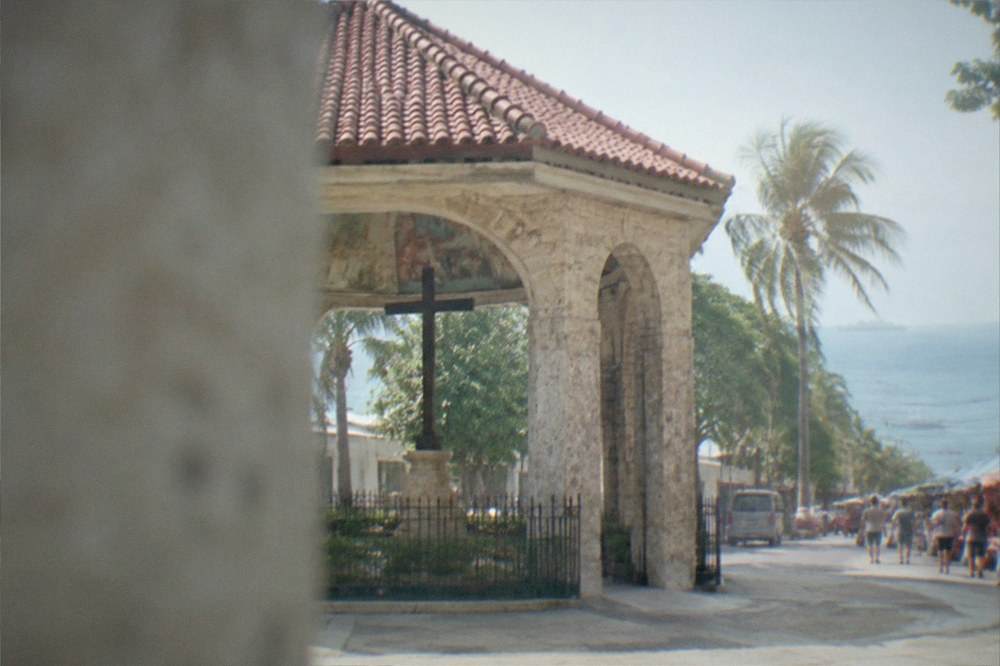
Surge is the one that catches visitors off guard, because Cebu's peaks are sharp. The morning and evening bridge crossings, lunchtime around the business parks, and any heavy rain will push the upfront price up visibly in the app. The app shows you this before you commit, so the fix is patience: wait ten minutes, or walk a few blocks to a less contested pickup point. During Sinulog week in January, when the grand parade fills the streets around the Cebu City Sports Center, road closures make the whole question academic in the downtown core, and walking beats any wheels.
A few habits keep the app frictionless:
| Problem | Prevention |
|---|---|
| Surge pricing at peak | Check the fare, wait, or shift the pickup point a few blocks |
| Driver cannot find you | Choose landmark pickups, malls, hotel entrances |
| No cars in southern towns | Do not rely on Grab beyond the metro; book tours or use buses |
| Cash shortage on payment | Keep small bills, or link a card in the app |
| Festival-week chaos | Walk; roads around the venue close for the parade |
On personal safety, Cebu carries no travel advisory specific to the province from the UK, US or Australian governments beyond standard country-level caution, and ride-hailing with a tracked, cashless trip is one of the safer ways to move at night. Our Cebu safety guide covers the wider picture.
When Is A Booked Tour Better Than Grab In Cebu?
A booked tour beats Grab the moment your destination leaves Metro Cebu, because the long drives south or north involve early starts, mountain roads, boat connections and local fees that a city ride-hailing driver cannot package for you. Tours to Oslob, Kawasan Falls, the Camotes Islands or Olango include the transport, the timing and often the permits in one booking, while a Grab round trip to the same places would cost more and strand you at the far end.
The economics are simple. A Grab ride is priced for urban trips; the app will quote you for a three-hour run to Oslob, but you pay it twice, and the whale shark interaction window closes around midday, so the timing risk is yours. A day tour departs early, arrives first, and the operator's live listing carries the current price and inclusions.
The Camotes Islands are the clearest case. East of Cebu across the Camotes Sea, they combine caves, a lake and beaches in one full-day loop, and the logistics of port transfers and boat schedules are exactly what a tour absorbs. The Camotes day tour from Cebu runs a full day and covers the caves, lake and beach in a single booking:
Olango Island works the same way for a different reason. The wildlife sanctuary there is a Ramsar site, designated in July 1994 as the first in the Philippines, and the bird season runs roughly September to March, so a trip that includes both the sanctuary and snorkeling benefits from someone who knows the tides and the ferry timing. The Olango bird watching and snorkeling day trip handles both:
And for the south coast classic, the whale shark interaction at Oslob runs from about 6 AM to noon, with the municipal fee at P1,000 (about US$15.9) for foreign visitors and P500 (about US$8.0) for locals, boat and guide included, plus the Tumalog Falls stop and Sumilon Island in the same arc of coastline. A tour that chains all three solves the 3 AM problem that Grab cannot:
The split that works for most visitors: Grab for the city and Mactan, jeepneys for short hops when you feel confident, and booked tours for anything beyond easy day-trip range. Budget travellers can read the full cost breakdown in our Cebu budget guide, and first-time visitors should start from the Cebu travel guide hub to see how the transport layers fit the rest of a trip.
Common Questions About Using Grab In Cebu
Does Grab work in Cebu?
Yes. Grab lists Cebu among its Philippine service areas, covering Cebu City, Mandaue and Lapu-Lapu on Mactan, with designated pickup zones at Mactan-Cebu International Airport. There is no Uber in the Philippines, so Grab is the only major ride-hailing app in Metro Cebu.
Can I get a Grab at Mactan-Cebu airport?
Yes. Both terminals have designated Grab pickup zones outside arrivals, and the app shows the fare to your destination before you confirm. The drive to central Cebu City typically takes 25 to 60 minutes depending on bridge traffic.
Is Grab cheaper than a taxi in Cebu?
It varies. Grab prices are upfront and demand-based, so a midday ride can beat a taxi, while a peak-hour ride with higher demand can cost more. The fixed taxi alternatives start at a yellow airport taxi flag-down of P70 (about US$1.1) or a white metered taxi flag-down of P40 (about US$0.6), and Grab's advantage is that the price is agreed before the trip rather than argued about during it.
Does Grab work in Oslob or Moalboal?
Not reliably. Driver availability thins out sharply outside Metro Cebu, and you should not plan on booking a return ride from the southern towns. Use Ceres buses from the Cebu South Bus Terminal, or a booked day tour that includes transport.
Does Grab surge price in Cebu?
Yes. The app uses upfront pricing that rises with demand, so bridge crossings at rush hour, heavy rain and festival periods such as Sinulog in January all push fares up. The higher price is always shown before you confirm the booking, so waiting ten minutes or moving your pickup point can bring it back down.
Can I pay cash for Grab in Cebu?
Yes, cash payment is accepted, and you can also link a card in the app. Drivers carry limited change, so keep small bills for cash rides, particularly for short trips.