Cebu Itinerary
Cebu, an island province in the Central Visayas region of the Philippines, packs a Spanish-colonial city, whale sharks, waterfalls and island hopping into distances short enough to plan in three to seven days.
Short answer
Most first-time visitors need three to five days in Cebu: one to two days for the city and Mactan, one for Oslob and Tumalog Falls, and one for Moalboal and Kawasan Falls. Seven days adds Malapascua, Bantayan or a Bohol day trip.
Cebu, an island province in the Central Visayas region of the Philippines, is one of the few destinations where a colonial-era city, a whale-shark interaction, a canyoneering waterfall and four island-hopping circuits all sit within a few hours of one another. That density is exactly why planning matters: the island rewards a sequence and punishes a random walk. This guide, part of the Cebu Travel Guide planning stack, lays out how many days to allow, what belongs in each block of the trip, what the entry fees and transport actually cost, and where the common sequencing mistakes happen.
How Many Days Do You Need For A Cebu Itinerary?
Three days is the honest minimum for a first Cebu trip, and five days is the comfortable standard: one day for the heritage core of Cebu City, one long day south for the whale sharks at Oslob and Tumalog Falls, and one day for Moalboal and the Kawasan Falls area, with the remaining days absorbing travel time, island hopping off Mactan or a Bohol crossing. Two days force a choice between the south and the city. Seven days let you add Malapascua or Bantayan in the north without rushing anything.
The reason three days is the floor is geography. The three headline experiences sit on opposite ends of a 200-kilometre-long island, and each one is a full-day commitment because of transfer time rather than activity time. Ceres buses from the Cebu South Bus Terminal take roughly three and a half to four and a half hours to reach Oslob and about two and a half to three and a half hours to reach Moalboal, so a day trip from the city means an early start and a late return.
A useful way to think about the island is as three zones. The metro zone holds Cebu City, Mandaue, Lapu-Lapu and Mactan, with the heritage sites, the resorts and the airport. The south zone runs from Carcar down to Oslob, covering Moalboal, Badian and the whale-shark coast. The north zone covers Bogo, Daanbantayan, Malapascua and Bantayan, and it is the least visited by short-stay travellers. Most itineraries of five days or fewer never touch the north, and that is a defensible choice.
If you are deciding between a first trip of three, five or seven days, the detailed day-by-day version of the compressed trip is laid out in three days in Cebu, with hour-by-hour schedules.
What Should A First-Time Cebu Itinerary Include?
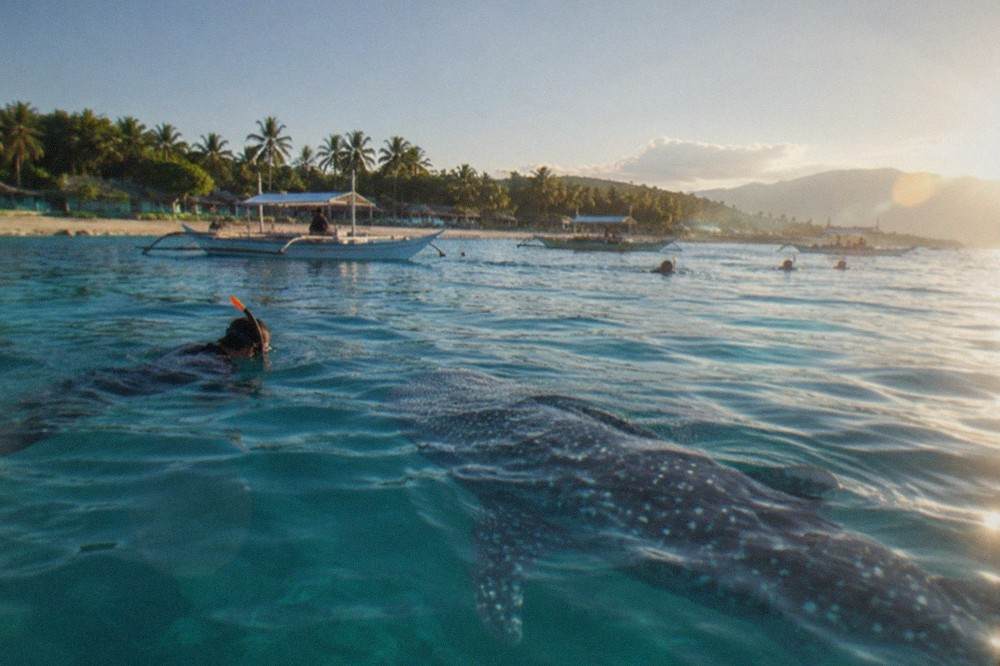
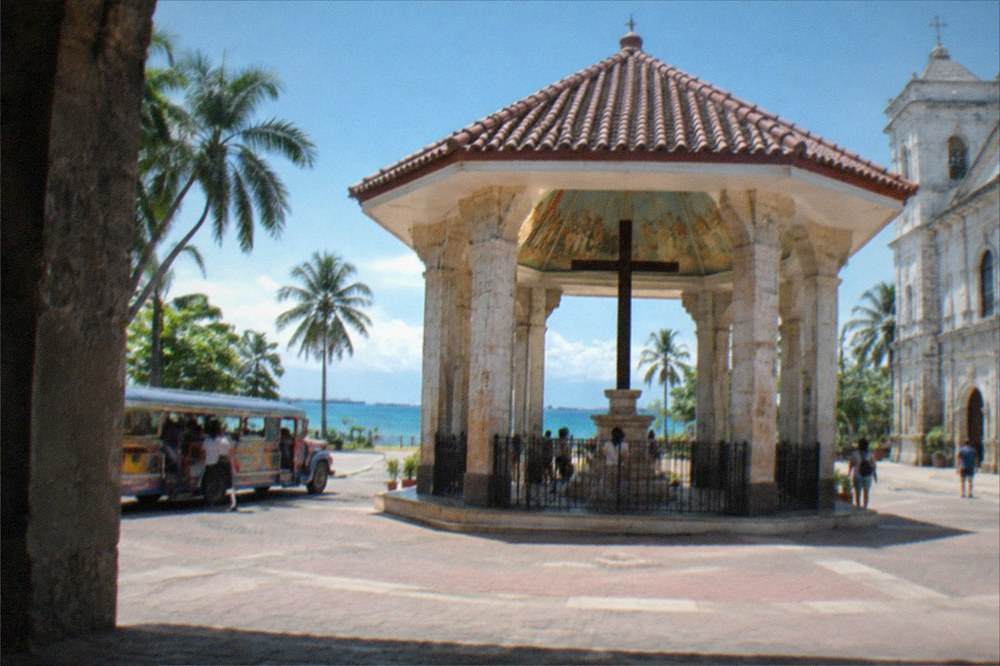
A first-time Cebu itinerary should include four anchors: the heritage core of Cebu City (Magellan's Cross, the Basilica Minore del Santo Niño and Fort San Pedro), the whale-shark interaction at Oslob, the sardine run and Pescador Island waters at Moalboal, and Kawasan Falls in Badian, with island hopping off Mactan as the fifth if time allows. Together these cover the history, the marine life and the waterfalls the island is known for.
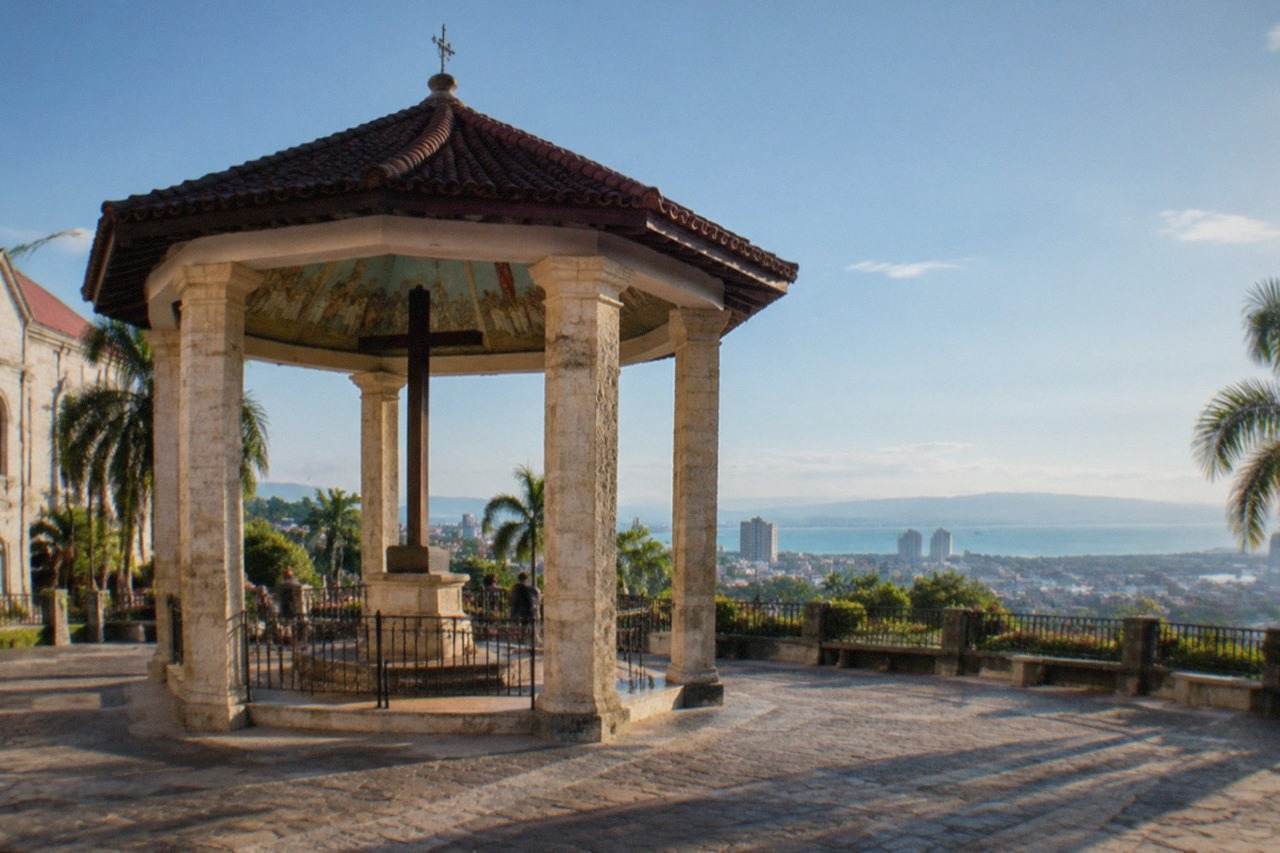
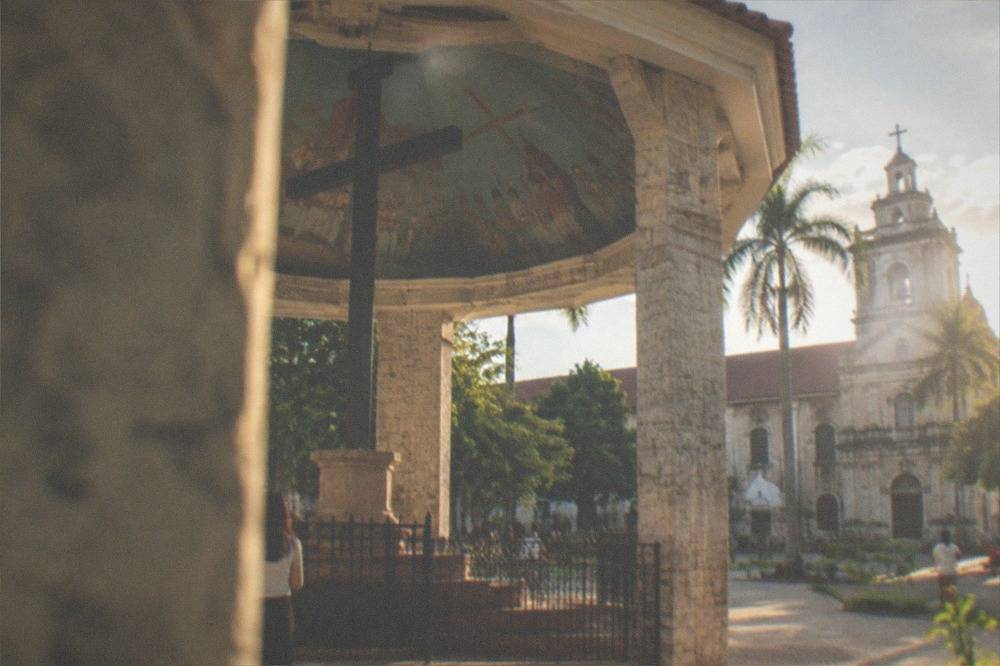
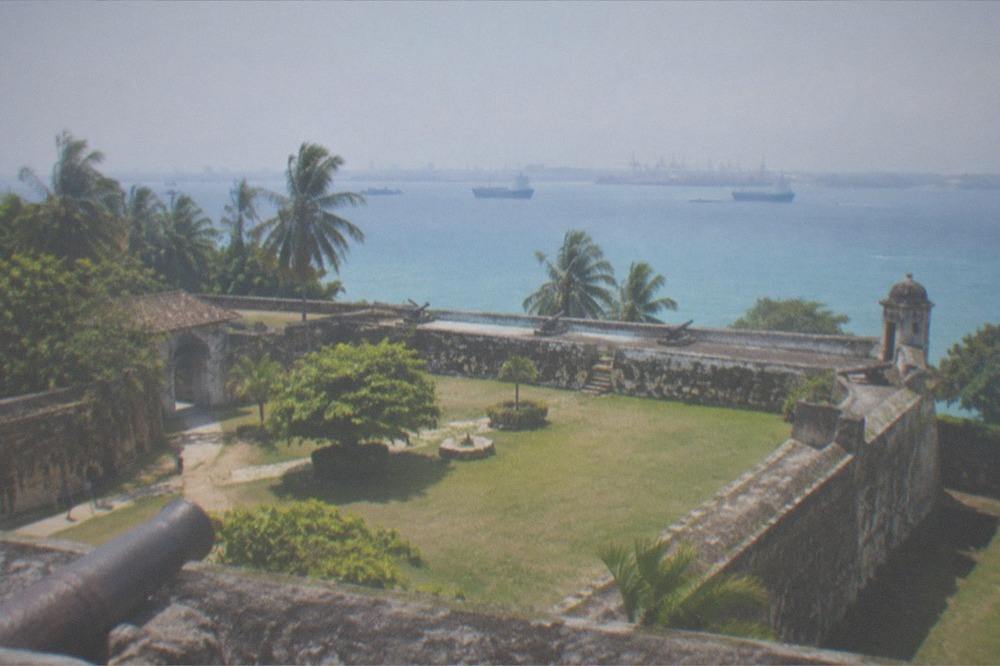
Start with the city, because it is where you land and where the history is. Magellan's Cross is free to visit, Fort San Pedro charges P50 (about US$0.8) regular and P40 (about US$0.6) for students and seniors, and the Basilica holds the Santo Niño image given at the baptism of Queen Juana in 1521 and rediscovered in 1565. All three sit within a short walk of each other in the downtown Parian district, so a single morning clears the list.
The south anchors need booking discipline. Oslob runs its whale-shark interaction from about 6 AM to 12 PM only, and the environmental fee is P1,000 (about US$15.9) for foreign tourists and P500 (about US$8.0) for Filipinos, boat and guide included. Sightings are not guaranteed: in late May 2026 the sharks were absent from the Tan-awan interaction area for roughly four days when the plankton moved, and operations paused until they returned. Build a flexible day around it, usually pairing it with Tumalog Falls, whose entrance runs about P50 (about US$0.8).
Moalboal's sardine run is the most reliable of the marine experiences, because the school is resident year-round a few metres off Panagsama Beach, and the municipal site recommends early morning, around 7 to 9 AM, for the best conditions. The environmental user fee to swim or snorkel is P100 (about US$1.6) under the local ordinance, and Pescador Island adds about P100 (about US$1.6) per dive in sanctuary fees. Kawasan Falls charges about P200 (about US$3.2) for Level 1 access, and the canyoneering packages that descend the Badian river run roughly P1,500 (about US$24) to P2,000 (about US$32) with an accredited guide, gear and lunch.
For travellers who would rather not stitch buses and boats together, a small-group combination day that covers the Moalboal islands and Kawasan Falls from Cebu exists as a single booking, and a shorter one-day Cebu City itinerary covers the capital for those splitting the trip differently.

How Do You Build A Three-Day Cebu Itinerary?
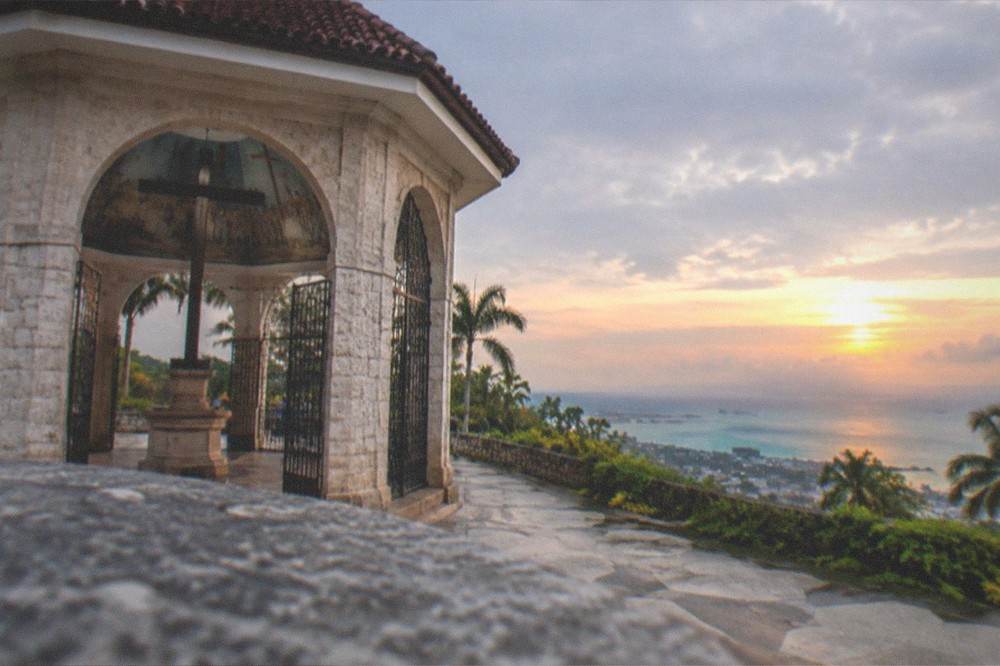
Day one stays in Cebu City and Mactan: the Basilica and Magellan's Cross in the morning, Fort San Pedro and the Yap-Sandiego district before lunch, and Tops Lookout in the Busay hills for sunset. Day two goes south to Oslob for the whale sharks at opening time, adds Tumalog Falls, and returns by early evening. Day three runs Moalboal for the sardine run and either Kawasan Falls canyoneering or Pescador Island, closing the loop back in the city.
The sequencing inside each day matters more than the days themselves. At Oslob, arriving for the 6 AM opening beats the mid-morning crowds and the flattest sea, and the mandatory briefing covers the rules: a minimum distance of about four metres from the animals, no touching, no sunscreen, no flash photography, and a session of roughly thirty minutes. After the interaction, the Tumalog Falls stop is a short habal-habal ride away, and the return bus to the city leaves you the evening free.
Day three is the one that benefits most from a decision made in advance. Canyoneering the Badian route with a guide ends at the main Kawasa basin, so it pairs naturally with a Moalboal morning only if you start very early; many travellers instead split the pair across two days or pick one. Note the current constraints: the Alegria route is suspended and only the Badian route operates, cliff jumping is banned at the main Level 1 basin, and a phased rehabilitation of the site that began in June 2026 has kept the falls open throughout.
A market-and-food walk on the first or last evening is the cheapest way to turn the city from a transit hub into part of the trip. The guided version below walks through the markets with a local cook, and its price is on the operator's live listing:
For the full hour-by-hour version of the compressed trip, the three-day Cebu plan and the south Cebu itinerary break both south days into stops, fees and bus times.
What Does A Five-Day Or Seven-Day Cebu Itinerary Add?
A five-day Cebu itinerary adds island hopping off Mactan and a full unhurried day for the south, while a seven-day version adds the north: Malapascua for thresher-shark diving or Bantayan for its beaches, and optionally a same-day Bohol crossing by fastcraft. The fifth day is best spent on the water around Mactan, and days six and seven are best spent north or across the Bohol Strait.
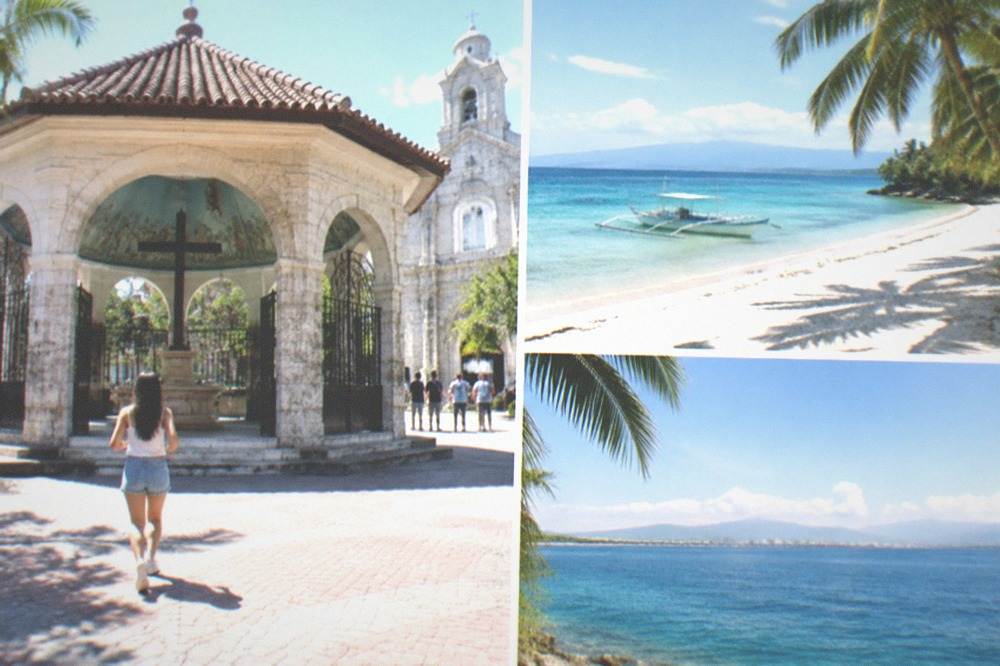
The Mactan island-hopping day is the easiest add-on because it starts from your doorstep if you are staying in Lapu-Lapu. The standard circuit calls at Gilutungan, Caohagan and Nalusuan, with sanctuary fees of roughly P150 (about US$2.4) to P300 (about US$4.8) per island, and the Lapu-Lapu environmental fee for island hopping is P100 (about US$1.6) for foreign tourists. The Mactan beaches guide covers which sandbar and snorkel stops suit which travellers.
The north is where seven-day itineraries diverge from five-day ones. Malapascua is the only place in the world with a reliable daily thresher-shark sighting, though the animals now gather mostly at Kimud Shoal on an early-morning dive, at roughly P1,800 (about US$29) to P2,000 (about US$32) per dive before boat and sanctuary fees. Bantayan is the low-key alternative, reached by ferry from Hagnaya with a P25 (about US$0.4) terminal fee and a P30 (about US$0.5) ecological fee on arrival in Santa Fe. One caveat for northern planning: the magnitude 6.9 earthquake of 30 September 2025 damaged several coral-stone churches in Bogo, Daanbantayan and Bantayan, and the DOT confirmed in late October 2025 that Bantayan and Malapascua remained open, with recovery continuing through 2026.
Bohol is the other common extension, reached by fastcraft from Cebu's Pier 1 in about two hours; OceanJet's fare is P960 (about US$15.3) tourist class and P1,440 (about US$23) business class following the September 2026 fuel surcharge. The Cebu to Bohol ferry guide covers the crossing, and the ferry routes from Cebu list every other island you can reach the same way.
How Much Does A Cebu Itinerary Cost?
A mid-range five-day Cebu itinerary is inexpensive by Southeast Asian standards: the fee spine of the trip, every entrance and sanctuary charge from Fort San Pedro to Kawasan Falls, adds up to less than a single night in many resort destinations, and the two big-ticket activities, the Oslob whale-shark interaction and Badian canyoneering, cost more than everything else on the list combined. Budget travellers can land well under that; divers will exceed it.
The fee spine of the trip is small enough that most of the budget is accommodation and intercity transport. The table below gathers the verified per-person figures an itinerary actually touches, with the dollar equivalents rendered from the pinned exchange rate:
| Item | Fee per person |
|---|---|
| Fort San Pedro, regular | P50 (about US$0.8) |
| Tops Lookout, regular | P100 (about US$1.6) |
| Sirao Flower Garden, per person | P100 (about US$1.6) |
| Temple of Leah, weekday adult | P120 (about US$1.9) |
| Oslob whale sharks, foreign tourist | P1,000 (about US$15.9) |
| Oslob whale sharks, Filipino | P500 (about US$8.0) |
| Tumalog Falls entrance | P50 (about US$0.8) |
| Kawasan Falls Level 1 entrance | P200 (about US$3.2) |
| Badian canyoneering with guide | P1,500 (about US$24)-P2,000 (about US$32) |
| Moalboal environmental user fee | P100 (about US$1.6) |
| Pescador Island sanctuary, per dive | P100 (about US$1.6) |
| Lapu-Lapu island-hopping fee, foreigner | P100 (about US$1.6) |
| OceanJet Cebu-Tagbilaran, tourist | P960 (about US$15.3) |
Two caveats keep the table honest. First, several of these are set by municipal ordinance and change without much notice, so treat them as planning ranges and confirm on-site; the Oslob rates, for instance, were reverted to their 2020 ordinance levels in March 2025. Second, product prices for guided tours never appear in prose on this site: they render from live listings, so a guided day costs whatever the operator's live listing shows at the moment you check. The Cebu budget and costs guide carries the fuller breakdown including accommodation bands.
When Is The Best Time To Run A Cebu Itinerary?
The best window for a Cebu itinerary is the dry season from December to May, with January to early February the strongest choice for calm seas and the Sinulog festival, held on the third Sunday of January. The rainy season runs June to November with typhoon risk peaking roughly July to October, and the Mactan station's 1991-2020 normals show 1,685 mm of annual rain over 138 rain days, so a wet-season trip is workable but needs buffer days.
The monthly rainfall pattern from the Mactan station makes the seasonal logic concrete: October is the wettest month at 194.8 mm and April the driest at 48.1 mm, with the June-to-November months all above 140 mm. Whale sharks at Oslob operate year-round, and the Moalboal sardine school is resident, so the marine anchors do not have a season in the strict sense; what the calendar controls is sea state, ferry reliability and whether a canyoneering day gets rained out.
| Month | Rainfall at Mactan (mm) | Itinerary note |
|---|---|---|
| January | 105.2 | Sinulog on the third Sunday; peak season |
| February | 69.6 | Dry, calm seas; excellent for the south |
| March | 58.6 | Driest quarter begins; hot afternoons |
| April | 48.1 | Driest month; best underwater visibility |
| May | 95.0 | Hot and humid; shoulder season begins |
| June | 175.6 | Rainy season starts; typhoon risk begins |
| July | 192.9 | Peak typhoon months; keep buffer days |
| August | 143.5 | Mixed weather; fewer crowds |
| September | 179.6 | Typhoon season; check advisories |
| October | 194.8 | Wettest month; ferry disruptions possible |
| November | 161.9 | Late-season storms; seas begin to settle |
| December | 139.7 | Dry season returns; holiday crowds |
One planning note that surprises first-timers: Typhoon Tino in early November 2025 caused severe flooding across Cebu, yet the DOT reported within a week that the core tourism zones in Cebu City and Mactan were largely unaffected and open. Storms disrupt itineraries through ferry cancellations and mountain-road closures more than through damage to the sites themselves, which is why the Cebu weather and typhoon season guide recommends buffer days between the south-coast legs in the wet months.
How Do You Get Around Cebu On An Itinerary?
The workhorses of a Cebu itinerary are the Ceres buses from the Cebu South Bus Terminal, jeepneys inside the cities, and Grab or metered taxis for door-to-door legs, with the fastcraft terminals at Pier 1 for Bohol and Hagnaya or Maya ports for the northern islands. The airport connects to the city by MyBus at P30 to P50 (about US$0.50 to US$0.80), and the new CBRT line offers free-to-cheap service on its single IT Park route since March 2026.
The bus system is the backbone. Ceres Liner runs multiple daily departures toward Oslob on the Bato via Oslob route, taking three and a half to four and a half hours at fares of roughly P145 (about US$2.3) to P250 (about US$4.0), and runs toward Moalboal every thirty to forty-five minutes at roughly P120 (about US$1.9) to P210 (about US$3.3). You pay onboard or at the terminal, and the ordinary buses are cheaper than the air-conditioned ones. For the whale-shark day, the earliest departures line up with the 6 AM opening at Oslob.
| Leg | Mode | Time | Fare |
|---|---|---|---|
| Airport to SM City Cebu | MyBus | about 30-45 min | P50 (about US$0.8) |
| Cebu City to Oslob | Ceres bus | 3.5-4.5 hrs | P145 (about US$2.3)-P250 (about US$4.0) |
| Cebu City to Moalboal | Ceres bus | 2.5-3.5 hrs | P120 (about US$1.9)-P210 (about US$3.3) |
| Cebu City to Tagbilaran | OceanJet fastcraft | about 2 hrs | P960 (about US$15.3) |
| Tan-awan to Tumalog Falls | habal-habal | short ride | P50 (about US$0.8)-P100 (about US$1.6) |
| Cebu City to Tops Lookout | shuttle from IT Park | about 30-45 min | P200 (about US$3.2) with entry |
Inside the cities, jeepneys remain the cheapest way to move, and the Tops Lookout shuttle from IT Park, at P200 (about US$3.2) including entry, is the simplest way to reach the viewpoint without hiring a car. The Cebu Bus Rapid Transit began partial operations on 13 March 2026 on a single Il Corso to IT Park route, with free rides offered at launch and distance-based fares under discussion since, so treat it as a bonus rather than a plan. The getting around Cebu guide covers jeepney routes, Grab use and car rental, and the Cebu airport guide handles the arrival leg.
Which Cebu Itinerary Mistakes Should You Avoid?
The four mistakes that most often break a Cebu itinerary are scheduling Oslob for the afternoon when it closes at noon, attempting Moalboal and canyoneering in one rushed day from the city, assuming whale-shark sightings are guaranteed, and planning the northern islands without buffer days in typhoon season. Each one is avoidable with sequencing: Oslob first thing, the south split across two days, and the north given its own overnight.
The afternoon trap is the most common. The Oslob interaction window runs from about 6 AM to 12 PM with registration cutting off around 11 AM, so a leisurely morning in the city makes the two-hour-plus drive pointless. The second trap is the double-south day: Moalboal to Kawasan is close, but Cebu City to Moalboal is already two and a half to three and a half hours by bus, and adding a three-hour canyoneering run on top turns the day into fourteen hours. Split them, or base yourself in Moalboal for a night.
The third mistake is treating the whale sharks as certain. They usually are, but the May 2026 four-day absence is a documented reminder that the animals follow plankton, not schedules, and the LGU pauses operations when they move. Book a day that survives a no-show, with Tumalog Falls and Sumilon Island as the fallbacks. The fourth is underestimating the north: Malapascua's thresher dive leaves before dawn from a boat, so it demands an overnight on the island, not a day trip from the city.
For travellers weighing the ethical question before committing a day to Oslob, the whale shark ethics discussion lays out the feeding practice and the regulations honestly, and the Oslob versus Moalboal comparison helps if you would rather spend your south day on the sardine run instead.
Common Questions About Cebu Itineraries
Is three days enough for a Cebu itinerary?
Three days covers the essential trio: the Cebu City heritage core, the Oslob whale-shark morning with Tumalog Falls, and a Moalboal day with either the sardine run or Kawasan Falls. It is a full, early-start pace. Five days is the version that adds breathing room, island hopping off Mactan, and both south experiences without choosing between them.
What is the best order for a first Cebu itinerary?
City first, south second, north or Bohol last. The city day needs no booking and absorbs jet lag; the Oslob morning needs an early alarm and a fixed window from about 6 AM to 12 PM; the northern islands and the Bohol ferry are the most weather-sensitive legs, so they sit best at the end where a buffer day can absorb a cancellation.
Should you stay in Cebu City or Moalboal on a Cebu itinerary?
Stay in Cebu City for the first and last nights, because the airport, the heritage sites and the bus terminals are all there. Add one or two nights in Moalboal if your itinerary gives the south more than one day: it shortens the Kawasan and Pescador legs to under an hour each and turns two rushed day trips into one relaxed block.
How much does a five-day Cebu itinerary cost?
Counting entry fees, local transport and the two big activities, the whale-shark fee at P1,000 (about US$15.9) for foreign visitors and canyoneering at P1,500 (about US$24) to P2,000 (about US$32) are the two largest single line items; everything else on the fee list runs under P200 (about US$3.2). Accommodation and intercity buses make up most of the rest of a mid-range budget, before international flights.
Can you do Oslob and Kawasan Falls on the same day?
Yes, but only comfortably from a south base such as Moalboal or Oslob itself. From Cebu City, the bus legs alone exceed five hours round trip, and the Oslob window closes at noon, so the pairing works as an early start from Oslob followed by the afternoon drive to Badian, not as a city day trip covering both.
What should a Cebu itinerary skip?
Skip a second museum day, skip the Alegria canyoneering route, which is suspended with only the Badian route operating, and skip a same-day Malapascua round trip from Cebu City. Also skip any plan that books a tight ferry connection in the June-to-November typhoon window without a spare day behind it.
The full planning stack, from arrival logistics to where to sleep, is gathered in the Cebu travel guide hub, and the broader list of experiences sits on the things to do in Cebu overview. Plan the south early, keep the north optional, and let the island's short distances do the rest.