Moalboal Sardine Run In Cebu, Philippines
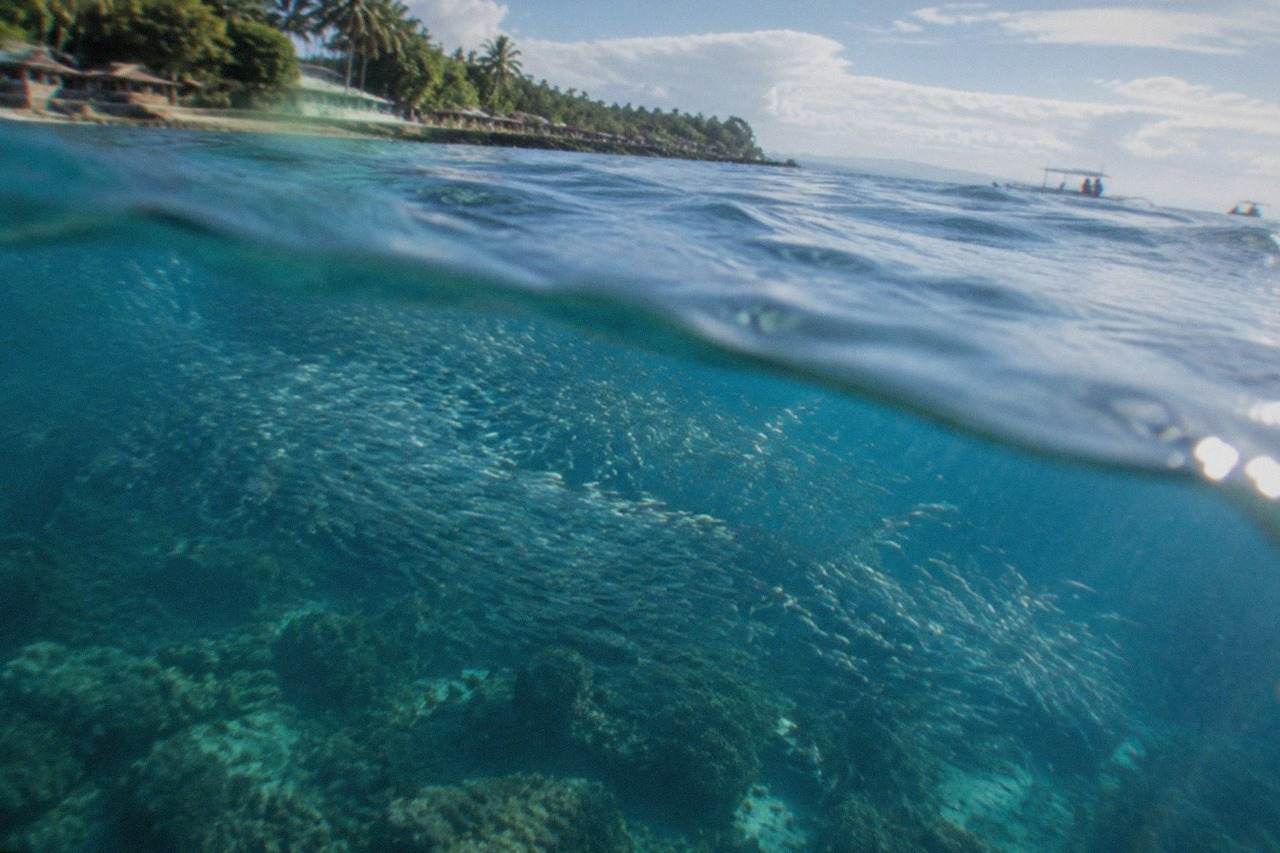
The Moalboal sardine run in Cebu, Philippines is one of the few wildlife spectacles on Earth you can walk into from the beach: millions of sardines live permanently a few metres off Panagsama, and the municipal tourism office says the best window is 7 to 9 in the morning.
Short answer
The sardine run happens year-round at Panagsama Beach in Moalboal, southwest Cebu, a few metres from shore. A P100 (about US$1.6) environmental user fee covers swimming and snorkeling, the best hours are 7-9 AM, and visibility is typically best in the dry months from November to May.
The Moalboal sardine run in Cebu, an island province in the Central Visayas region of the Philippines, is one of the rare wildlife spectacles that requires no boat ride, no dive certification and no luck with migration season: millions of sardines live permanently on the reef a few metres off Panagsama Beach, and the Municipality of Moalboal's own tourism page lists the sardine run among its headline activities, with the best viewing window at 7 to 9 in the morning. You walk off the sand, you swim out a short distance, and the ball of fish is simply there, shifting shape around you.
This page covers everything a first-time visitor needs: where exactly the sardines are, what the fees are, when to go, what the local rules say, how to get there from Cebu City, and how to fold the sardine run into a bigger south Cebu day that includes Pescador Island and Kawasan Falls. For the wider picture of the town, see the Moalboal area guide, and for the full island picture start with things to do in Cebu.
What Is The Moalboal Sardine Run In Cebu?
The sardine run is a permanent, resident school of millions of sardines that lives year-round on the reef at Panagsama Beach in Moalboal, on the southwest coast of Cebu island in the Philippines. Unlike seasonal sardine runs elsewhere in the world, this one is not a migration event: the fish stay put, forming a shimmering bait ball a short swim from shore, which the municipal tourism office lists as one of the town's main attractions with a best viewing window of 7 to 9 AM.
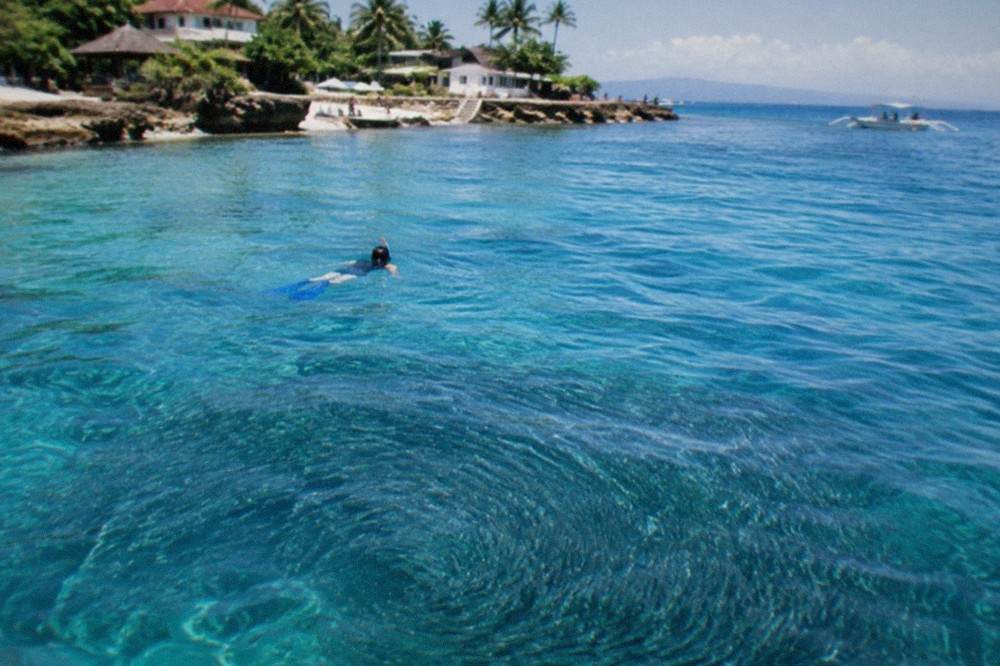
That permanence is the whole reason Moalboal works for casual travellers. In most of the world, sardine runs are a roll of the dice tied to spawning cycles and currents. Here, the school is resident on the Panagsama reef wall, roughly 20 to 30 metres offshore according to local guides, and it is present daily whenever weather and visibility allow. Snorkelers can reach it; divers can drop beneath it and watch the ball pulse overhead.
The spectacle is genuinely cinematic. When the school tightens into a defensive ball, the water turns silver, and the shape morphs in seconds from a cylinder to a sheet to a tunnel. Predators do appear: jacks and trevally cut through the ball, and on lucky days a sea turtle glides along the edge of the frenzy. Underwater photographers treat Moalboal as one of the easiest big-school shots in Southeast Asia precisely because you can stand up, empty your mask and try again.
The municipal government is candid that the sardines are wild, not penned or fed. Their presence is a result of the protected marine status of the area around Pescador Island and the reef, and the town's income from snorkeling and diving fees funds that protection. The practical consequence for you: nothing is guaranteed on any given morning, but the odds are about as good as wild-animal viewing gets.
Where Exactly Does The Sardine Run Happen?
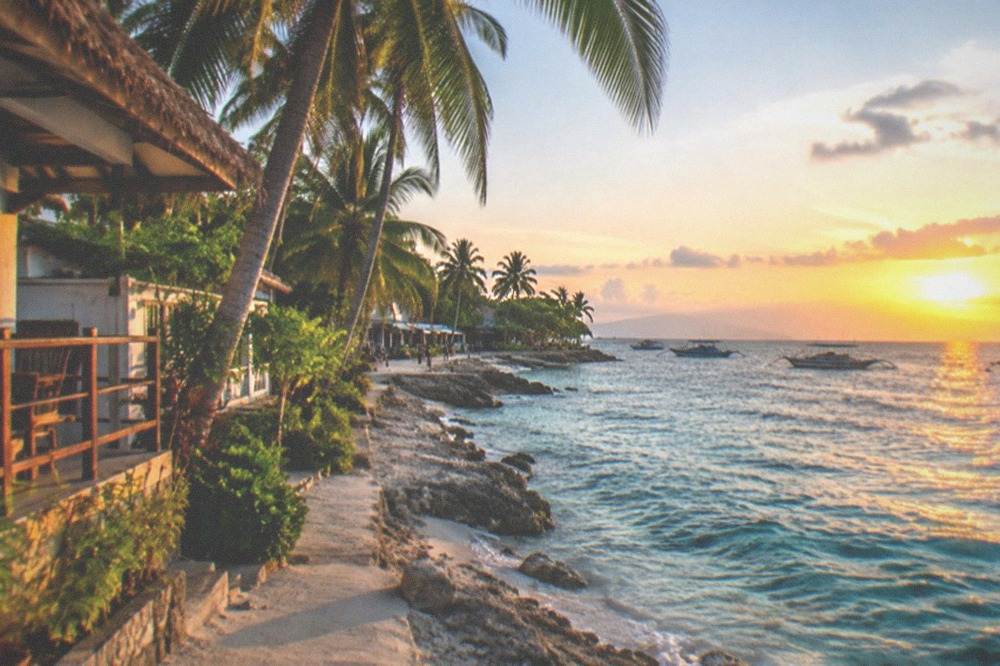
The sardine run happens at Panagsama Beach, also called Basdiot, in the barangay of the same name on Moalboal's west coast in Cebu, Philippines, a few metres from the beach itself. The municipal tourism office states the sardines are visible from the shore area of Panagsama, and the school hovers along the drop-off of the house reef, close enough that snorkelers reach it within minutes of entering the water.
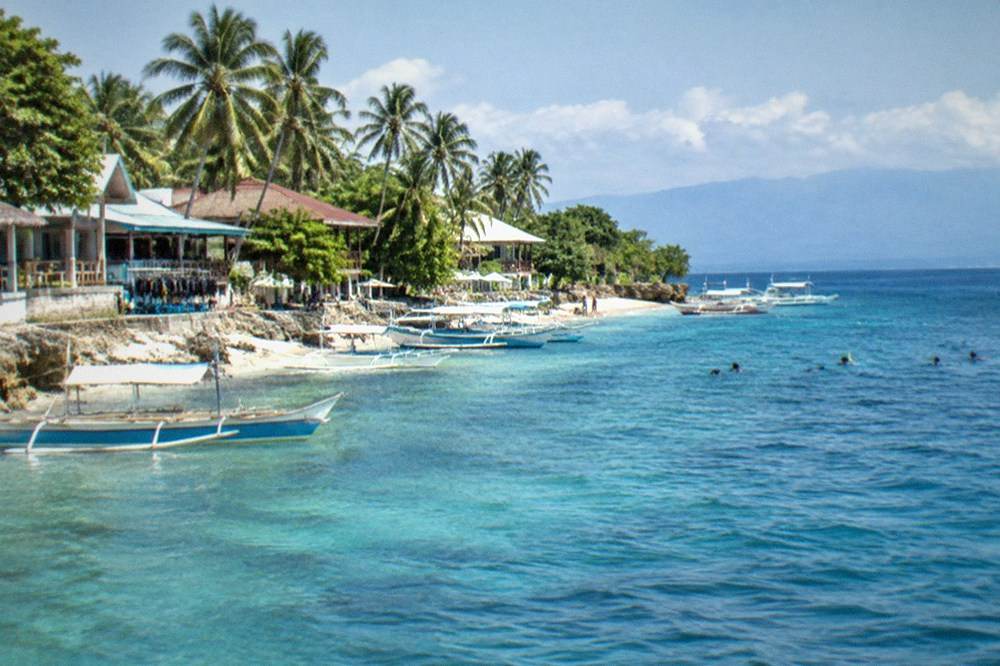
Panagsama is not a classic swimming beach. It is a narrow strip of dark sand and concrete sea walls fronting a line of dive shops, hostels and bars, and its value is entirely underwater. The reef starts almost immediately and drops away into deeper water, which is exactly the structure that holds a bait ball in place. White Beach, the prettier sandy stretch a few kilometres north called Basdaku, is where locals and families swim; Panagsama is where the fish are.
Practically, you base yourself in walking distance of Panagsama if the sardines are your priority. The dive shops along the strip rent snorkel gear, arrange guided swims and run boat trips to Pescador Island, and everything is negotiated on foot. The Moalboal day trip guide covers the town's layout in more detail, including where Panagsama sits relative to the bus stop on the national highway, a short tricycle ride inland.
One orientation note that saves people real confusion: Moalboal has no natural harbour and no pier for the sardine run. Boats for Pescador Island trips leave directly from the beach at Panagsama, pushed through the shallows by hand. If you book an island-hopping or dive package, the meeting point is almost always a named dive shop on the strip, not a terminal.
How Much Does It Cost To Swim With The Sardines In Moalboal?
Swimming or snorkeling with the sardines requires a P100 (about US$1.6) environmental user fee per person under Moalboal Ordinance 165-2021, paid at the beach kiosk, with some sources noting a P25 (about US$0.4) beach-access variant and a possibility of both being collected, so carrying a little over P125 (about US$2.0) in cash per person is the safe planning figure. Guided snorkeling and gear rental are extra, with local guides quoting gear rental around P150 (about US$2.4) to P250 (about US$4.0).
The fee structure is refreshingly simple compared with Cebu's bigger attractions. There is one municipal environmental user fee for entering the water, collected in cash at a booth on the Panagsama strip, and it is the same whether you stay in the shallows or swim out to the sardines. Some reports say the P100 (about US$1.6) fee covers same-day access to White Beach as well; treat that as a bonus if offered, not a promise, since collection practice varies.
The table below sets out what a budget and mid-range day on the sardine run looks like. These are planning ranges from local sources, not operator quotes: confirm prices at the kiosk and the dive shop on the day, and note that dive-package pricing is set by individual shops.
| Item | Typical cost | Notes |
|---|---|---|
| Environmental user fee (swim/snorkel) | P100 (about US$1.6) per person | Ordinance 165-2021, cash at the beach kiosk |
| Beach access only (no swimming) | P25 (about US$0.4) per person | Reported variant; confirm at the kiosk |
| Snorkel gear rental (mask, fins, vest) | P150 (about US$2.4) to P250 (about US$4.0) | Per session, from dive shops on the Panagsama strip |
| Guided sardine snorkel | Set by each dive shop | Guide accompaniment is standard on organised trips |
| Pescador Island dive (sanctuary fee portion) | P100 (about US$1.6) per dive | Collected through dive shops for the marine sanctuary |
Two things to know about money in Moalboal. First, cash rules: the kiosk takes pesos, and while there are ATMs in Moalboal town proper, they are a tricycle ride from Panagsama and can run dry in peak season, so withdraw in Cebu City before travelling south. Second, product prices for bookable tours are never quoted on this page in prose: live pricing and availability for guided options render in the tour cards below, and the operator's live listing is always the source of truth.
If you are weighing the sardine run against the other famous south Cebu wildlife encounter, the whale sharks at Oslob, the honest comparison is on the Oslob versus Moalboal page: the two experiences differ in ethics, cost structure and crowd levels, and many travellers pick one rather than both.
What Is The Best Time Of Day And Year For The Sardine Run?
The best time of day is 7 to 9 AM, the window the Municipality of Moalboal's own tourism page gives for sardine viewing, when the sea is calmest and the light angles down through the ball. The sardines are resident year-round, so there is no closed season, but visibility is typically best in the dry months of December to May, while the southwest monsoon from roughly June to November brings choppier water and more variable clarity.
The early window matters more here than at most snorkeling sites. Panagsama faces west, so mornings tend to be glassy before the afternoon wind picks up, and the sardine ball often feeds and tightens near the surface in the first hours of daylight. By late morning, boat traffic for Pescador trips increases and the surface can get choppy. Serious photographers are in the water at 7 sharp.
Seasonality is about water conditions, not fish. The PAGASA rule for the Philippines is a dry season from December to May and a rainy season from June to November, and Cebu's Mactan station normals, 1,685.0 mm of rain across 138 rain days a year, show why the dry months give you better odds of calm, clear water. That said, Moalboal sits on the island's southwest shoulder and local conditions often differ from the city, so a rainy-season trip is far from wasted: the sardines stay, and the crowds thin.
| Period | Conditions at Panagsama | What it means for you |
|---|---|---|
| December to May (dry season) | Calmer seas, typically best visibility | Prime months; book accommodation ahead in peak weeks |
| June to November (rainy season) | Choppier surface, variable clarity, occasional trip pauses | Fewer crowds; be flexible on timing within your day |
| 7 to 9 AM any day | Calmest water, best light, fewer boats | The municipal office's stated best window |
| Midday to afternoon | Wind and boat traffic increase | Fine for a second swim, but expect choppier surface |
Typhoon season in the Visayas runs from June to November with peak activity roughly July to October, and boats pause when the coast guard suspends sailing. The sardines themselves are unaffected by weather politics; they are simply harder to see through stirred-up water. If your dates are fixed in the wet season, build a spare morning into the itinerary and treat Pescador Island as the flexible item, since shore-based sardine snorkeling can proceed when boat trips cannot.
Is Swimming With The Sardines Safe, And What Rules Apply?
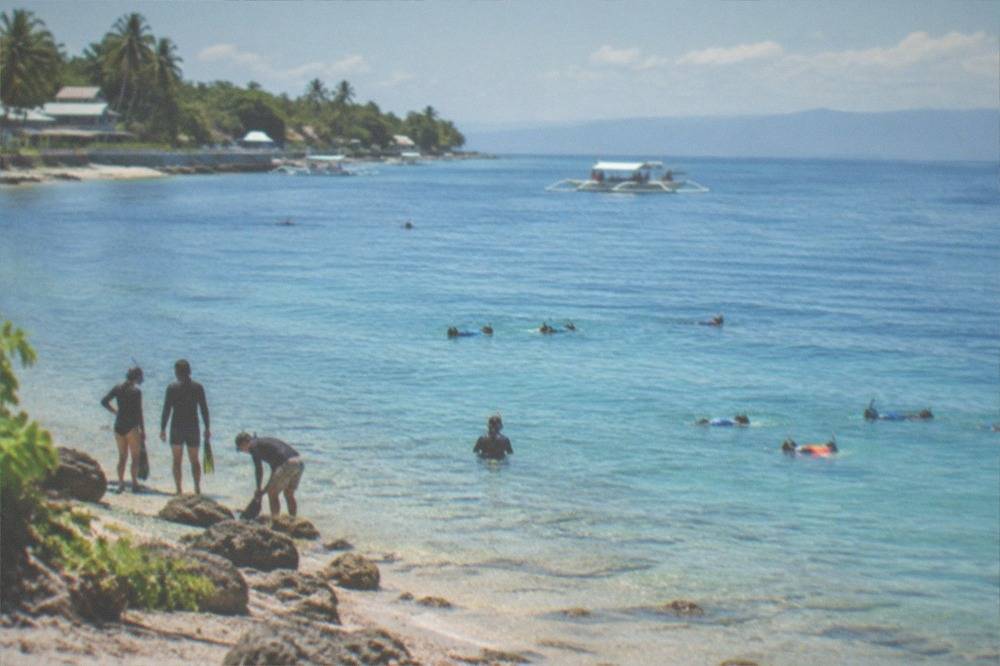
Swimming with the sardines is safe for confident swimmers and supervised beginners, with life jackets generally required on guided trips and the school sitting a short distance from shore in water you can retreat from at any time. The local rules are straightforward: no touching or chasing the fish, no feeding, reef-safe behaviour in the sanctuary zone, and gear and guide standards set by Moalboal's ordinances regulating snorkel guides, which were updated in 2024 to standardise rates and penalties.
The physical risk profile is low. The swim out to the ball is short, the water is deep enough that you are never standing on coral, and Panagsama's dive-shop economy means rescue-capable staff are on the strip all day. The genuine hazards are the ordinary ones: sea urchins on the reef edges, jellyfish in certain months, and exhaustion for weak swimmers who fixate on the fish and forget they are over deep water. A life jacket solves most of this, and on organised trips one is typically provided.
The conduct rules matter because the sardine run is a conservation asset, not a theme park. Moalboal's ordinances ban fishing in the sanctuary zones, and the 2024 regulations on snorkel guides were introduced to clean up the free-for-all that unlicensed operators had created. For a visitor the etiquette is simple: keep your fins off the coral, do not grab at the fish, give the ball space to reform if it scatters, and leave the sunscreen off until after your swim or use reef-safe formulations, since chemical sunscreens damage the very reef that holds the sardines in place.
One point of honesty that this site will not soften: the sardines are wild animals and sightings, while close to reliable, are not contractual. Weather, plankton and predator pressure move the ball along the reef, and on rare mornings the show is thinner than the postcards. Building your day around the 7 to 9 AM window, and keeping Pescador Island as a second act, is the standard hedge.
Can You Combine The Sardine Run With Pescador Island And Turtles?
Yes, and it is the standard Moalboal day: the sardine run from the shore at Panagsama, a boat trip to Pescador Island for its marine sanctuary and famous cathedral-shaped cave, and a turtle snorkel on the reefs between the two, all arranged through the same dive shops on the Panagsama strip. Pescador dives carry a sanctuary fee of about P100 (about US$1.6) per dive, and the island's sanctuary rules require guide accompaniment in the protected zones with anchoring prohibited in favour of mooring buoys.
Pescador Island is the small, palm-tufted island you see from Panagsama's beach, and it is the other half of Moalboal's marine reputation. Its walls and the cathedral cavern draw divers from across Asia, while snorkelers get a solid reef experience on the shallower shelves. The hawksbill and green turtles that graze the seagrass between Panagsama and Pescador are resident and habituated, which is why turtle sightings are close to routine on combined trips. The Pescador Island guide covers the dive sites in detail.
A combined day usually runs like this: sardines from shore first thing, boat out to Pescador mid-morning while the sea is still agreeable, turtle snorkel on the way back, lunch on the strip. Dive shops quote for the boat as a package, and the environmental and sanctuary fees are either bundled or itemised, so ask which before you pay. If you are a certified diver, the Cebu diving guide places Moalboal in context alongside Malapascua's threshers and Mactan's house reefs.
The trio above is the natural package for travellers using a booked day tour rather than self-managing: a Kawasan Falls day tour from Cebu, an island-hopping day tour, and an evening show ticket. The self-guided alternative is below, and both work; the choice is really about whether you want the bus logistics handled for you.
How Do You Get To Moalboal From Cebu City?
The standard route is a Ceres Liner bus from Cebu City's South Bus Terminal to Moalboal, taking roughly 2.5 to 3.5 hours with frequent departures every 30 to 45 minutes, and costing about P120 (about US$1.9) to P210 (about US$3.3) depending on ordinary or air-conditioned class. You alight on the national highway at Moalboal and take a short tricycle ride to Panagsama Beach, where the sardine run happens.
The South Bus Terminal sits just south of the city centre, and the Moalboal-bound buses are frequent enough that you never need to book: turn up, buy your ticket, and pay either at the terminal or onboard. The ride runs down the island's west coast through Carcar and Barili, and the scenery improves steadily as the road drops toward the sea. Tell the conductor you are heading for Panagsama or Basdiot, and they will drop you at the correct junction.
Coming back, buses pick up on the highway side, and the last comfortable departures to Cebu City are early evening; check timings locally on the day, since schedules shift with demand. Ride-hailing apps cover Cebu City itself but not the intercity run south, so the bus, a private transfer arranged through a tour operator, or a rented van are the realistic options. If the sardine run is one stop on a wider south Cebu loop, the Oslob versus Moalboal comparison is worth reading before you commit to a base.
For reference, the same terminal runs buses onward to Oslob, roughly 3.5 to 4.5 hours from Cebu City at about P145 (about US$2.3) to P250 (about US$4.0), which is why many travellers do Oslob and Moalboal on separate days with a night in each rather than attempting both from the city in one stretch.
| Leg | Typical time | Typical cost | Notes |
|---|---|---|---|
| Cebu City South Bus Terminal to Moalboal (Ceres bus) | 2.5 to 3.5 hours | P120 (about US$1.9) to P210 (about US$3.3) | Every 30 to 45 minutes, ordinary and air-con classes |
| Highway junction to Panagsama Beach (tricycle) | A few minutes | Set locally | Short hop; agree the fare before loading |
| Cebu City to Oslob (for comparison) | 3.5 to 4.5 hours | P145 (about US$2.3) to P250 (about US$4.0) | Same terminal, Bato via Oslob route |
Should You Stay In Moalboal Or Visit On A Day Trip?
Both work, but staying at least one night in Moalboal is the better plan if the sardine run is a priority, because it puts you on the beach inside the 7 to 9 AM best window without a pre-dawn bus, and it leaves the afternoon for Pescador Island or a run up to Kawasan Falls. A day trip from Cebu City is feasible and popular, but it compresses the marine schedule into whatever the road traffic allows.
The case for overnighting is arithmetic. The bus south takes up to three and a half hours, the best sardine window opens at 7 AM, and the last buses back run in the early evening. A day tripper either leaves Cebu City before 4 AM or accepts a late, hurried swim. A guest staying on the Panagsama strip walks into the water at 7, is done by 9, and still has a full day for the rest of Moalboal. The where to stay question comes up constantly, and the answer for divers and snorkelers is almost always Moalboal itself.
The case for the day trip is real too: if your Cebu itinerary is tight, a booked day tour handles the bus, the boat and the fees in one transaction, and you sleep in Cebu City. The trade is control. Independent travellers with two nights in Moalboal can wait out a choppy morning and swim the next day; day trippers get one shot.
What Else Can You Do Around Moalboal In Cebu?
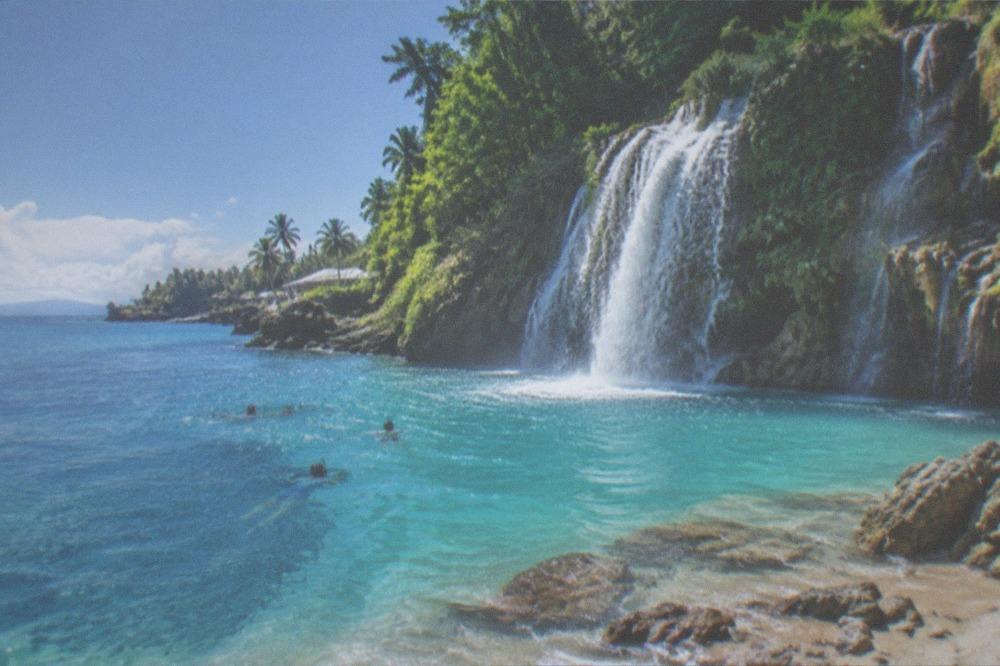
The three headline add-ons to the sardine run are Kawasan Falls in Badian, reached in under an hour by road from Moalboal, with a Level 1 entrance fee of about P200 (about US$3.2) and LGU-regulated canyoneering that local reporting prices at roughly P1,500 (about US$24) to P2,000 (about US$32) with an accredited Badian guide; the white sand of Basdaku, Moalboal's swimming beach; and the canyoneering and falls combos that dominate south Cebu's adventure market.
Kawasan is the big one. The multi-tiered turquoise falls in Badian are the anchor of the Kawasan Falls guide, and the canyoneering route down the river canyon is the single most booked adventure activity in south Cebu. Two things to know before you go: the Alegria route has been suspended, leaving the Badian route as the only operational one, and cliff jumping is banned at the main Level 1 basin, with life jackets and a time limit enforced for walk-in swimmers. A phased rehabilitation programme at the falls began in June 2026 and the site remained open during the works.
The sardines-plus-Kawasan combination is so common that most Panagsama dive shops and guesthouses can arrange it, and the booked-tour version looks like this:
That is the related tour for this page: a day tour from Cebu City to Kawasan Falls, with the operator's live listing carrying current pricing and availability. If you would rather stay based in Moalboal, the half-day canyoneering option below starts from Moalboal itself and includes lunch, which pairs neatly with a morning sardine swim.
Beyond the falls, the area's other draws are low-key: the Sumilon Island day pass with its sandbar and lagoon sits south along the coast near Oslob, and the Tumalog Falls stop is standard on Oslob whale-shark mornings. Travellers doing the full south Cebu arc usually string Moalboal, Kawasan and Oslob together over two or three days, which the Oslob or Moalboal question unpacks from the traveller's side.
What Should You Pack And Know Before You Swim?
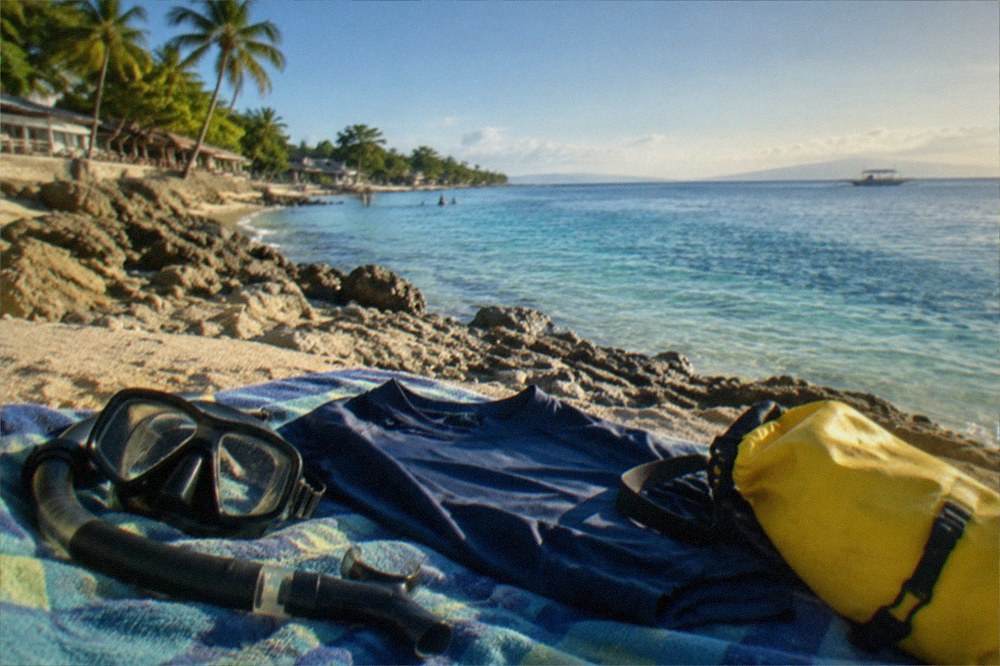
Pack cash in small peso notes for the environmental fee and gear rental, a rash guard instead of chemical sunscreen for the sanctuary zone, reef-safe footwear for the rocky Panagsama entry, and a dry bag for valuables, since the beach strip has no lockers worth trusting. Know the two numbers that matter: the P100 (about US$1.6) user fee per swimmer and the 7 to 9 AM window, and confirm gear prices at the dive shop rather than assuming.
The rash-guard point deserves a line of its own. Panagsama sits inside a municipal marine sanctuary framework, and standard sunscreen is both ecologically destructive on coral and against the spirit of the local rules; a long-sleeve swim top solves sunburn and compliance in one purchase. Fins matter more than masks for the sardine run, because the ball moves, and cheap pool fins will not keep you with it. The dive shops rent proper gear, which is the better call over packing your own unless you dive regularly.
Water conditions are warm year-round, consistent with Cebu's tropical climate, so no wetsuit is needed for snorkeling; a thin layer for multiple dives is a comfort choice, not a necessity. Underwater cameras, even cheap housings, earn their space here: the sardine ball is one of the most forgiving wide-angle subjects in the sea, holding shape for minutes at a time at snorkeling depth.
Finally, plan your money. ATMs in Moalboal town are limited and can empty on weekends, the fee kiosk and tricycles take cash only, and the nearest reliable banking is back up the highway. A day budget carried entirely in notes, with a buffer for a second swim or a Pescador boat share, removes the only real friction the sardine run has.
Common Questions About The Moalboal Sardine Run
Is The Moalboal Sardine Run Guaranteed?
Is the Moalboal sardine run guaranteed?
No. The sardines are wild and resident, not fed or penned, so the school can thin or shift along the reef on any given morning. Sightings are close to reliable and the municipal tourism office promotes the run as a daily attraction, but no operator can promise a bait ball, and the honest planning move is to keep a spare morning free.
Can Beginner Swimmers Do The Sardine Run?
Can beginner swimmers do the sardine run?
Yes, with a life jacket and a guide. The school sits a short distance off Panagsama Beach in deep but reachable water, guided trips typically require vests, and the dive-shop strip means help is always close. Weak swimmers should stay within the guided group rather than setting out alone.
Do You Need To Dive To See The Sardines?
Do you need to dive to see the sardines?
No. Snorkeling is the standard way to see the run, and the ball often sits within a few metres of the surface. Diving adds the view from beneath the school, which photographers love, but it is an enhancement, not a requirement.
How Far Is The Sardine Run From The Beach?
How far is the sardine run from the beach?
The municipal tourism office places the sardines at Panagsama Beach itself, and local guides describe the school as hovering roughly 20 to 30 metres from shore along the reef drop-off, reachable within minutes of swimming out.
Is Moalboal Or Oslob Better For A Cebu Wildlife Day?
Is Moalboal or Oslob better for a Cebu wildlife day?
They offer different things: Oslob has the whale sharks, hand-fed by licensed spotters under an LGU programme whose ethics are debated, while Moalboal has the sardines, turtles and Pescador with no feeding at all. If untouched behaviour matters to you, Moalboal is the cleaner choice; if swimming beside the world's largest fish is the dream, Oslob delivers that.
When Is The Best Month For The Sardine Run?
When is the best month for the sardine run?
The sardines are present year-round, so the best month is really the best water: the dry season from December to May typically brings the calmest, clearest conditions, with the rainy season from June to November still workable but choppier and more variable.
The Short Version
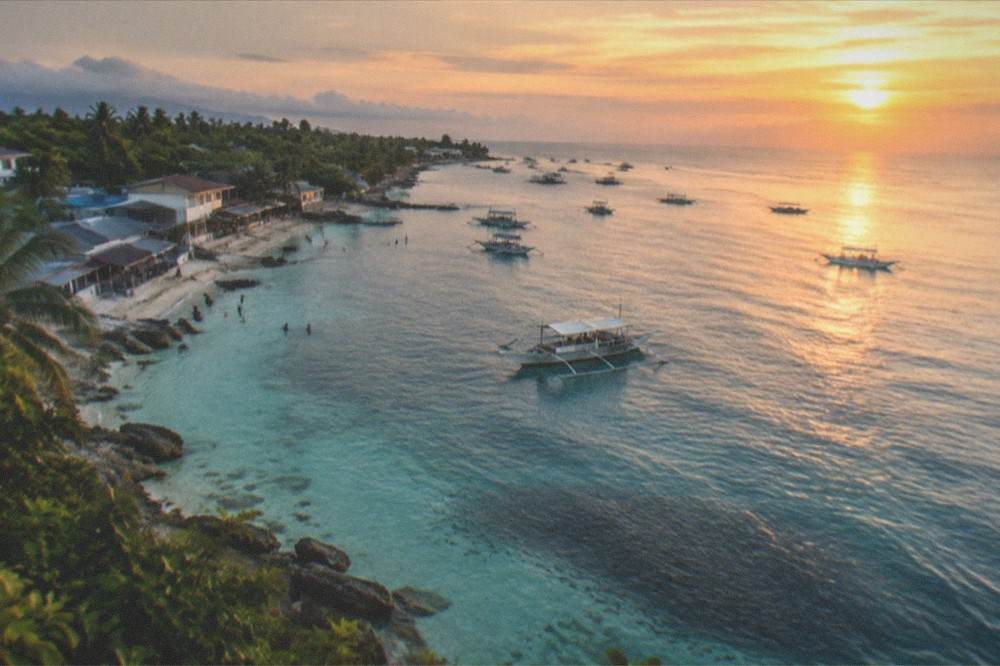
The Moalboal sardine run is the rare bucket-list wildlife encounter that costs about as much as a coffee, needs no boat and no certification, and shows up to work every morning of the year: pay the P100 (about US$1.6) environmental fee at the kiosk on Panagsama's strip, be in the water between 7 and 9 AM, keep your fins off the reef, and give the day a second act with Pescador Island, the turtles, or the turquoise pools of Kawasan Falls an hour up the coast.
Stay a night if you can, carry cash, and let the Cebu Travel Guide hub handle the rest of the island while you swim with the fish.