Mactan Vs Cebu City, Where To Stay
Cebu, an island province in the Central Visayas region of the Philippines, gives visitors two very different bases: the resort beaches of Mactan Island and the heritage streets, food markets and transport hubs of Cebu City. Here is how the two compare for beaches, costs, day trips and nightlife, so you can pick the side that fits your trip.
Short answer
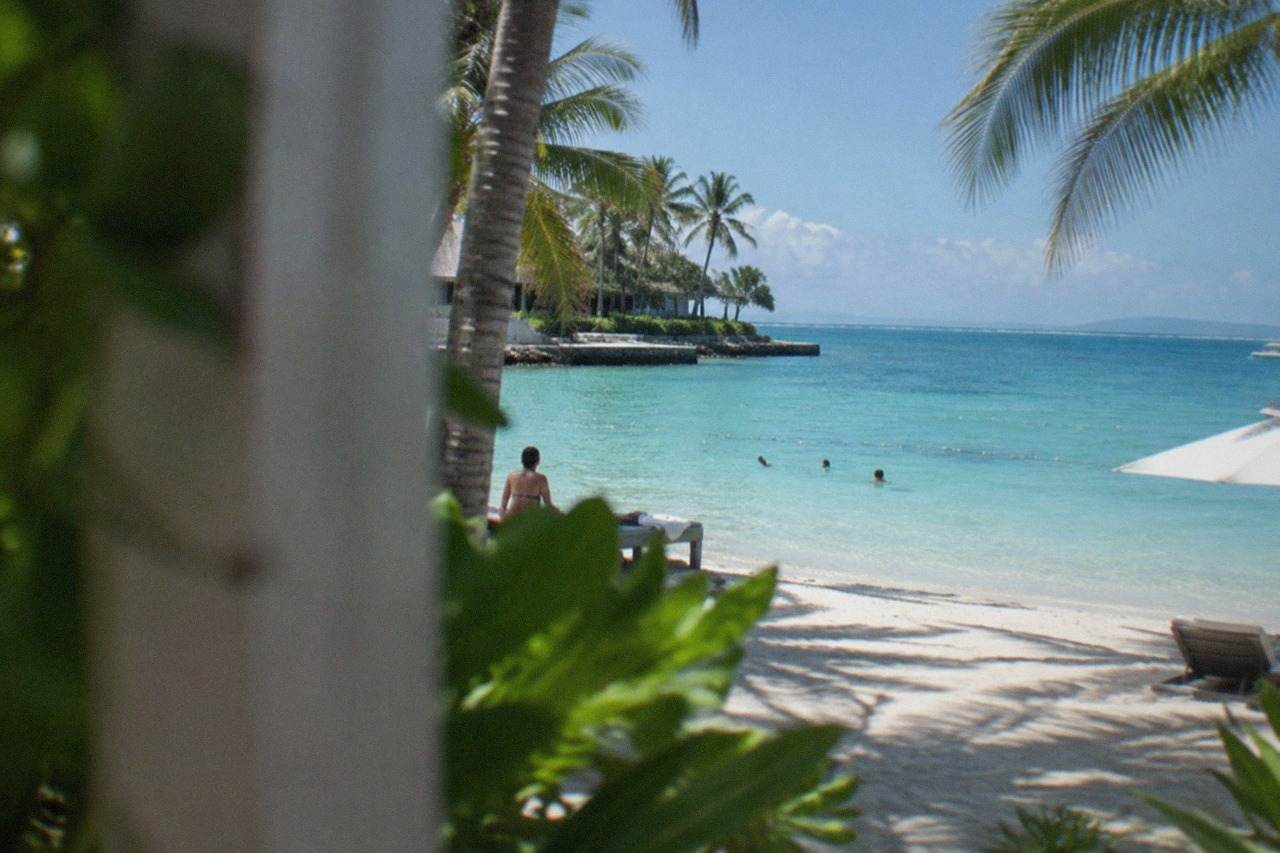
Stay on Mactan Island if your trip is about beaches, resort pools and easy airport access; stay in Cebu City if you want heritage sites, street food, cheaper transport and faster departures to Oslob, Kawasan Falls and the south. Many visitors split the difference: a few nights on each side.
Cebu, an island province in the Central Visayas region of the Philippines, splits most first-time visitors into two camps before they even book a flight. One camp pictures itself on a Mactan Island beach, towel on white sand, a resort pool a few steps away. The other pictures Colon Street traffic, lechon smoke, heritage churches and a bus terminal that launches day trips across the island. Both pictures are accurate, which is exactly why the choice causes so much second-guessing. This guide compares the two bases on the things that actually decide a trip: beaches, food, transport, day-trip logistics, costs and atmosphere.
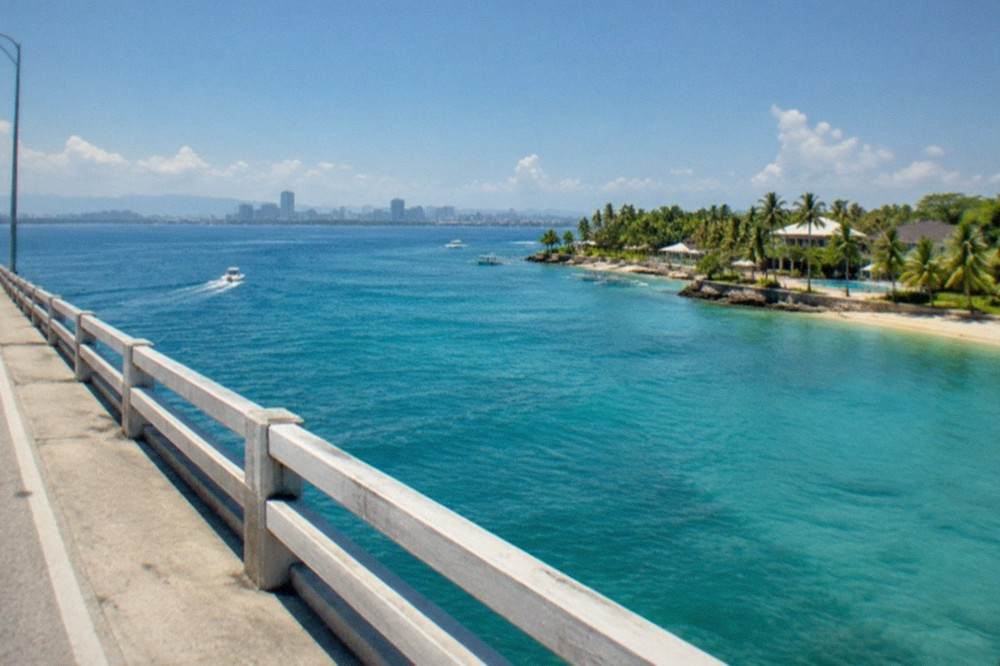
One geographical note before anything else, because it confuses arrivals constantly. Mactan Island is where Mactan-Cebu International Airport sits, in Lapu-Lapu City, one of the region's highly urbanized cities. Cebu City sits on the main island across the Mactan Channel, roughly 13 to 15 km and 25 to 60 minutes by road from the airport, traffic depending. The two are connected by three bridges, including the 8.9 km Cebu-Cordova Link Expressway, which opened on 30 April 2022. So this is not a choice between an island and a city in the usual sense; it is a choice between two sides of one continuous metro area. The Cebu Travel Guide hub covers both, but this page is where the decision gets made.
Mactan Or Cebu City: Which Side Suits Your Trip?
Choose Mactan Island if your Cebu trip is primarily a beach-and-resort stay: you want swimming, snorkeling and island hopping within minutes of your hotel, you value a short airport transfer, and you are happy to travel into Cebu City for heritage and food as day excursions. Choose Cebu City if the trip is about history, markets, nightlife and launching day trips south and west: the city sits closer to the bus terminal, the ferry piers and the mountains.
The honest summary is that Mactan sells convenience and water, while Cebu City sells density and connections. Neither side is a slouch at the other's game. Mactan has its own heritage claim in the Lapu-Lapu Shrine, the monument to the chieftain whose forces defeated Magellan at the Battle of Mactan on 27 April 1521, and Cebu City is under an hour from good swimming beaches on its own coast and on Mactan. But the day-to-day texture of a stay differs sharply.
Here is the comparison at a glance. Every figure in it is Cebu's own, drawn from verified local sources, and none of it applies to any other destination.
| Factor | Mactan Island (Lapu-Lapu City) | Cebu City |
|---|---|---|
| Character | Resort corridor, beaches, dive shops, waterfront dining | Heritage core, markets, nightlife, business districts |
| Airport transfer | You are already on the airport island | About 13-15 km, roughly 25-60 minutes by road |
| Swimming from your hotel | Common at resort properties | Rare; beaches are a trip away |
| Island hopping departure | Direct from Mactan boat operators | Requires crossing to Mactan or driving south |
| Heritage sites | Lapu-Lapu Shrine, Magellan memorial sites | Magellan's Cross, Basilica del Santo Niño, Fort San Pedro, Casa Gorordo |
| Day trips south (Oslob, Kawasan) | Longer drive, bridge crossing first | Closer to Cebu South Bus Terminal |
| Bohol ferry | Requires crossing to Pier 1 in the city | Pier 1 fastcraft terminal is in the city |
If you are still torn, the split-stay answer works well in practice: a few nights in Cebu City at the start for heritage and food, then a final night or two on Mactan near the airport before flying out. The bridge crossings are cheap and frequent enough that moving once costs little time. The where to stay in Cebu guide breaks the neighborhoods down street by street if you want that level of detail.
Where Should First-Time Visitors Stay In Cebu?
First-time visitors who want the classic Philippines postcard, beach and boat trips with a resort base, should stay on Mactan Island, where the island-hopping boats leave directly and the airport is minutes away. First-time visitors whose priority is the famous side of Cebu, the heritage sites, the lechon and the festivals, should stay in Cebu City, where all of it is walkable or a short ride away and the south-bound buses and Bohol ferries leave from the city core.
The mistake first-timers make is treating this as a quality ranking. It is not. Mactan is not "the good part" and Cebu City "the real part"; they serve different itineraries. Ask yourself what the single must-do of the trip is. If it is snorkeling with sardines or a whale shark morning, both are reachable from either base, but the logistics differ: the south-coast trips to Oslob and Moalboal start from the Cebu South Bus Terminal on the city side, while the Mactan island-hopping routes to Hilutungan, Nalusuan and Pandanon leave from piers on Mactan itself.
A good way to test the city side before committing your whole stay to it is to spend a morning eating your way through its markets. The Cebu Market & Food Tour is a walk through the city's food culture, and its price is not published by the operator, so check the live listing rather than any secondhand figure. The Cebu City or Mactan stay question gets asked so often that it has its own answer page, and the reasoning there matches what this guide lays out.
For a first visit with limited time, a half-day city orientation tour also pays for itself in saved planning. The Cebu City Half-Day Joiner Tour covers the heritage core, and like the food walk its price is unpublished, so the operator's live listing is the source of truth.
What Are The Real Costs Of Each Cebu Base?
The costs that differ between the two sides are transport and activity fees rather than accommodation: a city base stacks up cheap, walkable, fee-based attractions and sits beside the south-bound bus terminal, while a Mactan base concentrates daily spending on boat trips, sanctuary fees and resort amenities, and every crossing between the two adds a bridge toll to the day's budget.
No accommodation price belongs on this page, because none is verified: hotel and resort rates change constantly and should always be checked live. What can be compared honestly is the fixed, published local costs around each base. The city side wins on cheap mobility. Jeepneys, the backbone of Cebu transport, run on flat first-kilometer fares set by the national fare board, and the Cebu South Bus Terminal sits in the city, so the south-coast buses start their meters, figuratively speaking, from your doorstep. The getting around Cebu guide details every mode.
| Cost item | Verified figure | Which base it favors |
|---|---|---|
| MyBus airport transfer | P30 (about US$0.5) to P50 (about US$0.8) per trip | Both; Mactan is a shorter ride |
| CCLEX toll, Class 1 car | P107 (about US$1.7) one way, VAT included | Neither; a crossing cost either way |
| Fort San Pedro admission, Cebu City | P50 (about US$0.8) regular, P40 (about US$0.6) students and seniors | Cebu City |
| Tops Lookout admission | P100 (about US$1.6) regular, P70 (about US$1.1) senior/PWD, under 2 free | Cebu City |
| Oslob whale shark fee (day trip south) | P1,000 (about US$15.9) foreign, P500 (about US$8.0) local, boat and guide included | Equal; cheaper logistics from the city |
| Lapu-Lapu island-hopping environmental fee | P100 (about US$1.6) for foreign tourists | Mactan, where boats depart |
The pattern in that table is the whole cost story. The city side stacks up cheap, walkable, fee-based attractions; the Mactan side stacks up boat trips and water activities that carry per-person charges. Neither is expensive by regional standards, but a family of four will feel the difference between a day of P50 (about US$0.8) museum admissions and a day of boat fees.
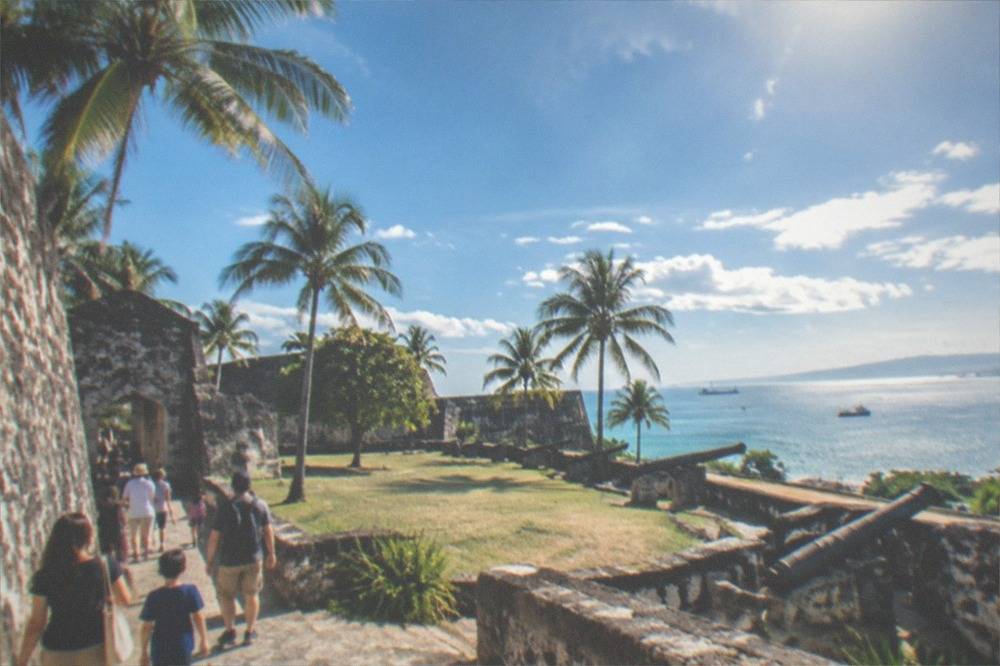
If the food walk above sounded like the right introduction to the city side, this is the natural place to check dates for your travel window.
The same logic applies to any city-side activity: book the ones that bundle several stops, and pay the small entrance fees as you go. Either way, the cost gap between the two bases is a matter of spending style, not of one side being priced out of reach.
How Do You Get Between Mactan And Cebu City?
Mactan Island and Cebu City are linked by three road bridges, so the crossing is a normal commute rather than a transfer: the CCLEX toll bridge runs 8.9 km from Cebu City to Cordova, jeepneys and taxis cross the two older bridges constantly, and a car trip between the resort strip and the city center typically takes somewhere in the 25-to-60-minute range depending on traffic and time of day.
The toll for a standard car on CCLEX is P107 (about US$1.7) one way, VAT included, and the full approved rates have applied since 1 October 2025. The practical consequence of all this connectivity is that "which side" matters less than "which side for which day". Bridge traffic at peak hours is the one real friction, and it is predictable: mornings flow toward the city, evenings flow back toward Mactan. The Mactan or Cebu City stay question on the answers section covers the commuting pattern in more detail, and the Cebu airport guide explains the arrival logistics from the airport on the Mactan side.
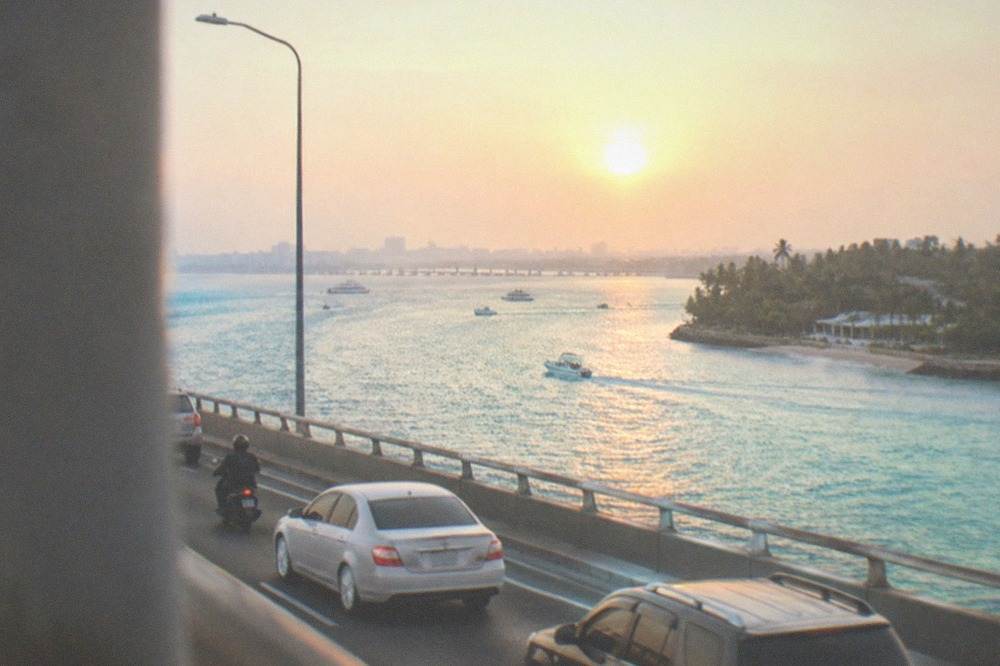
For arrivals, the choice is almost self-resolving. You land on Mactan. The MyBus airport service runs between MCIA and SM City Cebu on the city side, with the airport-to-SM direction operating roughly 7:00 AM to 10:00 PM, and a separate Lapu-Lapu Public Market route runs around the clock for stays on the island itself. Yellow airport taxis flag down at about P70 (about US$1.1), white metered city taxis at about P40 (about US$0.6) plus roughly P14 (about US$0.2) per kilometer, and Grab operates across the metro with designated airport pickup zones. If your first night is on Mactan, you can be at your resort within minutes of the arrivals hall; if it is in Cebu City, budget the bridge time.
| Crossing option | What to know |
|---|---|
| CCLEX toll bridge | 8.9 km, opened 30 April 2022; Class 1 car toll P107 (about US$1.7) one way |
| Mactan-Mandaue (Osmeña) Bridge | The original crossing, jeepney and taxi traffic |
| Marcelo Fernan Bridge | The second crossing, often lighter than the first |
| MyBus | Airport to SM City Cebu, P30 (about US$0.5) to P50 (about US$0.8) by segment |
| Grab | App-based, upfront pricing, available on both sides |
Which Side Is Better For Beaches And Island Hopping?
For beaches, Mactan Island wins clearly: its resort strip fronts the Camotes Sea with swimming water off the hotel beaches, and the island-hopping boats to the marine sanctuaries of Hilutungan, Nalusuan, Pandanon and neighbors depart from piers on the island itself, while Cebu City has no real swimming beach in its core and beach days require a crossing or a drive, so a beach-centered stay belongs on Mactan.
That said, "Mactan wins on beaches" needs one qualification: the best sand in the province is not on either side of this comparison. It is down the coast or across the water, at destinations like Bantayan, Malapascua and the southern towns. Mactan's advantage is convenience, not postcard perfection; the Mactan and Cebu beaches guide sets expectations honestly. What Mactan offers uniquely is the departure point: the environmental fee for Lapu-Lapu island hopping is P100 (about US$1.6) for foreign tourists, and the sanctuary fees at the visited islands run roughly P150 (about US$2.4) to P300 (about US$4.8) per person on top, all payable on the day.
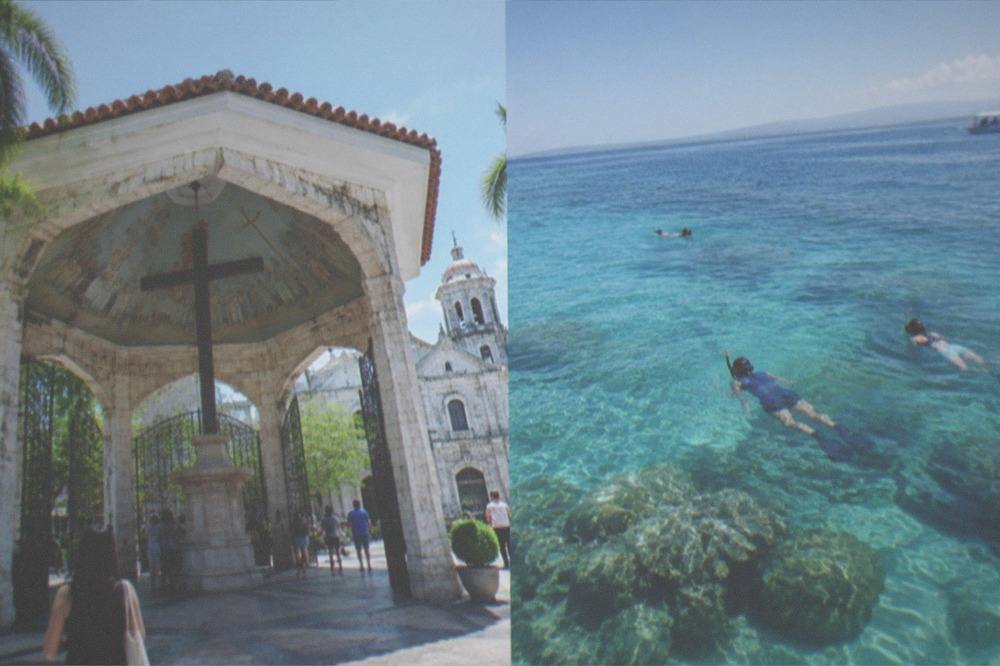
The city side answers with a different kind of water day: the whale sharks of Oslob and the sardine run at Moalboal, both on the south coast, both reached by bus or van from the city-side terminal. The Oslob interaction fee is P1,000 (about US$15.9) for foreign visitors and P500 (about US$8.0) for locals, boat and guide included, and sightings are genuinely seasonal in the sense that the sharks move with the plankton: in late May 2026 they were absent from the Tan-awan interaction area for about four days before returning. If a shark or sardine morning is the centerpiece of your trip, basing in Cebu City shortens those pre-dawn departures.
Which Side Is Better For Food, Heritage And Nightlife?
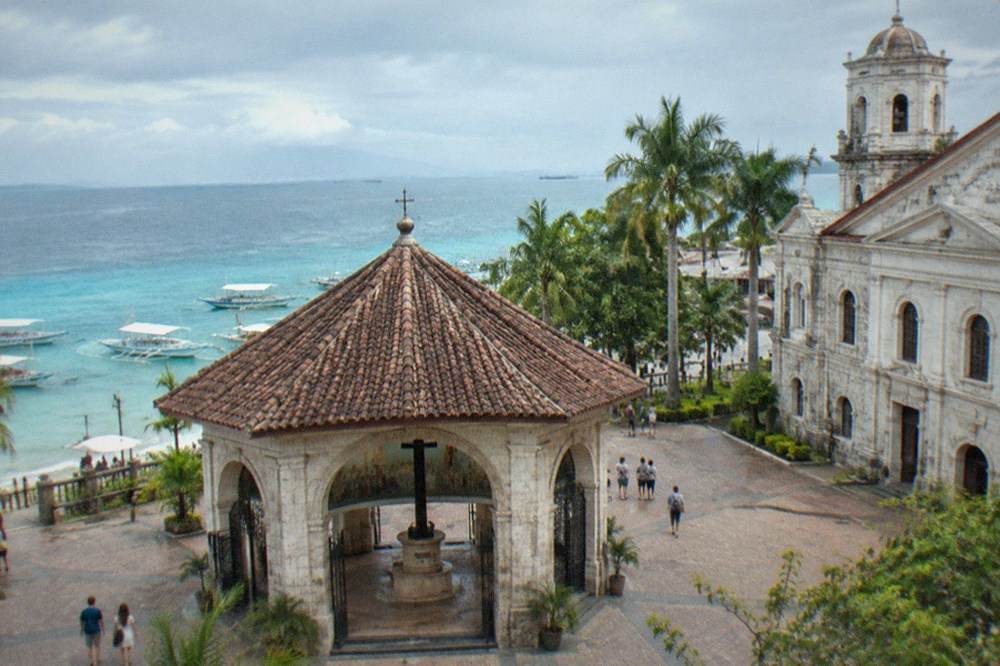
For food, heritage and nightlife, Cebu City wins just as clearly as Mactan wins on water: the Basilica del Santo Niño, Magellan's Cross, Fort San Pedro, Casa Gorordo and the Colon Street dining scene are all within a compact city core, the lechon restaurants and night markets concentrate there, and the evening social life of the metro runs from the city's downtown up through the IT Park business district, while Mactan's evenings are largely resort-restaurant evenings.
The city's food reputation is not a tourist invention. Cebu is the acknowledged home of lechon, the slow-roasted pig that national food writers have repeatedly crowned the country's best, and the markets that supply the restaurants are a sight in themselves. The Mactan Island known-for question and the Lapu-Lapu Shrine page cover what the island side offers culturally, which is real but compact: the shrine, the battle history, and a handful of museums.
| Experience | Cebu City | Mactan Island |
|---|---|---|
| Heritage walking day | Basilica, Magellan's Cross, Fort San Pedro, Casa Gorordo | Lapu-Lapu Shrine and battle sites |
| Street food and markets | Colon Street, Carbon area, night markets | Resort dining, waterfront restaurants |
| Nightlife | Bars and restaurants through downtown and IT Park | Hotel bars and resort venues |
| Museum admission example | Fort San Pedro P50 (about US$0.8) regular | Shrine grounds, free to walk |
A half-day joiner tour of the city is the efficient way to cover the heritage cluster if you are based on Mactan and only crossing once; its price is unpublished, so the operator's live listing is the only reliable source.
Which Base Works Better For Day Trips From Cebu?
Cebu City is the better base for day trips in almost every direction except the Mactan island-hopping routes: the Cebu South Bus Terminal on the city side dispatches the buses toward Oslob, Moalboal and Kawasan Falls, the Pier 1 fastcraft terminal runs the OceanJet crossings to Tagbilaran on Bohol, and the mountain destinations sit inland behind the city, while Mactan adds a bridge crossing to the start of every one of those journeys.
The only day trips that favor a Mactan base are the ones that start on Mactan: the island-hopping boats, the diving around the local sanctuaries, and the airport itself. Everything else, south, west, and across to Bohol, leaves from the city side. The Bohol day trip guide and the Cebu itinerary hub map the full menu, but the pattern is simple enough to memorize: water trips from Mactan, land trips from the city.
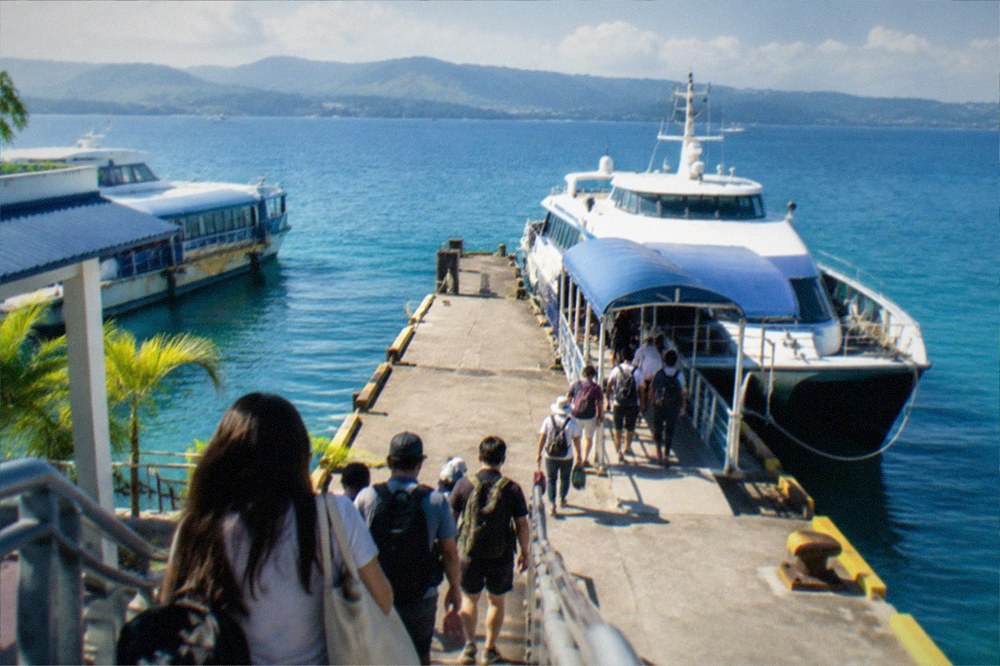
For a day trip that combines the south coast's two headline acts, the sardine run at Moalboal and the canyoneering at Kawasan Falls, a small-group tour from Cebu handles the early start and the transfers in one booking. Its price is not published by the operator, so check the live listing for current rates and dates.
How Does The Weather Affect Each Side Of Cebu?
Both sides share one tropical climate, so weather never decides between them: PAGASA's national rule puts the rainy season from June to November and the dry season from December to May, the Mactan station's 1991-2020 normals show 1,685.0 mm of rain and 138 rain days across the year with a mean temperature of 28.1 C, and the only practical difference is that Mactan's beach and boat activities are more visibly interrupted by a rain day than the city's museums and churches, which continue regardless.
This matters for timing more than for base choice. A wet-season week on Mactan can lose boat days to rough water and Coast Guard suspensions, while the same week in the city still delivers the Basilica, the museums and long restaurant lunches. In the dry season the calculation reverses: December to May is when Mactan's water shines, and the city's advantage shrinks to its food and heritage, which never change with the season.
| Season (PAGASA) | Months | Best base | Why |
|---|---|---|---|
| Dry season | December to May | Mactan Island | Calm water, reliable boat trips |
| Rainy season | June to November | Cebu City | Indoor options when rain arrives |
| Peak typhoon months | Roughly June to October, highest risk later in the season | Either; monitor advisories | Both sides equally exposed |
Common Questions About Mactan Vs Cebu City
Mactan or Cebu City, where to stay for a first visit?
Stay on Mactan if beaches, snorkeling and a short airport transfer are the priority; stay in Cebu City if heritage, food and south-bound day trips are. Many first-timers split the stay, beginning in the city and ending on Mactan before departure.
Is Mactan Island part of Cebu City?
No. Mactan Island falls under Lapu-Lapu City, which, like Cebu City and Mandaue City, is a highly urbanized city administered independently of Cebu Province. The two cities face each other across the Mactan Channel and are linked by three bridges.
Which side is closer to the airport?
Mactan Island. Mactan-Cebu International Airport sits on the island, so a Mactan hotel can be minutes from arrivals, while the drive to Cebu City covers about 13 to 15 km and takes roughly 25 to 60 minutes by road.
Can you swim at hotels in Cebu City?
Rarely. The city core is a working port and business district without real swimming beaches; beach days from a city base mean crossing to Mactan or driving to coastal towns. For a swim-from-your-room stay, book on Mactan.
Which side is better for day trips to Oslob and Kawasan Falls?
Cebu City. Both destinations sit on the south and west coasts, and the buses and vans depart from the Cebu South Bus Terminal on the city side, so a Mactan base adds a bridge crossing to an already early start.
Is it easy to move between Mactan and Cebu City?
Yes. Three bridges connect them, jeepneys and taxis cross constantly, and the CCLEX toll bridge carries cars for P107 (about US$1.7) one way. Allow extra time at peak commuting hours.
The decision, in the end, is less about which side is better and more about which trip you are actually taking. A four-day beach holiday with two boat trips and a departure flight belongs on Mactan. A week of heritage, markets, waterfalls and a Bohol crossing belongs in Cebu City. And a trip that wants both is exactly what the split stay, city first and island last, was invented for. The best part of Cebu to stay in and the things to do in Cebu pages pick the argument up from here once you have chosen your side.