Where Is The Best Place To Stay In Cebu City?
Where to stay in Cebu City, Philippines: the best neighborhoods for visitors, Cebu City versus Mactan, and how well the city works as a base for Oslob, Moalboal and Bohol day trips.
Cebu City is the capital of Cebu, an island province in the Central Visayas region of the Philippines, and it is a city many travelers treat as a base rather than a destination in itself. That is half right. The city holds Magellan's Cross, the Basilica Minore del Santo Niño, Fort San Pedro and a food scene built around lechon, and the whale sharks of Oslob, the sardine run of Moalboal and the ferry to Bohol all radiate out from its terminals. Where you stay inside the city decides how much of that you actually enjoy, because Cebu City spreads across several distinct districts, some walkable and pleasant, some loud and traffic-bound. This page, part of the Cebu Travel Guide answers section, works through the neighborhoods honestly, including the cases where the Mactan side of the channel is the better call.
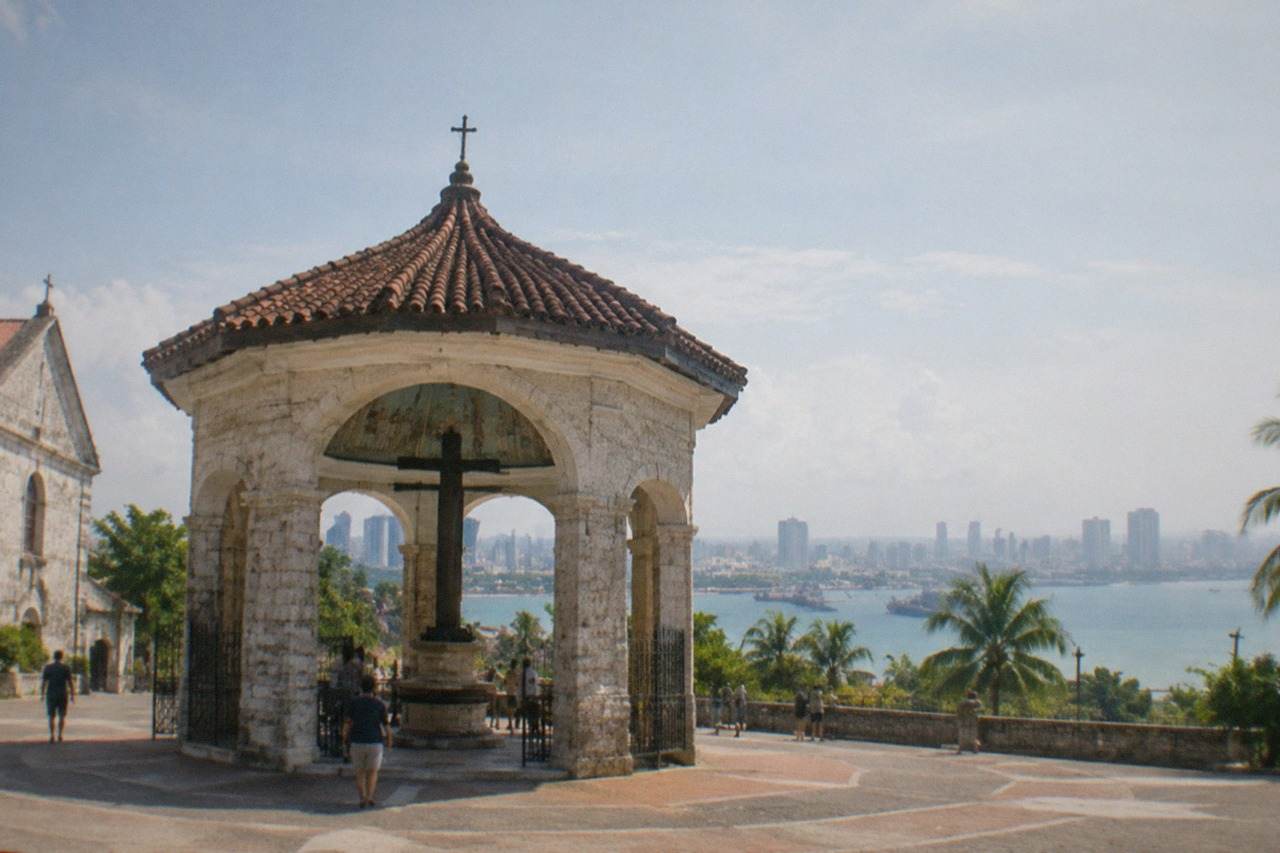
Where Is The Best Place To Stay In Cebu City?
For most first-time visitors the best place to stay in Cebu City is the central belt running from Fuente Osmeña down through the Ayala Center area to Cebu IT Park, because it puts restaurants, malls and hotels within a short ride of the heritage sites downtown while keeping you clear of the worst traffic. Fuente Osmeña suits travelers who want the city's sights at walking distance, while IT Park suits longer stays and digital nomads who want cafes and coworking late at night.
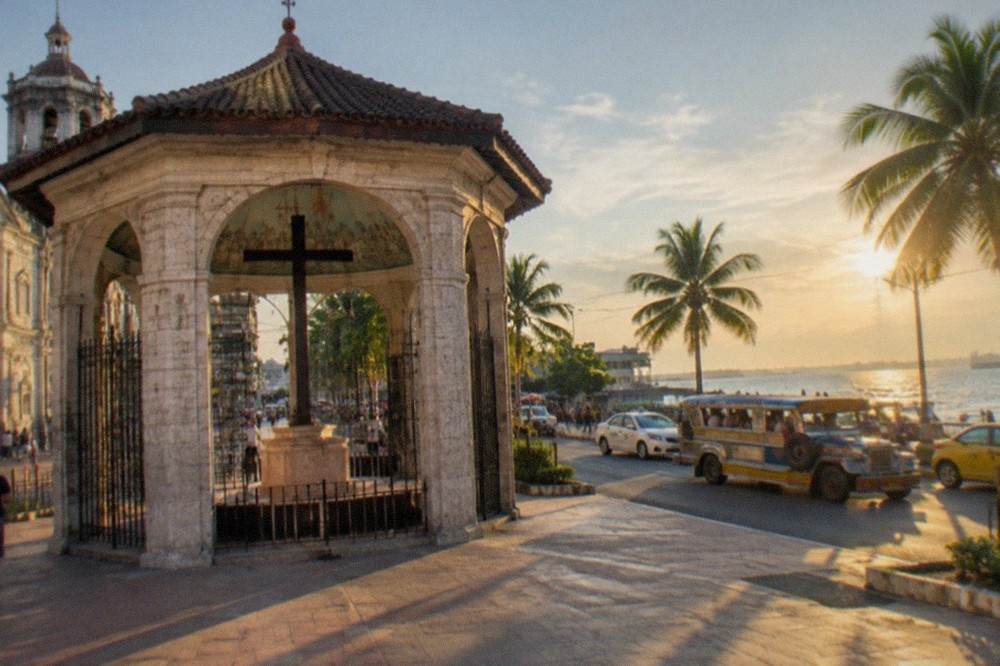
Downtown, meaning the Colon Street and Santo Niño area, is where the oldest sights cluster: Magellan's Cross, the Basilica, Fort San Pedro and the Heritage of Cebu Monument all sit within a few blocks of each other. The trade-off is noise, congestion and a thinner choice of mid-range hotels. The central belt is quieter, greener and better connected to both the airport and the south-bound bus terminal, which is why most itineraries end up sleeping there and commuting downtown for a half-day of heritage.
There is a fuller neighborhood-by-neighborhood breakdown in the Cebu neighborhoods and areas guide. The short version: pick the district that matches what you actually plan to do, because a stay built around day trips needs different things from a stay built around the city itself.
Cebu City Or Mactan: Which Side Of The Channel Should You Choose?
Stay in Cebu City if your trip is built around heritage, food, nightlife and day trips south to Oslob or Moalboal, because the buses and tours leave from the city side. Stay on Mactan Island, in Lapu-Lapu City, if your trip is built around beaches, diving and resort pools, because the island's beach resorts sit minutes from the airport and the marine sanctuaries of the Mactan Channel. The two sides are linked by three bridges.
This is the single most common lodging question for the destination, and the Cebu City or Mactan question deserves its own treatment. The practical detail that decides it: Mactan-Cebu International Airport is on the Mactan side, roughly 13 to 15 km from the Cebu City center by road, a drive that runs anywhere from 25 minutes to an hour depending on bridge traffic. A beach-first traveler who sleeps in Lapu-Lapu City trades easy access to the city's sights for a short airport run and a shoreline of resort beaches.
The city side wins for anyone using Cebu City as a launchpad. Ceres buses to Oslob and Moalboal leave from the Cebu South Bus Terminal on the city side, and the fastcraft ferries to Bohol leave from Pier 1 downtown. A Mactan base adds a bridge crossing to every one of those trips, and the CCLEX toll for a car, P107 (about US$1.7), is a small cost but the morning traffic is not.
If you are weighing the two for a short trip, these three bookable options span the range of what a Cebu City or Mactan stay can include:
What Are The Best Neighborhoods In Cebu City For Visitors?
The best neighborhoods in Cebu City for visitors are Fuente Osmeña and the Capitol area for sightseeing on foot, Cebu IT Park for cafes, safety and longer stays, the Ayala Center area for shopping and dining, and Colon Street downtown for budget lodging beside the heritage core. Banilad and the north of the city suit family visits and hospital access, while the South Road Properties waterfront is the newest and quietest corner.
Each has a distinct character, and none of them is more than a 20-minute jeepney or taxi ride from another. The table below is the honest version of the comparison, with no nightly rates because accommodation pricing shifts constantly and no figure in our source pack is trustworthy for it.
| Neighborhood | Character | Best for | Trade-off |
|---|---|---|---|
| Fuente Osmeña / Capitol | Central, walkable, park-side | First-timers wanting sights and nightlife in reach | Traffic on Osmeña Boulevard at rush hour |
| Cebu IT Park | Modern, cafe-dense, lively at night | Longer stays, remote workers, food variety | Few heritage sights of its own |
| Ayala Center area | Mall-centered, polished | Shopping, dining, business trips | Less local atmosphere |
| Colon Street / Santo Niño | Oldest district, dense, lively | Budget stays beside Magellan's Cross and the Basilica | Noise, congestion, pickpocket risk in crowds |
| Banilad / north Cebu City | Residential, quieter | Families, hospital access | Far from the south-bound terminals |
| South Road Properties | Reclaimed waterfront, newest | Events at SM Seaside, quiet evenings | Limited dining outside the malls |
Two of these deserve a special note. The South Road Properties changed in 2026: the 25,000-seat SM Seaside Cebu Arena opened there in July, which matters if a concert or event falls in your dates. And the Colon Street area is where budget travelers most often land, which is fine by day and workable by night if you keep the usual big-city street sense.
Where Should Food Lovers Stay In Cebu City?
Food lovers should stay near Fuente Osmeña or the Colon Street corridor, because that belt puts the lechon houses, the night markets and the downtown street food of Cebu City within a short walk or jeepney hop, while IT Park covers the modern cafe end. The city's most famous dish, lechon, is sold from stalls and restaurants concentrated in the central districts rather than on Mactan.
The downtown core is also where the markets are. A guided market walk is the fastest way into that scene, and the Cebu Market & Food Tour runs through the city's markets and food stalls with a local guide; the operator has not published a price on its listing, so the live listing is the place to check. Check availability
The dish itself has its own story, covered in Cebu's lechon guide and in what Cebu's most famous food is. The point for lodging is simpler: if eating is the trip, sleep central, because the best-known lechon spots and the Carbon market area are all on the city side, and a Mactan base puts a bridge between you and dinner.
Is Cebu City A Good Base For Day Trips To Oslob, Moalboal And Bohol?
Cebu City is the island's best base for day trips, because every major route starts from it: Oslob and Moalboal by bus from the Cebu South Bus Terminal, Bohol by fastcraft from Pier 1, and Bantayan and Malapascua by bus plus ferry from the north. The trade-off is early starts, since the whale shark interaction in Oslob ends around midday and the first boats matter.
The whale shark session in Oslob runs roughly 6 AM to 12 PM, and the municipal fee is P1,000 (about US$15.9) for foreign visitors, boat and guide included, with sightings never guaranteed: in late May 2026 the sharks were absent from the Tan-awan interaction area for about four days. That is why Oslob tours leave Cebu City before dawn. The bus is the budget route, roughly three and a half to four and a half hours south with fares from about P145 (about US$2.3) to P250 (about US$4.0), while organized day tours absorb the logistics.
| Day trip from Cebu City | Journey time | Main transport | Notes |
|---|---|---|---|
| Oslob whale sharks | About 3.5-4.5 hours each way | Ceres bus or day tour | Session ends around 12 PM; early start essential |
| Moalboal sardine run | About 2.5-3.5 hours each way | Ceres bus or day tour | Sardines are resident year-round, a few metres off Panagsama Beach |
| Bohol (Tagbilaran) | About 2 hours by fastcraft | OceanJet from Pier 1 | Tourist class about P960 (about US$15.3) since the September 2026 fuel surcharge |
| Bantayan Island | Bus to Hagnaya plus ferry | Ceres bus and RORO | Longest day trip; many travelers overnight instead |
Whether to sleep in the city and commute, or sleep south in Moalboal, is its own question with its own answer page: Moalboal or Oslob as a base breaks it down. The short rule is that a single whale shark day trip works fine from Cebu City, but a south-Cebu-heavy itinerary of canyoneering plus sardines plus waterfalls is better served by a night or two in Moalboal itself.
What Does A Cebu City Stay Cost, And How Do You Get Around?
A Cebu City stay is mid-range Southeast Asian in cost, cheaper than Singapore or Hong Kong and pricier than rural Philippines, with the largest variables being accommodation standard and whether you take organized tours or public transport. Getting around is cheap and simple: jeepneys run every major corridor, Grab covers the city, and the MyBus links the airport to SM City Cebu.
No accommodation price belongs on this page, because no verified nightly rate exists in our source pack, and inventing one is exactly the failure our is Cebu expensive page exists to prevent. What can be said honestly: the city's cost structure rewards travelers who use jeepneys and eat at the markets, and it quietly penalizes those who take a private transfer everywhere, because bridge and terminal congestion eats both time and fares.
Getting around deserves a moment. Jeepneys remain the workhorse, the Cebu Bus Rapid Transit added a partial Il Corso to IT Park service in March 2026 with free rides at launch, and the airport MyBus fare tops out at P50 (about US$0.8). The getting around Cebu guide covers all of it, including the airport run.
For a stay built around the city's own sights rather than day trips, these are the bookable options that pair best with a central Cebu City base:
Common Questions About Staying In Cebu City
Where is the best place to stay in Cebu City?
For most visitors, the central belt from Fuente Osmeña through the Ayala Center area to Cebu IT Park, because it balances walkable dining, decent hotels and quick access to both the heritage downtown and the south-bound terminals. Budget travelers often prefer the Colon Street area beside the sights; resort-focused travelers usually end up on Mactan instead.
Is it better to stay in Cebu City or on Mactan Island?
Cebu City is better for heritage, food, nightlife and day trips south, since the buses and ferries leave from the city side. Mactan is better for beaches, diving and airport proximity. The two are linked by three bridges, so day trips across the channel are possible in either direction.
How many days should you stay in Cebu City?
Two to three nights covers the city's heritage core, a food tour and one major day trip such as Oslob or Bohol. A week lets you add Moalboal, canyoneering at Kawasan Falls and a northern island without rushing.
Is Cebu City safe for tourists?
Cebu carries no destination-specific advisory from the UK, US or Australian governments beyond the country-wide caution levels, and the main risks are ordinary big-city ones: pickpockets in crowded downtown areas and traffic. The September 2025 earthquake and November 2025 typhoon both hit the city, but the Department of Tourism declared Cebu open to visitors in late October 2025.
Do you need to book Cebu City hotels in advance?
Book ahead for January's Sinulog festival week, when the Grand Parade fills the city on the third Sunday of the month, and for the Christmas to New Year peak. Outside those windows, mid-range hotels are usually bookable a few days out, though prices are not something this site quotes without a verified source.
Can you visit the whale sharks from a Cebu City hotel?
Yes, it is the standard setup: tours leave before dawn and return by early afternoon, roughly three and a half to four and a half hours each way. The municipal fee is P1,000 (about US$15.9) for foreign visitors with boat and guide included, and sightings are not guaranteed.