Malapascua Thresher Sharks
Malapascua Island, off the northern tip of Cebu Province in the Philippines, is the one place in the country where divers reliably meet pelagic thresher sharks, now mostly at Kimud Shoal on early-morning dives. This guide covers the real costs, the fees at Maya Port, the best months, and how to plan the trip from Cebu City.
Short answer
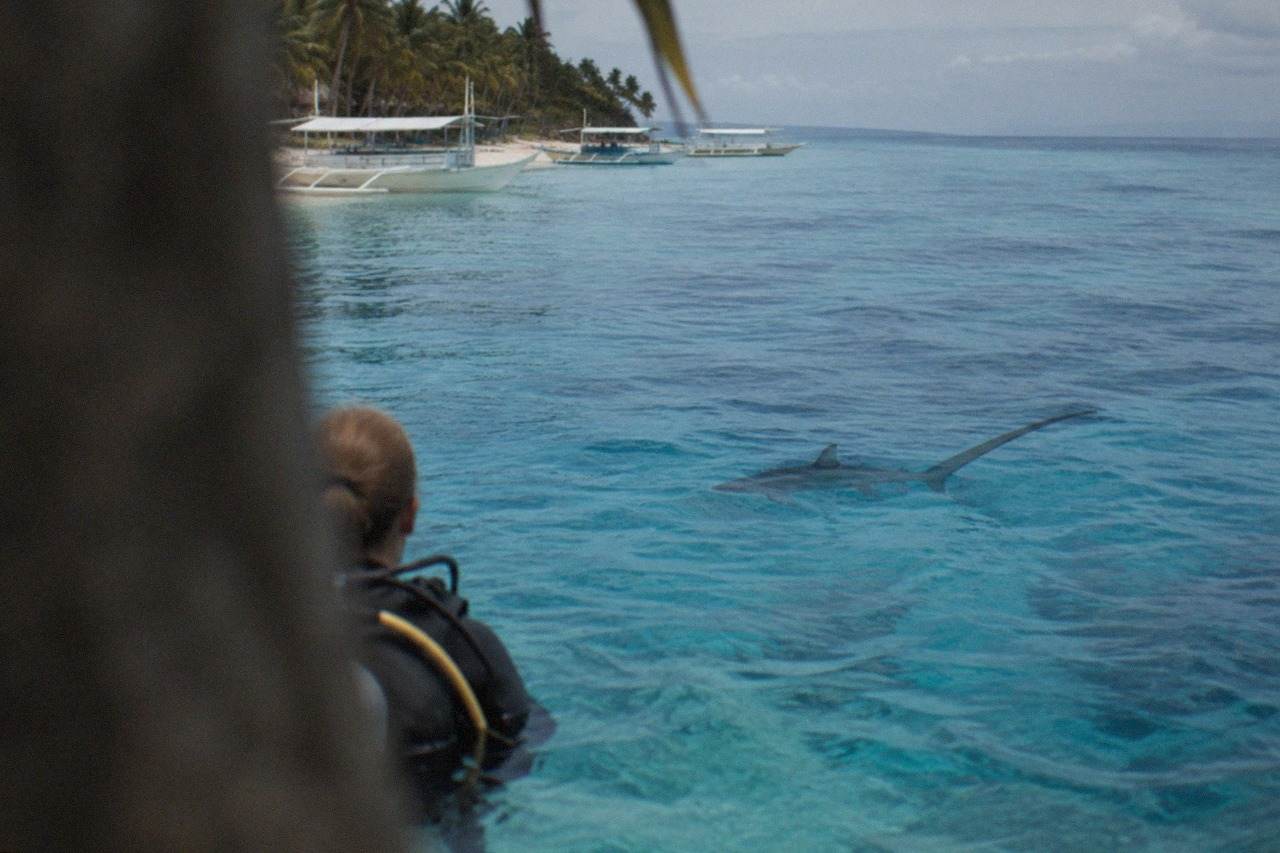
Thresher sharks around Malapascua are seen on early-morning dives at Kimud Shoal, about 30 minutes by boat from the island. Dives run roughly P1,800 (about US$29) to P2,000 (about US$32) each plus marine park fees, and the sharks appear year-round, with the calmest sea and best visibility in the dry season from December to May.
Malapascua Island sits off the northern tip of Cebu Province in the Central Visayas region of the Philippines, and it holds a distinction no other Philippine dive destination can claim: this is the place where divers routinely encounter pelagic thresher sharks, the unmistakable sharks whose upper tail lobe can be as long as the rest of their body. The dives happen at first light, on offshore shoals where the animals come in from deep water. The sharks are the reason a small island with no cars and no ATMs has a full strip of dive resorts, and the reason visitors so often structure an entire Cebu itinerary around one very early morning. For the wider picture of where this fits into a trip, see things to do in Cebu; this page stays on the sharks themselves.
Where Are Malapascua Thresher Sharks Found And Why Is Cebu The Place To See Them?
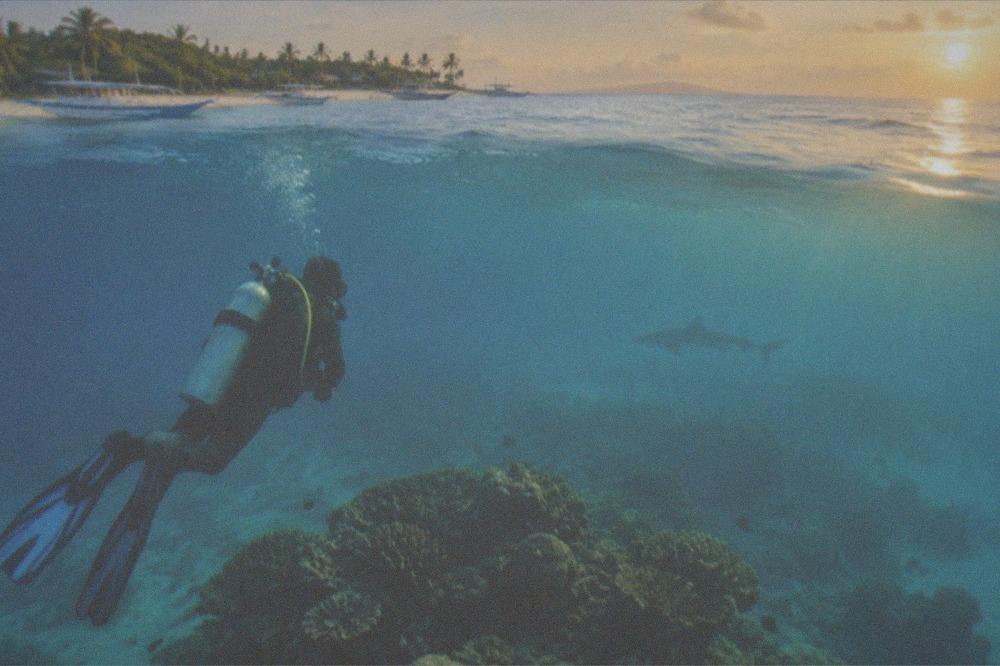
Malapascua's thresher sharks are found mostly at Kimud Shoal, an offshore seamount reached by boat from the island, with Monad Shoal now a secondary site where tiger sharks are also reported. The shoals sit in open water north of Cebu Province, and dive boats leave before dawn because the sharks visit the cleaning stations in the early morning, then disappear into deep water for the rest of the day. Cebu is the only Philippine destination where these encounters are a regular, bookable event rather than a lucky sighting.
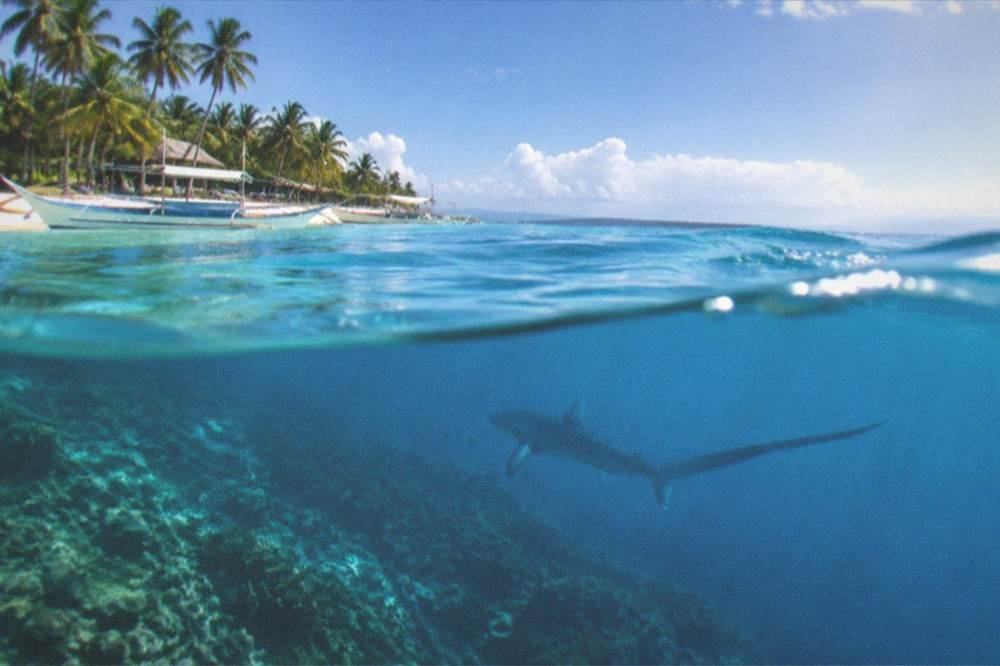
That reliability is the whole story of Malapascua. Thresher sharks are pelagic, meaning they live in the open ocean and normally avoid divers entirely, spending daylight hours far below recreational dive limits. Around this small island off Cebu's northern coast, they break that pattern: they rise to shallower water on the shoals at dawn, where cleaner wrasse remove parasites from their skin and gills. Dive operators time every trip to that window. A diver who sleeps in has, for practical purposes, missed the sharks.
The site shift matters for planning. For years Monad Shoal was the name on every dive map, but current reporting places most thresher sightings at Kimud Shoal, with Monad now secondary and better known for tiger sharks. When you book, ask the operator which shoal the boat is diving that morning, because the two are not the same dive. Both are reached from the same beaches on Malapascua, and both are deep-wall dives that suit certified divers more than first-timers.
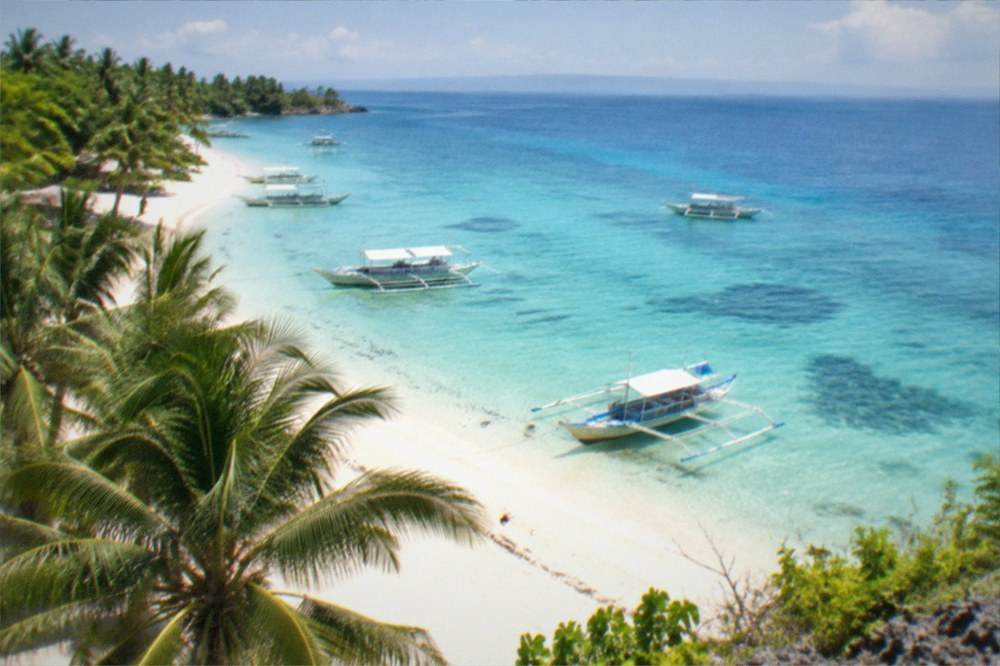
The island itself is part of the appeal. Malapascua is small, walkable in an hour or so, and sits across a short hop of water from Maya Port on the Cebu mainland. There is more on the island in the Malapascua Island area guide, and the full logistics of a visit are in the Malapascua day trip guide. This page keeps its focus on the sharks, the shoals and the money.

What Does A Thresher Shark Dive In Malapascua Cost?
A single thresher shark dive at Malapascua runs roughly P1,800 (about US$29) to P2,000 (about US$32) through local dive shops, before marine park and environmental fees, and before the boat crossing charges at Maya Port on the mainland. The fee stack is collected in several places rather than one, so the total for a morning depends on how many dives you do and which fees your shop passes through. The figures below break each layer out with its current amounts.
The fee stack is the part most first-time visitors underestimate. The dive price you are quoted at a shop on the island usually covers the boat, the guide, the tank and the weights, but the marine sanctuary charges sit on top of it, and they are collected separately. The Maya Port charges apply to everyone who crosses to the island, diver or not. Here is how the pieces fit together, with every figure drawn from current fee reporting:
| Cost component | Typical amount | Notes |
|---|---|---|
| Thresher shark dive, per dive | P1,800 (about US$29) to P2,000 (about US$32) | Through Malapascua dive shops; dawn shark dives are the standard package |
| Marine park / environmental fee | P100 (about US$1.6) to P300 (about US$4.8) | Charged per day or per dive; confirm the collection point with your shop |
| Maya Port terminal and environmental fee | P95 (about US$1.5) to P140 (about US$2.2) | Paid at the mainland port; foreigners pay the higher figures |
| Oslob whale shark watching, for comparison | P1,000 (about US$15.9) foreign / P500 (about US$8.0) local | Boat and guide included; a snorkeling encounter, not a dive |
Two honest caveats belong next to that table. First, fee collection on Malapascua, as at many Philippine marine sites, is not always consistent; carry cash in small notes, because there is no ATM on the island. Second, the dive price is a shop-level figure that varies with inclusions, so treat the range as a planning band and confirm the exact total when you book.
If you would rather have the whole morning arranged for you, there is a dedicated early-morning thresher shark dive product run by a PADI CDC center, which handles the timing that matters most on this trip. The operator does not publish its price on the live listing, so check the live listing for the current figure:
For divers building a longer Cebu underwater itinerary, the Cebu diving guide covers Moalboal, Pescador Island and the other major sites, and the trio below pairs the shark dive with two of the province's other signature water days:
When Is The Best Time Of Day And Year To See Thresher Sharks In Malapascua?
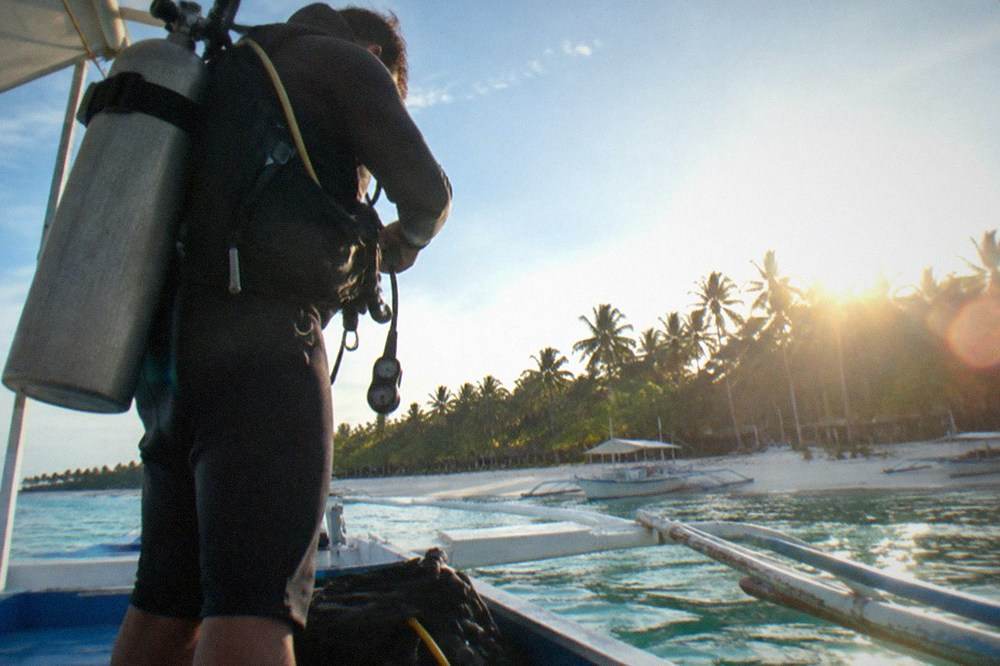
The best time of day is fixed by the sharks, not by you: dive boats leave Malapascua before sunrise, because the threshers visit the cleaning stations at dawn and are rarely seen in shallow water later in the day. The best months are the dry season, December through May, when PAGASA's rule for the Philippines gives calmer seas and better visibility; the wettest months at the nearby Mactan station are July through October, and rough weather is the main reason shark dives get cancelled.
The day half of that answer is worth repeating because people still get it wrong. This is not an activity with flexible timing. The boats load in the dark, the ride out to Kimud Shoal takes place while the sky is still grey, and the dive itself happens in the first hour of daylight. If your itinerary has you arriving on Malapascua at noon and diving the same afternoon, you have planned a beach afternoon, not a shark dive. Nearly everyone dives the morning after arrival, which means the practical minimum stay on the island is one night.
The year half is more forgiving. Thresher sharks are resident around the shoals, so the encounter is not seasonal in the way whale watching is in other countries; the calendar question is really about sea conditions and visibility. PAGASA's national classification puts the rainy season from June to November and the dry season from December to May, and the Mactan station's 1991-2020 normals show exactly why that matters for a small-boat dawn trip:
| Month | Rainfall at Mactan station (mm) | What it means for the shark dive |
|---|---|---|
| January | 105.2 | Dry season; calm mornings, strong bookings |
| February | 69.6 | One of the driest months; excellent sea state |
| March | 58.6 | Dry; a popular window for the crossing |
| April | 48.1 | Driest month of the year; peak reliability |
| May | 95.0 | Dry season's end; still very diveable |
| June | 175.6 | Rainy season begins; swell and surge increase |
| July | 192.9 | Wet; more cancelled departures |
| August | 143.5 | Wet season; visibility drops |
| September | 179.6 | Wet; typhoon season peak approaches |
| October | 194.8 | Wettest month in the series; hardest for boats |
| November | 161.9 | Rain easing but seas still rough |
| December | 139.7 | Transition; conditions improve through the month |
None of this means the sharks vanish in July. It means the boats do, sometimes. When a typhoon system passes through the Visayas, dive operators suspend trips for safety, and the crossing from Maya can stop as well. The pattern is familiar across the province: after the late 2025 typhoon and the September 2025 earthquake in northern Cebu, the Department of Tourism confirmed that Malapascua and its ports stayed operational and open to visitors, and by early 2026 the island's tourism was reporting steady daily bookings again. If you travel in the wet half of the year, build a spare morning into the plan.
For travellers weighing Cebu's two famous shark encounters against each other, the seasonality question comes up a lot; the best month for whale sharks in Cebu covers the Oslob side of that comparison.
How Do You Get From Cebu City To Malapascua Island?
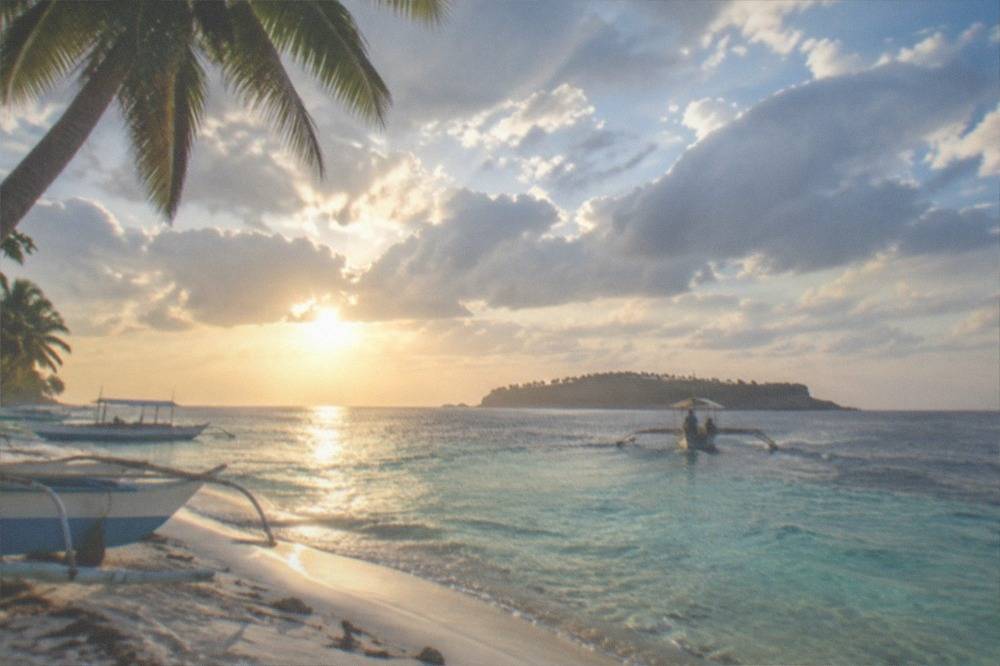
Malapascua is reached from Cebu City by road to Maya Port on Cebu's north coast, then a short boat crossing to the island, with terminal and environmental charges paid at the mainland port and foreigners at the higher end of the range. There is no airport and no vehicle ferry on Malapascua itself; everything on the island is reached on foot, and the dive boats leave from the main beaches before dawn. The road leg covers most of the province's length.
The road leg is the long one. Cebu City sits in the centre of the province and Maya sits at its northern tip, so the drive covers most of Cebu's length. Buses to the north coast run from Cebu City's terminals, and private transfers and hotel-arranged vans are the usual choice for divers carrying gear, because the timing has to connect with an afternoon boat and, ideally, a night on the island before the dive. The Malapascua day trip guide walks through the schedule options in detail, including why the day-trip version is a very long day.
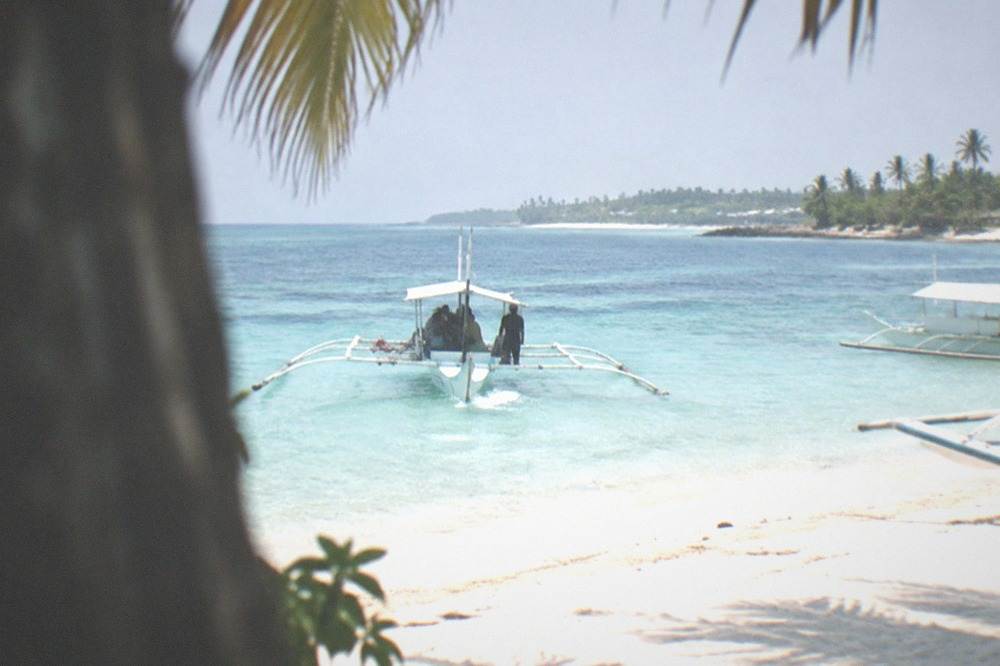
The boat leg is short but weather-dependent. The crossing from Maya to Malapascua is a few minutes of open water in a small outrigger boat, and it stops when the sea is rough. Pay the port fees in cash, keep the receipt if one is issued, and confirm with your resort which beach the boat lands on, because arrivals and departures are informal. On the island, your dive shop is almost certainly within walking distance of wherever you sleep.
Two planning notes worth flagging. First, the September 2025 earthquake off northern Cebu damaged infrastructure in the north of the province, but the Maya port area serving Malapascua was reported fully operational by the Department of Tourism in late October 2025, and the island's dive tourism was running normally through 2026. Second, because the whole trip hinges on one pre-dawn boat, book at least your first night's accommodation and your dive slot before you leave Cebu City; walk-in availability exists, but the popular shops fill their dawn trips first.
What Are The Rules And Requirements For Diving Kimud Shoal And Monad Shoal?
The shoals are deep-wall dives with a dawn start, so shops require open-water certification as a baseline, and the working rules are standard Philippine marine-sanctuary practice: dive with a licensed local guide, pay the marine park fees, no touching or chasing the sharks, no feeding, and neutral buoyancy so the cleaning station is not disturbed. The sharks come to the shoals to be cleaned by wrasse, and divers who crowd or block the station are the reason encounters fail.
The certification point deserves emphasis. Kimud Shoal is not a training site. The dive typically starts close to the top of the seamount and follows a wall or slope where the drop-off runs far deeper than recreational limits, and the whole point is to hang quietly at cleaning-station depth while the guides watch the blue. If you are not yet certified, or your last dive was years ago, say so when you book; shops will arrange a refresher, and some will steer uncertified divers toward a different site that morning.
The conduct rules are simple and worth internalizing before you are on the line at 6 AM. Stay low, stay still, keep your distance from any shark that approaches, and let the animal choose the encounter. Photography is welcome, flash is not helpful at dawn and is discouraged around cleaning animals, and nothing on the shoal should be touched, taken or fed. The licensed guides on Malapascua know the individual patterns of the sites and position the group accordingly; their briefings are short and worth following to the letter.
Marine-fee compliance is part of the same picture. The sanctuary fees that fund patrols and mooring buoys at the shoals are collected per day or per dive, and shops normally handle the paperwork. If you are combining Malapascua with other Cebu marine sites, the fee logic is the same everywhere, only the amounts differ:
| Cebu marine site | Standard fee | Who collects it |
|---|---|---|
| Malapascua shoals (Kimud, Monad) | About P100 (about US$1.6) to P300 (about US$4.8) per day or dive | Dive shops, for the marine park |
| Maya Port crossing | About P95 (about US$1.5) to P140 (about US$2.2) | Port, at the mainland terminal |
| Oslob whale shark watching | P1,000 (about US$15.9) foreign / P500 (about US$8.0) local | Oslob LGU, at the registration area |
| Moalboal sardine run swim/snorkel | P100 (about US$1.6) environmental user fee | Beach kiosk at Panagsama |
| Pescador Island dives | About P100 (about US$1.6) per dive | Dive shops, for the sanctuary |
| Olango Island Wildlife Sanctuary | About P100 (about US$1.6) foreigner / P30 (about US$0.5) Filipino adult | Sanctuary office on Olango |
If the ethics of shark feeding concern you, note that Malapascua's model is different from Oslob's: the threshers are wild animals visiting natural cleaning stations, and no chumming or feeding is part of the encounter. The whale shark ethics discussion covers the Oslob debate, and the Oslob whale sharks guide covers that encounter in full.
Where Do You Stay On Malapascua Island And What Else Can You Do There?
Dive travelers stay in the resorts along Malapascua's main beaches, booked around one rule: you need to be on the island the night before your dawn dive, and within walking distance of your dive shop. Beyond the sharks, the island offers beach time, snorkeling and laid-back island life, and itineraries pair Malapascua with either the south coast, where Moalboal's sardine run and Kawasan Falls sit close together, or with Bantayan Island further west.
The accommodation logic follows the dive logistics. Because the boats leave before first light, every serious dive resort on the island is built around the dawn schedule, with early breakfasts and gear rooms. Bookings cluster in the dry season, and February through April fills first. There is no ATM and card coverage is patchy, so budget the whole island stay in cash, including the fees in the tables above.
The rest of the island rewards the unhurried. Malapascua's beaches are genuinely good, the island is small enough to walk end to end, and the pace is a deliberate contrast to Cebu City. Some divers add a second or third dive after the shark trip; others spend the afternoon on the sand. The choice of a second shark morning versus a lie-in is the real luxury here.
Pairing Malapascua with the rest of the province is where most itineraries take shape. The island sits at Cebu's northern end, while the other headline water activities sit in the south, so the efficient plan is to split the trip: north for the sharks, south for the sardine run and the falls. The two southern days most often combined with a Malapascua stop are a private Pescador Island hopping trip out of Moalboal and a full-day canyoneering run down the Badian river system to Kawasan Falls, both of which can be checked here:
The Pescador trip is the gentler of the two, a boat day over the same sanctuary waters where the sardine run snorkelers swim, while the canyoneering day is the physically demanding one, a guided descent through the Badian gorge that ends at the falls. They suit different energy levels, and plenty of travellers do one and not the other:
For the falls themselves, the Kawasan Falls guide covers the current entrance fees, the 2026 rehabilitation works and the canyoneering rules, including the suspension of the Alegria route and the ban on cliff jumping at the main basin.
Is A Malapascua Thresher Shark Trip Worth The Journey From Cebu City?
For most divers, yes: Malapascua is the only place in the Philippines where thresher shark encounters are a regular, planned event rather than a matter of luck, and the alternative encounters in Cebu, Oslob's whale sharks and Moalboal's sardine run, are different animals entirely, so nothing on the trip duplicates the experience. The honest cost is time, since the island needs at least one overnight to put you on the dawn boat, and the honest risk is weather, since wet-season mornings can be cancelled.
Put the three signature encounters side by side and the differences do the arguing:
| Encounter | Location | What it is | Reliability factor |
|---|---|---|---|
| Thresher sharks | Kimud Shoal, off Malapascua | Deep dawn dive with pelagic sharks at a cleaning station | Resident sharks; weather is the main risk |
| Whale sharks | Tan-awan, Oslob | Snorkel from a boat in shallow water | Sightings usually dependable but not guaranteed; sharks were absent for about four days in late May 2026 |
| Sardine run | Panagsama, Moalboal | Shore snorkel over a permanent baitball | Year-round resident school, best 7 to 9 AM |
The comparison is not a ranking. Oslob is the easiest shark-adjacent encounter in the province and requires no certification; Moalboal is the cheapest and the most spontaneous. Malapascua is the one that demands a certification card, an early night and a long drive, and it pays that back with an animal you will not meet this way anywhere else in the country. Travellers who ask whether snorkeling with whale sharks is worth it are usually weighing cost against novelty; the Malapascua calculation weighs commitment against uniqueness, and for divers it usually lands on the sharks.
For a full Cebu itinerary that sequences the north and south ends of the province without backtracking, start from the things to do in Cebu overview, and for the underwater planning in one place, the Cebu diving guide remains the reference. This site, Cebu Travel Guide, keeps every fee on this page tied to current reporting so the numbers you budget with are the numbers you pay.
Common Questions About Malapascua Thresher Sharks
Where can you see thresher sharks in Cebu?
Thresher sharks are seen around Malapascua Island, off Cebu Province's north coast, mostly at Kimud Shoal on early-morning dives, with Monad Shoal now a secondary site also known for tiger sharks. Malapascua is the only place in the Philippines where thresher encounters are a regular, bookable dive.
How much does a thresher shark dive in Malapascua cost?
A single dive runs roughly P1,800 (about US$29) to P2,000 (about US$32) through island dive shops, plus marine park and environmental fees of about P100 (about US$1.6) to P300 (about US$4.8) per day or per dive. The Maya Port crossing adds about P95 (about US$1.5) to P140 (about US$2.2), with foreigners paying the higher end. The dedicated early-morning thresher dive product does not publish its price on the live listing, so check the live listing.
What time of day do the Malapascua shark dives happen?
Before sunrise. The sharks visit the cleaning stations on the shoals at dawn and descend into deep water afterward, so boats leave Malapascua in the dark and the dive takes place in the first hour of daylight. Plan to sleep on the island the night before your dive.
Do you need to be a certified diver to see the thresher sharks?
Yes. Kimud Shoal and Monad Shoal are deep-wall dives, and shops require open-water certification as a baseline, with a refresher recommended if you have not dived recently. Snorkeling the shoals is not an option; the cleaning stations sit below the surface at dive depth.
When is the best month to dive with thresher sharks in Malapascua?
The sharks are resident year-round, so the calendar is about sea conditions. The dry season from December to May brings the calmest mornings and best visibility, with April the driest month at the Mactan station. From June to November, rough weather is the main reason dawn trips get cancelled, so build in a spare morning if you travel then.
Is seeing thresher sharks in Malapascua guaranteed?
No shark encounter is guaranteed. The threshers are wild animals and sightings, though regular, depend on the morning; rough sea states can also cancel the dive outright. Resident status makes the odds good, but book with the understanding that weather and wildlife both get a vote.