Does Mactan Have Nice Beaches?
Yes, Mactan in Cebu, Philippines has genuinely nice beaches, mostly inside resorts and on island-hopping stops like Hilutungan, Nalusuan and Pandanon. This guide covers which stretches are worth it, what access and fees cost, and where to stay.
Mactan, the resort island in Cebu, Philippines, sits directly east of Cebu City across the Mactan Channel, and its beaches are the reason most of its hotels exist. The honest answer to the question is yes, with a catch: the nicest sand and the clearest swimming water on Mactan are largely inside resort grounds and on the sandbars and islets you reach by boat, while the free public stretches are narrower, busier and less photogenic. That catch shapes almost every practical decision a visitor makes here, from where to sleep to whether to book an island-hopping boat at all, and this page works through each of those decisions in turn.
Does Mactan Have Nice Beaches?
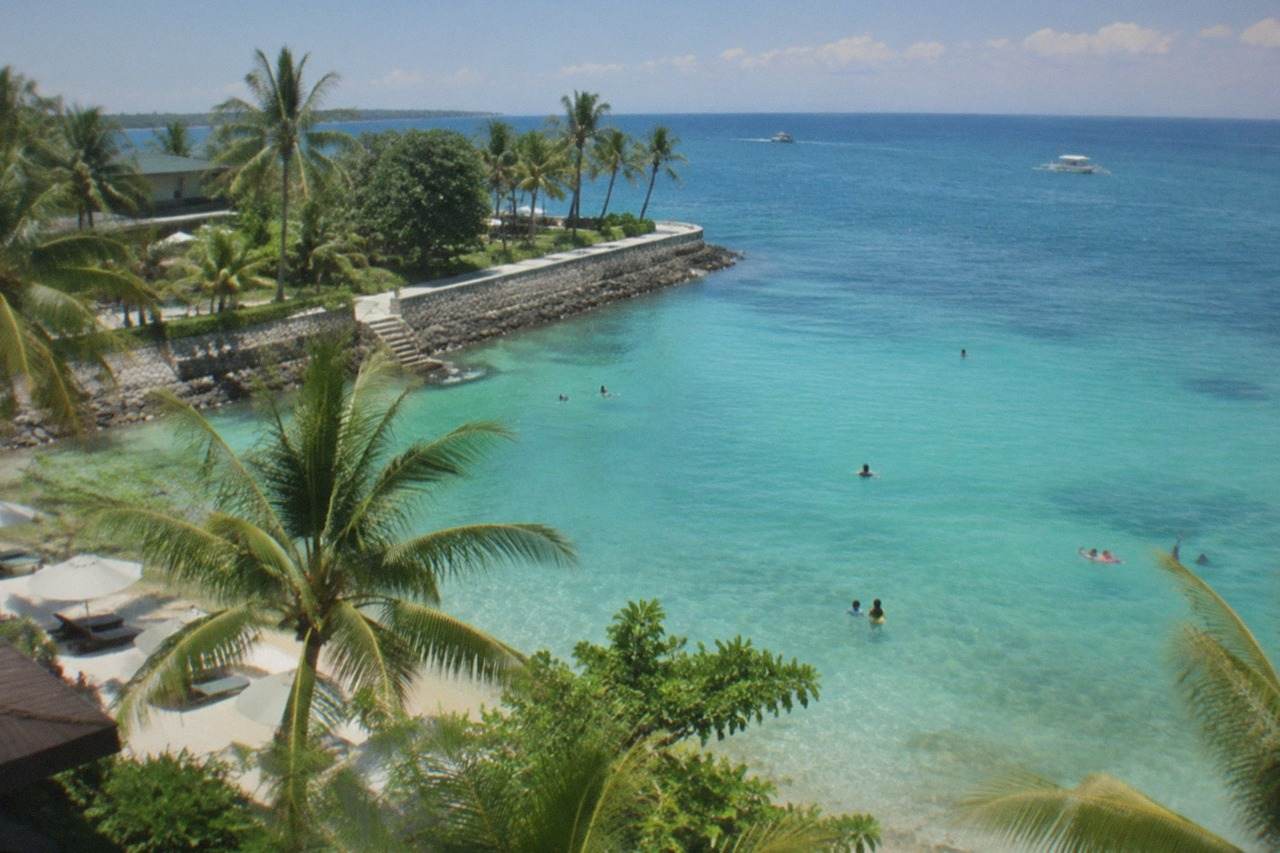
Yes, Mactan has nice beaches, and the best of them are genuinely good: pale sand, calm shallow water and reliable swimming weather. The qualification is that on Mactan island itself the nicest stretches belong to resorts, so a day visitor either pays for resort day access or takes a boat to the sandbars and sanctuary islets offshore, where the water is clearer and the sand whiter than anything on the main island.
The island's geography explains the pattern. Mactan is flat, fringed by shallow reef flats rather than deep open water, which is exactly why the swimming is calm and family-friendly, but also why the shoreline has been built up wall to wall with hotels over the decades. Where a resort has groomed its section, raked the sand and kept the seagrass trimmed, the beach looks like the postcard. Where nobody maintains it, the same coastline reverts quickly to a narrower, rockier strip.
The water quality question is the one people actually care about, and the answer splits by side of the island. The eastern and southeastern shore, facing the Camotes Sea and the strait toward Olango, holds most of the big resorts and the boat departure points, and it benefits from tidal flushing over the reef. The islets themselves, Hilutungan, Nalusuan, Pandanon and the Gilutungan sanctuary, sit in that clearer water and are where the island-hopping operators take their guests for the swimming stops.
For a fuller rundown of the whole province's coastline, the Cebu beaches guide puts Mactan in context against Bantayan, Malapascua and Moalboal, and the dedicated Mactan beaches guide goes beach by beach across the island.
Which Mactan Beaches Are Actually Worth Your Time?
The stretches worth planning around are the resort beaches on Mactan's east coast, which you access by staying there or buying a day pass, and the offshore islets reached on an island-hopping boat trip: Hilutungan, Nalusuan and Pandanon, which have the clearest water and the whitest sand in the immediate area. Free public beaches on Mactan exist but are narrow, and none of them is the reason to come.
Resort beaches are the low-effort option. The large properties along the east coast each maintain their own section of sand, and a guest who books one gets the groomed version of Mactan without organising anything. Day passes are the workaround for visitors staying in Cebu City, and they sell the same access for a single daylight window. The trade-off is price: a day pass typically costs a meaningful fraction of a night's room rate, and the operator's live listing is where the current figure lives, not a blog.
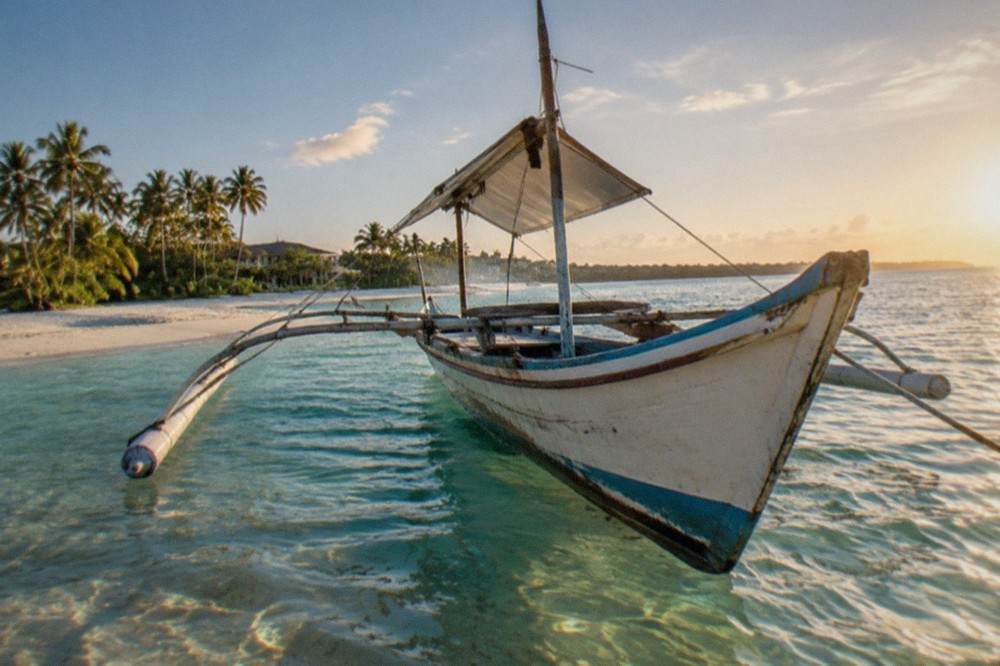
The offshore islets are where the scenery genuinely improves. A standard island-hopping route from Mactan calls at two or three of them, usually with a fish-feeding or snorkelling stop inside a marine sanctuary and a lunch stop on a sandbank. The water over the sanctuaries is the clearest within an hour of the island, and the boat ride itself, across water dotted with fishing platforms, is part of the appeal. The what Mactan Island is known for page covers how these trips fit the island's wider identity.
Public beaches round out the picture. They are free, they are local, and they are perfectly pleasant for an hour at sunset, but the sand is darker, the swimming area is busier and the shoreline is working coastline as much as leisure coastline. Set expectations accordingly and they stop being a disappointment.
| Beach or stop | Type of access | What it is best for |
|---|---|---|
| Resort beaches, east coast | Hotel guest or paid day pass | Groomed sand, calm swimming, facilities |
| Hilutungan / Gilutungan sanctuary | Boat trip stop | Snorkelling over a marine sanctuary |
| Nalusuan | Boat trip stop, small resort islet | Sandbar swimming, snorkelling |
| Pandanon | Boat trip stop, farther out | Wide sandbank, the whitest sand in the area |
| Public beaches | Free, open shoreline | A short local visit, sunset |
What Do Mactan Beach Access And Fees Cost?
The fees that apply are the Lapu-Lapu City environmental fee for island hopping, P100 (about US$1.6) for foreign tourists and P20 (about US$0.3) for local tourists, plus separate sanctuary entrance fees at the islets themselves, typically in the P150 (about US$2.4) to P300 (about US$4.8) range per person per stop. Resort day passes and boat charters are priced by each operator, so those figures come from the operator's live listing.
The environmental fee is the one every island-hopping guest pays, and the local rate was cut from P100 (about US$1.6) to P20 (about US$0.3) by a Lapu-Lapu City council amendment approved in July 2025, while the foreign rate stayed at P100 (about US$1.6). It is usually collected at the departure point or by the boat crew, and it is separate from the sanctuary fees, which are charged per island when the boat ties up at Hilutungan, Nalusuan or another protected stop. Budget for both, in cash, small notes.
Resort day passes sit on top of that system entirely. Each resort sets its own pass price, and the figure changes with season and demand, so the honest planning advice is to check the resort's own channels or the operator's live listing for the day you want rather than relying on a number printed anywhere. The same applies to boat charters: the per-boat rate varies with route, group size and whether lunch is included.
For visitors weighing whether the beach day justifies staying on Mactan at all rather than in the city, the Mactan or Cebu City stay comparison works through the trade-offs, and the cost question is best answered against a full Cebu budget rather than the beach fees alone.
Mactan Or Cebu City: Where Should You Stay For The Beach?
Stay on Mactan if the beach is the point of the trip and you want to swim on more than one day without organising anything; stay in Cebu City if the beach is one item on a list that also includes heritage sites, food and nightlife. Cebu City has no real swimming beach of its own, so every beach day from the city starts with a crossing or a drive.
The logic is simple. Mactan holds the airport, the resorts and the boats; Cebu City holds the Basilica Minore del Santo Niño, Magellan's Cross, Fort San Pedro, the food scene and most of the hotels that are not resort hotels. A visitor who books four nights on Mactan gets dawn swims and sunset paddleboarding but faces a bridge crossing every time they want to see the city's heritage core. A visitor who books the city gets the reverse: every beach day begins with a taxi or Grab ride over one of the bridges.
The split matters most for short trips. On a two-night stay, one base has to lose. Beach-first travellers should take Mactan and accept that the city sights become a half-day excursion, while culture-first travellers should take the city and accept that the beach becomes a booked island-hopping day rather than a spontaneous dip. The Cebu City or Mactan page runs the same comparison from the city side.
Families and non-swimmers tilt toward Mactan for a different reason: the shallow reef flats mean the water stays waist-deep for a long way out, which is forgiving for children and nervous swimmers in a way that Cebu's west-coast beaches, with their deeper drop-offs, are not.
What Can You Do On Mactan Beyond The Beach?
Beyond the sand, Mactan's headline sights are the Lapu-Lapu Shrine and the Mactan shrine area marking the 1521 Battle of Mactan, the dive and snorkel sites around the offshore sanctuaries, and the airport-side practicalities that make the island a first and last taste of Cebu. A half-day of history plus a half-day of water is the standard Mactan day.
The historical side is more substantial than most beach islands can claim. This is where Lapu-Lapu's forces defeated Magellan's expedition on 27 April 1521, and the shrine commemorating the battle sits on the waterfront in the north of the island. The Lapu-Lapu Shrine page covers what to expect there, and the wider Mactan area guide ties the island's sights, resorts and transport together.
The water side extends well beyond sunbathing. The sanctuaries around Mactan are snorkelling destinations in their own right, and the island-hopping boats double as snorkel platforms, with gear rented at the departure points. Divers use Mactan as a convenient base for the same reef sites, and the province's best diving, from Moalboal's sardine run to Malapascua's thresher sharks, sits within reach of a longer trip.
Practically, Mactan is also where nearly every visitor lands. Mactan-Cebu International Airport sits on the island's west side, with Terminal 1 handling domestic flights and Terminal 2, opened in 2018, handling international ones, and the transfer options from arrivals cover both the island's resorts and the city across the bridge.
When Is The Best Time For Mactan's Beaches?
The best months for Mactan's beaches are the dry season, December through May, when PAGASA's national classification puts Cebu in its driest stretch and the sea around the island is at its calmest for swimming and boat trips. June through November is the rainy season, with the highest typhoon risk concentrated in the later months, so beach days then are planned around the forecast rather than the calendar.
The climate numbers back this up. The PAGASA Mactan station's 1991-2020 normals record 1,685.0 mm of rain across 138 rain days in an average year, with the monthly rainfall table bottoming out in April and climbing steeply from June onward. October is the wettest month in the monthly series. None of this makes a wet-season trip a bad idea, but it does change the shape of one: a July visitor should expect some afternoon rain, possible rough-water boat cancellations, and lower crowds, while a March visitor should expect sunshine and full boats.
The sea state matters more on Mactan than on some Philippine islands precisely because the best beaches are offshore. A sandbank stop at Pandanon in calm weather is the highlight of a trip; the same stop in choppy water is a swaying, abbreviated affair. Operators watch the conditions and will reroute or shorten a trip when the wind is up, which is worth knowing before booking a tight schedule.
Common Questions About Mactan Beaches
Does Mactan have nice beaches?
Yes. The nicest sand and clearest water around Mactan are found at the resort beaches on the island's east coast and on the offshore islets like Hilutungan, Nalusuan and Pandanon, reached by boat. Free public stretches exist but are narrower and less maintained.
Can you swim at Mactan's public beaches without paying?
Yes, the public shoreline is free to use. What you give up compared with the resorts is the groomed sand, the facilities and the clearer swimming zones over the maintained reef sections.
What fees do island-hopping trips from Mactan involve?
Foreign tourists pay a Lapu-Lapu City environmental fee of P100 (about US$1.6) and local tourists pay P20 (about US$0.3), plus per-island sanctuary entrance fees typically in the P150 (about US$2.4) to P300 (about US$4.8) range at each stop. Carry cash in small notes.
Is Mactan or Cebu City better for a beach holiday?
Mactan, without much contest: Cebu City has no real swimming beach, while Mactan holds the resorts, the calm shallow water and the boat departures. The city wins on heritage, food and nightlife.
Are Mactan's beaches good for children?
Generally yes. The reef flats keep the water shallow for a long way out, which suits young swimmers, and the resort beaches add lifeguards and facilities. The offshore islets involve boat transfers, which need more supervision.
Which month has the best weather for Mactan beaches?
The dry season, December through May, is the reliable window, with April statistically the driest month at the PAGASA Mactan station. June through November brings the rainy season and higher typhoon risk.
The short version: Mactan's beaches are real, swimmable and, in the resort sections and on the offshore islets, genuinely attractive, and Cebu Travel Guide rates the island as a legitimate beach destination rather than a compromise one. Plan around the resort-and-boat structure rather than fighting it, budget the small environmental and sanctuary fees in cash, and pick your base between the island and the city based on what the rest of your Cebu itinerary looks like.