Best Beaches In Mactan
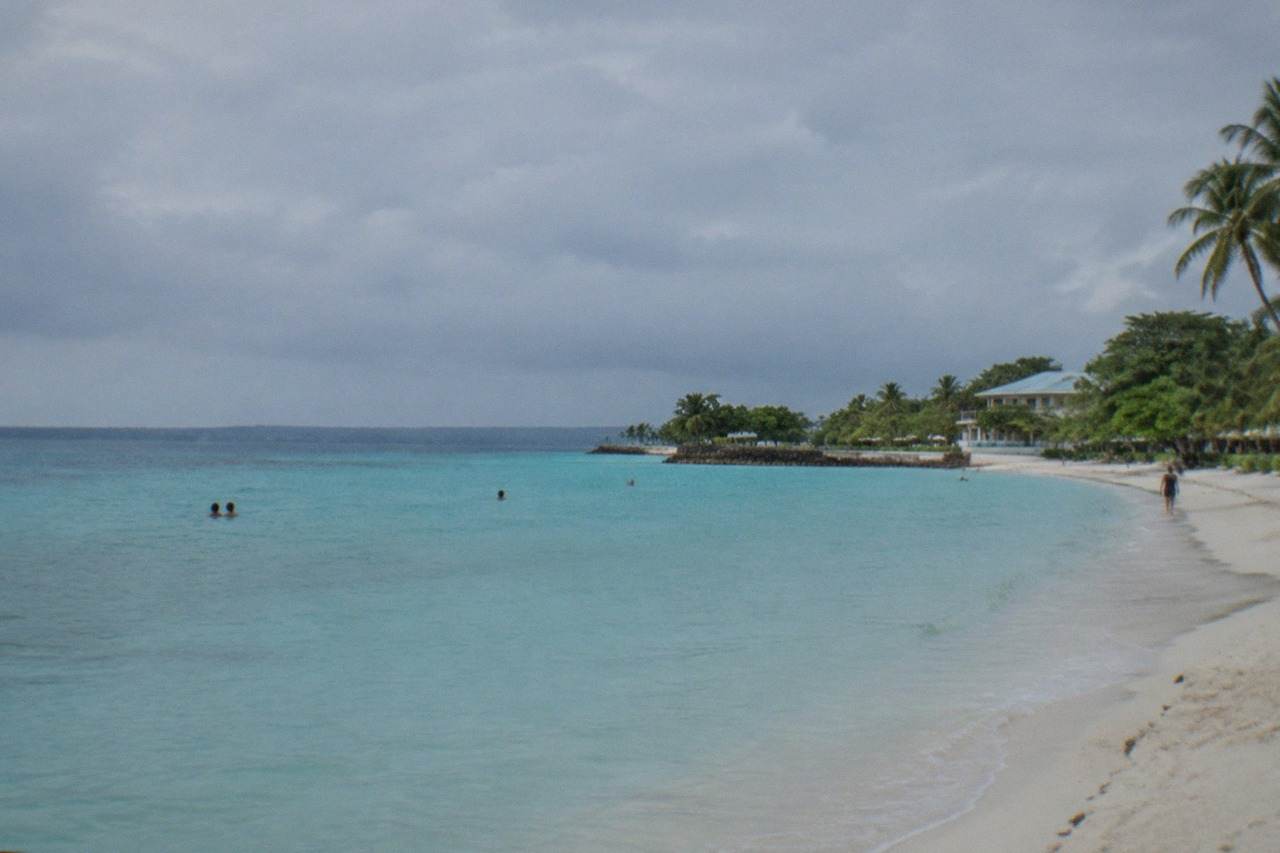
Mactan, the island in Lapu-Lapu City that holds Cebu's international airport and most of its resort coastline, has the busiest beaches in the Central Visayas. This guide covers which stretch to pick, what the fees are, and how the island-hopping day trips work.
Short answer
Foreign tourists pay a P100 (about US$1.6) environmental fee for island hopping, and sanctuary entrance fees run roughly P150 (about US$2.4) to P300 (about US$4.8) per island.
Mactan is the resort island half of Cebu's travel economy: Lapu-Lapu City, the highly urbanized city that administers it, holds Mactan-Cebu International Airport on one side and the densest strip of beach hotels in the Central Visayas region of the Philippines on the other. The beaches themselves are mostly narrow, resort-held stretches of pale sand and calm, shallow water, sheltered from the open sea. What makes the island worth basing on is not any single strip of sand but what sits just offshore: a ring of small islands and marine sanctuaries, Hilutungan, Nalusuan, Caohagan, Pandanon and Olango, all reachable on half-day and full-day boat trips. This guide from Cebu Travel Guide covers which part of the coast to pick, what the fees actually are, and how the island-hopping system works.
Which Coast Of Mactan Has The Best Beaches?
The best swimming beaches on Mactan face east and southeast, along the coast from Marigondon and Mactan Newtown down to Cordova, where the water stays shallow, calm and swimmable year-round, and where most of the resort beaches sit. The northwest coast facing the Mactan Channel toward Cebu City is built up with the airport, port facilities and urban barangays, and it is not a beach destination. Everything worth calling a beach on this island is on the side facing the Camotes Sea and the strait toward Olango.
In practice that means the decision is less "which beach" and more "which resort or which barangay." Most of Mactan's sand is privately held by hotels, and day visitors reach the water either through a resort day pass, through a public access point, or by simply getting on a boat. The Mactan area guide breaks the island down barangay by barangay, including the stretch around the mainland business districts and the resort belt.
The shallow, sheltered water is the honest selling point. Mactan is inside a strait, protected from Pacific swell, so the sea is genuinely swimmable even in the wet season, and the sand shelves gently, which families tend to appreciate. The trade-off is equally honest: the near-shore water over the years has carried the usual sediment and nutrient load of a densely built coast, which is exactly why the snorkeling happens on the offshore sanctuaries rather than off the hotel beach. For a wider comparison across the whole province, the Cebu beaches guide and the answer to which part of Cebu has the best beaches cover the mainland and the south.
How Much Do The Mactan Island-Hopping Fees Cost?
A foreign tourist island-hopping from Mactan pays a Lapu-Lapu City environmental fee of P100 (about US$1.6) per person, plus a separate sanctuary entrance fee at each island stop, which runs roughly P150 (about US$2.4) to P300 (about US$4.8) per person per island. Filipino tourists pay a reduced environmental fee of P20 (about US$0.30) under a July 2025 amendment to the city ordinance. Boat rental is negotiated separately with the operator, and tour packages usually bundle the fees into the headline price.
The fee structure changed recently and older guides carry stale numbers. In July 2025 the Lapu-Lapu City Council approved an amendment to City Ordinance No. 16-132-2023 cutting the environmental fee for local tourists from P100 (about US$1.6) to P20 (about US$0.3), while the P100 (about US$1.6) rate for foreign tourists stayed in place. The sanctuary fees at Hilutungan and Nalusuan are collected on top, at the islands themselves.
| Fee | Foreign tourist | Filipino tourist | Notes |
|---|---|---|---|
| Lapu-Lapu City environmental fee (island hopping) | P100 (about US$1.6) | P20 (about US$0.3) | City ordinance, local rate cut July 2025 |
| Hilutungan marine sanctuary entrance | about P150 (about US$2.4) to P200 (about US$3.2) | lower local rate applies | collected at the island |
| Nalusuan marine sanctuary entrance | about P100 (about US$1.6) to P300 (about US$4.8) | lower local rate applies | includes the small sandbar island |
| Olango Island Wildlife Sanctuary entrance | P100 (about US$1.6) | P30 (about US$0.5) | Ramsar site, bird sanctuary side trip |
One point worth knowing before you budget: the environmental fee applies to island hopping with accredited Lapu-Lapu boat operators, and the collection of some fees has historically been inconsistent. Carry cash in small notes, because the island kiosks do not take cards. If you would rather not handle the fee stack at all, a packaged day trip does it for you.
Which Islands Can You Boat To From Mactan?
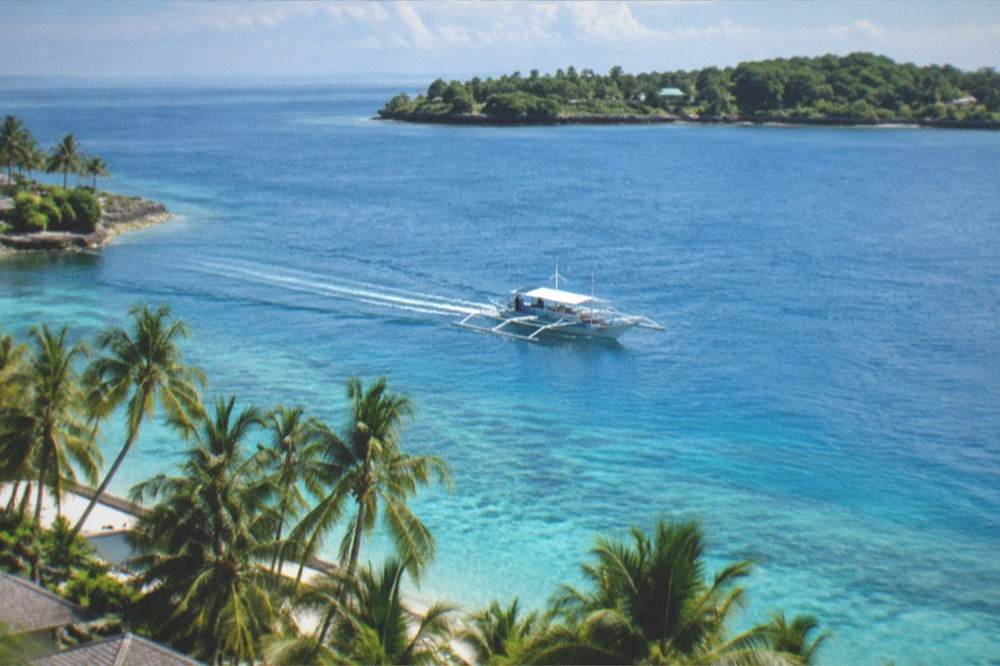
The standard Mactan island-hopping circuit covers Hilutungan, Nalusuan and Caohagan, three small islands with marine sanctuaries close to the resort coast, with Pandanon as a longer add-on toward Bohol and Olango as the bird-watching and snorkeling option. Most operators run a three-stop day with a grilled lunch on board or on a beach. The sanctuaries hold the clearest water within day-trip range of Cebu City, which is the entire point of the trip.
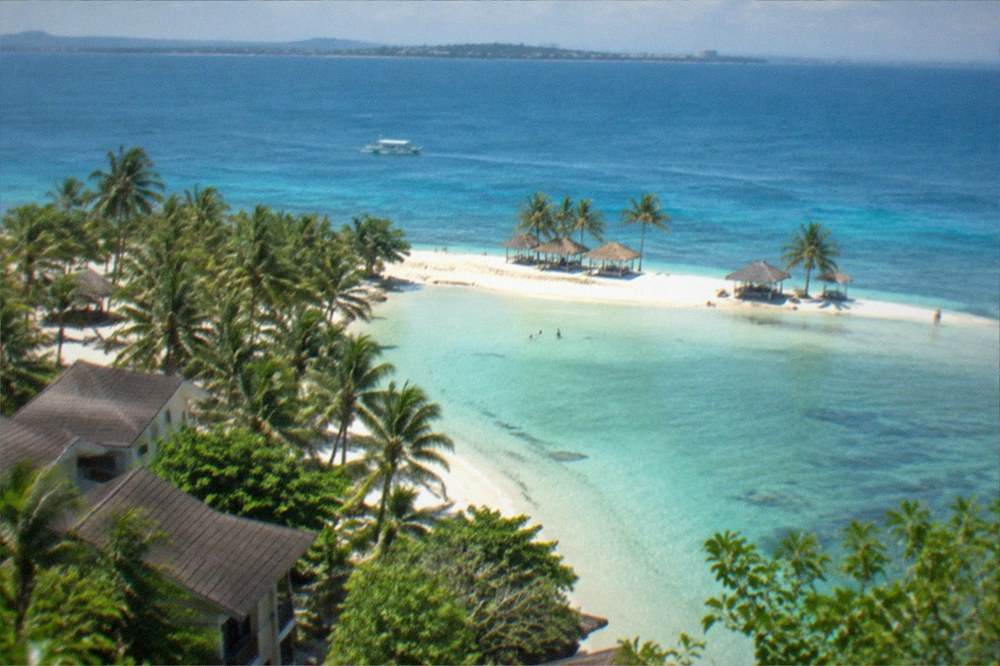
Hilutungan is the closest and the most snorkelled: a marine sanctuary where the reef sits in shallow water off a tiny island, and fish are concentrated inside the protected zone. Nalusuan is a smaller sandbar-and-pavilion island further out, with a sanctuary fee of its own and water that photographs the way the brochures promise. Caohagan is the inhabited one, a small fishing island with a modest entrance arrangement and a genuinely local feel. Pandanon, the furthest stop, is a white sandbar associated with Getafe in Bohol province but commonly sold from Mactan as a premium long run.
Olango is different in kind. It is not a beach island but a low mangrove and mudflat island whose wildlife sanctuary, designated a Ramsar site in 1994 and the first in the Philippines, hosts over 60 migratory shorebird species between September and March. A combined bird-watching and snorkeling day trip from Cebu is a real product on the roster, though the operator has not published a price, so the listing is the place to check.
For travelers with a full day to spend and a bigger budget, the Kalanggaman and Malapascua trip pushes far beyond the Mactan circuit: a long day with private transportation, reaching the famous sandbar of Kalanggaman Island off Leyte and Malapascua at Cebu's northern tip. It is a different league of commitment from the three-stop Mactan run, but it is the answer when the question is "best beach reachable from my Mactan hotel."
Should You Book A Mactan Island-Hopping Tour Or Charter A Boat?
A packaged tour suits many travelers: it bundles the boat, the sanctuary fees, the lunch and the hotel pickup into one price, and the reputable operators run on fixed schedules. A private charter suits groups of five or more, families with small children, and anyone who wants to control the timing, because the per-boat cost divides down quickly. The packaged options on this site start from published prices in the mid double digits per person, and the best-reviewed run higher.
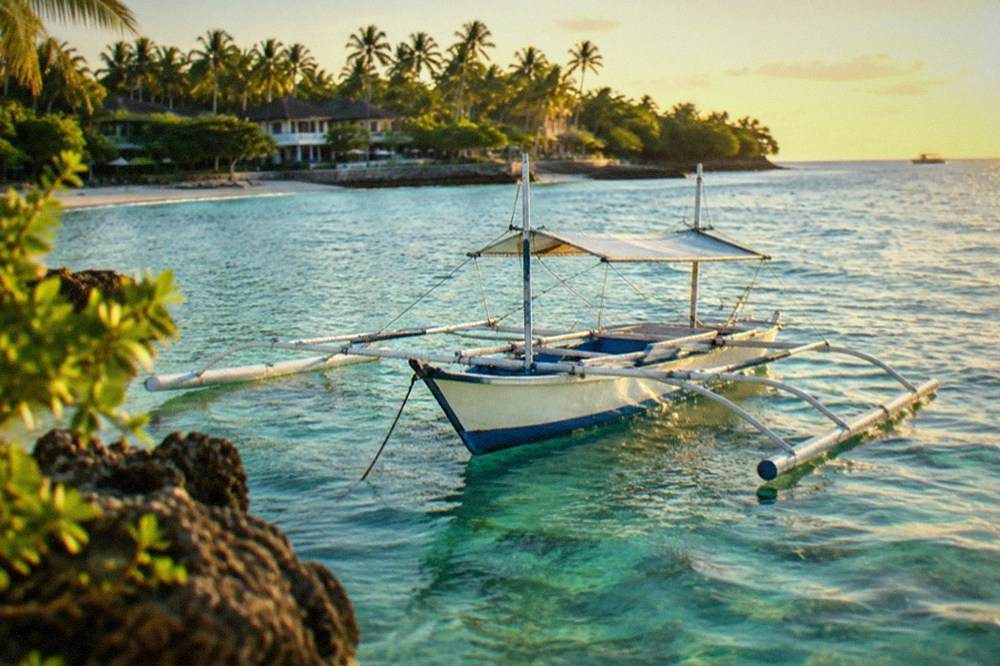
The honest comparison is about control versus convenience. A join-in tour leaves on schedule, visits the standard stops and gets you back by late afternoon. A chartered banca lets you leave earlier, when the water at Hilutungan is at its clearest and the sanctuary is not yet busy, and skip stops you have already seen. The getting around Cebu guide covers the negotiation side of charters and the transport to the departure points.
Two packaged products illustrate the range. The Mactan island-hopping trip with lunch, covering Gilutungan, Caohagan and Nalusuan, is listed per person. The Rakso Travel "Smile Hopping" day trip is the higher-rated of the two on its live listing; check current prices and ratings there rather than any figure quoted elsewhere. Neither figure includes everything you might spend on top, such as drinks or a second snorkel stop, but the core fees are in the package.
When Is The Best Time Of Year For Mactan's Beaches?
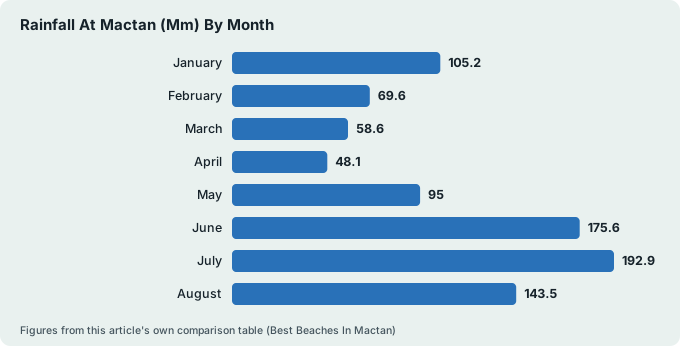
The best months for Mactan's beaches are December to May, PAGASA's dry season for the Philippines, when rainfall at the Mactan station bottoms out in March and April and the sea around the sanctuaries is at its clearest. June to November is the rainy season, with the wettest months at Mactan being October at 194.8 mm and July at 192.9 mm. The island itself stays swimmable year-round because the strait is sheltered, but boat trips to the offshore islands depend on sea conditions.
The climate table is worth reading closely, because Mactan is drier than most of the country. The PAGASA Mactan station normals for 1991-2020 show annual rainfall of 1,685.0 mm spread over 138 rain days, with a mean temperature of 28.1 C, and the monthly distribution is more even than a pure monsoon climate.
| Month | Rainfall at Mactan (mm) | Season |
|---|---|---|
| January | 105.2 | dry |
| February | 69.6 | dry |
| March | 58.6 | dry |
| April | 48.1 | dry, driest month |
| May | 95.0 | dry |
| June | 175.6 | rainy |
| July | 192.9 | rainy |
| August | 143.5 | rainy |
| September | 179.6 | rainy |
| October | 194.8 | rainy, wettest month |
| November | 161.9 | rainy |
| December | 139.7 | dry season begins |
Two seasonal notes matter for planning. First, typhoon season nationally runs June to November with peak activity roughly July to October, and while Cebu sits outside the main typhoon belt, November 2025's Typhoon Tino brought record flooding to the province. Second, the migratory bird season at Olango runs September to March, so the two best experiences on the island actually peak in opposite halves of the calendar. The best time to visit Cebu guide and the typhoon season explainer carry the full picture.
How Do You Get From The Airport To Mactan's Beaches?
Mactan-Cebu International Airport sits inside Lapu-Lapu City, so the resort coast is the closest beach strip to any airport in the Philippines: the facility is roughly 13 to 15 km from Cebu City across the channel, and the beach hotels are closer still, typically 20 to 40 minutes by road. MyBus, yellow airport taxis, white metered taxis and Grab all serve arrivals, with designated pickup zones at both terminals, so no booking is strictly necessary.
The airport's position is the single biggest reason travelers base on Mactan rather than Cebu City. Terminal 1 handles domestic flights and Terminal 2 international, and the whole facility has been operated since 16 January 2025 by Aboitiz InfraCapital Cebu Airport Corporation under a public-private partnership. A second runway opened in January 2025.
MyBus runs from the airport to SM City Cebu for P30 (about US$0.5) to P50 (about US$0.8) depending on distance, with the airport-to-SM direction running roughly 7 AM to 10 PM and a separate 24/7 Lapu-Lapu Public Market route. A yellow airport taxi flags down at about P70 (about US$1.1), a white metered city taxi at about P40 (about US$0.6) plus P14 (about US$0.2) per kilometre, and Grab operates with app-based dynamic pricing.
| Option | Cost | Notes |
|---|---|---|
| MyBus to SM City Cebu | P30 (about US$0.5) to P50 (about US$0.8) | airport to SM roughly 7 AM to 10 PM; separate 24/7 Lapu-Lapu market route |
| Yellow airport taxi | about P70 (about US$1.1) flag-down plus distance | airport-accredited, queue at arrivals |
| White metered taxi | about P40 (about US$0.6) flag-down, about P14 (about US$0.2) per km | city metered taxis |
| Grab | app-priced, dynamic | designated pickup zones at both terminals |
If you are staying on the beach coast itself, the trip from arrivals to hotel is short enough that a day-arrival flight can still put you on a boat the same afternoon. The Cebu airport guide covers the terminals, the bus routes and the pickup zones in detail, and the question of whether to stay in Cebu City or Mactan is worth settling before you book anything.
What Else Is There To Do On Mactan Besides The Beach?
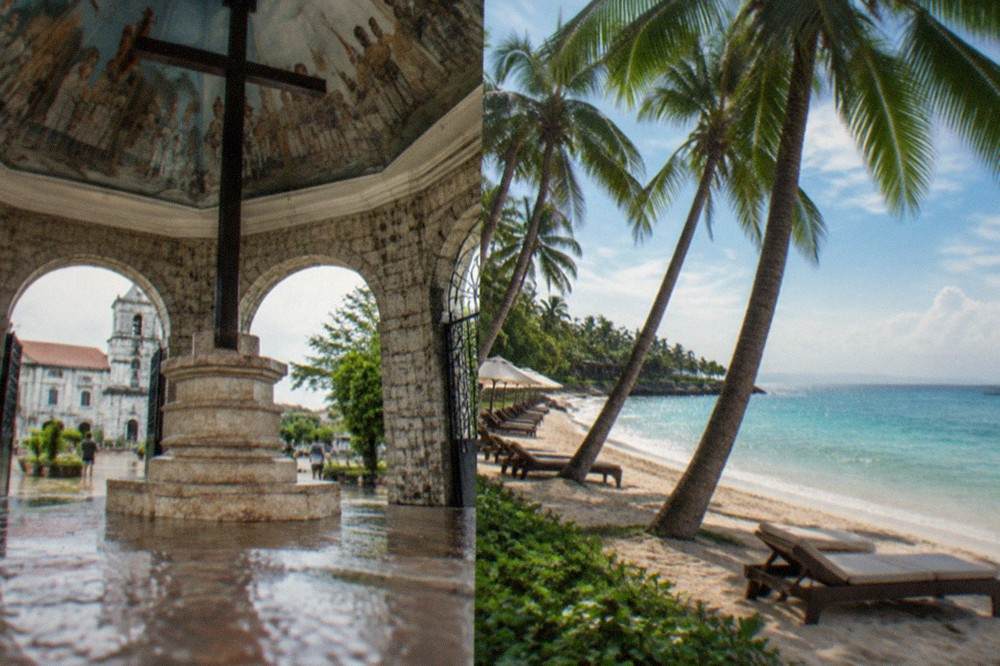
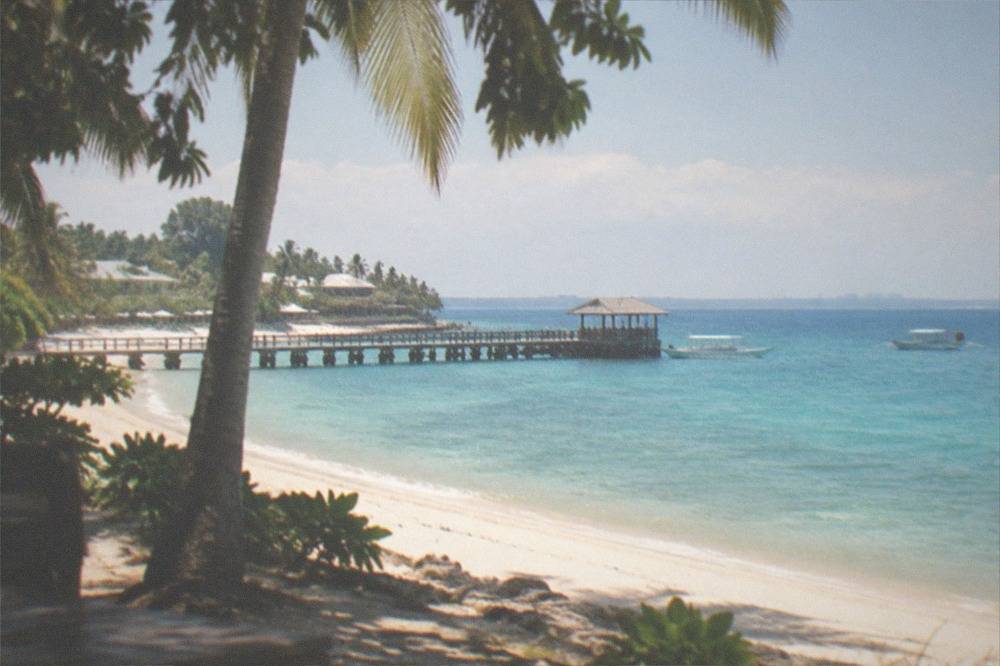
Mactan's non-beach attractions centre on the Lapu-Lapu Shrine and the battle history of 27 April 1521, when Lapu-Lapu's forces defeated Magellan's expedition on this island, plus waterparks, an ocean park, a theme park and a growing list of evening venues. The shrine at Mactan's northeastern tip marks the battle site and is free to visit. Family attractions cluster near the resort belt, and the island's malls and restaurants make it the most self-sufficient part of the Cebu tourist economy.
The historical anchor is real and worth an hour. The Lapu-Lapu Shrine commemorates the Battle of Mactan, the defeat that cost Magellan his life a few weeks after his fleet had planted a cross in Cebu City. It sits in a waterfront park in Lapu-Lapu City, and the bronze statue of the chieftain is the island's one unmissable photo stop between beach sessions.
The family list is long. Jpark Island Resort and Waterpark sells a day pass listed from $55.81 per person for waterpark access from 9 AM to 6 PM. A combined Anjo World theme park and Cebu Ocean Park day tour exists as a packaged product, though the operator has not published the price, so check the listing. On the evening side, the Nustar resort complex opened its glass Skydeck walkway attraction in February 2026, and the SM Seaside complex across the water in Cebu City opened a 25,000-seat arena in July 2026, which matters if your trip coincides with a concert.
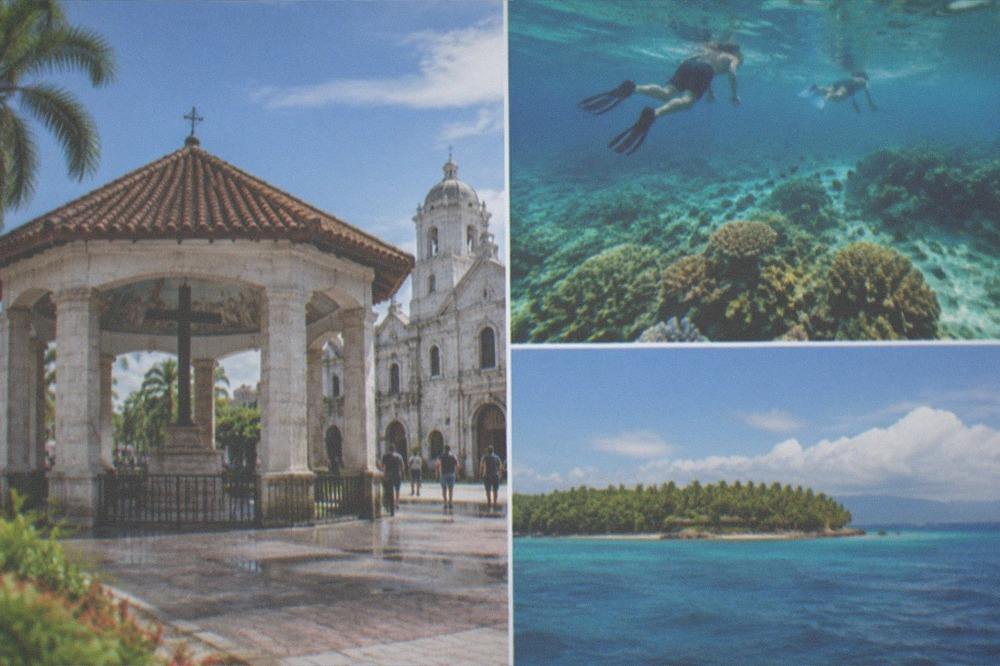
For a half-day off the island entirely, a Cebu City historical tour covers the Basilica del Santo Niño, Magellan's Cross and Fort San Pedro across the channel, and the city's pre-Hispanic and colonial core is close enough for a morning.
Where Should You Stay To Be Near The Best Beaches?
Stay on Mactan itself, in the resort belt along the east and southeast coast of Lapu-Lapu City, if beach access and airport convenience are the priority; stay in Cebu City if heritage sites, food and nightlife matter more than swimming. Mactan holds the province's densest concentration of beachfront resorts, from budget dives to five-star properties, and every island-hopping operator serves the coast with hotel pickup. The trade-off is that Mactan is resort-priced and the sand is mostly private.
The two bases split Cebu's visitors roughly in half, and the decision is well-trodden ground: the Mactan versus Cebu City stay comparison lays out the trade from the planning side. The short version: families, divers, honeymooners and short-stay transit travelers do better on Mactan; city travelers, festival visitors and food-first trips do better in Cebu City.
Within Mactan, the practical choice is between the big-resort belt, where the sand is private and the pools are large, and the barangays around Mactan Newtown and the northern coast, where smaller properties sit closer to restaurants and nightlife. Whichever you pick, book a property that advertises island-hopping pickup, because the boats leave from departure points scattered along the coast and the good operators collect guests directly.
| Traveler type | Best base | Why |
|---|---|---|
| Family with young children | Mactan resort belt | calm shallow water, pools, waterpark day pass |
| Snorkeler or diver | Mactan east coast | fastest access to Hilutungan and Nalusuan sanctuaries |
| Heritage and food traveler | Cebu City | Basilica, Colon Street, lechon restaurants |
| Short transit stop | Mactan near the airport | 20 to 40 minutes from arrivals to beach |
| Honeymoon couple | Mactan southeast resorts | private beaches, sunset side, spa resorts |
What Does A Perfect Mactan Beach Day Look Like?
A perfect Mactan beach day starts with an early boat departure around 7 to 8 AM to catch the clearest water at Hilutungan sanctuary, moves to Nalusuan or Caohagan around midday with a grilled lunch on board, returns to the resort coast by early afternoon, and finishes with the sunset from the east-facing shore and dinner in Mactan Newtown. The early start is the single highest-value decision of the day, because the sanctuaries get busy by late morning and the afternoon light flattens the water.
Timing matters more here than on most beach days, because the product is really the offshore water, not the sand. The sanctuaries are at their best before the day-trip fleet arrives, and the operators that leave at 7 AM sell the same stops with half the boats present. A sample schedule:
| Time | Activity |
|---|---|
| 6:30 AM | Breakfast at the hotel; operator pickup |
| 7:15 AM | Boat departs the coast |
| 8:00 AM | First snorkel stop, Hilutungan sanctuary |
| 10:30 AM | Second stop, Nalusuan or Caohagan |
| 12:00 PM | Grilled lunch on board or on the beach |
| 2:00 PM | Third stop or return cruise |
| 3:30 PM | Back at the resort; pool and rest |
| 5:30 PM | Sunset from the east-facing shore |
| 7:00 PM | Dinner in Mactan Newtown or the resort belt |
If you have more than one day, the standard pattern is one island-hopping day, one resort or waterpark day, and one day trip further afield, either south to Oslob and the whale sharks or north to Malapascua. Sequencing all of it across a longer trip is covered in the Cebu itinerary guide.
For the far-north option, the early-morning thresher shark dive out of Malapascua is the one product that demands a pre-dawn start of its own, because the threshers at Kimud Shoal come up in the first hours of daylight. The operator has not published a price, so the listing is the reference, and the dive is best treated as the anchor of a two-day northern trip rather than a day excursion from Mactan.
Is Mactan Or The South Of Cebu Better For Beaches?
Mactan is better for convenience, sheltered water and combined beach-plus-city trips, while the south of Cebu, Moalboal, Sumilon and Oslob, is better for the dramatic scenery: the sardine run at Panagsama, the white sandbar of Sumilon Island and the whale sharks of Oslob. Mactan's beaches are narrow and resort-held but sit close to the offshore sanctuaries; the south's are wilder, further apart and need a full day each. The two are not substitutes, and a trip of five days or more can cover both.
The south is where Cebu's postcard beaches actually live. Sumilon Island, the small island off Oslob, is a day-use destination with a Bluewater resort day pass, boat transfers included, and a famous shifting sandbar. Moalboal's Panagsama coast is not a sand beach at all but a sardine run a few metres from shore, with a P100 (about US$1.6) environmental user fee to swim or snorkel. Oslob pairs the whale sharks with Tumalog Falls, and the whale-shark interaction there carries its own LGU fee of P1,000 (about US$15.9) for foreign visitors.
Mactan's advantage is that none of that requires moving hotels. The island works as a base for the offshore sanctuaries on its own coast and as the departure logic for everything else: buses to the south leave from Cebu City's South Bus Terminal, and the ferries to Bohol leave from Pier 1 on the Cebu City side.
What Should You Know Before You Go?
Bring cash in small notes for the environmental and sanctuary fees, book island-hopping at least a day ahead in dry season, do not wear sunscreen in the water at the sanctuaries, and expect the near-shore water to be less clear than the offshore stops. The environmental fee for foreign tourists is P100 (about US$1.60) and the sanctuary fees add roughly P150 (about US$2.4) to P300 (about US$4.8) per island, none of it card-friendly. The best water is before 10 AM, and the best months are March and April.
A few practical points that first-time visitors consistently miss. Reef-safe practice matters at the sanctuaries, and the rules at the region's flagship marine interaction, Oslob, ban sunscreen outright in the water; the same logic applies at Hilutungan and Nalusuan even where enforcement is lighter. Water shoes help at Caohagan, where the shallows are rocky. And the boats are outrigger bancas with no shade beyond a canvas roof, so a dry bag, a hat and a rash guard earn their place in the day pack.
On money generally, the peso-and-dollar arithmetic on this page follows the single pinned conversion rate the site uses everywhere, so the figures do not drift between articles. On safety, the current advisory picture is straightforward: the standard national-level caution advisories apply to the Philippines, with nothing Cebu-specific, and the Department of Tourism confirmed the province open to tourists after both the September 2025 earthquake and the November 2025 typhoon.
Common Questions About Mactan Beaches
Are the beaches in Mactan nice?
Yes, in the specific way Mactan does beaches: calm, shallow, sheltered water over pale sand, mostly held by resorts on the east and southeast coast. The near-shore water is not the clearest in Cebu, which is why the snorkeling happens at the offshore sanctuaries. The full answer is on this page.
What is Mactan island known for?
Lapu-Lapu City's beach resorts, Mactan-Cebu International Airport, the offshore island-hopping circuit of Hilutungan, Nalusuan and Caohagan, and the Lapu-Lapu Shrine marking the 1521 battle where Magellan's expedition was defeated. See what Mactan is known for.
How far are the beaches from Cebu City?
The Mactan resort coast is about 13 to 15 km from central Cebu City across the Mactan Channel, typically 25 to 60 minutes by road depending on bridge traffic. The distances and routes are covered in how far Cebu's beaches are from the city.
Should I stay in Mactan or Cebu City?
Stay on Mactan for beach access, airport convenience and family resorts; stay in Cebu City for heritage sites, food and nightlife. The comparison is on this site's Mactan versus Cebu City stay guide.
Do you need to pay fees to swim at the Mactan islands?
Yes. Foreign tourists pay a P100 (about US$1.6) Lapu-Lapu City environmental fee for island hopping, plus sanctuary entrance fees of roughly P150 (about US$2.4) to P300 (about US$4.8) per island. Filipino tourists pay a reduced P20 (about US$0.3) environmental fee.
When is the water clearest around Mactan?
March and April, the driest months at the Mactan station with 48.1 mm and 58.6 mm of rain respectively, and before 10 AM on any given day before the day-trip fleet reaches the sanctuaries.
The short version of all of this: base on Mactan for the water, not the sand, book the boat before you arrive, and treat the island as the launch point for the clearest sanctuaries in day-trip range of Cebu City.