Is Mactan, Cebu Worth Visiting?
A straight answer to whether Mactan, the island in Cebu, Philippines that holds the airport and Lapu-Lapu City, deserves your time or just your transit.
Mactan is the island in Cebu, an island province in the Central Visayas region of the Philippines, where nearly every visitor's trip begins: Mactan-Cebu International Airport sits on its northern shore, across the channel from Cebu City. Visitors tend to treat the island as a corridor, a place to sleep near the airport before heading south to whale sharks or waterfalls. That is a reasonable read, but it is not the whole one. Lapu-Lapu City, the highly urbanized city that covers most of Mactan, counted 497,604 residents at the 2020 census, and the island carries a resort strip, a marine sanctuary circuit and the most consequential battle site in Philippine history. Whether it is worth visiting depends almost entirely on which of those things you came for.
Is Mactan, Cebu Worth Visiting?
Yes, Mactan is worth visiting for most travelers, but as a base and a beach stop rather than a destination with a long sight list. The island earns its keep with resort beaches, an island-hopping circuit through marine sanctuaries, the Lapu-Lapu Shrine at the site of the 1521 Battle of Mactan, and the practicality of staying minutes from the airport. Travelers chasing waterfalls, highlands and heritage streets will find those on mainland Cebu, not here.
The honest framing is that Mactan is a working island with a beach economy bolted on. Lapu-Lapu City is one of three highly urbanized cities in metro Cebu, administratively independent of Cebu Province, and its shoreline mixes gated resorts with fishing settlements, furniture workshops and the port infrastructure of a city of half a million people. That mix is exactly why opinions on the island split so sharply. A guest inside a resort in Maribago or Punta Engaño sees white sand and calm water; a commuter crossing the bridge sees traffic and warehouses. Both views are accurate.
What the island does not have is the colonial core that draws people to Cebu City, or the waterfalls and highland gardens of the mainland's west coast. If your mental image of Cebu is Magellan's Cross, Fort San Pedro or the Temple of Leah, none of those are on Mactan, and the bridges across the Mactan Channel take time at rush hour. The island's own attractions are water-weighted: beaches, snorkeling sanctuaries, dive sites and resort pools. For a fuller rundown of both sides of the channel, the things to do in Cebu overview sorts the options by area, and the Mactan area guide covers the island itself in depth.
What Makes Mactan Different From Cebu City?
Mactan and Cebu City are separated by two road bridges and about 13 to 15 km of road from the airport, a drive that takes roughly 25 to 60 minutes depending on traffic. Mactan is flat, coastal and resort-driven, built around beaches and boat access to nearby islands, while Cebu City carries the heritage sites, the business districts and the mountain gardens behind them. Choosing between them is a choice between water and streets.
The geography explains most of it. Cebu City faces Mactan across the channel and climbs into the hills of Busay behind it, which is where you find Tops Lookout, the Temple of Leah and Sirao's flower gardens. Mactan has no highlands at all; it is a low coral island whose eastern and southern shores face the Camotes Sea and the strait toward Olango. That flatness is a feature for swimmers, since the water off the resort coast stays shallow and calm for most of the year, and a limitation for anyone who wants scenery with elevation.
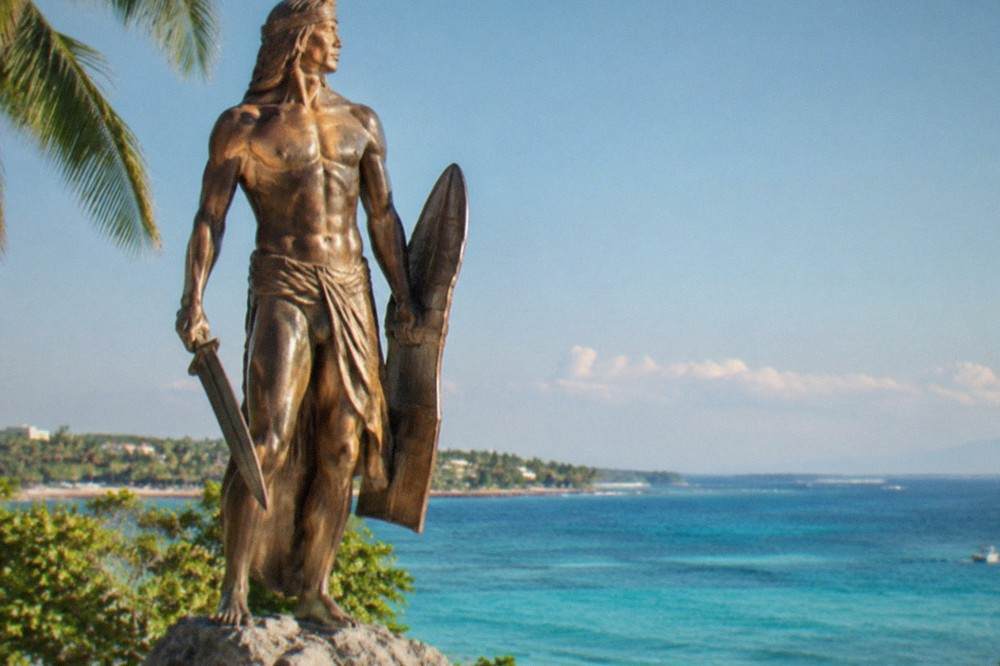
History also divides the two. The single most famous event in Philippine history happened on Mactan: on 27 April 1521, forces under Lapu-Lapu, the chief of Mactan, defeated and killed Ferdinand Magellan at the Battle of Mactan. The Lapu-Lapu Shrine marks the site today with a bronze statue that has become the island's one unmissable non-beach stop. Cebu City, by contrast, holds the Spanish-era story: Magellan's Cross, the Basilica Minore del Santo Niño and Fort San Pedro. A first-time visitor with two or three days usually does both, sleeping on whichever side matches their priority, and the Mactan versus Cebu City stay comparison works through that trade-off in detail.
There is also a practical argument for Mactan that has nothing to do with sightseeing. Because the airport is on the island, a night before an early flight or after a late arrival costs you no bridge crossing at all. The MyBus airport service runs from SM City Cebu through Parkmall to the airport and back, with fares of P30 (about US$0.5) to P50 (about US$0.8) depending on the segment, roughly 6:00 AM to 9:00 PM inbound and 7:00 AM to 10:00 PM outbound, plus a separate 24/7 route serving Lapu-Lapu Public Market. For an airport-area base, that is hard to beat.
Which Beaches And Islands Can You Reach From Mactan?
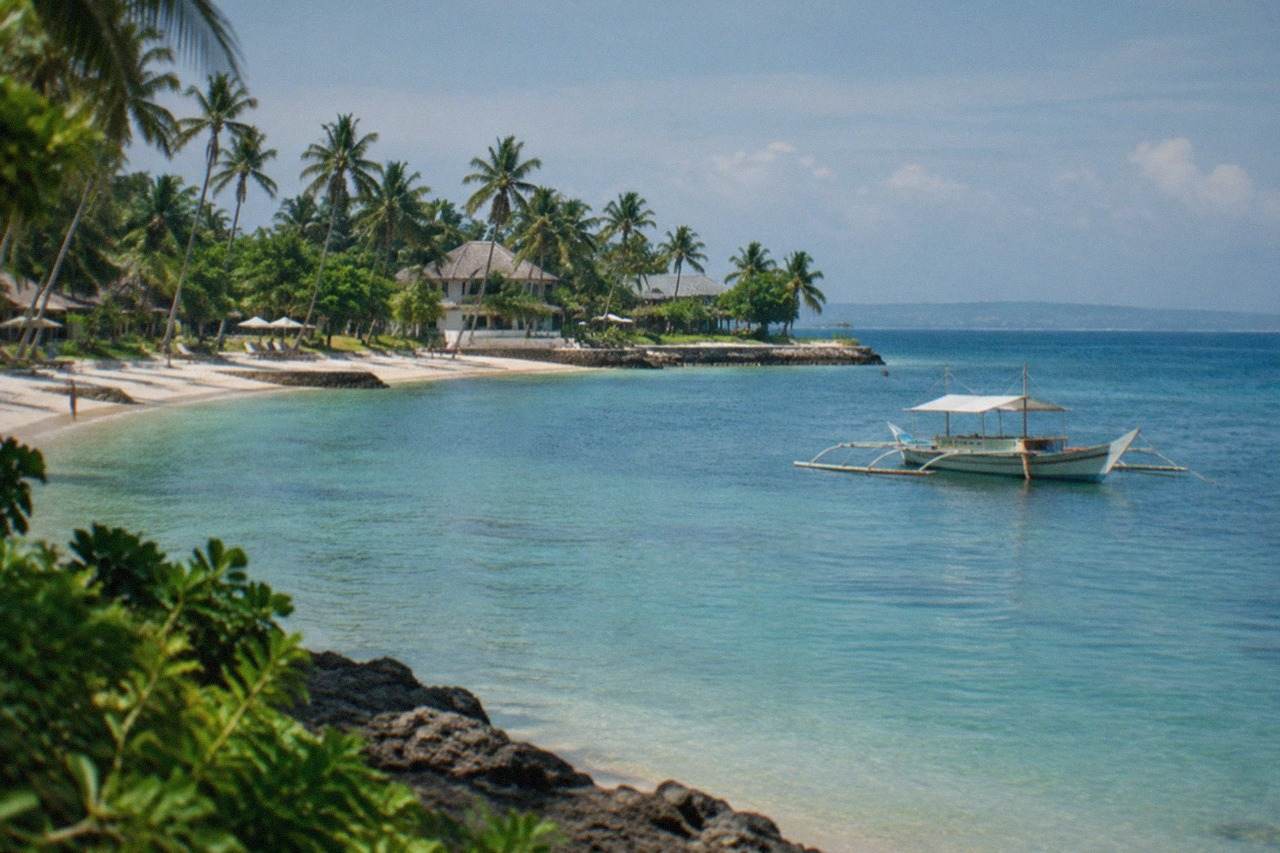
Mactan's own resort beaches are swimmable and convenient rather than spectacular, but the island is the launching point for the Hilutungan, Nalusuan and Caohagan marine sanctuaries, all reachable on half-day boat trips. Foreign tourists pay a higher island-hopping environmental fee than locals, following a July 2025 fee cut for local visitors, and each sanctuary island charges its own entrance fee on arrival. The clear water and coral are the real draw offshore.
The distinction matters because the postcard water around Mactan mostly belongs to the small islands offshore, not the mainland shore itself. The sanctuary circuit is the island's signature water product: snorkelers float over coral gardens at Hilutungan and Nalusuan, and tour boats stop at sandbars and stilt restaurants around Caohagan. A typical trip runs about six hours with lunch included, and boats leave from resort jetties along the northeast coast. The question does Mactan have nice beaches gets a longer treatment elsewhere on this site, but the short version is that the best swimming within reach of Mactan is on the islands, with the resort strips a comfortable second.
| Fee or cost | Amount | Notes |
|---|---|---|
| Island-hopping environmental fee, foreign tourist | P100 (about US$1.6) | Lapu-Lapu City fee, unchanged for foreigners |
| Island-hopping environmental fee, local tourist | P20 (about US$0.3) | Cut from P100 (about US$1.6) in a July 2025 ordinance amendment |
| Hilutungan sanctuary entrance | P150 (about US$2.4) to P200 (about US$3.2) | Paid on arrival at the island |
| Nalusuan sanctuary entrance | P100 (about US$1.6) to P300 (about US$4.8) | Varies by operator and activity |
| Olango Wildlife Sanctuary, foreigner | P100 (about US$1.6) | Filipino adults pay P30 (about US$0.5) |
Olango Island deserves its own line in that table because it is the quiet alternative to the sanctuary circuit. A short bangka ride from Mactan's east coast, the Olango Island Wildlife Sanctuary is a Ramsar wetland of international importance, designated on 1 July 1994 as the first Ramsar site in the Philippines, and its mudflats feed tens of thousands of migratory shorebirds between September and March. Birders and photographers rate it among the most underrated day trips in the metro; beach-only travelers rarely go. Either way, it is a genuine argument that Mactan is worth more than a transit night. More of these guides are collected on Cebu Travel Guide.
For families, the island's waterparks and aquarium fill the same role the sanctuaries fill for snorkelers. Resort day passes mean you do not need to be a hotel guest to use the pools and slides, which turns Mactan into a workable stop for travelers with children who need a recovery day between long trips. The Mactan and Cebu beaches guide compares the individual strips, from the resort north coast to the quieter public access points.
How Much Time Should You Spend On Mactan?
A visit of one full day and one night on Mactan usually suffices, or two nights if an early flight or late arrival forces an airport-side stay. One day covers the Lapu-Lapu Shrine, a half-day island-hopping trip and an evening at a resort pool or seafood restaurant. A second day only pays off for divers, families using waterparks, or birders heading to Olango in migration season.
The one-day version is genuinely satisfying. A morning boat trip to two sanctuaries, lunch on the water, the shrine in the late afternoon and grilled seafood on the Mactan Channel at sunset uses the island's assets in the right order, because the sanctuaries are best before the afternoon wind picks up and the shrine needs no more than an hour. Divers plan differently: Mactan's house reefs sit minutes from dive shops, which makes the island a convenient place to log easy warm-up dives before heading to Moalboal or Malapascua for the bigger sites.
The food angle is the one that surprises people. Mactan's restaurant scene runs to fresh seafood and resort dining, but the island's best-known food experiences are actually a bridge away in Cebu City, where the public markets and lechon counters carry the province's culinary reputation. A guided market walk solves the logistics of that: the Cebu Market & Food Tour runs through the city's stalls, and its operator's live listing carries the current price and schedule.
Timing your visit around the calendar matters less on Mactan than almost anywhere in the province, because its activities do not depend on whale shark migrations or waterfall flow. PAGASA's national rule puts the rainy season from June to November and the dry season from December to May, and the Mactan station's 1991-2020 normals show 1,685.0 mm of rain spread over 138 rain days a year, with a mean temperature of 28.1 C. In practice that means sanctuary trips run year-round and get rescheduled around individual storms rather than whole seasons, and typhoon risk in the Visayas peaks in the later months of the rainy window.
What Are Mactan's Downsides?
Mactan's weaknesses are crowding, traffic on the bridges, a working-city shoreline outside the resort gates, and beaches that underwhelm travelers who have seen Boracay or Palawan. None of these make the island not worth visiting, but they explain why it is best used as a base with a boat, a pool and a shrine rather than as a scenic destination in itself.
The shoreline point is the one that generates the harshest reviews. Lapu-Lapu City is a port and manufacturing city, and long stretches of its coast are working waterfront: piers, shipyards, fuel depots and dense housing. The resort strips are genuinely pleasant, but the sand is pale rather than powder-fine, and the water is calm rather than crystalline. Travelers who anchor their expectations to the offshore sanctuaries, where the visibility and coral are the real draw, leave happy. Travelers expecting a walk-out-of-the-hotel paradise beach are the ones who write the disappointed reviews, and the honest answer to where is the nicest beach in Cebu points elsewhere in the province.
Traffic is the second recurring complaint, and it is structural. Three crossings now link Mactan to the mainland: the two older bridges and the Cebu-Cordova Link Expressway, an 8.9 km toll road that opened on 30 April 2022. A fourth bridge between Paknaan in Mandaue and Ibo in Lapu-Lapu is still in pre-construction as of 2026, with relocation of roughly 205 families pending. Until any of that eases the crossings, a stay on Mactan paired with daytime sightseeing in Cebu City means budgeting real time for the channel, especially at peak hours.
The final honest note is that Mactan rewards a specific traveler profile: the stopover guest, the family with kids, the diver, the beach-comfort traveler who wants a pool and a boat within walking distance. If that is you, the island is not just worth visiting, it is the correct base for Cebu. If your list is waterfalls, highlands and heritage streets, sleep in Cebu City and give Mactan its one day.
Common Questions About Mactan, Cebu
Is Mactan, Cebu worth visiting?
Yes, for most travelers. Mactan works as a beach-and-boat base with the province's airport on its doorstep, marine sanctuary trips offshore, the Lapu-Lapu Shrine and family-friendly waterparks. It is not the place for waterfalls, highland views or colonial heritage, which sit across the channel in Cebu City and the mainland.
Is Mactan the same as Cebu City?
No. Mactan is a separate island covered mostly by Lapu-Lapu City, a highly urbanized city independent of Cebu Province, connected to Cebu City by bridges across the Mactan Channel. The drive from the airport to Cebu City covers about 13 to 15 km and takes roughly 25 to 60 minutes depending on traffic.
Can you swim at Mactan's beaches?
Yes. The resort strips along the northeast coast offer calm, shallow water year-round, and day passes let non-guests use many resort pools and beach facilities. The clearest snorkeling is on the offshore sanctuaries at Hilutungan, Nalusuan and Caohagan, reached on half-day boat trips.
What is Mactan famous for?
Three things: the Battle of Mactan on 27 April 1521, where Lapu-Lapu's forces defeated Magellan, marked today by the Lapu-Lapu Shrine; the dense resort strip serving Mactan-Cebu International Airport; and the island-hopping circuit through nearby marine sanctuaries.
How many days do you need on Mactan?
One day and one night cover the shrine, a sanctuary boat trip and a resort evening. Add a second night if you have an early flight, want a family waterpark day, plan to dive the house reefs, or want to visit Olango Island's bird sanctuary between September and March.
Is it better to stay in Mactan or Cebu City?
Stay on Mactan if your priorities are beaches, boats, airport proximity and resort pools. Stay in Cebu City for heritage sites, food markets, nightlife and easier access to the highland gardens and south-coach day trips. Many visitors split the difference with nights on both sides of the channel.