Olango Island Wildlife Sanctuary: Cebu's Birdwatching Island Guide
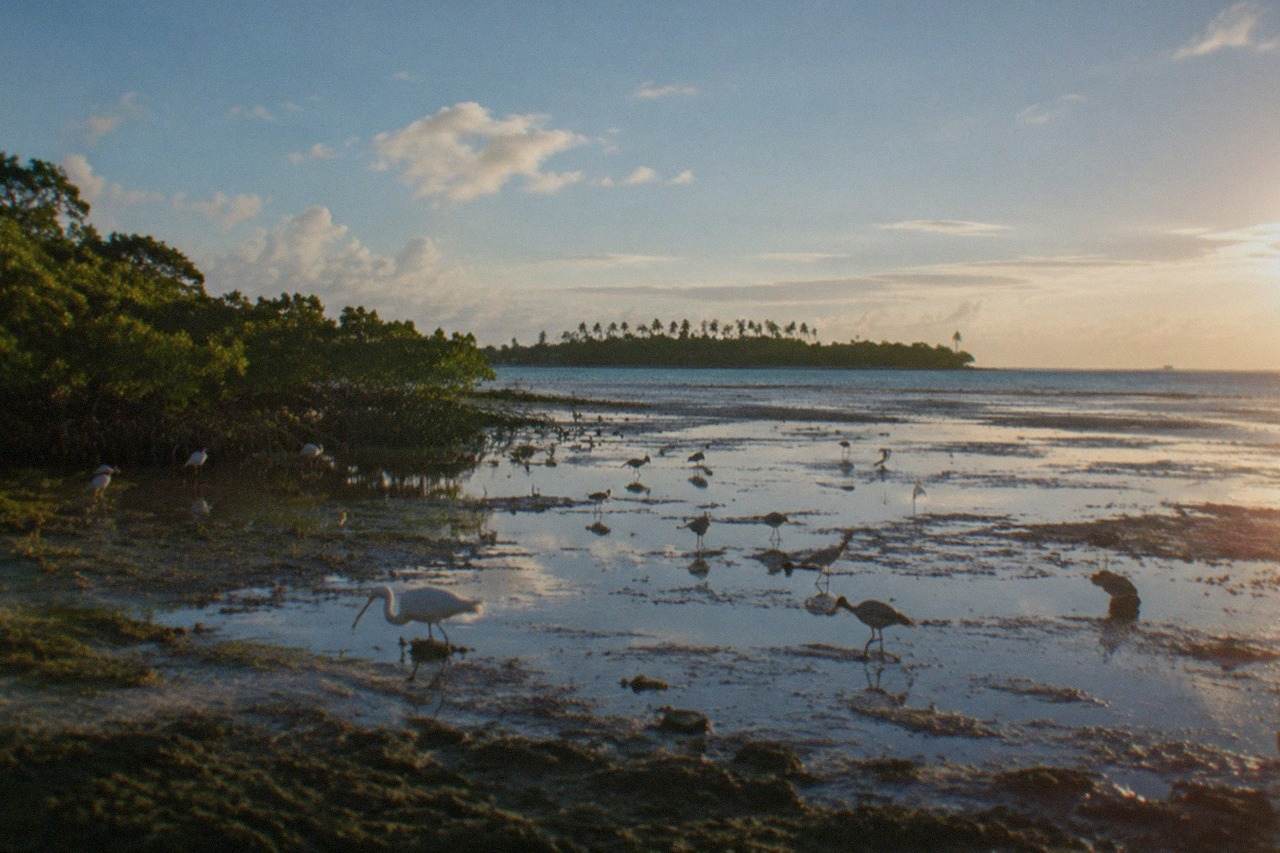
Olango Island Wildlife Sanctuary sits just off Mactan Island in Cebu, Philippines, and every year more than 60 migratory bird species stop on its tidal flats to rest and feed between September and March. It is the first Ramsar wetland site in the Philippines, and one of the easiest day trips from Cebu City for travelers who want wildlife rather than another beach.
Short answer
Olango Island Wildlife Sanctuary is a 5,800-hectare Ramsar wetland on Olango Island, between Mactan and the Camotes Sea in Cebu, Philippines. Entrance is about P100 (about US$1.6) for foreign visitors and P30 (about US$0.5) for Filipino adults, the bird season runs September to March, and the island is reached by a short bangka ferry from Mactan.
Olango Island Wildlife Sanctuary is a 5,800-hectare protected wetland on Olango Island, which sits in the Camotes Sea between Mactan Island and the island of Bohol, in Cebu Province, Central Visayas, Philippines. The sanctuary holds Ramsar site number 656, designated on 1 July 1994, and it was the first wetland in the Philippines to be listed under the Ramsar Convention. Its importance is seasonal and spectacular: every year, shorebirds flying from as far away as Siberia and northern China stop on Olango's tidal flats to rest and feed, with over 60 migratory species recorded and the main resting and feeding window running from September to March, according to the Ramsar listing and reporting from the DENR.
For travelers based in Cebu City or in the resorts of Mactan, Olango is one of the shortest genuinely wild excursions available. The ferry crossing from Mactan takes only minutes, yet the island feels a world away from the shopping malls and dive shops of Lapu-Lapu City. This guide covers what the sanctuary is, which birds arrive and when, what it costs, how to get there, and how to plan a day around the tides, all in one place on Cebu Travel Guide.
What Is The Olango Island Wildlife Sanctuary In Cebu?
The Olango Island Wildlife Sanctuary is a 5,800-hectare protected wetland covering the southern half of Olango Island, administratively part of Lapu-Lapu City, Cebu, Philippines. It was designated Ramsar site number 656 on 1 July 1994, the first Ramsar wetland in the Philippines, because its intertidal flats provide critical resting and feeding habitat for migratory shorebirds travelling the East Asian-Australasian Flyway.
The Ramsar Convention is an international treaty for the conservation of wetlands, and inclusion on its list is not handed out lightly. The Ramsar Sites Information Service records Olango at 5,800 hectares of intertidal flats, shallow marine water and mangrove, and the designation date of 1 July 1994 makes it the Philippines' first entry on the list, a fact worth remembering when other Cebu attractions claim superlatives. The sanctuary is managed as a wildlife sanctuary under the Philippine government's protected area system.
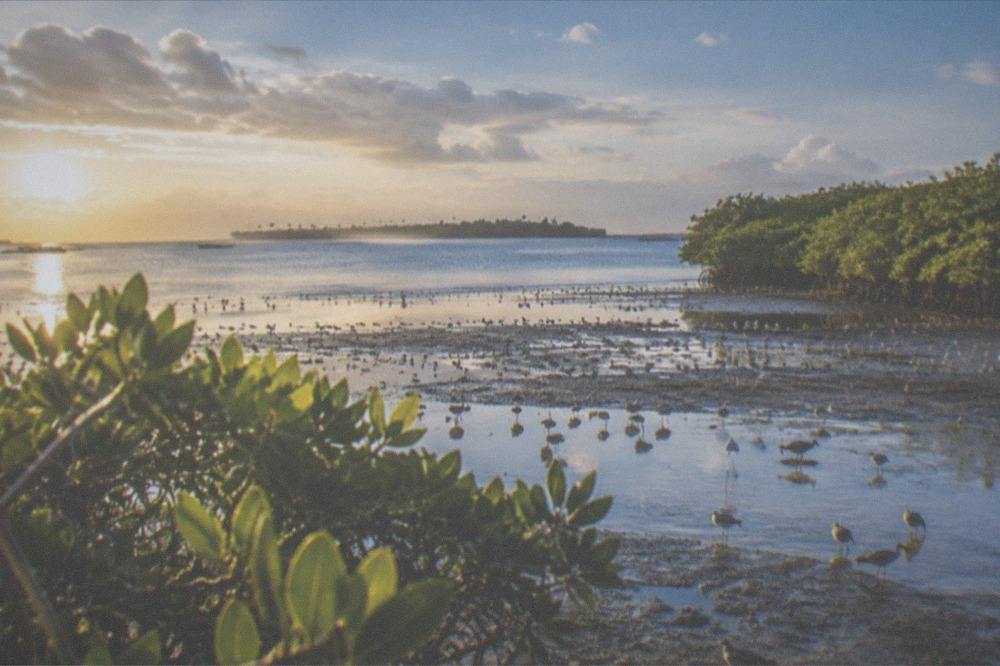
What makes the habitat work is the tide. When the water retreats from the flats around Olango and its smaller satellite islets, it exposes mud and sand teeming with crabs, worms and shellfish, exactly the food that long-distance migrating shorebirds need after flights of thousands of kilometres. The birds arrive exhausted from the north, feed through the northern winter months, and use Olango as either a wintering ground or a refuelling stop before continuing south to Australia and New Zealand.
The sanctuary sits within Metro Cebu, which is the part that surprises visitors. Lapu-Lapu City, one of the three highly urbanized cities of Metro Cebu, administers Olango, and the island lies just across a narrow channel from Mactan's airport and resort strip. A trip here can be squeezed into a morning, or combined with other stops into a full day, which is why it pairs naturally with the itineraries on our Cebu itinerary guide.
Which Birds Can You See At Olango Island Wildlife Sanctuary, And When?
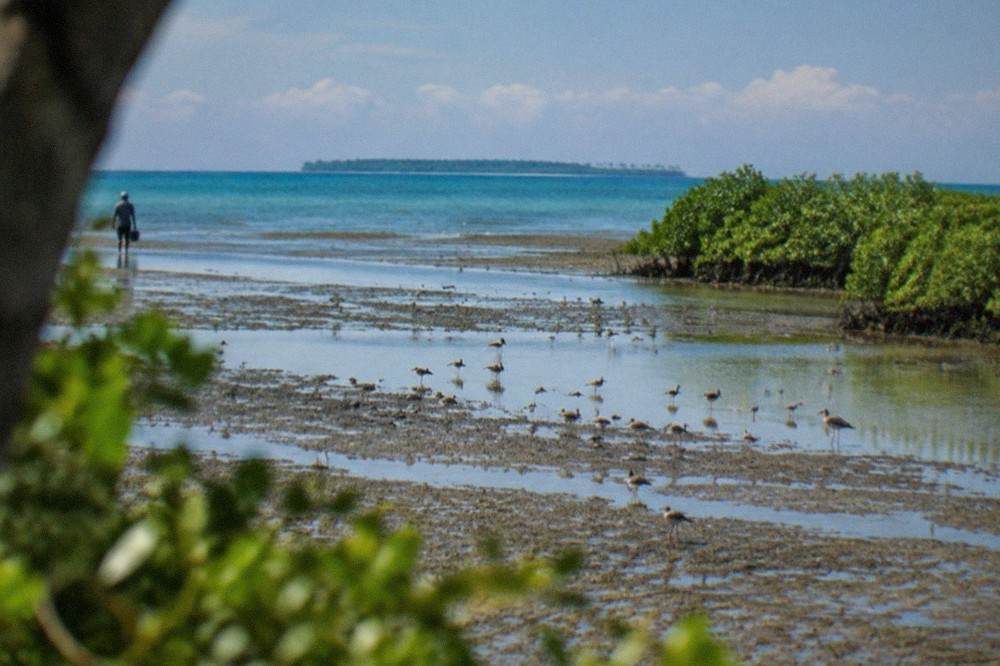
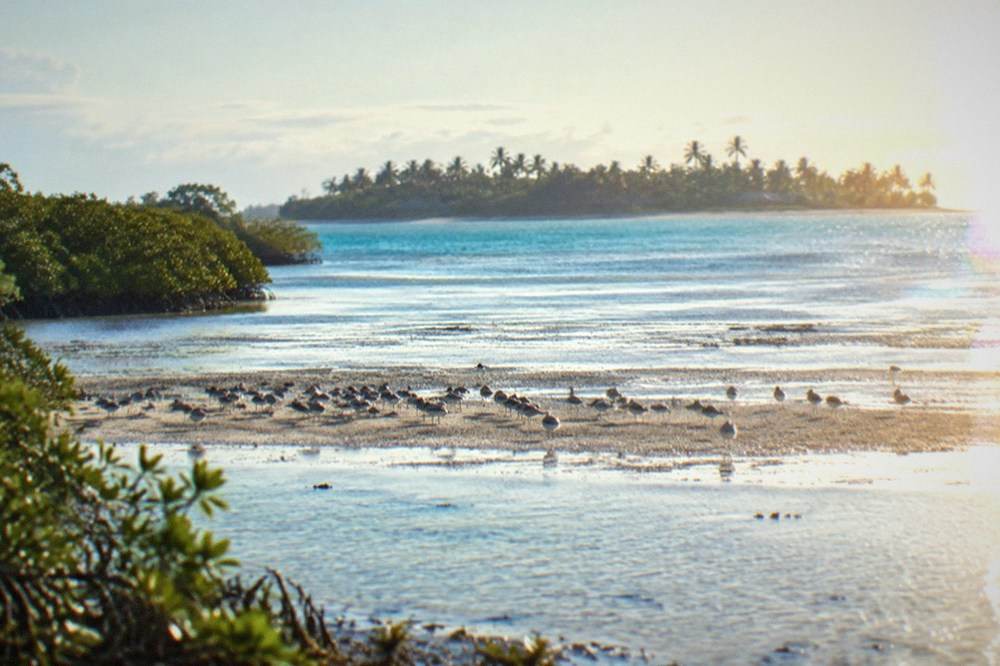
Over 60 migratory bird species rest and feed at Olango between September and March, with the peak months from October to March, and the best viewing happens within two hours of low tide when the flats are exposed. Olango's birds are shorebirds and waders on the East Asian-Australasian Flyway, species that breed in Siberia, northern China and Alaska and winter in the Philippines or points further south.
The DENR's own materials for the sanctuary describe shorebirds resting and feeding from September to March, and reporting on the sanctuary confirms more than 60 migratory species recorded across the years. The birds are not spread evenly through that window. Early arrivals appear in September as the northern summer ends, numbers build through October, and the concentration stays high until the return migration begins in March.
Timing within the day matters as much as the season. The birds feed on the exposed flats at low tide, so a visit timed to the hours around low water will show far more birds than one at high tide, when the flats flood and the flocks move to roost. Checking a tide table for the Camotes Sea before you go is the single most useful piece of planning for this trip, more important than the time of sunrise.
The table below summarizes the year as the birds experience it:
| Period | What Happens at Olango | Visitor Notes |
|---|---|---|
| September | First migrants arrive from the north | Early season, fewer birds than peak |
| October to March | Peak resting and feeding window | Best months for species count |
| October to December | Numbers build toward mid-season | Comfortable weather, dry season starts |
| January to March | Full wintering flocks present | Peak crowds during Sinulog week in Cebu City |
| April to August | Most migrants have departed | Resident birds only, quietest months |
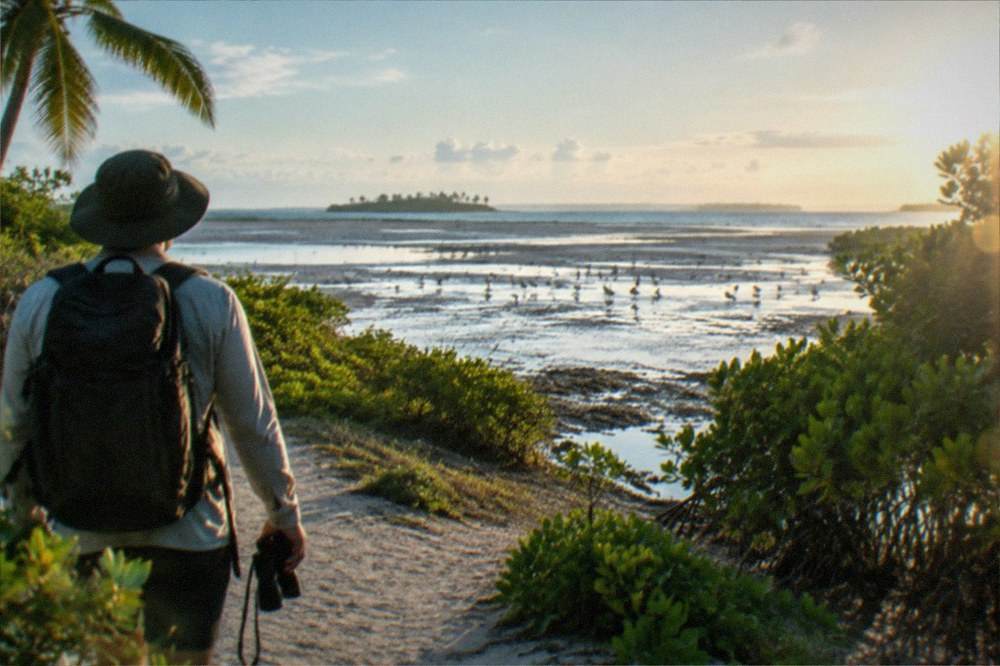
Binoculars or a spotting scope transform a visit. The birds feed at distance on open flats, and the sanctuary's vegetation is low, so there is no cover for approaching closely. A camera with a long lens helps, and note that the sanctuary lists a professional camera fee of about P500 (about US$8.0) for commercial-grade photography equipment, while ordinary cameras and phones need no permit.
If you would rather leave the tide-reading and ferry-hopping to someone else, there is a combined day trip that covers the bird sanctuary and snorkeling in a single booking:
The same operator's listing carries its current price and schedule, so the live listing is the place to confirm both before committing a day.
How Much Does Olango Island Wildlife Sanctuary Cost To Visit?
Entrance to Olango Island Wildlife Sanctuary is charged at a small municipal rate, set highest for foreign visitors, lower for Filipino adults and lower still for students, and the ferry from Mactan costs only a modest fare each way following an April 2026 increase. Most independent foreign visitors spend only a few hundred pesos in total for the round trip, including ferry and entrance, before food, which makes this one of the cheapest full wildlife experiences in Cebu.
The entrance figures come from a December 2025 fee listing for the sanctuary, and they are worth confirming on arrival because municipal fees across Cebu change more often than guidebooks do. The entrance is about P100 (about US$1.6) per foreign visitor, P30 (about US$0.5) per Filipino adult and P15 (about US$0.2) per student. The ferry fare is the more volatile number: the crossing to Olango rose to about P60 (about US$1.0) in April 2026 amid rising fuel costs, a change reported by Cebu news outlets at the time.
| Item | Fee | Notes |
|---|---|---|
| Entrance, foreign adult | P100 (about US$1.6) | Per person, per visit |
| Entrance, Filipino adult | P30 (about US$0.5) | Per person, per visit |
| Entrance, student | P15 (about US$0.2) | With valid ID |
| Professional camera fee | P500 (about US$8.0) | Commercial photography equipment |
| Ferry from Mactan, each way | P60 (about US$1.0) | April 2026 fare after fuel increase |
| Lapu-Lapu island-hopping environmental fee, foreigner | P100 (about US$1.6) | If combining with island hopping |
| Lapu-Lapu island-hopping environmental fee, local | P20 (about US$0.3) | Reduced from P100 (about US$1.6) in July 2025 |
Two of those rows deserve explanation. The Lapu-Lapu City environmental fee applies to island-hopping trips in the city's waters, and in July 2025 the city council cut the local-tourist rate from P100 (about US$1.6) to P20 (about US$0.3) while leaving the foreign rate at P100 (about US$1.6), so if your Olango day includes sanctuary stops or snorkeling around nearby islets, that fee may be collected alongside the sanctuary entrance. And if you book a guided trip instead of going independently, the fee structure is folded into the tour price, which the operator's live listing shows.
How Do You Get To Olango Island From Cebu City Or Mactan?
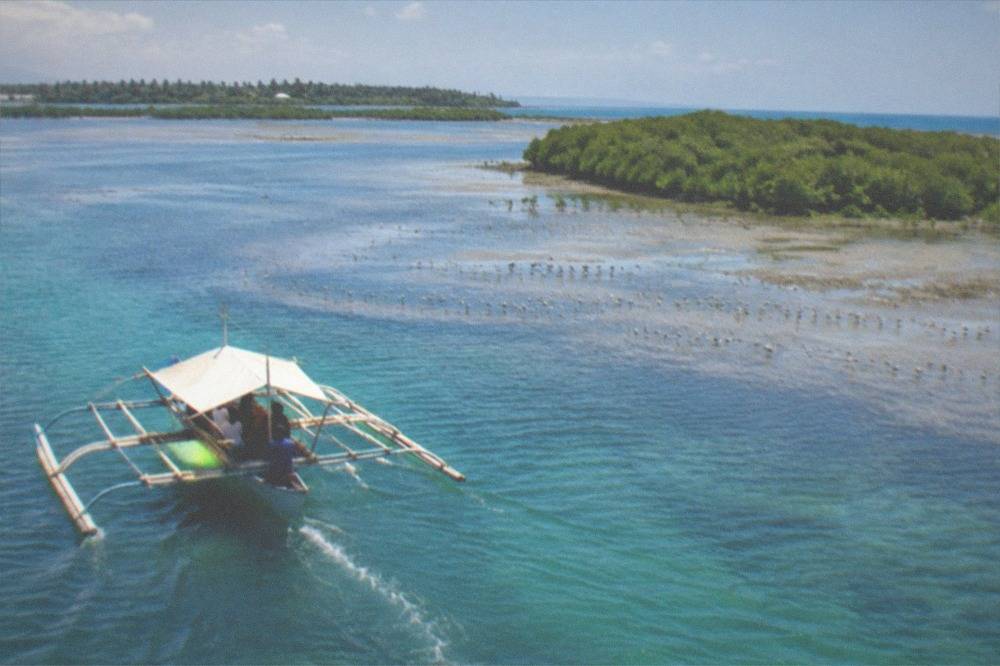
The standard route is a jeepney or taxi to the Olango-bound ferry terminals on Mactan Island in Lapu-Lapu City, then a short bangka crossing of roughly 15 to 30 minutes to Santa Rosa or other Olango piers, then a habal-habal motorbike or tricycle ride to the sanctuary on the island's south side. Total travel time from Cebu City is about 1.5 to 2 hours each way, allowing half a day minimum for the visit itself.
The crossing itself is short, and the channel between Mactan and Olango is narrow enough that the island is visible from Mactan's east coast. Ferries are outrigger bangkas, the standard Philippine island boat, and they run frequently through daylight hours, though schedules flex with weather and demand. The April 2026 fare increase put the crossing at about P60 (about US$1.0) per person each way.
On Olango, the sanctuary occupies the southern portion of the island, so the onward ride from the pier is a real leg of the journey, typically by habal-habal, the motorbike taxis common across the Philippine provinces, or by tricycle. Agree the fare before mounting, and note that the roads are rough in places, which is part of the island's charm and also a reason to leave the white shoes at the hotel.
| Leg | Transport | Rough Time | Notes |
|---|---|---|---|
| Cebu City to Mactan pier area | Taxi, Grab or jeepney | 30 to 60 minutes | Traffic on the bridges varies sharply by hour |
| Mactan pier to Olango | Bangka ferry | 15 to 30 minutes | About P60 (about US$1.0) each way from April 2026 |
| Olango pier to sanctuary | Habal-habal or tricycle | 20 to 30 minutes | Agree fare before riding |
| Sanctuary to bird flats | On foot | 10 to 20 minutes | Boardwalk and trail from the visitor area |
The practical alternative is a guided day trip, which is what many travelers with limited time end up choosing. The combined bird-watching and snorkeling excursion handles the transfers and the tide timing in one package:
For travelers who prefer to keep their planning under one roof, the trio above also includes two of Cebu's other standout nature days, and each listing shows its own current price and availability.
What Else Can You Do On Olango Island Besides Bird Watching?
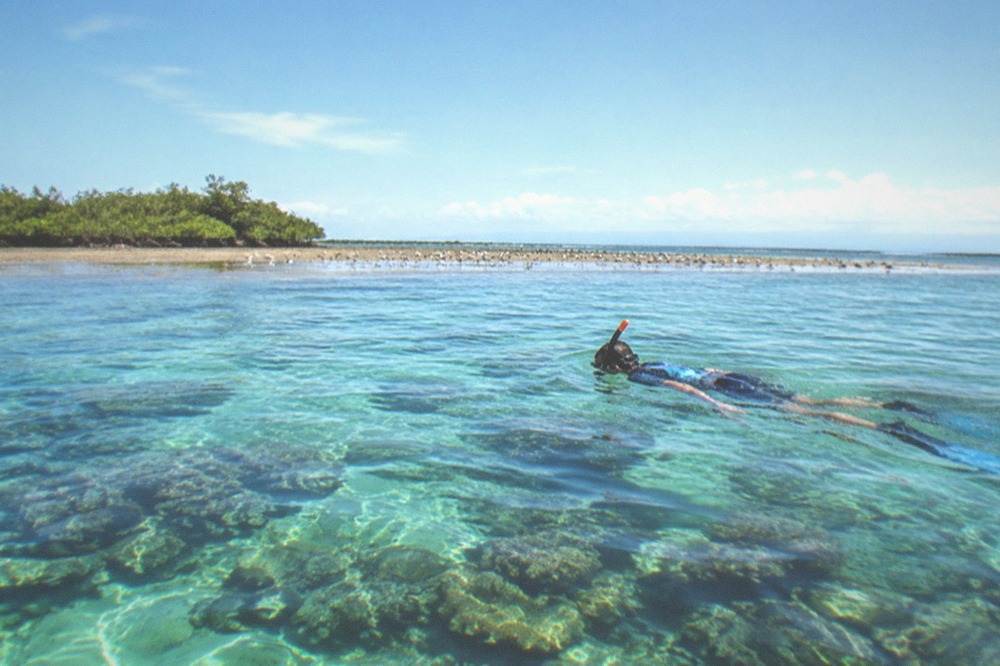
Olango is best known for birds, but the island and its satellite islets also offer snorkeling over coral and seagrass, beach time on the sandbars at low tide, and a look at a genuinely rural fishing community within sight of Cebu's skyline. The marine side of the island shares water with the Hilutungan and Nalusuan reef areas, and any snorkeling stop there adds its own marine user fee on top of the Lapu-Lapu environmental fee.
The snorkeling is the most common pairing. The channel around Olango and its neighbouring islets is part of the same marine corridor that makes Mactan island hopping popular, and the combined day trips reflect that: bird flats in the morning when the tide suits, snorkeling over the reef when it does not. Our Mactan area guide covers the wider island-hopping scene from the same departure piers.
Olango's villages are the quieter reward. The island has no malls, no resort towers and, for now, only a scattering of homestays, so a bicycle or habal-habal circuit passes through coconut groves, fish ponds and small churches at a pace that mainland Metro Cebu lost decades ago. Bring cash, because card payment is effectively nonexistent on the island.
If a wildlife day in Cebu appeals, the same instinct leads some travelers to combine Olango with the sardine run at Moalboal, where a permanent school of sardines stays a few metres from Panagsama Beach year round, best between 7 and 9 AM according to the Moalboal municipal government. Our Moalboal sardine run guide covers that experience in detail, and the Pescador Island dives nearby are covered separately on our Pescador Island page.
When Is The Best Time To Visit Olango Island Wildlife Sanctuary?
The best time to visit Olango Island Wildlife Sanctuary is October to March, when the migratory shorebirds are present in greatest numbers, timed to the two hours around low tide, and within Cebu's dry season of December to May. The birds arrive from September and stay into March, so the overlap of peak birds and dry weather is December to March.
Cebu's climate is tropical, and PAGASA's national rule puts the rainy season from June to November and the dry season from December to May. The Mactan station's 1991-2020 normals record 1,685.0 mm of annual rain across 138 rain days, with the wettest months falling inside the rainy season and the driest in spring. October sits inside the rainy season, so a visit in the early part of the bird season carries some shower risk, while January to March pairs the full wintering flocks with the driest stretch of the year.
| Month | Bird Season | Cebu Weather | Overall Verdict |
|---|---|---|---|
| September | Arrivals begin | Late rainy season | Fair, fewer birds |
| October | Numbers building | Rainy season | Good birds, some rain risk |
| November | Strong season | End of rainy season | Good, typhoon tail risk |
| December | Peak season | Dry season begins | Very good |
| January | Peak season | Dry, Sinulog crowds in Cebu City | Excellent, book around festival dates |
| February | Peak season | Dry season | Excellent |
| March | Last of the flocks | Dry season | Very good, birds departing late month |
| April to August | Mostly resident birds | Dry to wet | Only for snorkeling or quiet escapes |
One scheduling note for January: Sinulog, Cebu's grand festival, falls on the third Sunday of the month, and in 2027 the Grand Parade is set for 17 January at the Cebu City Sports Center. Hotels fill and roads jam around that week, so either plan Olango as a festival-week escape from the city or avoid the dates entirely.
What Should You Bring For A Day Trip To Olango Island?
A day trip to Olango needs sun protection, plenty of drinking water, cash in small peso notes, binoculars or a long camera lens, reef-safe sunscreen for any snorkeling, and shoes you do not mind walking wet sand and rough tracks in. There are no ATMs to rely on on the island, and the sanctuary's flats offer no shade, so water and a hat matter more than almost anything else you could pack.
The cash point deserves emphasis. Entrance fees, ferry fares and habal-habal rides are all cash transactions, and the amounts are small, so a pocket of 20s and 50s saves everyone the awkwardness of breaking a large note at a pier. The island's shops are limited to sari-sari stores, the small neighborhood counters that sell snacks and drinks, so do not count on a proper lunch unless your trip includes one or you bring food.
| Item | Why It Matters at Olango |
|---|---|
| Binoculars or scope | Birds feed far out on the open flats |
| Long camera lens | Same reason; a phone lens will show dots |
| Cash in small notes | Fees, ferry and habal-habal are all cash |
| Two litres of water per person | No shade on the flats, limited stores |
| Hat and covered shoulders | Sun exposure is intense by mid-morning |
| Reef-safe sunscreen | Regular sunscreen is banned in Oslob's whale-shark area and poor practice on any reef |
| Dry bag | Bangka crossings can be splashy |
| Rubber sandals or old trainers | Wet sand, mudflats and rough island roads |
The sun detail is not optional. Olango sits at tropical latitude, and the flats reflect light and heat from all directions, so the two hours around low tide can be brutal without cover. Morning visits are cooler and give better light for photography, with the sun behind you as you face the flats.
Is Olango Island Worth Visiting Compared With Cebu's Other Islands?
Olango is worth visiting if you want wildlife and quiet within an hour of Cebu City, and it is the only island near Mactan where the main attraction is birds rather than beaches or diving. It is not worth it for travelers seeking resort comfort, nightlife or guaranteed big experiences, because the sanctuary is low-key, facilities are basic, and the payoff depends on the season and the tide.
The honest comparison is with Cebu's better-known island days. Bantayan in the far north has long white beaches and a slow island rhythm, covered in our Bantayan Island guide and our Bantayan day trip itinerary, but it is hours away by road and ferry. Malapascua, home of the thresher shark dives at Kimud Shoal, is a dive destination first and foremost, as our Malapascua Island page explains. Olango is the only one of the three you can do on impulse from a Mactan resort.
For a full-day island-hopping alternative that trades birds for sandbars and long crossings, there is also this option, a private-transport trip that pairs two of the Visayas' most photogenic islands in one long day:
Travelers who prefer water and adrenaline over birds and tide tables often head the other direction, to the waterfalls and canyoneering country of south Cebu, where a full-day tour covers the jumps, swims and canyon descents of Kawasan Falls:
The price of both of those experiences is on each operator's live listing, so check there before planning a budget around either one. And if the wildlife-plus-snorkeling combination still sounds like the best fit for your Cebu days, here are the three standout nature trips in the province side by side:

The infogain summary below collects the current facts that matter most for planning:
Common Questions About Olango Island Wildlife Sanctuary
Where is the Olango Island Wildlife Sanctuary?
It is on Olango Island, a small island in the Camotes Sea between Mactan Island and Bohol, administratively part of Lapu-Lapu City in Metro Cebu, Philippines. The sanctuary covers about 5,800 hectares of tidal flats and shallow marine water on the island's southern side.
How do I get to Olango Island from Cebu City?
Travel to the Olango-bound ferry piers on Mactan Island in Lapu-Lapu City by taxi, ride-hailing app or jeepney, then take a bangka ferry crossing of roughly 15 to 30 minutes, then a habal-habal or tricycle ride to the sanctuary. The whole journey takes about 1.5 to 2 hours each way from Cebu City.
How much is the entrance fee at Olango Island Wildlife Sanctuary?
Entrance is about P100 (about US$1.60) for foreign visitors, P30 (about US$0.50) for Filipino adults and P15 (about US$0.2) for students, with a professional camera fee of about P500 (about US$8). The ferry from Mactan costs about P60 (about US$1) each way after the April 2026 fare increase.
What is the best month to visit Olango Island for birds?
December to March is the best window, combining the peak of the migratory shorebird season, which runs September to March overall, with Cebu's dry season, which PAGASA places from December to May. February is arguably the single best month for birds and weather together.
Is Olango Island good for bird watching?
Yes, it is the premier bird watching site in Metro Cebu. Over 60 migratory species have been recorded resting and feeding on the flats, and the sanctuary's Ramsar designation recognizes the site's international importance along the East Asian-Australasian Flyway. Bring binoculars, as the birds feed at distance.
Can you swim or snorkel at Olango Island?
Yes, the waters around Olango and its satellite islets offer snorkeling over coral and seagrass, and several day trips combine the bird sanctuary with snorkeling stops. Snorkeling around nearby reef areas adds its own marine user fee on top of the Lapu-Lapu environmental fee of P100 (about US$1.60) for foreign tourists, so bring cash for both.
Whether you time the tides yourself or hand the logistics to a guided day trip, Olango Island Wildlife Sanctuary remains one of the few places in the Philippines where an internationally significant wildlife spectacle sits a short bangka ride from an international airport, and that combination alone justifies the crossing.