Casa Gorordo Museum
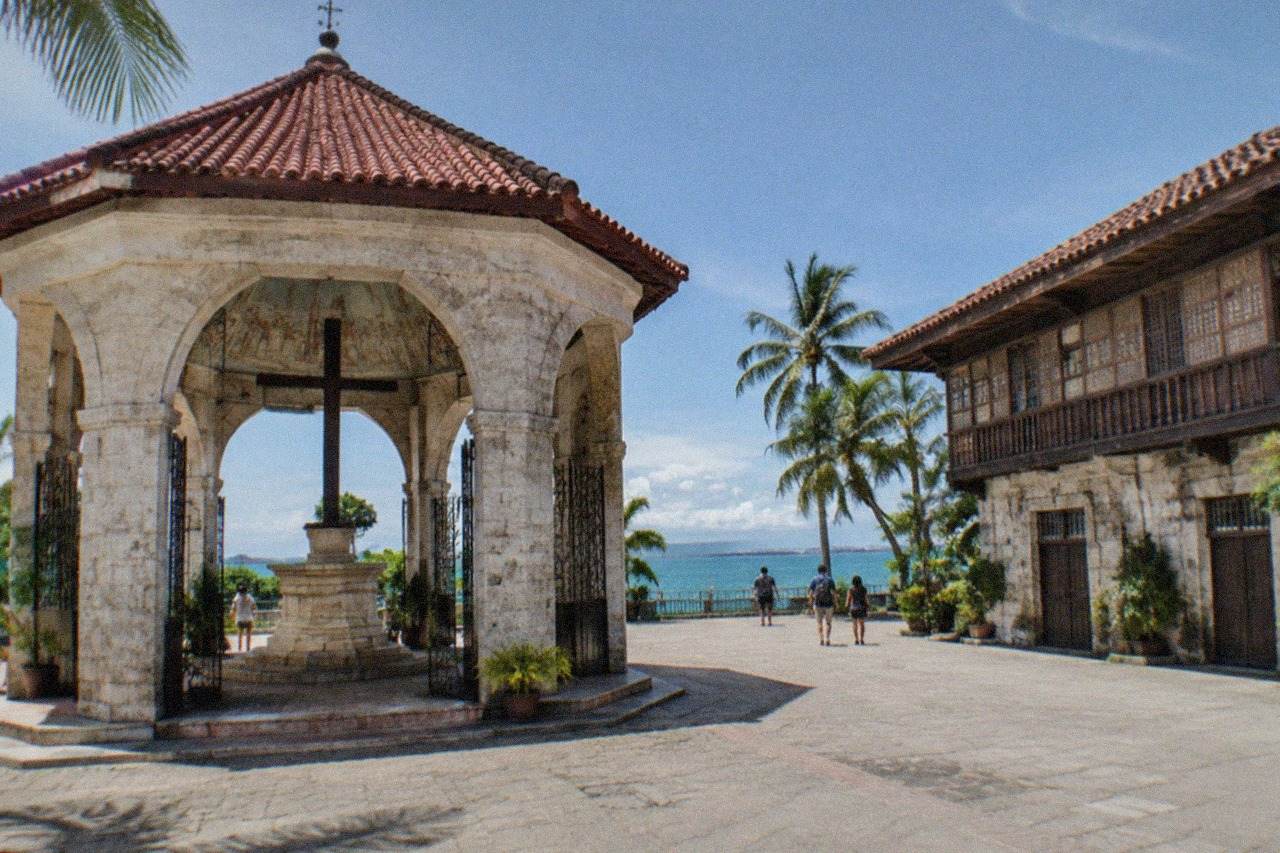
The Casa Gorordo Museum is a 19th-century house museum in Cebu City's old Parian district, and one of the few places in the Philippines where you can walk through a fully furnished colonial-era Cebuano home.
Short answer
The Casa Gorordo Museum in Cebu City charges about P100 (about US$1.60) regular admission, around P50 (about US$0.8) for students and seniors, and is generally open Monday to Saturday, roughly 9 AM to 5 PM, closed Sundays. Fees and hours come from travel sources rather than an official price list, and the house was flagged for structural inspection after the September 2025 earthquake, so confirm before visiting.
The Casa Gorordo Museum sits in the heart of Cebu City, Philippines, in the old Parian district where the island's Spanish-era merchant class once built its coral-stone houses. It is a house museum rather than a gallery: the building itself, with its thick stone lower walls, hardwood upper floor and wide windows designed for the tropical climate, is the main exhibit. For travellers piecing together Cebu's story between Magellan's Cross and the Basilica del Santo Niño, this house fills in the domestic chapter that churches and forts do not show.
What Is The Casa Gorordo Museum In Cebu?
The Casa Gorordo Museum is a restored 19th-century residence in Cebu City, Philippines, converted into a museum showing how a wealthy Cebuano family actually lived under Spanish and early American rule. Unlike the Basilica or Fort San Pedro, which are religious and military sites, this is a domestic interior: furnished rooms, kitchen equipment, household objects and period furniture, all inside a traditional coral-stone and hardwood house in the old Parian district.
The house gives context to everything else you will see in downtown Cebu. The churches tell you what was believed; the fort tells you what was defended; the Gorordo house tells you what people ate, slept on, sat on and stored. That domestic angle is rare in the Philippines, where few colonial residences survived war, typhoon and redevelopment. Most of old Parian's stone houses are gone, and the survivors that remain open to the public are precious few, which makes a maintained, furnished house museum genuinely unusual in the Visayas rather than merely one more stop on a heritage walk.
Cebu is the oldest city in the country, chartered on 24 February 1937 but settled by the Spanish from 1565, and the Parian district where the museum stands was historically the commercial heart of that early settlement. Walking between the museum and nearby sites such as Magellan's Cross covers barely a few blocks but five centuries.
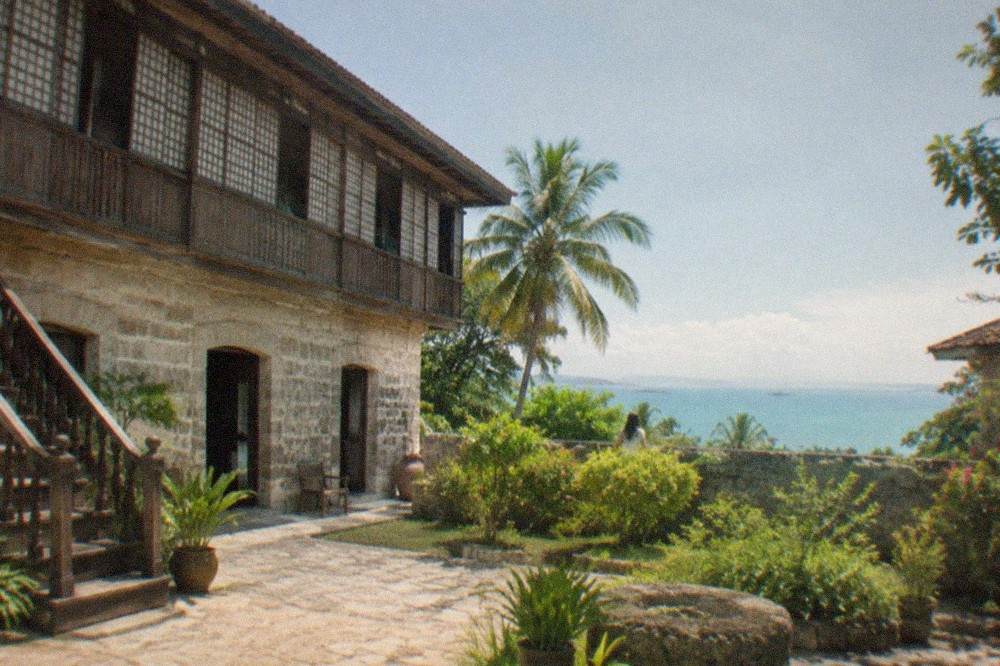
One honest caveat belongs up front. After the magnitude 6.9 earthquake that struck offshore northern Cebu on 30 September 2025, several Cebu City heritage buildings, including this museum and the nearby Yap-Sandiego Ancestral House, were flagged for structural inspection in early October 2025. Cebu was declared safe and open for tourists overall, but the current individual status of the house is not confirmed in the sources available. Check locally before you plan your visit around it.
How Much Does The Casa Gorordo Museum Cost And When Is It Open?
Admission to the Casa Gorordo Museum runs about P100 (about US$1.60) regular, roughly P50 (about US$0.80) for students and seniors, and a guided visit has been listed at around P150 (about US$2.40) in total. Standard hours are Monday to Saturday, approximately 9 AM to 5 PM, with the museum closed on Sundays. These figures come from travel sources, not an official published price list, and post-earthquake inspection may affect openings, so treat them as planning numbers and confirm on site.
There is no dedicated official website for the museum in the sources available, which is typical for smaller Philippine heritage institutions; current information circulates through the cultural foundation that maintains the house and through city tourism channels. That also means fees can shift without much online notice, and a figure printed in a guide from two years ago may no longer match the desk. Budget slightly more than the listed rate and the difference will never spoil your morning.
| Item | Typical figure | Notes |
|---|---|---|
| Regular admission | P100 (about US$1.60) per person | Travel-source figure, no official price list |
| Student / senior admission | P50 (about US$0.80) per person | Bring a valid ID for the discount |
| Guided visit | Around P150 (about US$2.40) total | Includes the admission component |
| Hours | Roughly 9 AM to 5 PM | Monday to Saturday |
| Closed | Sundays | Standard weekly closure |
Compare that with the other paid heritage sites in downtown Cebu and the value holds up well. Fort San Pedro charges P50 (about US$0.80) regular and P40 (about US$0.65) for students and seniors, while Museo Sugbo, which reopened on 29 August 2025 after nearly two years closed, charges P50 (about US$0.80) general admission and P25 (about US$0.40) for students. All three can be done in a single day for less than the cost of a hotel breakfast in most Western capitals.
If the house is closed or you want a structured introduction to the district instead, a guided walk is the practical alternative:
What Can You See Inside The Casa Gorordo Museum?
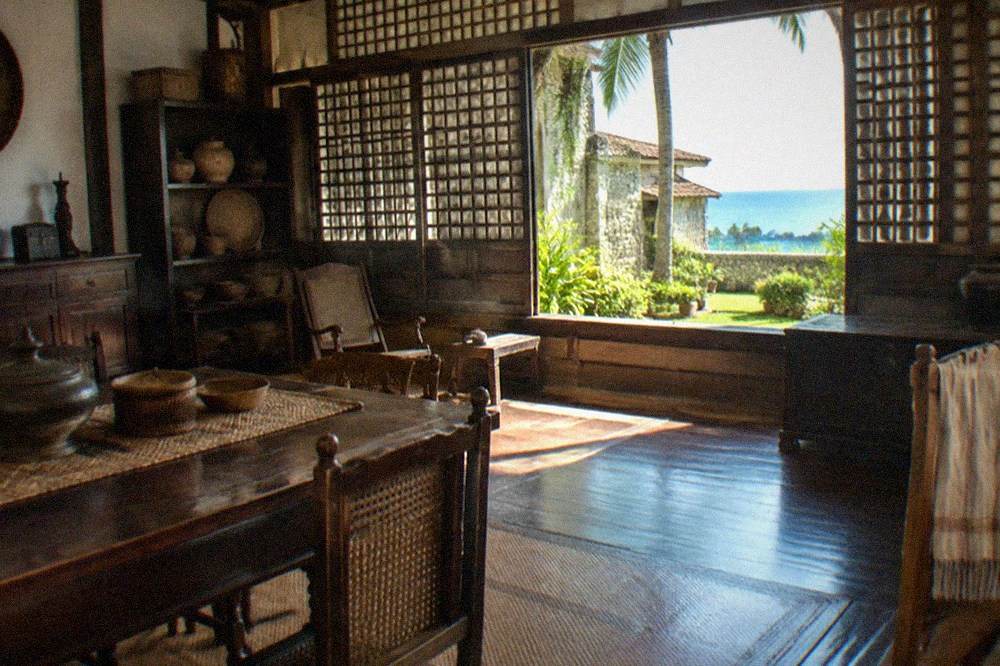
Inside the Casa Gorordo Museum you see a fully furnished 19th-century Cebuano home: a stone-ground level that historically served for storage and utility, a hardwood upper floor with the family's living quarters, antique furniture, a period kitchen, religious imagery, and household objects that show daily life rather than ceremonial display. The architecture itself, deep window openings, ventanilla slats and thick walls, is a working lesson in pre-air-conditioning tropical design.
The most rewarding way to read the house is as climate engineering. The lower story's coral stone keeps the interior cool; the upper story's hardwood frame flexes in earthquakes; the capiz-shell windows and ventanilla panels below them let breezes through while keeping sun and rain out. Every design choice answers the question of how families in the Central Visayas lived comfortably before electricity, and PAGASA's Mactan normals, a mean temperature of 28.1 degrees Celsius across the year, explain why those choices mattered every single month.
The collection is domestic rather than grand. Expect furniture, kitchenware, textiles, religious figures and personal effects arranged to reconstruct rooms rather than to fill display cases. Photography is generally welcomed in Philippine house museums of this type, but flash and tripods are usually discouraged in historic interiors; ask staff on arrival rather than assuming.
| Feature | What it shows | Why it matters |
|---|---|---|
| Stone ground level | Utility and storage spaces | Standard layout of Spanish-era Cebuano houses |
| Hardwood upper floor | Furnished living quarters | The main exhibit: a real family home |
| Capiz windows and ventanillas | Passive cooling design | Tropical architecture before electricity |
| Period kitchen | Traditional cooking equipment | Domestic daily life, not ceremony |
| Religious imagery | Household devotion | Faith as part of home life in old Cebu |
A guided visit is worth the modest extra cost here. The objects tell their story better with narration, and the guides typically connect the house to the wider Parian district, whose streets still hold other survivors of the era, including the Yap-Sandiego Ancestral House a short walk away.
How Do You Get To The Casa Gorordo Museum In Cebu City?
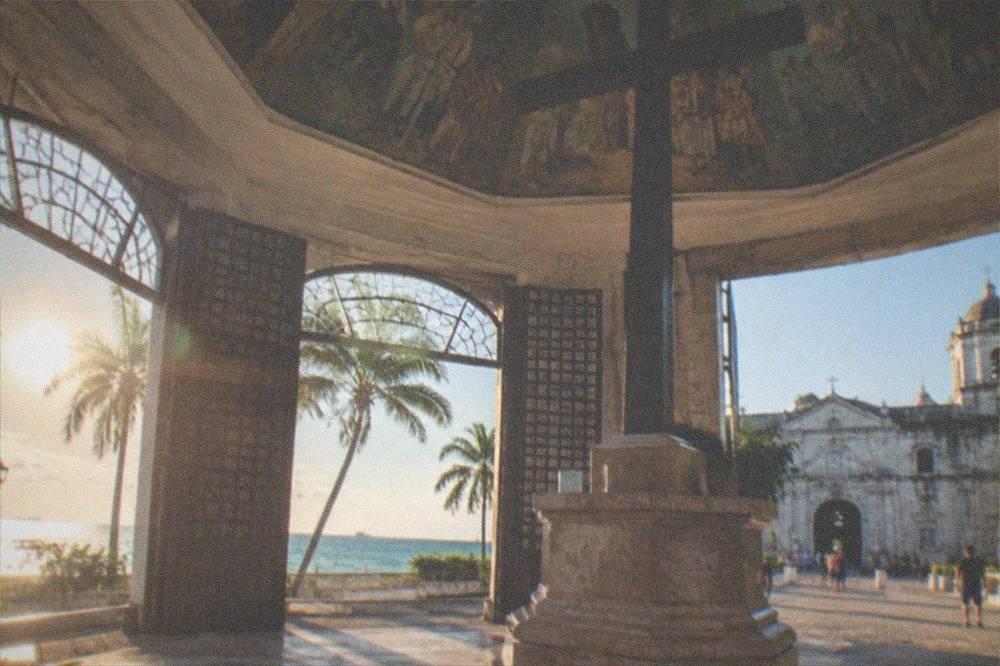
The Casa Gorordo Museum stands in the Parian district of old Cebu City, within the downtown heritage cluster that also holds Magellan's Cross, the Basilica del Santo Niño, Fort San Pedro and Colon-era streets, so the practical answer is that you walk: from the Basilica the museum is a short stroll through the historic core, and it can be folded into a half-day walking circuit of downtown Cebu. Jeepneys serving the downtown routes pass within blocks, and ride-hailing apps cover the area.
Exact walking distances and jeepney route numbers for this specific trip are not in the verified sources, so plan on the general pattern instead: the heritage sites of old Cebu are compact enough that once you are downtown, you do not need transport between them. The Cebu City area guide covers the district in detail.
Coming from Mactan, where many visitors stay, you cross one of the bridges over the Mactan Channel into Cebu City; the CCLEX expressway, 8.9 km long, links Cordova to the city side with Class 1 car tolls of P107 (about US$1.70) one way, though downtown heritage traffic normally uses the older bridges. The Mactan area guide has the crossing options.
Timing matters more than transport. Downtown Cebu is hot and humid year-round; PAGASA's Mactan station records its driest month as April at 48.1 mm of rain and its wettest as October at 194.8 mm, with the national rainy season running June to November. A morning visit beats both the midday heat and the afternoon convective showers that build in the wet months. The full index of guides sits on Cebu Travel Guide.
| Approach | Practical notes | Best for |
|---|---|---|
| On foot within downtown | Heritage sites cluster together in old Cebu | Everyone already downtown |
| Jeepney | Downtown routes pass near the district | Budget travellers from elsewhere in the city |
| Ride-hailing app | Widely available across Metro Cebu | Families and cruise-day visitors |
| Private transfer | Bookable with city and heritage day tours | Visitors combining several sites in one day |
How Does The Casa Gorordo Museum Compare With Cebu's Other Heritage Sites?
The Casa Gorordo Museum is Cebu's best domestic-history experience, while Fort San Pedro covers military history at P50 (about US$0.80) entry, the Basilica del Santo Niño and Magellan's Cross cover the religious story for free, and the Yap-Sandiego Ancestral House offers a rougher, older ancestral-home experience nearby. None duplicates another: the churches and fort are about institutions, the Gorordo house is about a home.
A one-day downtown circuit is the classic way to see them together. Start at Magellan's Cross, free and open roughly 8 AM to 6 PM, move to the Basilica next door, walk to the Gorordo house and Yap-Sandiego in the Parian, and finish at Fort San Pedro, open roughly 8 AM to 7 PM. Fees for Yap-Sandiego are unverified, so carry small peso notes and pay whatever the door asks.
| Cebu heritage site | Theme | Entry fee | Hours (approx.) |
|---|---|---|---|
| Casa Gorordo Museum | Domestic life, 19th century | P100 (about US$1.60) regular | 9 AM-5 PM, Mon-Sat |
| Fort San Pedro | Military, Spanish era | P50 (about US$0.80) | 8 AM-7 PM daily |
| Magellan's Cross | 1521 arrival of Christianity | Free | 8 AM-6 PM |
| Basilica del Santo Niño | Religious, 1565 founding | Free (museum fee unverified) | Daily, mass schedule applies |
| Yap-Sandiego Ancestral House | Ancestral home | Unverified, publish none | Unverified |
For visitors who want the whole story told to them rather than assembling it site by site, a guided tour of the city is the efficient route, and the food-focused walks pair naturally with the Parian district's history as Cebu's old commercial quarter:
What Else Can You Do Near The Casa Gorordo Museum?
Near the Casa Gorordo Museum you can cover Cebu City's entire downtown heritage cluster on foot, then extend the day toward the hills: Tops Lookout, open 24 hours at P100 (about US$1.60) entry, and the Temple of Leah, about P120 (about US$1.90) weekday entry, sit in the Busay highlands above the city and make a natural afternoon-into-sunset continuation after a morning in the Parian.
The split works because of Cebu's geography. The heritage sites sit on the flat coastal plain; the highland viewpoints are a short drive up the slopes of the island's central spine. Doing the museums in the cooler morning and the viewpoints in the late afternoon uses the day's light sensibly in a place where the sun sets early and fast near the equator.
If your energy outlasts the city, the bigger Cebu experiences all start with an early departure from the same downtown base. The Oslob whale shark watching runs P1,000 (about US$15.90) for foreign tourists and P500 (about US$7.95) for locals, with sessions from roughly 6 AM to noon; the Moalboal sardine run charges a P100 (about US$1.60) environmental user fee to swim or snorkel; and the Kawasan Falls Level 1 entrance is about P200 (about US$3.20). Each is a full day from the city, so the museum is your morning and the south is your tomorrow.
| Nearby option | Type | Entry cost |
|---|---|---|
| Tops Lookout | Highland viewpoint, 24 hours | P100 (about US$1.60) |
| Temple of Leah | Busay landmark | About P120 (about US$1.90) weekday |
| Sirao Flower Garden | Highland garden | About P100 (about US$1.60) |
| Oslob whale sharks | Full-day south trip | P1,000 (about US$15.90) foreign / P500 (about US$7.95) local |
| Moalboal sardine run | Full-day south trip | P100 (about US$1.60) environmental fee |
For the full menu of island, highland and city experiences, the things to do in Cebu overview lays out every segment of a trip, and adventure-park day passes make an easy contrast to museum mornings:
What Should You Know Before Visiting The Casa Gorordo Museum?
Before visiting the Casa Gorordo Museum, know four things: bring small peso notes since admission is paid in cash at the door, budget one to two hours for the visit, go in the morning to beat both heat and crowds, and confirm the house is open before you travel, because it was among the Cebu City heritage buildings flagged for structural inspection after the 30 September 2025 earthquake and its current status is not confirmed in available sources.
The cash point matters more in Cebu than in Europe or North America. Small museums, jeepneys, terminal fees and tricycle rides all run on cash, and while the city has ATMs, they cluster in malls rather than heritage streets. A pocket of small notes saves you a detour, and the student or senior discount is only honoured when you can show an ID at the desk, so carry the card as well as the cash.
The weather point matters too. Cebu's climate is tropical with no cold season: PAGASA's Mactan normals show a mean temperature of 28.1 degrees Celsius, 1,685.0 mm of annual rain and 138 rain days. December to May is the dry season, June to November the rainy season, and October is the wettest month in the monthly series at 194.8 mm. A museum is in fact one of the best rainy-season backups in the city, which is a good reason to keep it on your list even in the wet months.
Finally, think about how the museum fits a longer Cebu itinerary. Most first-time visitors spend three to five days on the island: two for the city and Mactan, one for the south, one for the north or a Bohol day trip by ferry. The Gorordo house belongs in the city day, ideally the same morning as the Basilica and Magellan's Cross so the historical thread runs in order. Whale shark watchers heading south at dawn can save the museum for the afternoon they return, since the Oslob sessions end around noon and the drive back leaves the late day free.
For a fuller south-coast pairing, the Oslob whale sharks guide and the Moalboal sardine run guide cover those full-day trips in detail, and the IT Park area guide helps if you want a modern dining district for the evening after your heritage morning.
Common Questions About The Casa Gorordo Museum
How much is the Casa Gorordo Museum entrance fee?
Regular admission is about P100 (about US$1.60) per person, with students and seniors at roughly P50 (about US$0.80) and a guided visit listed at around P150 (about US$2.40) in total. These are travel-source figures; the museum has no official published price list, so carry small notes and confirm at the door.
What are the Casa Gorordo Museum opening hours?
The standard schedule is Monday to Saturday, approximately 9 AM to 5 PM, closed on Sundays. Because the house was flagged for post-earthquake structural inspection in early October 2025, check its current status locally before planning your visit around it.
Is the Casa Gorordo Museum worth visiting?
Yes, if you have any interest in how Cebuanos actually lived in the Spanish and early American eras. It is the one site in the downtown cluster that shows a furnished home rather than a church or a fort, and its fee is modest against the context it adds to Magellan's Cross and the Basilica.
How long does a visit to the Casa Gorordo Museum take?
Plan on one to two hours: the house is compact, and a guided visit runs longer than a self-guided walk through the furnished rooms. Combine it with the nearby Basilica, Magellan's Cross and Yap-Sandiego Ancestral House for a half-day downtown circuit.
Where is the Casa Gorordo Museum located?
It stands in the old Parian district of Cebu City, Philippines, within the downtown heritage cluster. From Magellan's Cross and the Basilica del Santo Niño it is a short walk through the historic core, and jeepneys and ride-hailing cover the wider district.
Is the Casa Gorordo Museum open after the 2025 Cebu earthquake?
The museum was among the Cebu City heritage buildings closed for structural inspection in early October 2025 after the magnitude 6.9 earthquake of 30 September. Cebu overall was declared safe and open for tourists, but the house's individual current status is not confirmed in available sources, so verify before you go.