Yap-Sandiego Ancestral House
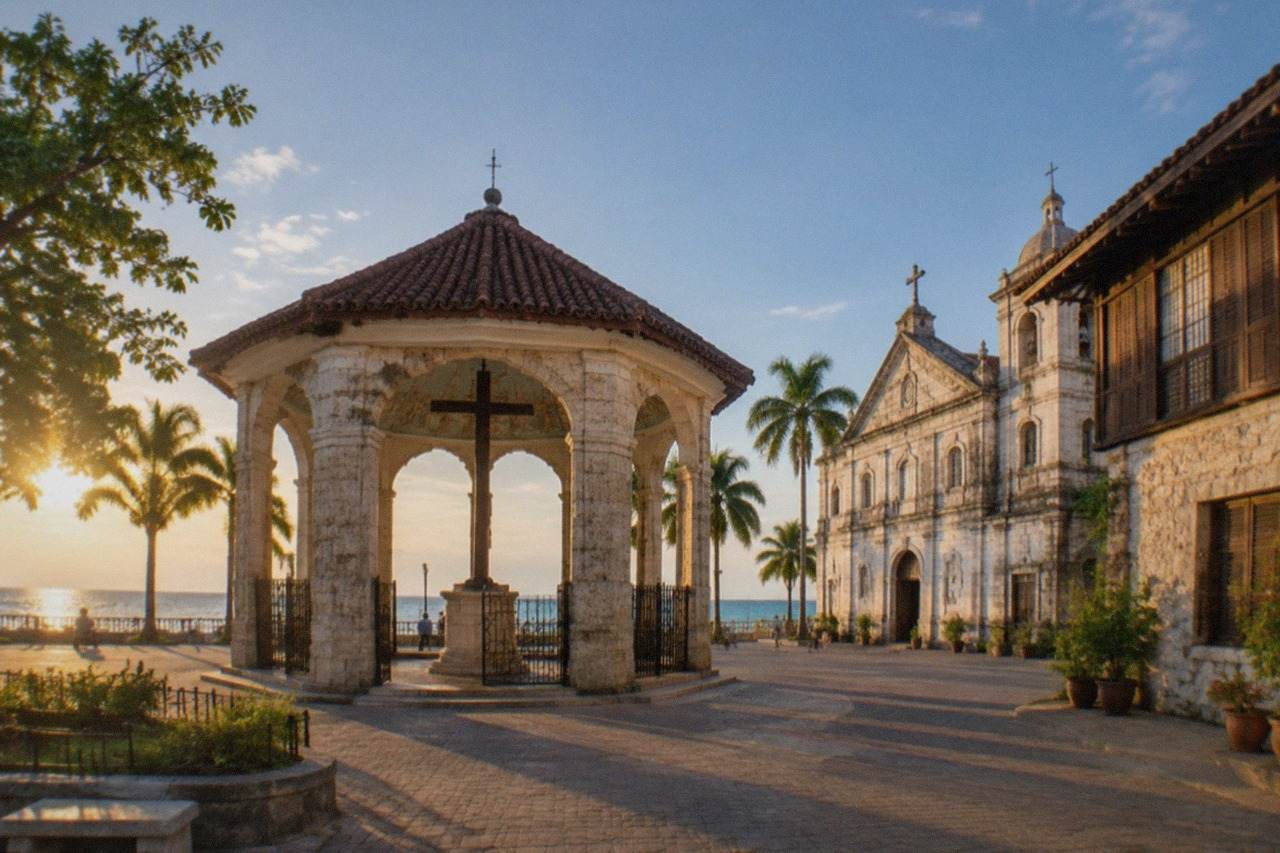
The Yap-Sandiego Ancestral House is often described as one of the oldest surviving residential buildings in Cebu City, Philippines, a coral-stone and hardwood house in the old Parian district a short walk from Colon Street and the Heritage of Cebu Monument.
Short answer
The Yap-Sandiego Ancestral House is a historic family house in Cebu City's Parian district, built in the Spanish colonial era and preserved as a heritage attraction. Its entrance fee and opening hours are not officially published, so check locally before visiting; the house was also flagged for structural inspection after the 30 September 2025 earthquake.
The Yap-Sandiego Ancestral House stands in the Parian district of Cebu City, on the island of Cebu in the Central Visayas region of the Philippines. It is often described as one of the oldest surviving residential buildings in the country, a coral-stone and tropical-hardwood house from the Spanish colonial period that has been kept, furnished and opened to the public by the descendants of the families who owned it. This guide covers what the house is, how to reach it, how it fits into a day of heritage sightseeing in Cebu City, and the practical caveats that matter in 2026: its entrance fee and opening hours are not officially published, and the building was among the Cebu City heritage properties flagged for structural inspection after the magnitude 6.9 earthquake of 30 September 2025.
What Is The Yap-Sandiego Ancestral House In Cebu?
The Yap-Sandiego Ancestral House is a Spanish-era family residence in Cebu City's Parian district, built largely of coral stone and hardwood, and preserved as a private heritage museum by the descendants of the Yap and Sandiego families. It is often described as one of the oldest surviving residential structures in the Philippines, and it sits in what was once the merchant quarter of the oldest chartered city in the country, minutes from Colon Street and the Heritage of Cebu Monument.
Parian is the part of old Cebu where Chinese merchants and their Filipino-Spanish descendants lived and traded, squeezed between the colonial center around the Basilica and the commercial strip along Colon, often called the country's oldest street. The house takes its double name from two families: the Yaps, a Chinese-Filipino merchant family who built it, and the Sandiegos, into whose line it passed and whose descendants maintain it today. That double inheritance is the point of the building. It is not a government museum with glass cases and printed panels; it is a house still owned by the family, furnished with antiques, religious images and heirloom pieces, and shown to visitors as a living property rather than a reconstructed set.
The architecture is what draws most people through the door. The lower storey is heavy coral stone, the upper storey is hardwood with wide shuttered windows, and the whole building is raised and ventilated in the manner of the region's old houses, designed for a tropical climate rather than against it. Guides point out the original structural timbers, the capiz-shell window panes, and the religious statuary that fills much of the interior. Photography is generally permitted inside, but the house is small and the staircases are steep and narrow, so it suits visitors who are steady on their feet.
It is worth being clear about what this page can and cannot promise. The site's research could not verify a current official entrance fee or a published schedule of opening hours for the Yap-Sandiego Ancestral House, so this guide does not print either. Treat every figure you read on an older blog, including a fee quoted in pesos, as unconfirmed until you see the sign at the door or the house's own social media page on the day. The same applies to the building's exact construction date: popular accounts vary, and no official source in this site's research pack pins it down, so the honest description is "Spanish colonial era, among the oldest houses in the country," nothing more precise.
Where Is The Yap-Sandiego Ancestral House And How Do You Get There?
The house stands on Mabini Street in the Parian district of Cebu City, Philippines, a short walk from Colon Street, the Heritage of Cebu Monument, the Cebu Metropolitan Cathedral and Casa Gorordo Museum. From most hotels in the city center it is reachable on foot or by a short jeepney or taxi ride, and it sits inside the compact heritage zone that can be covered in a single half-day of walking.
Parian sits at the northern edge of downtown Cebu City, between Colon Street and the historic church cluster. If you are staying near Fuente Osmeña or in the IT Park area, the practical route is to take a jeepney running along Colon or Osmeña Boulevard, get off near the Colon end, and walk the last few blocks; if you are already downtown, the whole heritage circuit is walkable. Taxi and ride-hailing services cover the district well, and Grab lists Cebu among its Philippine service areas, so a ride to Parian is easy to arrange from anywhere in the metro area.
The walkability is the real advantage. The Yap-Sandiego Ancestral House, the Heritage of Cebu Monument, the Cebu Metropolitan Cathedral, the Basilica Minore del Santo Niño, Magellan's Cross and Fort San Pedro together form a loop you can cover in a morning without transport of any kind. Colon Street, often called the oldest street in the Philippines, runs along one side of this zone, and Casa Gorordo Museum sits a few blocks uphill in the old Parian residential quarter. If you are planning a first day in the city, read the Cebu City area guide for the wider geography, or the one day Cebu City itinerary for a full walking plan.
A practical note on timing: the heritage houses are small and the district is dense, so midday heat is the main discomfort rather than distance. Cebu's climate is tropical, with PAGASA's national classification putting the rainy season from June to November and the dry season from December to May; the Mactan station's 1991-2020 normals give an annual mean temperature of 28.1 C. An early-morning start, walking Parian before the heat builds and saving the air-conditioned museums for the middle of the day, is a sensible pattern to fall into.
If you would rather have a guide handle the logistics, a joiner city tour covers the heritage core in a few hours:
What Can You See Inside The Yap-Sandiego Ancestral House?
Inside the Yap-Sandiego Ancestral House you see a Spanish-era domestic interior preserved rather than reconstructed: coral-stone walls on the ground floor, hardwood framing and wide shuttered windows above, capiz-shell panes, antique furniture, and a dense collection of religious images and family heirlooms. The house is small, typically visited in under an hour, and the steep staircase to the upper floor is the main physical demand on visitors.
The ground floor is the structural heart of the building. Coral stone, the same material that built Cebu's old churches and Fort San Pedro, makes up the base walls, and the original hardwood posts and beams carry the upper storey. Guides point out how the house was built to move with the earth rather than resist it rigidly, which is one reason buildings of this type have survived centuries of typhoons and earthquakes in the Visayas. The upper floor holds the furnished rooms: four-poster beds, dining furniture, and walls crowded with carved and painted religious statuary, reflecting the devotional culture of the household that kept it.
The religious collection deserves a specific mention because it surprises people. This is a private house, not a church museum, yet the density of santos, crucifixes and Marian images inside reflects how a prosperous Parian family actually lived, with devotion woven into domestic space. For visitors coming from the Basilica Minore del Santo Niño, where the Santo Niño devotion is framed in liturgical terms, the house shows the same culture at household scale, in the same city, a few minutes' walk away. The Basilica Minore del Santo Niño guide covers the church side of that story.
One honest caveat: because the house is privately run and small, the visitor experience varies with staffing and with the day. Some visits include a family member or a guide walking you room by room; on busy days you may move through on your own. There is no café, no gift shop of any scale, and no seating to speak of, so plan the visit as a stop on a walking route rather than a destination you linger in for hours. The Heritage of Cebu Monument, directly nearby, is an open-air sculpture tableau of the city's history and makes a natural companion stop, though its own visitor details, like the house's, are not officially published in this site's research.
How Much Does It Cost To Visit The Yap-Sandiego House?
No official entrance fee for the Yap-Sandiego Ancestral House could be verified in this site's research, and peso amounts quoted on older blogs and aggregator pages should be treated as unconfirmed until you see the sign at the door. The verified comparison points nearby, Fort San Pedro and Casa Gorordo Museum, charge modest cash entrance fees listed in the table below, so a heritage visit in this district is a small expense rather than a budget item.
The honesty rule matters here more than usual, because Yap-Sandiego fee figures circulate widely online and most of them are stale or unverifiable. The right approach is to carry small peso notes, expect a modest per-person charge in the range of the city's other heritage sites, and confirm the amount at the entrance. What can be stated with confidence is the pattern: Cebu City's heritage attractions are cheap by international standards, and the verified fees below give a reliable picture of what a day of heritage sightseeing costs.
| Attraction | Verified fee | Status |
|---|---|---|
| Fort San Pedro | P50 (about US$0.8) regular, P40 (about US$0.6) students/seniors | Verified via SunStar reporting on the 2026 fee update |
| Casa Gorordo Museum | About P100 (about US$1.6) regular, about P50 (about US$0.8) students/seniors | Reported by secondary sources, no official price list |
| Museo Sugbo | P50 (about US$0.8) general, P25 (about US$0.4) students/seniors, Monday to Friday | Verified reopening fee |
| Magellan's Cross | Free | Consistent across sources |
| Cebu Taoist Temple | Free, donations appreciated | Consistent across sources |
| Yap-Sandiego Ancestral House | Not officially published | Confirm at the entrance |
Two practical money notes for the district. First, heritage houses in Cebu City operate on cash, and small denominations help; the ATMs cluster along Colon and in the malls, not in Parian itself. Second, if you are building a budget for the whole trip, the site's Cebu budget and costs guide breaks down daily spending across transport, food and attractions, and it is the right next read if you are costing out a multi-day plan.
Was The Yap-Sandiego House Damaged By The 2025 Cebu Earthquake?
Yes, it was flagged for inspection. After the magnitude 6.9 earthquake of 30 September 2025, whose epicenter lay offshore of Bogo City in northern Cebu, the Yap-Sandiego Ancestral House was among the Cebu City heritage properties closed for structural assessment in early October 2025, alongside Casa Gorordo Museum, Museo Sugbo, the National Museum of the Philippines Cebu and the Kabilin Center. Its current status is not confirmed in this site's research, so check before you go.
The earthquake itself hit northern Cebu hardest. The Philippine Institute of Volcanology and Seismology placed the epicenter about 19 km from Bogo City at a depth of 5 km, on the newly identified Bogo Bay Fault, with a maximum intensity of VIII on the PHIVOLCS scale in northern municipalities. In Cebu City, damage was far lighter, but the authorities took no chances with the heritage stock: the city's old buildings are coral stone and hardwood, a construction type that tolerates shaking well but cannot be assumed sound after a strong event. The Department of Tourism declared Cebu open to tourists in late October 2025, and Bantayan Island and Malapascua were confirmed operational, but individual heritage properties were inspected on their own timelines.
What this means for a 2026 visitor is simple. The house may be fully open, open with restrictions, or open on shortened hours; this site's research, current to late September 2026, could not confirm which. The verified pattern for the neighborhood is encouraging: Museo Sugbo reopened on 29 August 2025 after its inspection, and the city's major attractions, from Fort San Pedro to Tops Lookout, have been reported operating normally through 2026. But a private house museum is a single family's decision, so the practical advice is to check the house's own social media page or ask at your hotel the day before. The Cebu safety guide covers the earthquake, typhoon and advisory picture in full for trip planning.
There is a deeper reason the inspection story matters to this house specifically. Coral-stone colonial buildings are the reason the inspection protocol exists: the same earthquake damaged at least five 19th-century coral-stone churches in northern Cebu, and the Archdiocesan Shrine of San Vicente Ferrer in Bogo was ordered closed for indoor use for six months to a year. The Yap-Sandiego house is the same material at domestic scale. Seeing it in person after 2025 is, in part, seeing how this construction type fares across centuries of seismic events, a perspective that can be hard to gain any other way.
How Does The Yap-Sandiego House Compare With Cebu City's Other Heritage Sites?
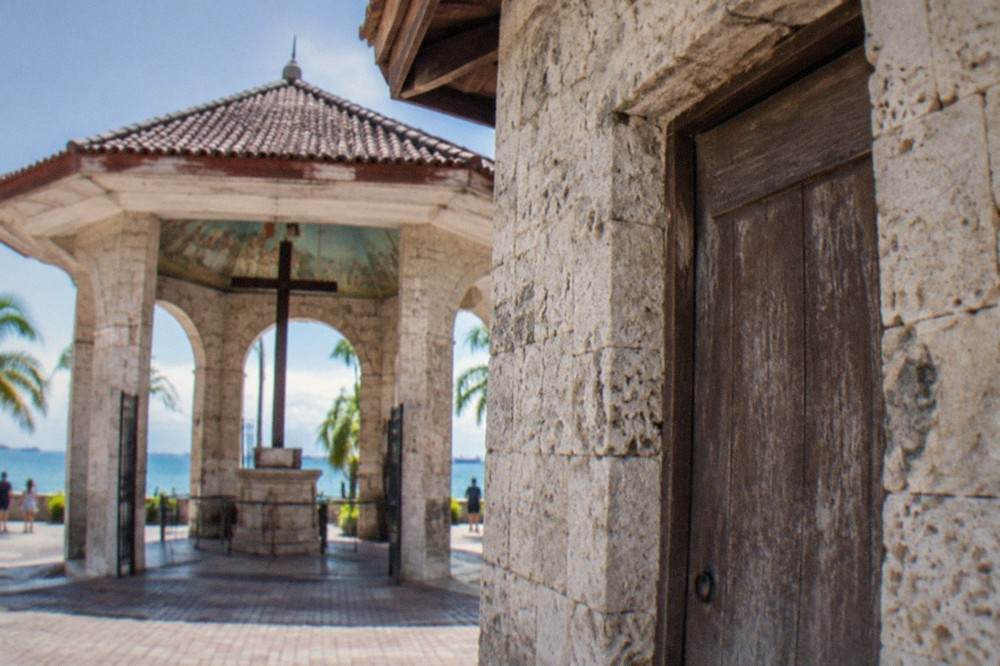
The Yap-Sandiego Ancestral House is the most intimate of Cebu City's heritage stops: a single family house, privately preserved, seen in under an hour. Casa Gorordo Museum is the more institutional counterpart, a restored house museum with published hours and a documented collection; Fort San Pedro is a military structure; and the Basilica and Magellan's Cross are devotional sites. Visiting Yap-Sandiego alongside Casa Gorordo gives you both the private and the curated versions of the same Parian story.
The comparison is worth making because the sites sit within walking distance of one another and visitors routinely ask which ones to prioritize. The honest answer is that they do different jobs. The table below lays out what each verified site offers and what this site's research can confirm about it.
| Site | What it is | Fee picture | Best for |
|---|---|---|---|
| Yap-Sandiego Ancestral House | Private Spanish-era family house, preserved by descendants | Not officially published | Architecture and family devotion |
| Casa Gorordo Museum | Restored house museum, about P100 (about US$1.6) regular, Monday to Saturday | Reported by secondary sources | Curated history of Parian life |
| Fort San Pedro | Spanish-era triangular bastion fort, oldest in the country | P50 (about US$0.8) regular, P40 (about US$0.6) students/seniors | Military history, harbor views |
| Basilica Minore del Santo Niño | 1735-1740 church holding the Santo Niño image | Free entry | Devotion, architecture, mass times |
| Magellan's Cross | Pavilion housing the 1521 cross planted by Magellan's expedition | Free | Quick photo stop, 1521 history |
| Museo Sugbo | Provincial museum, reopened August 2025 | P50 (about US$0.8) general, P25 (about US$0.4) students | Cebu's full historical arc |
The pairing that rewards the most effort is Yap-Sandiego plus Casa Gorordo. Casa Gorordo, a few blocks away in the same old Parian quarter, presents the merchant-house story with curation, printed context and regular hours; Yap-Sandiego presents it raw, with the family's own objects still in place. Doing both, in either order, gives you the district's history twice from two angles, and the walk between them passes through residential streets that retain the scale of the old quarter. The Casa Gorordo Museum guide covers that side in detail.
For visitors with only one morning, the sequence most guides suggest is Basilica, Magellan's Cross, the Heritage of Cebu Monument, Yap-Sandiego, then Fort San Pedro, roughly south to north along the historic axis. The Magellan's Cross guide and the Fort San Pedro guide cover the two anchor stops. If the morning stretches into a full day, the Cebu City area page extends the loop toward the highlands and the water.
What Else Is Within Walking Distance Of The Parian District?
Within a short walk of the Yap-Sandiego Ancestral House you reach the Heritage of Cebu Monument, the Cebu Metropolitan Cathedral, Colon Street, Casa Gorordo Museum, the Basilica Minore del Santo Niño, Magellan's Cross and Fort San Pedro. The whole cluster sits inside roughly one square kilometer of old Cebu City, which is why Parian works as the anchor point for a heritage walking day.
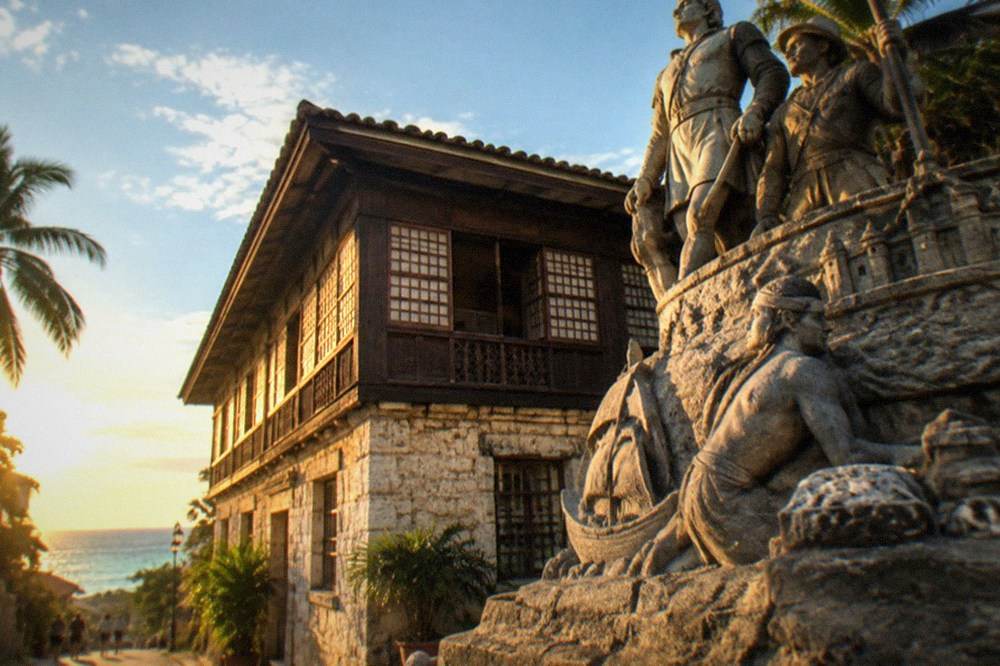
The monument comes first because it is nearly next door. The Heritage of Cebu Monument is an open-air sculpture tableau depicting scenes from the city's past, from the 1521 arrival of Magellan's expedition and the Battle of Mactan to the Christianization of the islands, and it is the single most photographed object in the district after the Basilica's facade. Like the ancestral house, it has no verified fee or hours in this site's research, but as an open-air public monument it is viewable at any hour, and early morning or late afternoon light is when photographers come.
From there the loop runs naturally. The Cebu Metropolitan Cathedral, a short walk south, is the seat of the archdiocese and a quieter stop than the Basilica. Colon Street, often called the oldest street in the country, runs along the edge of the district in its modern commercial form: crowded, unglamorous and central, with the jeepney routes, cheap eats and the atmosphere of a working Filipino downtown rather than a preserved one. And the Basilica, Magellan's Cross and Fort San Pedro complete the circuit toward the port.
Food is the other reason to linger in the area. Downtown Cebu City is where the city's lechon reputation was built, and the classic roast-pig institutions sit within a short ride of Parian. The site's Cebu food and lechon guide maps the best-known spots; the short version is that you should not leave the district hungry, and that a heritage morning pairs naturally with a lechon lunch. For the practicalities of moving around the wider city, jeepney routes, ride-hailing and the new bus rapid transit line, the site's getting around Cebu guide covers them all.
When Is The Best Time Of Year To Visit Heritage Cebu City?
The best months for a heritage walking day in Cebu City are December through May, the dry season under PAGASA's national classification, with the driest months at the Mactan station being March and April. The rainy season runs June to November, and October is the wettest month in the Mactan rainfall series, so an indoor-heavy plan with flexible timing matters most in that window. The trade-off is that June to November brings lower crowds and lusher scenery.
Cebu's climate is tropical, not temperate, and the planning question is rain rather than cold. PAGASA's Mactan station normals for 1991-2020 give the city 1,685.0 mm of rain across 138 rain days a year, with a mean temperature of 28.1 C. The monthly distribution below shows why the calendar matters for a walking itinerary: the heritage district is best experienced on foot, and a heavy afternoon downpour, common in the wet season, compresses the same loop into a dash between shelters.
| Month | Average rainfall at Mactan station (mm) | Season |
|---|---|---|
| January | 105.2 | Dry |
| February | 69.6 | Dry |
| March | 58.6 | Dry |
| April | 48.1 | Dry |
| May | 95.0 | Dry |
| June | 175.6 | Rainy |
| July | 192.9 | Rainy |
| August | 143.5 | Rainy |
| September | 179.6 | Rainy |
| October | 194.8 | Rainy |
| November | 161.9 | Rainy |
| December | 139.7 | Dry |
Two seasonal notes matter beyond the averages. First, typhoon season in the Philippines runs June to November, with peak activity roughly July to October; Typhoon Tino in early November 2025 caused severe flooding in Cebu, though the Department of Tourism reported the core tourism zones of Cebu City and Mactan largely unaffected and open within days. Second, January brings Sinulog, the grand festival on the third Sunday of the month, whose main venue for 2026 and 2027 is the Cebu City Sports Center. Sinulog week is the most crowded and most atmospheric time to see the Basilica and the Santo Niño devotion in full flow, but it is a poor week for a quiet heritage walk; the site's Sinulog festival guide covers it in detail.
Can You Combine The Heritage Houses With South Cebu's Nature Highlights?
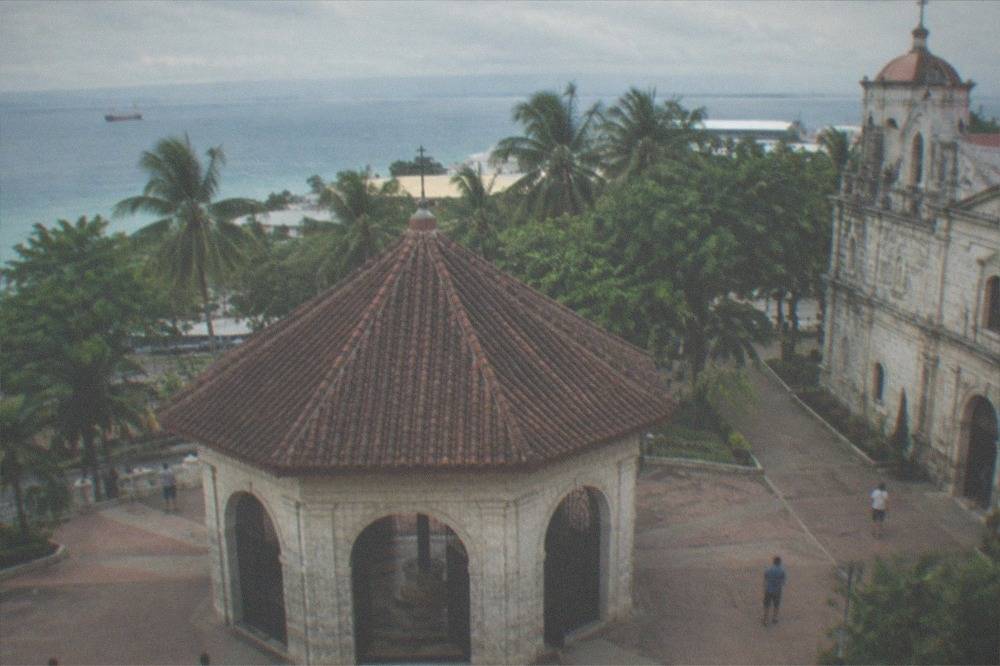
Yes, and it is the single most common trip shape: two or three days of city heritage, including the Yap-Sandiego Ancestral House and the Basilica cluster, followed by two or three days in south Cebu for Oslob's whale sharks, Tumalog Falls, the Moalboal sardine run and Kawasan Falls canyoneering. The city sites are compact enough to cover in one full day, which frees the rest of the week for the coast.
The geography favors this split. Cebu City sits in the center of the island, with the south's attractions strung along a single coastal corridor: Oslob roughly 3.5 to 4.5 hours by bus, Moalboal roughly 2.5 to 3.5 hours, both served by frequent Ceres coaches from the Cebu South Bus Terminal. A five to seven day trip typically runs city first, then south, then back through the city for the flight out. The site's five-day and south Cebu itineraries lay out full day-by-day versions of this plan.
The whale-shark and sardine-run stops carry their own verified fee structures, which is worth knowing in advance because they are the biggest line items in a south Cebu budget. Oslob's whale shark interaction, run under municipal ordinance, charges P1,000 (about US$15.9) per foreign tourist and P500 (about US$8.0) per Filipino, boat and guide included, with sessions running roughly 6 AM to 12 PM. Moalboal's sardine run, a resident school a few meters off Panagsama Beach, requires a P100 (about US$1.6) environmental user fee to swim or snorkel. Kawasan Falls charges about P200 (about US$3.2) for Level 1 access, with canyoneering at roughly P1,500 (about US$24) to P2,000 (about US$32) with a Badian-accredited guide. The Oslob whale sharks guide and the Moalboal sardine run guide cover the rules and ethics in detail.
For the south leg, a combined package saves a full day of self-arranging. The sardine-run snorkeling plus canyoneering combination below is the one this page is paired with, and it covers the two signature south Cebu water experiences in a single booking:
If you would rather stay closer to the city and keep the day light, the highlands offer the other easy escape. The Temple of Leah in Busay charges about P120 (about US$1.9) on weekdays and P150 (about US$2.4) on weekends, Sirao Flower Garden about P100 (about US$1.6), and Tops Lookout, open 24 hours, P100 (about US$1.6) for adults. Those three, plus a sunset from the ridge, make a standard half-day highlands loop that pairs well with a morning in Parian. The Temple of Leah guide and the Tops Lookout guide cover them.

What Should First-Time Visitors Know Before Going?
First-time visitors should know three things about the Yap-Sandiego Ancestral House: confirm the fee and opening status locally, because neither is officially published; pair it with the surrounding Parian cluster rather than treating it as a standalone destination; and carry cash, since the heritage district's small sites do not take cards. Beyond the house itself, Cebu is a straightforward destination for most Western travelers, with 30 days of visa-free entry and no travel tax for tourists staying under a year.
The entry picture is worth restating because it is genuinely different from most attractions covered on this site. Nationals of the United States, the United Kingdom, Australia and every EU state receive an initial 30-day visa-free stay in the Philippines, provided the passport is valid at least six months beyond the stay and an onward ticket is held. Before arrival, every traveler must register on the eTravel platform within 72 hours of the flight; the registration is free, and the Bureau of Immigration repeatedly warns against fake copycat sites that charge fees. Foreign tourists staying under a year are exempt from the Philippine travel tax on departure, despite what some outdated checklists say. The Philippines visa and eTravel guide covers every step.
Money is the second practicality. The currency is the Philippine peso, and every peso figure in this guide carries its dollar equivalent so you can budget in either. ATMs are dense in the malls and along the main commercial streets, thin in the heritage district itself, and the site's currency and ATMs guide covers fees, withdrawal limits and where the machines cluster. A SIM card or eSIM with data is cheap and makes the whole trip easier, from ride-hailing to checking opening status on the day, and the SIM card and internet guide compares the options. For the complete picture of what to see and do across the island, Cebu Travel Guide is the site's home base, with guides to every major attraction and itinerary.
The third is pacing. Cebu City rewards slow mornings: the heritage sites open early by tropical standards, the light on the coral stone is best before mid-morning, and the crowds at the Basilica and Magellan's Cross build through the day. A first-timer's day that starts at the Basilica, walks the Parian cluster by 9 AM, lunches on lechon, and finishes at Fort San Pedro or the highlands is a full and unhurried day.
For a full-day version of the city's heritage core with a guide handling the route:
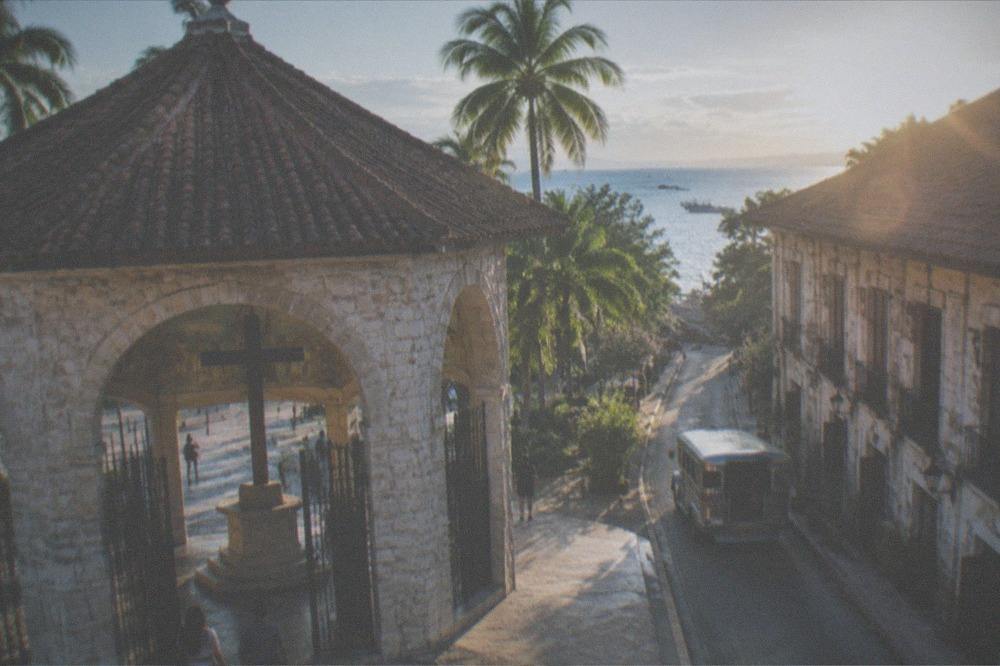
A Two-Hour Parian Walking Plan Around The Yap-Sandiego House
A practical Parian circuit runs: Basilica Minore del Santo Niño and Magellan's Cross first, then the Heritage of Cebu Monument, then the Yap-Sandiego Ancestral House, then Casa Gorordo Museum, finishing on Colon Street. Done at walking pace with stops, it takes about two to three hours, costs almost nothing beyond the house and museum fees, and covers every era of the city's history from 1521 to the American period.
The order matters less than the geography, but the sequence above runs roughly south to north and keeps the sun behind you in the morning. Start at the Basilica, where the Santo Niño image given to Queen Juana at her 1521 baptism and rediscovered by Juan de Camus on 28 April 1565 is venerated; the current church structure dates from 1735-1740, its belfry having been rebuilt after the 2013 Bohol earthquake damaged it. Magellan's Cross, in its pavilion beside the Basilica, is the 1521 marker and takes ten minutes. From there, walk north into Parian: the monument first, then the ancestral house, then uphill to Casa Gorordo.
The table below is the plan in checklist form, with what this site's research can verify for each stop. Fees and hours that are not officially published are marked as such, which is itself useful information when you are planning cash and timing.
| Stop | Time needed | Fee | Notes |
|---|---|---|---|
| Basilica Minore del Santo Niño | 30-45 min | Free | Mass schedule restored to pre-pandemic times in late 2024 |
| Magellan's Cross | 10 min | Free | Open roughly 8 AM-6 PM per secondary sources |
| Heritage of Cebu Monument | 15 min | Not published | Open-air, viewable any hour |
| Yap-Sandiego Ancestral House | 30-60 min | Not published | Confirm opening status after the 2025 quake inspection |
| Casa Gorordo Museum | 45-60 min | About P100 (about US$1.6) | Monday to Saturday, closed Sundays per secondary sources |
| Colon Street | Variable | Free | Oldest street in the country, commercial district |
One warning about over-planning: the district rewards a loose itinerary. The point of Parian is its scale, the sense that the oldest city in the country still functions as a neighborhood rather than a museum district. Build slack into the two hours, accept that a house may be shut for a private event or a post-inspection restriction on the day, and let the walk itself be the attraction. If the day collapses in rain, a wet-season reality, the indoor fallbacks are Casa Gorordo, Museo Sugbo, reopened in August 2025, and the malls along Colon.
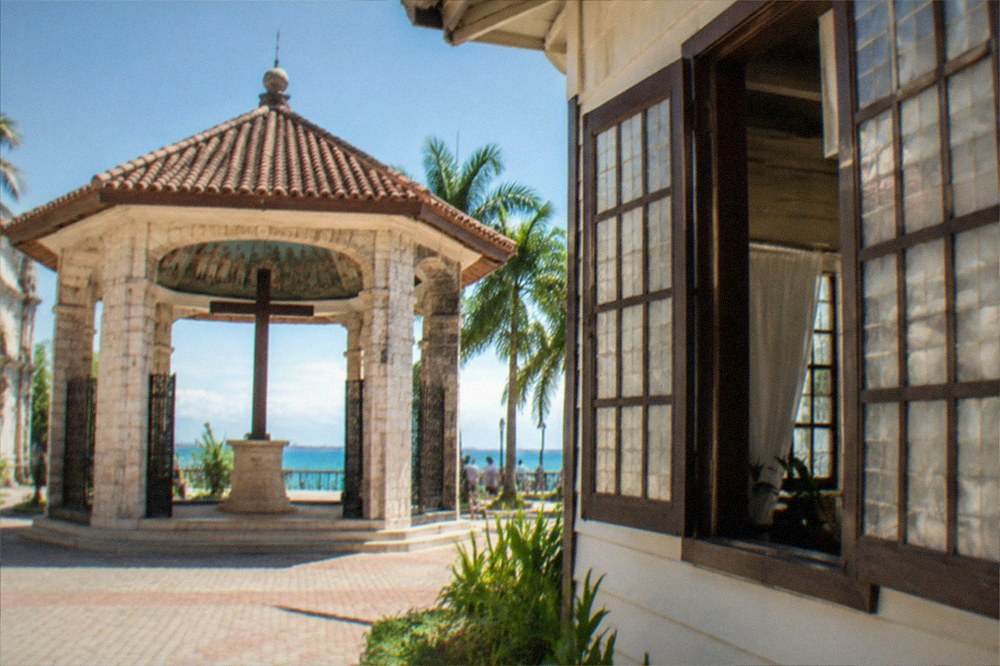
Where Does The Yap-Sandiego House Fit In A Longer Cebu Trip?
For trips of five days or more, the house belongs on day one or day two, inside the city's heritage day, leaving the remaining days for the south coast, the northern islands or a Bohol day trip across the channel. The city's attractions are close together, so one committed day covers the heritage core, and the rest of the week is best spent outside the city entirely.
The standard shapes are well trodden. A five-day trip runs city, then Oslob and the whale sharks, then Moalboal for the sardine run and Pescador Island, then back through the city. A seven-day version adds Kawasan Falls canyoneering, Sumilon Island, and either Bantayan or Malapascua in the north, the latter the base for early-morning thresher shark dives at Kimud Shoal. Bohol, across the channel and about two hours by fastcraft from Cebu's Pier 1, works as a day trip or an overnight, with the Loboc River cruise and the Chocolate Hills as the anchors; the site's Bohol day trip guide covers the ferry and timing in full.
For the south coast, the combined islands-plus-falls package below is the strongest single booking for travelers who want the headline experiences without self-driving, and it pairs naturally with a city heritage day at the start of the week:
Common Questions About The Yap-Sandiego Ancestral House
What is the Yap-Sandiego Ancestral House?
It is a Spanish-era family residence in Cebu City's Parian district in the Philippines, built of coral stone and hardwood and preserved as a private heritage house by descendants of the Yap and Sandiego families. It is often described as one of the oldest surviving residential buildings in the country.
How much is the entrance fee to the Yap-Sandiego Ancestral House?
No official fee is published in this site's research. For context, nearby verified heritage fees run from P50 (about US$0.8) at Fort San Pedro to about P100 (about US$1.6) at Casa Gorordo Museum. Carry small peso notes and confirm the amount at the door.
Is the Yap-Sandiego Ancestral House open in 2026?
Its current status is not confirmed. The house was among the Cebu City heritage properties closed for structural inspection after the 30 September 2025 earthquake, and this site's research, current to late September 2026, could not verify its reopening status. Check the house's own social media page or ask locally before visiting.
How do I get to the Yap-Sandiego Ancestral House?
The house stands on Mabini Street in the Parian district of Cebu City, a short walk from Colon Street and the Heritage of Cebu Monument. From the city center it is reachable on foot; from further out, take a jeepney along Colon or Osmeña Boulevard, or a taxi or ride-hailing service, and walk the final blocks.
How long does a visit take?
The house is small and most visits run 30 to 60 minutes, including the steep staircase to the furnished upper floor. It works best as one stop inside a two to three hour walking circuit of the Parian heritage cluster rather than as a standalone destination.
What is near the Yap-Sandiego Ancestral House?
The Heritage of Cebu Monument is nearly next door, and the Cebu Metropolitan Cathedral, Casa Gorordo Museum, Colon Street, the Basilica Minore del Santo Niño, Magellan's Cross and Fort San Pedro all sit within walking distance, forming a compact heritage loop.
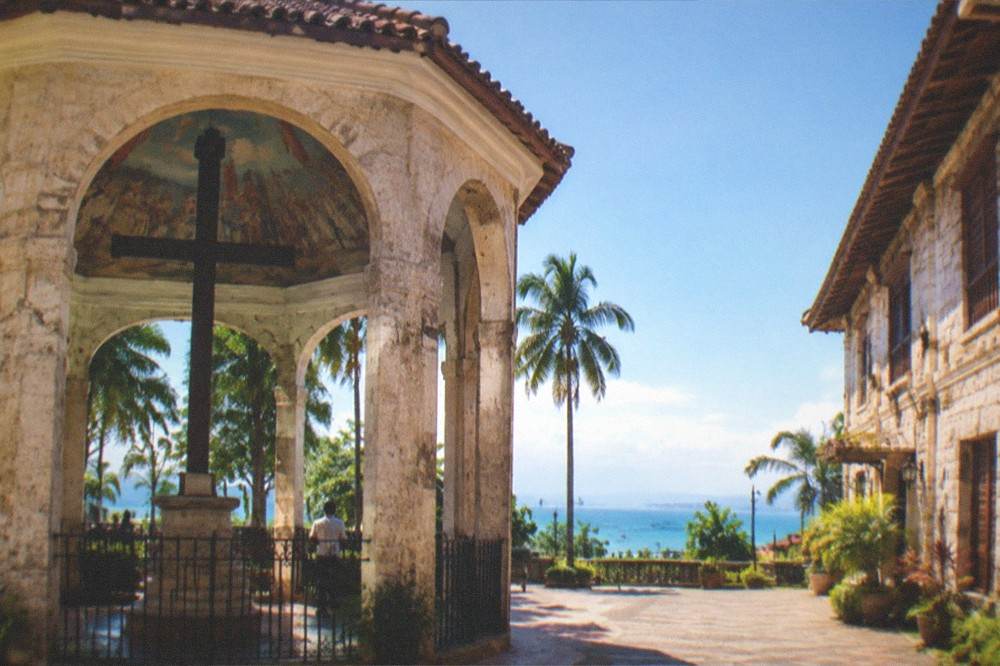
The Yap-Sandiego Ancestral House is the quietest of Cebu City's big heritage names, and that is its value. The Basilica tells you what Cebu believed, Fort San Pedro tells you what it defended, and this house tells you how a single Parian family actually lived across the centuries in between. Confirm the fee and the day's opening status locally, walk the district slowly, and let the oldest city in the Philippines do the rest.