Cebu Taoist Temple
The Cebu Taoist Temple is a free, colorful hilltop temple in Cebu City, Philippines, built by the local Chinese community and open to respectful visitors of any faith.
Short answer
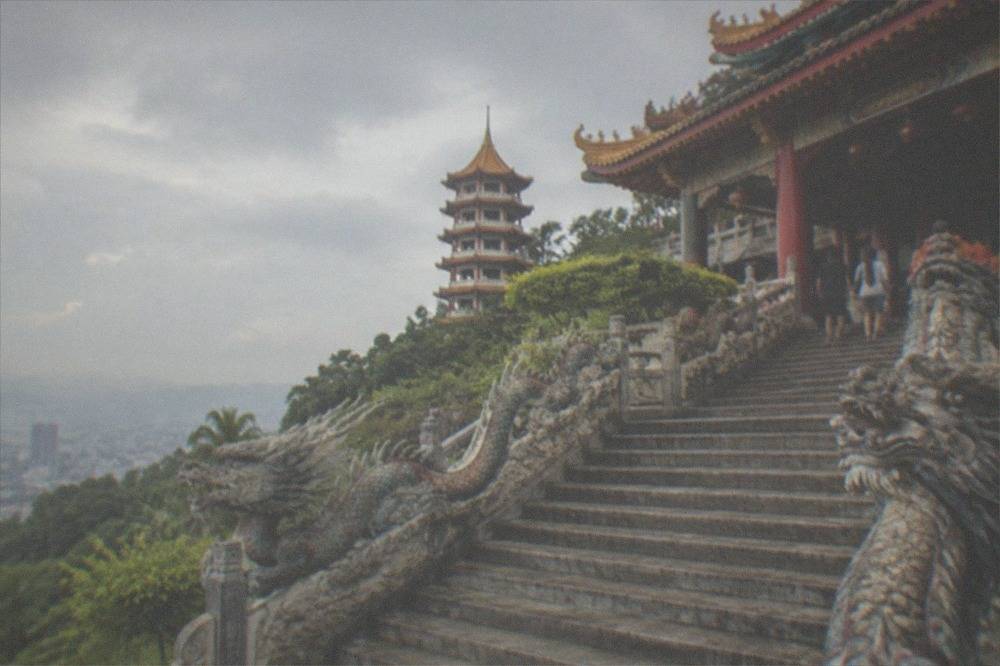
The Cebu Taoist Temple is free to enter, though donations are appreciated, and it typically opens between mid-morning and late afternoon, though published hours vary. It sits on a hillside overlooking Cebu City, and visitors climb a wide staircase past dragon carvings to reach the temple deck.
Cebu, an island province in the Central Visayas region of the Philippines, keeps most of its famous landmarks down at sea level: Magellan's Cross, Fort San Pedro, the Basilica Minore del Santo Niño. The Cebu Taoist Temple does something different. It climbs a hillside above Cebu City, greets you with a staircase flanked by carved dragons, and charges nothing at the door. Built by Cebu's Chinese community as a place of worship, it doubles as one of the city's best free viewpoints, and on a clear day the deck looks out across the city toward the Mactan Channel.
This guide from Cebu Travel Guide covers the entry fee, the hours, how to reach the temple, what you will actually see once you climb the steps, and how to slot it into a day that also takes in the neighboring highlands attractions like Tops Lookout and the Sirao Flower Garden.
Where Is The Cebu Taoist Temple And How Do You Get There?
The Cebu Taoist Temple stands on a hillside above Cebu City, roughly a 20 to 30 minute drive from the downtown heritage zone around Magellan's Cross and the Basilica. Visitors typically arrive by taxi or ride-hailing app, since the climb from the main road is steep and there is no direct jeepney stop at the gate. The temple sits in a quiet residential subdivision, so the last stretch is a winding uphill road rather than a commercial street.
The practical detail is the gradient. The temple is not on a flat pedestrian street like the Cebu City downtown heritage cluster; it sits elevated, and the approach road rises steadily from the lowlands. Jeepneys serve the main arteries of Cebu City, but none of the published routes in the site's transport data drop you at the temple gate itself, so the standard advice is to take a taxi or a Grab car and keep the driver's number for the return trip, since finding a ride back down can take longer than the ride up.
If you are staying on Mactan Island near the resorts, budget a full morning for the round trip: the drive crosses the channel into Cebu City proper before climbing the hills, and the site facts put the airport-to-city corridor alone at roughly 25 to 60 minutes depending on traffic. Combining the temple with other highlands stops, which all sit in the same general direction, saves you from making the climb twice. It also spares you the frustration of the return leg, since ride-hailing cars thin out in the residential streets above the city and waiting times stretch accordingly.
| Starting point | Best transport | Rough planning time (one way) |
|---|---|---|
| Cebu City downtown (heritage zone) | Taxi or Grab | 20-30 minutes |
| IT Park / business district | Taxi or Grab | 20-35 minutes |
| Mactan Island resorts | Taxi or Grab | 40-60+ minutes |
| Cebu South Bus Terminal area | Taxi or Grab | 25-35 minutes |
What Are The Cebu Taoist Temple Opening Hours And Entry Fee?
Entry to the Cebu Taoist Temple is free, though donations are appreciated, and no published fee schedule exists for either the gate or the parking area. Opening hours are the one genuinely murky detail: sources conflict between roughly 9 AM to 5 PM and 6 AM to 6 PM, and no official website publishes a definitive timetable. The safest plan is to visit between mid-morning and mid-afternoon, inside both published windows.
That honesty matters, because plenty of guides print a single set of hours with total confidence. The verified facts file flags the temple's hours as conflicting across sources, the same way it flags the Temple of Leah, whose hours were shortened from April 2026 with no official price list published. The pattern across Cebu's highlands attractions is that small, community-run sites adjust their schedules quietly, and the only reliable check is a phone call or a look at their social pages on the day. The temple's listed contact number is (032) 254 6503 if your whole day depends on the answer.
The fee picture is much simpler. Unlike Fort San Pedro, which charges P50 (about US$0.8) regular and P40 (about US$0.6) for students and seniors, or Tops Lookout, which charges P100 (about US$1.6) for adults and P70 (about US$1.1) for seniors and persons with disabilities, the Taoist Temple asks for nothing. A donation box stands inside for those who want to contribute to upkeep. That makes it one of the genuinely free major stops in a city where most viewpoints and heritage houses now charge.
| Cebu City attraction | Entry fee | Hours basis |
|---|---|---|
| Cebu Taoist Temple | Free, donations welcome | Conflicting sources, call ahead |
| Tops Lookout | P100 (about US$1.6) adult, P70 (about US$1.1) senior/PWD | Open 24 hours |
| Temple of Leah | About P120 (about US$1.9) weekday, P150 (about US$2.4) weekend | Shortened from April 2026 |
| Sirao Flower Garden | About P100 (about US$1.6) | Roughly 8 AM to 5/6 PM, varies |
| Fort San Pedro | P50 (about US$0.8) regular, P40 (about US$0.6) discounted | Roughly 8 AM to 7 PM |
| Magellan's Cross | Free | Roughly 8 AM to 6 PM |
What Can You See Inside The Cebu Taoist Temple?
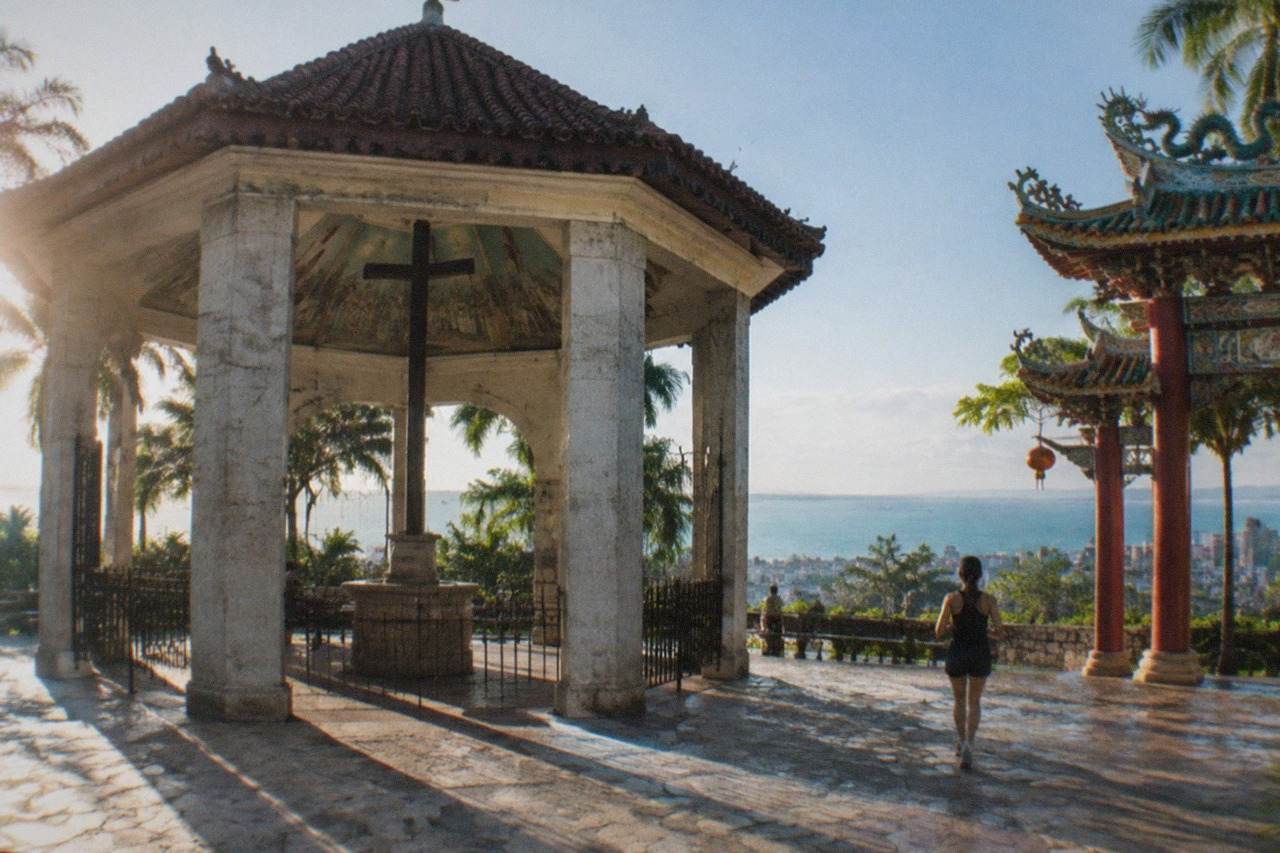
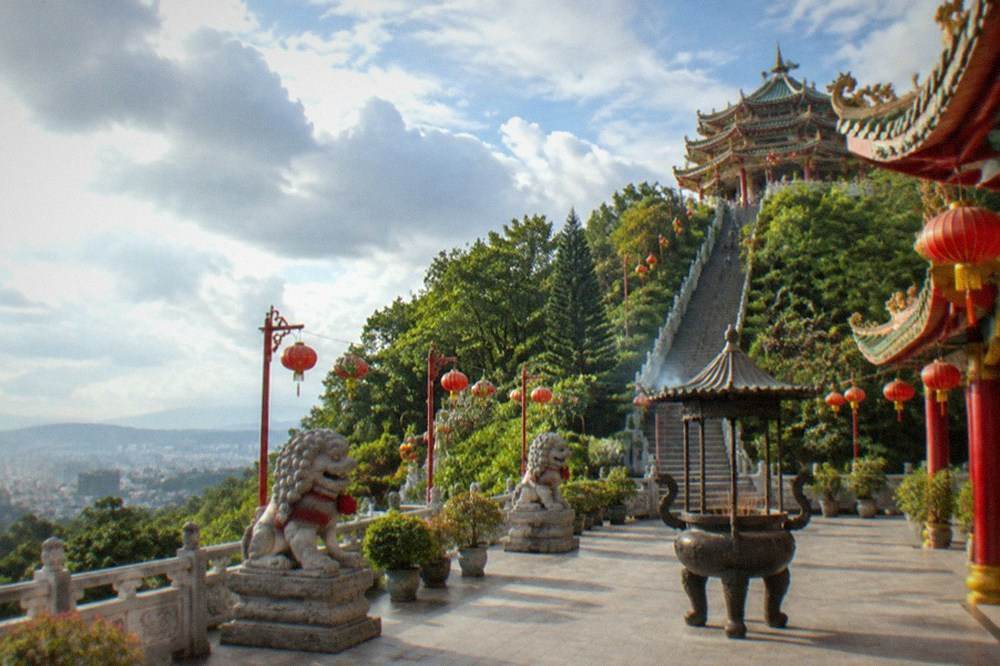
Inside the Cebu Taoist Temple you climb a broad staircase past dragon carvings to a main hall where worshippers burn incense and kneel before an altar, plus an open deck with a panoramic view over Cebu City and, on clear days, the sea toward Mactan. The architecture is Chinese in style, with red pillars, upturned roof edges, lanterns and stone lions, and the complex includes a smaller chapel area and a replica structure used for ceremonies. The whole visit takes most people between 45 minutes and an hour.
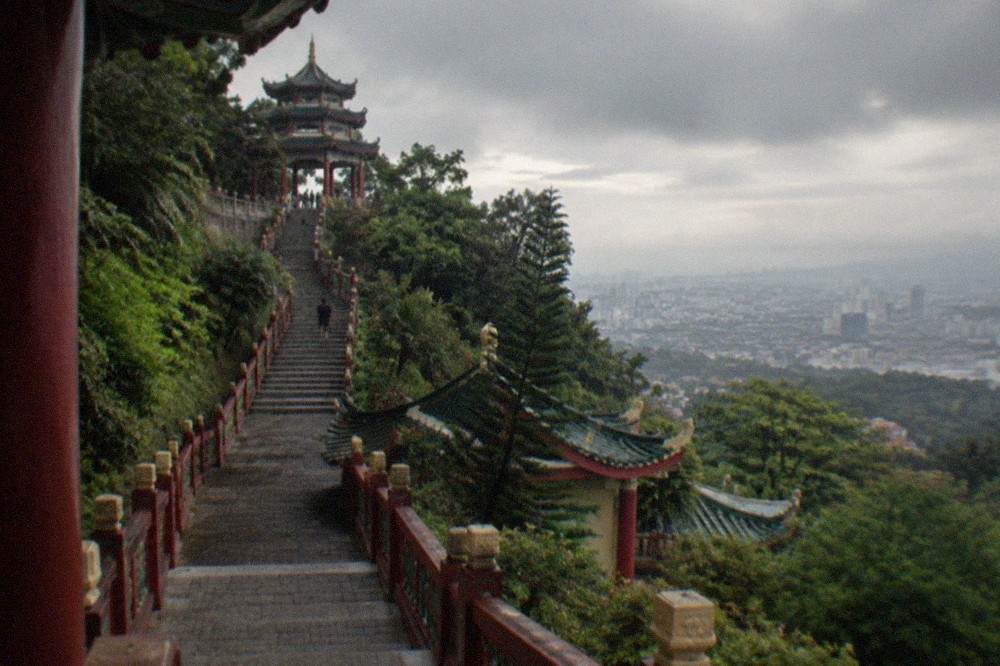
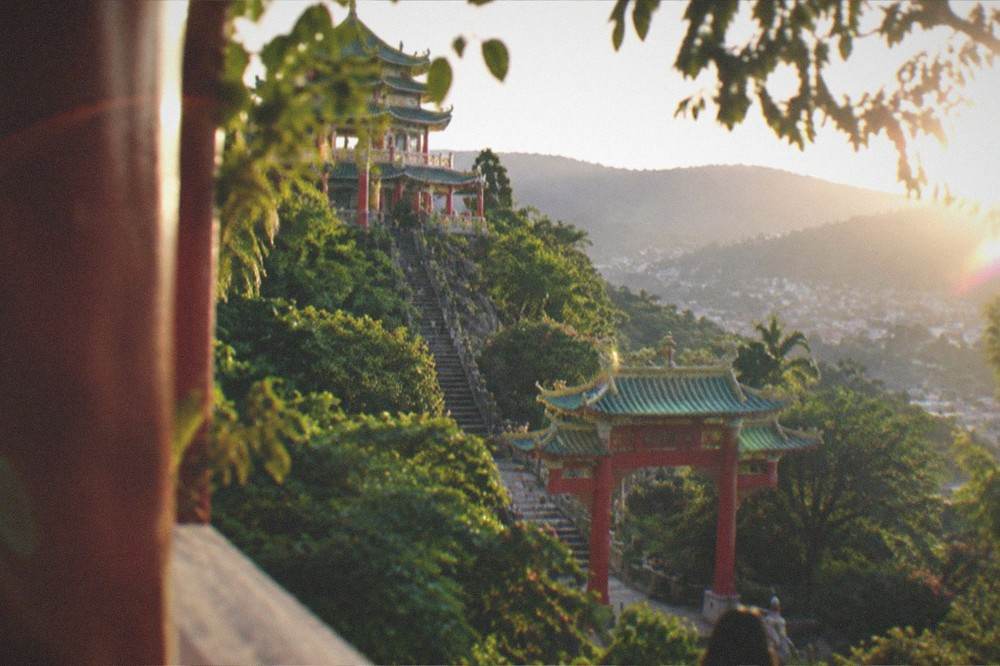
The staircase is the part every visitor remembers. It rises in wide flights, framed by the carved dragon balustrade that appears in almost every photo of the temple, and the climb is gentle enough for most visitors while still being a real effort in the midday heat. Cebu's climate is tropical, not temperate: PAGASA's Mactan station normals put the annual mean at 28.1 C, so bring water and go early.
At the top, the temple divides into a few distinct experiences. The worship hall is a working religious space, with incense coils hanging overhead and an altar that remains the focus for the Chinese community that built and maintains the temple. The viewing deck is the tourist draw, and on a clear afternoon it gives one of the best free panoramas in the city, stretching from the dense lowland grid toward the channel. The smaller side structures, including the chapel used for ceremonies, round out a compact site that never feels crowded once you are past the steps.
Thinking about what to do with the rest of the day after the hills? These are the tours travelers most often pair with a morning in Cebu City.
How Do You Behave And Worship At A Taoist Temple In Cebu?
Visitors to the Cebu Taoist Temple should dress modestly, keep voices low, and ask before photographing worshippers or ceremonies; the temple is an active place of worship, not a photo studio. The traditional Taoist practice many visitors try is the fortune-stick ritual, in which you kneel, silently ask a question, and shake a container of numbered sticks until one falls out, then read the corresponding fortune. There is no obligation to participate, and observing quietly is entirely acceptable. Shoes stay on here, unlike some Asian temples.
The etiquette rules are simple and mostly universal for Chinese temples. Shoulders and knees covered is the safe dress standard. Do not touch the altars, the incense burners or the offerings. If a ceremony is underway, stay back from the worship hall rather than walking through it for a better photo angle. The temple's own community welcomes visitors of any faith, and the site's free, open-door policy depends on that welcome being respected.
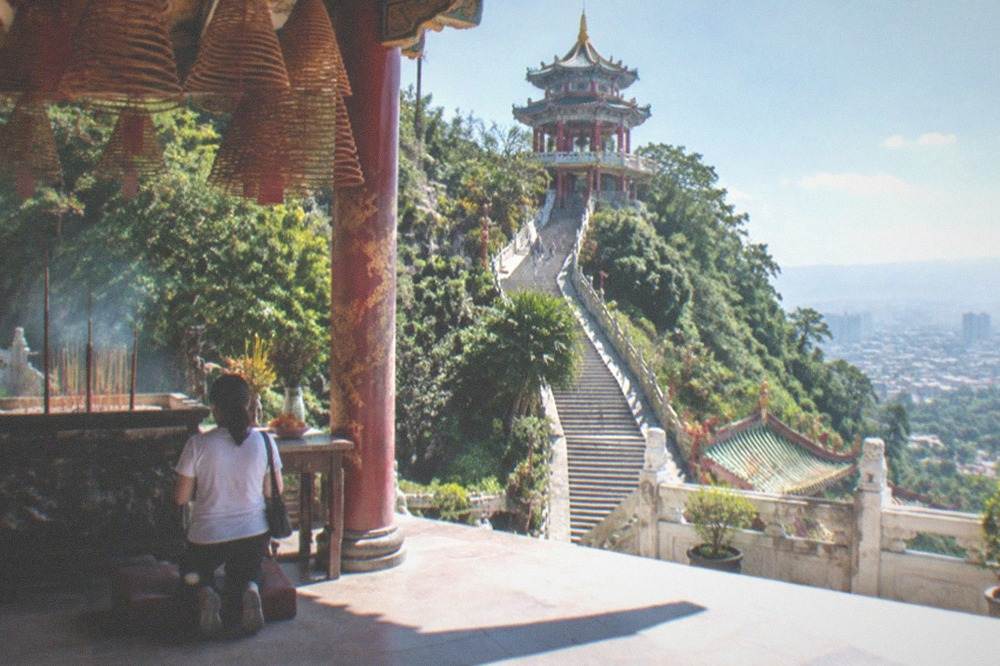
For the fortune ritual itself, the numbered sticks each correspond to a written fortune, and the practice is a folk devotional tradition rather than anything formal. Some visitors treat it as a bit of fun; for regular worshippers it is a sincere act. Either way, the respectful move is to return the sticks to their container when you are done rather than leaving them scattered on the altar.
When Is The Best Time To Visit The Cebu Taoist Temple?
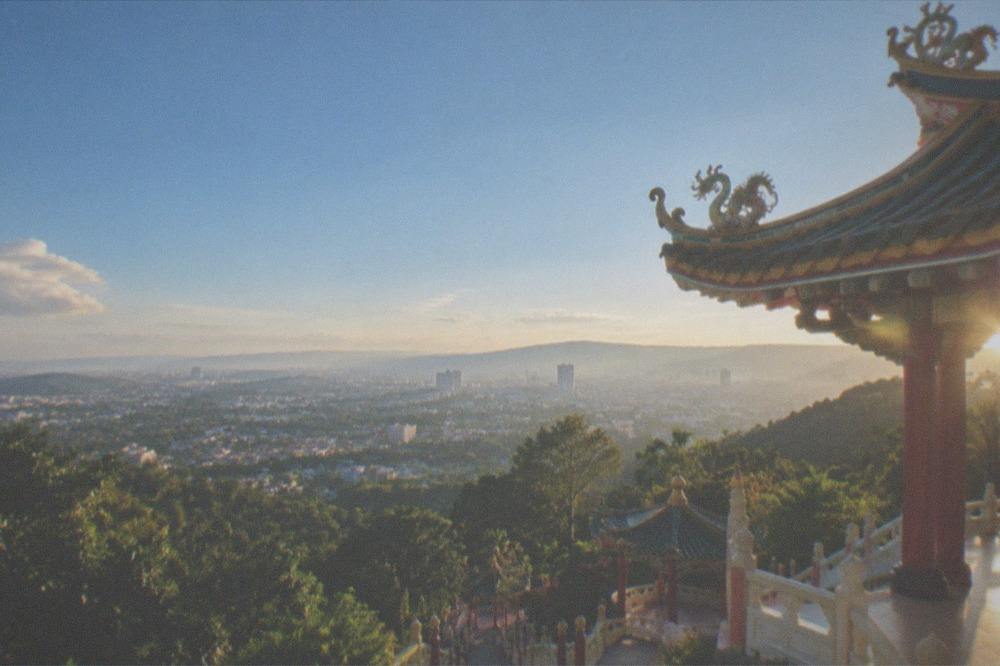
The best time to visit the Cebu Taoist Temple is on a weekday morning between December and May, Cebu's dry season under PAGASA's national rule, arriving close to opening to beat both the midday heat and the tour groups. The afternoon light is better for photography over the city, but the hours are less certain late in the day, since published closing times conflict. Avoid Sinulog week in January and the rainy season from June to November, when hillside visibility drops.
The climate logic is straightforward. PAGASA classifies December through May as the dry season and June through November as the rainy season, and the Mactan station's 1991-2020 normals record 1,685.0 mm of rain a year across 138 rain days. October is the wettest month in the monthly series at 194.8 mm and April the driest at 48.1 mm, so an April morning gives you the clearest view from the deck and the most comfortable climb up the stairs.
The calendar matters too. Sinulog, held on the third Sunday of January with the Grand Parade at the Cebu City Sports Center, fills the city with visitors that week, and while the festival itself is extraordinary, it is a poor time to expect a quiet temple. Weekday mornings outside festival week give you the site closest to how the worshipping community normally uses it.
| Period in Cebu | Conditions for a temple visit |
|---|---|
| December to February | Dry, cooler mornings, Sinulog crowds in January |
| March to May | Driest months, hottest midday, best visibility |
| June to September | Rainy season, humid climb, views often hazy |
| October to November | Wettest months, typhoon season peak, check forecasts |
What Else Can You See Near The Cebu Taoist Temple?
The Cebu Taoist Temple sits in the same highlands direction as several of Cebu City's most popular viewpoints, including Tops Lookout, the Temple of Leah and the Sirao Flower Garden, so a single half-day driving loop covers all four. Tops is open 24 hours, the Temple of Leah charges a modest weekend-rate entrance, and Sirao charges a small garden fee per person. Most drivers know the loop and will quote it as a standard highlands tour.
This is the most efficient way to use the temple geographically. Rather than treating it as a standalone stop, you fold it into the hillside circuit that heads up from the city through the residential slopes. Tops Lookout makes a natural sunset finish, while Sirao's flower terraces photograph best in morning light. The Temple of Leah is the closest spiritual sibling to the Taoist Temple in the public imagination, though the two could not be more different in origin: one is a modern grand gesture, the other a working community temple.
If the hills leave you with an afternoon to spare, the coastal side of the region is a short drive back down. The Mactan island-hopping routes through Gilutungan, Caohagan and Nalusuan are the classic half-day water trip, and the marine sanctuary fees there run about P150 (about US$2.4) to P300 (about US$4.8) per person at the islands, on top of the Lapu-Lapu environmental fee of P100 (about US$1.6) for foreign tourists. Check availability on the operator's live listing if you want the boat, lunch and fees handled in one booking.
| Highlands stop near the temple | Entry fee | Best time of day |
|---|---|---|
| Cebu Taoist Temple | Free, donations welcome | Mid-morning |
| Tops Lookout | P100 (about US$1.6) adult, P70 (about US$1.1) senior/PWD | Sunset or sunrise |
| Temple of Leah | About P120 (about US$1.9) weekday, P150 (about US$2.4) weekend | Morning or late afternoon |
| Sirao Flower Garden | About P100 (about US$1.6) | Morning light |
Can You Combine The Cebu Taoist Temple With A Longer Cebu Itinerary?
Yes, the Cebu Taoist Temple fits neatly into a first-day Cebu City itinerary alongside the downtown heritage cluster of Magellan's Cross, the Basilica and Fort San Pedro, and it pairs well with a second day heading south to Oslob's whale sharks or west to Kawasan Falls. Because the temple is free and compact, it works as either a morning opener or a late-afternoon viewpoint stop. It takes one to two hours including transport, leaving the rest of the day open.
A typical first morning in Cebu starts downtown: Magellan's Cross and the Basilica sit beside each other and cost nothing, then Fort San Pedro at P50 (about US$0.8) is a short walk away. After lunch, the highlands loop with the Taoist Temple, Temple of Leah and Tops Lookout fills the afternoon and ends with the sunset from the lookout. That single day covers the city's Spanish-era core and its Chinese and hillside present, which is more variety than most Asian cities offer in one afternoon.
Day two is where Cebu's real pull takes over. The whale sharks at Oslob, at P1,000 (about US$15.9) for foreign tourists and P500 (about US$8.0) for locals with boat and guide included, are the island's signature wildlife encounter, and the viewing window runs roughly 6 AM to 12 PM, so those trips leave Cebu City before dawn. The falls and canyoneering country around Kawasan is the other classic, with the Level 1 entrance at about P200 (about US$3.2) and guided canyoneering running roughly P1,500 (about US$24) to P2,000 (about US$32) with a Badian-accredited guide. Both are long days, which is exactly why the temple's low-effort free visit is such a useful city-day filler.
For travelers who want the hills and the falls in a single booking rather than self-driving, a combined tour is often the cleaner option.
If you are weighing how many days to give the province overall, the site's 3 days in Cebu and 5 days in Cebu itineraries break the tradeoffs down stop by stop, and the best time to visit Cebu guide handles the seasonal question in depth. For the money picture, the Cebu budget and costs guide lists what the free attractions, including this one, save you against the paid ones.
For the second half of any longer stay, these are the three bookable days out that most complement a city morning at the temple.
Common Questions About The Cebu Taoist Temple
Is the Cebu Taoist Temple free to enter?
Yes. Entry is free and donations are appreciated, which makes it one of the few major viewpoints in Cebu City that charges nothing, unlike Tops Lookout at P100 (about US$1.6) or the Temple of Leah at about P120 (about US$1.9) to P150 (about US$2.4).
What are the Cebu Taoist Temple opening hours?
Published hours conflict: sources variously list roughly 9 AM to 5 PM or 6 AM to 6 PM, and there is no official website with a definitive schedule. Visiting between mid-morning and mid-afternoon falls inside both windows; the listed contact number is (032) 254 6503 if you need certainty.
How do I get to the Cebu Taoist Temple?
Take a taxi or a Grab car from Cebu City, roughly 20 to 30 minutes from the downtown heritage zone. The temple sits on a hillside in a residential area, the final road climbs steadily, and there is no direct jeepney stop at the gate, so keep a ride arranged for the return.
Can non-Taoists visit the Cebu Taoist Temple?
Yes. The temple welcomes visitors of any faith or none, and it functions as both a working place of worship for Cebu's Chinese community and a public viewpoint. Dress modestly, keep noise down, and stay back from ceremonies if one is underway.
How long does a visit to the Cebu Taoist Temple take?
A visit typically takes between 45 minutes and an hour on site, covering the staircase, the main worship hall and the viewing deck, plus time for photos. Add 20 to 30 minutes each way for transport from downtown Cebu City.
What is near the Cebu Taoist Temple?
Tops Lookout, the Temple of Leah and the Sirao Flower Garden all sit in the same highlands direction, and drivers commonly run all four stops as a single half-day loop. Tops is open 24 hours, so many travelers save it for sunset at the end of the circuit.
The Cebu Taoist Temple earns its place on a Cebu City itinerary precisely because it asks so little: no entrance fee, no booking, no fixed schedule beyond a phone call if your day is tight, and a view that costs nothing but the climb.