Philippines Evisa And Etravel Requirements
This guide covers both, plus extensions, the travel tax exemption that many visitors never realise they have, and the fees to expect at Mactan-Cebu airport.
Short answer
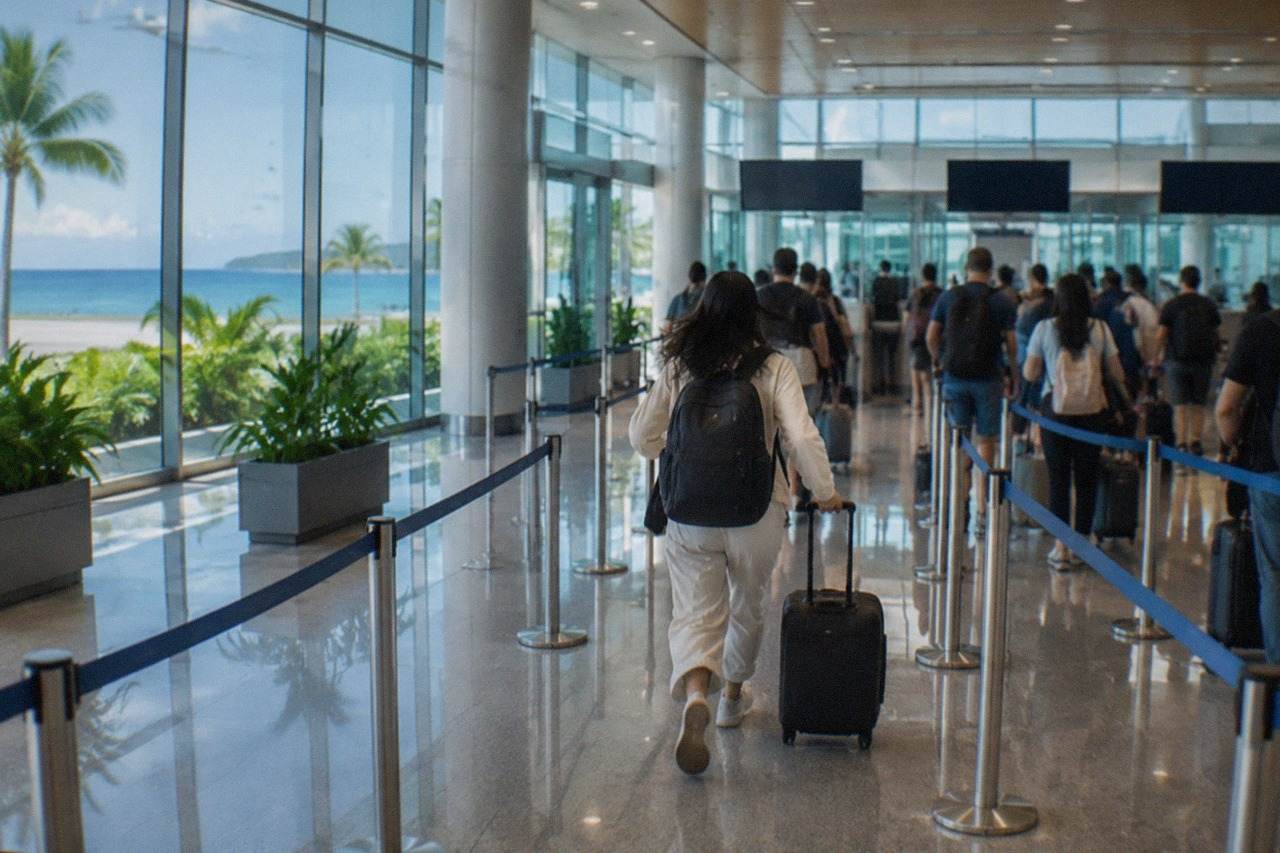
Nationals of the USA, UK, Australia and all EU countries receive a 30-day visa-free stay in the Philippines, including Cebu, with a passport valid six months and an onward ticket. Everyone must also complete the free eTravel registration within 72 hours before arrival.
Cebu, an island province in the Central Visayas region of the Philippines, is one of the country's two main international gateways, and almost every visitor arrives through Mactan-Cebu International Airport. That makes the Philippines' entry rules, the free eTravel registration and the country's quirky travel tax directly relevant to anyone planning a trip here. The good news is that the system is simpler than it sounds: one online form covers the border paperwork, and a tax that confuses many first-time visitors does not apply to them.
This guide from Cebu Travel Guide walks through each requirement in order: who needs a visa, what documents to carry, how eTravel works, how to extend, what you pay and what you are exempt from. For the practical side of landing, the Cebu airport guide covers terminals, buses and taxis in detail.
Do US, UK, EU And Australian Visitors Need A Visa For Cebu, Philippines?
No. Nationals of the USA, the United Kingdom, Australia and every EU member state receive an initial stay of thirty days visa-free, under Executive Order 408 and its amendments, which cover 157 countries in total. The evisa.gov.ph policy page lists the United States, the United Kingdom of Great Britain and Northern Ireland, Australia, Austria, Belgium and the rest explicitly. The stay is granted on arrival for tourism or business and can be extended through the Bureau of Immigration.
The old figure of 21 days still circulates on some outdated embassy pages, but it no longer applies. Thirty days is the rule, and it applies anywhere in the Philippines, Cebu included. You do not apply in advance, pay nothing for the visa itself, and receive a stamp at the immigration counter.
A few countries get slightly different treatment. Brazil and Israel, for example, retain 59 days. Indian nationals face a separate, non-extendable 14 or 30-day rule introduced in 2025, and Chinese nationals received a non-extendable 14-day arrangement from 16 January 2026. If your passport is not from one of the 157 listed countries, the evisa.gov.ph policy page is the definitive list to check.
| Nationality | Initial stay | Extendable? | Notes |
|---|---|---|---|
| USA, UK, Australia | 30 days | Yes, via Bureau of Immigration | EO 408 list |
| All EU member states | 30 days | Yes | Same list |
| Brazil, Israel | 59 days | Yes | Longer bilateral arrangement |
| India | 14 or 30 days | No (from mid-2025) | Non-extendable rule |
| China | 14 days | No (from 16 Jan 2026) | Non-extendable rule |
Thirty days is generous for a first trip. The Cebu itinerary page shows how much fits into a week, let alone a month.
What Documents Do You Need To Enter The Philippines At Cebu Airport?
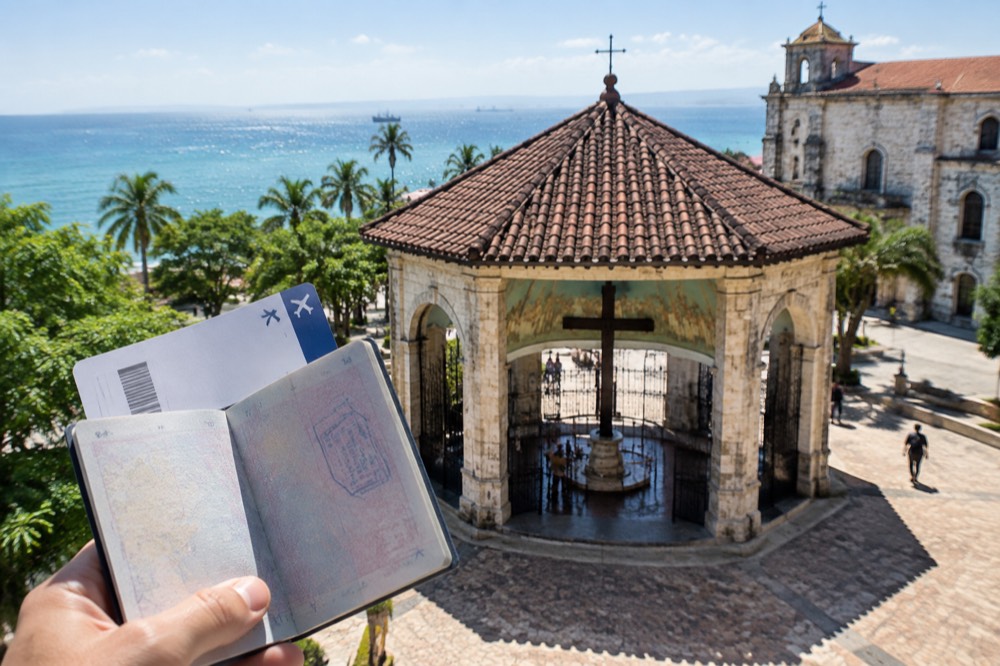
Three things clear immigration at Mactan-Cebu: a passport valid at least six months beyond your intended stay, a return or onward ticket to your next destination, and the QR code from your completed eTravel registration. The six-month validity and onward ticket requirements are stated on the official evisa.gov.ph policy page, and immigration officers ask for all three. Electronic tickets on a phone are accepted; a printed copy is no longer required.
The six-month passport rule has a wrinkle worth knowing. The Bureau of Immigration maintains a list of countries whose nationals are allowed to enter with less than six months of validity, and the USA, Australia, the UK and most EU states are on it. In practice, though, airlines are the ones who check at check-in, and they tend to apply the six-month rule strictly, so renewing a short-dated passport before flying is the safer course.
The onward ticket rule catches budget travellers planning to decide their next move on the road. A confirmed booking out of the Philippines, to anywhere, satisfies it. Some travellers buy a cheap fully-refundable flight or a ferry ticket to a neighbouring country for this purpose. What does not work is telling the officer you will "figure it out later": the requirement is a ticket, not an intention.
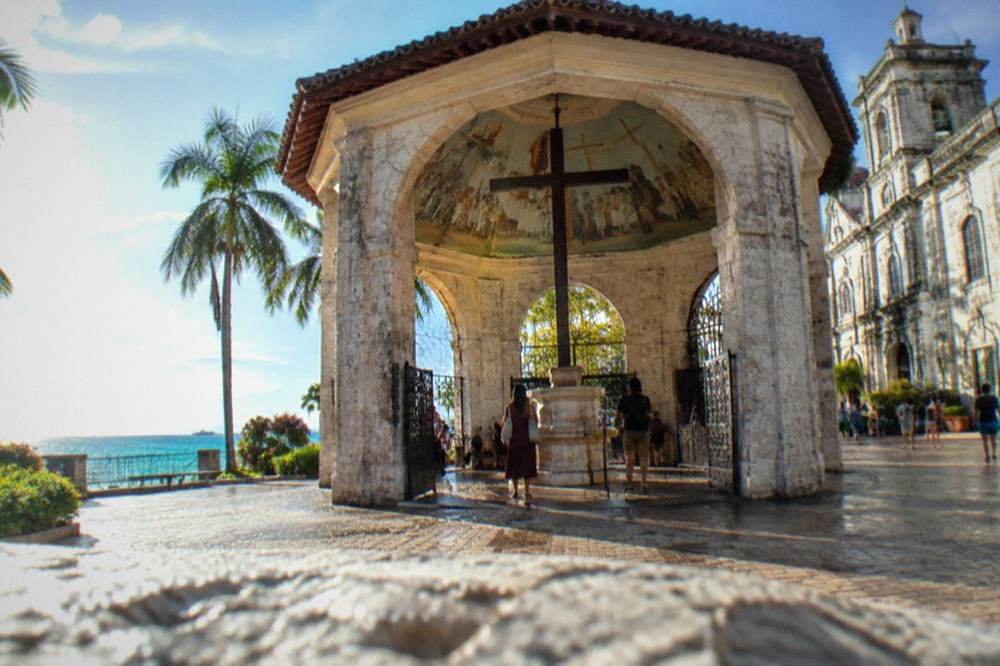
Once you are through, the practical questions begin: where to sleep, how to move around, what to book. A guided first day solves several of those at once.
The getting around Cebu page takes over from there, covering jeepneys, buses and ride-hailing across the island.
How Does Etravel Registration Work For Arrivals In Cebu?
ETravel is a free, web-based registration at etravel.gov.ph that every arriving passenger, foreign and Filipino alike, must complete within 72 hours before arrival. You fill in your passport details, flight information and health declaration online, receive a QR code, and present it at check-in and again at the airport in Cebu. The Bureau of Immigration repeatedly warns that the official site is free and that fake eTravel sites charge fees; only etravel.gov.ph is real.
The 72-hour window is strict in one direction only: you cannot register earlier than three days before your flight, but you can register up to departure time. Register too early and the system will not accept the entry. Many do it the evening before departure, which leaves margin for typos.
The customs declaration is now merged into the same form, so one registration covers health, immigration and customs. Departing Filipinos also use eTravel, and since August 2025 the Philippine travel tax payment for eligible departing travellers was folded into the system as well, a detail covered further down this page.
| Step | What you do | When |
|---|---|---|
| 1 | Go to etravel.gov.ph (official, free) | Within 72 hours of arrival |
| 2 | Enter passport, flight and stay details | Takes about 10 minutes |
| 3 | Complete the merged customs declaration | Same session |
| 4 | Save or screenshot your QR code | Immediately |
| 5 | Show the QR code at check-in and on arrival in Cebu | At the airport |
If a fake site charged you, the Bureau of Immigration asks that it be reported; the registration itself costs nothing and any site demanding payment is a scam. This warning was repeated in BI advisories as recently as Holy Week 2026.
With the paperwork settled, the first day is the part worth planning. The full-day historical city and Mactan island tour is the most direct way to see Magellan's Cross, the Basilica and the Lapu-Lapu shrine without spending your first morning negotiating jeepney routes, and the operator's live listing carries the current price and availability.
How Long Can You Extend A Philippine Tourist Stay From Cebu?
The first Bureau of Immigration extension adds 29 days, taking a visa-free visitor to 59 days total, and further extensions are typically 59 days each or a six-month Long-Stay Visitor Visa Extension. Visa-free nationals can accumulate up to 36 months of stay in total. Each extension carries a fee, applications can be filed online through the Bureau's e-services portal or in person at a Cebu City office, and the process is routine.
Extensions are routine, and Cebu City has a Bureau of Immigration office that handles them, so you do not need to fly to Manila to stay longer. File before your current stamp expires: overstaying incurs penalties per month plus a fine, and sorting an overstay at the airport is far more expensive than a timely extension.
The practical rhythm most long-stayers follow is 30 days free, then a 29-day extension, then a six-month LSVVE once they know they are staying. Fees vary with the extension length and include the bureau's express and certification charges, so expect roughly P3,030 (about US$48) and upward per extension, and treat that as a floor rather than a quote. Confirm the current schedule when you file, either online or at the counter, since the fee table is revised periodically.
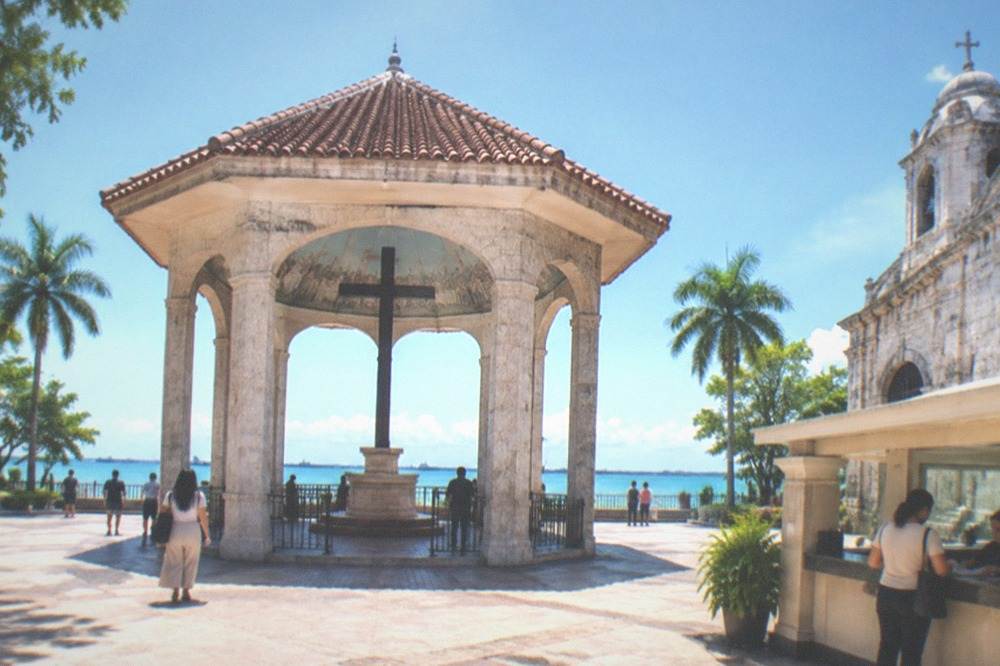
Long stays open up the slow side of the province: the best time to visit Cebu matters more once you are choosing months, not dates.
Do Foreign Tourists Pay The Philippine Travel Tax When Leaving Cebu?
No. The Philippine travel tax falls on Filipino citizens and resident taxpayers, not on tourists. TIEZA's own exemption page states that non-immigrant foreign nationals whose stay is under one year are exempt from the tax entirely. Foreign visitors flying out of Cebu do not pay it, though they should keep their arrival stamp accessible in case the airline asks for proof of stay length.
This is the single most-misunderstood fee in Philippine travel. Blogs and even some airline FAQ pages tell tourists to budget for the travel tax, and travellers arrive at the airport expecting to pay it. The exemption has been the rule for years and was still confirmed on TIEZA's official pages through 2026.
For those who do owe it, the amounts are fixed by class of travel, with a higher charge in first class than in economy and reduced rates for children aged 2 to 12. None of that applies to a tourist on a normal holiday.
One caveat: if you stay more than a year on successive extensions, you stop being exempt and need an exemption certificate or payment. For any normal holiday length, the tax simply does not apply to you.
| Who | Travel tax | Amount |
|---|---|---|
| Filipino citizens and residents (economy) | Payable | P1,620 (about US$26) |
| Filipino citizens and residents (first class) | Payable | P2,700 (about US$43) |
| Children 2-12, economy | Reduced | P810 (about US$12.9) |
| Foreign tourists staying under 1 year | Exempt | None |
| OFWs and infants under 2 | Exempt | None |
A related note for 2026: the House of Representatives passed a travel tax abolition bill in March 2026, but it was still pending in the Senate as of September 2026. The tax remains law until the Senate acts, which changes nothing for exempt tourists either way.
What Airport Fees And Charges Apply At Mactan-Cebu International?
The passenger service charge, the Philippines' terminal fee, is already bundled into your airline ticket at Mactan-Cebu, so you pay nothing at the airport. Because the airport is run under a public-private partnership by Aboitiz InfraCapital Cebu Airport Corporation since 16 January 2025, government fee reductions elsewhere do not apply here. No separate cash payment is collected at the terminal for departing passengers.
The bundled amounts cited for Mactan-Cebu run around P850 (about US$13.5) for international departures and P200 (about US$3.2) to P350 (about US$5.6) for domestic. That bundling is recent enough that older guides still tell you to keep peso cash aside for a terminal fee counter. At Cebu, that counter no longer exists for departing passengers; the charge sits in your fare. Ferry terminals are a different matter: the fastcraft terminal at Pier 1 in Cebu City collects about P25 (about US$0.4) per passenger, and the Bohol ferry page covers that side of things in detail.
For arriving visitors, the other numbers worth knowing are small. The MyBus airport service to SM City Cebu costs P50 (about US$0.8) at the top of its range, yellow airport taxis flag down at about P70 (about US$1.1) plus P4 (about US$0.1) per 300 metres, and white metered city taxis at about P40 (about US$0.6) plus P14 (about US$0.2) per kilometre. None of these are entry requirements, but they are the first pesos almost every visitor spends.
| Charge | Amount | Where it applies |
|---|---|---|
| Terminal fee, international | P850 (about US$13.5) | Bundled in ticket |
| Terminal fee, domestic | P200 (about US$3.2) to P350 (about US$5.6) | Bundled in ticket |
| Ferry terminal fee, Pier 1 | P25 (about US$0.4) | Cebu to Bohol fastcraft |
| MyBus airport to SM City Cebu | P50 (about US$0.8) | Per ride |
| Yellow airport taxi flag-down | P70 (about US$1.1) | Plus per-distance meter |
Budgeting for the whole trip, beyond the airport, is covered on the Cebu budget and costs page.
Is Cebu Safe And Open For Tourists Under Current Advisories?
Yes. The US State Department rates the Philippines Level 2 country-wide, "exercise increased caution", with its strictest warnings reserved for the Sulu Archipelago and Marawi, and no Cebu-specific advisory exists. The UK FCDO and Australia's Smartraveller likewise advise caution only for parts of Mindanao and name no risk specific to Cebu or the Visayas. After the September 2025 earthquake and November 2025 Typhoon Tino, the Department of Tourism confirmed Cebu's core tourism zones open and safe.
Two events in late 2025 tested that record. A magnitude 6.9 earthquake off northern Cebu on 30 September 2025 damaged coral-stone churches in the north of the island, and Typhoon Tino in early November 2025 brought severe flooding. In both cases the DOT moved quickly to state that Cebu City, Mactan and the main tourism areas were unaffected and open, and by March 2026 northern destinations like Malapascua and Daanbantayan were reporting steady visitor numbers again.
The practical takeaway for entry planning is seasonal, not bureaucratic: the Cebu weather and typhoon season page explains the June-to-November rainy window, and the Cebu safety page covers everyday precautions. Neither affects your visa, your eTravel form or your travel tax exemption.
What Should You Check Before Flying To Cebu?
Run a five-minute checklist the day before departure: passport valid six months, onward ticket booked, eTravel QR code saved from the official free site, arrival details matching your booking, and peso cash or a card for the first fares. Every item on that list comes from an official source, none costs a visa fee, and the only one travellers regularly get wrong is registering on a fake eTravel site that charges for a free service.
The order matters less than the timing. The onward ticket must exist before check-in, because the airline checks it, not immigration alone. The eTravel QR code must exist before check-in for the same reason. The passport validity is checked at both ends. Everything else, extensions, travel tax, airport fees, resolves itself after you land.
| Item | Deadline | Cost |
|---|---|---|
| Passport validity check | Before booking flights | None |
| Onward ticket | Before airport check-in | Fare price |
| eTravel registration | Within 72 hours of arrival | Free |
| Visa | Not required for 157 listed countries | None |
| Travel tax | Exempt for stays under 1 year | None |
| First fares at MCIA | On arrival | From P50 (about US$0.8) by bus |
Once you have cleared all of it, the island opens up. The ferries from Cebu and the Cebu to Bohol ferry pages cover the onward paperwork-free crossings, and the things to do in Cebu page is the full menu.
Common Questions About Philippines Evisa And Etravel Requirements
Do I need a visa to visit Cebu, Philippines?
No. Nationals of the USA, UK, Australia and every EU state receive a 30-day visa-free stay on arrival under Executive Order 408, extendable through the Bureau of Immigration. No advance application or fee is required.
Is eTravel mandatory for arrivals at Cebu airport?
Yes. Every arriving passenger, foreign or Filipino, must register at the official etravel.gov.ph site within 72 hours before arrival and present the QR code at check-in and at the border. The registration is free; any site charging a fee is a scam.
How long can I stay in the Philippines without a visa?
Thirty days initially. A first Bureau of Immigration extension adds 29 days, taking you to 59, and further extensions, including a six-month long-stay option, can accumulate up to 36 months for visa-free nationals.
Do tourists pay the Philippine travel tax when leaving Cebu?
No. TIEZA exempts non-immigrant foreign nationals staying less than one year. The tax, P1,620 (about US$26) economy or P2,700 (about US$43) first class, applies to Filipino citizens and residents, not to tourists on a normal holiday.
Do I need a return ticket to enter the Philippines?
You need a return or onward ticket to a next destination. An electronic ticket on your phone is accepted. Immigration and the airline can both ask for it, and an intention to "decide later" does not satisfy the rule.
Is the terminal fee paid at Mactan-Cebu airport?
No. The passenger service charge is bundled into your airline ticket at Mactan-Cebu, roughly P850 (about US$13.5) international or P200 (about US$3.2) to P350 (about US$5.6) domestic, so nothing is collected at a counter. Ferry terminals, including Cebu's Pier 1, do still collect a small terminal fee of about P25 (about US$0.4).
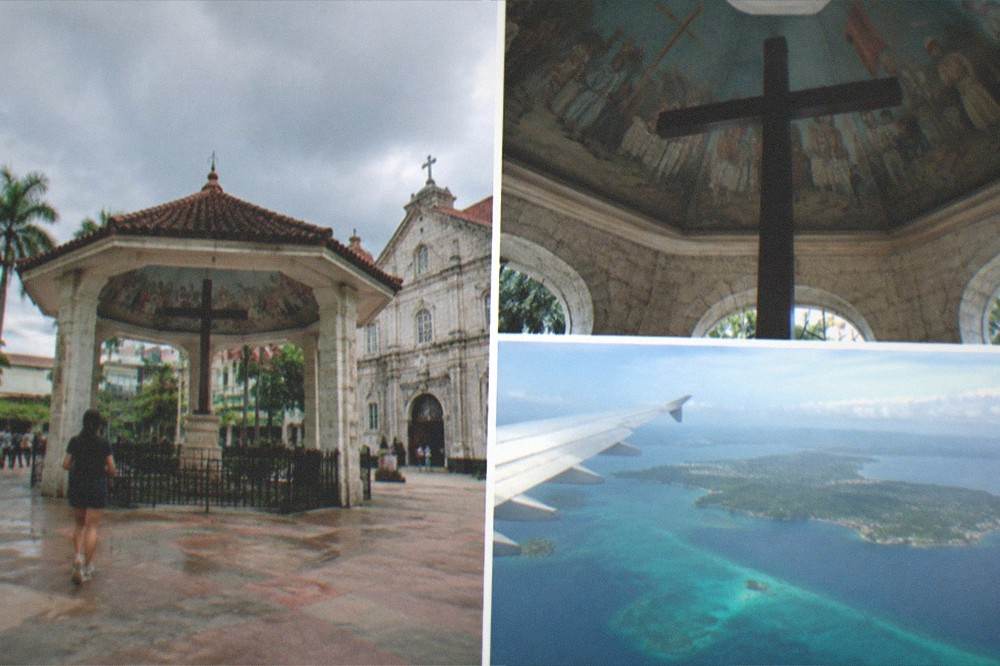
For many travellers the whole entry process takes one evening: a passport check, an onward booking and ten minutes on the official eTravel site. The rest of the trip, whale sharks in Oslob, canyoneering at Kawasan, the heritage quarter of Cebu City, is the part worth spending your planning time on, and a well-chosen first tour can turn the day after arrival into the best day of the stay. Keep a copy of your QR code on your phone and a second copy printed in your carry-on, since airport wifi at busy arrival hours can be slow and the counter staff will not wait for it to load.
If your dates fall in the rainy half of the year, checking the seasonal page before booking is wise, since June to November is PAGASA's typhoon window for the Visayas.
Whatever the season, the entry rules stay the same: thirty days free, one QR code, and a travel tax you do not owe. Keep your arrival stamp handy, keep your eTravel code saved, and the border at Cebu is one of the easiest you will cross in Southeast Asia.