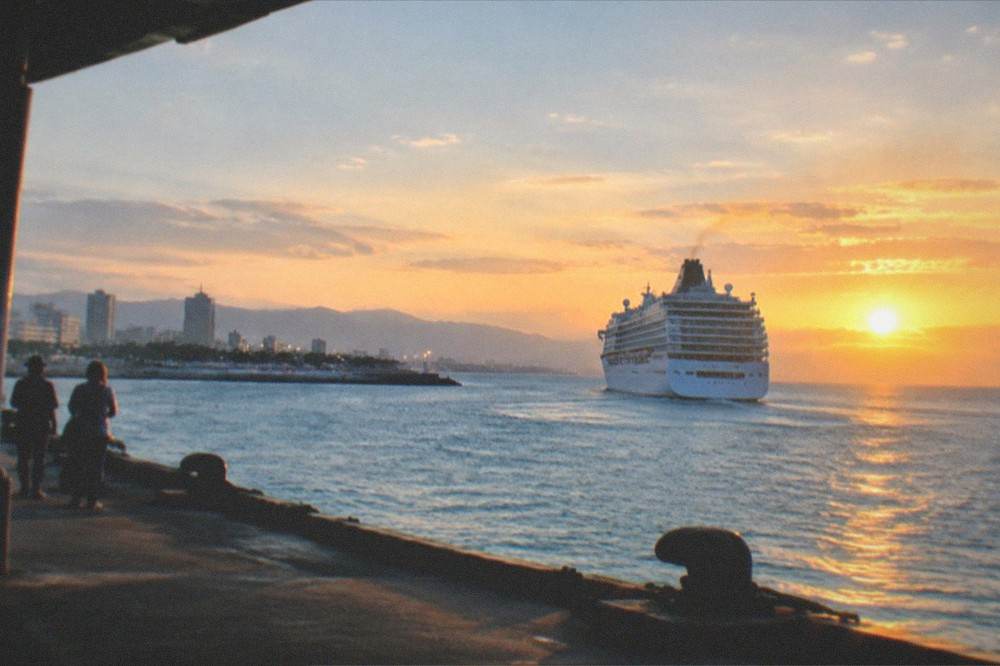
Cebu Cruise Ship Day Itinerary
Cebu, in the Central Visayas region of the Philippines, is one of Southeast Asia's most visited cruise stops. This plan covers what a single port day realistically holds: heritage sights in Cebu City, the best shore excursion choices, and the costs and timings that decide your day.
Short answer
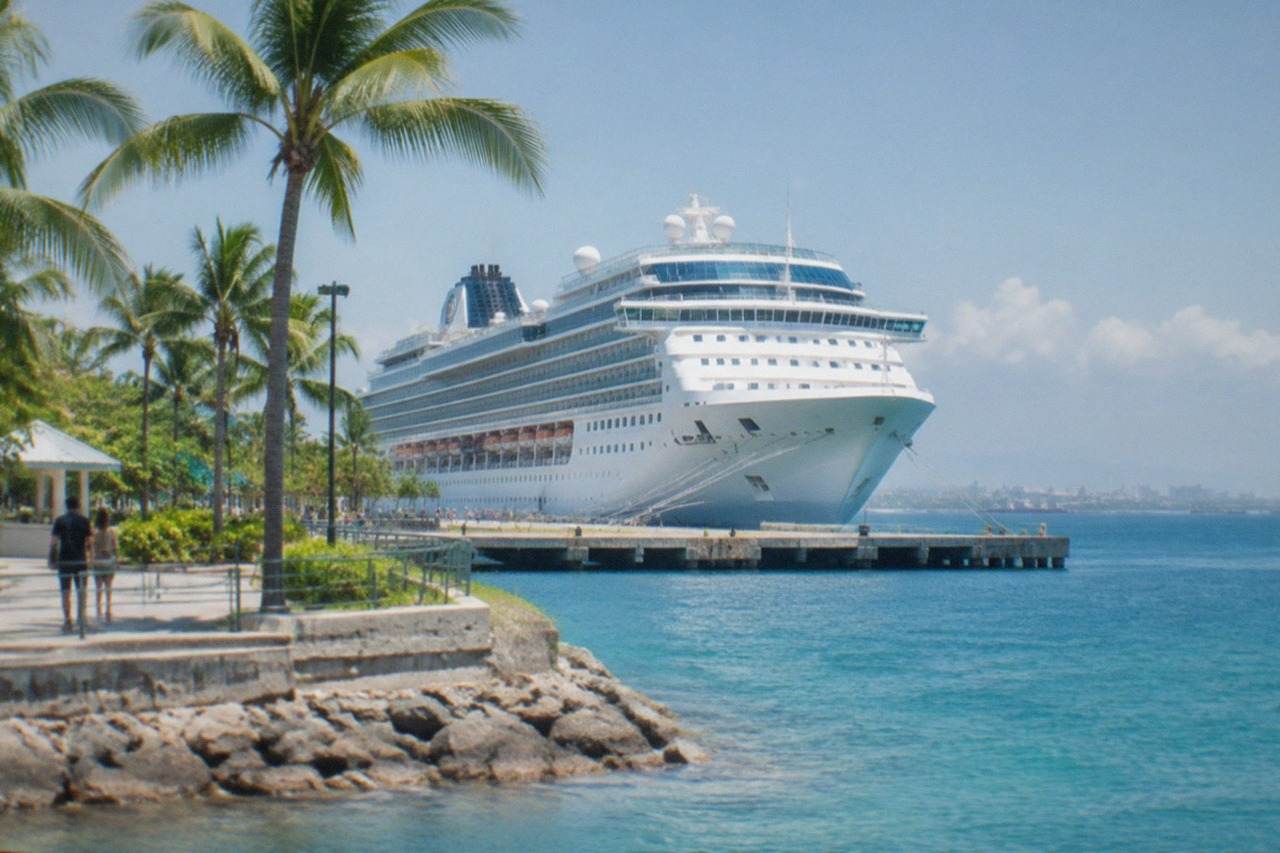
Dock in Cebu City and the heritage core of the oldest city in the Philippines sits within a short ride of the pier. One port day covers Fort San Pedro, Magellan's Cross and the Basilica del Santo Niño comfortably, while a south coast trip to Oslob or Kawasan needs a full-day tour booked in advance.
Cebu, an island province in the Central Visayas region of the Philippines, has become a regular call on Asian cruise itineraries, and the reason is simple: the ships tie up within a short ride of the oldest city in the country. A port day here is not a beach tender ride to a fenced resort. It is a working entrance into centuries of colonial history, mountains, waterfalls and some of the most reliable marine wildlife encounters in Asia. This itinerary lays out what one day, roughly eight hours ashore, can honestly hold, what it cannot, and where the money goes.
What Makes Cebu A Favorite Cruise Stop In The Philippines?
Cebu combines a deep-water port next to a walkable heritage district, which is rare in the Philippines, and the country's oldest city sits directly behind the piers. Several sites from Magellan's 1521 visit through the Battle of Mactan survive in a compact downtown, and a fort, a basilica, a colonial house museum and a famous cross sit within a single taxi ride of the gangway. The Spanish settlement founded in 1565, chartered as a city on 24 February 1937, holds the sites from Magellan's 1521 visit through the Battle of Mactan in the same year, and several of those places survive within a compact downtown area. Beyond the city, the island holds whale sharks at Oslob, canyoneering at Kawasan Falls, and ferry links to Bohol, all reachable as day trips, though not all in one day.
Very few cruise ports in Southeast Asia put a fort, a basilica, a colonial house museum and a famous cross within a single taxi ride of the gangway. Cebu does. It also gives hesitant passengers an easy fallback: the things-to-do overview covers the whole island if your plans change at the last minute.
The trade-off is geography. The headline attractions of the south coast are three to four hours from the pier by road, and Bohol is a two-hour ferry across the strait. A cruise day in Cebu is a choice, not a checklist. Decide before you disembark whether this is a heritage day, a water day, or a boat day, because it will rarely be all three.
Where Does Your Cruise Ship Dock And How Do You Get Into Town?
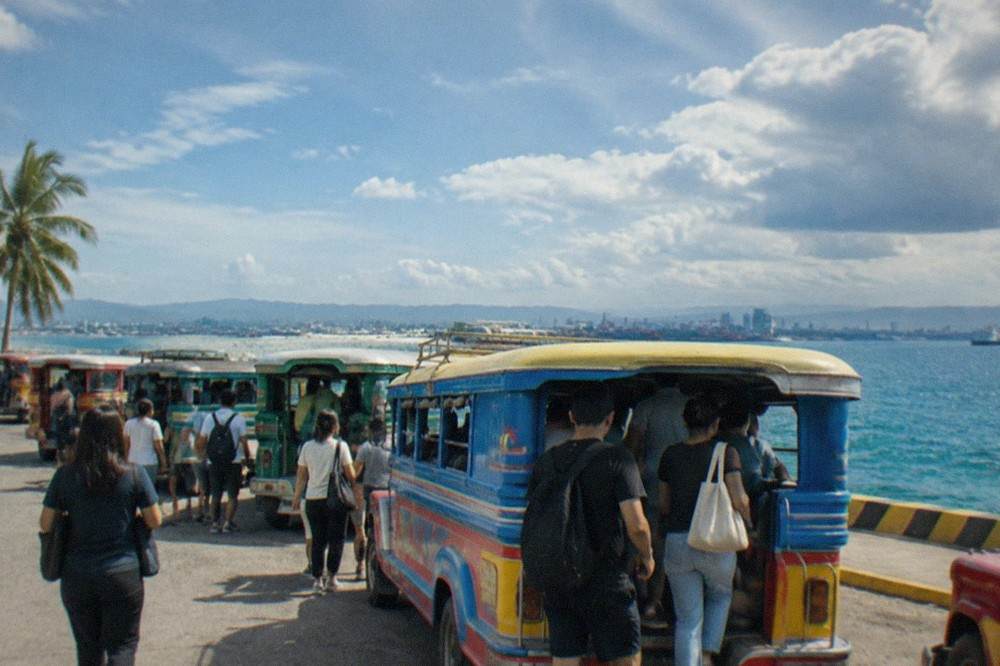
Cruise ships berth at the Cebu port area on the northern coast of Cebu City, and the heritage district of Colon Street, Magellan's Cross and Fort San Pedro all sit inside the urban core rather than hours away, so getting from the pier into the center is a short taxi or ride-hail trip. The practical fare picture is straightforward: a white metered taxi flags down at roughly P40 (about US$0.6) with about P14 (about US$0.2) per kilometer after that, and Grab, the dominant ride-hailing app in the Philippines, operates across Cebu City, Mandaue and Lapu-Lapu with designated pickup zones.
The airport transport ecosystem gives a useful benchmark for what local rides cost. MyBus runs between Mactan-Cebu International Airport and SM City Cebu for P50 (about US$0.8), with airport departures roughly 7:00 AM to 10:00 PM, and the same operators and fare logic apply around the city. Local jeepneys are cheaper still: from 28 September 2026 the approved minimum fare is P14 (about US$0.2) for the first four kilometers on traditional jeepneys, P17 (about US$0.3) on modern ones, though reports do not confirm whether the Region 7 adjustment covers Cebu yet.
Pier 1, the fastcraft terminal for Bohol-bound ferries, sits in the same port complex. That matters for planning: the ferry to Tagbilaran is not a cross-city trek. Check-in for a fastcraft is around 45 minutes before sailing, and the Cebu fastcraft terminal fee is about P25 (about US$0.4), with seniors and persons with disabilities exempt.
Timing discipline decides the day. Cruise lines publish an "all aboard" time, and every independent plan in this article should be read against it. A conservative rule that works everywhere: be back at the port area a full hour before all aboard, because Cebu traffic does not negotiate.
What Can You Cover In Cebu City On A Half-Day Port Stop?
Cebu City's heritage core, the oldest urban settlement in the Philippines, packs Magellan's Cross, the Basilica del Santo Niño and Fort San Pedro into a walkable district a few minutes from the pier, and all three can be seen in about three unhurried hours. Magellan's Cross is free to visit and open roughly 8:00 AM to 6:00 PM daily. Fort San Pedro charges P50 (about US$0.8) regular and P40 (about US$0.6) for students and seniors, open 8:00 AM to 7:00 PM. The Basilica, founded on 28 April 1565 on the day the Santo Niño image was found, is free to enter, with the pre-pandemic mass schedule restored since November 2024.
Start at the cross, inside its octagonal pavilion, then cross to the Basilica next door. The current stone structure dates from roughly 1735 to 1740, and the church was elevated to a minor basilica in 1965. From there the fort is a short walk along the waterfront. Three sites, one morning, no transport needed between them.
| Sight | Entry fee | Hours | Notes |
|---|---|---|---|
| Magellan's Cross | Free | About 8 AM to 6 PM daily | Free to visit, pavilion enclosure |
| Basilica del Santo Niño | Free | Masses from early morning | Founded 28 April 1565 |
| Fort San Pedro | P50 (about US$0.8) regular, P40 (about US$0.6) student/senior | 8 AM to 7 PM | Stone structure dates from 1738 |
| Casa Gorordo Museum | About P100 (about US$1.6) | Mon to Sat, 9 AM to 5 PM | Closed Sundays |
| Tops Lookout | P100 (about US$1.6) | Open 24 hours | Senior/PWD rate P70 (about US$1.1) |
Two honest caveats. First, the 30 September 2025 magnitude 6.9 earthquake off northern Cebu closed several city museums, including Museo Sugbo and Casa Gorordo, for structural assessment in early October 2025, and their current status should be checked before you count on them. Museo Sugbo reopened on 29 August 2025 after a long closure, at P50 (about US$0.8) general and P25 (about US$0.4) for students, open Monday to Friday. Second, the Basilica belfry was damaged in the 2013 Bohol earthquake and has since been restored, but cameras and crowd expectations should stay modest during masses.
If your port time runs into a full day rather than a morning, stretch the city plan with the one-day Cebu City itinerary, which adds the highlands above the city. For a shorter call, the three-day Cebu plan shows what gets cut first.
Which Cebu Shore Excursion Gives The Best Value From The Port?
For a single cruise day, a booked excursion that includes round-trip transport beats independent travel on every south coast route, because the drive to Oslob takes about 3.5 to 4.5 hours each way and the drive to Moalboal takes 2.5 to 3.5 hours, leaving almost no margin for error on a ship's departure. The Bohol countryside option flips the equation: the OceanJet fastcraft crosses to Tagbilaran in about two hours on roughly 13 daily sailings, so a same-day return is genuinely feasible, and the Loboc river cruise lunch is the classic payoff.
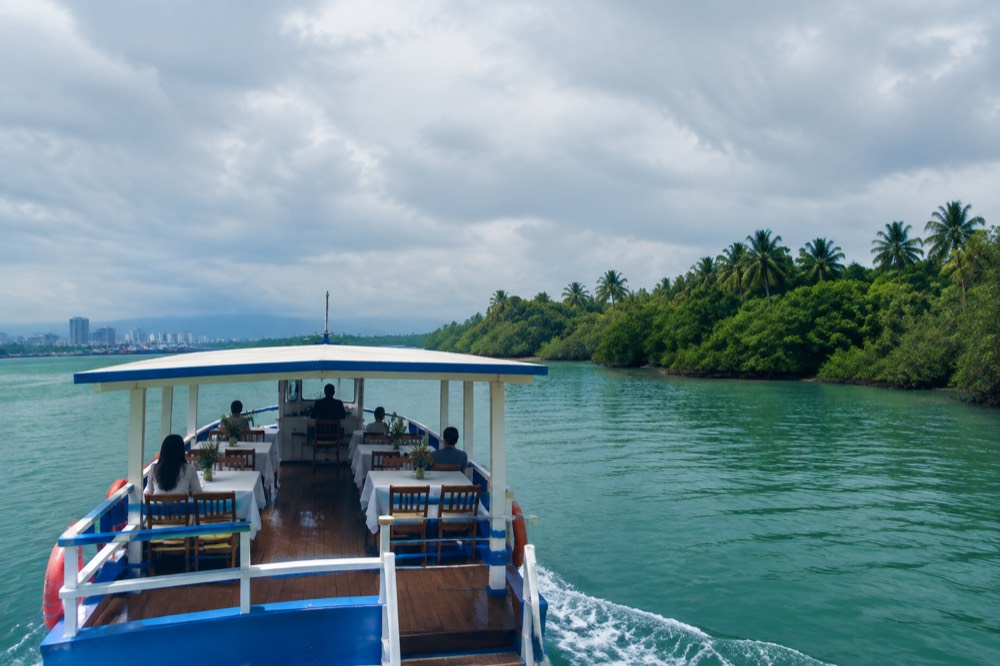
The Bohol day trip deserves the top slot for most cruise passengers. From 21 September 2026, OceanJet's Cebu to Tagbilaran fare is P960 (about US$15.3) tourist class and P1,440 (about US$23) business class after a 10 percent fuel surcharge, with the slower Lite Ferries RORO at about P400 (about US$6.4) to P520 (about US$8.3) taking four hours. The full Bohol day trip guide covers the countryside route, the chocolate hills and the tarsier sanctuary.
For the organized version with lunch on the Loboc river and same-day return by ferry, the operator's live listing carries current pricing and availability:
A gentle warning for planners: SuperCat appears in some ferry schedules for this route but was not operating Cebu to Tagbilaran as of September 2026. OceanJet is the reliable fastcraft, and some evening sailings were cut in mid-September 2026 for fuel costs, so confirm the last departure of the day before booking anything independent.
If the sea is rough or you would rather stay on Cebu, island hopping off Mactan is the shortest water option. The marine sanctuaries at Hilutungan and Nalusuan charge roughly P150 (about US$2.4) to P300 (about US$4.8) per person, and Lapu-Lapu City charges a P100 (about US$1.6) environmental fee to foreign tourists for island hopping, cut to P20 (about US$0.3) for local tourists by a July 2025 amendment. The south Cebu day tour guide compares the routes in detail.
Can You Reach Oslob Whale Sharks, Kawasan Falls Or Moalboal On A Cruise Day?
Yes, but only as a booked full-day excursion with an early start, because Oslob's whale shark interaction window runs roughly 6:00 AM to 12:00 PM with registration closing around 11:00 AM, and the bus from Cebu City takes 3.5 to 4.5 hours each way. The fee structure is fixed by the Oslob municipal government: P1,000 (about US$15.9) per foreign visitor and P500 (about US$8.0) per Filipino, boat and guide included, and the rules are strict, with a minimum four-meter distance, no touching, no sunscreen and no flash photography.
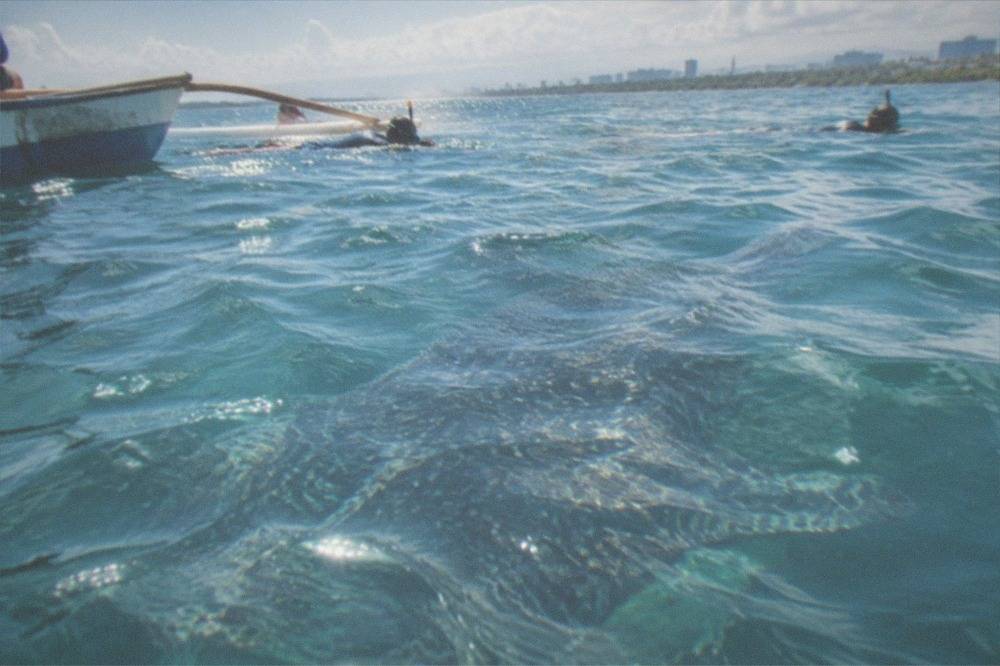
One fact most first-page guides miss: sightings are not guaranteed. In late May 2026 the whale sharks were absent from the Tan-awan interaction area for about four days because seasonal plankton moved to a neighboring barangay, and the local tourism office confirmed that operations pause and resume with the sightings rather than closing permanently. A cruise passenger who books this excursion should know that the experience depends on the animals showing up, and that about 800 to 900 visitors a day were doing it in May.
The join-in day tour from Cebu with the Tumalog Falls stop is the version that fits a port schedule, and its price is not published by the operator, so the listing itself is the place to check:
Kawasan Falls is the harder call. The entrance for Level 1, swimming only, is about P200 (about US$3.2), while canyoneering on the LGU-regulated Badian route runs roughly P1,500 (about US$24) to P2,000 (about US$32) with an accredited guide, gear and lunch included. SunStar reported in October 2025 that tourists typically pay around P2,000 (about US$32), while guide sites quote P1,500 (about US$24), so treat both figures as the real range. The Alegria route remains suspended, only the Badian route runs, and cliff jumping is banned at the main Level 1 basin. The Oslob day trip guide and the Moalboal day trip guide break down both routes.
| South Cebu trip | Road time from Cebu City each way | Fixed local fees | Verdict for a port day |
|---|---|---|---|
| Oslob whale sharks | 3.5 to 4.5 hours by bus | P1,000 (about US$15.9) foreign, P500 (about US$8.0) local | Booked tour only, early start |
| Kawasan Falls | About 3 hours plus local transfer | P200 (about US$3.2) entrance, P1,500 (about US$24) to P2,000 (about US$32) canyoneering | Tight but possible with a tour |
| Moalboal sardine run | 2.5 to 3.5 hours by bus | P100 (about US$1.6) environmental user fee | Best combined with Kawasan |
| Tumalog Falls | Short habal-habal from Tan-awan | About P50 (about US$0.8) | Easy add-on to Oslob |
For the Kawasan option without a canyoneering commitment, this dedicated day tour handles the transport, and its price is likewise unpublished by the operator:
How Much Does A Full Cebu Cruise Day Actually Cost?
A realistic independent port day in Cebu City costs remarkably little in local fees and transport, because the heritage core is mostly free or near-free to enter, while a booked south coast excursion multiplies that several times over in exchange for guaranteed timing, included gear and a fixed return. The heritage morning's only fixed entry charge is a modest fort admission, the jeepney minimum is among the cheapest transit in Asia, and the ferry to Bohol costs less than a typical airport taxi in Europe. The table below assembles the verified fixed costs. Nothing in it is an operator's promise; these are the municipal and terminal fees that apply whether you book a tour or go alone.
| Item | Local cost | Where it applies |
|---|---|---|
| Fort San Pedro entry | P50 (about US$0.8) | Cebu City |
| Jeepney minimum fare | P14 (about US$0.2) traditional, P17 (about US$0.3) modern | First 4 km, citywide |
| OceanJet fastcraft to Bohol | P960 (about US$15.3) tourist, P1,440 (about US$23) business | Cebu to Tagbilaran, about 2 hours |
| Fastcraft terminal fee | About P25 (about US$0.4) | Pier 1 |
| Oslob whale shark fee | P1,000 (about US$15.9) foreign, P500 (about US$8.0) local | Tan-awan, Oslob |
| Kawasan Level 1 entrance | About P200 (about US$3.2) | Badian |
| Moalboal environmental user fee | P100 (about US$1.6) | Panagsama Beach |
| Tops Lookout entry | P100 (about US$1.6) | Busay highlands |
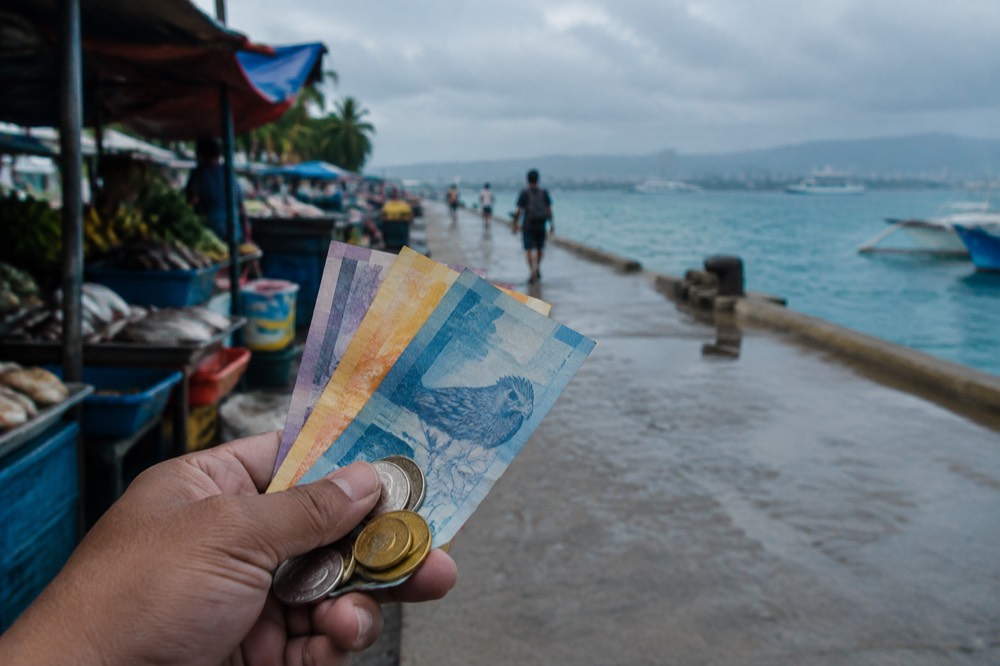
Cash matters more here than in most cruise ports. The smaller the fee, the more likely it is cash-only at a kiosk or barangay officer, and foreign cards are not the default at a whale shark briefing station. Philippine pesos come from ATMs in the malls along Colon Street and in the city center, and the currency and ATM guide context in the main planning pages covers current withdrawal practice.
One cost cruise passengers sometimes forget: the Philippine travel tax does not apply to them. Foreign tourists staying under one year are exempt, and the tax falls on Filipino nationals and residents instead, at P1,620 (about US$26) economy or P2,700 (about US$43) first class. If a shore excursion operator or transfer desk mentions a "travel tax" for your day ashore, that is a misunderstanding, not a rule.
When Do Cruise Ships Call At Cebu, And What Will The Weather Do?
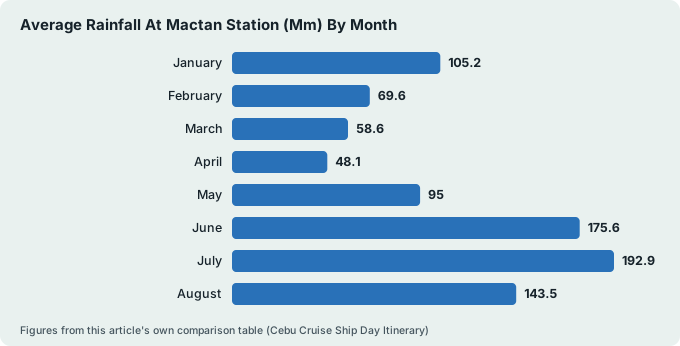
Most cruise itineraries place Cebu calls in the dry season, December through May, because PAGASA's national classification puts the rainy season from June to November, and the Mactan station's 1991 to 2020 normals show the contrast sharply: October averages 194.8 mm of rain while April averages just 48.1 mm. The same normals put annual rainfall at 1,685 mm across 138 rain days, with a mean temperature of 28.1 C, which is to say: hot, humid and green year-round, with the question being rain, not cold.
| Month | Average rainfall at Mactan station (mm) | Port-day read |
|---|---|---|
| January | 105.2 | Dry, Sinulog month |
| February | 69.6 | Dry, pleasant |
| March | 58.6 | Dry, warming |
| April | 48.1 | Driest month |
| May | 95.0 | Dry season's end |
| June | 175.6 | Rainy season begins |
| July | 192.9 | Wet, typhoon peak |
| August | 143.5 | Wet |
| September | 179.6 | Wet |
| October | 194.8 | Wettest month |
| November | 161.9 | Wet, typhoon tail |
| December | 139.7 | Drying out |
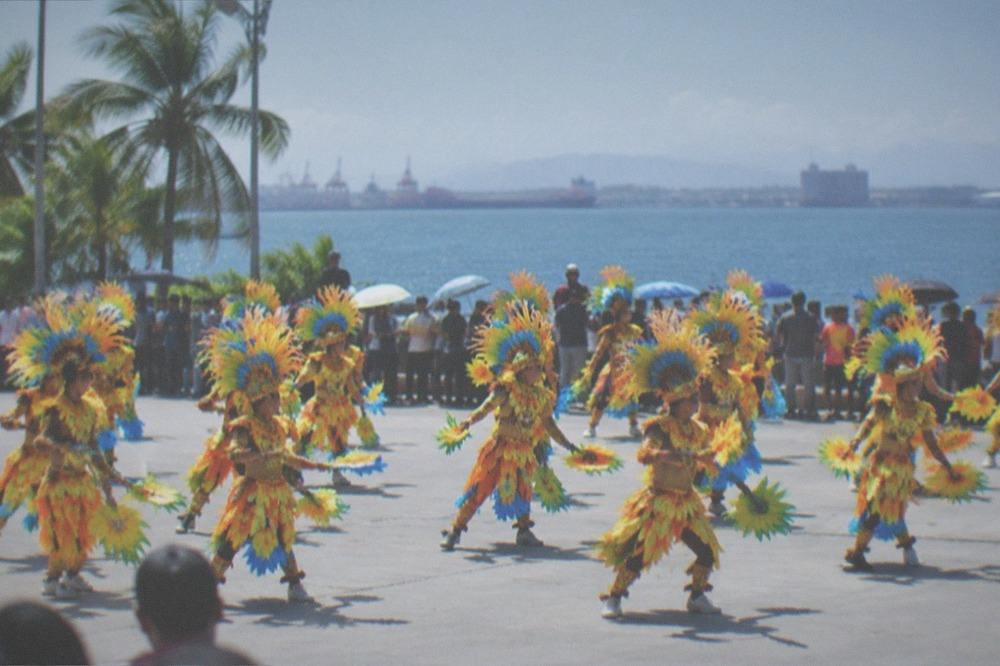
The festival calendar can outweigh the weather. Sinulog, the grand January festival honoring the Santo Niño, falls on the third Sunday of the month: 18 January in 2026 and 17 January in 2027, with the main venue confirmed as the Cebu City Sports Center after the South Road Properties experiment of 2023 and 2024 ended. A cruise call anywhere near that weekend lands in the busiest, loudest, most unforgettable version of the city, and the Sinulog festival guide section of the main planning hub covers what changes.
Two recent events belong in any honest risk assessment. Typhoon Tino in early November 2025 brought record rainfall and severe flooding to Cebu and a provincial state of calamity, yet the tourism department confirmed within days that Cebu City and Mactan were largely unaffected and open. The magnitude 6.9 earthquake of 30 September 2025 off Bogo damaged northern coral-stone churches but left the city core intact. Neither event closed the port. The practical takeaway for a cruiser: check the forecast, not the archive.
What Should A Realistic Hour-By-Hour Port Day Look Like?
A comfortable eight-hour port day in Cebu splits into a three-hour heritage morning in the city, lunch, and one afternoon choice between the highlands viewpoint at Tops, the Mactan island beaches, or shopping, with everything inside a 30-to-60-minute ride of the pier. The sample plan below assumes an 8:00 AM gangway and a 4:00 PM all-aboard, the common shape of a half-day-plus call. Shift every block to match your ship's actual times.
| Time | Block | What it involves |
|---|---|---|
| 8:00 to 9:00 | Off the ship and into the city | Taxi or Grab to the heritage district |
| 9:00 to 10:00 | Magellan's Cross and the Basilica | Both free, both next to each other |
| 10:00 to 11:00 | Fort San Pedro | P50 (about US$0.8) entry, museum and ramparts |
| 11:00 to 12:00 | Colon Street and lunch | Oldest street in the country, lechon for lunch |
| 12:00 to 2:30 | One afternoon choice | Tops, Mactan, or Casa Gorordo if open |
| 2:30 to 3:00 | Buffer | Traffic margin |
| 3:00 to 4:00 | Back aboard | An hour before all aboard |
The afternoon choice deserves a sentence of reasoning. Tops Lookout is the view option, a 24-hour highlands deck at P100 (about US$1.6) entry, with a shuttle-plus-entry bundle from IT Park. The Temple of Leah above it charges about P120 (about US$1.9) weekday and P150 (about US$2.4) weekend, though its hours were shortened from April 2026 and it closes occasionally for private events, so confirm before committing the afternoon. Mactan is the swim option, with resort day passes and public beaches on the other side of the channel.
For passengers with a full day or two days in port, the five-day Cebu itinerary and the weekend Cebu plan show how the island opens up once the gangway pressure is gone. Even the family itinerary reuses most of this same city core with children's pacing.
Common Questions About Cebu Cruise Ship Days
Can I do Oslob whale sharks and be back at the cruise ship on time?
Only with a pre-booked excursion that leaves very early. The bus ride alone is 3.5 to 4.5 hours each way, the interaction window closes around noon, and a missed gangway in Oslob is a four-hour problem. Independent travelers should not attempt it on a port day.
Is everything walkable from the Cebu cruise port?
The port sits on the northern coast of Cebu City, and the heritage core is a short ride rather than a walk. Magellan's Cross, the Basilica del Santo Niño and Fort San Pedro cluster together once you are in the district, so one taxi ride covers the whole set.
Do I need Philippine pesos cash for a Cebu port day?
Yes, for the smaller fees. Fort San Pedro at P50 (about US$0.8), jeepneys at P14 (about US$0.2) minimum, terminal fees around P25 (about US$0.4) and barangay collection points like the Moalboal environmental user fee of P100 (about US$1.6) are cash-first. Malls and ride-hailing apps take cards, but the kiosks do not.
What happens if it rains on my Cebu port day?
Rain is heaviest from June to November, with October averaging 194.8 mm at the Mactan station against April's 48.1 mm. The heritage morning works in rain with umbrellas, and the malls along Colon Street are the standard wet-weather fallback. Water activities are the ones that get cancelled.
Which is better from a cruise ship, Bohol or south Cebu?
For a single day, Bohol is the safer pick. The fastcraft crosses in about two hours on frequent sailings, the return is on a fixed schedule, and the Loboc river cruise lunch anchors the day. South Cebu's drives are longer and its timings depend on wildlife and weather.
Are the Cebu City museums open after the 2025 earthquake?
Museo Sugbo reopened on 29 August 2025 at P50 (about US$0.8) general entry, Monday to Friday, after a long closure. Several other city museums, including Casa Gorordo, closed for structural assessment in October 2025, and their current status is not confirmed, so check before planning around them.
The last word on any Cebu port day: pick one lane and own it. The passengers who love this stop are the ones who chose the heritage morning or the water day and left the other for a second call. The island, as the longer 7-day Cebu itinerary makes clear, is not going anywhere, and neither is Cebu Travel Guide when you come back for it.