Malapascua Day Trip From Cebu
Malapascua sits off the northern tip of Cebu island in the Philippines, and its morning thresher shark dives draw travellers up from Cebu City for the long trip. This guide covers the boat from Maya Port, the dive fees, the shark rules and whether the journey fits into a single day.
Short answer
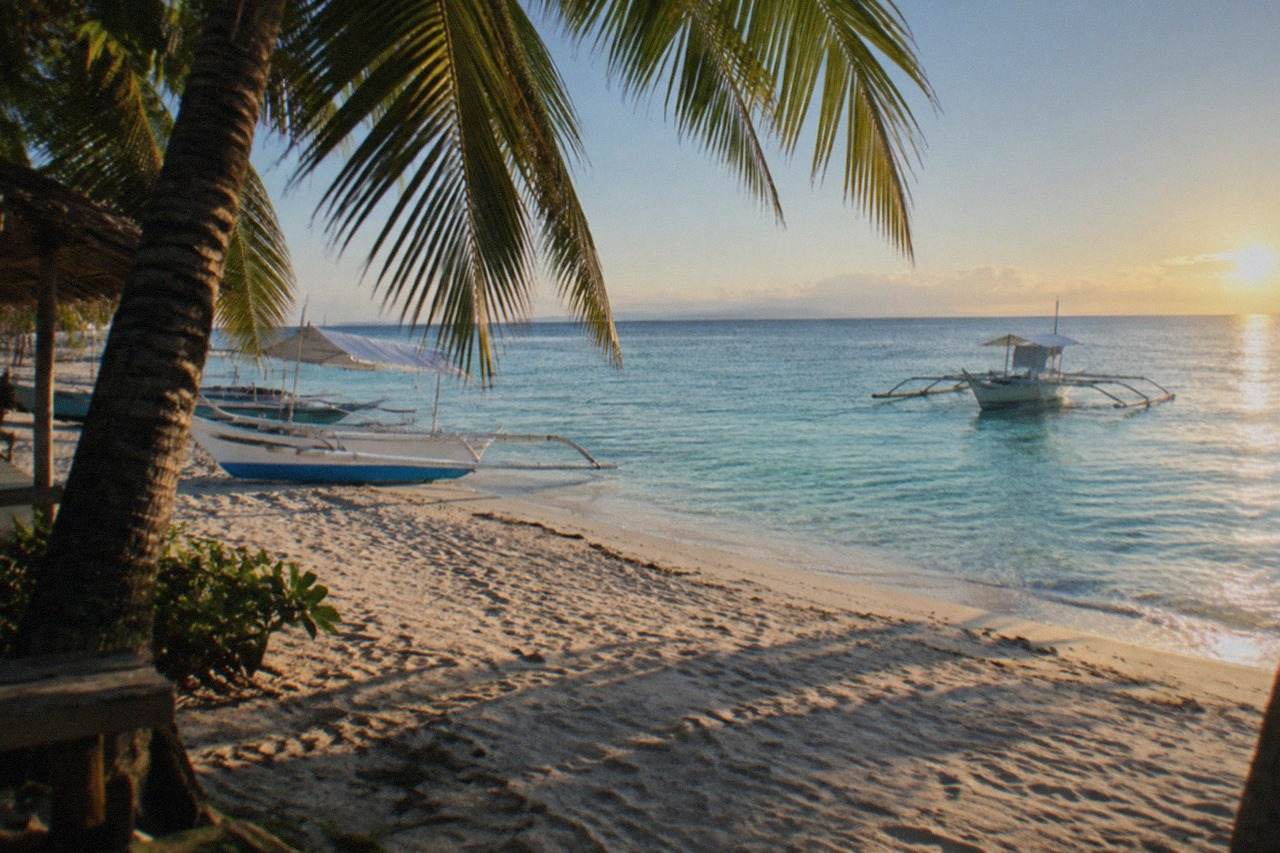
Yes, but it is a long day. A Malapascua day trip from Cebu means roughly four hours of road travel from Cebu City to Maya Port at the island's northern tip, then a short boat crossing. Divers go at dawn to see thresher sharks at Kimud Shoal; non-divers get beaches, island walks and snorkelling. It works best as an early-start trip or an overnight.
Malapascua is a small island off the northern tip of Cebu, the island province in the Central Visayas region of the Philippines, and it holds one thing no other place in the country can claim: it is the only reliably diveable spot in the world where thresher sharks appear almost every morning. That single fact pulls travellers up a long road from Cebu City to Maya Port and across a short stretch of water, usually before the sun is properly up. This guide walks through whether a Malapascua day trip from Cebu actually works, what it costs, what the shark interaction rules are, and how to decide between a dawn dash and an overnight stay. For the wider picture of the province's attractions, the Cebu Travel Guide hub page collects every region and day trip in one place.
How Do You Get To Malapascua From Cebu For A Day Trip?
The only route is by land to Maya Port at the northern tip of Cebu island, then a short boat crossing to Malapascua. There is no airport on Malapascua and no direct ferry from Cebu City, so every visitor arrives through the same port. Road travel from Cebu City to Maya takes roughly four hours each way, which makes an early start non-negotiable. The boat from Maya to the island is a short hop across open water and runs through the day when seas allow.
The geography matters more here than on almost any other Cebu day trip. Malapascua sits across the Tañon Strait from the northern tip of the province, and the jump-off point, Maya Port in Daanbantayan, is about as far from Cebu City as you can get while still on the same island. Buses run north from Cebu City toward Daanbantayan, and the final leg to the port is short. Because the thresher shark dives happen at dawn, divers almost always travel up the evening before; a genuine single-day visit is far more realistic for beach time, snorkelling and island wandering than for the signature dawn dive.
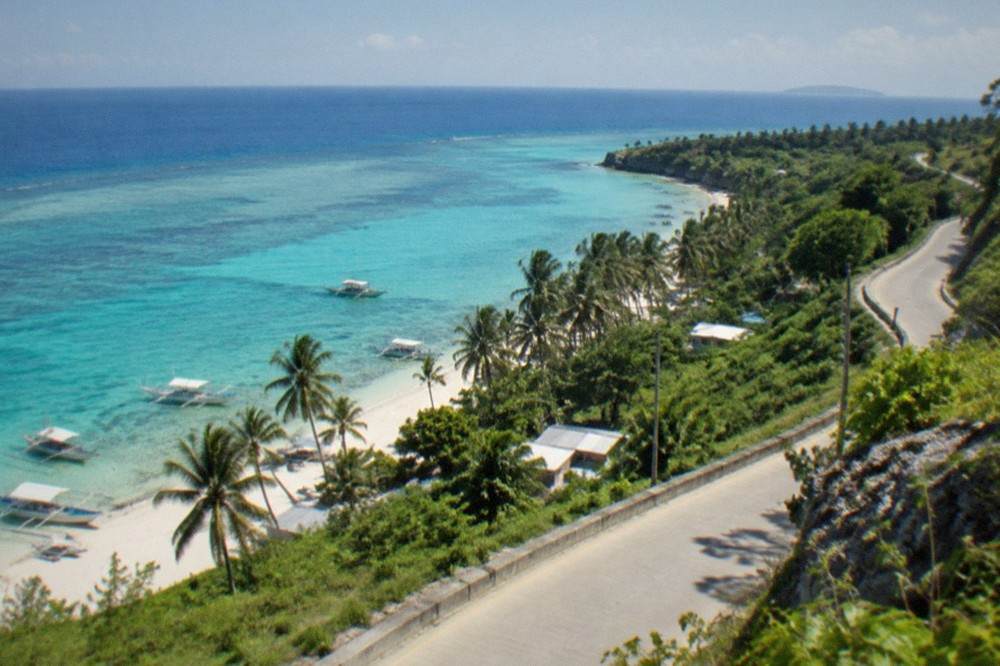
At Maya Port you pay the environmental and terminal charges before boarding. Recent reports put the combined environmental and terminal fee at roughly P95 (about US$1.5) to P140 (about US$2.2), with foreign visitors paying at the higher end of that range. Boats cross when they have enough passengers, and rough seas in the typhoon months can suspend crossings, so it pays to check conditions in June through November. Once you land on Malapascua, everything is within walking distance: the island is small enough that the walk from the main beach to most guesthouses takes minutes.
Is A Malapascua Day Trip From Cebu Worth The Long Journey?
For divers, yes without hesitation, because Malapascua is the only place in the world with reliable, almost daily thresher shark encounters, and that rarity justifies hours of road travel. For beach-only visitors the answer is more balanced: the island is lovely, but Cebu has closer beaches at Mactan and Moalboal, so the four-hour drive each way is the price you pay for a genuinely quiet island. The strongest case is combining Malapascua with nearby Kalanggaman Island, which shares the same long road north.
The honest trade-off is time. You will spend most of a day in a vehicle to earn a few hours on the sand. What tips the balance is that the north of Cebu Province feels different from the south: quieter, less developed, and with the Tañon Strait's deep water close to shore, which is exactly why the threshers come. If you are already planning a northern loop, the Malapascua Island area guide covers where to stay if you decide one day is not enough, and the Bantayan day trip pairs naturally with Malapascua since both leave from the same northern coast.
If the logistics sound like the part you would rather skip, a handled trip is worth considering alongside the self-guided route:
The Kalanggaman and Malapascua day tour with private transportation is the one product in the roster built around exactly this journey, and its live listing carries the current price, duration and review figures. The Bohol countryside tour and the Cebu highlands tour are alternatives for travellers who decide the north is too far for their dates and want a strong day trip closer to the city.
What Does A Malapascua Day Trip Cost?
Count on four separate cost layers: the road transport from Cebu City to Maya, the environmental and terminal fees at the port, the boat crossing, and then whatever you do on the island. Diving is the big line item, with thresher shark dives sitting at the upper end of any Cebu day-trip budget once marine park and environmental fees stack on top. Non-divers can keep the day cheap, since the beaches and walks cost nothing beyond the port charges.
The port charges come first. Recent reports put the combined environmental and terminal fee at Maya at roughly P95 (about US$1.5) to P140 (about US$2.2) per person, with foreign visitors at the higher end of that range. The diving deserves its own line in any budget. Malapascua's dive shops price a thresher shark dive at roughly P1,800 (about US$29) to P2,000 (about US$32), and marine park and environmental fees of roughly P100 (about US$1.6) to P300 (about US$4.8) per day or per dive stack on top of that. If you are building a wider dive itinerary around the province, the Cebu diving guide compares Malapascua with Moalboal and Pescador Island, and the Cebu budget costs guide puts these figures in the context of a full trip.
| Cost item | Typical figure | Notes |
|---|---|---|
| Maya Port environmental and terminal fees | P95 (about US$1.5) to P140 (about US$2.2) | Foreigners pay at the higher end; rates can change |
| Thresher shark dive | P1,800 (about US$29) to P2,000 (about US$32) per dive | Kimud Shoal is the main site now |
| Marine park and environmental dive fees | P100 (about US$1.6) to P300 (about US$4.8) | Charged per day or per dive |
| Beaches and island walks | Free | Beyond the port charges |
One planning note saves arguments at the counter: dive prices and fees at this tier come from operator and guide reports rather than a single official tariff, and collection practices vary between shops. Confirm the all-in figure, including park fees, when you book. For the handled option, the tour below prices itself on its own listing:
Can You See Thresher Sharks On A Malapascua Day Trip?
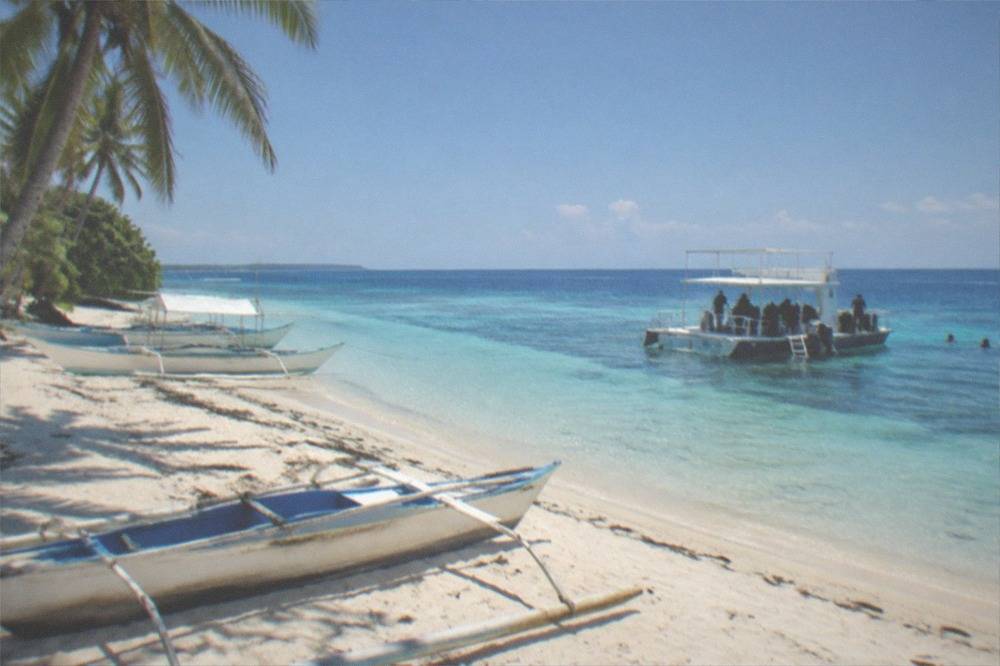
You can, but only if you dive, and only if you are on the water at dawn, because thresher sharks visit the cleaning stations at Kimud Shoal in the early morning and the encounters happen at depth rather than at the surface. Snorkellers do not get the shark encounter. The sharks are seen year-round, but sightings are never guaranteed, and dive operators run the trip at first light to match the sharks' own schedule.
The sharks themselves are the draw: pelagic threshers, with their unmistakable long tails, rise from deep water to cleaning stations where smaller fish remove parasites. The verified current detail is that most encounters now happen at Kimud Shoal, with the older Monad Shoal site secondary and occasionally visited by tiger sharks instead. The dive is deep enough that it suits certified divers, and shops brief on depth and no-touch rules before departure. The full story of the sharks, their seasonality and the ethics of the dives is covered in the Malapascua thresher sharks guide.
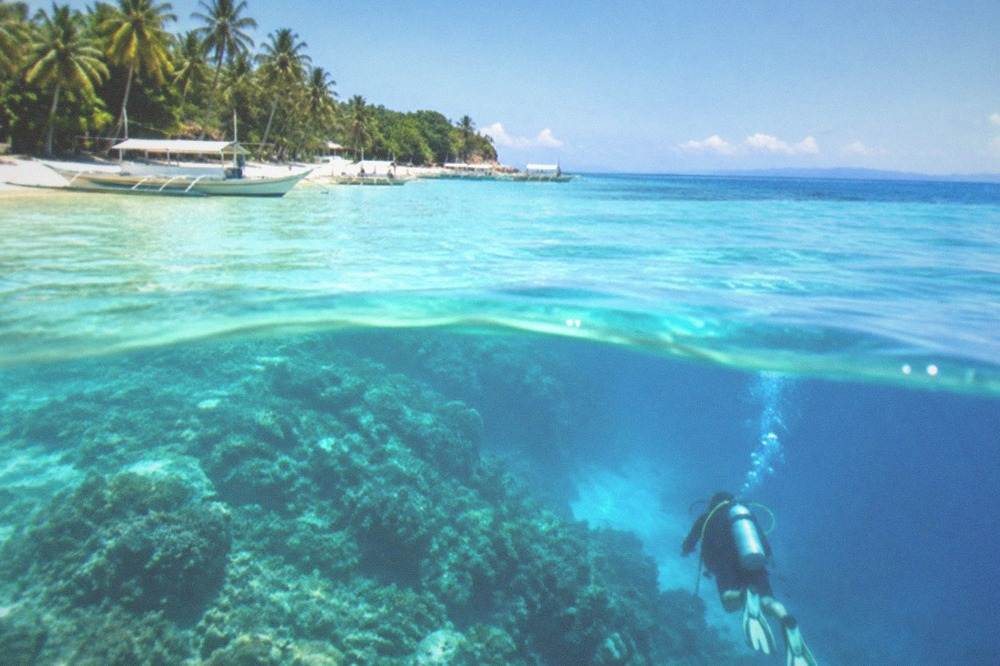
For a single-day visit, be realistic: the dawn dive means being on the island before sunrise, which in turn means travelling north the night before. A day visitor who leaves Cebu City in the morning arrives after the sharks have left the cleaning stations. That is why most shark-focused travellers treat Malapascua as an overnight stop and use the day trip format for the island's other pleasures.
What Else Is There To Do On Malapascua Island In One Day?
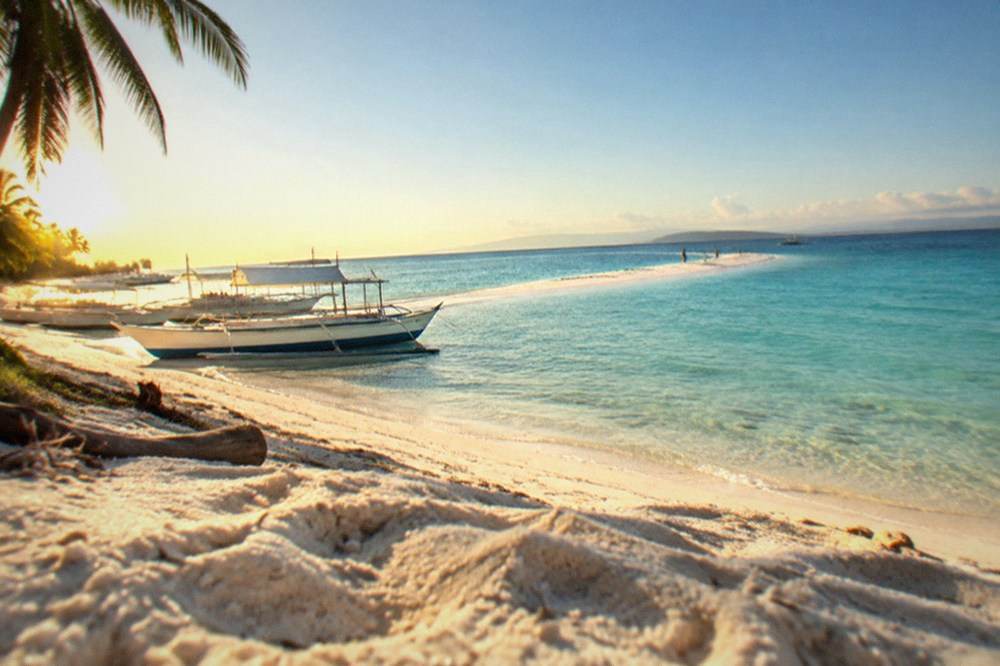
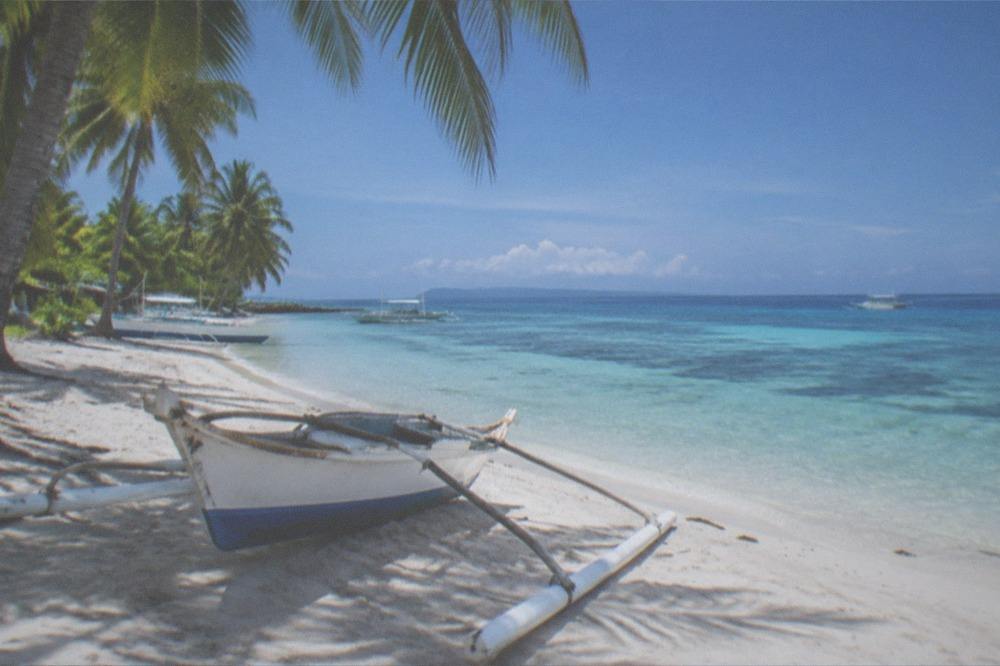
The non-diving day is built around three things: the main beach at Bounty Cove and the strip of resorts along the west coast, snorkelling and boat trips to nearby reefs and sandbars, and a short walk across the island to quiet fishing-village beaches where there is nothing to pay and nobody selling anything. The island is small enough to walk end to end in an hour or two. Kalanggaman Island's famous sandbar is the most popular add-on from Malapascua and is close enough to combine by boat.
Start on the main beach, where the boats from Maya arrive and most of the restaurants sit. From there the island walks fan out: north to the lighthouse area, or across to the east coast where the sand is quieter and the villages are the whole attraction. Snorkelling trips run to local reefs, and boatmen arrange them on the beach. If you want the postcard, Kalanggaman's long white sandbar is a boat ride away and is the single most photographed feature of the northern Cebu coast.
| Activity | Where on the island | What to know |
|---|---|---|
| Main beach and swimming | Bounty Cove, west coast | Free; calmest water in the morning |
| Island walk to the lighthouse | Northern tip | Roughly an hour or two on foot at a relaxed pace |
| Snorkelling boat trips | Arranged from the main beach | Reefs sit close to shore |
| Kalanggaman sandbar trip | Boat ride from Malapascua | The most popular add-on |
| Village beaches | East coast | Quietest part of the island |
For travellers comparing the north against other parts of the province, the choice is really between Malapascua's quiet and the south's activity density. The Moalboal day trip delivers the sardine run a few metres from shore at Panagsama Beach, best between 7 and 9 AM, with a P100 (about US$1.6) environmental user fee to swim or snorkel, and the Oslob day trip offers whale sharks on a similar early schedule. The north wins on emptiness; the south wins on how much fits in one day. If you are weighing a full northern itinerary, the South Cebu day tour page is the counterpoint worth reading.
Food on the island is simple and fresh, and the small restaurants along the main strip serve grilled fish and local dishes through the day. Portions and prices are island-scale rather than city-scale, so budget a little more for meals than you would in Cebu City. There is no bank machine to rely on, which is one more reason the cash rule below matters so much on this particular route.
When Is The Best Time Of Year For A Malapascua Day Trip From Cebu?
The dry season from December to May is the safest window, because the boat crossing from Maya and the dive boats both depend on calm seas, and the typhoon season from June to November brings the rough water that suspends crossings. The sharks themselves are present year-round, so the calendar decision is about weather, not wildlife. Within the dry months, the earlier part of the year combines lower rainfall with slightly cooler mornings for the dawn dive.
PAGASA's national rule puts the rainy season from June to November and the dry season from December to May, and the Mactan station's 1991-2020 normals give the province 1,685.0 mm of rain across 138 rain days a year, with a mean temperature of 28.1 C. The northern tip of Cebu faces the open Tañon Strait, so when a typhoon passes through the Visayas, Maya Port is one of the first places boats stop running. The full month-by-month picture, including the typhoon season detail, is in the best time to visit Cebu companion guide.
| Period | Conditions for a Malapascua trip |
|---|---|
| December to February | Dry, calmer seas, cooler mornings for the dawn dive |
| March to May | Hottest and driest stretch; best water clarity for boat trips |
| June to August | Rainy season begins; boat crossings can pause in rough weather |
| September to November | Peak typhoon exposure; check sea conditions before committing |
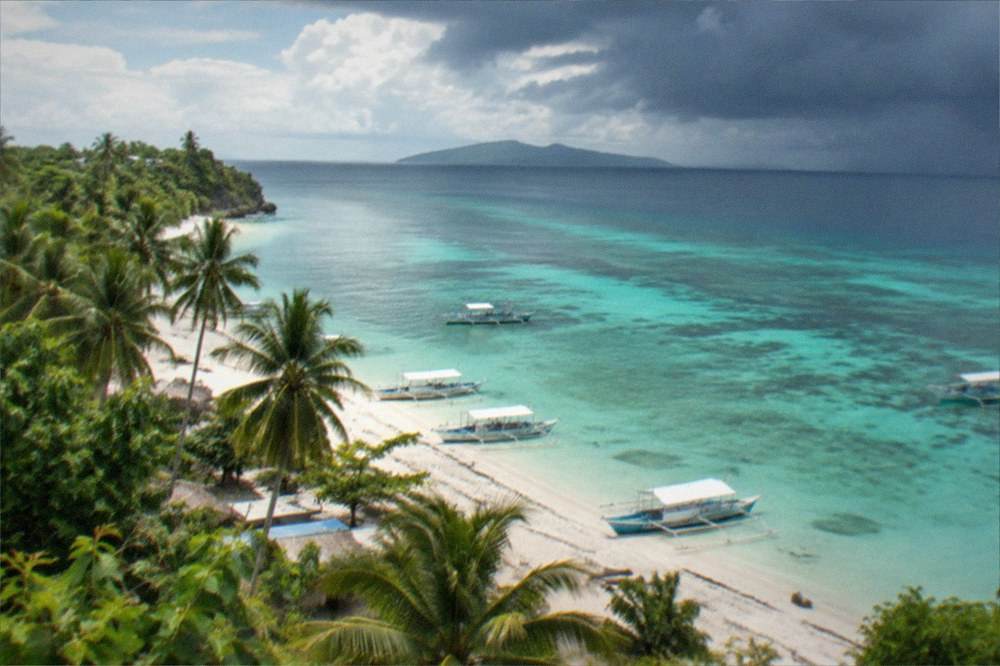
Two recent events underline why the weather section matters. Typhoon Tino in early November 2025 brought record rainfall and severe flooding to Cebu, and the magnitude 6.9 earthquake of 30 September 2025 struck the very coast the Maya road runs along. The Department of Tourism confirmed by late October 2025 that Malapascua was open and the port operational, and the 2026 season has been recovering steadily, but the north of the province is the part of Cebu most exposed to both rough weather and the ongoing recovery work.
What Should You Pack And Know Before You Go?
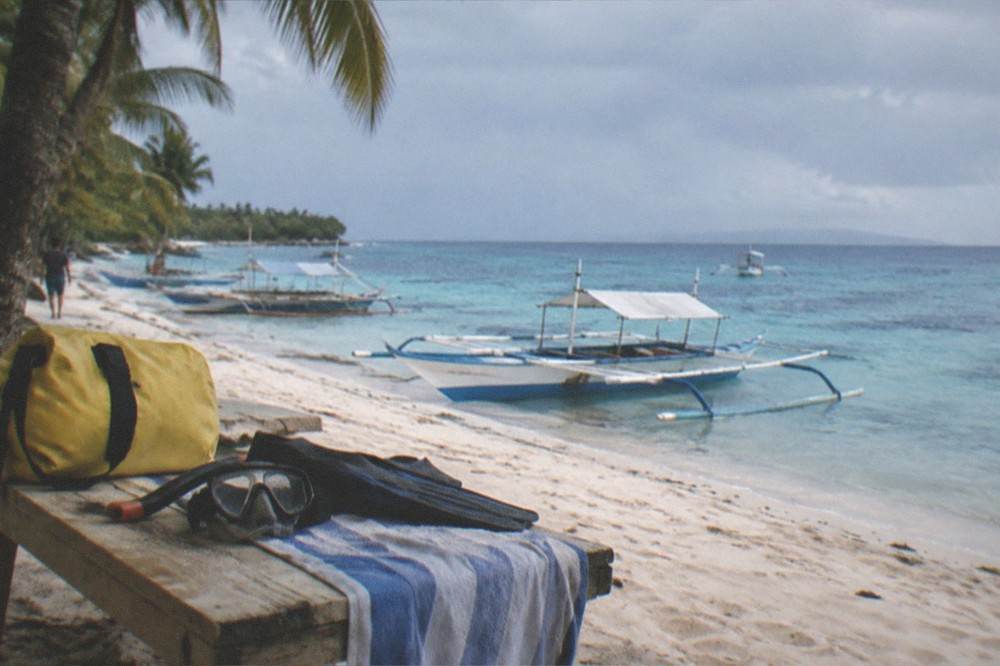
Pack for a long, hot day split between a bus and a boat: light clothing, reef-safe sun protection, cash in pesos for the port fees and boats since card payment is not the norm at Maya, and a dry bag for the crossing. Bring your dive certification card if you plan to dive, because shops will not take you to Kimud Shoal without it. Leave the single-day ambition flexible: if the sea is rough, the crossing waits, and so should you.
Cash is the practical detail that catches people out. The port fees, the boat fare, beach-side meals and snorkel trips all run on pesos, and while the island has small shops, assuming card payment anywhere on this route is a mistake. Reef-safe sunscreen matters on the snorkel trips, and the same no-touch discipline that governs the shark dives applies to the reefs. For a broader packing and logistics rundown, including the eTravel registration you need on arrival in the Philippines and the 30-day visa-free stay for most Western nationals, the Philippines visa and eTravel guide covers the entry side.
| Item | Why it matters for this trip |
|---|---|
| Cash in pesos | Port fees, boats and meals are cash transactions |
| Dive certification card | Required for the thresher shark dive |
| Reef-safe sunscreen | Standard for Cebu's marine sites |
| Dry bag | The Maya crossing can be wet |
| Light layers | Cool before dawn, hot by mid-morning |
The handled-trip alternative covers the transport layer entirely, which is the part of this journey many would happily outsource:
Whichever way you travel, the solo listing below gives the live price and availability for the private Kalanggaman and Malapascua day tour, the product closest to a turnkey version of this exact day:
Common Questions About A Malapascua Day Trip From Cebu
How long does a Malapascua day trip from Cebu take?
The road journey from Cebu City to Maya Port takes roughly four hours each way, plus the boat crossing to the island. That is why the thresher shark dive, which happens at dawn, usually requires travelling north the evening before. A single-day visit works well for beaches and snorkelling but not for the dawn dive.
Can you see thresher sharks without diving?
No. The thresher shark encounter happens at the cleaning stations at depth, on scuba, at first light. Snorkellers on the surface do not see the sharks. Malapascua's beaches and reefs are the non-diving rewards.
How much does the Malapascua boat and port crossing cost?
Recent reports put the environmental and terminal fees at Maya Port at roughly P95 (about US$1.5) to P140 (about US$2.2) per person, with foreign visitors at the higher end. The boat fare is paid separately. Rates can change, so confirm at the port.
Is Malapascua open after the 2025 earthquake?
Yes. The Department of Tourism confirmed on 28 October 2025 that Malapascua was open to visitors and Maya Port fully operational, after the magnitude 6.9 earthquake of 30 September 2025 struck offshore from nearby Bogo City. Northern Cebu's recovery has been steady through 2026.
Is one day enough for Malapascua?
One day gives you the beaches, a walk across the island and a snorkel trip, but the signature thresher shark dive starts before sunrise, so divers should overnight. Two days is the comfortable answer for most travellers, pairing the island with a Kalanggaman sandbar trip.
What is the best month for a Malapascua day trip?
The dry season from December to May is the safest window, with calmer seas for the Maya crossing and the dive boats. The sharks are present year-round, so the choice is about weather rather than wildlife. Avoid committing to fixed plans during the June to November typhoon season.