Camiguin Island From Cebu
Camiguin is the small volcano island province south of Cebu across the Bohol Sea, and reaching it from Cebu means stacking a ferry or a flight connection onto a trip built around Cebu's own south coast highlights.
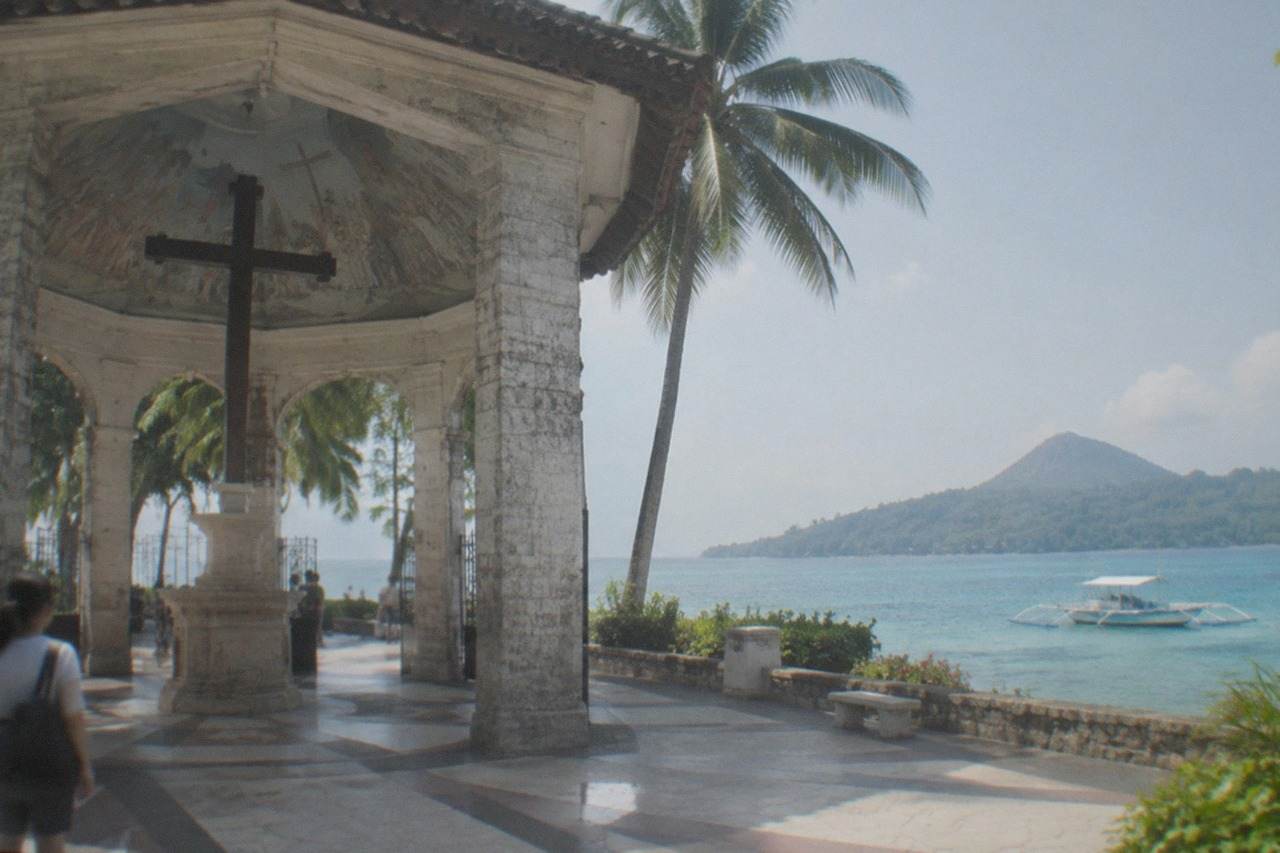
Short answer
Camiguin lies south of Cebu across the Bohol Sea. There is no direct ferry from Cebu City, so travelers typically connect through northern Mindanao or fly, and the trip works best as a multi-day add-on rather than a day trip.
Camiguin is a small island province in the Philippines, reached from Cebu, the island province in the Central Visayas that travelers commonly fly into. The two islands face each other across the Bohol Sea, Camiguin to the south near the north coast of Mindanao, Cebu anchoring the region to the north. That geography shapes everything about the trip: Camiguin is not a Cebu day trip in the way Oslob is, and anyone who treats it like one runs out of hours before the boat docks. What Camiguin offers instead is a compact volcanic island of waterfalls, hot springs, cold springs and dive sites, small enough that a well-planned multi-day visit covers most of it, and different enough from Cebu's beaches to justify the extra travel.
Where Is Camiguin Island Relative To Cebu?
Camiguin lies south of Cebu across the Bohol Sea, a small island province off the northern coast of Mindanao, built around volcanoes rather than around a big city. Cebu, by contrast, is the regional hub: Cebu City alone counted 964,169 residents at the 2020 census, with Lapu-Lapu and Mandaue as separate highly urbanized cities beside it. Camiguin has none of that scale. Its draw is the volcano landscape, the springs and the quiet coastal towns that sit under it.
The two islands could hardly feel more different even though both sit in the same part of the Philippine archipelago. Cebu's tourism economy concentrates along its south coast, where Oslob's whale sharks, Kawasan Falls and the Moalboal sardine run sit within a day's drive of the city. Camiguin's tourism spreads around a ring road that hugs the volcano slopes. Travelers who enjoy Cebu's south for its water and cliffs tend to enjoy Camiguin for its springs and its slower pace, and the pairing works well in one longer trip.
Practically, the distance matters because of time rather than difficulty. A traveler with ten days in the region can comfortably split the stay: several days on Cebu for the south coast day tour, then a block of days on Camiguin, then back through Cebu for the flight home. A traveler with four days or fewer should pick one island and stay put, because the connection between them eats the better part of a day in each direction.
How Do You Get From Cebu To Camiguin Island?
There is no direct passenger ferry from Cebu City to Camiguin, so the trip runs through a connection: travelers either fly from Cebu's airport toward northern Mindanao and continue by road and ferry, or take a long-haul ferry south and transfer. Either way, budget a full travel day each direction. Mactan-Cebu International Airport, on Lapu-Lapu's Mactan Island, is the main aviation hub for the whole region and the usual starting point.
The airport itself is straightforward. It has two passenger terminals, Terminal 1 for domestic flights and Terminal 2, opened in 2018, for international flights, connected by a walkway. Since 16 January 2025 the operator has been Aboitiz InfraCapital Cebu Airport Corporation under a public-private partnership with the MCIAA, and the airport's own transport guide lists the MyBus service between the terminals and SM City Cebu at fares of P30 (about US$0.5) to P50 (about US$0.8), running from the airport to SM between 7 AM and 10 PM. Grab lists Cebu among its Philippine cities, and the airport's transport guide confirms designated pickup zones outside arrivals.
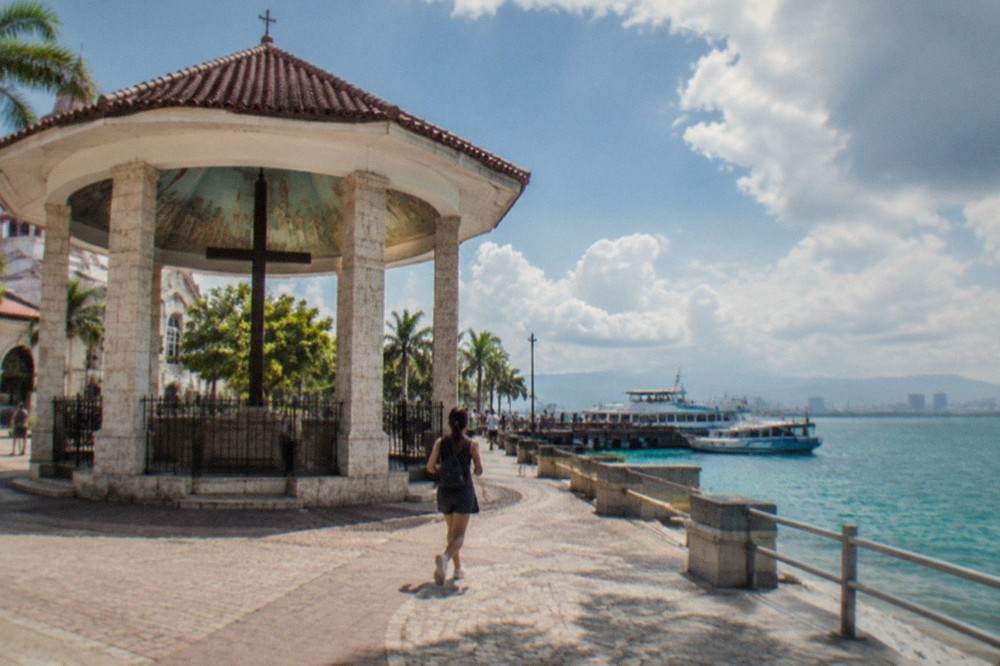
The routing decision comes down to time and tolerance. The flight-and-ferry combination through northern Mindanao is the faster option and the one most guidebooks describe; the all-sea route is slower but appeals to travelers who want to skip another airport. Neither route belongs in a one-day plan. This is a multi-day commitment, closer in spirit to the Bohol day trip scale of travel but bigger, since Bohol at least has a fastcraft running roughly two hours across from Pier 1.
For comparison, here is what the pack's verified fares look like on Cebu's best-documented inter-island ferry route, Cebu City to Tagbilaran on Bohol, useful as a planning reference for what sea travel from Cebu costs:
| Operator, Cebu to Tagbilaran | Type | Journey | Fare (from 21 Sept 2026) |
|---|---|---|---|
| OceanJet | Fastcraft | About 2 hours | P960 (about US$15.3) tourist/open air, P1,440 (about US$23) business |
| Lite Ferries | RORO | About 4 hours | About P400 (about US$6.4) to P520 (about US$8.3) |
| SuperCat | Fastcraft | Not operating on this route as of Sept 2026 | n/a |
Those fares include a 10 percent fuel surcharge that took effect on 21 September 2026, and they buy a crossing to Bohol, not to Camiguin. Treat them as a benchmark: inter-island fastcraft from Cebu runs in the high hundreds of pesos per person, and a Camiguin routing that stacks two legs will cost more than one leg to Bohol.
If the travel day feels heavy, the honest alternative is to spend it on Cebu instead. The island's own south coast packs a whale shark morning, a waterfall afternoon and a highlands sunset into single days, and the tour picks below are the ones travelers actually book for exactly that trade-off.
Each of those is a genuine day trip from Cebu City, with hotel pickup and return, which a Camiguin run cannot offer. Travelers torn between the two often solve it by booking one flagship Cebu day first and saving Camiguin for a longer return visit.
What Should You Budget For On The Cebu Side Of A Camiguin Trip?
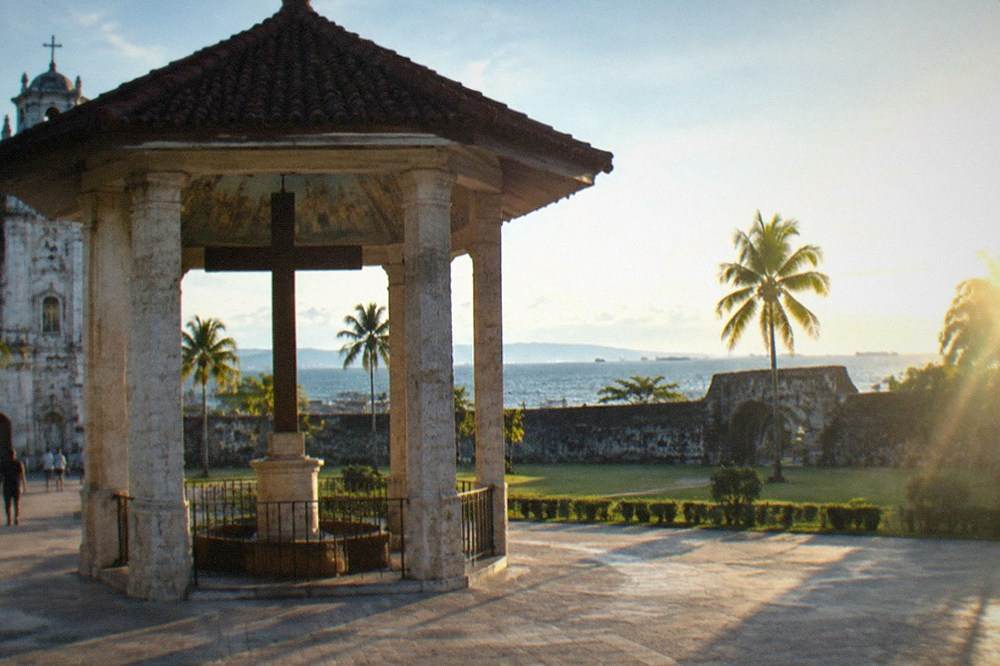
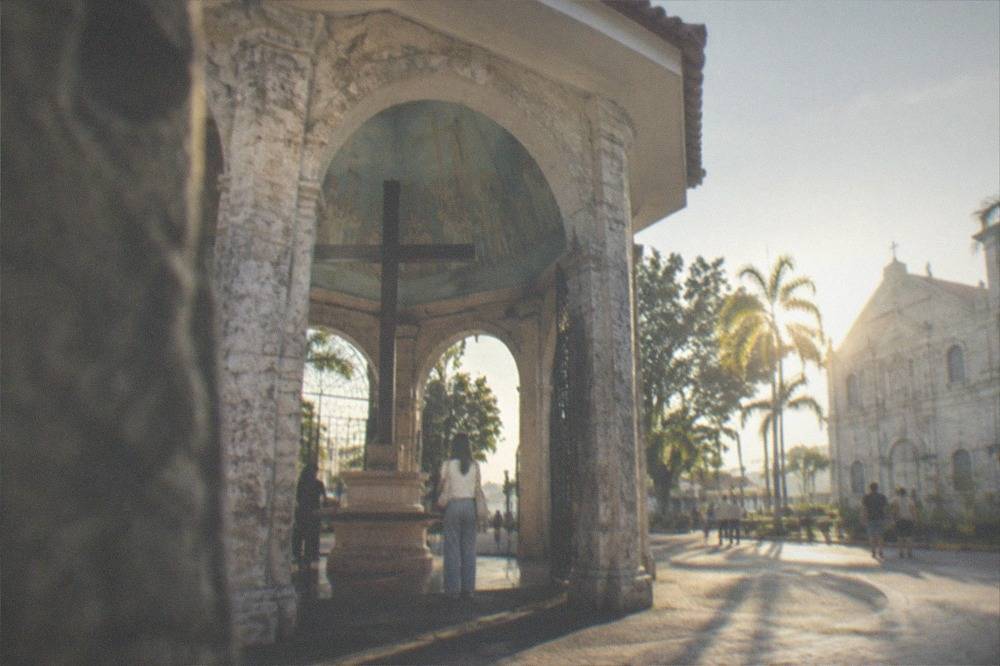
Budget for three layers on the Cebu side: the airport transfer and city transport, the entry fees at any Cebu attractions you visit before or after the crossing, and the ferry or flight legs themselves. Verified Cebu entry fees run from free at Magellan's Cross up to a hundred pesos at Tops Lookout, with most heritage sites clustered between fifty and a hundred and fifty pesos per person. None of these figures includes the Camiguin legs, which the pack does not price.
The table below gathers the verified and reported entry fees for Cebu's main sites, useful for the days you spend in and around the city while organizing the Camiguin leg:
| Cebu attraction | Entry fee | Notes |
|---|---|---|
| Fort San Pedro | P50 (about US$0.8) regular, P40 (about US$0.6) students/seniors | Open about 8 AM to 7 PM |
| Magellan's Cross | Free | Open about 8 AM to 6 PM |
| Basilica del Santo Niño | Free entry | Masses daily, pre-pandemic schedule restored Nov 2024 |
| Tops Lookout | P100 (about US$1.6) regular, P70 (about US$1.1) senior/PWD | Open 24 hours per the operator's site |
| Temple of Leah | About P120 (about US$1.9) weekday, P150 (about US$2.4) weekend | Hours shortened from April 2026, confirm locally |
| Sirao Flower Garden | About P100 (about US$1.6) | Two adjacent gardens, confirm on-site |
| Taoist Temple | Free, donations welcome | Hours vary by source, confirm on-site |
| Casa Gorordo Museum | About P100 (about US$1.6) | Monday to Saturday |
| Museo Sugbo | P50 (about US$0.8) general, P25 (about US$0.4) students | Reopened 29 Aug 2025, Monday to Friday |
Two caveats matter here. First, several of those figures are reported figures from local sources rather than official price lists, and the Temple of Leah in particular has shortened its hours since April 2026, so confirm on the day. Second, the September 2025 earthquake in northern Cebu closed several city museums for inspection in early October 2025, including Casa Gorordo and Museo Sugbo; both have since reopened, but the episode is a reminder to check ahead on any heritage stop.
City transport costs are modest and well documented. The jeepney minimum fare was adjusted from 28 September 2026, to P14 (about US$0.2) for the first four kilometers on traditional jeepneys and P17 (about US$0.3) on modern ones, though the approval does not confirm coverage for Region 7. Taxis flag down at roughly P40 (about US$0.6) to P50 (about US$0.8) in Cebu, with no LTFRB Region 7 memo verified for the exact current rate. The CCLEX bridge toll between Cebu City and Cordova, useful if your routing touches the south of the city, costs P107 (about US$1.7) one way for a car under the full rate matrix in force since 1 October 2025.
Which Cebu Day Trips Should You Combine With A Camiguin Trip?
The strongest combinations pair Camiguin with Cebu's south coast day trips, especially the Oslob whale shark morning, the Kawasan Falls and Osmeña Peak combo, and the Moalboal sardine run, because all of them start and end in Cebu City and leave your evenings free to organize the Camiguin crossing. The whale shark tour is the single most-booked sea trip on the island and a common fit before heading south.
Oslob's whale shark interaction is regulated by the municipal government, and the fees are public: P1,000 (about US$15.9) per foreign tourist and P500 (about US$8.0) per Filipino visitor, boat and guide included, under Municipal Ordinance No. 010 reverted to on 21 March 2025. Sessions run from about 6 AM to noon, with a mandatory briefing, a minimum four-meter distance from the animals, no sunscreen in the water and no touching. Sightings are not guaranteed, and in late May 2026 the sharks were absent from the Tan-awan interaction area for about four days when the plankton moved, so a morning trip can occasionally come up empty.
The tour above handles the 3 AM-to-early-afternoon logistics from Cebu City, which is exactly the kind of day that pairs well with a longer Camiguin plan: one hard early morning, then rest. Travelers who want the falls instead can look at the Kawasan Falls area, where the Level 1 entrance runs about P200 (about US$3.2) for swimming only, and canyoneering with a Badian-accredited guide runs roughly P1,500 (about US$24) to P2,000 (about US$32). Note the rules have tightened: cliff jumping is banned at the main basin, life jackets are mandatory, and the Alegria route stayed suspended through 2025 and 2026, leaving only the Badian route.
For a fee-by-fee view of the south coast stops, this is what the costs look like:
| South Cebu site | Fee | What it covers |
|---|---|---|
| Oslob whale sharks | P1,000 (about US$15.9) foreign, P500 (about US$8.0) local | Boat and guide, about 30-minute session |
| Tumalog Falls | About P50 (about US$0.8) | Entrance, habal-habal from Tan-awan about P50 (about US$0.8) to P100 (about US$1.6) each way |
| Kawasan Falls, Level 1 | About P200 (about US$3.2) | Swimming only |
| Kawasan canyoneering | Roughly P1,500 (about US$24) to P2,000 (about US$32) | Guide, fees, gear, lunch with a Badian-accredited operator |
| Osmeña Peak | About P50 (about US$0.8) to P100 (about US$1.6) | Registration, guide arrangements vary |
| Moalboal sardine run | P100 (about US$1.6) | Environmental user fee to swim or snorkel |
| Pescador Island | About P100 (about US$1.6) per dive | Marine park fee |
The Moalboal sardine run deserves its own mention because it is the easiest big-marine moment on Cebu: the municipal site confirms the school stays a few meters from the shore at Panagsama Beach, best around 7 to 9 AM, and the P100 (about US$1.6) environmental user fee is the only required payment to get in the water. Camiguin has its own dive sites, but nothing on it is accessible from the beach quite that cheaply, so travelers who want a guaranteed snorkel day should take it in Moalboal first.
When Is The Best Time To Travel From Cebu To Camiguin?
The best window is the dry season, December to May, under PAGASA's national rule of rainy season June to November and dry season December to May. Within the dry months, January through April are the most reliable for sea crossings, and April is the driest month on the Mactan record with 48.1 mm of rain. Avoid planning the crossing inside the typhoon peak of July to October, when rough seas cancel small-craft sailings.
PAGASA's 1991-2020 normals for the Mactan station, the closest long-term record to Cebu City, show how sharply the year splits:
| Month | Rainfall, mm (Mactan normals 1991-2020) |
|---|---|
| January | 105.2 |
| February | 69.6 |
| March | 58.6 |
| April | 48.1 |
| May | 95.0 |
| June | 175.6 |
| July | 192.9 |
| August | 143.5 |
| September | 179.6 |
| October | 194.8 |
| November | 161.9 |
| December | 139.7 |
The annual total at the station is 1,685.0 mm across 138 rain days, with a mean temperature of 28.1 C, which is to say: tropical, warm all year, and wet in the second half. October is the wettest month in the series at 194.8 mm and April the driest at 48.1 mm. For an island-hopping itinerary that includes a Camiguin crossing, that pattern argues for a December-to-May trip with the ferry legs early in the plan, while the calendar still has margin.
The 2025 season is a live illustration of why. Typhoon Tino, known internationally as Kalmaegi, crossed the Visayas in early November 2025 and brought a record 428 mm of rain in 24 hours to parts of Cebu, with severe flooding and a provincial state of calamity. The Department of Tourism moved quickly to say the core tourism zones, Cebu City and Mactan, were largely unaffected and open, but sailings in that kind of weather stop, and a Camiguin connection is exactly the kind of trip a storm breaks first. The weather and typhoon season guide covers the planning in depth.
What Should You Pack For A Camiguin And Cebu Island Trip?
Pack for hot, humid, occasionally wet tropical weather: light fast-drying clothes, reef-safe sun protection, a rain layer for June to November travel, and water shoes for volcanic and coral terrain. The electricity is 230 V at 60 Hz with plug types A, B and C, so most US and European travelers need an adapter, and the currency is the Philippine peso throughout, with foreign tourists staying under a year exempt from the Philippine travel tax on departure.
The practical items are the ones travelers forget. Reef-safe sunscreen matters because Oslob bans sunscreen outright in the whale shark water, and marine sanctuaries elsewhere on the coast discourage it; a rash shirt solves the problem. Water shoes earn their place on Camiguin's volcanic beaches and around Cebu's falls, where the rocks at Kawasan and the trails at Osmeña Peak are slick. A dry bag protects documents on boat days, and cash in small bills covers the entry fees in the tables above, most of which are collected at kiosks and booths.
Paperwork is light but strict. Visa-free nationals, including US, UK, Australian and EU passport holders, get an initial 30-day stay for tourism, not the 21 days some older pages still quote, and the passport should be valid at least six months beyond the stay. Every arriving passenger must register on the eTravel platform within 72 hours before arrival, which is free of charge at the official site, and immigration repeatedly warns about fake copycat sites that charge fees. An onward or return ticket is required. The travel tax of P1,620 (about US$26) economy or P2,700 (about US$43) first class falls on Filipinos and residents; foreign tourists staying under a year are exempt.
Is Camiguin Or Cebu's Own Islands The Better Trip For You?
Camiguin is the better trip for travelers with five or more days who want volcanoes, springs and a slow island rhythm, while Cebu's own islands win for shorter stays because they sit inside day-trip range of the city. Bantayan, Malapascua, the Camotes and Sumilon all deliver island scenery without an overnight ferry connection, and their local fees are small and verified, from a twenty-five-peso terminal fee on Bantayan to a hundred-peso foreign entrance at Olango.
That comparison is the honest heart of the decision. Here is what the island alternatives cost, from the pack's figures:
| Island option from Cebu | Verified fees | Character |
|---|---|---|
| Bantayan Island | P25 (about US$0.4) Hagnaya terminal fee, P30 (about US$0.5) Santa Fe eco fee | Long white-sand beaches, laid-back towns |
| Malapascua Island | Maya port fees about P95 (about US$1.5) to P140 (about US$2.2), dives about P1,800 (about US$29) to P2,000 (about US$32) | Thresher shark dives, now mostly at Kimud Shoal |
| Olango Island | P100 (about US$1.6) foreigner, P30 (about US$0.5) Filipino adult at the wildlife sanctuary | Bird watching, September to March migratory season |
| Sumilon Island | P2,000 (about US$32) net day-use offer per guest, Monday to Thursday, valid to 15 Oct 2026 | Resort day pass with transfers and sanctuary access |
| Camotes Islands | Day tour products from $149 per person | Caves, lake and beach, full-day tours from Cebu |
Note the Camotes figure above is a product price rendered by the tour system, not a local fee, which is why it appears in dollars. The pattern across the table is clear: every one of these islands is reachable and priced within a normal Cebu day or overnight, while Camiguin is not. Travelers who want the volcano-island experience specifically should commit the days. Travelers who just want "an island from Cebu" have cheaper, closer options, and the Camotes Islands trip or a Bantayan day trip will satisfy that urge without the connection risk.
For families weighing the choice, the Cebu with kids itinerary keeps everything inside day-trip range, and the Danasan park pass above is one of the few adventure products that works for mixed-age groups without a boat leg.
Common Questions About Camiguin From Cebu
Can you do Camiguin as a day trip from Cebu?
No. There is no direct ferry from Cebu City to Camiguin, and the connection through northern Mindanao or by air takes the better part of a day in each direction. Camiguin is a multi-day trip; for real day trips from Cebu City, see the Oslob, Moalboal, Kawasan and Camotes options.
How many days do you need for Camiguin from Cebu?
Plan on at least four to five days total: one travel day each way plus two to three days on the island itself. Travelers who also want Cebu's south coast highlights should add the Cebu days on top rather than compressing the crossing.
What is the best month to travel from Cebu to Camiguin?
January through April, inside PAGASA's December-to-May dry season. April is the driest month on the Mactan record at 48.1 mm of rain, and sea crossings are least likely to be disrupted. Avoid the July-to-October typhoon peak for any small-craft travel.
Do foreign tourists pay the Philippine travel tax when leaving Cebu?
No. Non-immigrant foreign nationals whose stay is under one year are exempt from the travel tax, which otherwise runs at P1,620 (about US$26) economy and P2,700 (about US$43) first class for Filipinos and residents. Foreign tourists simply show their arrival stamp at check-in.
Is Camiguin worth it if you have already seen Cebu's islands?
Yes, if the appeal is volcanoes, hot springs and cold springs, none of which Cebu's island day trips offer. If the appeal is just beaches and snorkeling, Bantayan, Malapascua, Sumilon and the Camotes cover it closer to the city and with simpler logistics.
What documents do I need for the trip?
A passport valid at least six months beyond your stay, an onward or return ticket, and a free eTravel registration completed within 72 hours before arrival. Visa-free nationals, including US, UK, Australian and EU citizens, get an initial 30-day stay.
What Is The Smart Way To Plan The Whole Cebu-And-Camiguin Trip?
The smart sequence is Cebu first, Camiguin second, Cebu last: land at Mactan, spend the first block on the south coast day trips while the weather holds, cross to Camiguin in the dry-season window, then return through Cebu with a buffer day before the flight. The buffer matters because the Camiguin connection is the fragile link, and a missed ferry should never cost you a flight home.
Build the Cebu block around the verified anchors. The heritage cluster in the city center, Fort San Pedro, Magellan's Cross and the Basilica, costs almost nothing and fills a half day. The highlands cluster, Tops Lookout, Sirao Flower Garden and the Temple of Leah, fills another. Then the south coast: whale sharks at Oslob, falls at Kawasan or Tumalog, the sardine run at Moalboal, each a bookable day trip with hotel pickup.
For the Camiguin block, book the crossing before you leave home and keep the return leg flexible. The island rewards slow travel: springs in the morning, waterfalls midday, dive sites in the afternoon, and a ring road that makes every stop a short drive. Travelers coming in January can also catch Sinulog timing on the Cebu side, with the 2027 Grand Parade set for 17 January at the Cebu City Sports Center, an event that fills city hotels a week either side of the third Sunday.
Whichever way the balance falls, the decision framework on this Cebu Travel Guide page is the same one that runs through every itinerary here: count the days honestly, keep the fragile connections padded, and spend the rest on the water. Camiguin rewards travelers who give it real time; Cebu rewards everyone else. Both islands are worth the trip, and the travelers who enjoy them most are the ones who never try to squeeze the second out of the first day's schedule.