What To Do In Cebu For 3 Days?
A practical three-day Cebu plan: heritage sites in Cebu City, whale sharks and waterfalls in the south, and island time on Mactan, with costs and tour options.
Cebu, an island province in the Central Visayas region of the Philippines, compresses surprisingly well into a long weekend. The mistake most first-timers make is treating it as one place: the Spanish-era heritage sites sit in Cebu City, the whale sharks and waterfalls lie to the south, and the resort beaches cluster on Mactan, across the bridge from the airport. Three days works when each day gets one of those zones, and this page lays out exactly how to split them.
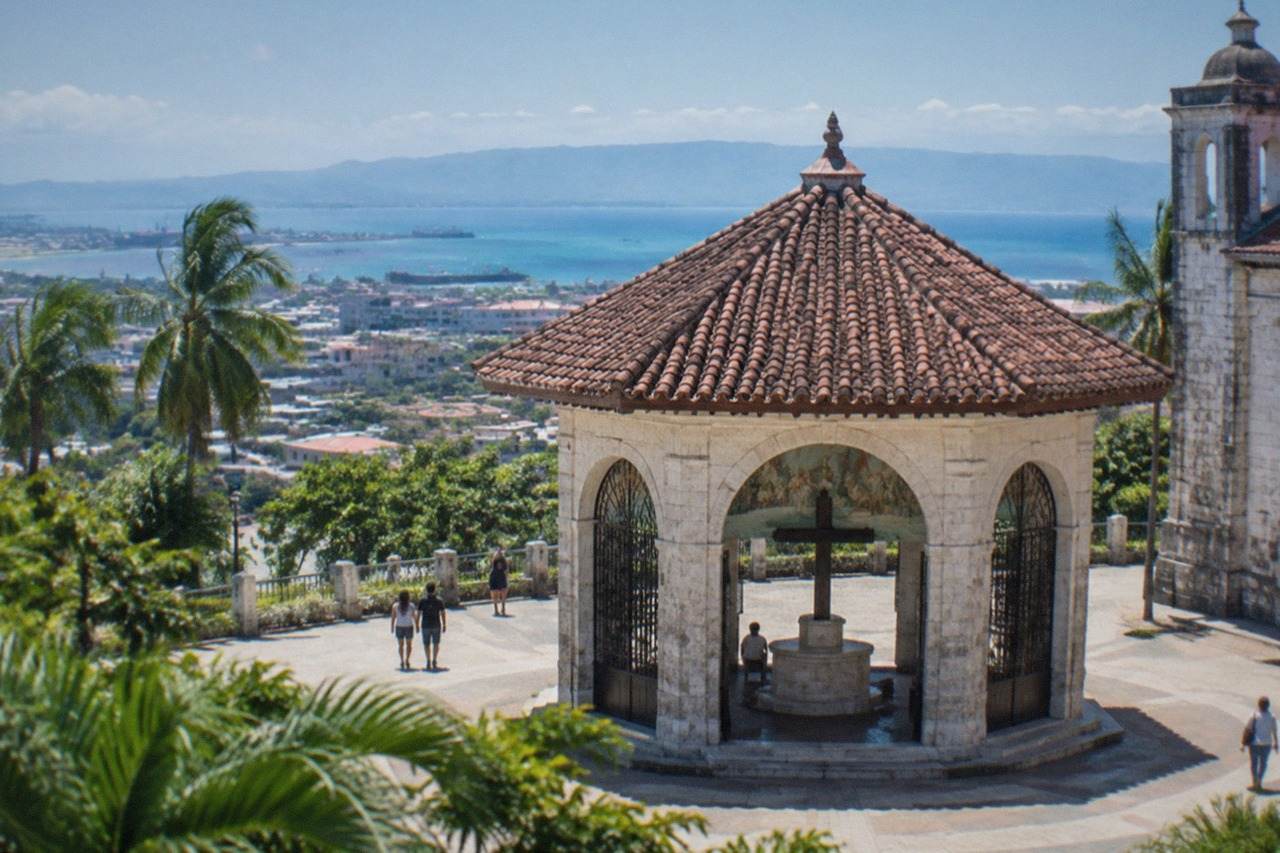
What To Do In Cebu For 3 Days?
Spend day one on Cebu City's heritage core, day two on a south-coast trip to Oslob's whale sharks or Kawasan Falls, and day three on Mactan for beaches, island hopping or a waterpark day. That order matters: the south-coast day needs the earliest start of the trip, and Mactan sits closest to the airport, which makes it the natural final day before flying out.
The logic behind the split is distance. Cebu City is the transport hub where you will almost certainly sleep. Oslob, the whale-shark town, sits at the island's southeastern tip, roughly a four-hour bus ride from the city terminal, and the interaction window closes at midday. Kawasan Falls in Badian sits further west on the same south coast. Mactan, by contrast, is twenty to forty minutes from the airport depending on traffic, so it absorbs a departure day without stress.
If you want a fuller version of this plan with hour-by-hour detail, the site's three-day Cebu itinerary expands on exactly this structure, and how many days in Cebu is enough covers whether three is really the right number for you. Cebu Travel Guide keeps the full set of itinerary pages, from three days up to a week, if your trip turns out longer.
Day One: Heritage Sites And Street Food In Cebu City
Day one belongs to the city's colonial core: Magellan's Cross, the Basilica Minore del Santo Niño, Fort San Pedro and the Colon Street area, all walkable within a few blocks of each other. Fort San Pedro charges P50 (about US$0.8) regular entry, Magellan's Cross and the Basilica are free to enter, and the whole loop fits a morning, leaving the afternoon for museums or the hills above the city.
The heritage cluster is genuinely compact. Magellan's Cross, the pavilion sheltering the cross tradition says Ferdinand Magellan's crew planted in 1521, stands a short walk from the Basilica, founded on 28 April 1565 on the spot where the Santo Niño image was found. Fort San Pedro, whose present stone structure dates from 1738, is the oldest triangular bastion fort in the country and sits on Plaza Independencia at the edge of the port area. Entry is P50 (about US$0.8) for regular visitors and P40 (about US$0.6) for students and seniors, per the Cebu City fee update reported by SunStar in March 2026.
Afternoons fork into two options. The museum fork takes in Casa Gorordo Museum, a restored 19th-century house, and Museo Sugbo, the provincial museum that reopened on 29 August 2025 after nearly two years closed. The hills fork heads up to Busay: Tops Lookout is open 24 hours, charges P100 (about US$1.6) entry per its operator's own site, and puts the whole city below you at sunset.
Evening is when Cebu's food culture shows up. The city's markets and backstreets hold the lechon stalls, ngohiong and pungko-pungko vendors that most hotel dining rooms quietly skip, and a guided walk turns a confusing street scene into an ordered tasting route. The Cebu Market & Food Tour goes out with a local guide through exactly that layer of the city; the operator has not published a price, so check the live listing. Check availability
For readers who want the day fully guided, a full-day city and Mactan option also exists on the roster, with the operator's price unpublished on the live listing.
Day Two: Whale Sharks In Oslob Or Canyoneering At Kawasan Falls
Day two is the south-coast day, and it starts before dawn. The two anchor options are Oslob's whale-shark interaction, which costs P1,000 (about US$15.9) for foreign visitors and runs roughly 6 AM to noon, and Kawasan Falls in Badian, where Level 1 entrance is about P200 (about US$3.2) and regulated canyoneering is sold as an all-in guide package. Doing both properly in one day is tight but possible on an organised tour.
The whale-shark fee structure reverted in March 2025 to the municipal ordinance rates: P1,000 (about US$15.9) per foreign tourist, P500 (about US$8.0) per Filipino, boat and guide included. The rules are set by the Oslob local government: a mandatory briefing, a minimum distance of about four metres from the animals, no touching, no sunscreen in the water, life jackets required, and only licensed spotters feed the sharks. Sessions run about thirty minutes. One honest caveat: sightings are not guaranteed. In late May 2026 the whale sharks were absent from the Tan-awan interaction area for about four days when seasonal plankton moved, and the town's tourism office confirmed operations simply pause and resume with the animals.
Kawasan Falls is the alternative, and the canyoneering route down the Matutinao river gorge is the reason travellers pick it. Only the Badian route is operational; the Alegria route has been suspended through 2025 and 2026. Cliff jumping is banned at the main Level 1 basin, life jackets are mandatory, and a time limit applies. A rehabilitation programme began in June 2026 and the site stayed open throughout. On the canyoneering price, sources genuinely conflict: guide sites quote P1,500 (about US$24) all-in, while SunStar reported in October 2025 that tourists typically pay around P2,000 (about US$32), so treat that as the honest range for a Badian-accredited guide with gear and lunch included. If you are weighing the two towns against each other, what it costs to swim with the whale sharks in Oslob and the best month for whale sharks both dig into the details.
Getting there independently means the Ceres buses from Cebu South Bus Terminal: roughly three and a half to four and a half hours to Oslob, a little less to Moalboal, with frequent departures through the day. Most three-day visitors instead book a day tour with hotel pickup, simply because the 3 AM alarm is easier to survive from a van seat than a bus terminal.
Day Three: Mactan Beaches, Island Hopping Or A Waterpark
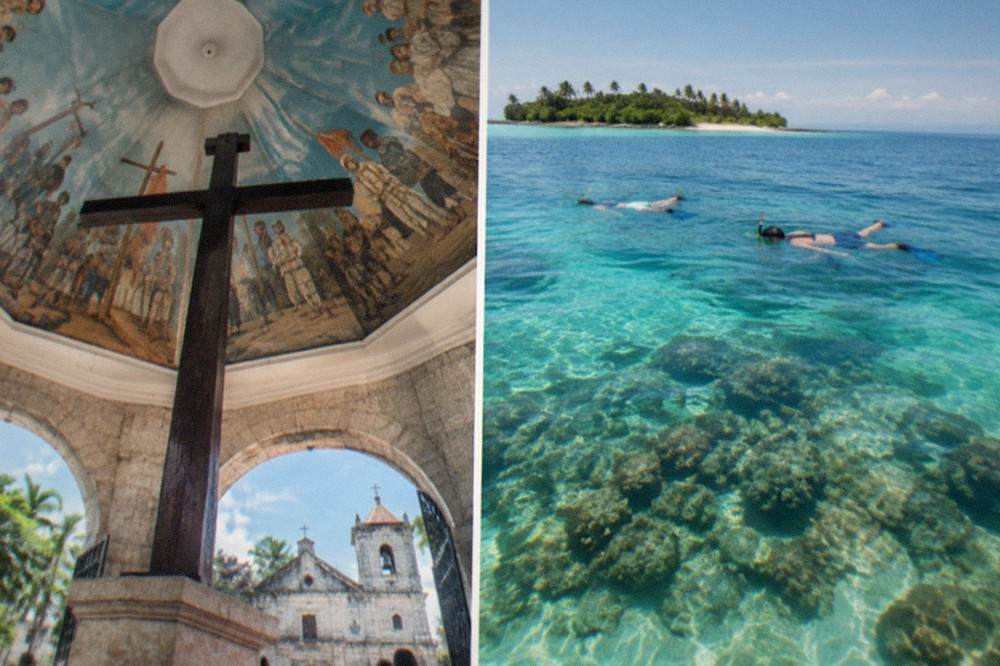
Day three stays close to the airport on Mactan: an island-hopping boat trip to the marine sanctuaries around Gilutungan, Caohagan and Nalusuan, a resort beach day, or a waterpark day pass. Foreign tourists pay a P100 (about US$1.6) Lapu-Lapu City environmental fee for island hopping, sanctuary fees at the islands run roughly P150 to P300 (about US$2.4 to US$4.8) each, and Mactan sits twenty to forty minutes from the airport terminals, so the day ends wherever your flight does.
Island hopping from Mactan is the classic final day because the boats leave from the island itself. The standard route strings together two or three sanctuary islands with lunch on board, snorkelling over coral, and enough idle time to feel like a holiday rather than a schedule. The environmental fee is charged by Lapu-Lapu City: P100 (about US$1.6) for foreign tourists, cut to P20 (about US$0.3) for local tourists by a July 2025 amendment, with the separate sanctuary fees paid at the islands.
Families with children often do better with a waterpark day pass, and the Jpark Island Resort & Waterpark pass on the roster below gives full-day access from 9 AM to 6 PM without needing a boat. The Mactan island guide covers the beaches in detail, and whether Mactan has nice beaches answers the question most people are quietly asking.
What Does Three Days In Cebu Cost?
A realistic daily budget splits into three layers: the fixed attraction fees, which are modest; the transport layer, where a south-coast day tour or van transfer is the single biggest line; and the tour layer, where prices are set by operators and render on their live listings rather than in prose. Budget travellers manage on modest daily spending; comfort comes from booking the two big days in advance.
The table below collects the entrance and environmental fees you will actually hit on this three-day plan. Every peso figure carries its dollar equivalent at the pinned rate, and each one comes from the site's verified facts file rather than from a blog round-up.
| Day | Item | Fee |
|---|---|---|
| One | Fort San Pedro entry, regular | P50 (about US$0.8) |
| One | Tops Lookout entry | P100 (about US$1.6) |
| Two | Oslob whale sharks, foreign tourist | P1,000 (about US$15.9) |
| Two | Oslob whale sharks, Filipino | P500 (about US$8.0) |
| Two | Tumalog Falls entrance, about | P50 (about US$0.8) |
| Two | Kawasan Falls Level 1 entrance, about | P200 (about US$3.2) |
| Three | Lapu-Lapu island-hopping environmental fee, foreign | P100 (about US$1.6) |
Two warnings on the numbers. First, several of these are set by local ordinances that change without much notice, so treat them as planning figures and confirm at the gate. Second, the canyoneering package price is the one figure where sources genuinely conflict, as covered above, so the honest planning range runs from P1,500 (about US$24) to P2,000 (about US$32) with a Badian-accredited guide, gear and lunch included.
How To Fit The Plan Around Weather And Timing
The biggest timing constraint is Oslob's midday cutoff: whale-shark operations run roughly 6 AM to noon, so the south-coast day is always the early one. PAGASA's rule for the island is a dry season from December to May and a rainy season from June to November, and the Mactan station's 1991-2020 normals show 1,685 mm of rain over 138 rain days a year, so the plan works in any month but the odds of a washed-out afternoon rise sharply from July to October.
The monthly rainfall pattern matters more than many travelers realize. The driest month in the Mactan series is April at 48.1 mm; the wettest is October at 194.8 mm. A three-day trip in the dry half of the year can schedule the falls and the boat day with confidence. A trip in the typhoon half, June to November, should keep one flexible half-day in reserve, because both canyoneering and island-hopping boats pause for heavy rain and Coast Guard suspensions. The site's best time to visit Cebu page carries the full breakdown of month-by-month conditions.
Ordering the days is the other lever. If your flight lands late, put the city day first and push the south coast to day two. If you land early morning, some travellers invert the whole plan and drive south on arrival day, sleeping in Oslob or Moalboal to dodge the 3 AM start entirely, then return to the city for day three. That version trades a city hotel for one night on the coast, and it is the only way to see both Oslob and Kawasan Falls at a relaxed pace.
Common Questions About Three Days In Cebu
What to do in cebu for 3 days?
Split the trip by zone: day one on Cebu City's heritage core, day two on a south-coast trip to Oslob or Kawasan Falls, and day three on Mactan for beaches, island hopping or a waterpark. That ordering matches the island's geography and the airport's location.
Is three days in Cebu enough?
Three days covers the city, one south-coast highlight and a Mactan day comfortably. It is not enough to add Bantayan, Malapascua or Camotes without cutting something, and the site's page on how many days in Cebu is enough compares three, five and seven day plans.
Can you do Oslob and Kawasan Falls in one day?
It is possible but tight. The whale-shark window closes around noon in Oslob, and the two sites sit far apart on the south coast, so doing both means a very early start, usually on an organised tour that adds the Tumalog Falls stop. Many travellers pick one anchor per day.
Are the whale sharks in Oslob guaranteed?
No. Sightings are sightings, not a scheduled show. In late May 2026 the sharks were absent from the Tan-awan interaction area for about four days because of seasonal plankton movement, and the town's tourism office confirmed operations pause and resume with the animals.
Where should you stay for a three-day Cebu trip?
Cebu City suits most three-day plans because it is the transport hub for the south-coast buses and tours. Staying on Mactan works if beaches are the priority and you accept a longer ride on the south-coast morning. The site's page on the best part of Cebu to stay in compares the options.
Three days, done in this order, gives you the oldest city in the Philippines, the biggest fish in the sea and a beach to land on before your flight, and that is a better return per day than most islands in the region can offer.