Basilica Del Santo Nino In Cebu, Philippines
The Basilica Del Santo Nino in Cebu, Philippines is the country's oldest church, founded on 28 April 1565 on the spot where a wooden image of the Christ Child was found. This guide covers mass times, costs, dress code and what to combine with a visit.
Short answer
Entry to the Basilica Del Santo Nino in Cebu is free, the church is open daily, and the site sits beside Magellan's Cross in the old downtown, a short walk from Fort San Pedro.
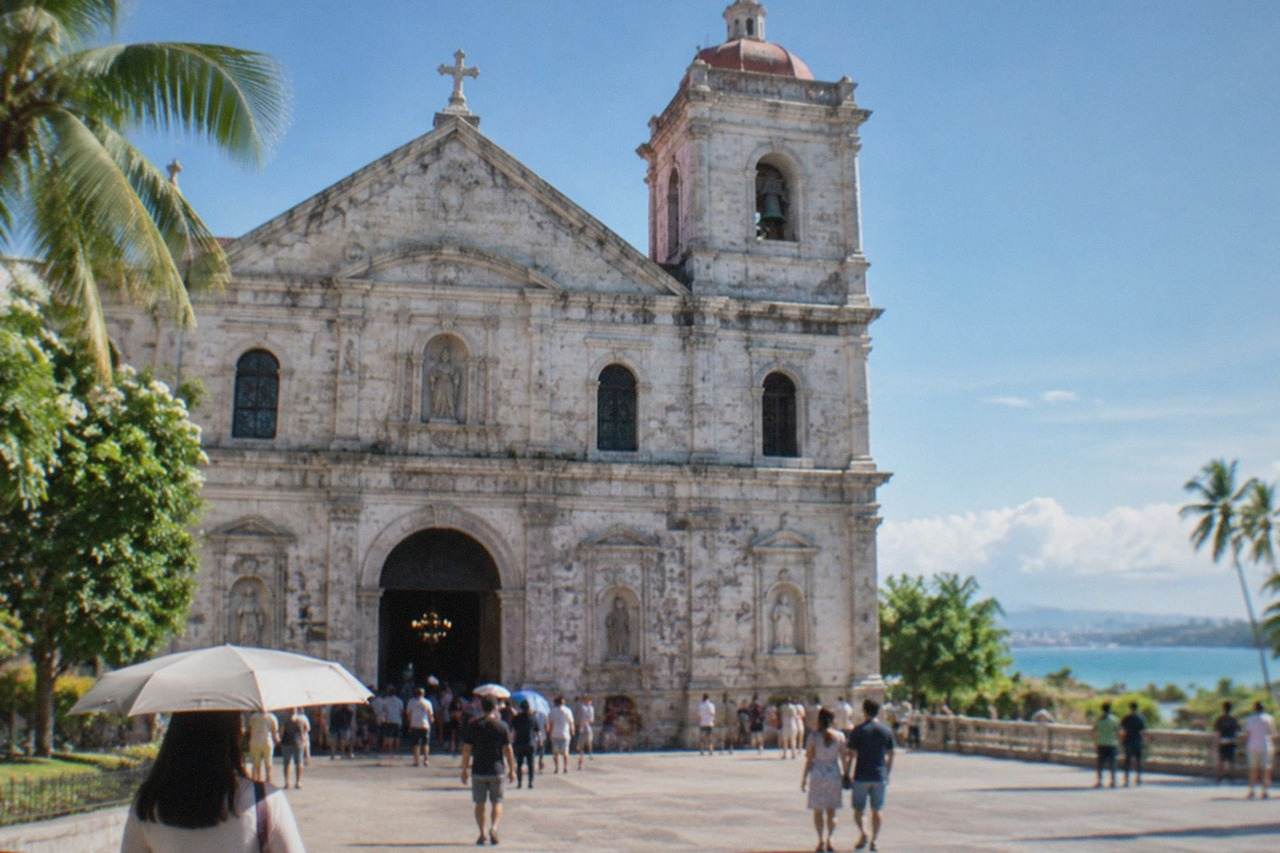
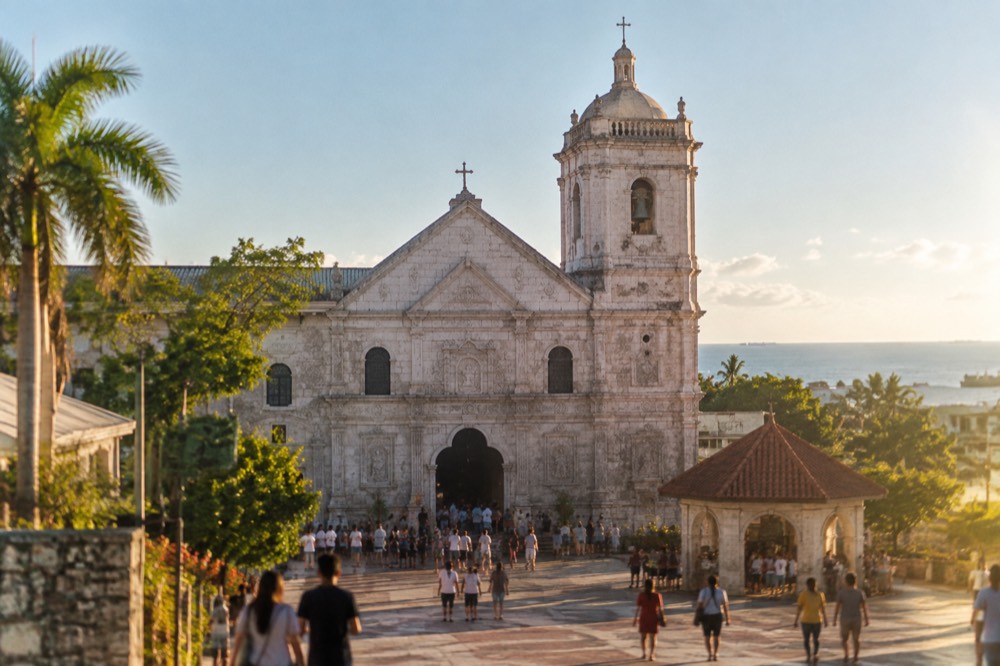
The Basilica Del Santo Nino in Cebu, an island province in the Central Visayas region of the Philippines, is the oldest Roman Catholic church in the country. It was founded on 28 April 1565 by the Augustinian priest Fr. Andres de Urdaneta, on the very day the Legazpi expedition landed, and it stands today in the heart of old downtown Cebu City, a few steps from Magellan's Cross and a short walk from Fort San Pedro. The church holds the Santo Nino de Cebu, a roughly 11-inch Flemish wooden image of the Christ Child given to Queen Juana at her baptism in 1521 and rediscovered in 1565, and it is the spiritual centre of the Sinulog festival each January. This guide from Cebu Travel Guide covers the basilica's history, mass times, what a visit costs, how to dress, and what to see in the streets around it.
What Is The Basilica Del Santo Nino In Cebu?
The Basilica Del Santo Nino in Cebu is the oldest Augustinian church in the Philippines, founded on 28 April 1565 by Fr. Andres de Urdaneta on the day the Legazpi expedition landed. Its current stone structure was built between 1735 and 1740, it was elevated to a minor basilica in 1965, and it houses the Santo Nino de Cebu image given to Queen Juana in 1521 and found again in 1565.
The story begins with Magellan's expedition, which reached Cebu on 7 April 1521. After Rajah Humabon and Queen Juana accepted baptism, the expedition's accounts record that an image of the Child Jesus was presented to the queen. When Miguel Lopez de Legazpi arrived forty-four years later, on 28 April 1565, a soldier named Juan de Camus found the same image in a native house, remarkably preserved, and the Basilica's own chronicles mark that day as the discovery. Fr. Andres de Urdaneta founded the church on the spot the same day.
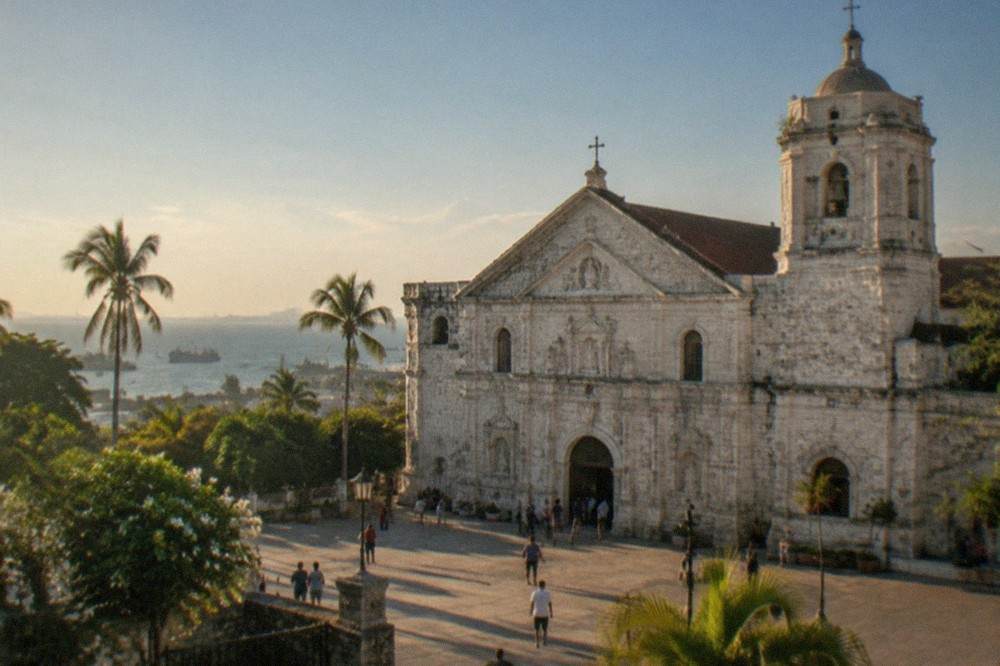
The building you see now is not the original. Fires and the 2013 Bohol earthquake each took their toll, and the present structure dates from 1735 to 1740, built under Fr. Juan Albarran in a Philippine baroque style with coral-stone walls. On 15 October 2013 the M7.2 Bohol earthquake collapsed the belfry and damaged the facade; restoration work followed and the belfry was rebuilt. In 1965, during the Fourth Centennial celebrations, Pope Paul VI elevated the church to the rank of minor basilica.
The key dates are easiest to follow in order.
| Date | Event At The Basilica |
|---|---|
| 7 April 1521 | Magellan's fleet arrives in Cebu |
| April 1521 | Santo Nino image presented to Queen Juana at her baptism |
| 28 April 1565 | Legazpi expedition lands; image found by Juan de Camus; church founded by Fr. Andres de Urdaneta |
| 1735 to 1740 | Present stone structure built under Fr. Juan Albarran |
| 1965 | Elevated to minor basilica during the Fourth Centennial |
| 15 October 2013 | M7.2 Bohol earthquake collapses the belfry; later restored |
| November 2024 | Pre-pandemic mass schedule restored |
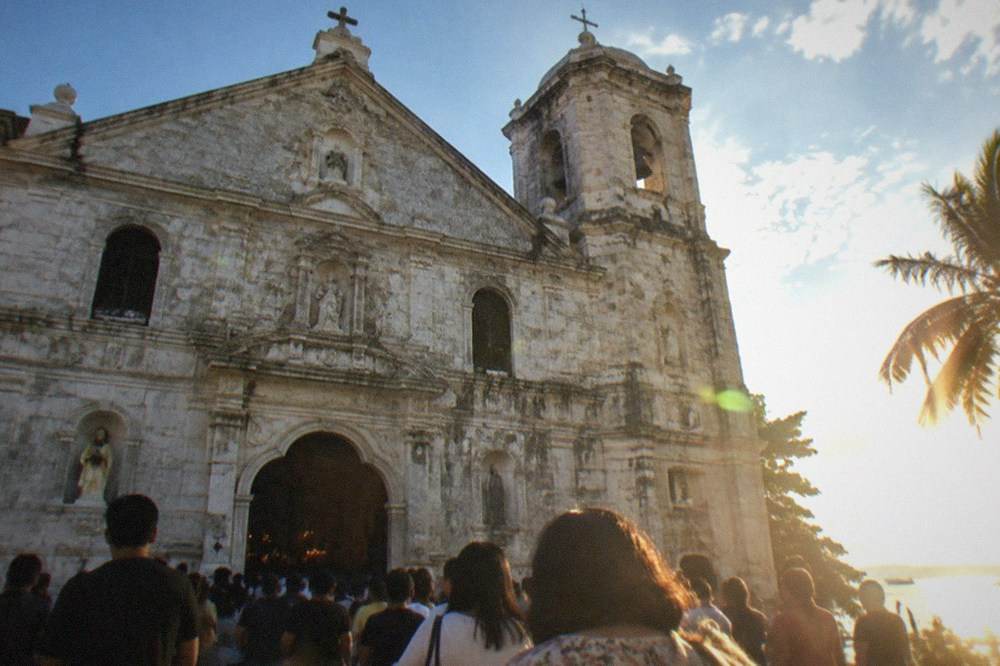
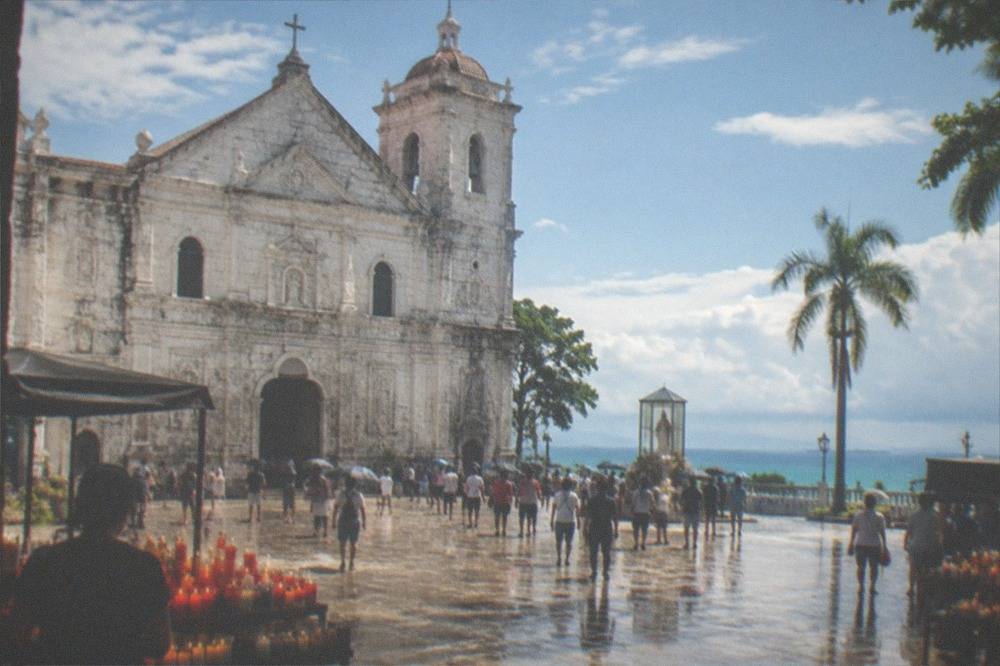
The basilica remains an active parish, not a museum piece. Thousands of devotees attend weekly, candle sellers line the plaza outside, and the Friday novena masses draw the biggest crowds of all. For the full colonial-era context around the church, see our guide to historic downtown Cebu City.
When Is The Basilica Del Santo Nino Open, And When Are Masses Held?
The Basilica Del Santo Nino in Cebu holds masses daily, with the pre-pandemic schedule restored in November 2024: Monday to Thursday and Saturday have masses at 6 AM, 7 AM, 8 AM, 12:15 PM and 5:30 PM, Friday runs an hourly schedule from 5 AM to 7:30 PM, and Sunday and holy days have multiple masses from 5:30 AM to 7 PM. Church gates are generally open from about 6 AM to 6 or 7 PM.
The weekday pattern mixes Cebuano and English masses. On Monday to Thursday and Saturday, the 6 AM and 7 AM masses are in Cebuano, the 8 AM mass is in English, the 12:15 PM mass is in Cebuano, and the 5:30 PM mass is in English. Friday is the devotion day, with masses running hourly from early morning into the evening. Sunday, the busiest day, spreads services across the whole day.
| Day | Mass Times | Languages |
|---|---|---|
| Monday to Thursday | 6 AM, 7 AM, 8 AM, 12:15 PM, 5:30 PM | Cebuano, English |
| Friday | Hourly, 5 AM to 7:30 PM | Cebuano and English |
| Saturday | 6 AM, 7 AM, 8 AM, 12:15 PM, 5:30 PM | Cebuano, English |
| Sunday and holy days | Multiple masses, 5:30 AM to 7 PM | Cebuano and English |
Two practical notes. First, arrive early for the Sunday and Friday masses, as the pews and standing room fill well before the start time. Second, the schedule was restored to its pre-pandemic form in November 2024, but church schedules can shift for feast days and renovations, so confirm the day's times at the door or on the basilica's official channels before planning your morning around a specific mass.
How Much Does Visiting The Basilica Del Santo Nino In Cebu Cost?
Entry to the Basilica Del Santo Nino in Cebu is free, like almost every Catholic church in the Philippines, and masses are open to all at no charge. There is no published museum fee for the small Pilgrim Center museum, so treat any amount quoted at the desk as the current word rather than a fixed tariff. The only costs on a basilica morning come from the surrounding sights, itemized below.
Donations are customary and genuinely needed for upkeep, and the candle vendors outside sell votive candles at small prices. Nothing about a basilica visit requires advance booking. The neighbouring colonial sights do carry small fees, all of them modest by any travel budget, and the table below lists each one.
| Item | Cost |
|---|---|
| Basilica entry | Free |
| Mass attendance | Free |
| Pilgrim Center museum | No verified published fee; ask at the desk |
| Magellan's Cross, next door | Free |
| Fort San Pedro, short walk away | P50 (about US$0.8) regular, P40 (about US$0.6) students and seniors |
A morning in old Cebu City is one of the cheapest half-days you can build in the Philippines. The basilica, Magellan's Cross and the exterior of Fort San Pedro cost nothing at all, and the full trio with the fort's interior comes to less than a US dollar per person at current exchange rates.
Once you have covered the old centre, you can head for Cebu's headline day trips, and the whale shark watching in Oslob is the one that needs the earliest start. The join-in day tour from Cebu takes in the whale sharks and a Tumalog Falls stop, and its price is not published by the operator, so the live listing is the only reliable source. You can read more about the experience in our guide to Oslob whale shark watching.
If the early departure puts you off, the Bohol countryside tour and the Mactan island-hopping trip below both leave later in the morning and suit a first day better. Whichever you pick, book ahead for the whale shark option, because the Oslob morning window is short and seats on join-in vans are limited. Free cancellation and pay-later options are usually available on the operator's live listing, so there is little reason to leave it to chance.
What Should You Wear And Know Before Visiting The Basilica In Cebu?
Visitors to the Basilica Del Santo Nino in Cebu should dress modestly, covering shoulders and knees, because it is an active place of worship rather than a tourist attraction, and massgoers have priority at all times. Photography is welcome in most areas but should pause during services, silence phones, and avoid the altar rail. Allow 30 to 60 minutes for the church itself and longer if a mass or the museum is on your plan.
The dress code is the one detail that catches tourists out. Cebu is tropical, with Mactan station's 1991-2020 normals showing a mean temperature of 28.1 C, so light clothing is natural, but shorts and sleeveless tops are discouraged inside the church. A light scarf or a spare shirt solves the problem without carrying much. Footwear is unrestricted.
Etiquette is straightforward. Stand or sit quietly during masses, and if you arrive mid-service, stay at the back until it ends rather than walking the side aisles. The image of the Santo Nino itself is kept above the altar and is not handled by visitors. Outside, the plaza is shared with candle sellers, street vendors and families taking photos, and it stays lively well into the evening.
A few practical points worth knowing before you go:
| Practical Detail | What To Expect |
|---|---|
| Dress | Shoulders and knees covered; light fabrics suit the climate |
| Best visiting window | Early morning, before the day's heat and crowds build |
| Time needed | 30 to 60 minutes for the church; longer with a mass |
| Photography | Fine outside services; pause during mass |
| Access | The basilica sits in old downtown Cebu City, walkable from Magellan's Cross |
How Does The Basilica Connect To The Sinulog Festival In Cebu?
The Basilica Del Santo Nino in Cebu is the devotional heart of the Sinulog festival, held on the third Sunday of January, when millions of devotees and visitors fill the streets around the church before the Grand Parade. Sinulog 2027 is set for 17 January 2027, with the opening salvo on 7 January and the Cebu City Sports Center confirmed as the main venue for both 2026 and 2027.
Sinulog honours the Santo Nino image itself. The festival's dance, two steps forward and one step back, echoes the movement of the river current and traces its roots to the pre-colonial worship that the image encountered in 1521. The religious core of the festival happens at the basilica: novena masses in the days before the Grand Parade, and a solemn procession that draws enormous crowds through the old downtown streets.
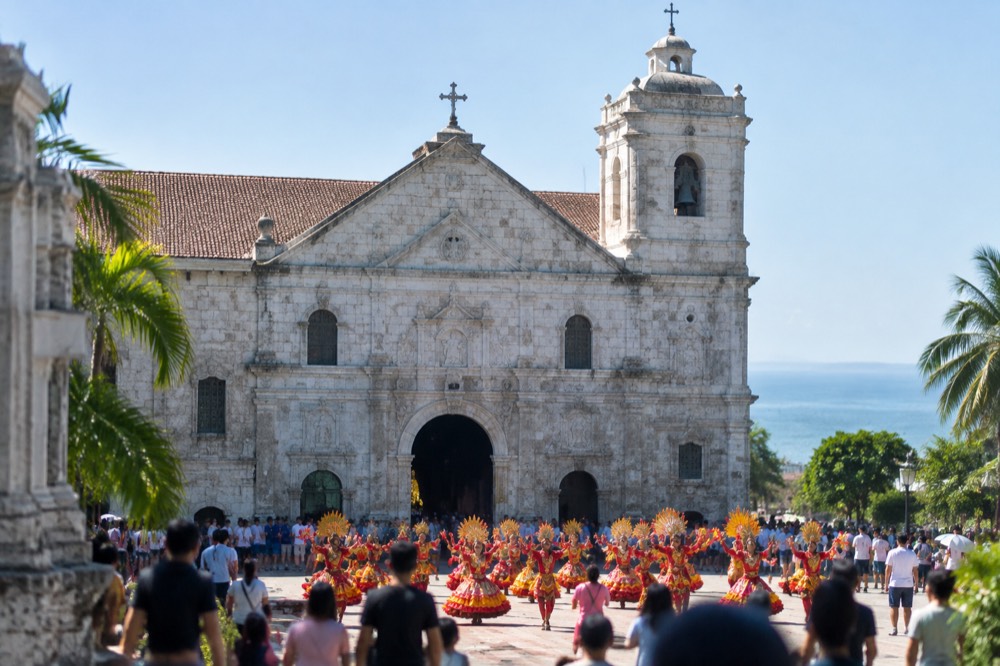
The venue detail matters for planning. The Grand Parade was staged at the South Road Properties in 2023 and 2024, but it returned to the Cebu City Sports Center for 2025 and 2026, and the city confirmed in September 2026 that the CCSC remains the main venue for 2027. That puts the parade route and the basilica in the same central area, so a Sinulog trip can cover both, though hotel prices surge and streets close on the festival weekend.
| Sinulog Edition | Grand Parade Date | Main Venue |
|---|---|---|
| 2026 | 18 January 2026 | Cebu City Sports Center |
| 2027 | 17 January 2027 | Cebu City Sports Center |
If your dates are flexible, the festival week is both the best and the hardest time to visit the basilica. The energy is unmatched, but queues for the church stretch long and the surrounding streets are packed. On an ordinary week, the basilica is calm and easy.
What Can You See Near The Basilica Del Santo Nino In Cebu?
Within a short walk of the Basilica Del Santo Nino in Cebu you can see Magellan's Cross, the Cebu Metropolitan Cathedral, Fort San Pedro, the Yap-Sandiego Ancestral House and Casa Gorordo Museum, a compact colonial core that covers most of the city's Spanish-era sights in a single morning. Magellan's Cross is free, and the full fee detail for every sight on the route is set out in the table below.
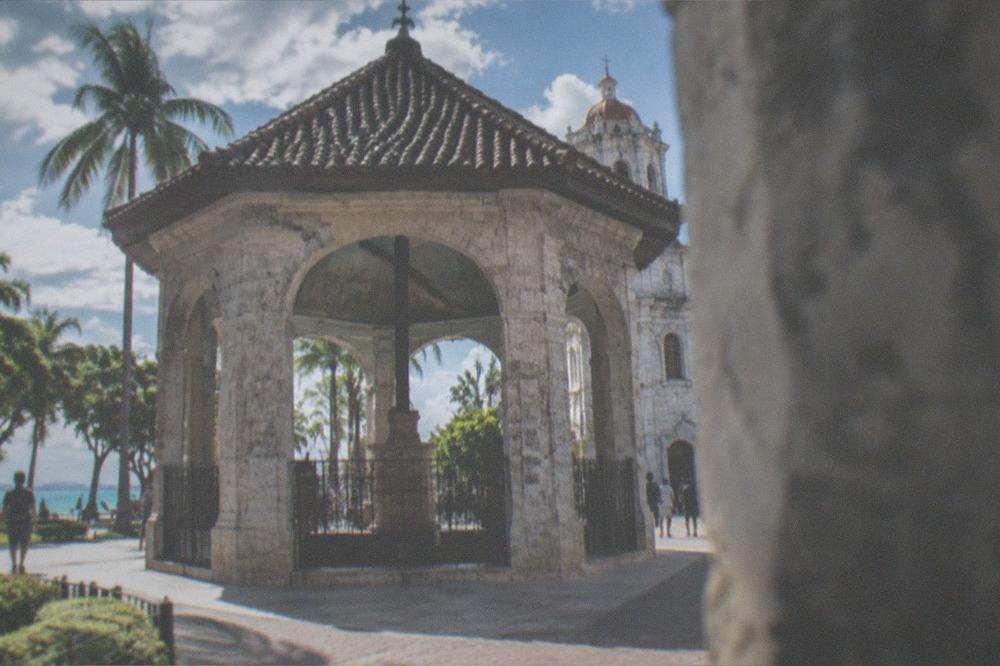
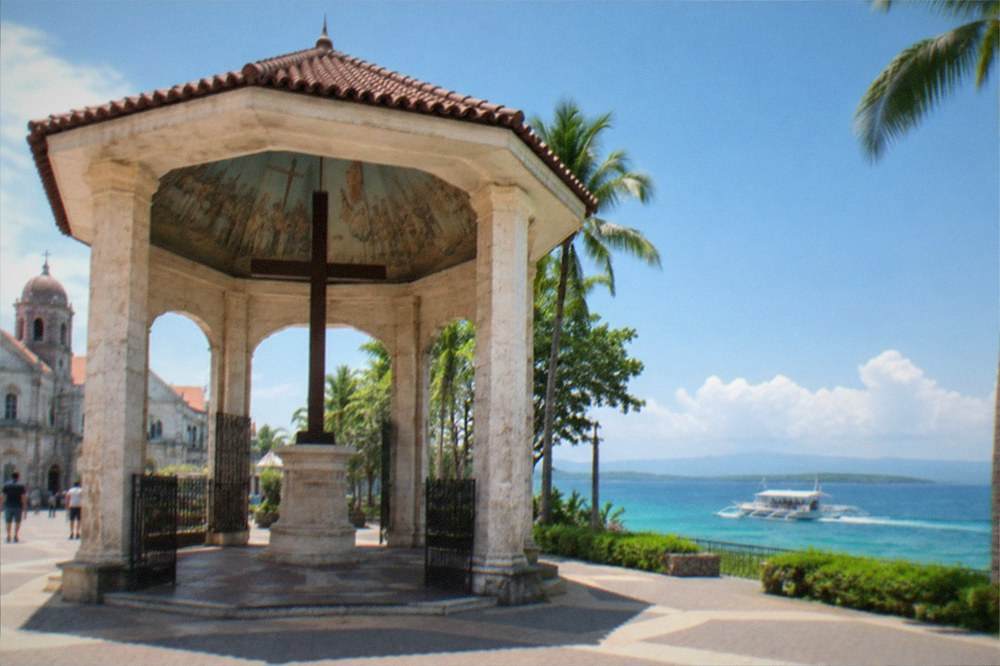
Start with Magellan's Cross, directly across the plaza. The cross commemorates the planting of a cross by Magellan's expedition in April 1521, and the pavilion housing it dates from 1834. It is free to visit and generally open about 8 AM to 6 PM. Our full guide to Magellan's Cross covers the history and the debate about the cross's original wood.
From there, the Cebu Metropolitan Cathedral is a few blocks north, and Fort San Pedro, the oldest triangular bastion fort in the country, whose present stone structure dates from 1738, stands at the edge of Plaza Independencia. Our Fort San Pedro guide covers its fees and hours in detail.
The heritage houses need a hedge. The Yap-Sandiego Ancestral House and the Casa Gorordo Museum were both flagged for structural inspection after the 30 September 2025 earthquake that struck northern Cebu, and their current opening status is not confirmed, so check locally before walking over. Casa Gorordo's usual arrangement is about P100 (about US$1.6) regular, open Monday to Saturday. Museo Sugbo, which reopened on 29 August 2025 after nearly two years, charges P50 (about US$0.8) general and P25 (about US$0.4) for students, Monday to Friday.
| Sight Near The Basilica | Entry | Notes |
|---|---|---|
| Magellan's Cross | Free | About 8 AM to 6 PM, beside the basilica |
| Cebu Metropolitan Cathedral | Free | Active cathedral a few blocks north |
| Fort San Pedro | P50 (about US$0.8) regular, P40 (about US$0.6) students and seniors | Roughly 8 AM to 7 PM |
| Casa Gorordo Museum | About P100 (about US$1.6) | Post-earthquake status unconfirmed; usually Monday to Saturday |
| Yap-Sandiego Ancestral House | No verified published fee | Post-earthquake status unconfirmed |
| Museo Sugbo | P50 (about US$0.8) general, P25 (about US$0.4) students | Reopened 29 August 2025, Monday to Friday |
If heritage fills your morning and you still have daylight, the highland and coastal sights are a short drive away. Tops Lookout is open 24 hours at P100 (about US$1.6) for adults, the Temple of Leah charges about P120 (about US$1.9) on weekdays and P150 (about US$2.4) on weekends, and Sirao Flower Garden is about P100 (about US$1.6). The Cebu Taoist Temple is free, with donations welcome.
How Does A Basilica Visit Fit Into A Longer Cebu Trip?
A basilica visit fits neatly into a first morning in Cebu, since the old downtown core takes two to three hours, after which the remaining days tend to be split between the south coast, with Oslob's whale sharks and Kawasan Falls, and the island-hopping trips out of Mactan. A three-day stay covers the city, one southern day trip and one island day, while five days allow Bohol as a same-day ferry excursion.
The classic split is south versus north. The southern route from the Cebu South Bus Terminal reaches Oslob in about 3.5 to 4.5 hours by bus and Moalboal in about 2.5 to 3.5 hours, which is why many travelers book a day tour with hotel pickup rather than self-driving. The Kawasan Falls and Moalboal sardine run pair naturally with Oslob and Tumalog Falls on a full southern circuit.
The island options split the other way. From Mactan, island-hopping boats reach the marine sanctuaries of Hilutungan, Caohagan and Nalusuan, with sanctuary fees of roughly P150 (about US$2.4) to P300 (about US$4.8) per person at some stops and a Lapu-Lapu environmental fee of P100 (about US$1.6) for foreign tourists. Bohol works as a same-day trip too, with fastcraft ferries from Cebu's Pier 1 reaching Tagbilaran in about two hours, and the Loboc River cruise tours returning the same evening.
For a fuller comparison of the two whale shark products from Cebu, the join-in tour with the Tumalog Falls stop and the round-trip experience both run from the city with early departures, and the join-in option's price is unpublished, so the listing is the source of truth. Check availability for the join-in tour, and see the Oslob whale shark guide for the LGU fees, which run P1,000 (about US$15.9) for foreign visitors and P500 (about US$8.0) for Filipinos, boat and guide included.
The Bohol countryside day trip pairs the Loboc River lunch cruise with the Chocolate Hills on a same-day ferry return, and it is the easiest way to see a second island without changing hotels. For staying put on the water, the Mactan island-hopping day with lunch covers three islands and is the most popular family option on the coast.
Here is how the three headline day trips compare once you fold them into a basilica-first itinerary. All three work from a Cebu City base, and the whale shark trip demands the earliest alarm.
| Day Trip From Cebu | Region | Best For | Start Time | |---|---|---| | Oslob whale sharks and Tumalog Falls | South coast | Wildlife, waterfalls | Early morning departure | | Bohol countryside with Loboc cruise | Neighbouring island, same-day ferry | Hills, river cruise, lunch | Full day, about 14 hours | | Mactan island hopping with lunch | Mactan coast | Beaches, snorkelling, families | About 6 hours |
Whichever combination you choose, keep the basilica morning free of bookings. It costs nothing, needs no ticket, and the mass bells at midday are the best reminder that you are standing in the oldest parish in the Philippines.
Common Questions About The Basilica Del Santo Nino In Cebu
Is the Basilica Del Santo Nino free to enter?
Yes. Entry to the basilica and attendance at any mass are free, though donations are customary. The small Pilgrim Center museum has no verified published fee, so ask at the desk.
What are the mass times at the Basilica Del Santo Nino?
With the pre-pandemic schedule restored in November 2024, Monday to Thursday and Saturday masses run at 6 AM, 7 AM, 8 AM, 12:15 PM and 5:30 PM. Friday masses run hourly from 5 AM to 7:30 PM, and Sunday and holy days have multiple masses from 5:30 AM to 7 PM. Confirm times locally on feast days.
How old is the Basilica Del Santo Nino in Cebu?
The church was founded on 28 April 1565, making it the oldest church in the Philippines. The present stone structure was built between 1735 and 1740, and the building was elevated to a minor basilica in 1965.
Can you see the original Santo Nino image?
The Santo Nino de Cebu, a roughly 11-inch Flemish wooden image given to Queen Juana in 1521 and rediscovered in 1565, is kept above the altar and is not handled by visitors. It is visible during services and regular visiting hours.
What is close to the Basilica Del Santo Nino?
Magellan's Cross stands directly across the plaza and is free to visit, the Cebu Metropolitan Cathedral is a few blocks north, and Fort San Pedro, charging P50 (about US$0.8) regular entry, sits at the edge of Plaza Independencia within a short walk.
When is Sinulog, and does it affect a basilica visit?
Sinulog's Grand Parade falls on the third Sunday of January, with the 2027 edition set for 17 January 2027 at the Cebu City Sports Center. The basilica is the festival's devotional centre, so expect huge crowds and street closures on the festival weekend, and a calmer church at any other time of year.