Mandaue City Cebu
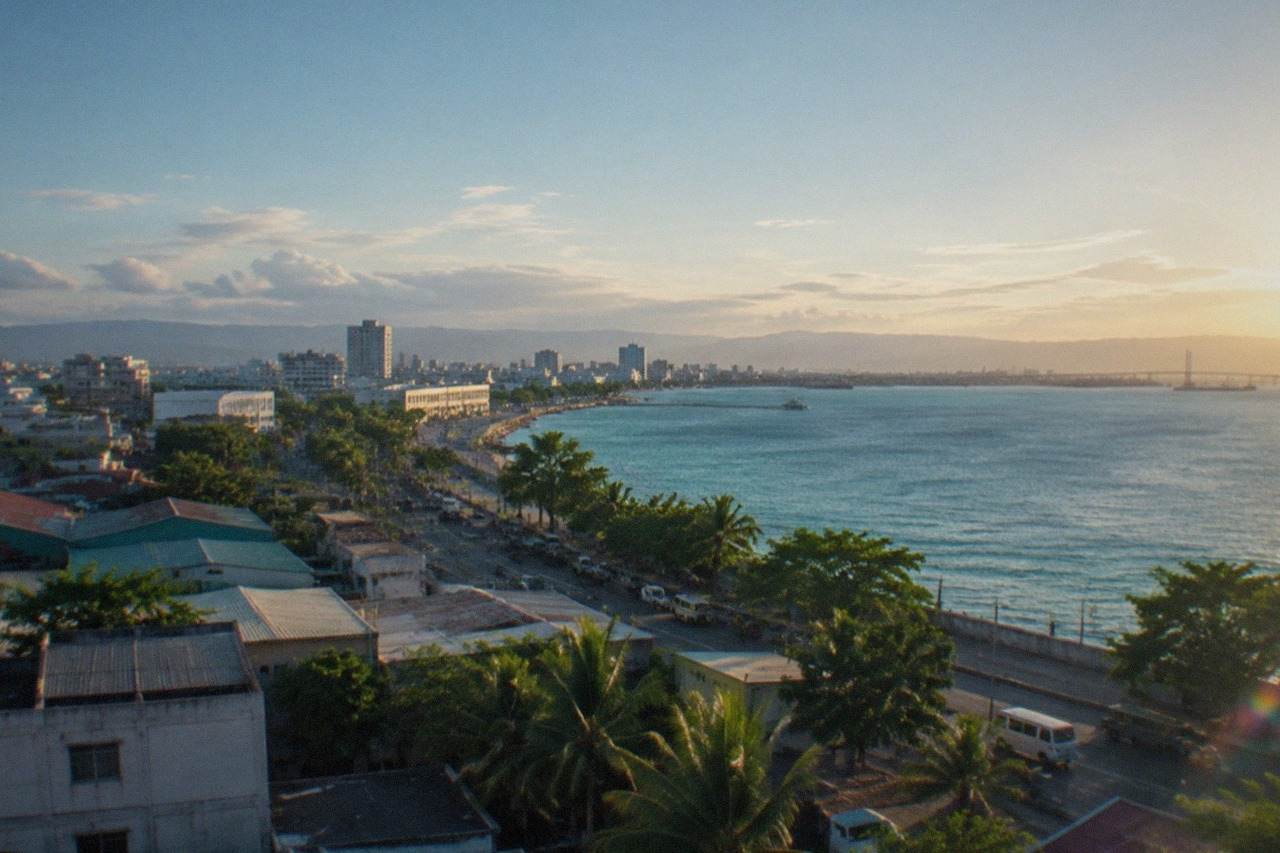
Mandaue City is one of the three highly urbanized cities of Metro Cebu in the Central Visayas region of the Philippines, sitting on the Mactan Channel between Cebu City and Lapu-Lapu City. This guide covers its bridges, transport links, costs and the day trips that start within sight of its shoreline.
Short answer
Mandaue City is a highly urbanized city in Metro Cebu, the Philippines, administratively independent of Cebu Province, with a 2020 population of 364,116. It is the industrial and logistics core of the metro area and holds two of the three road bridges linking Cebu island to Mactan.
Mandaue City sits on the narrow channel between Cebu island and Mactan, in the Central Visayas region of the Philippines, and nearly every traveller to Cebu passes through it without realising. Two of the three road bridges that connect Cebu City to Mactan island stand on Mandaue's river mouth, and the city's factories, warehouses and container yards make it the industrial engine of Metro Cebu. The 2020 census counted 364,116 residents, and like Cebu City and Lapu-Lapu City, Mandaue is a highly urbanized city, administratively independent of Cebu Province even though it sits in the middle of it geographically. This guide from Cebu Travel Guide explains what that means in practice: how to move through Mandaue, what it costs, and why its location makes it a quietly sensible base for exploring the wider island.
What Is Mandaue City Cebu And Where Does It Sit?
Mandaue City is one of the three highly urbanized cities of Metro Cebu, on the central east coast of Cebu island in the Philippines, with a population of 364,116 at the 2020 census. It is administratively independent of Cebu Province, a status it shares with Cebu City and Lapu-Lapu City, and it occupies the strip of land between Cebu City to the south and the Mactan Channel to the east.
That independence from the province is the detail most guides skip. When the Philippine Statistics Authority reports provincial totals for Cebu, it excludes Mandaue, Cebu City and Lapu-Lapu, which is why the province's 2020 figure of 3,325,385 is smaller than the population most people picture when they think of "Cebu". The 2024 census put Mandaue at 364,482, a modest gain that reflects how built-up the city already is. Metro Cebu, as defined by the metropolitan development coordinating body, groups seven cities and six municipalities, and Mandaue sits near the geographic centre of that cluster.
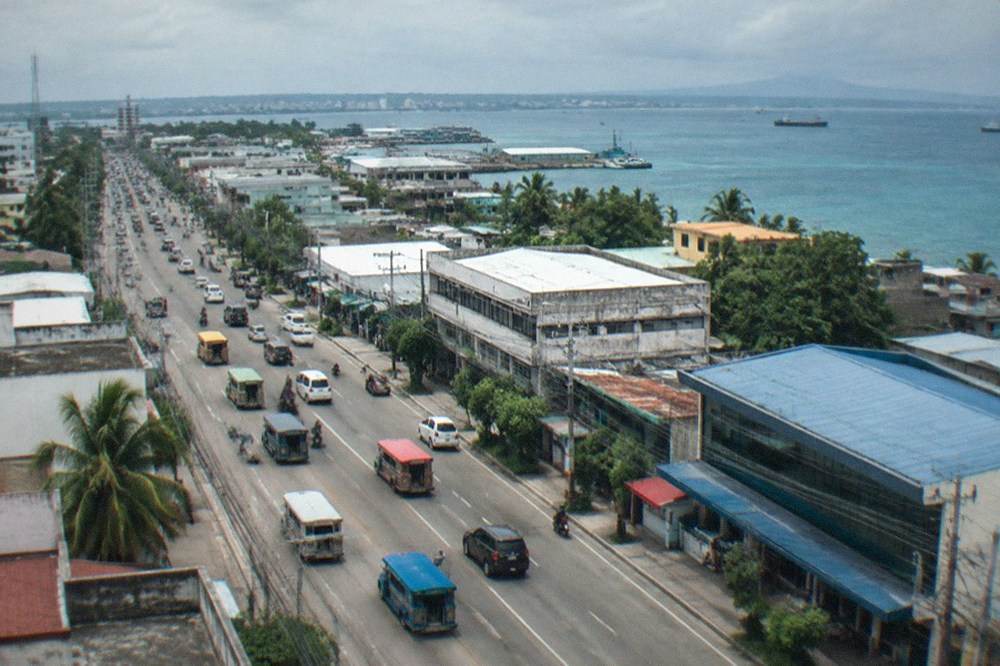
Historically, Mandaue grew as a settlement on the Butuanon river mouth long before the Spanish arrived in 1565, and its modern identity dates from the post-war industrial boom, when furniture workshops, food processing plants and container yards clustered here to be near both the port area of Cebu City and the airport on Mactan. Today a visitor sees mostly a working city: highways, malls, industrial estates and the bridge approaches, with the heritage core compressed into a few blocks around the old church of San Joseph the Worker and the city hall.
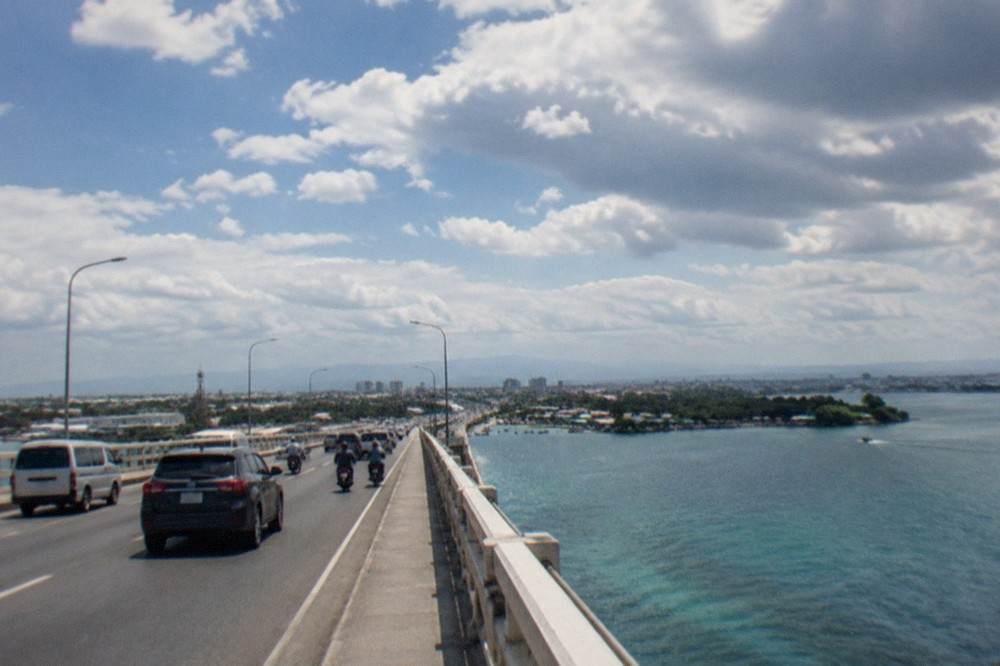
For trip planning, the honest framing is this: Mandaue is not a destination of museums and monuments the way Cebu City is, and it is not a beach base the way Mactan is. It is a hinge. Understanding where the hinge sits, and which roads pass through it, saves an enormous amount of time on any Cebu itinerary, because the two bridges here are the only road crossings between the international airport and the rest of the island apart from the CCLEX tollway further south.
How Do You Get From Mandaue To Cebu City, Mactan And The Airport?
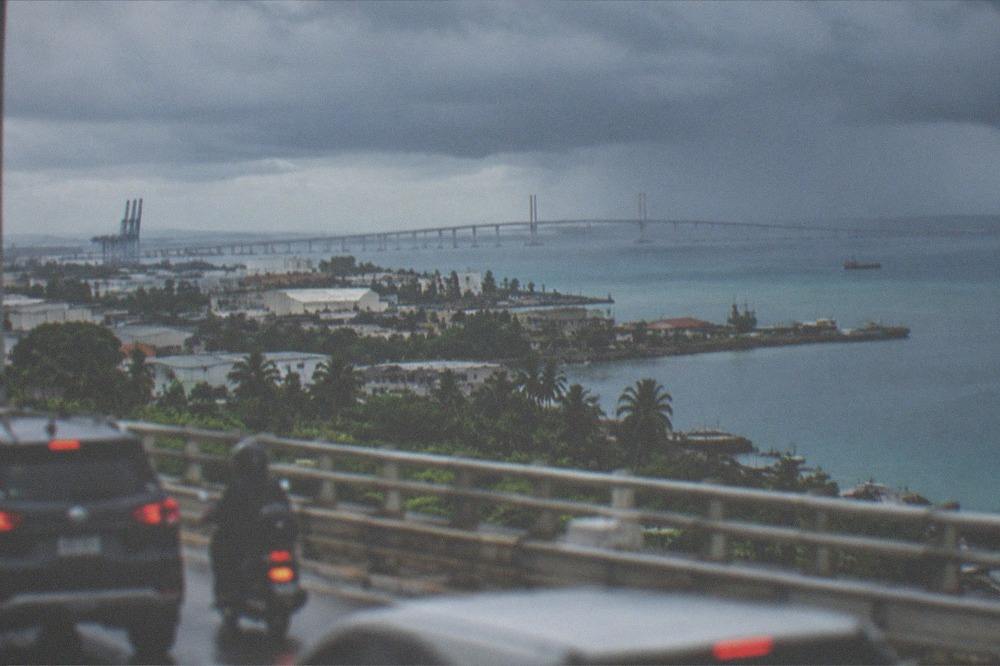
Mandaue is the road hinge of Metro Cebu: the Mactan-Mandaue (Osmeña) Bridge and the Marcelo Fernan Bridge both start on its river mouth and carry traffic to Mactan island, while the CCLEX tollway from Cordova provides a third crossing. Mactan-Cebu International Airport sits roughly 13 to 15 km from central Cebu City by road, and every airport transfer between the airport and the city crosses either Mandaue's bridges or the CCLEX. Grab ride-hailing operates across Cebu, and MyBus runs from the airport to SM City Cebu.
The bridge geography deserves a table of its own, because it is the single most useful mental map for the whole metro area:
| Crossing | Connects | Status |
|---|---|---|
| Mactan-Mandaue (Osmeña) Bridge | Mandaue City to Lapu-Lapu City | Open, oldest crossing |
| Marcelo Fernan Bridge | Mandaue City to Lapu-Lapu City | Open, second crossing |
| CCLEX tollway | Cebu City (SRP) to Cordova, Mactan | Open since 30 April 2022, 8.9 km |
| Fourth Cebu-Mactan bridge | Paknaan, Mandaue to Ibo, Lapu-Lapu | Pre-construction, about 3.34 km planned |
The fourth bridge matters to Mandaue specifically because its Mandaue-side landing is planned at Paknaan, and the project is JICA-funded, but as of the 2026 reports it remains at the planning stage, with the relocation of about 205 families in Paknaan an unresolved issue. Do not plan a trip around it.
For everyday movement, the practical options are jeepneys, taxis and Grab. The Department of Transportation approved new jeepney minimum fares effective 28 September 2026, with traditional jeepneys at P14 (about US$0.2) for the first 4 km and modern ones at P17 (about US$0.3), though the report does not confirm whether Region 7, which includes Cebu, is covered, so treat the on-board fare sign as authoritative. Grab lists Cebu among its Philippine service cities, with designated pickup zones at both airport terminals. The official airport transport guide also confirms the MyBus service from Mactan-Cebu International Airport to SM City Cebu at P50 (about US$0.8) regular fare, running from the airport between 7 AM and 10 PM.
If you are staying in Mandaue and heading south for the day, the Ceres Liner buses to Oslob and Moalboal leave from the Cebu South Bus Terminal in Cebu City, with Oslob journeys taking about 3.5 to 4.5 hours and fares of roughly P145 (about US$2.3) to P250 (about US$4.0) depending on the bus class. Our Oslob day trip guide and Moalboal day trip guide cover those routes in detail; the point for Mandaue is that the south terminal is a short hop across the city, not a long expedition.
Guided day tours are the other way out of the city, and the three below all pick up from hotels in the metro area, Mandaue included:
The whale shark join-in tour from Cebu is the classic first-timer choice, with an early morning departure and a stop at Tumalog Falls on the way back. The Bohol countryside tour runs a same-day return via the ferry, with a lunch cruise on the Loboc river. The market food walk stays closer to home and pairs naturally with a Mandaue base, which is why it anchors this page.
What Are The Best Things To Do Near Mandaue City Cebu?
The best things to do from a Mandaue base are the heritage sites of central Cebu City, the beaches and resorts of Mactan, and the guided day trips south to Oslob and Moalboal, all reachable within an hour by road. Within Mandaue itself the attractions are modest: the old San Joseph the Worker church, the riverside parks, and a cluster of large malls. The city rewards travellers who treat it as a launch pad rather than a sightseeing destination.
Start with the neighbours. Central Cebu City holds the sites that, for most visitors, are the reason to come to the island: Magellan's Cross, free to visit and open roughly 8 AM to 6 PM; the Basilica Minore del Santo Niño, founded on 28 April 1565 on the day the Legazpi expedition landed; and Fort San Pedro, the oldest triangular bastion fort in the country, whose present stone structure dates from 1738 and which charges P50 (about US$0.8) regular admission and P40 (about US$0.6) for students and seniors. All three sit within a compact walkable core that is a short jeepney or Grab ride from Mandaue.
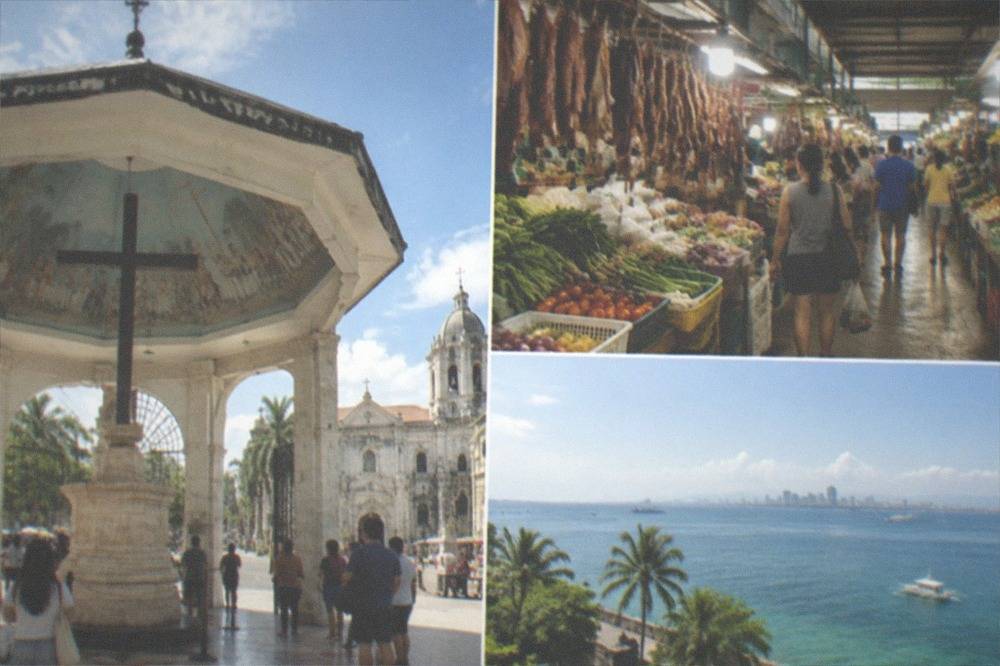
Mactan, across Mandaue's bridges, supplies the beaches and the resort strip. The island's environmental fee for island hopping is P100 (about US$1.6) for foreign tourists, with a reduced rate of P20 (about US$0.3) for local tourists following a July 2025 amendment, and the marine sanctuaries at Hilutungan and Nalusuan charge roughly P150 (about US$2.4) to P300 (about US$4.8) each per person. The Lapu-Lapu City area guide covers the resort scene; the practical note from Mandaue is that the bridge crossing adds real time at peak hours, so beach days are best started early.
Within Mandaue itself, plan around food and shopping rather than monuments. The city's markets and its restaurant scene skew local and unpretentious, and the easiest way in is a guided walk:
The Cebu Market and Food Tour runs through the public markets of the metro area, with the operator's price published on its live listing. If you would rather explore the food scene on foot with a local guide who works on tips, the free walking tours listed on GuruWalk, such as the Essential Cebu free tour covering culture and local flavours across ten stops, are an alternative, with the guru named on each listing.
For evenings, the malls and the dining strips of Mandaue and neighbouring Cebu City cover most needs, and the IT Park across town, covered in our IT Park guide, is the metro area's main night-out district. A fuller roundup of options across the island lives on our things to do in Cebu page.
How Much Does A Day In Mandaue And Metro Cebu Cost?
A day based in Mandaue is inexpensive by international standards: jeepney hops cost a few pesos, museum admission runs about fifty pesos, and the airport bus is fifty pesos, so local transport, street food and one paid attraction remain easy on a small budget. The large variable is tours and ferries: the OceanJet fastcraft to Bohol costs about nine hundred sixty pesos tourist class one way, and guided day tours are priced in US dollars on their listings.
The local-cost table below uses only figures verified for this destination. Fees change, so treat every line as a planning range and confirm on site:
| Item | Cost |
|---|---|
| Jeepney minimum fare (from 28 Sept 2026, national approval) | P14 (about US$0.2) traditional, P17 (about US$0.3) modern, first 4 km |
| MyBus, airport to SM City Cebu | P50 (about US$0.8) regular |
| Fort San Pedro admission | P50 (about US$0.8) regular, P40 (about US$0.6) student or senior |
| Tops Lookout admission | P100 (about US$1.6) regular, P70 (about US$1.1) senior or PWD |
| OceanJet fastcraft to Tagbilaran, Bohol | P960 (about US$15.3) tourist, P1,440 (about US$23) business |
| Lapu-Lapu island hopping environmental fee | P100 (about US$1.6) foreign, P20 (about US$0.3) local |
| CCLEX toll, Class 1 car, one way | P107 (about US$1.7) |
Two warnings from the fact base. First, the terminal fee at Mactan-Cebu International Airport is bundled into your airline ticket, at P850 (about US$13.5) international and P200 (about US$3.2) to P350 (about US$5.6) domestic, so you do not pay it at the airport. Second, foreign tourists staying under a year are exempt from the Philippine travel tax, which falls on Filipinos and residents in economy class. If a blog tells you to budget travel tax as a foreign visitor, that blog is out of date.
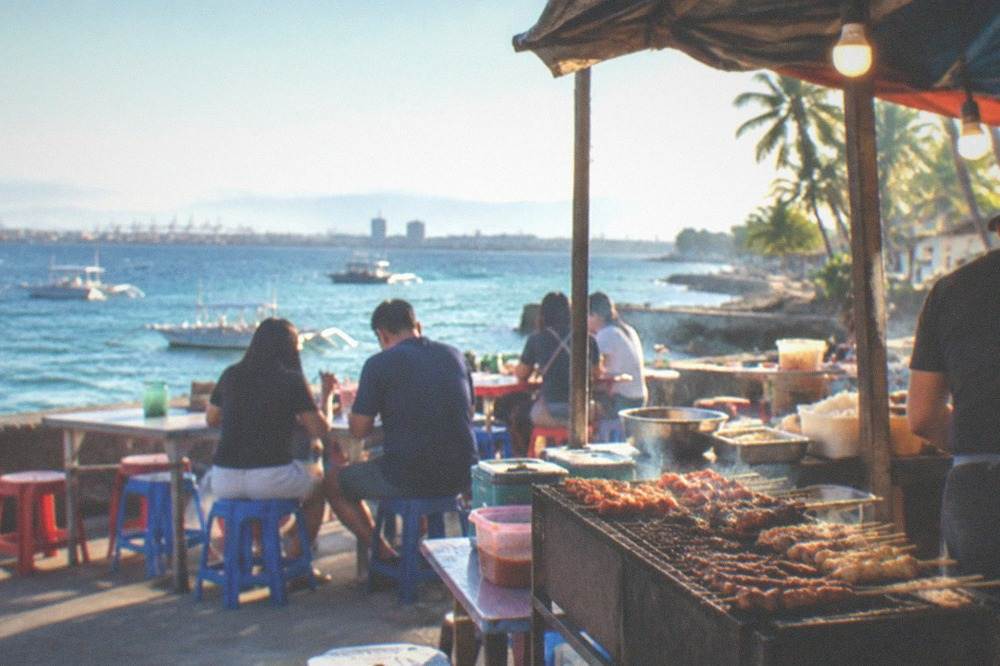
For a sense of scale, the cheapest end of a Mandaue day is genuinely cheap: a jeepney ride, a market lunch and a free heritage site come to a few hundred pesos. The expensive end is almost always a tour or a ferry, and those are best booked with free cancellation so weather and whale sharks cannot wreck the budget. Our Cebu budget and costs guide breaks the arithmetic down by travel style.
When Is The Best Time To Visit Mandaue City Cebu?
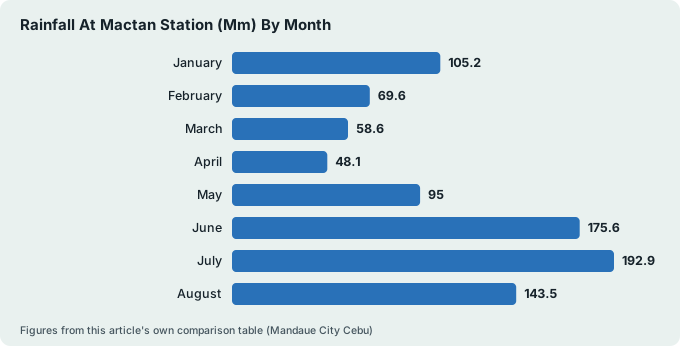
The best time to visit Mandaue and Metro Cebu is the dry season from December to May, with the driest months of March and April seeing 58.6 mm and 48.1 mm of rain respectively at the Mactan station, against October's 194.8 mm peak. The Sinulog festival draws its biggest crowds on the third Sunday of January, and typhoon risk runs June to November with the highest landfall chances in the later months.
The climate here is tropical, not temperate, and the PAGASA classification for the country puts the rainy season from June to November and the dry season from December to May. The Mactan station's 1991-2020 normals, the closest official record to Mandaue, give an annual mean temperature of 28.1 degrees, 1,685.0 mm of rain and 138 rain days a year. Monthly rainfall tells the planning story:
| Month | Rainfall at Mactan station (mm) |
|---|---|
| January | 105.2 |
| February | 69.6 |
| March | 58.6 |
| April | 48.1 |
| May | 95.0 |
| June | 175.6 |
| July | 192.9 |
| August | 143.5 |
| September | 179.6 |
| October | 194.8 |
| November | 161.9 |
| December | 139.7 |
Read the table before packing. October, not a summer month, is the wettest in this series, and April is the driest. The Sinulog festival, the third Sunday of January, is the single busiest weekend on the island, with the 2027 Grand Parade set for 17 January at the Cebu City Sports Center, which is the venue again after two years at the South Road Properties. Book Mandaue and Cebu City hotels months ahead for that weekend or accept steep rates.
The typhoon record deserves honesty. Typhoon Tino in early November 2025 brought record rainfall and severe flooding to Cebu, with a state of calamity declared across the province, though the tourism department confirmed that the core zones of Cebu City and Mactan were largely unaffected and open within a week. The 30 September 2025 magnitude 6.9 earthquake off northern Cebu damaged heritage churches around Bogo and Daanbantayan, but Mandaue and the central metro area reported no major closures. Our Cebu weather and typhoon season guide covers the seasonal risk in detail.
Is Mandaue City Cebu A Good Place To Stay?
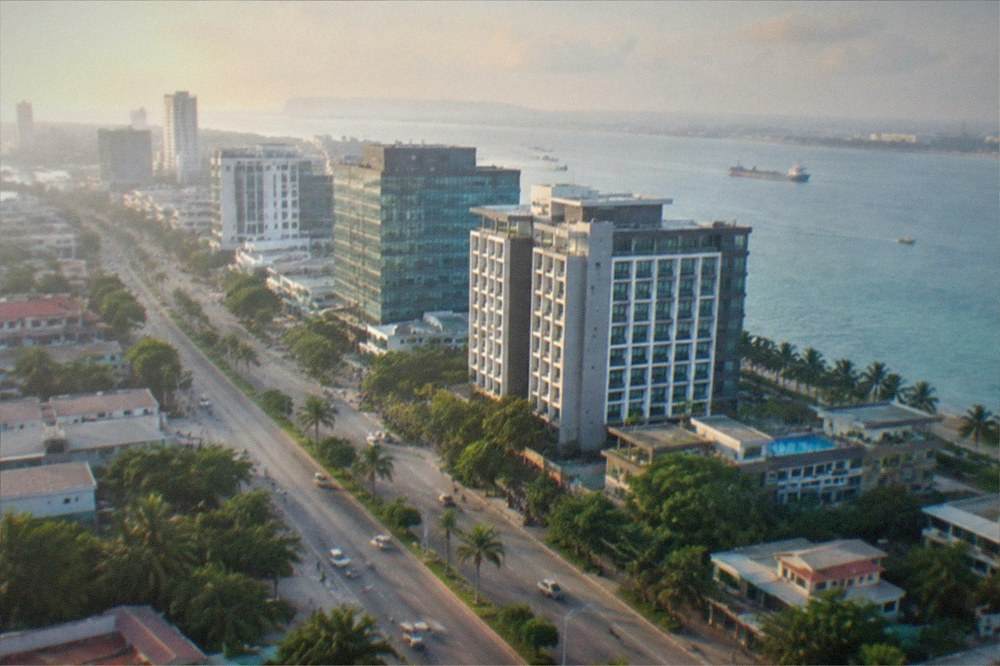
Mandaue is a good place to stay for travellers who value location and price over atmosphere: it puts you between Cebu City's heritage core and Mactan's beaches, usually at lower room rates than either, and it sits on the direct road between the airport and the south bus terminal. It is a weaker choice if you want walkable heritage, a beach at your door or a lively nightlife district, because Mandaue is a working industrial and logistics city first.
The trade-off is real. What Mandaue offers is geometry: from a Mandaue hotel you are a short drive from the airport, a short drive from the colonial core of Cebu City, and a bridge crossing from Mactan's resorts. What it lacks is the charm that draws visitors in the first place. The city's own attractions are modest, its streets are built around trucks and container traffic, and after dark the action migrates to Cebu City's dining strips and the IT Park.
Compare the alternatives before deciding. Our where to stay in Cebu guide and the head-to-head on Mactan versus a Cebu City stay lay out the full decision; the short version for Mandaue is that it suits long-stay visitors, business travellers and anyone prioritising airport access. The bridge traffic is the one recurring complaint: peak-hour crossings between Mandaue and Mactan can stretch a short hop badly, so time airport runs and beach days around it.
If you do base yourself here, the day-trip options are the payoff, and these three are the most booked from the metro area:
All three collect from metro hotels, which removes the early-morning jeepney mathematics entirely. The Bohol tour is the longest commitment at about 14 hours with the ferry crossing, while the market food walk fits an afternoon.
What Should You Know Before Visiting Mandaue City Cebu?
Before visiting Mandaue, know four things: your passport needs six months' validity and an onward ticket for the 30-day visa-free entry granted to most Western nationals; you must register on the free eTravel platform within 72 hours before arrival; the peso is the currency and every price here carries its dollar equivalent; and the city is a working industrial hub, so dress and plan for heat, traffic and humidity rather than resort ease.
The entry rules are straightforward for visitors from the United States, the United Kingdom, Australia and every EU state: an initial stay of thirty days, extendable through the Bureau of Immigration, with the first extension adding 29 days. The eTravel registration is free at the official government site, and the Bureau of Immigration has repeatedly warned about fake lookalike sites that charge a fee, so register only at the official address. Our Philippines visa and eTravel guide walks through the whole process.
Money and practicalities in one table:
| Practicality | Detail |
|---|---|
| Currency | Philippine peso, written here as P with a US dollar equivalent |
| Electricity | 230 V, 60 Hz, plug types A, B and C |
| Time zone | UTC+8, no daylight saving |
| Visa-free stay | 30 days for US, UK, EU and Australian nationals |
| Travel tax | Exempt for foreign tourists staying under one year |
| Advisory level | US Level 2 for the Philippines overall, nothing Cebu-specific |
Safety advisories for the Philippines sit at Level 2, exercise increased caution, from the US State Department, with the severe warnings confined to the Sulu archipelago and parts of Mindanao, and neither the US, UK nor Australian advisories name Cebu. Regional crime reporting through 2025 showed declines in Cebu City's index and non-index crime figures. Ordinary city caution applies in Mandaue as anywhere: mind your phone on crowded jeepneys, agree taxi fares or use the app, and keep typhoon-season plans flexible between June and November.
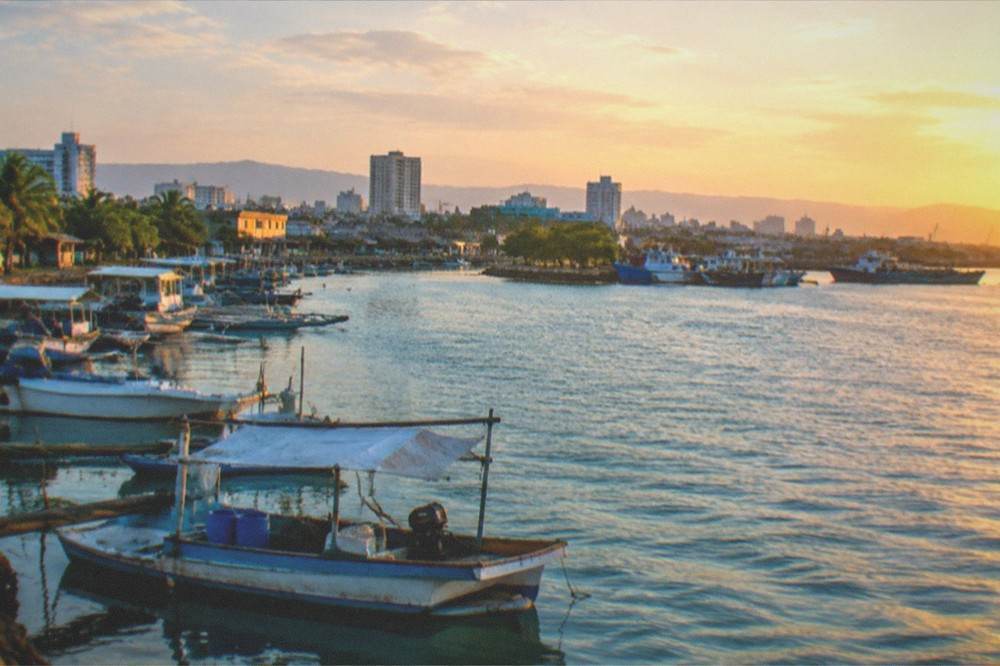
One last orientation note that catches visitors out: "Cebu" on a sign can mean the province, the island, the city or the airline, and Mandaue is legally inside none of the first three's administration. The city, like Cebu City and Lapu-Lapu, reports directly to national government as a highly urbanized city. That quirk of Philippine administrative law is why census figures never seem to add up, and it is a reliable piece of trivia to deploy over a market lunch.
Common Questions About Mandaue City Cebu
Is Mandaue City part of Cebu Province?
No. Mandaue is a highly urbanized city, administratively independent of Cebu Province, a status it shares with Cebu City and Lapu-Lapu City. Provincial population totals exclude all three cities, which is why the province's 2020 census figure of 3,325,385 counts far fewer people than live in the metro area.
How far is Mandaue City from Mactan-Cebu International Airport?
The airport sits on Mactan island, across the channel from Mandaue, and the drive between them uses either the Mactan-Mandaue (Osmeña) Bridge or the Marcelo Fernan Bridge. The official figure for the airport's distance to central Cebu City is about 13 to 15 km with a typical drive of 25 to 60 minutes depending on bridge traffic, and a Mandaue hotel sits on that same corridor.
What is Mandaue City known for?
Mandaue is known as the industrial and logistics core of Metro Cebu, home to furniture workshops, food processing plants and container yards, and as the city that holds two of the three road bridges between Cebu island and Mactan. Its 2020 population was 364,116, rising to 364,482 in the 2024 census.
Can you walk from Mandaue to Mactan?
Not practically. The Mactan-Mandaue (Osmeña) Bridge and the Marcelo Fernan Bridge carry road traffic between Mandaue and Lapu-Lapu City on Mactan, and neither is designed as a pedestrian route. Jeepneys, taxis and Grab cross constantly, and the CCLEX tollway from Cordova is the third option for drivers.
Is Mandaue City Cebu safe for tourists?
Yes, with ordinary city caution. No foreign advisory names Cebu specifically; the US State Department's Level 2 advisory for the Philippines applies nationwide, with its severe warnings confined to the Sulu archipelago and parts of Mindanao. Regional crime figures reported through 2025 showed declines in Cebu City.
Do foreign tourists pay the Philippine travel tax when leaving Cebu?
No. Non-immigrant foreign visitors staying less than one year are exempt from the Philippine travel tax, which is charged to Filipinos and residents at 1,620 pesos economy class. The passenger service charge at Mactan-Cebu International Airport, 850 pesos international, is instead bundled into your airline ticket.
Mandaue will never be the reason you fly to the Philippines, but it is very likely the reason your transfer from the airport takes twenty minutes instead of ninety. Treat it as the hinge it is, book the day trips that collect from its hotels, and the industrial city in the middle of Metro Cebu quietly becomes the most convenient address on the island.