Cebu Vs Siargao
Cebu, an island province in the Central Visayas region of the Philippines, and Siargao sit in the same island nation but answer different travel questions. Cebu is a city-and-country mix of heritage sites, ferry hubs and marine day trips; Siargao is a small surf island. This comparison lays out what each does well, using verified Cebu figures, so the choice depends on the trip being planned rather than on slogans.
Short answer
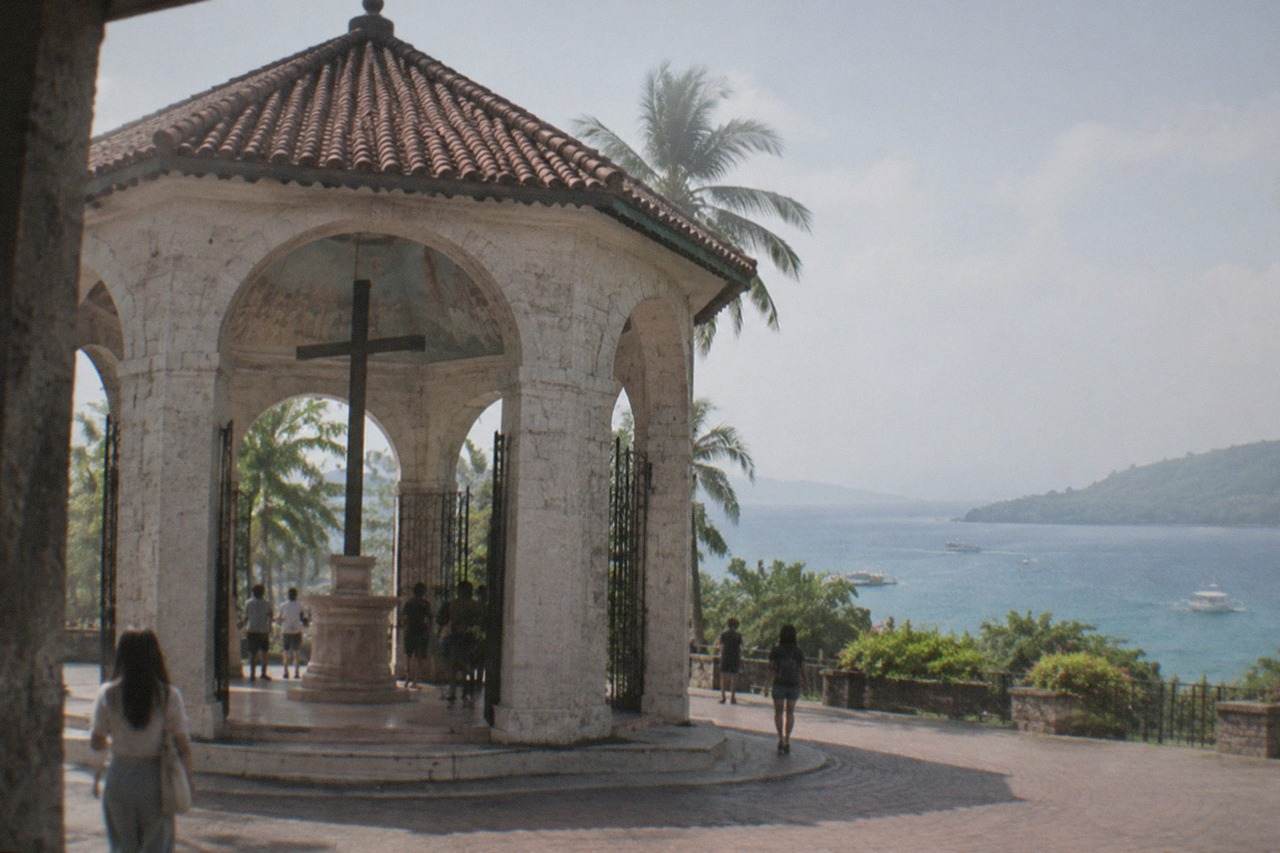
Choose Cebu for heritage, city comforts, whale sharks and easy side trips to Bohol and nearby islands; choose Siargao for a small-island surf scene. Cebu has the international airport, the old city and the wider activity range, while Siargao keeps things compact. Every figure quoted in this comparison is Cebu's, from verified sources.
Cebu, an island province in the Central Visayas region of the Philippines, gets compared to Siargao more often than either island expects. The two names appear in the same forum threads because travellers with one Philippine slot in their itinerary want to know which island deserves it. The honest answer is that they are not really substitutes. Cebu is a metro region of close to a million people in its core city, a Spanish-era heritage quarter, a major international airport and a springboard for Bohol, Bantayan, Camotes and the southern marine towns. Siargao is a small island in Surigao del Norte, far to the southeast, known above all as a surfing destination centred on General Luna. This guide compares them point by point, and every number that appears below is Cebu's, from verified sources; Siargao is described qualitatively. For a fuller map of the island's attractions, the Cebu Travel Guide hub and the Cebu travel guide hub page collect the basics in one place.
Which Island Is Easier To Reach, Cebu Or Siargao?
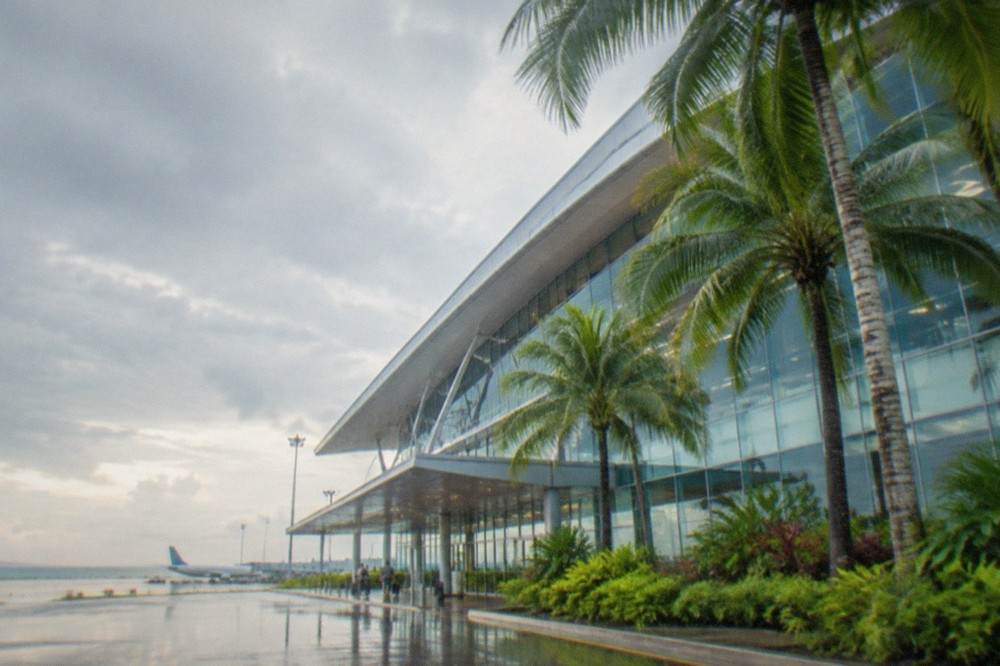
Cebu is the easier island to reach by a wide margin, because Mactan-Cebu International Airport is a full international gateway with two passenger terminals and a wave of new long-haul routes, while Siargao's small airport receives domestic flights that almost always connect through Cebu or Manila first. Travellers headed to Siargao typically pass through Cebu's airport on the way. The airport's own transport guide lists a bus link to SM City Cebu, accredited taxis and ride-hailing pickups.
Mactan-Cebu International Airport has been operated since 16 January 2025 by Aboitiz InfraCapital Cebu Airport Corporation under a public-private partnership, and its route map has grown fast: recent additions include Jetstar to Brisbane, Vietnam Airlines to Hanoi, AirAsia to Kuala Lumpur and Firefly to Kuala Lumpur. Terminal 2, opened in 2018, handles international flights; Terminal 1 handles domestic. A second runway opened on 30 January 2025.
Siargao's airport at Sayak serves the domestic hop from Cebu or Manila. That shapes the whole comparison: a traveller from outside the Philippines can land at Cebu directly, whereas reaching Siargao adds a connecting flight and a road transfer on top of the international leg. Some visitors treat this as part of the charm, since the extra effort keeps the island quieter.
Once on the ground, Cebu's transport stack is documented on the getting around Cebu page, and the airport details live in the Cebu airport guide. The table below shows what the airport-to-city journey costs on Cebu's side; no equivalent figures are quoted for Siargao.
| Journey or fare (Cebu) | Figure |
|---|---|
| MyBus, airport to SM City Cebu | P50 (about US$0.8) |
| Yellow airport taxi flag-down | about P70 (about US$1.1) |
| White metered taxi flag-down | about P40 (about US$0.6), plus per-kilometre charges |
| Jeepney first 4 km, traditional (national adjustment from 28 Sept 2026) | P14 (about US$0.2) |
| CCLEX bridge toll, car, one way | P107 (about US$1.7) |
| OceanJet fastcraft, Cebu to Tagbilaran (Bohol), tourist class | P960 (about US$15.3) |
What Does Cebu Have That Siargao Does Not?
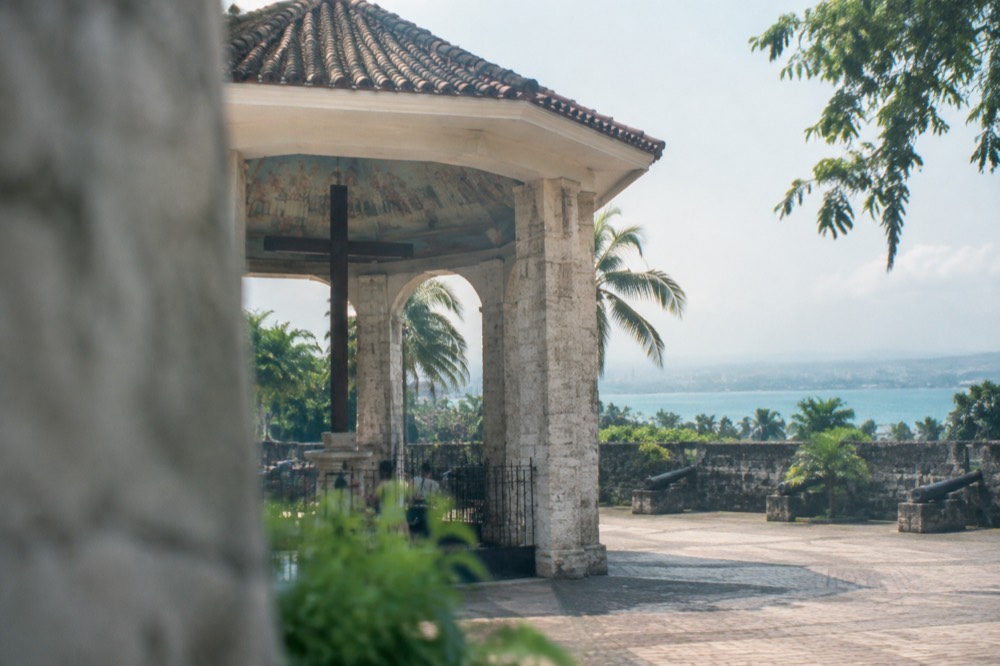
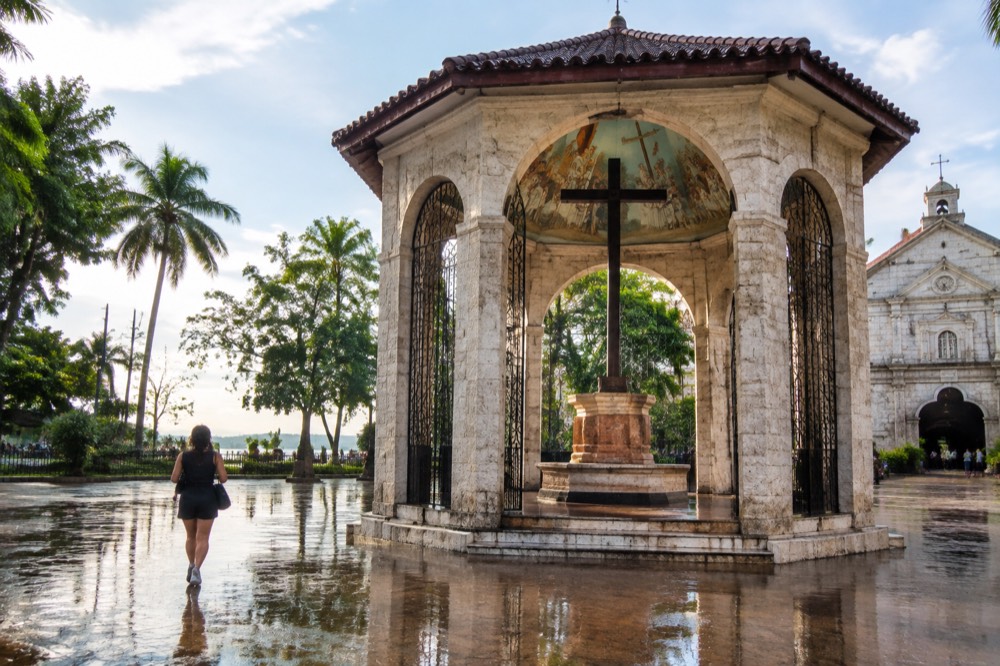
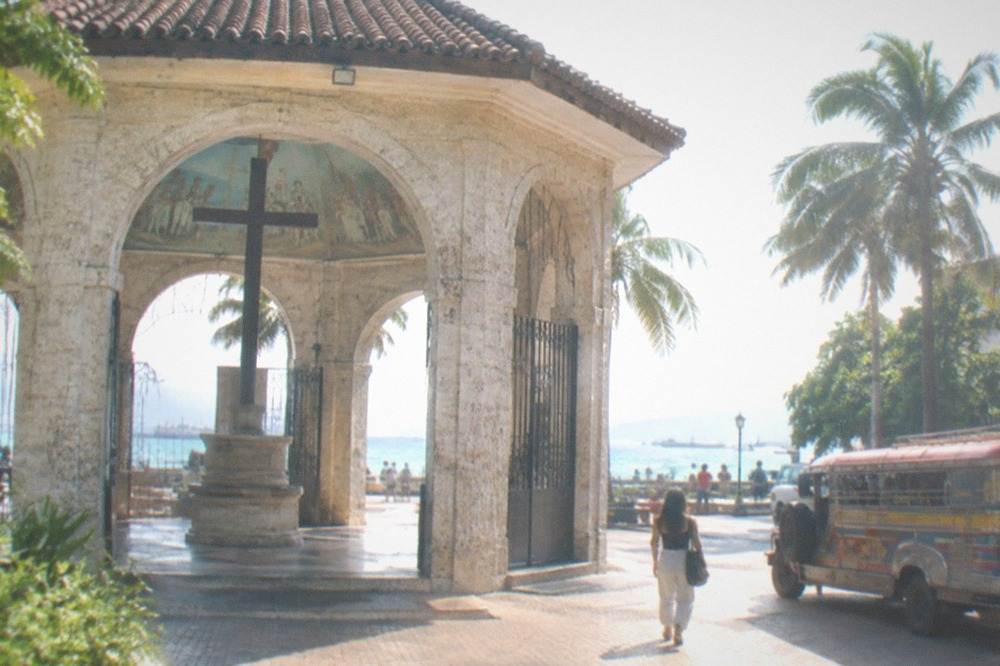
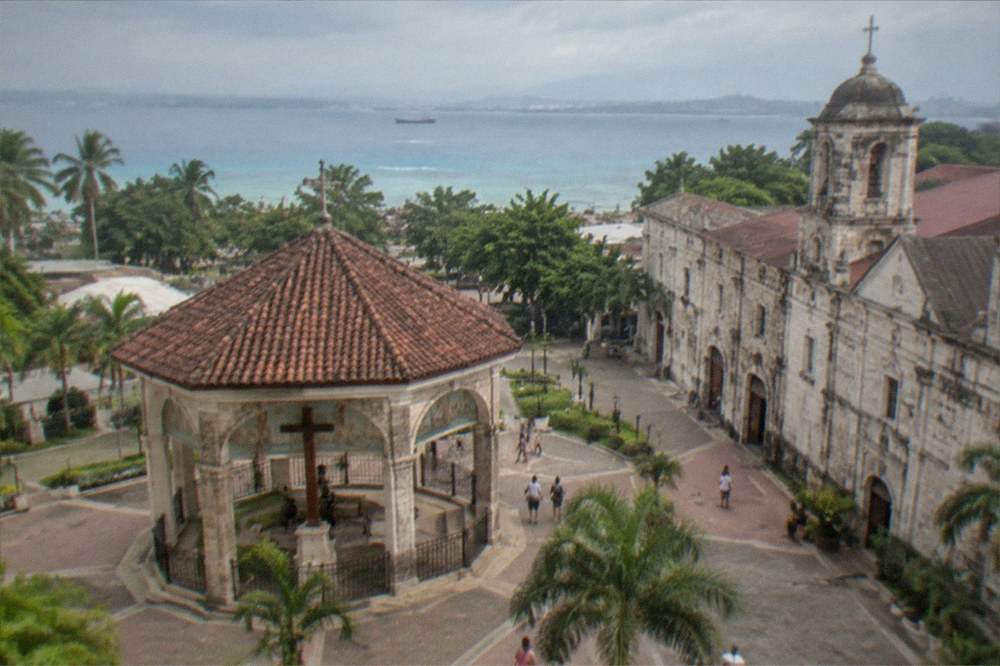
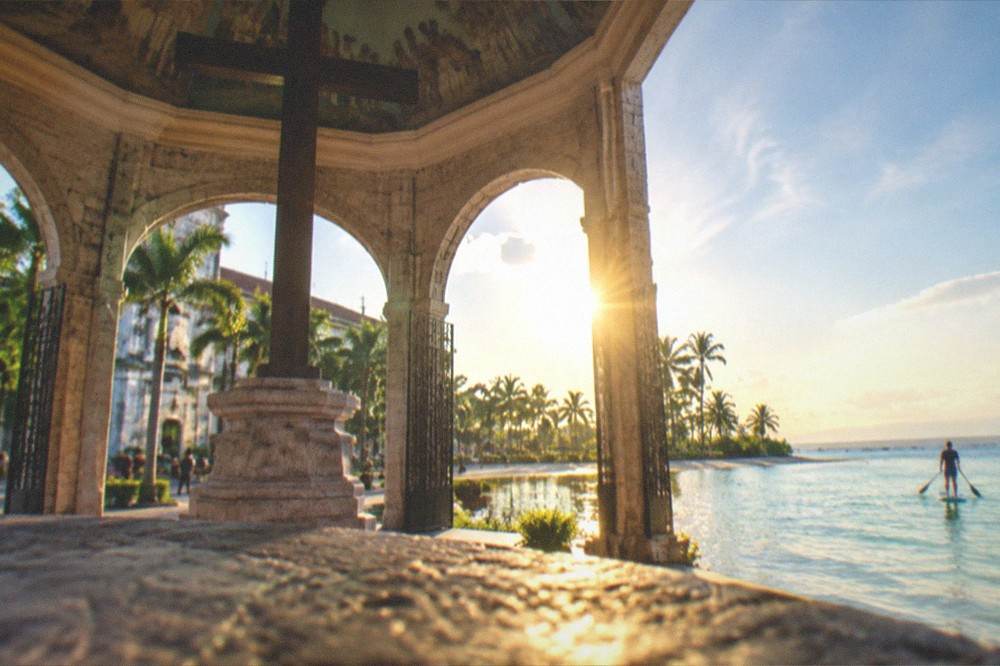
Cebu has a Spanish-era heritage core no surf island can match: Magellan's Cross, the Basilica Minore del Santo Niño, Fort San Pedro and the country's oldest chartered city, founded in 1565 and chartered in 1937. It also has the Sinulog festival each January, a working ferry port to Bohol, and day trips spanning whale sharks, waterfalls and island hopping. Siargao offers none of the heritage layer and a far smaller activity menu.
The historical record is unusually deep for a beach destination. Magellan's fleet arrived in 1521; the Battle of Mactan followed on 27 April 1521. Legazpi's expedition landed on 28 April 1565, the same day the Santo Niño image was found and the Church of the Santo Niño was founded. Fort San Pedro's present stone structure dates from 1738. A visitor can walk all of this in a single morning in downtown Cebu City, then eat lechon in the afternoon; the Cebu food and lechon guide covers where.
Siargao's appeal is different in kind: surf breaks, island-hopping trips to nearby islets, a laid-back hostel and bar scene along General Luna's strip. It is a strong pick for a week of low-effort beach life. What it lacks is the density of distinct experiences. On Cebu, a single week can hold a city heritage day, a whale-shark morning in Oslob, canyoneering at Kawasan Falls, a Bohol countryside day trip across the strait and a Mactan island-hopping run, all from one hotel base.
| Cebu day trip (from Cebu City) | Typical journey each way | What it delivers |
|---|---|---|
| Oslob whale sharks | about 3.5 to 4.5 hours by bus | Snorkelling beside whale sharks, plus Tumalog Falls |
| Moalboal sardine run | about 2.5 to 3.5 hours by bus | The sardine bait ball off Panagsama Beach, a short swim from shore |
| Kawasan Falls, Badian | southern bus route, then local transfer | Turquoise falls, regulated canyoneering |
| Bohol countryside | about 2 hours by fastcraft to Tagbilaran | Chocolate Hills, tarsiers, Loboc river cruise |
| Mactan island hopping | under an hour to the departure points | Gilutungan, Caohagan and Nalusuan marine sanctuaries |
The three most-booked Cebu days trips, priced and rated by the operators' live listings:
Entry fees for the heritage and highland sites are modest, and several of the most famous spots cost nothing at all. The figures below are Cebu's verified or reported rates; check on the day, since a few sites adjusted hours after the September 2025 earthquake and the Temple of Leah shortened its opening hours from April 2026.
| Cebu site | Entry fee |
|---|---|
| Magellan's Cross | free |
| Taoist Temple | free, donations welcome |
| Fort San Pedro | P50 (about US$0.8) regular, P40 (about US$0.6) students and seniors |
| Museo Sugbo | P50 (about US$0.8) general, P25 (about US$0.4) students and seniors |
| Sirao Flower Garden | about P100 (about US$1.6) |
| Temple of Leah | about P120 (about US$1.9) weekday, P150 (about US$2.4) weekend |
| Tops Lookout | P100 (about US$1.6), P70 (about US$1.1) seniors and PWD with ID |
Which Island Wins For Water, Beaches And Diving?
For diving and marine variety, Cebu wins on range: whale sharks in Oslob, the permanent sardine school at Moalboal, thresher sharks at Malapascua and sanctuary snorkelling around Mactan, all regulated and fee-based. Siargao's reputation is built on surf rather than dive diversity, with reef breaks and island trips. Neither island should be sold on the same water, because Cebu's marine menu is broader and its dive infrastructure is larger.
The sardine run at Moalboal is the standout: the municipal site notes the school sits a few metres off Panagsama Beach, reachable from shore, with the best light early in the morning. A P100 (about US$1.6) environmental user fee covers swimming and snorkelling in the area. Oslob's whale-shark interaction is the other headline, at P1,000 (about US$15.9) for foreign visitors and P500 (about US$8.0) for Filipinos, boat and guide included, with rules set by the local government: a minimum distance of about four metres, no touching, no sunscreen and no flash photography. Sightings are not guaranteed; in late May 2026 the sharks were absent from the Tan-awan interaction area for roughly four days when the plankton moved, and operations simply paused until they returned. The whale shark ethics in Oslob page goes into the feeding debate honestly.
Malapascua, off Cebu's north coast, is one of the few places in the world where thresher sharks are seen reliably, mostly now at Kimud Shoal, and the Cebu diving guide covers the seasonality. Siargao diving exists, but the island's water identity is surfing; Cloud 9 and the breaks around General Luna draw a surf-first crowd, and the island's famous trips go to bare sandbars and lagoons rather than to a menu of sanctuaries.
For beaches as such, both islands deliver, in different registers. Cebu's best-known swimming beaches sit on Mactan and along Bantayan, while Siargao's are wilder and emptier. The Cebu beaches page sorts them by shore type.
| Cebu marine activity | Verified or reported fee |
|---|---|
| Oslob whale sharks, foreign visitor | P1,000 (about US$15.9) |
| Oslob whale sharks, Filipino visitor | P500 (about US$8.0) |
| Tumalog Falls entrance | about P50 (about US$0.8) |
| Kawasan Falls, Level 1 swimming entrance | about P200 (about US$3.2) |
| Badian canyoneering with accredited guide | roughly P1,500 (about US$24) to P2,000 (about US$32) |
| Moalboal environmental user fee, swim or snorkel | P100 (about US$1.6) |
| Olango Island Wildlife Sanctuary, foreigner | P100 (about US$1.6) |
Is Cebu More Expensive Than Siargao?
No verified cost comparison exists for Siargao, so the honest framing is Cebu's own price level, which is inexpensive by international standards: city transport, entry to the main heritage sites and the marine day trips all carry small local fees, several top sights are free, and the whole cost structure is published and checkable. Siargao is widely described as pricier per night for beachfront rooms, but no number is published here for it.
The specifics on Cebu's side: a jeepney ride in the city starts at about P14 (about US$0.2), the airport bus to SM City Cebu is P50 (about US$0.8), entry to the main heritage sites runs from free to about P150 (about US$2.4), and the marine day trips carry local fees between roughly P50 (about US$0.8) and P2,000 (about US$32). The Cebu budget and costs page breaks a full daily budget down line by line. What matters for the comparison is structure: Cebu's costs split into a cheap urban layer (jeepneys, street food, free heritage sites) and a tour layer (whale sharks, canyoneering, island hopping) where the local government fees are fixed and published. That mix lets a visitor dial spending up or down within one trip.
Two practical money notes apply to both islands. Foreign tourists staying under a year are exempt from the Philippine travel tax, so it does not appear on the way out. And the eTravel registration required within 72 hours before arrival is free at the official site; fake mirror sites charge for it. The Philippines visa and eTravel guide covers both rules in detail, including the 30-day visa-free stay for US, UK, EU and Australian nationals.
The most popular way to do the Oslob morning from the city is a join-in day tour that also stops at Tumalog Falls, departing early; the operator has not published a price, so the live listing is the place to check it:
When Is The Best Time To Visit Cebu Or Siargao?
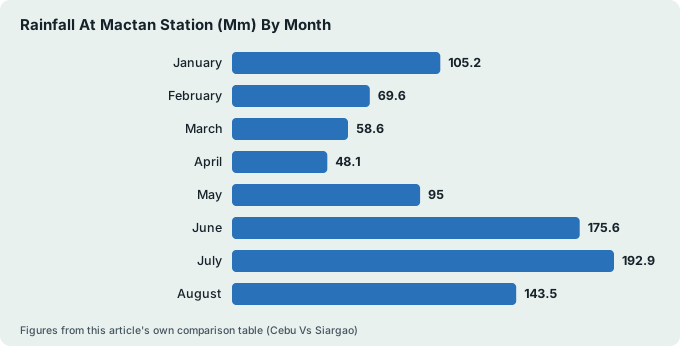
For Cebu, PAGASA's rule is a dry season from December to May and a rainy season from June to November, with typhoon risk concentrated from roughly July to October; the Mactan station's 1991-2020 normals show 1,685.0 mm of annual rain, 138 rain days and a mean temperature of 28.1°C. Siargao's seasons are described qualitatively: its surf season peaks in the later months of the year, while Cebu's calendar is anchored by Sinulog in January.
The monthly rainfall table below is Cebu's, from PAGASA's Mactan station normals. October is the wettest month at 194.8 mm and April the driest at 48.1 mm. The practical read: December to May is the safer window for the southern day trips, and the best time to visit Cebu and Cebu weather and typhoon season pages expand on it. Typhoon Tino in early November 2025 brought severe flooding to Cebu, a reminder that the June-November window carries real weather risk, though the Department of Tourism confirmed the core city and Mactan areas were open and operating shortly after.
| Month | Rainfall at Mactan station (mm) |
|---|---|
| January | 105.2 |
| February | 69.6 |
| March | 58.6 |
| April | 48.1 |
| May | 95.0 |
| June | 175.6 |
| July | 192.9 |
| August | 143.5 |
| September | 179.6 |
| October | 194.8 |
| November | 161.9 |
| December | 139.7 |
Siargao's calendar runs differently in character: the surf swell that defines the island is strongest late in the year, and the island's busy season follows it. That means the two islands can suit opposite halves of a traveller's year, and a visitor chasing the best water conditions on both would time Cebu for the December-May dry stretch and Siargao for its own peak, accepting that the two windows overlap only partly.
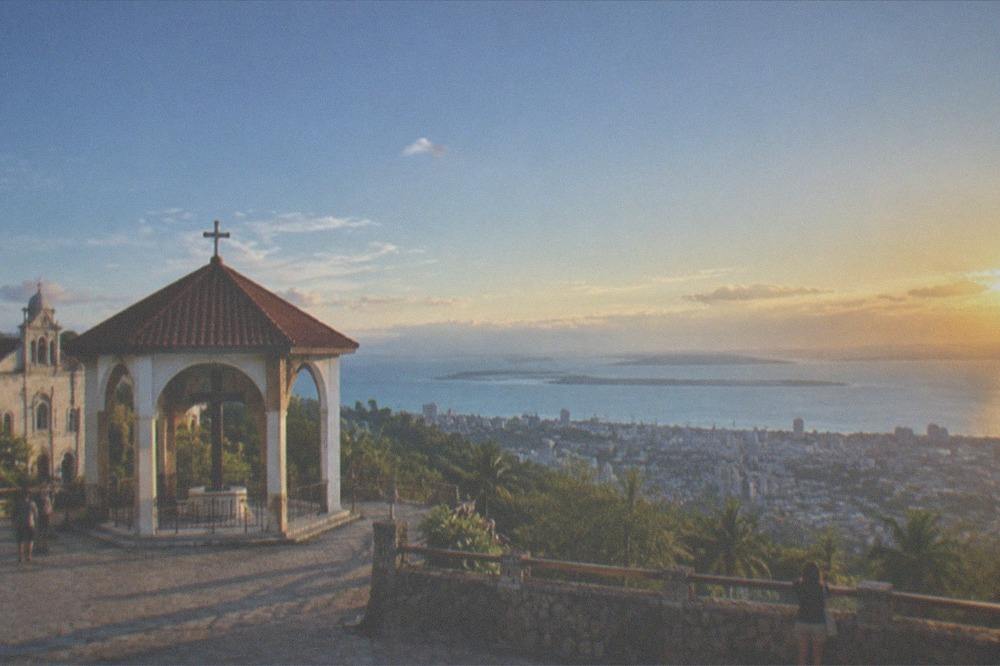
For a cooler-weather taste of Cebu's highlands without leaving the province, the temples-and-gardens tour above Busay is the standard half-day:
Which Should You Choose, Cebu Or Siargao?
Choose Cebu if the trip needs range: heritage, a real city, whale sharks, canyoneering, a Bohol day trip and an international airport all in one base, with published local fees and a December-May dry window. Choose Siargao if the goal is a single-focus surf-and-beach week in a compact island scene, accepting a domestic connection to get there. Combining both is common, since most Siargao itineraries route through Cebu anyway.
The decision usually comes down to trip shape rather than quality. A first-time Philippines visitor with 7 to 10 days, a wish list that includes history and marine life, and a preference for direct international flights lands on Cebu, and the Cebu itinerary page sequences it day by day. A returning visitor who has done the heritage circuit, surfs or wants to do nothing but island-hop from a hammock picks Siargao. Families fall on Cebu's side more often, because the Cebu family travel options, resort infrastructure and hospital access in the metro area are simply deeper.
| Trip factor | Cebu | Siargao (qualitative) |
|---|---|---|
| International access | Direct flights, two terminals | Domestic connection required |
| Heritage sites | Old city core dating to 1565 | None of note |
| Signature water activity | Whale sharks, sardine run, thresher sharks | Surfing, island trips |
| Base options | City, Mactan resorts, southern beach towns | Small-island beach strip |
| Trip style | Multi-activity hub | Single-scene escape |
| Verified fee data | Published local fees throughout | Not verified in this build |
For the adventurous half of Cebu's menu, the Badian canyoneering day with lunch included is the highest-rated water option on the island:
And if the comparison has settled on Cebu, these are the three day tours that define the island's range:
Readers weighing a third option can also compare Cebu vs Bohol and Cebu vs Palawan, and the safety picture for the whole province is covered in the Cebu safety guide. Foreign advisories for the Philippines, including the US State Department's Level 2 notice, carry no Cebu-specific restriction. Whichever island wins the itinerary, the comparison itself is worth making early, because it determines the flight routing, the packing list and the pace of the whole trip, and the two islands reward very different kinds of traveller.
Common Questions About Cebu Vs Siargao
Is Cebu or Siargao better for first-time visitors to the Philippines?
Cebu is usually the safer first pick, because it combines an international airport, a walkable heritage core, published local fees and a wide choice of day trips, which reduces the planning risk of a first trip. Siargao rewards visitors who already know what they want from a Philippine island.
Can you visit both Cebu and Siargao on one trip?
Yes, and many travellers do, because flights to Siargao connect through Cebu or Manila. A common shape is three or four days in Cebu for the heritage sites and a whale-shark or canyoneering day, then a domestic hop to Siargao for a surf-and-beach stretch.
Which island has better diving, Cebu or Siargao?
On range, Cebu: it holds the Oslob whale-shark interaction, the shore-accessible sardine run at Moalboal, thresher sharks at Malapascua and the marine sanctuaries around Mactan. Siargao's water identity is surfing first, with diving available but not the island's main draw.
Are whale sharks guaranteed at Oslob?
No. In late May 2026 the sharks were absent from the Tan-awan interaction area for roughly four days when the plankton moved to a neighbouring area, and operations paused until sightings resumed. The local government sets the rules and the fees: P1,000 (about US$15.9) for foreign visitors, P500 (about US$8.0) for Filipinos, boat and guide included.
Which island is cheaper?
Only Cebu's figures are verified here: city transport starts at about P14 (about US$0.2) per jeepney ride, the airport bus is P50 (about US$0.8), several top heritage sites are free and the marine fees run from about P50 (about US$0.8) to P2,000 (about US$32). Siargao is widely described as costing more for beachfront accommodation, but no price is published on this page.
When is the worst time to visit Cebu?
By PAGASA's classification, the rainy season runs June to November, with typhoon risk peaking roughly July to October; October is the wettest month at Mactan station with 194.8 mm of rain. Typhoon Tino in early November 2025 caused severe flooding across Cebu, so the dry December-May window is the safer choice for outdoor itineraries.